|
||||||||||||||||||
| RATS IN THE BIRD COLONIES | ||||||||||||||||||
 |
||||||||||||||||||
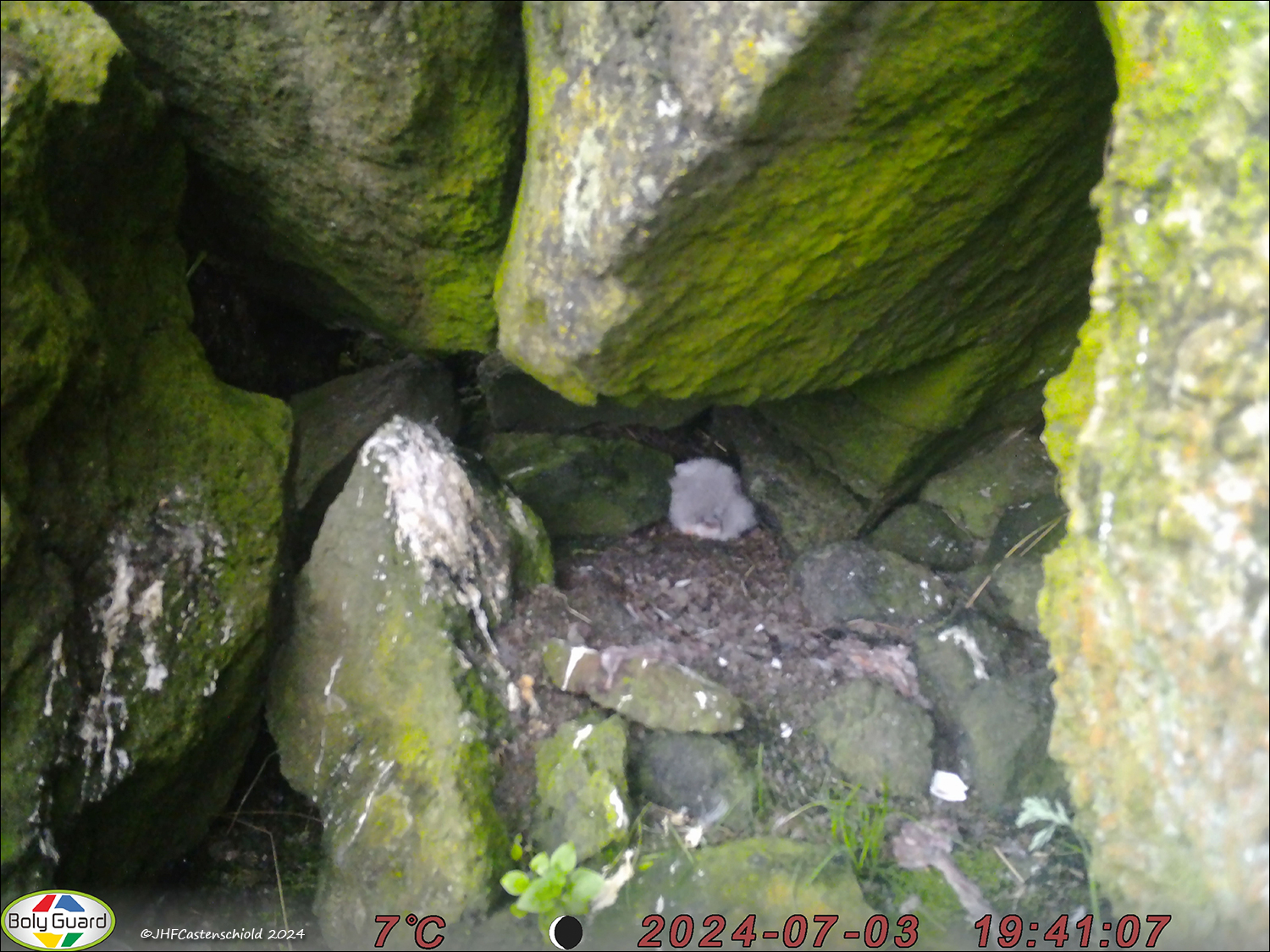
| Urðin Mikla, Viðareiði 03.07.2024 | ||||||||||||||||||
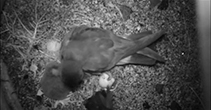
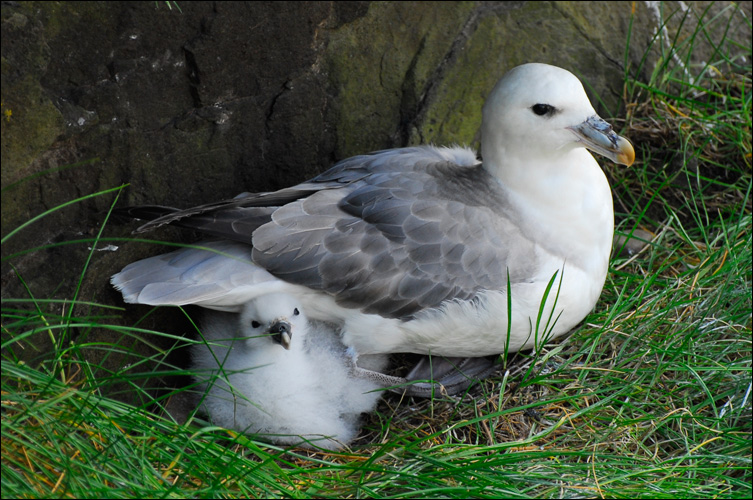
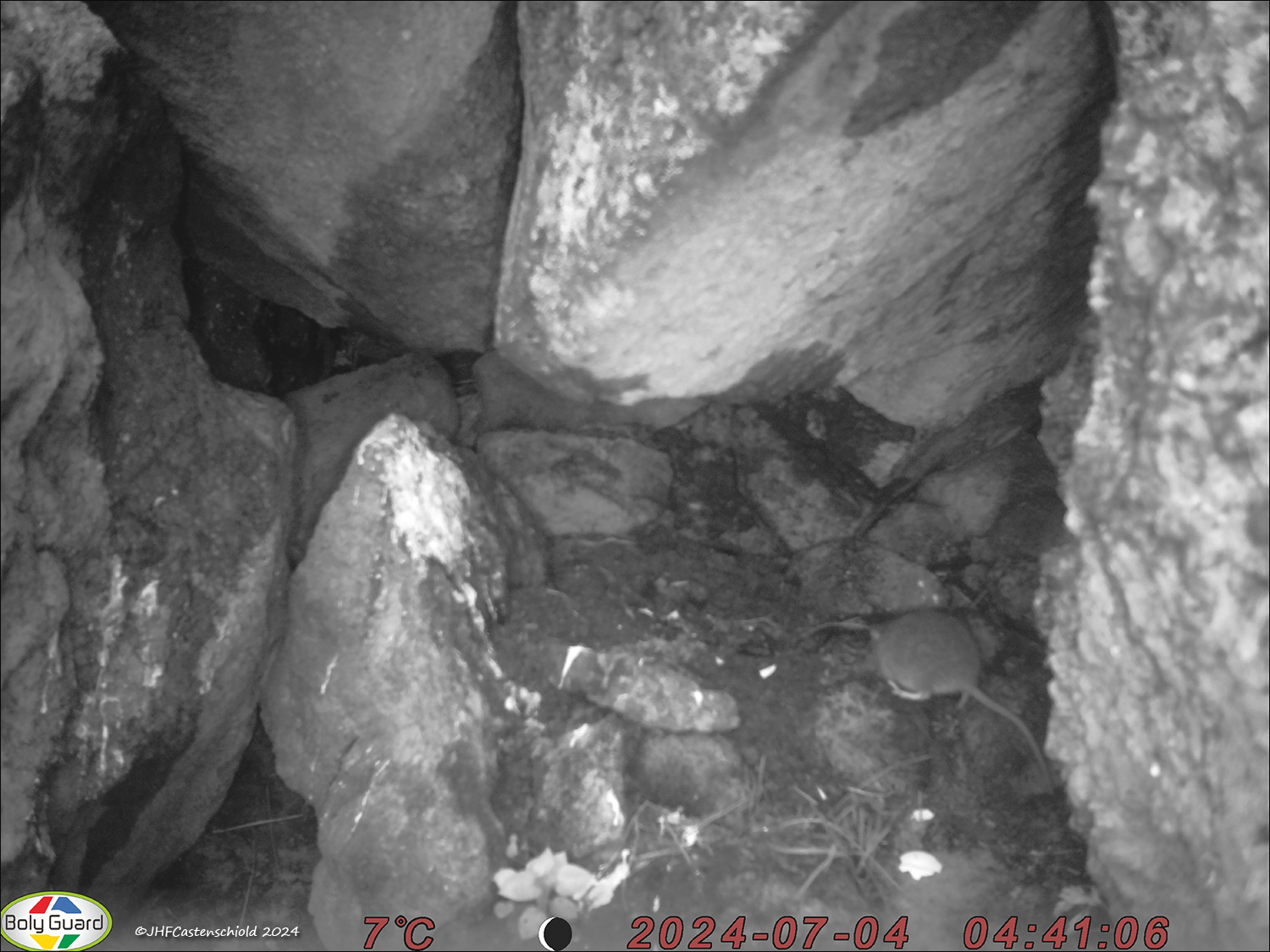
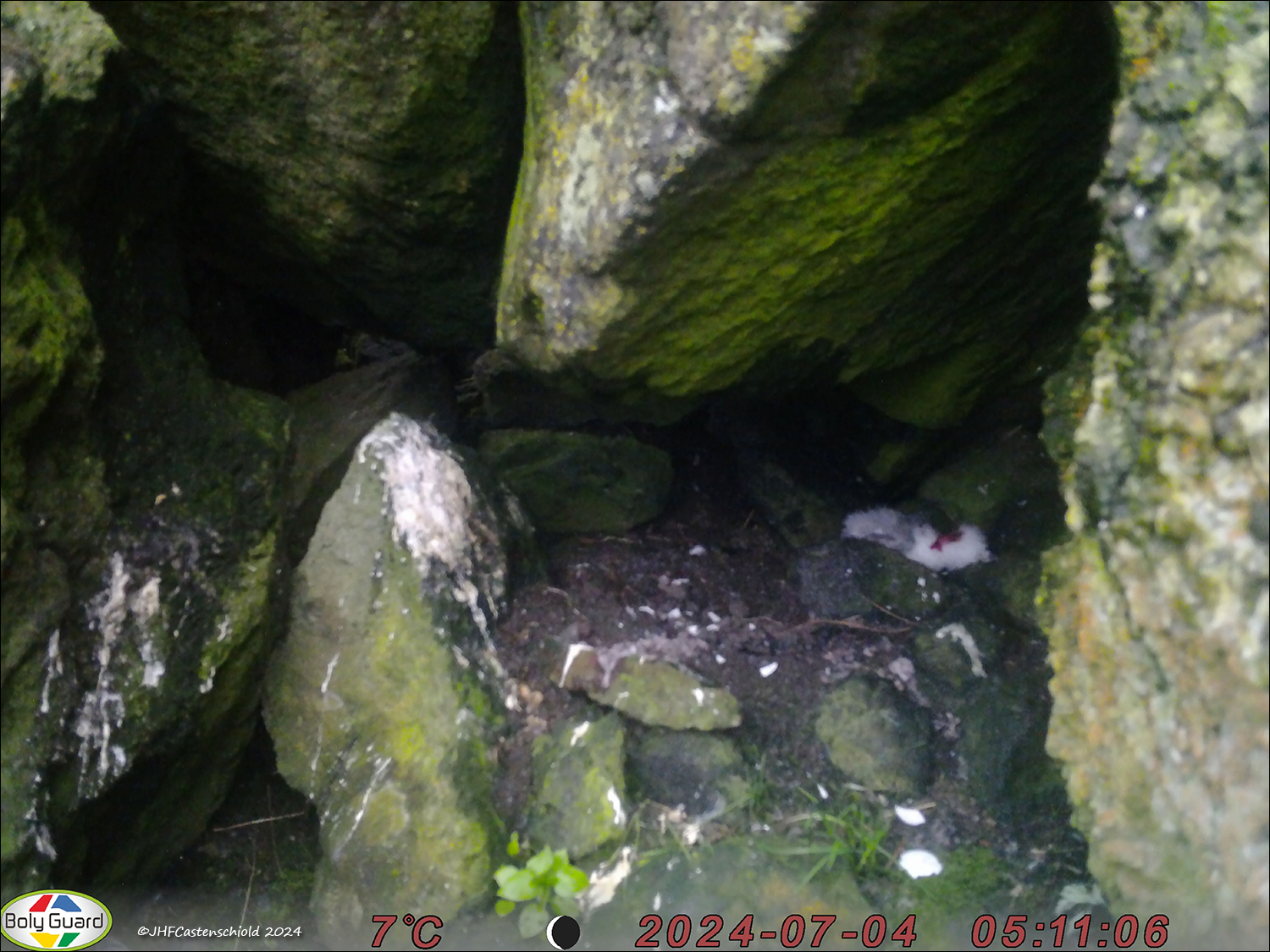
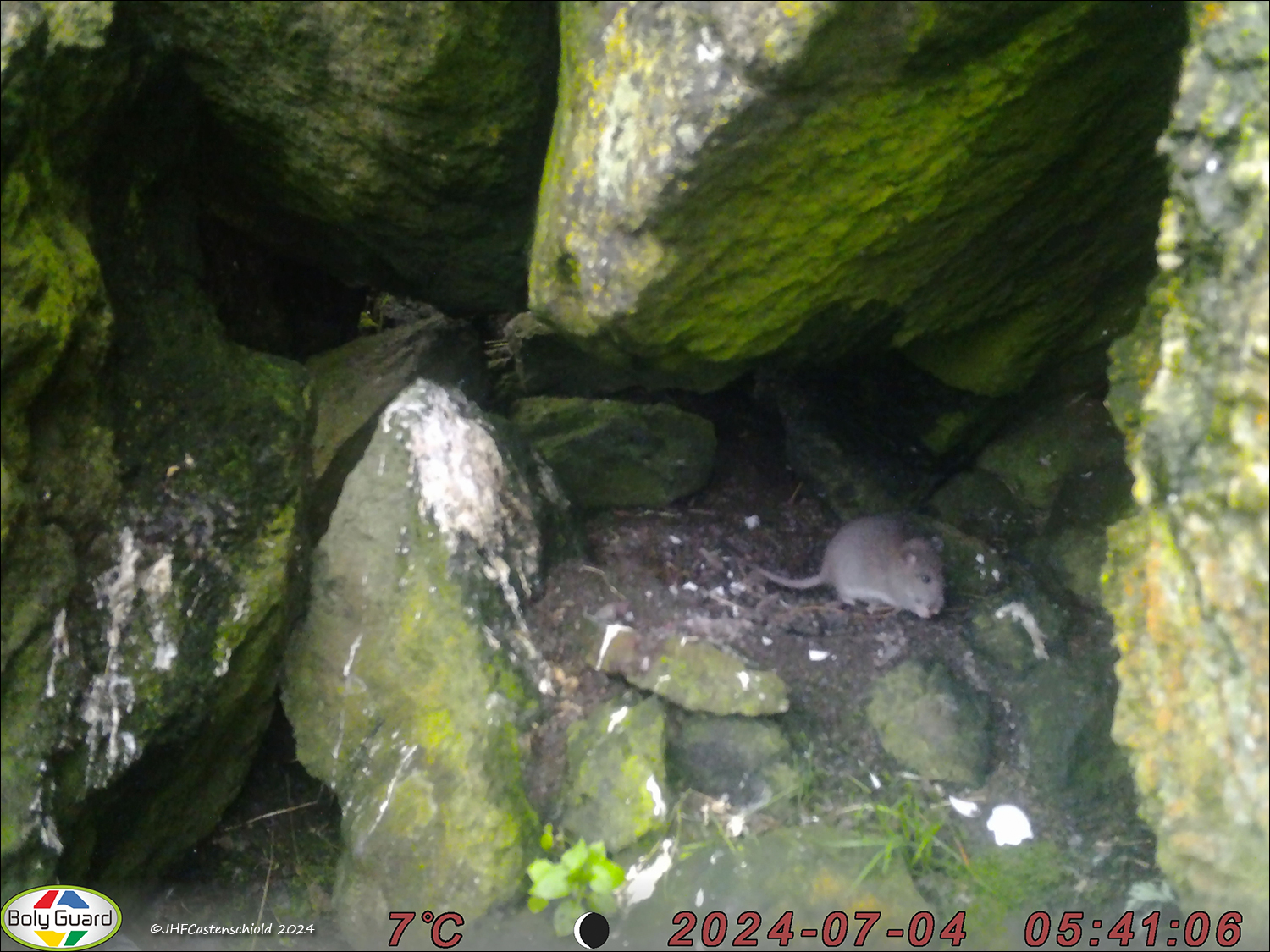
In connection with Johan Henrik Funder Castenschiold's PhD project on Fulmars, cameras were placed near some nests on Viðoy. A week later, 11 out of 15 Fulmar chicks / eggs had been taken by rats. |
||||||||||||||||||
   |
||||||||||||||||||
| ROCK DOVE Columba livia | ||||||||||||||||||
|
||||||||||||||||||
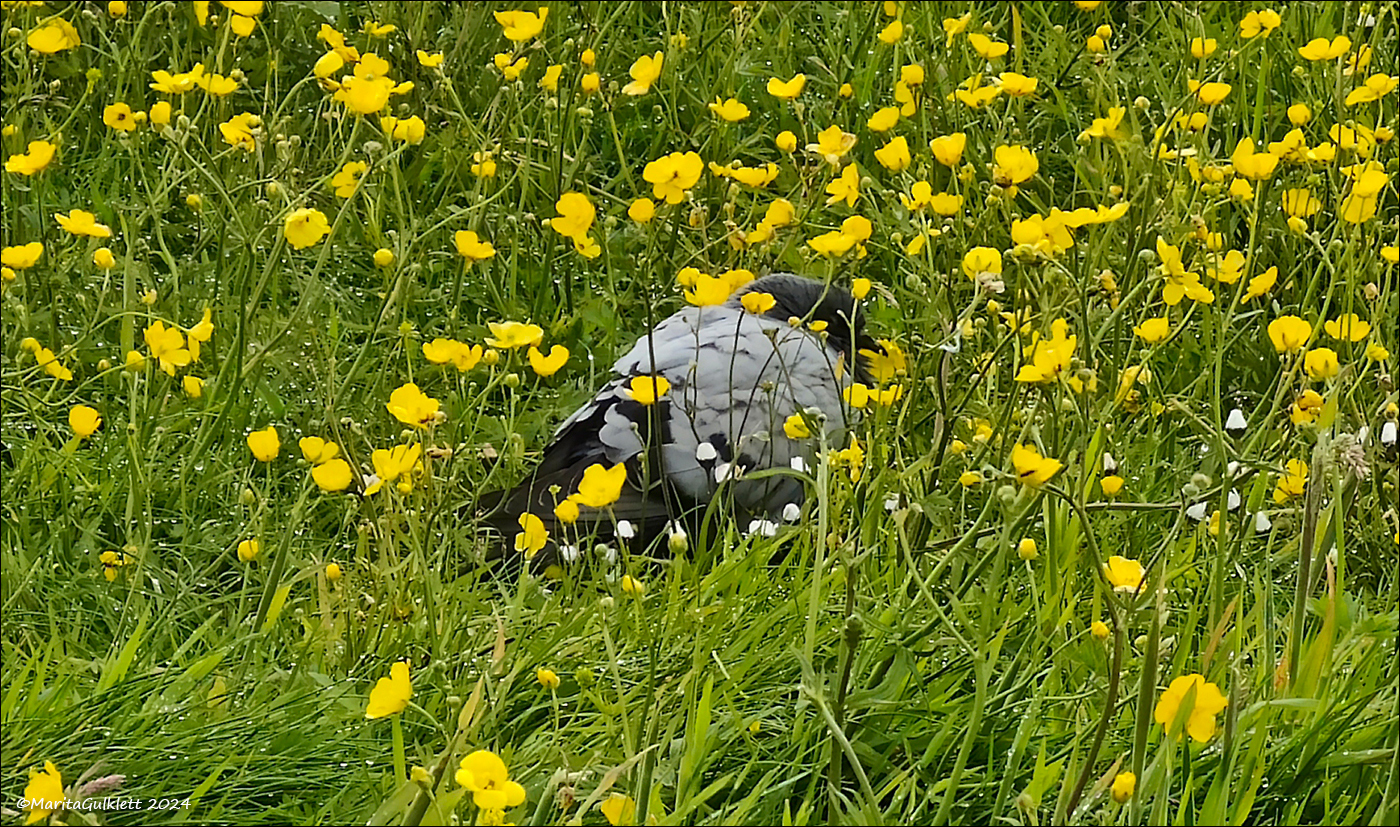
| This sick young Rock dove rolled around in the grass in Sandágerði 24.05 2024, and could hardly stand on its feet. At the same time, sick Rock doves were also seen in Nólsoy. The cause may be avian influenza, but this cannot be said for sure until all sick wild birds are examined. | ||||||||||||||||||
| N.B. See the update on the Gannets further down. | ||||||||||||||||||
RINGED FULMAR Fulmarus glacialis |
||||||||||||||||||
 |
||||||||||||||||||
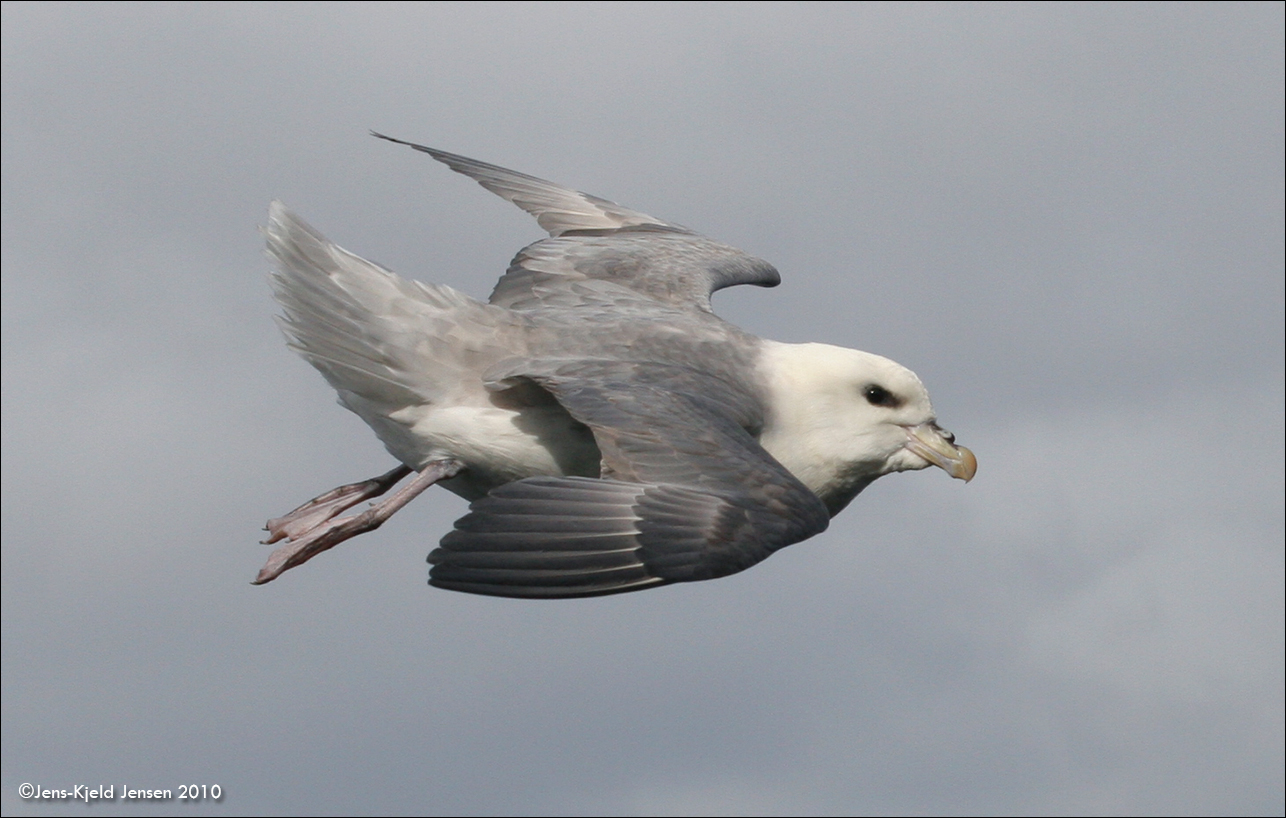
| Poul Johannes Simonsen ringed a Fulmar 10 nautical miles north of Fugloy on 03 October 1999, and he caught the same Fulmar again east of Nólsoy on 28 January 2024 - i.e. 24 years, 3 months and 25 days (8883 days) later. Unfortunately, PJS did not see that the Fulmar was ringed, so he broke its neck - to his great chagrin, when PJS later found out, that the bird was ringed. | ||||||||||||||||||
It is the oldest Fulmar we know of in the Faroe Islands, but in England they have one, that was read as 43+ years old. |
||||||||||||||||||
 |
||||||||||||||||||
| GANNETS Morus bassanus WITH PROBLEMS | ||||||||||||||||||
|
||||||||||||||||||
| And then it happened again! | ||||||||||||||||||
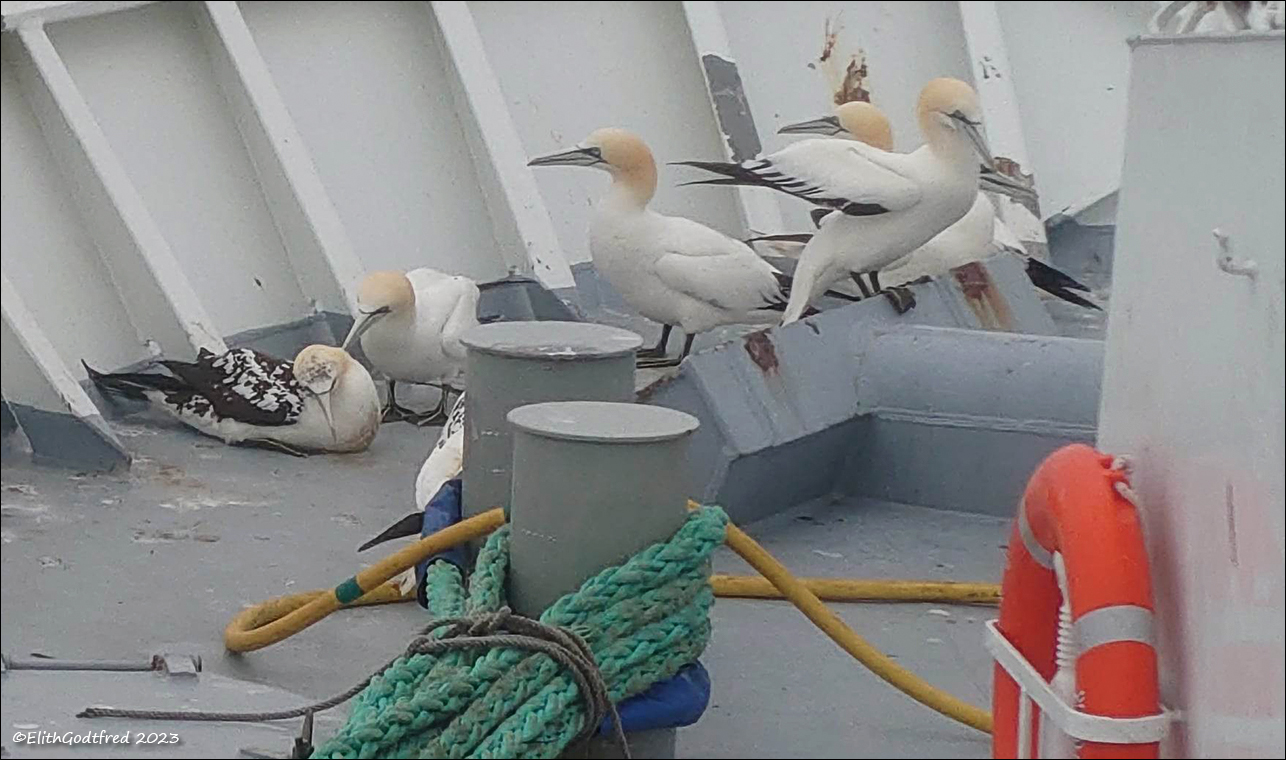
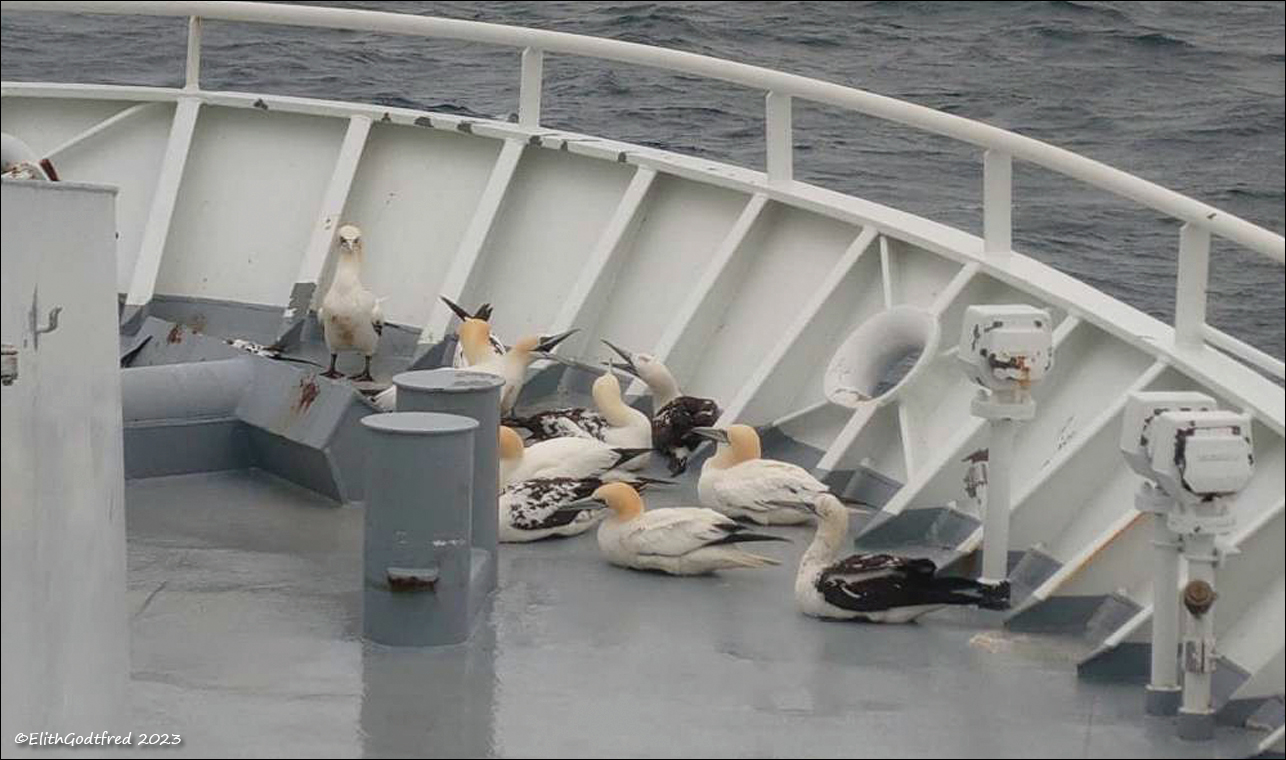
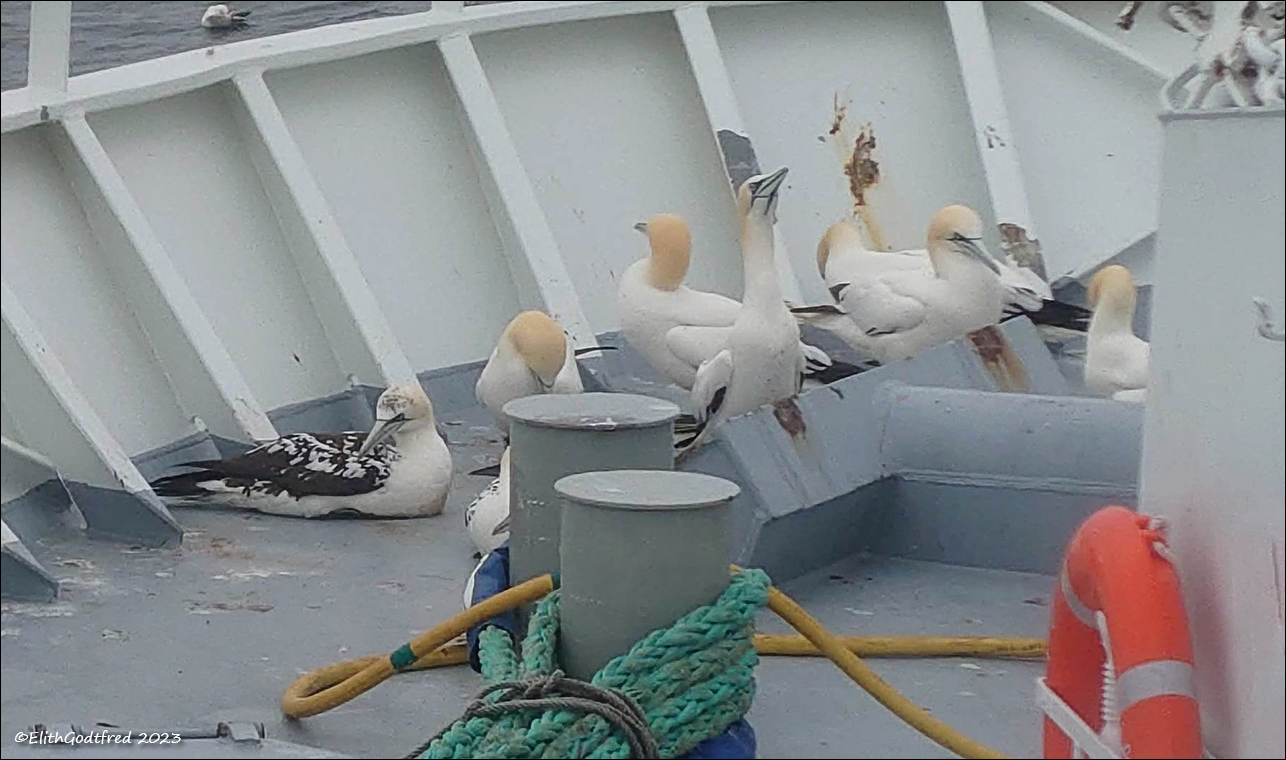
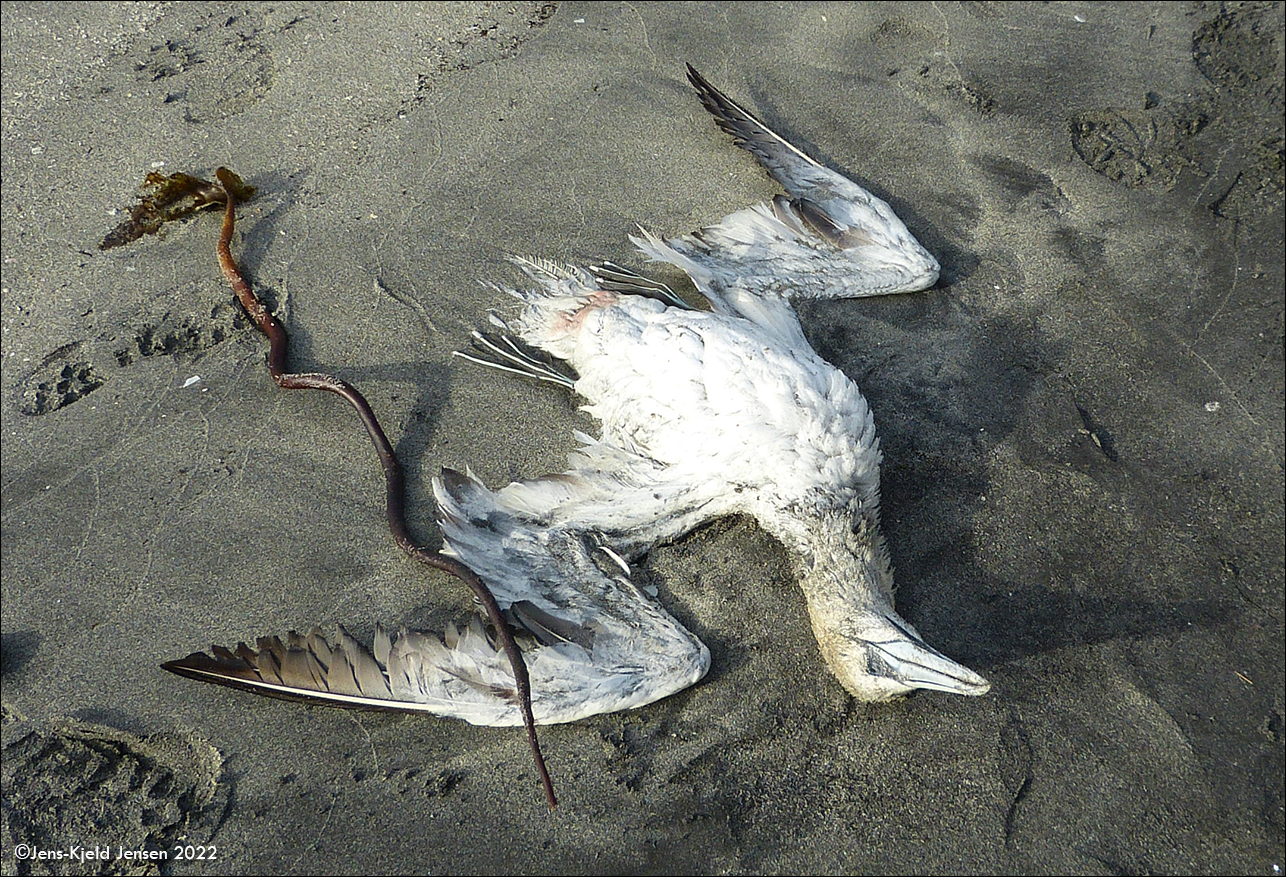
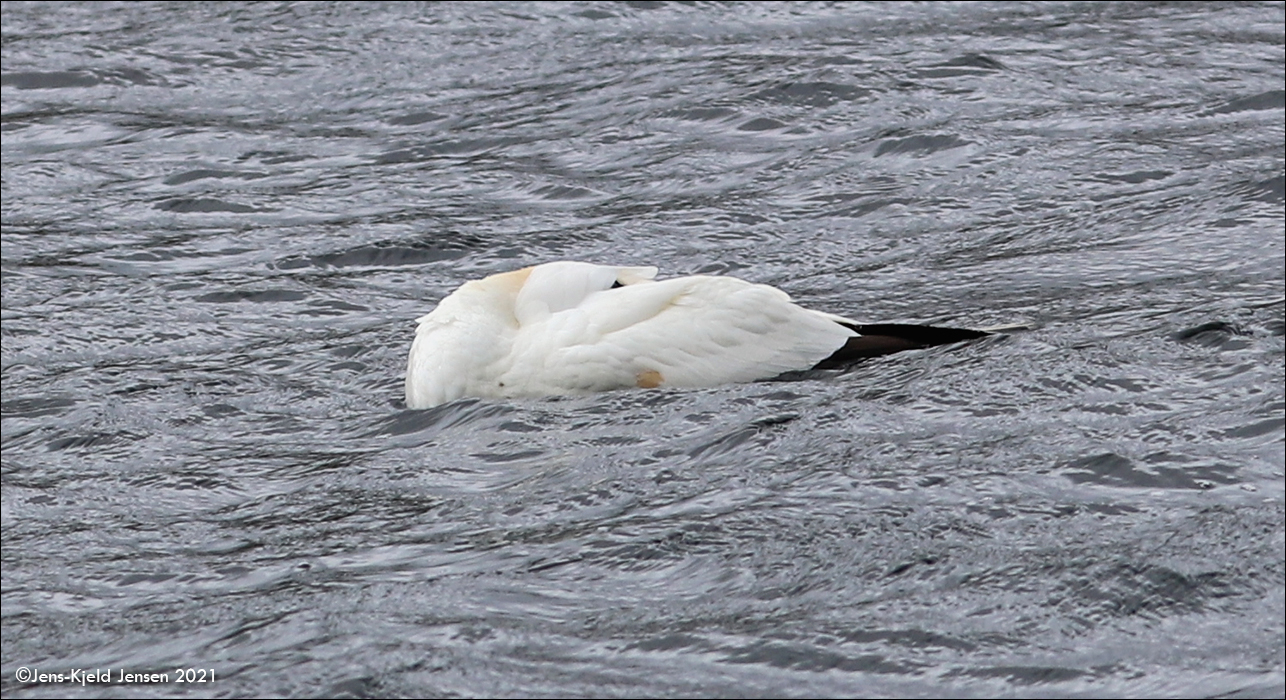
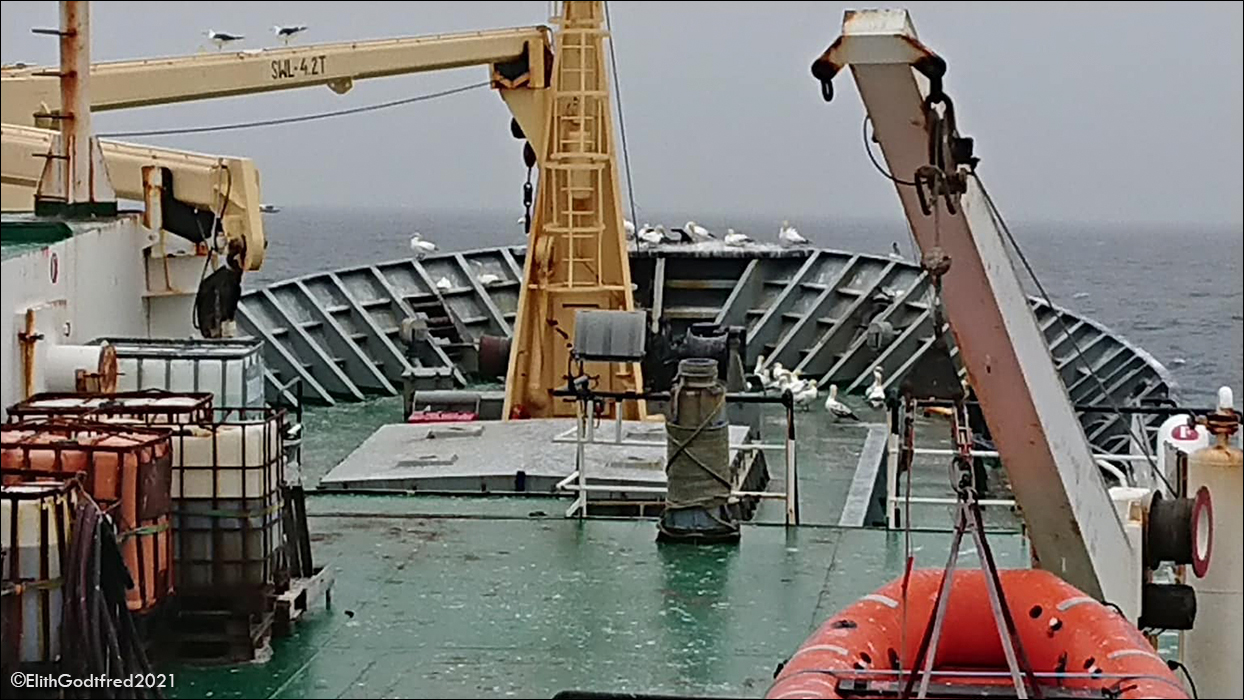
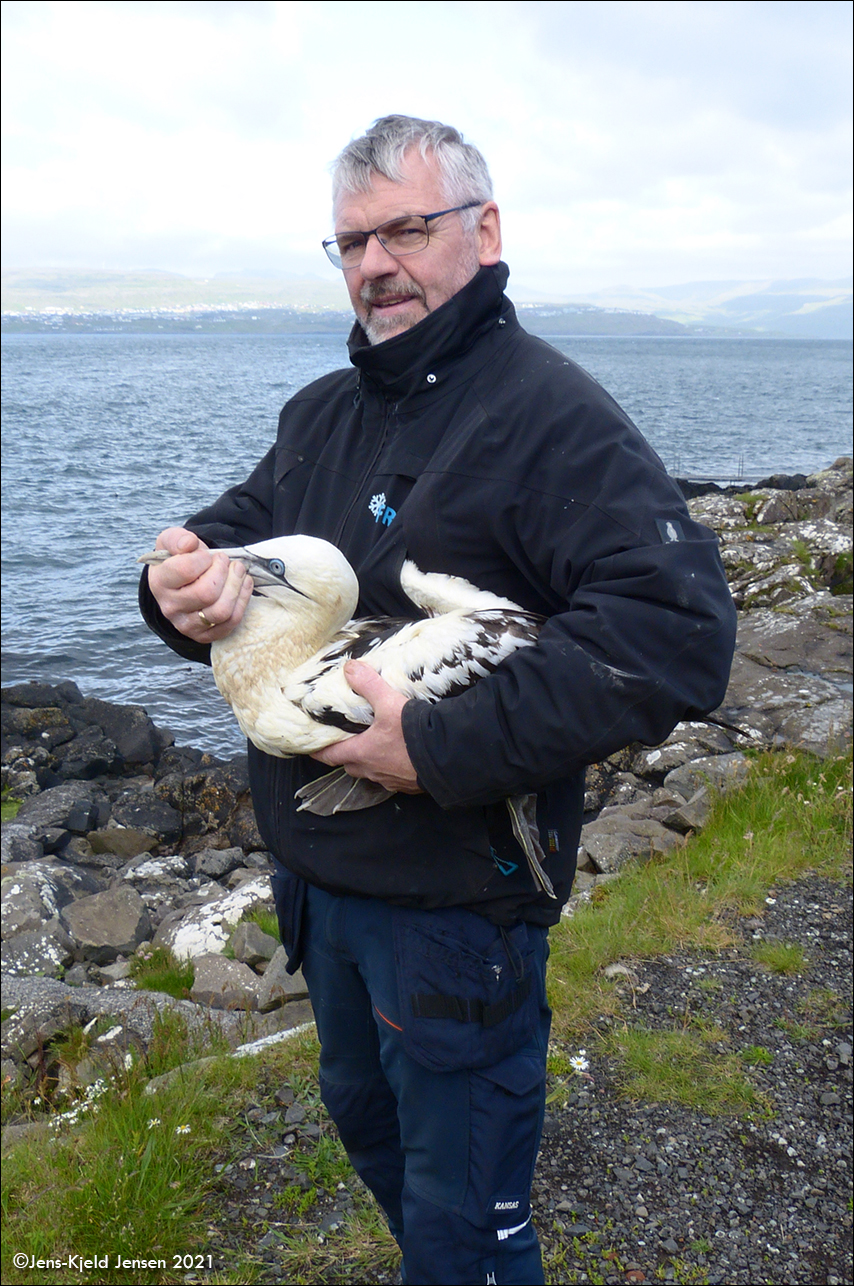
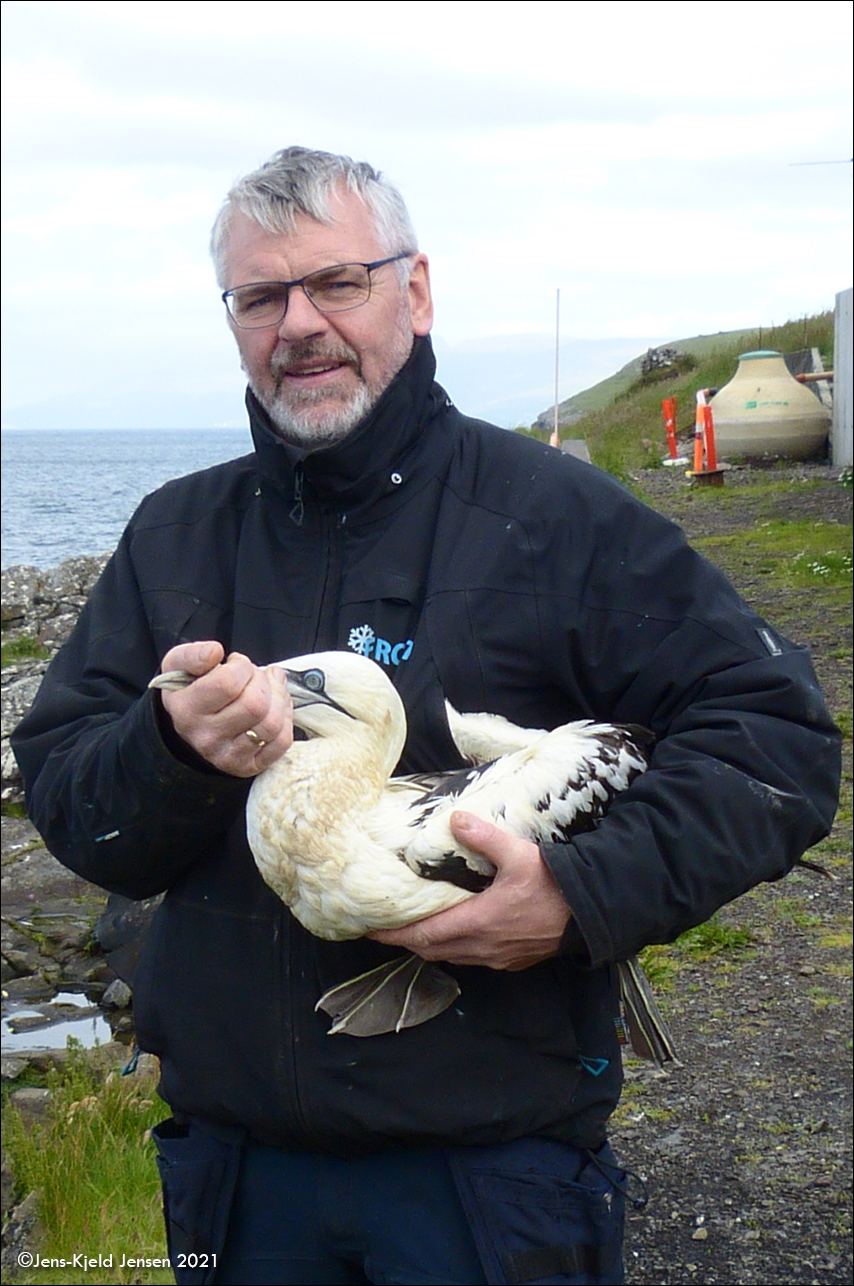
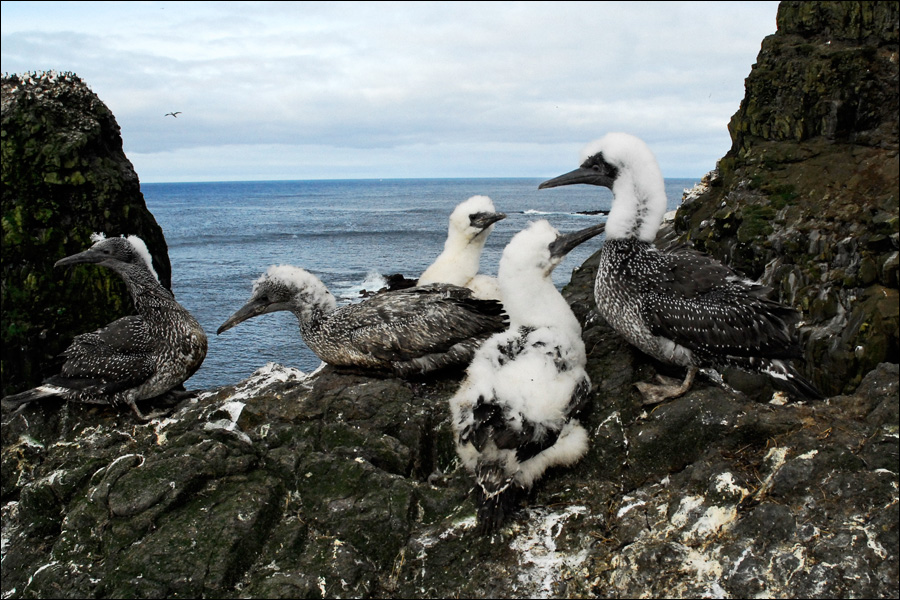
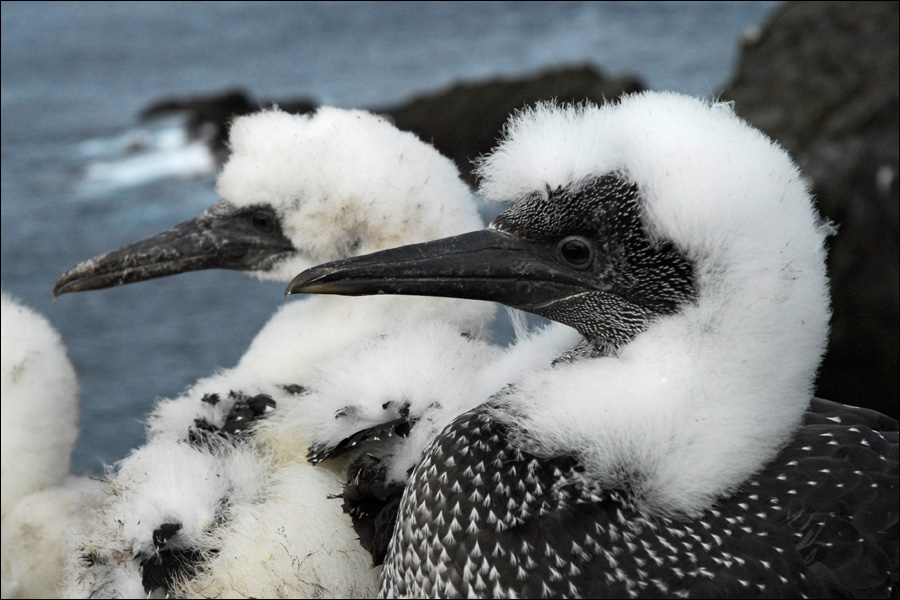
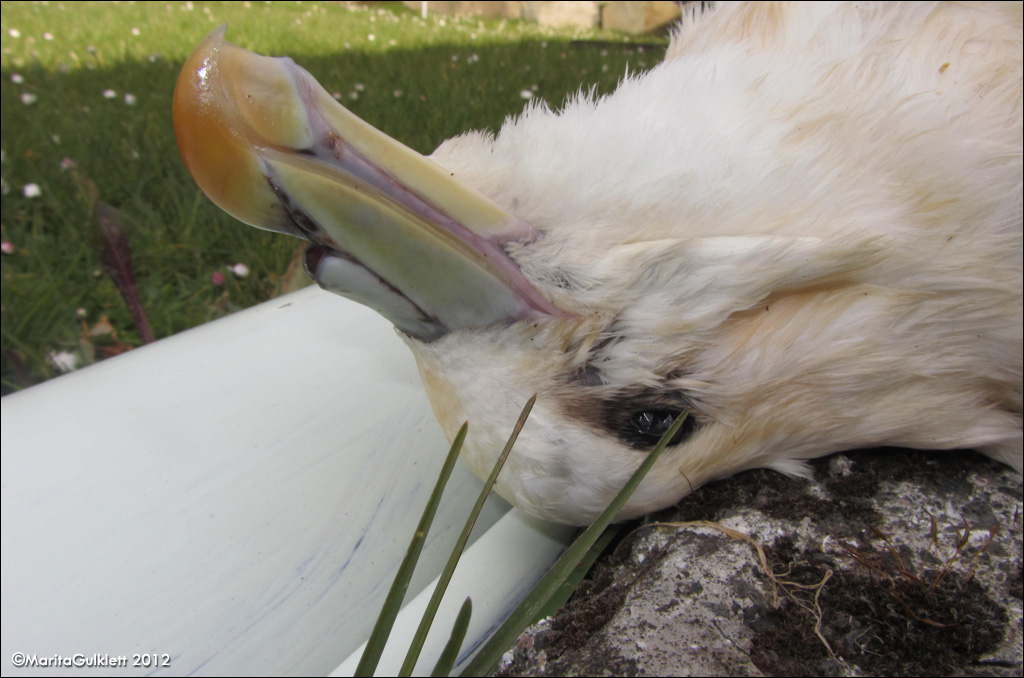
This sight was seen for the first time in 2021, and now unfortunately it is being seen again. On 09 June 2023, Elith Godtfred photographed these images of some Gannets, which were so uncomfortable that they hardly moved when the skipper Tórhallur Klæmintson Jacobsen filmed them. Elith Godtfred brought 2 Gannets ashore, which were handed over to Umhvørvisstovan (The Faroese Environment Agency) who then would hand them over to Heilsufrøðisliga Starvsstovan (Faroe Islands Food and Veterinary Authority). It will be interesting to see the results of their investigations. |
||||||||||||||||||
| UPDATE 12.05.2024: This day the Gannets came back from the Faroese Environment Agency, because the Food and Veterinary Agency did not think it was relevant to examine the Gannets for bird flu or other possible diseases. | ||||||||||||||||||
|
||||||||||||||||||
| _______________ | ||||||||||||||||||
STARVING GREYLAG GEESE Anser anser |
||||||||||||||||||
|
||||||||||||||||||
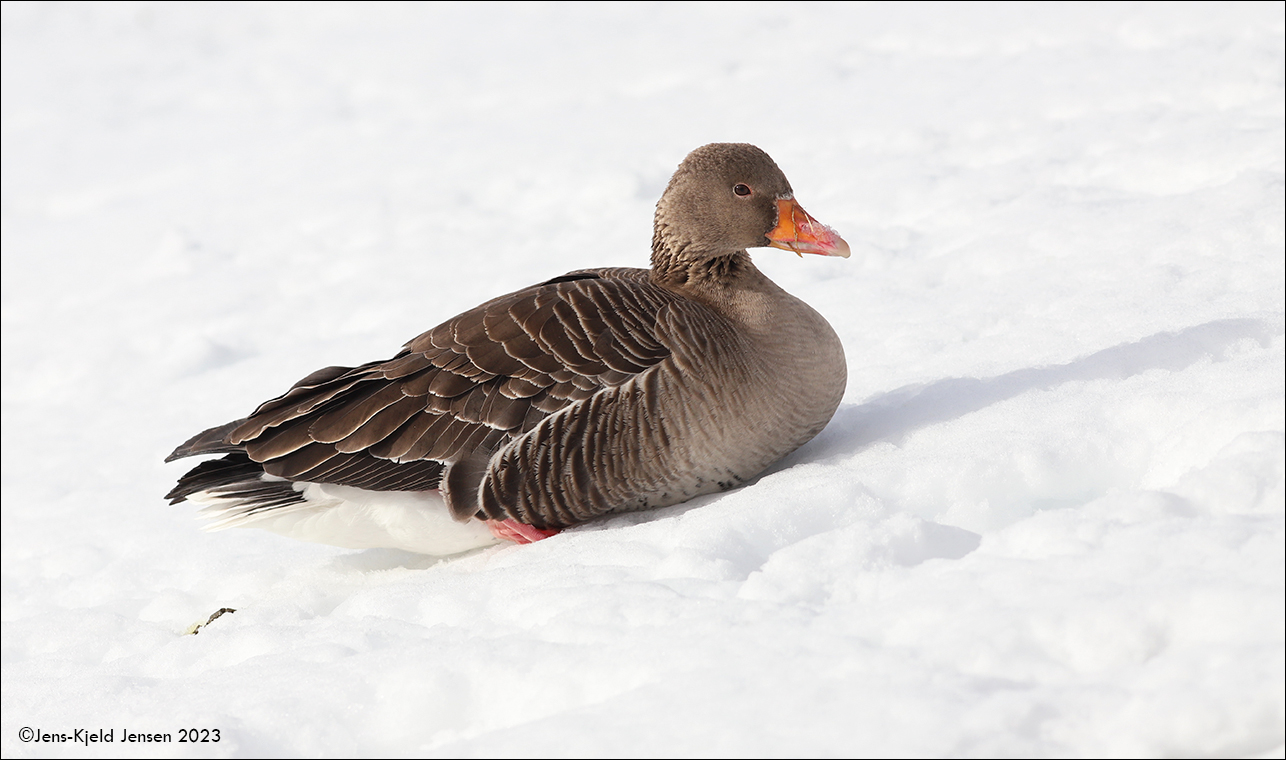
| Nólsoy 16.03.2023: The birds are finding it difficult to cope because the snow has been lying for months and it has also been significantly colder than usual. You cannot dig up anything from frozen ground, which is also covered with several meters of snow. And when the water is also frozen, the situation is very bad. | ||||||||||||||||||
When Jens-Kjeld came home today, 3 starving wild Graylag geese were standing on the steps in front of our door. The two of them flew a short distance away, while the third just limped away. Jens-Kjeld offered them grain, but they did not want it, so they are obviously not used to eat grains. |
||||||||||||||||||
| NÓLSOY 20.10.2022 | ||||||||||||||||||
|
||||||||||||||||||
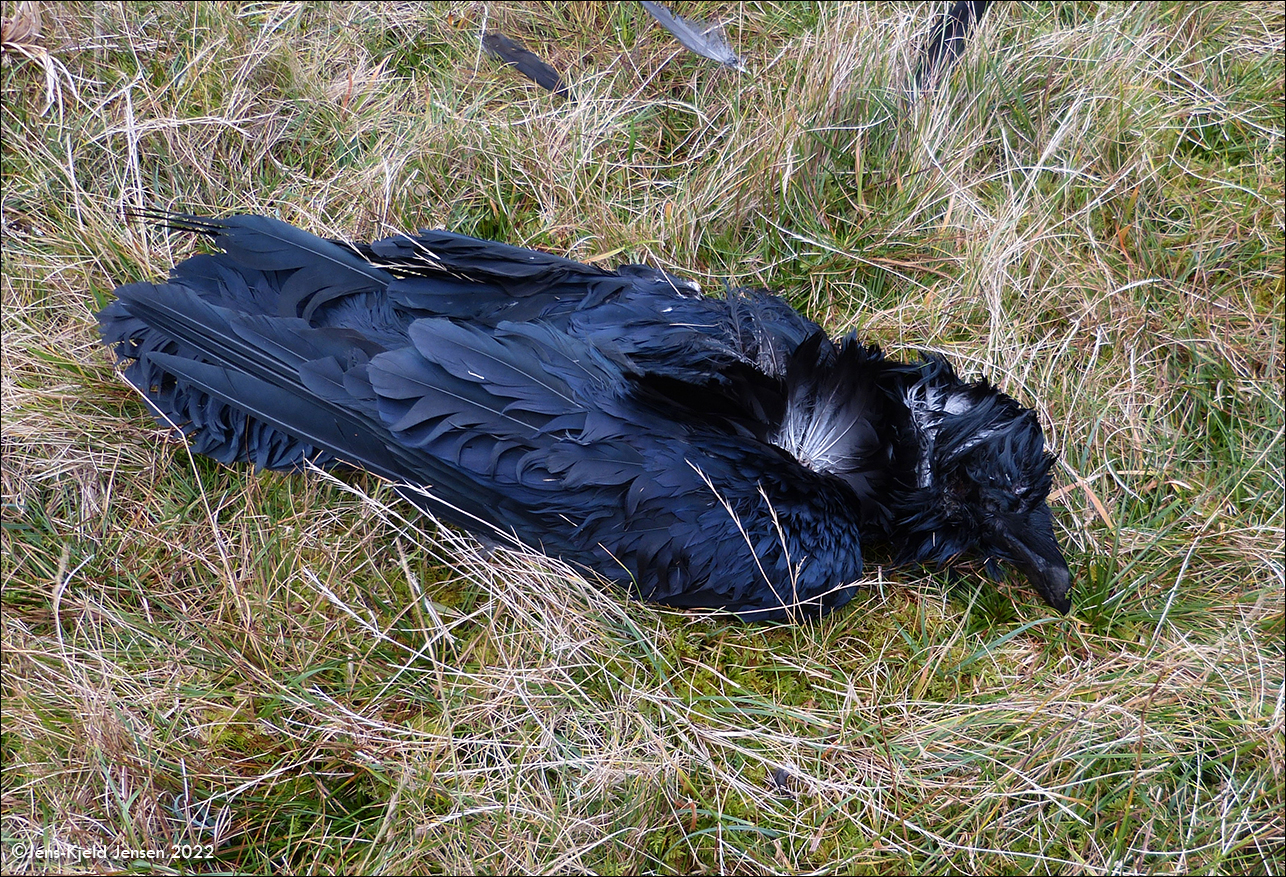
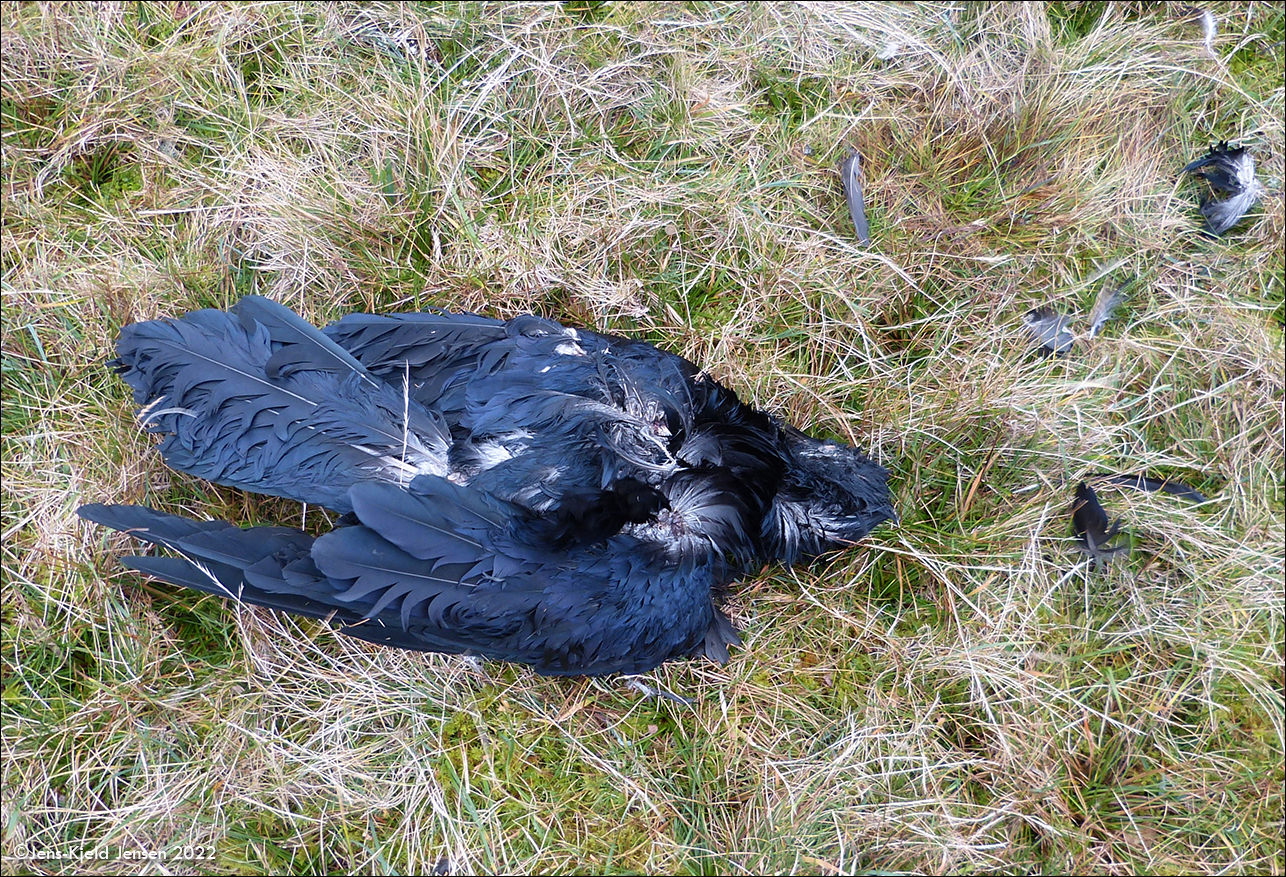
When I (Jens-Kjeld) was on my way home from Urðin on Nólsoy on October 20, 2022, I found a dead Raven. Abraham and Bergur Mikladal ringed the Raven in Skálabotni on January 14, 2016. |
||||||||||||||||||
| NÓLSOY 15.10.2022 | ||||||||||||||||||
|
||||||||||||||||||
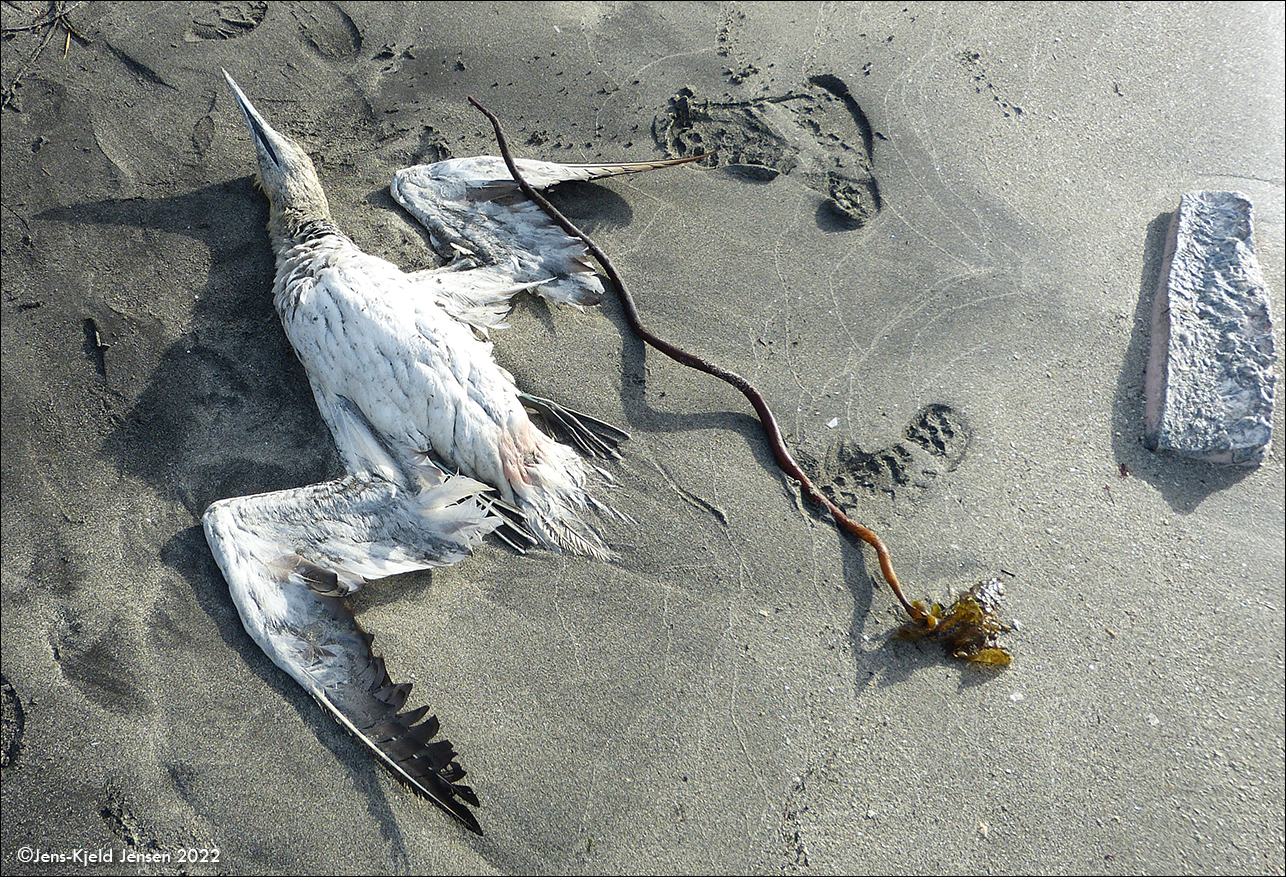
| Dead Gannets are still washing ashore, so the bird flu has hit hard on the Faroese Gannet population. | ||||||||||||||||||
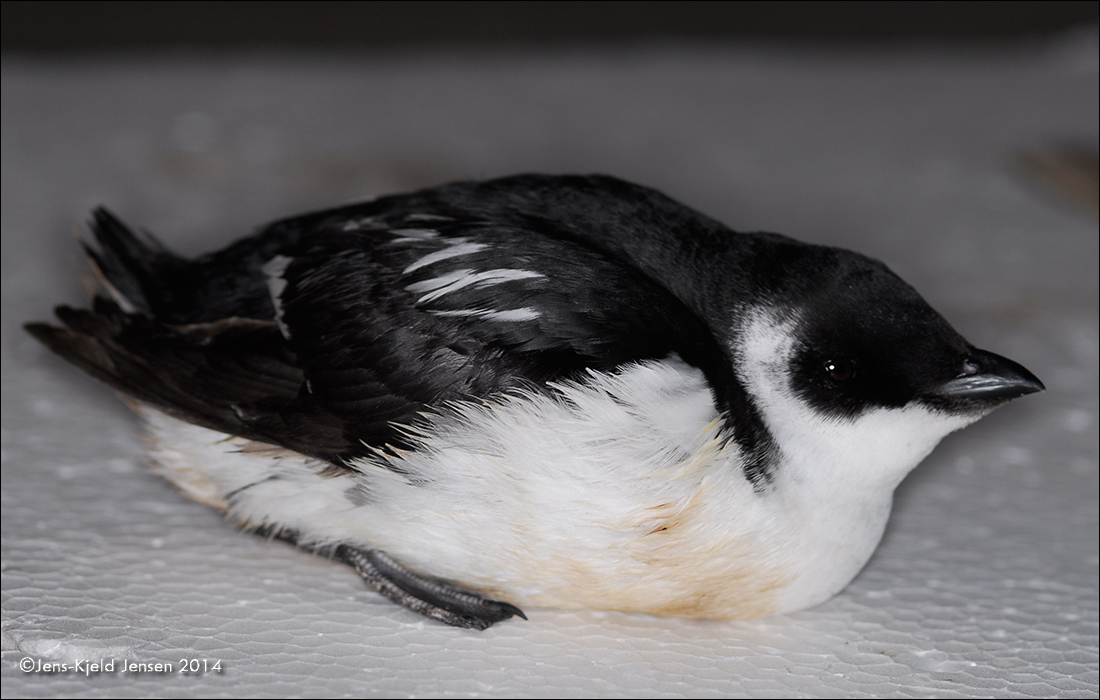
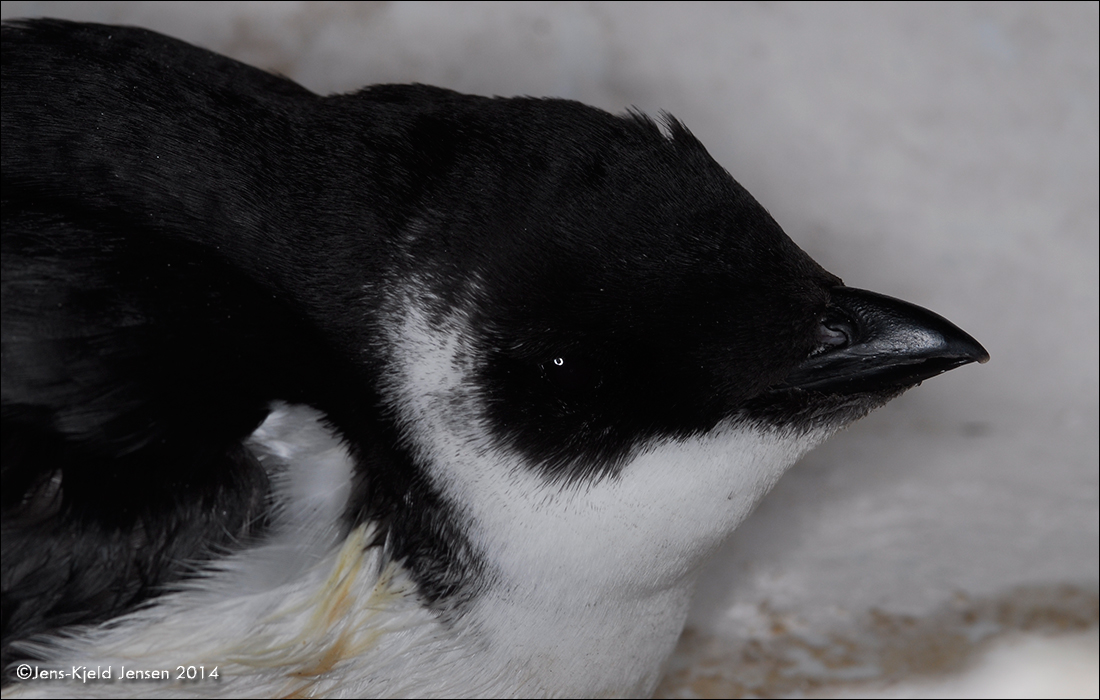
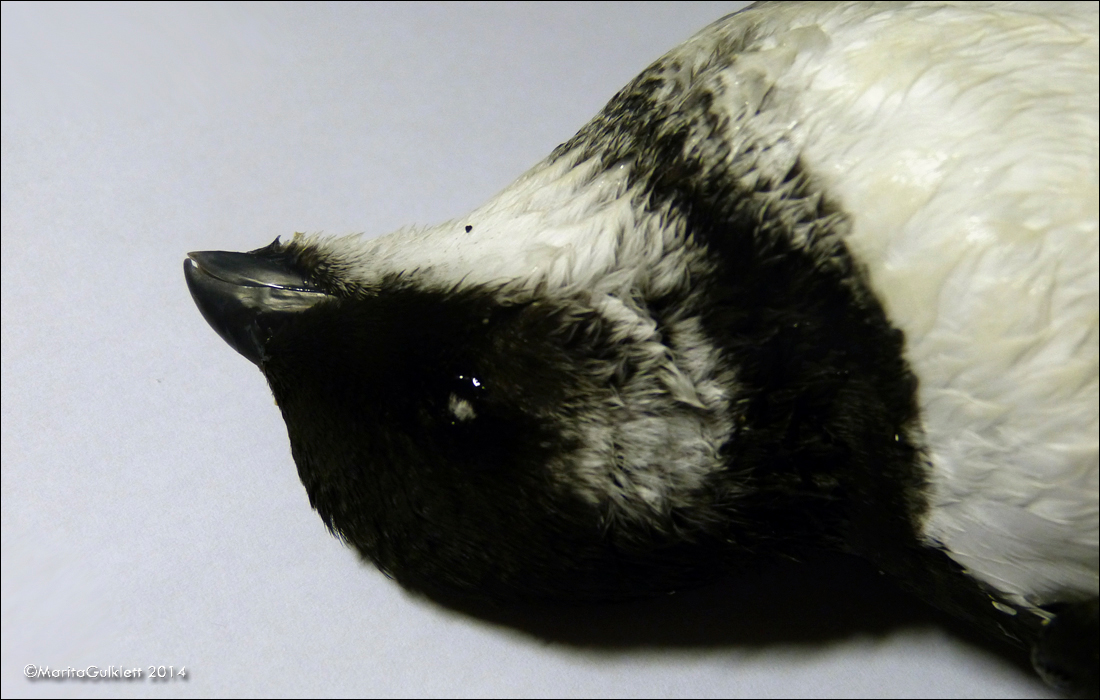
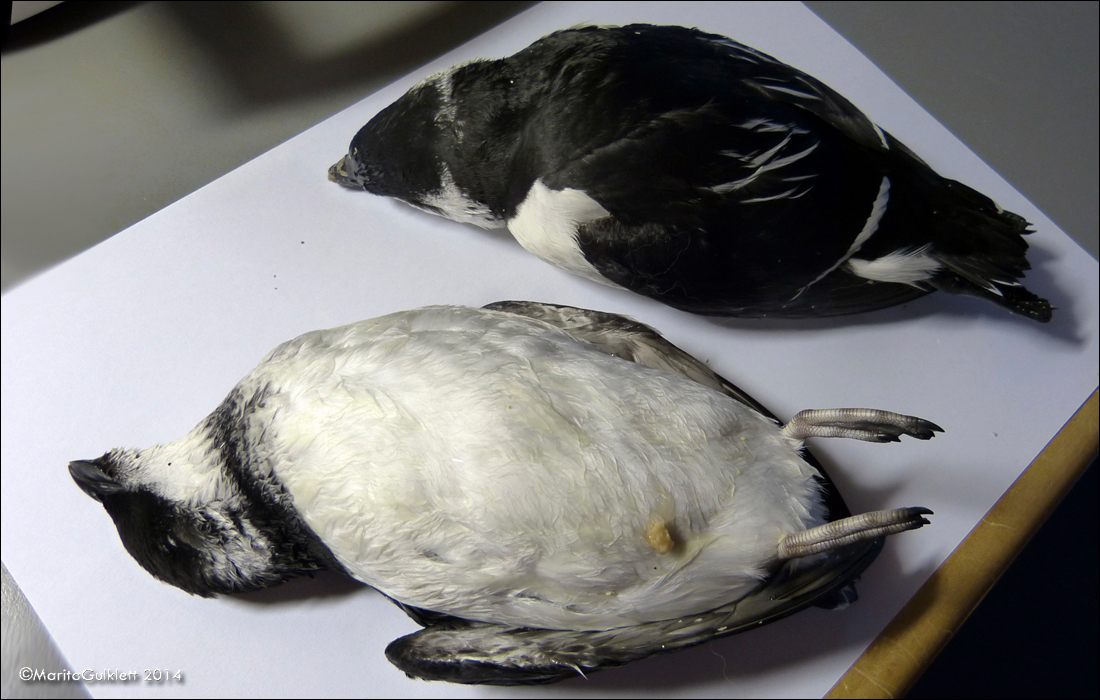
STARVING AND DEAD LITTLE AUKS Alle alle |
||||||||||||||||||
|
||||||||||||||||||
| Nólsoy 19. December 2021: | ||||||||||||||||||
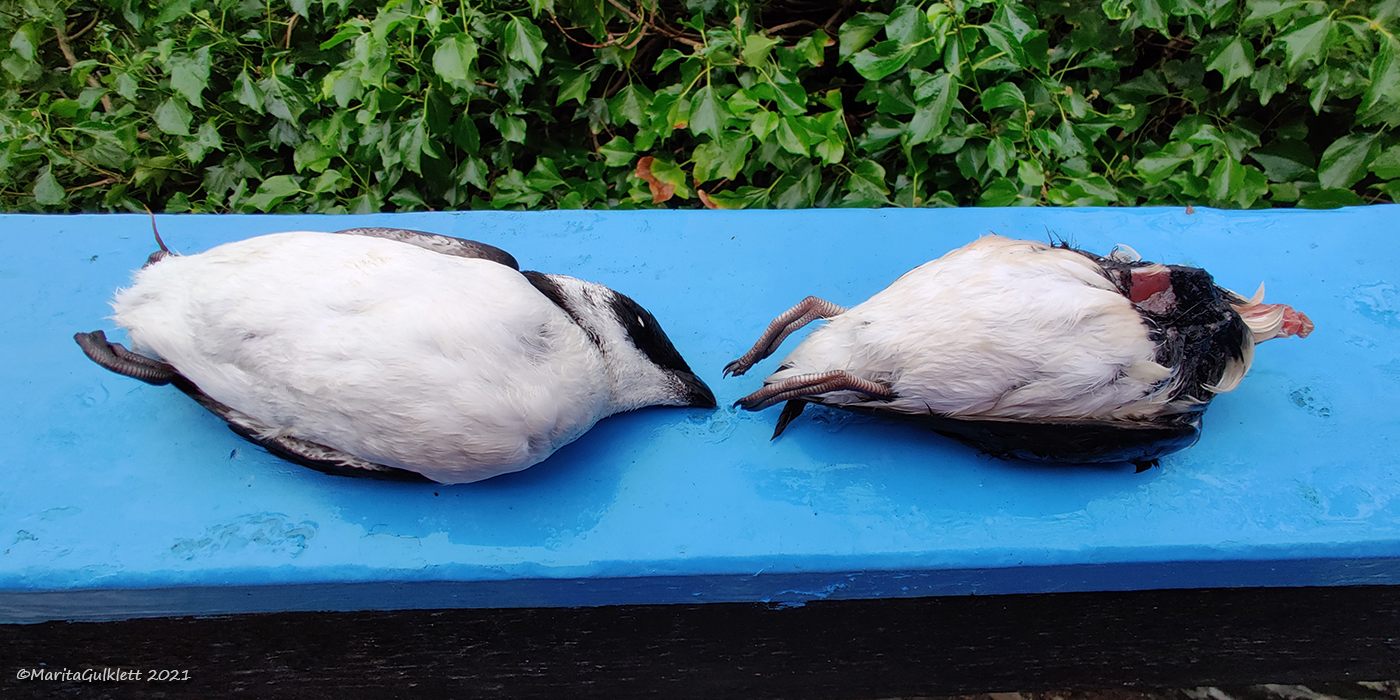
Many starving and dead Little Auks have been found in the Faroe Islands recently. The reason is probably due to the very bad weather that has been in the North Atlantic in the last couple of months. A cat had bitten the head of 3 of 5 Little Auks, that I have found the last two days. |
||||||||||||||||||
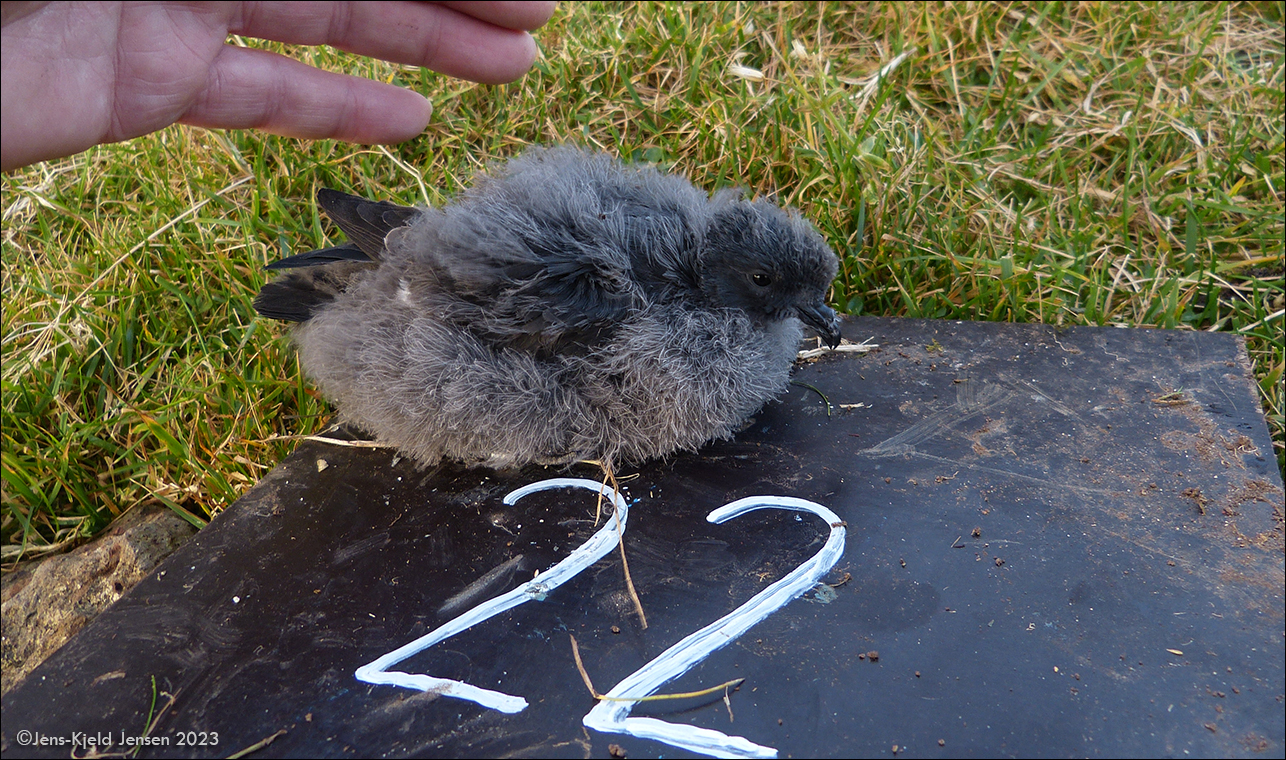
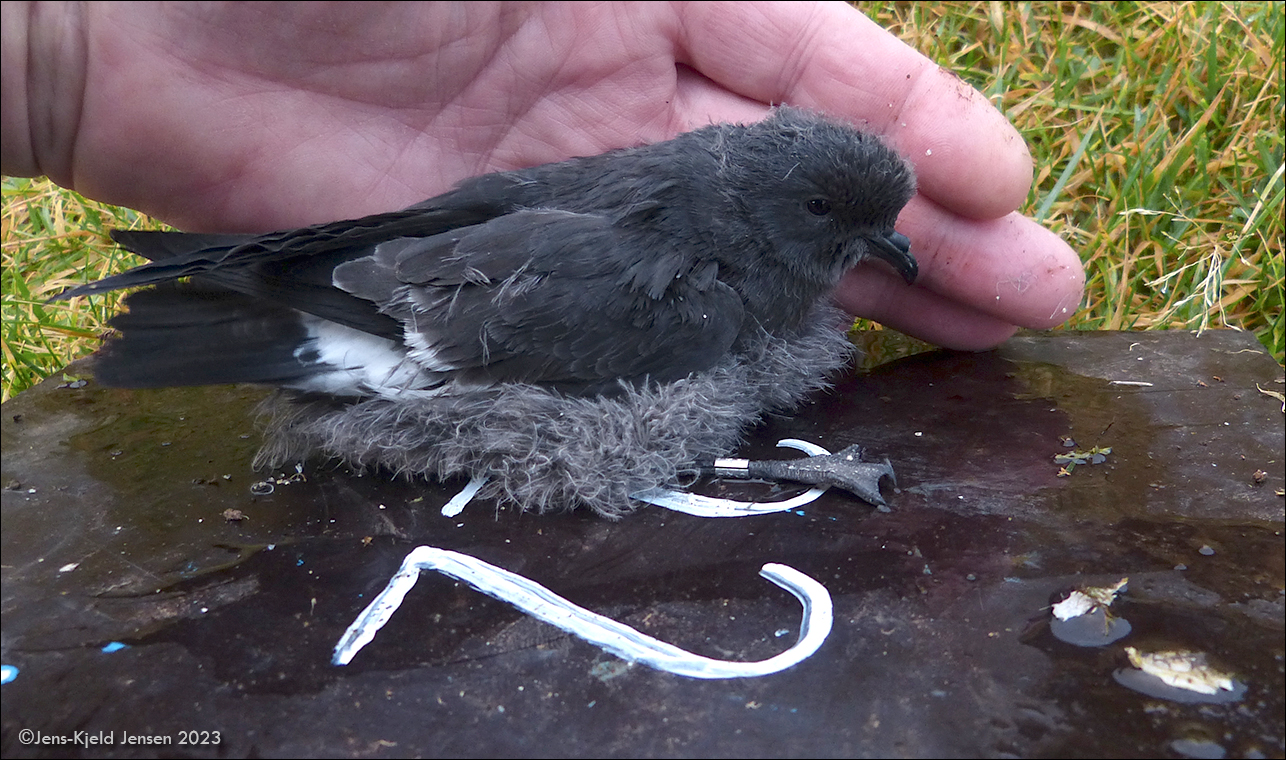
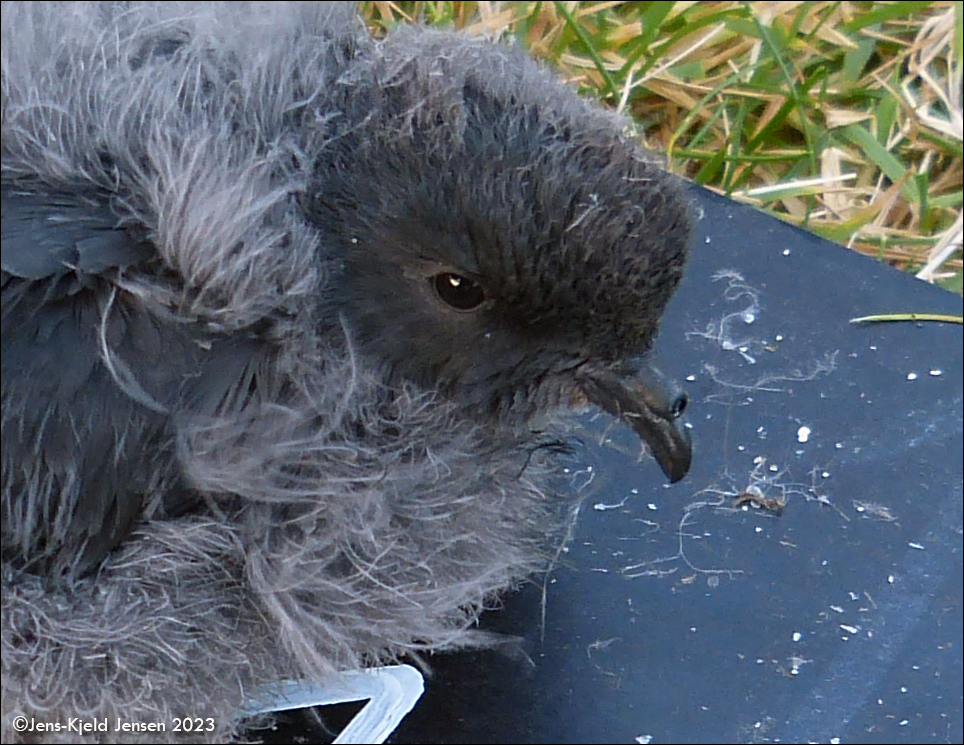
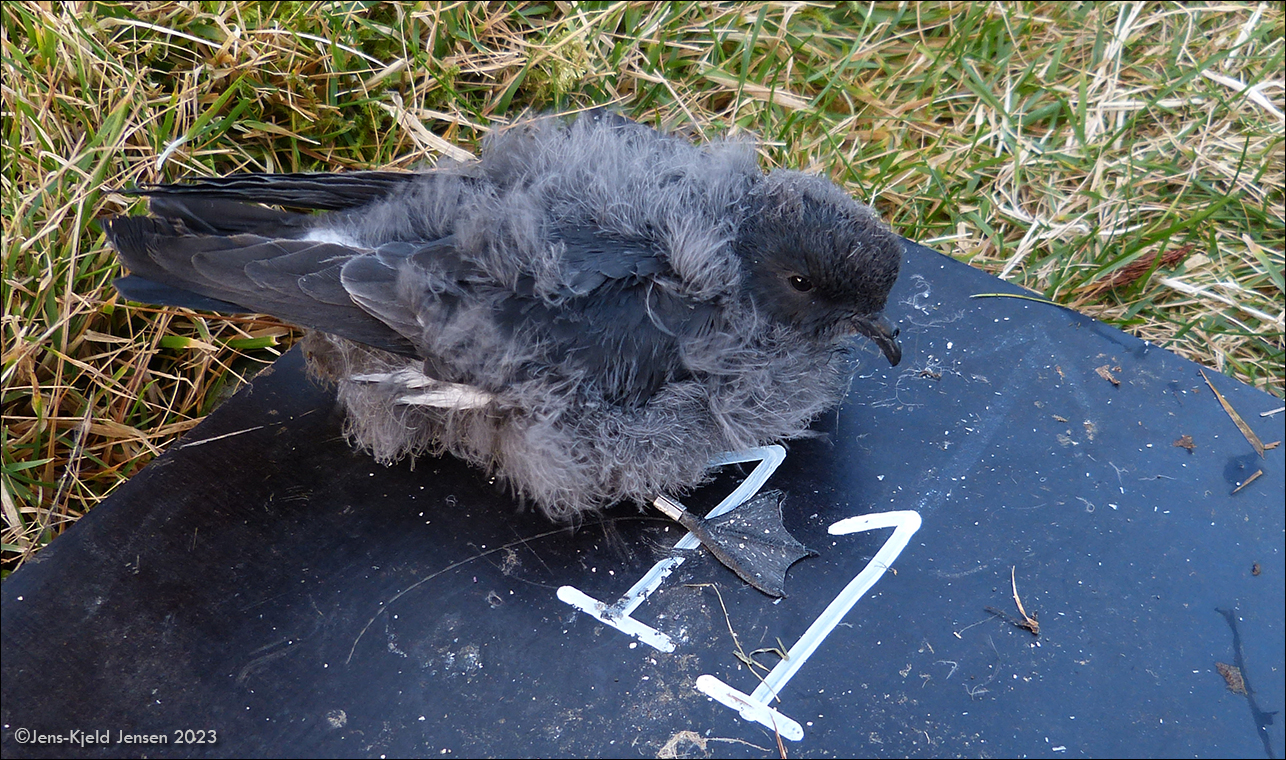
| STUDY OF EUROPEAN STORM PETREL Hydrobates pelagicus | ||||||||||||||||||
 |
||||||||||||||||||
 |
||||||||||||||||||
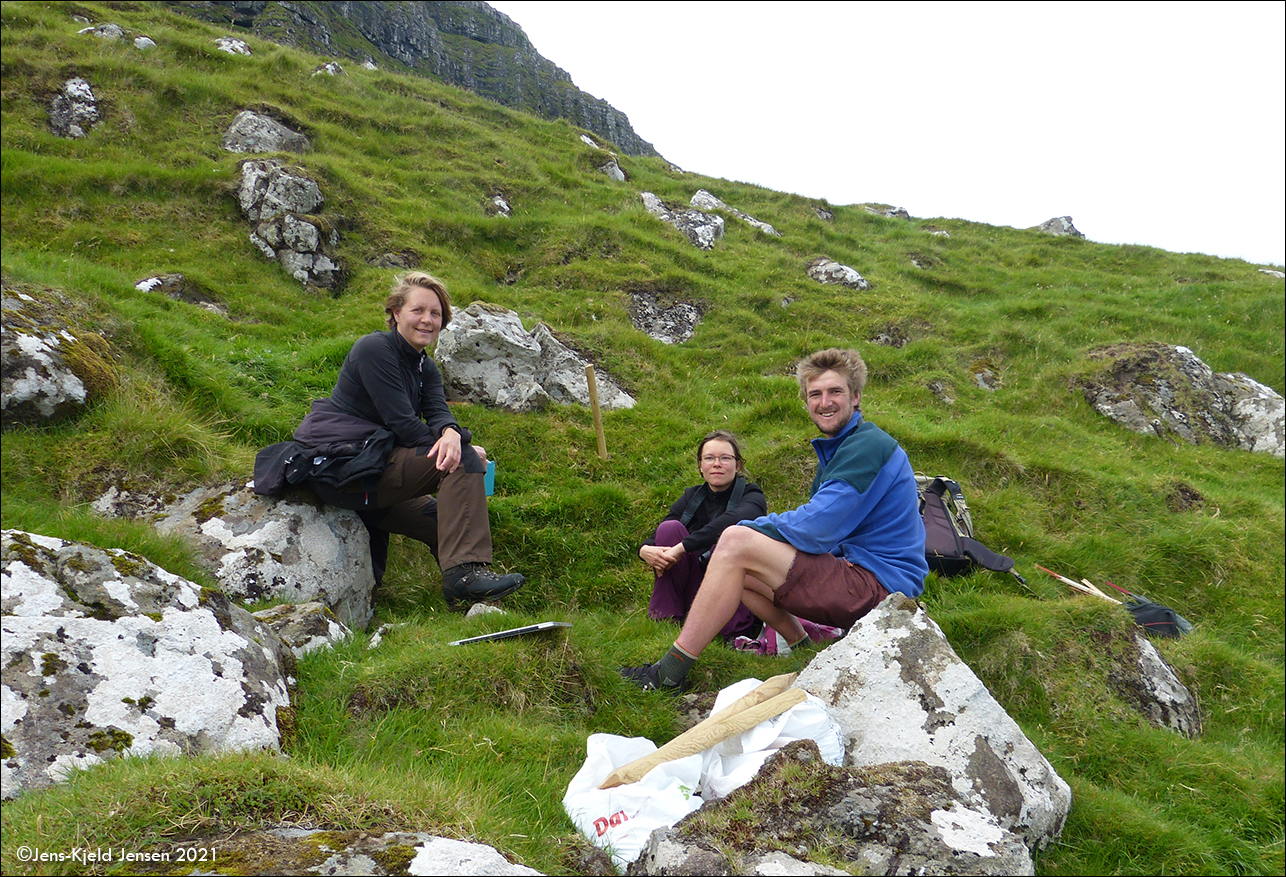
| Anne Ausems, Alexandra Fink & Ben Porter 04.09.2021 | ||||||||||||||||||
|
||||||||||||||||||
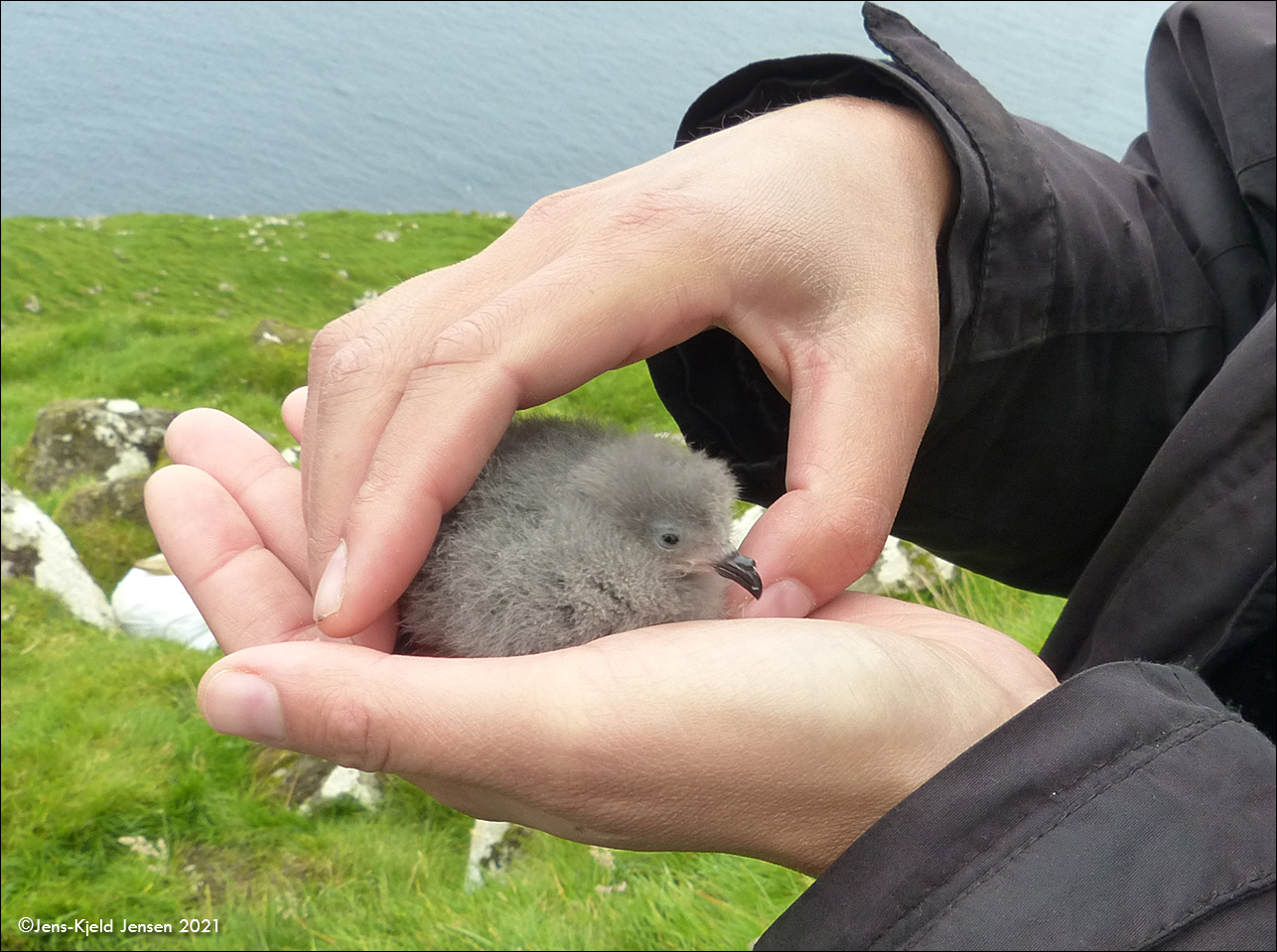
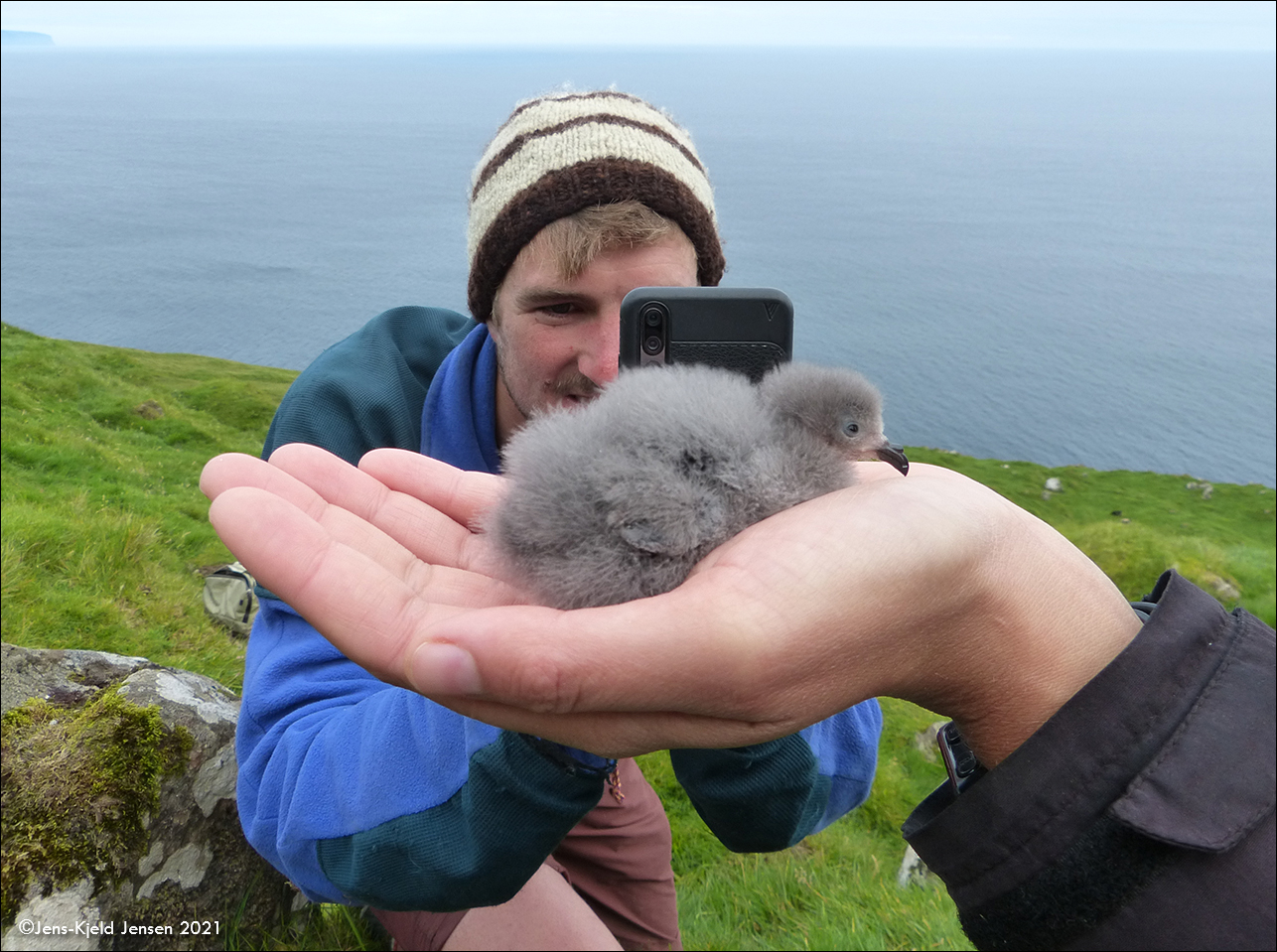
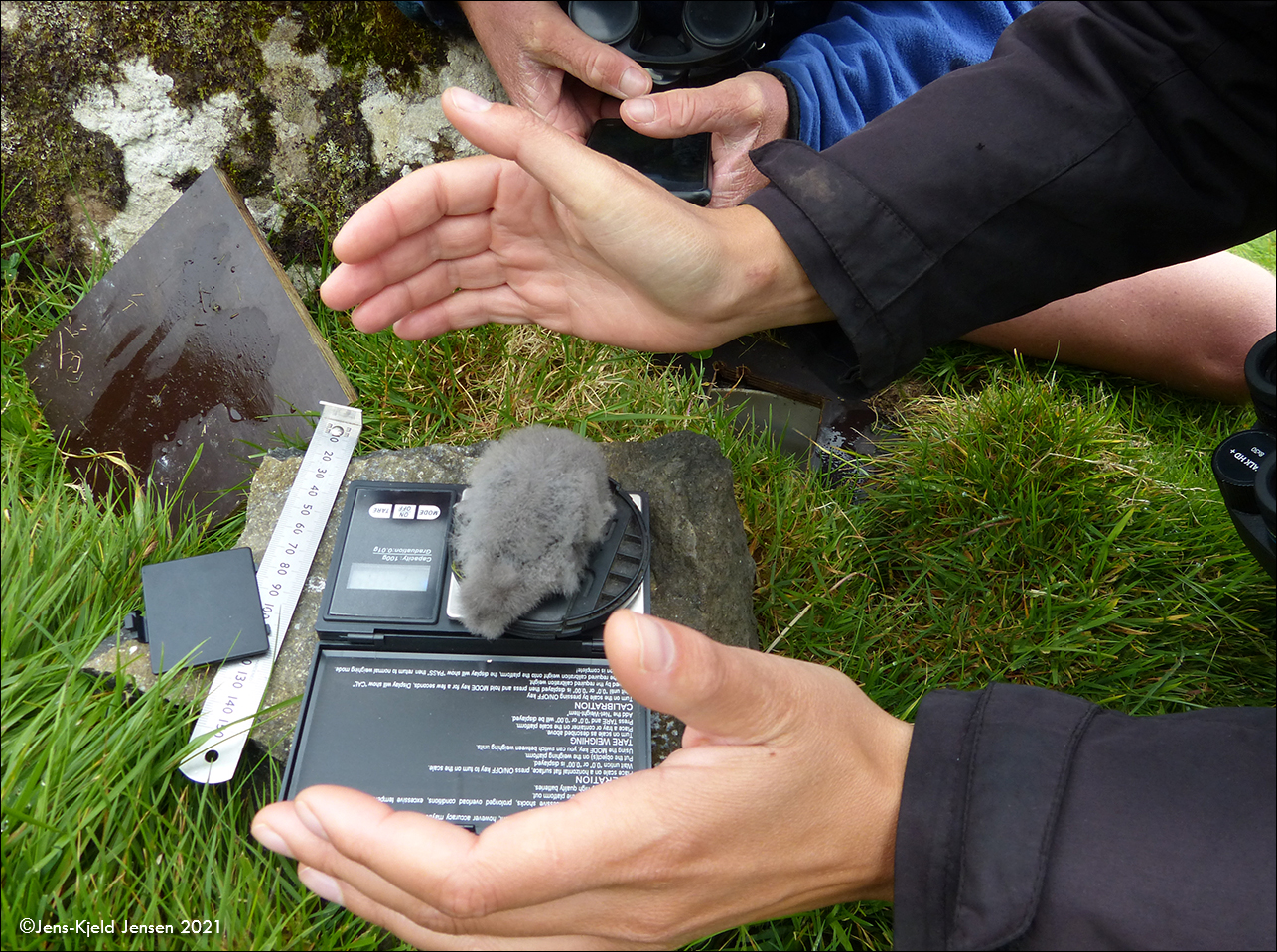
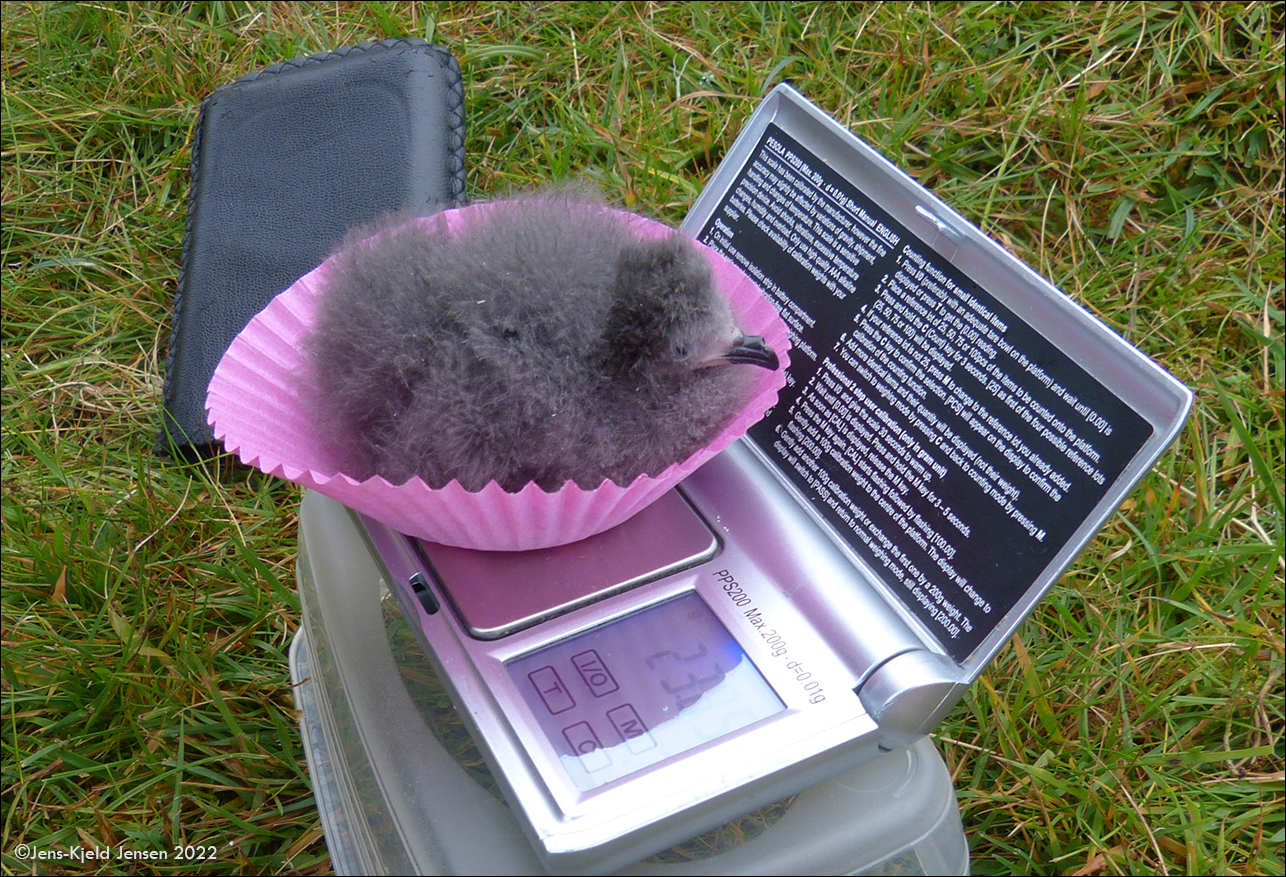
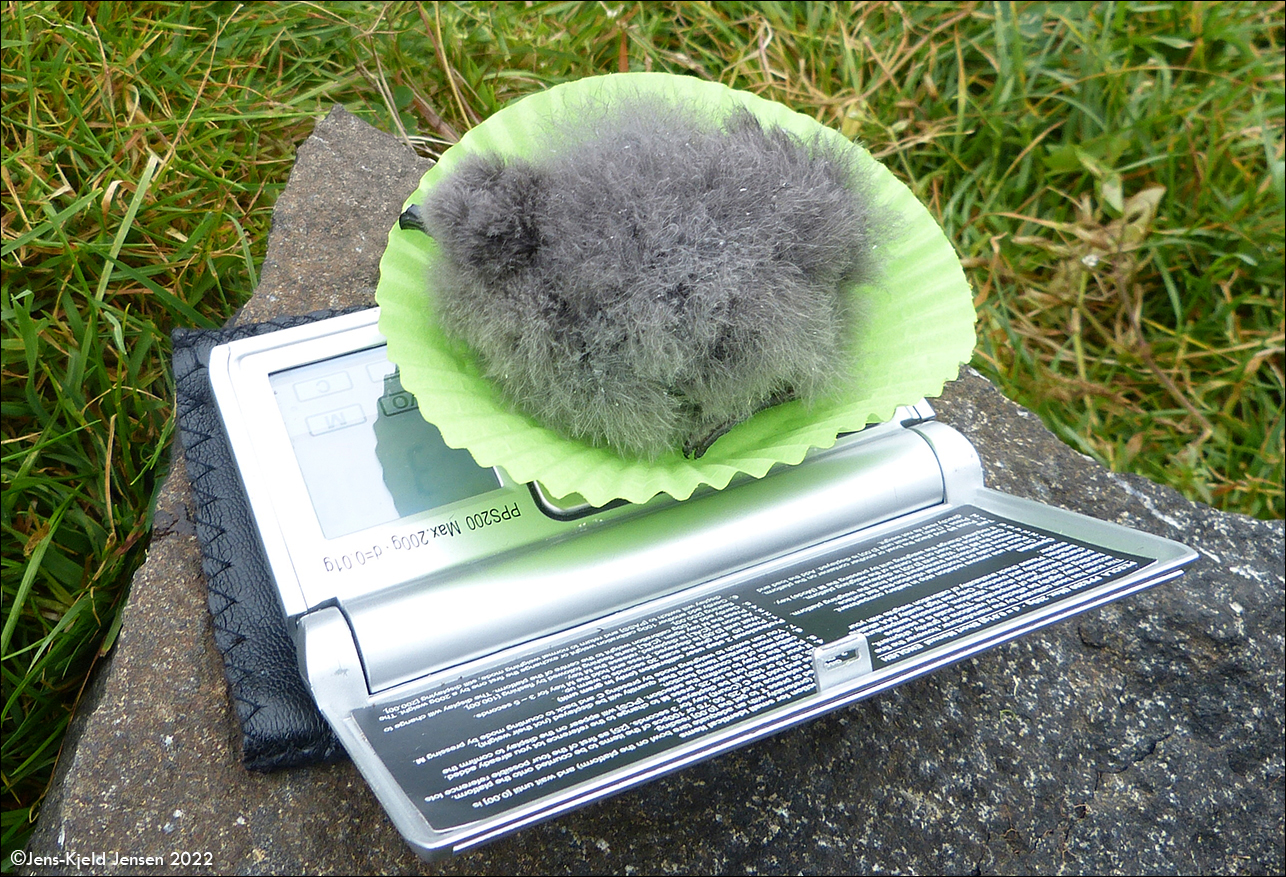
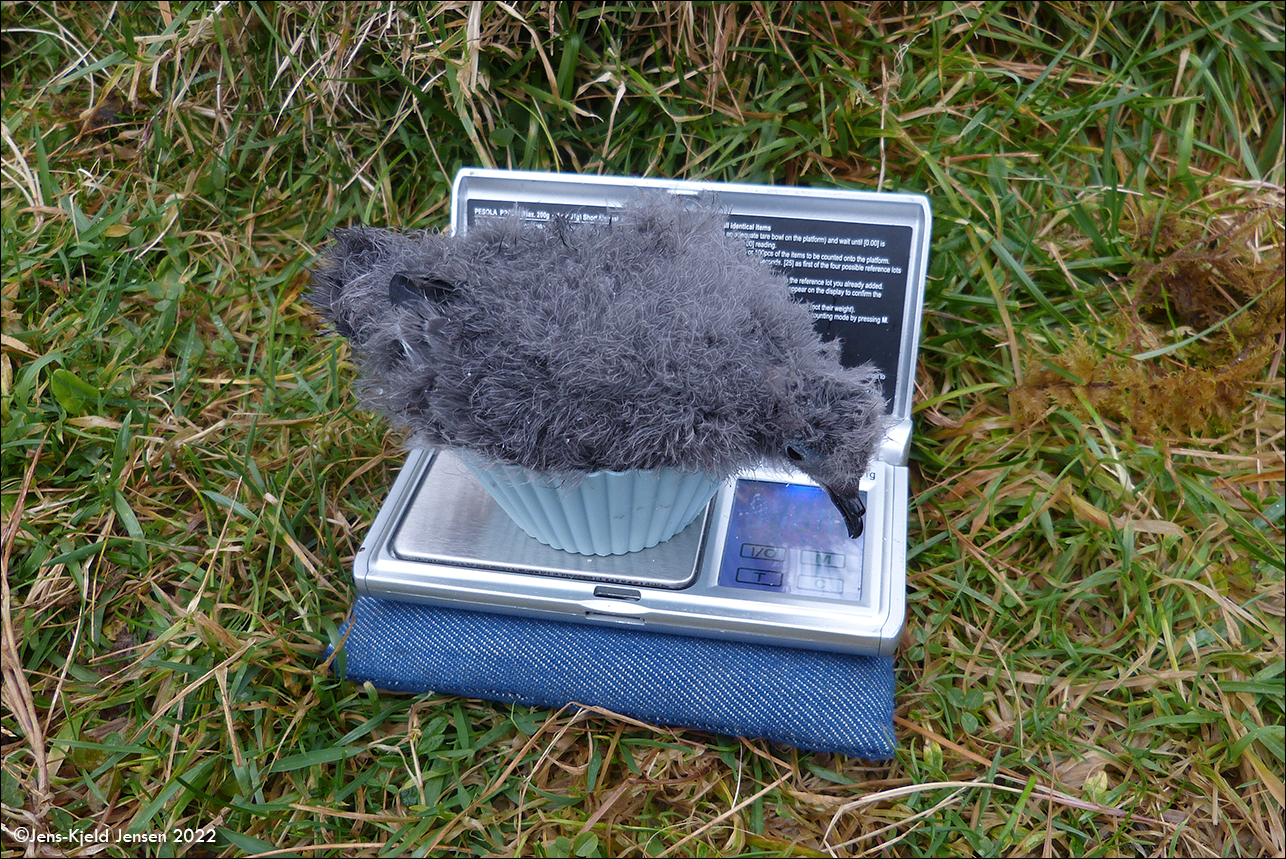
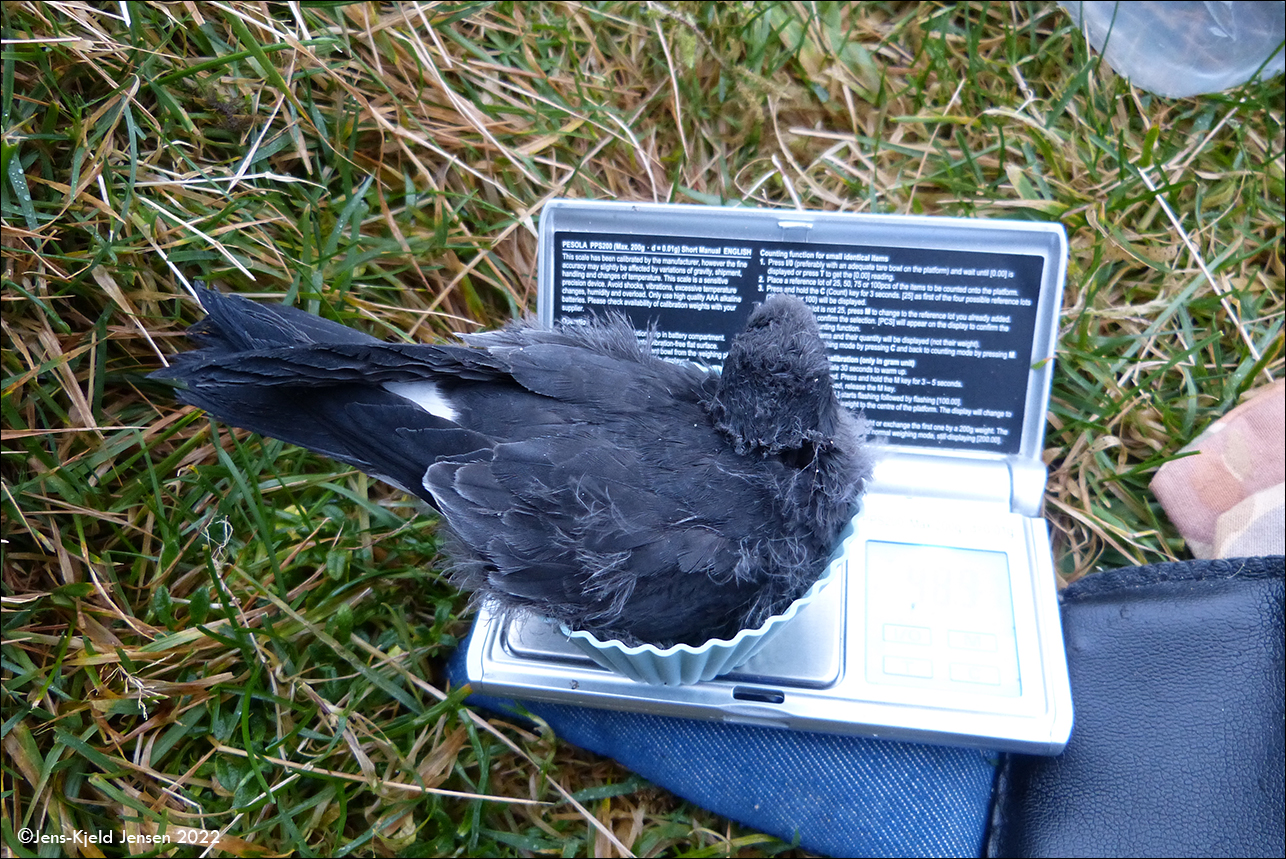
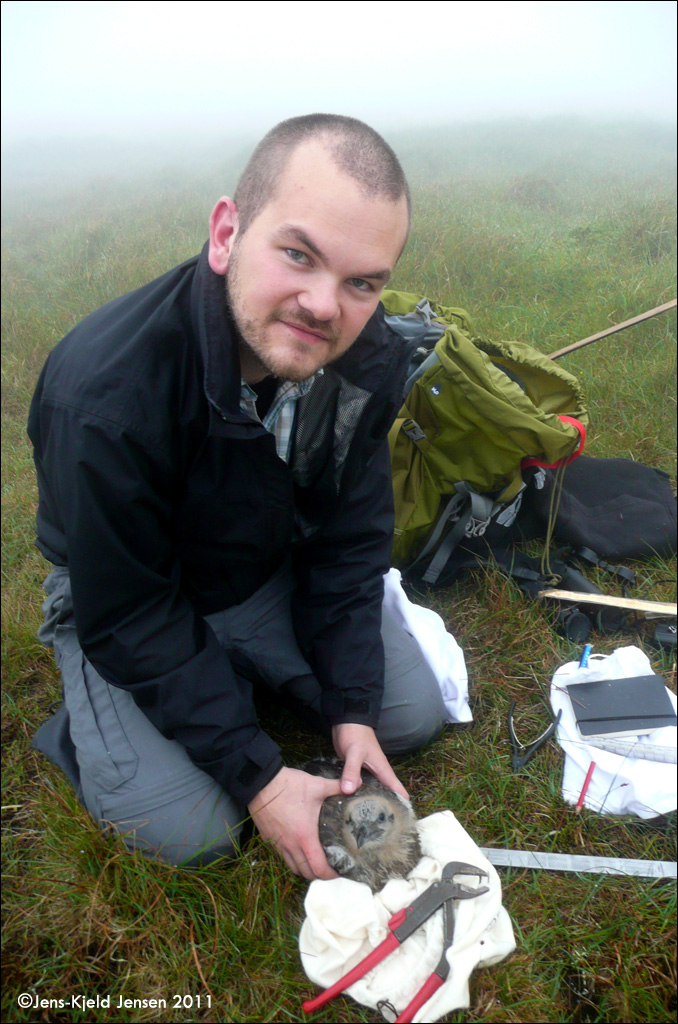
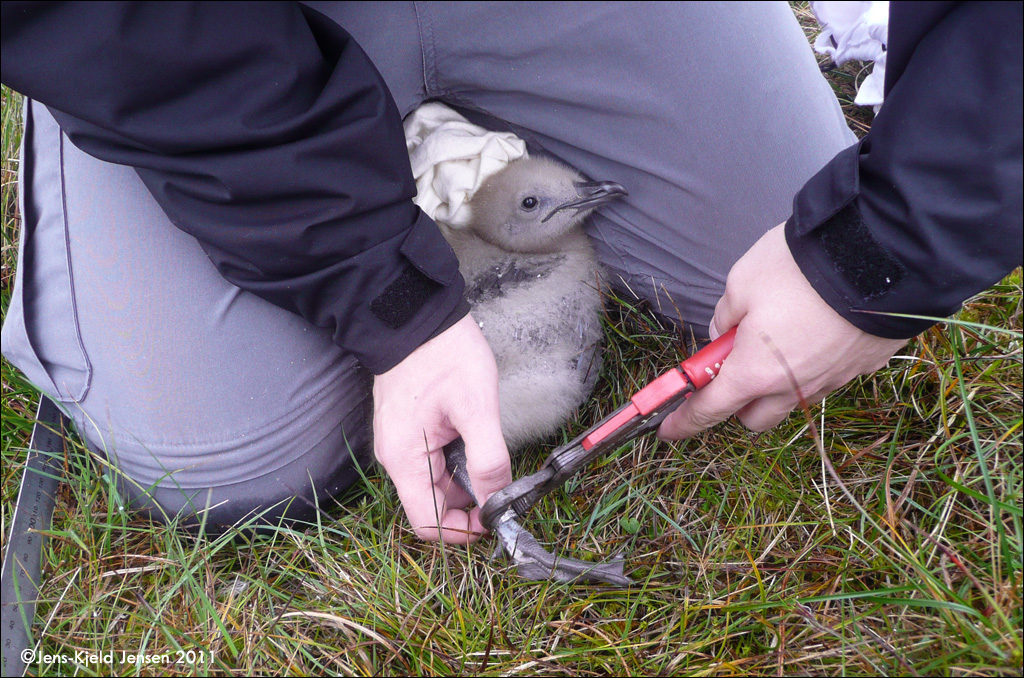
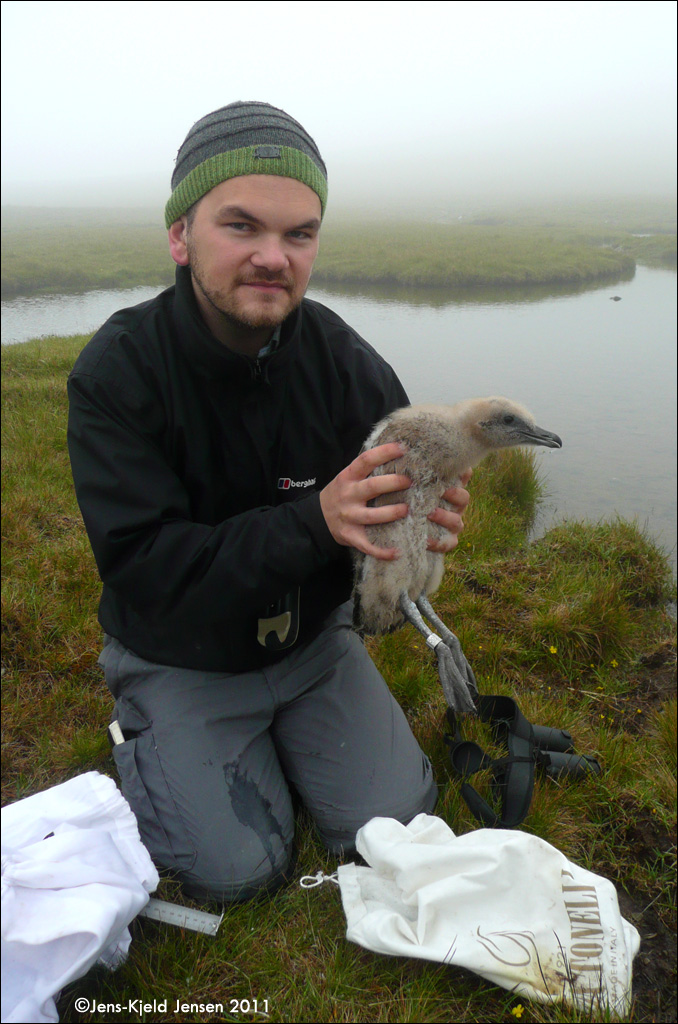
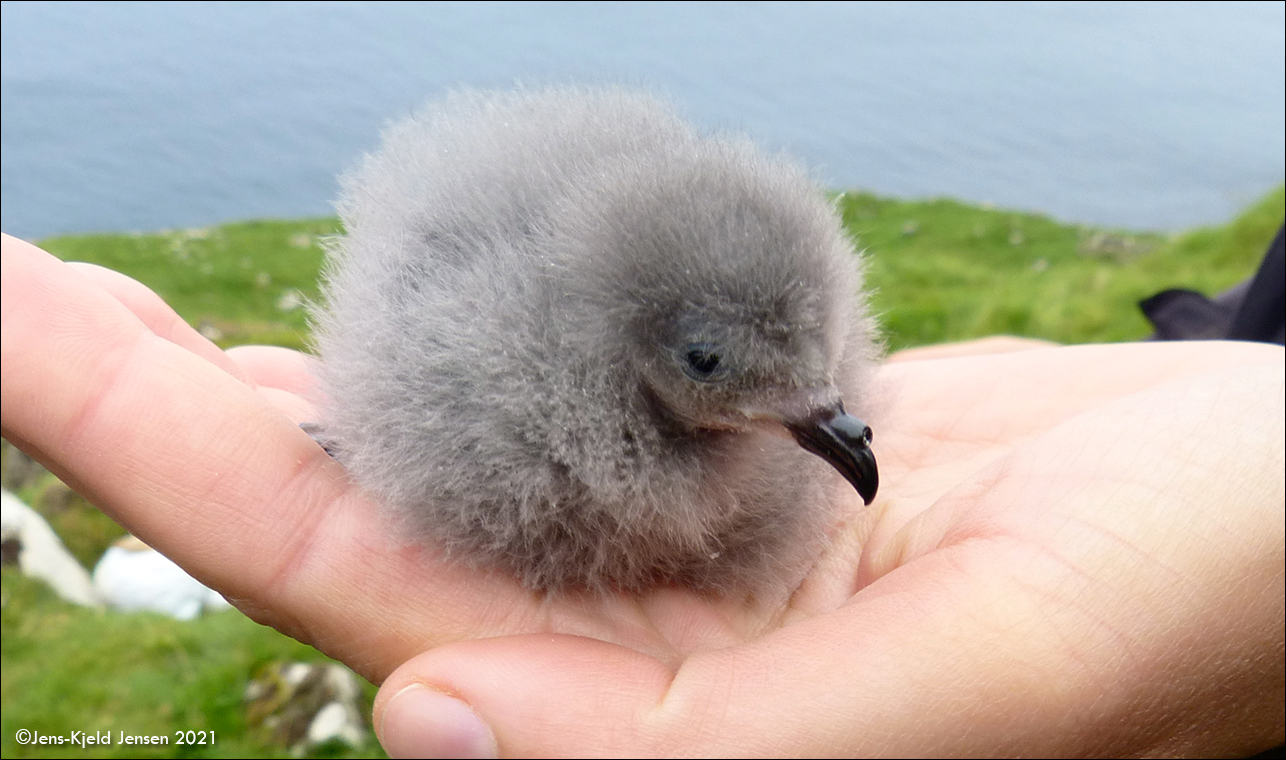
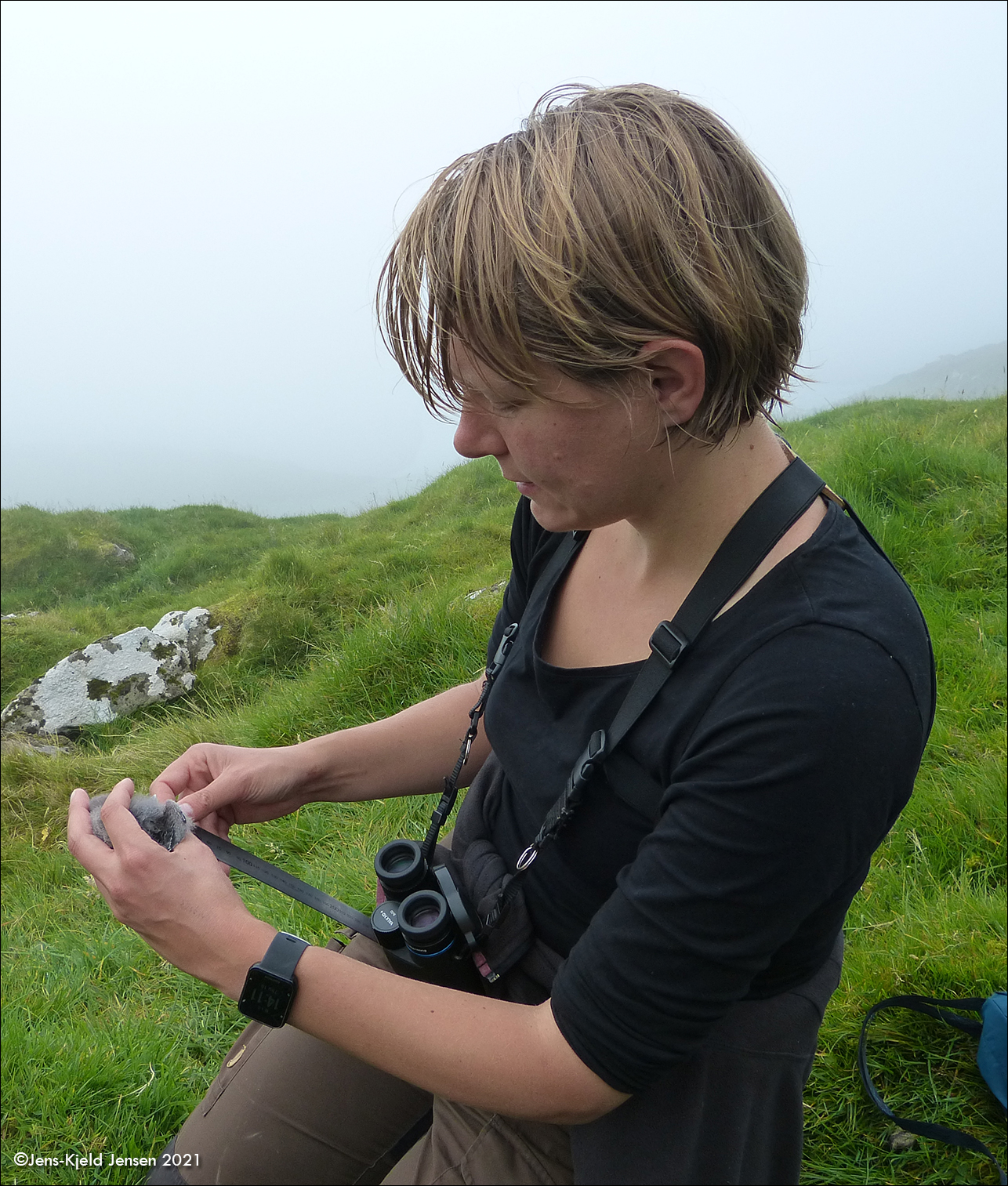
| As all children, the European Storm Petrel chick must be weighed and measured | ||||||||||||||||||
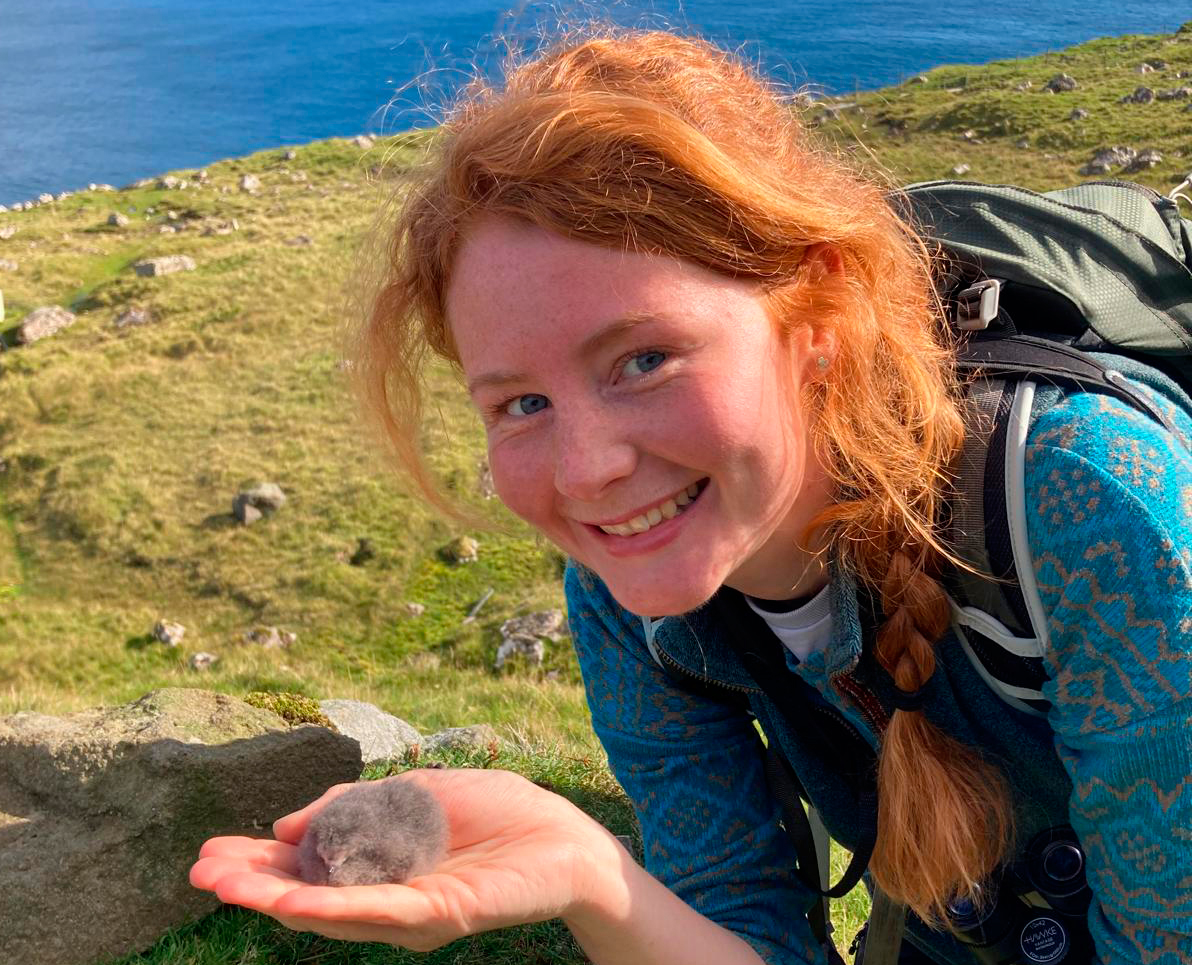
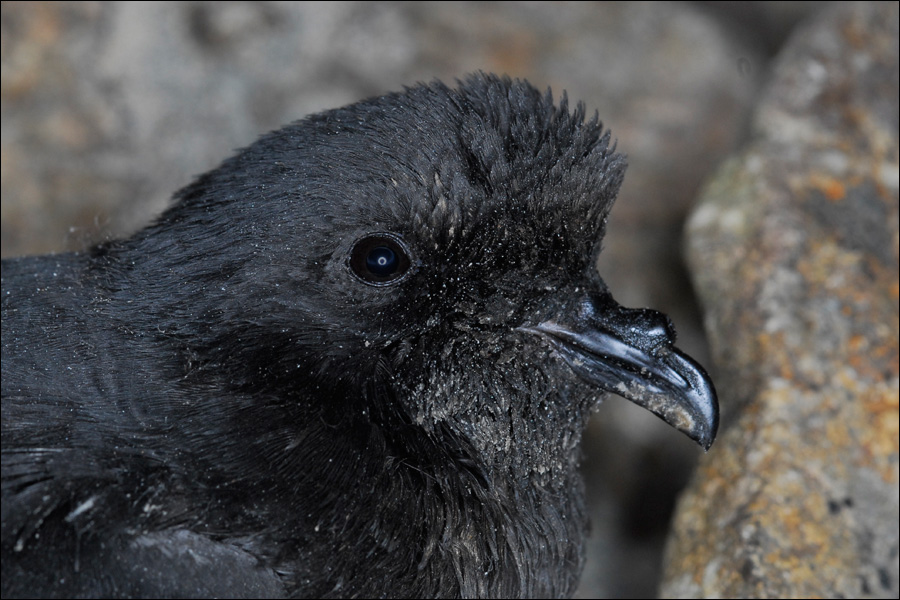
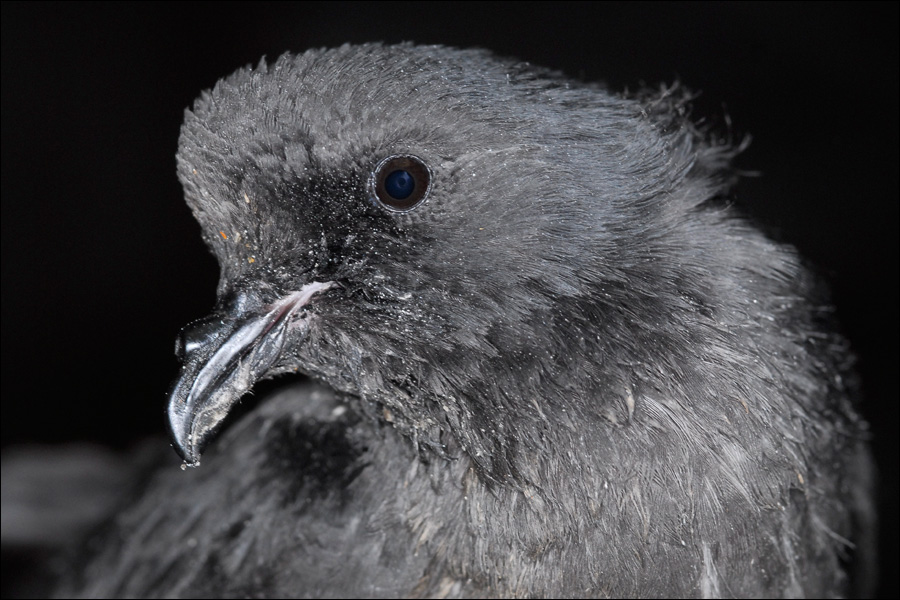
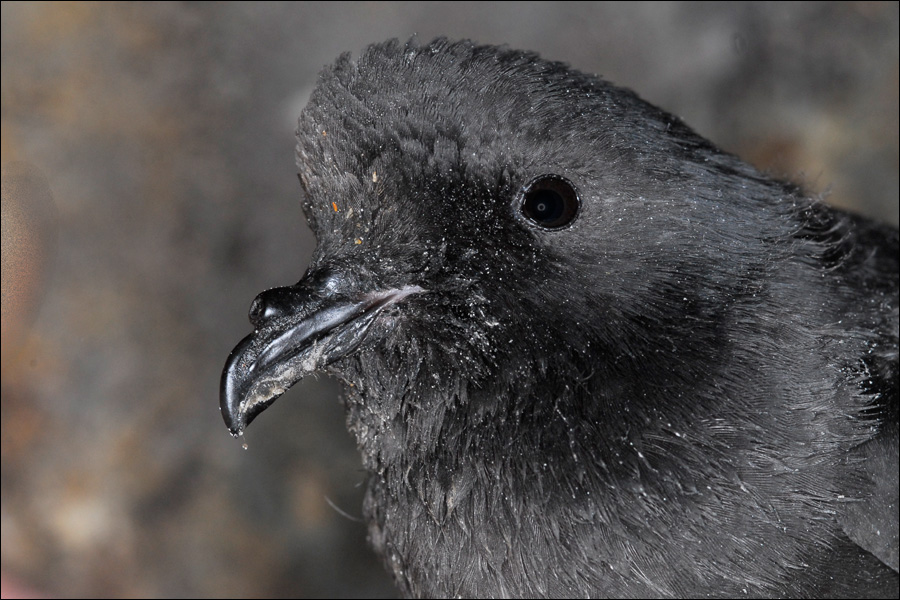
A group of researchers from Wales, the Netherlands and Germany have together with Jens-Kjeld Jensen and Jógvan Thomsen since early in the summer 2021 been in Nólsoy examining the European Storm Petrel. There are several pilot projects, such as - where does the European Storm Petrel find its food? - is it influenced by the lights at the salmon farms? - and how will any planned offshore wind farm affect it? |
||||||||||||||||||
| Update 16.09.2021 | ||||||||||||||||||
   |
||||||||||||||||||
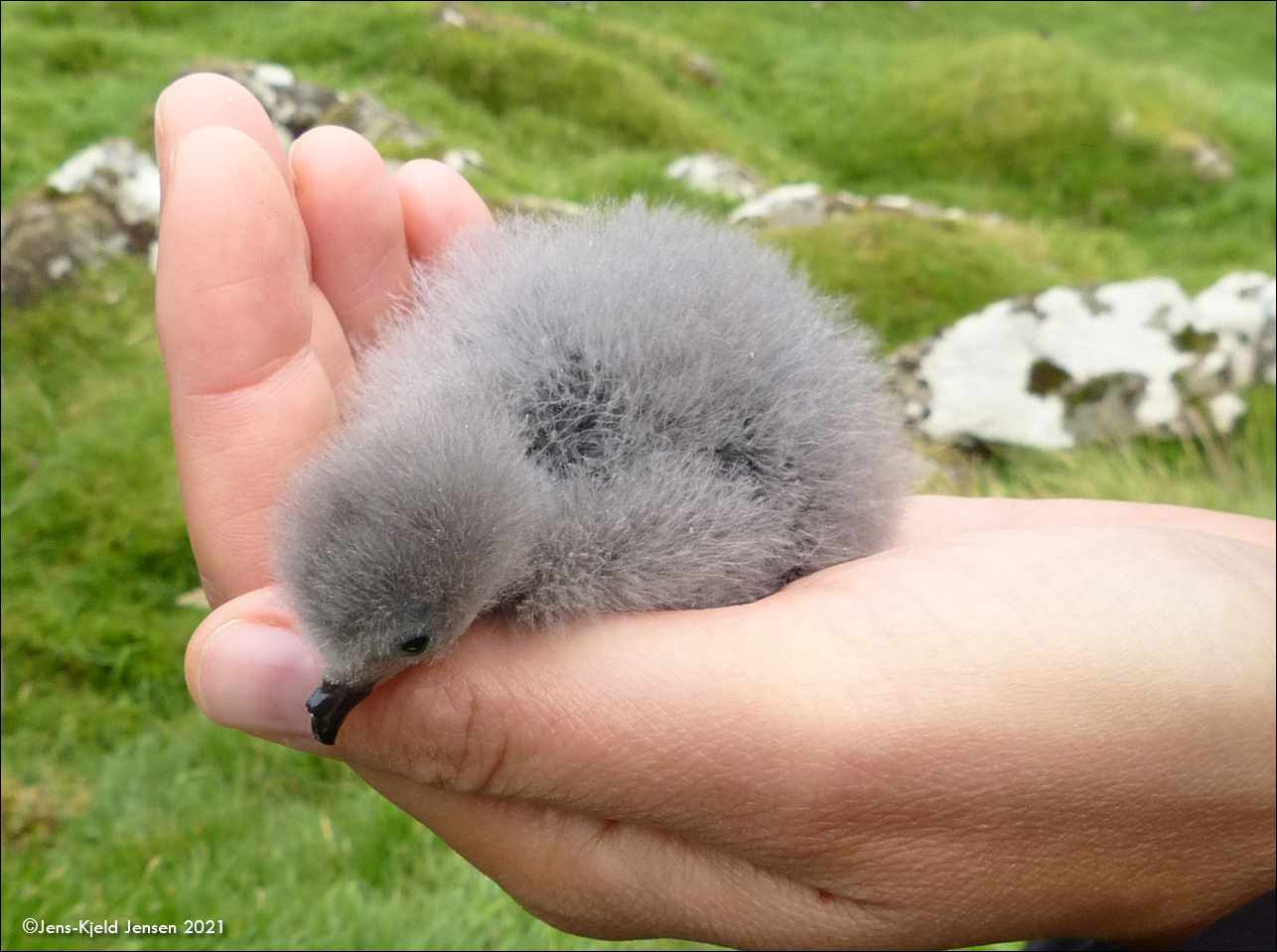
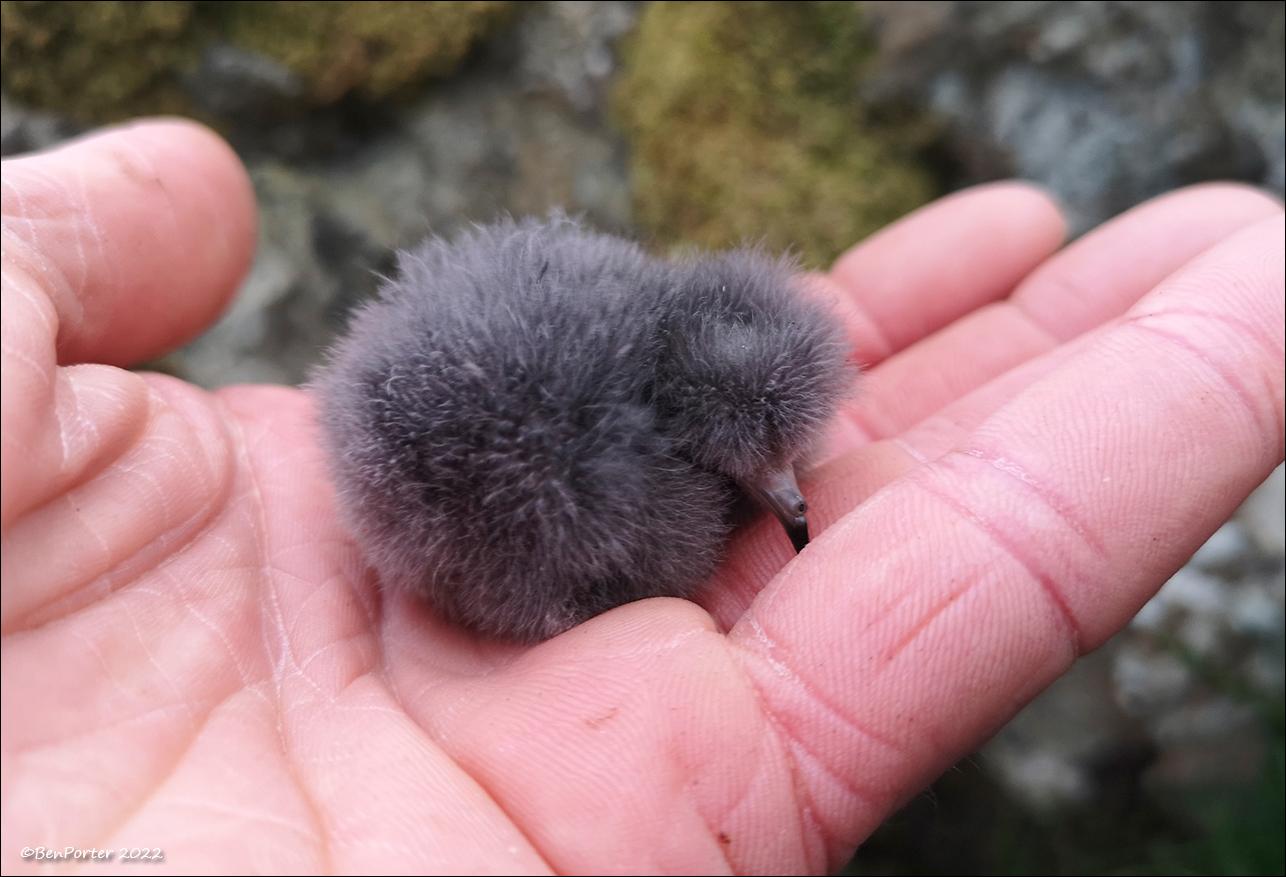
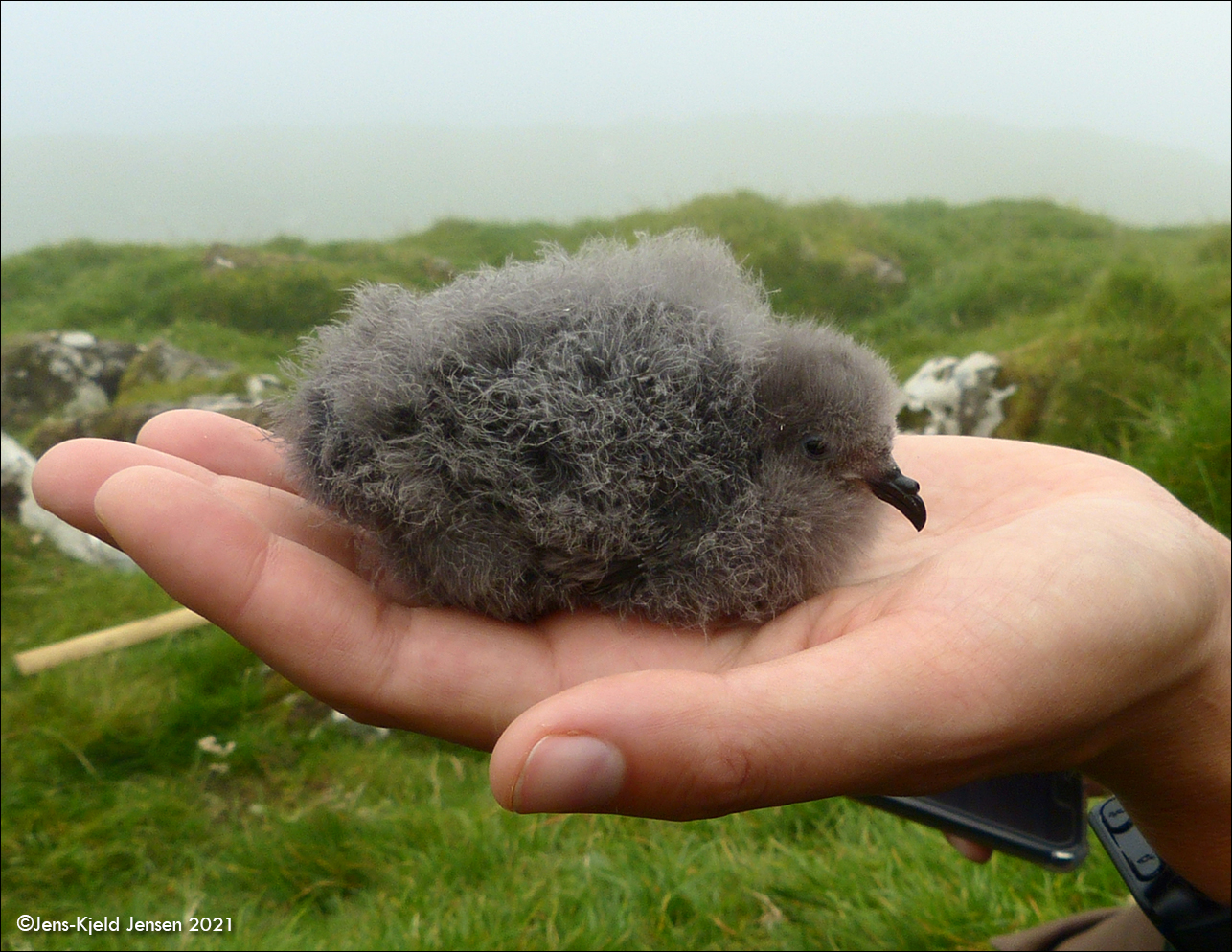
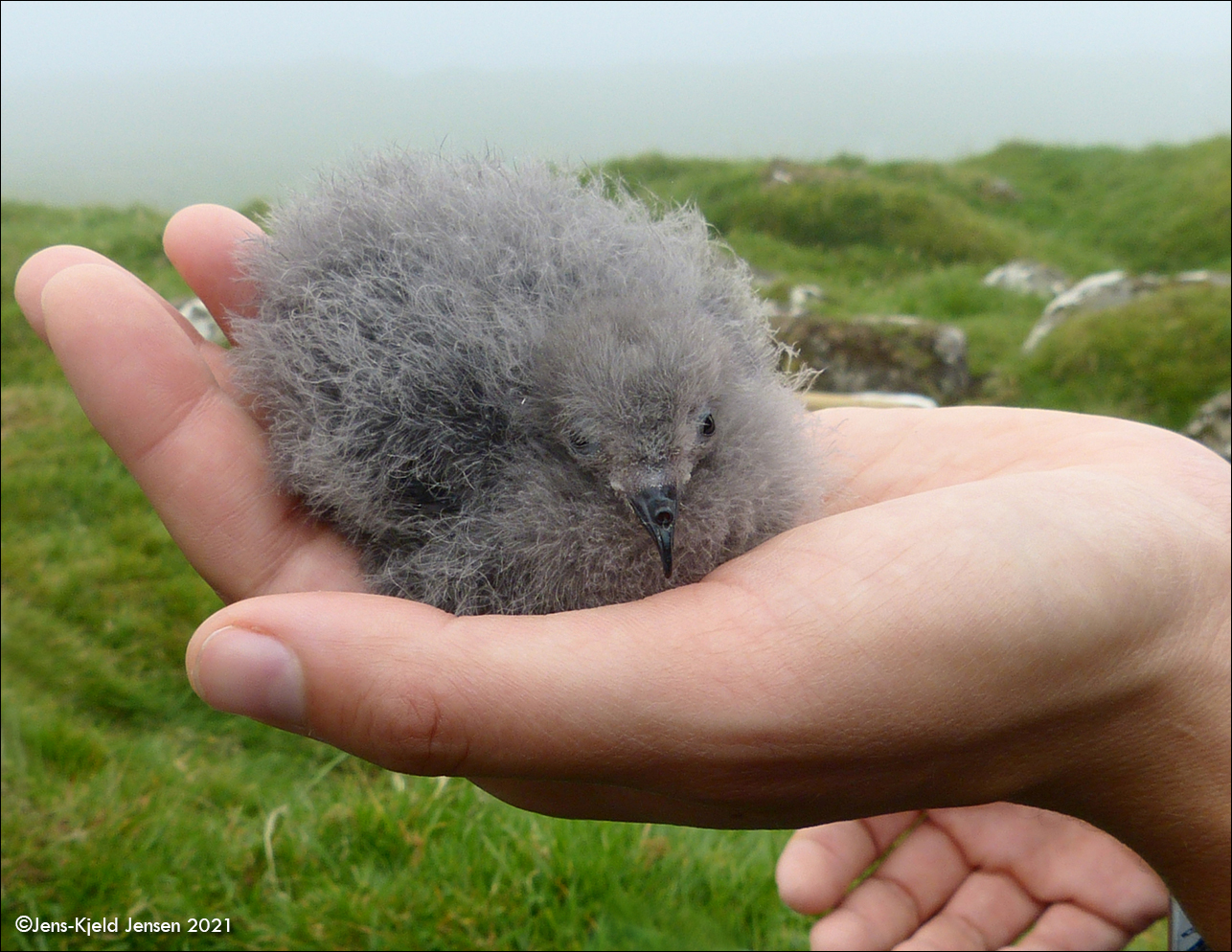
The chick was about 14 days old when it was weighed on September 4, and then it weighed 24.7 g. When Anne Ausems weighed it again on September 16, it weighed 37.2 g |
||||||||||||||||||
| ______________________________________________________________ | ||||||||||||||||||
| The study of European Storm Petrel Hydrobates pelagicus is continuing in 2022 | ||||||||||||||||||
|
||||||||||||||||||
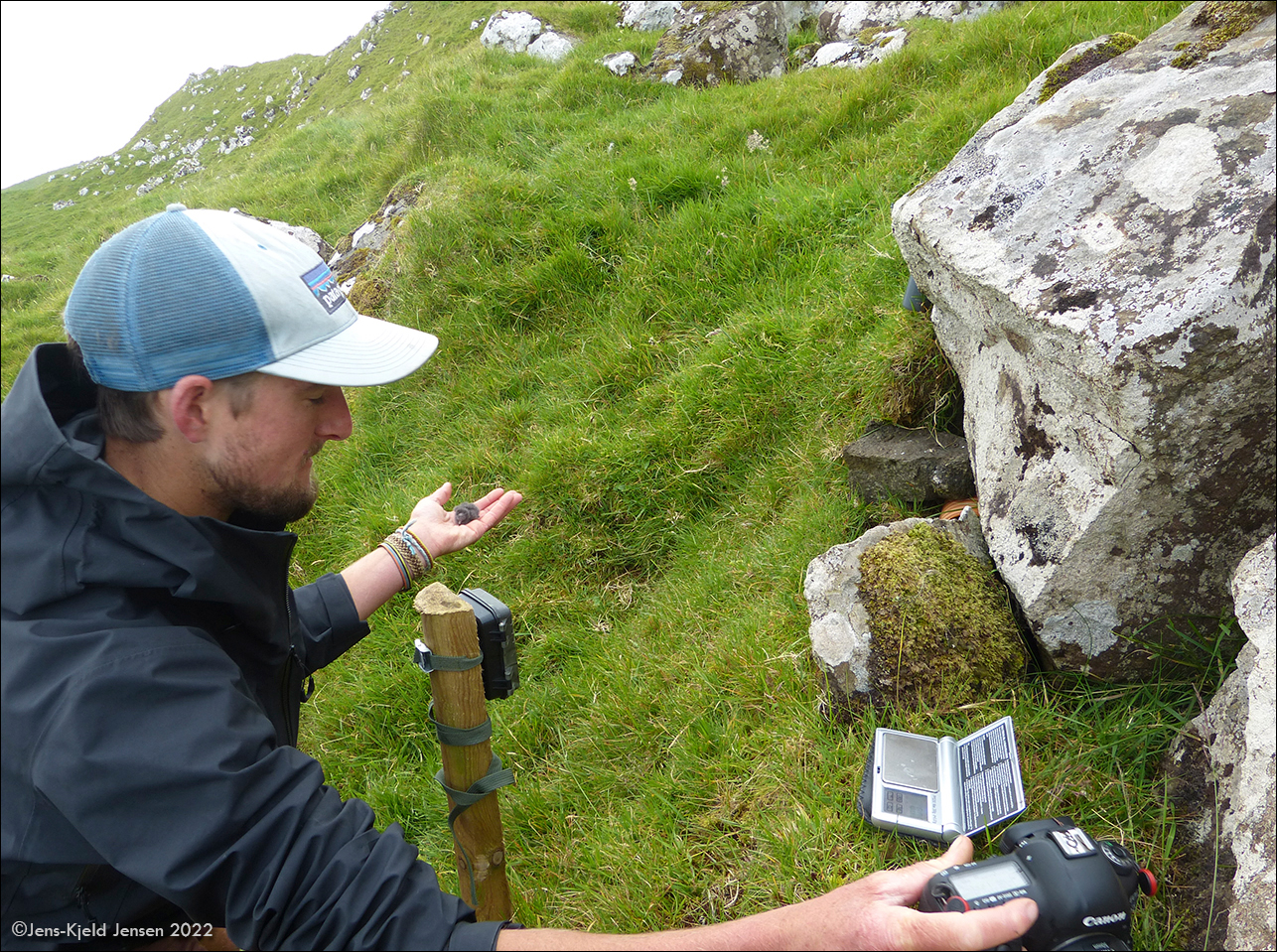
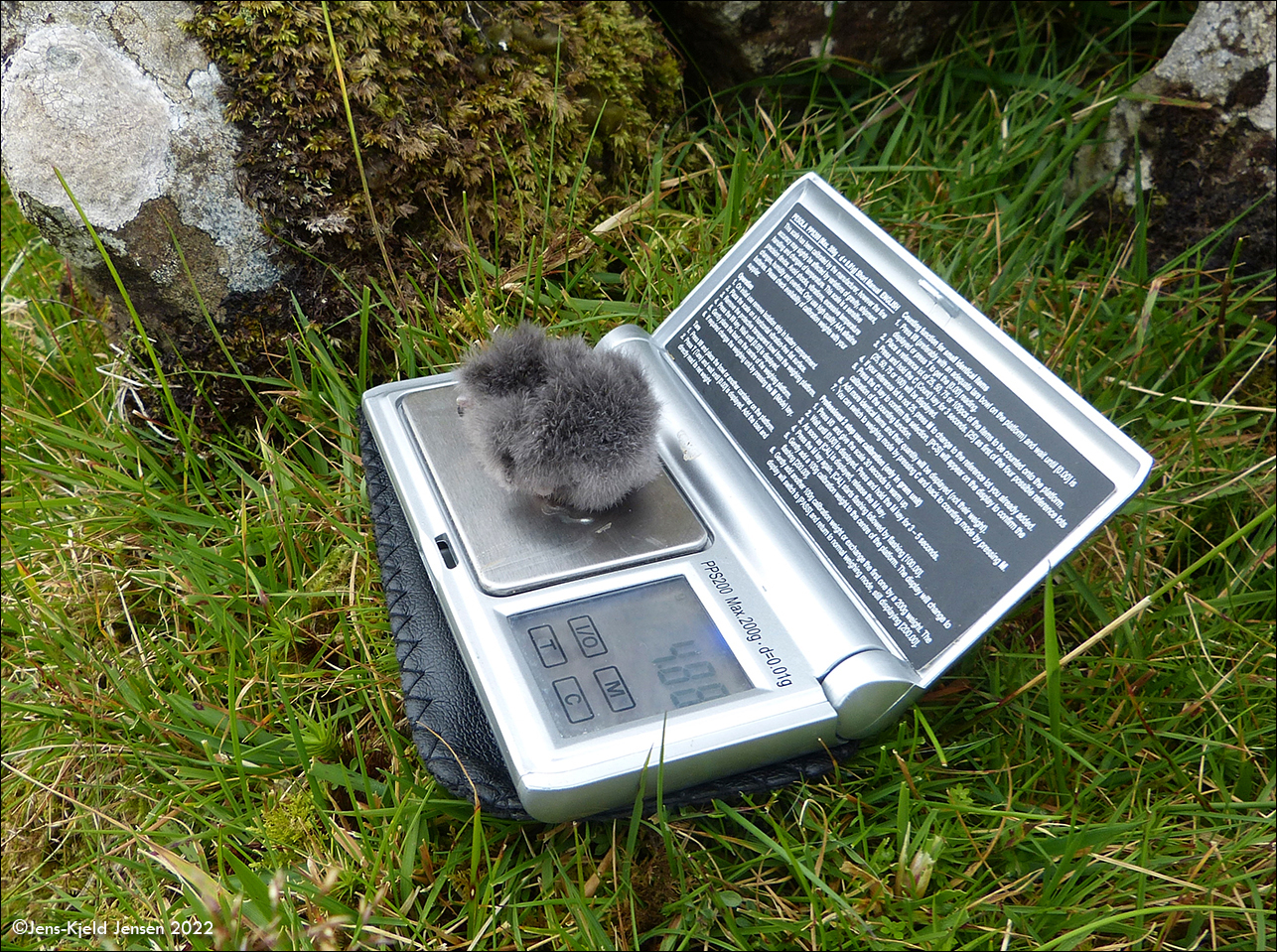
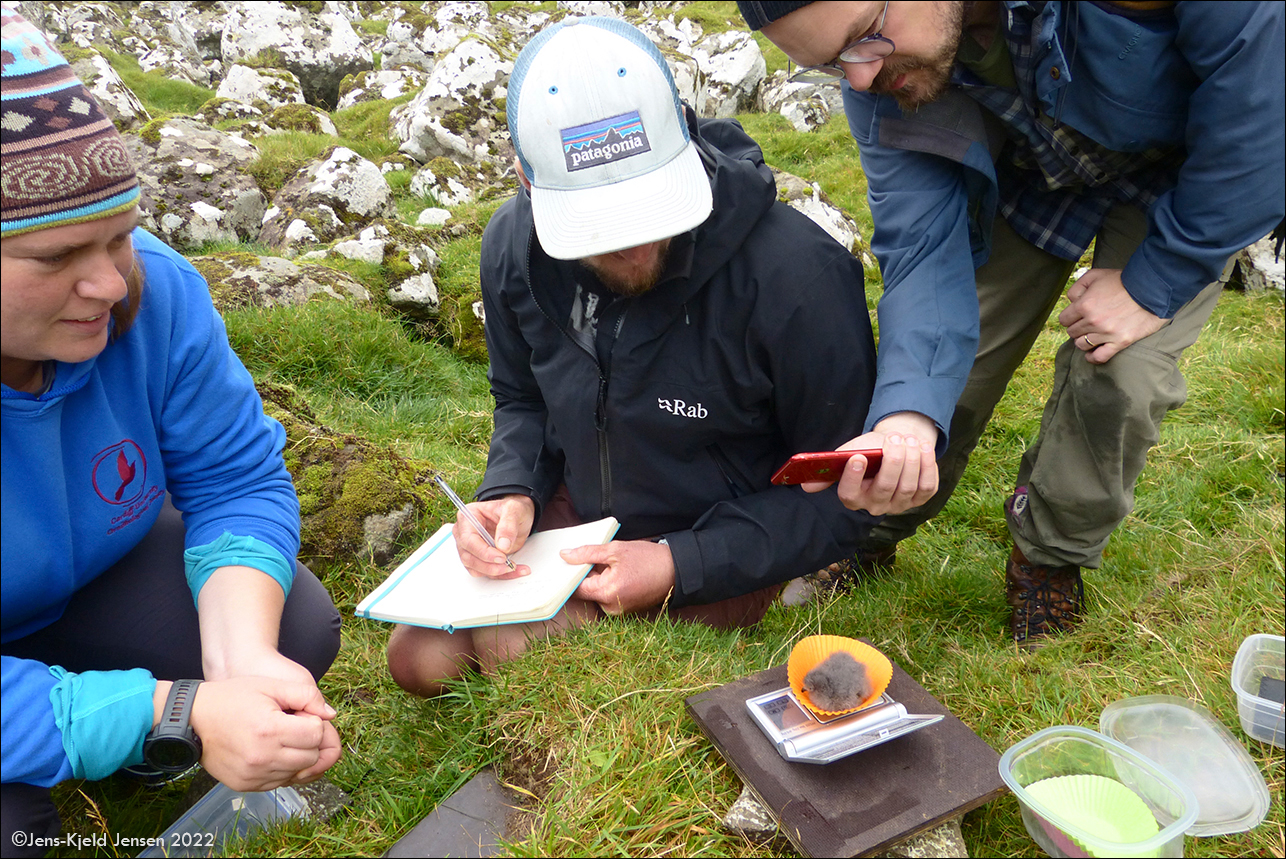
| Nólsoy 22.08.2022: The first Storm Petrel chick, that hatched in one of the nest boxes this year, weighed 4.8 g when it was 2-3 days old. The man weighing the chick is Ben Porter. | ||||||||||||||||||
| Read more about this study further down the page. | ||||||||||||||||||
Mini-GPS-trackers on Storm petrels - Kringvarp Føroya  |
||||||||||||||||||
| ______________________________________________________________ | ||||||||||||||||||
Cooperation between the Faroese Enviromental Agency and the University in Cardiff |
||||||||||||||||||
12. September 2022: So far, 6 Storm petrel chicks have hatched in our nest boxes, and there are also 6 eggs that have not yet hatched. There is a possibility that other Storm petrels will also lay eggs in several of the other nest boxes. |
||||||||||||||||||
|
||||||||||||||||||
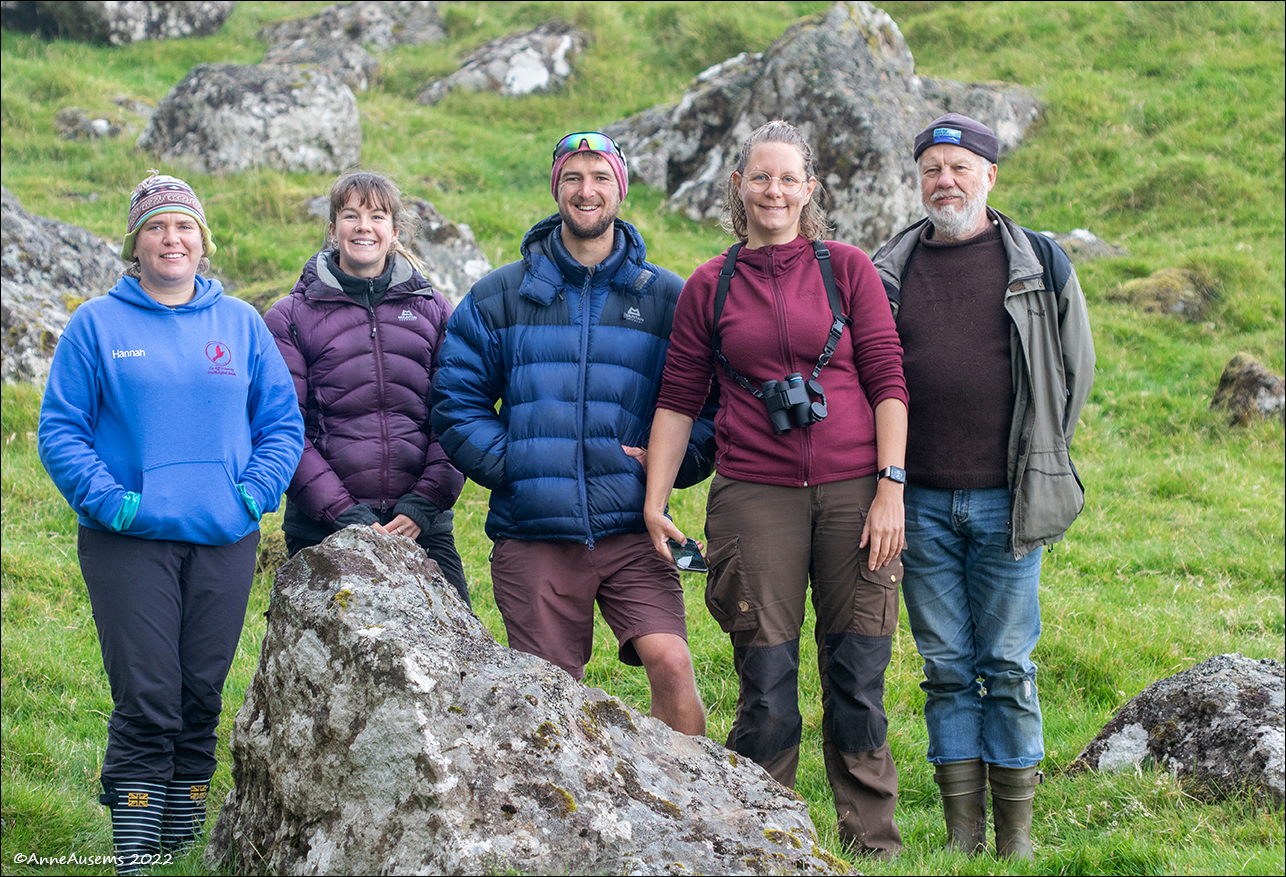
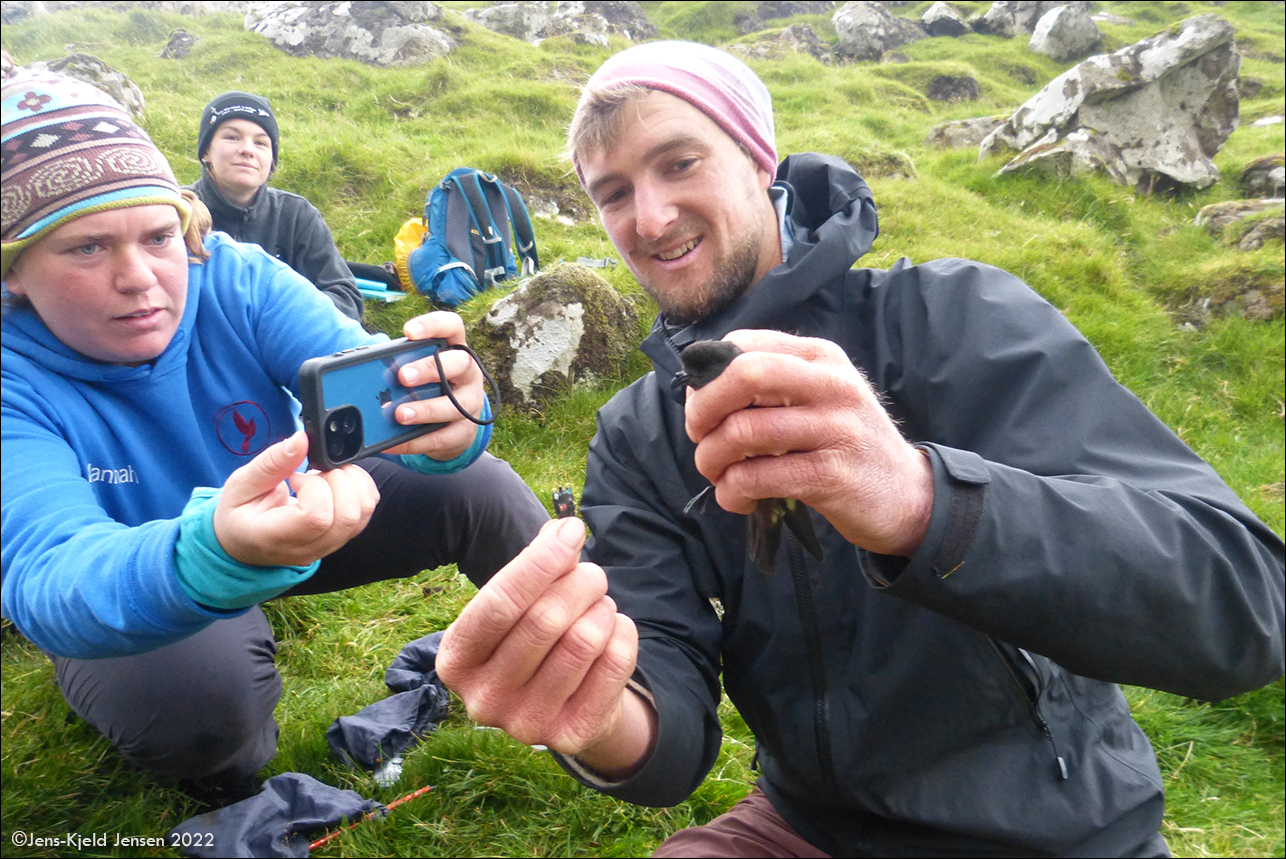
| Hannah Hereward, Cardiff University. Lauren Evans, Scotland. Ben Porter, Cardiff University, Anne Ausems, Holland & Jens-Kjeld Jensen. | ||||||||||||||||||
|
||||||||||||||||||
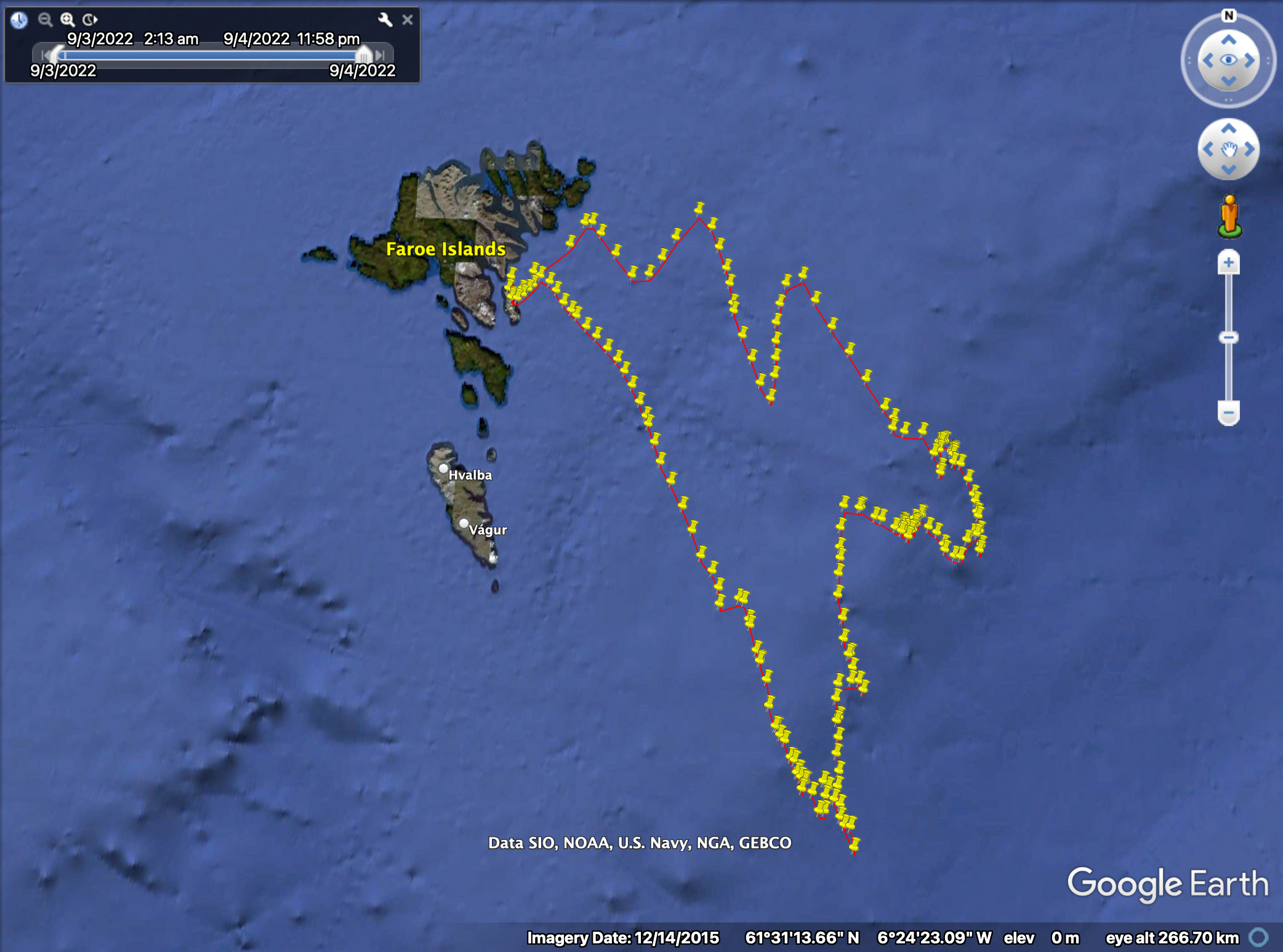
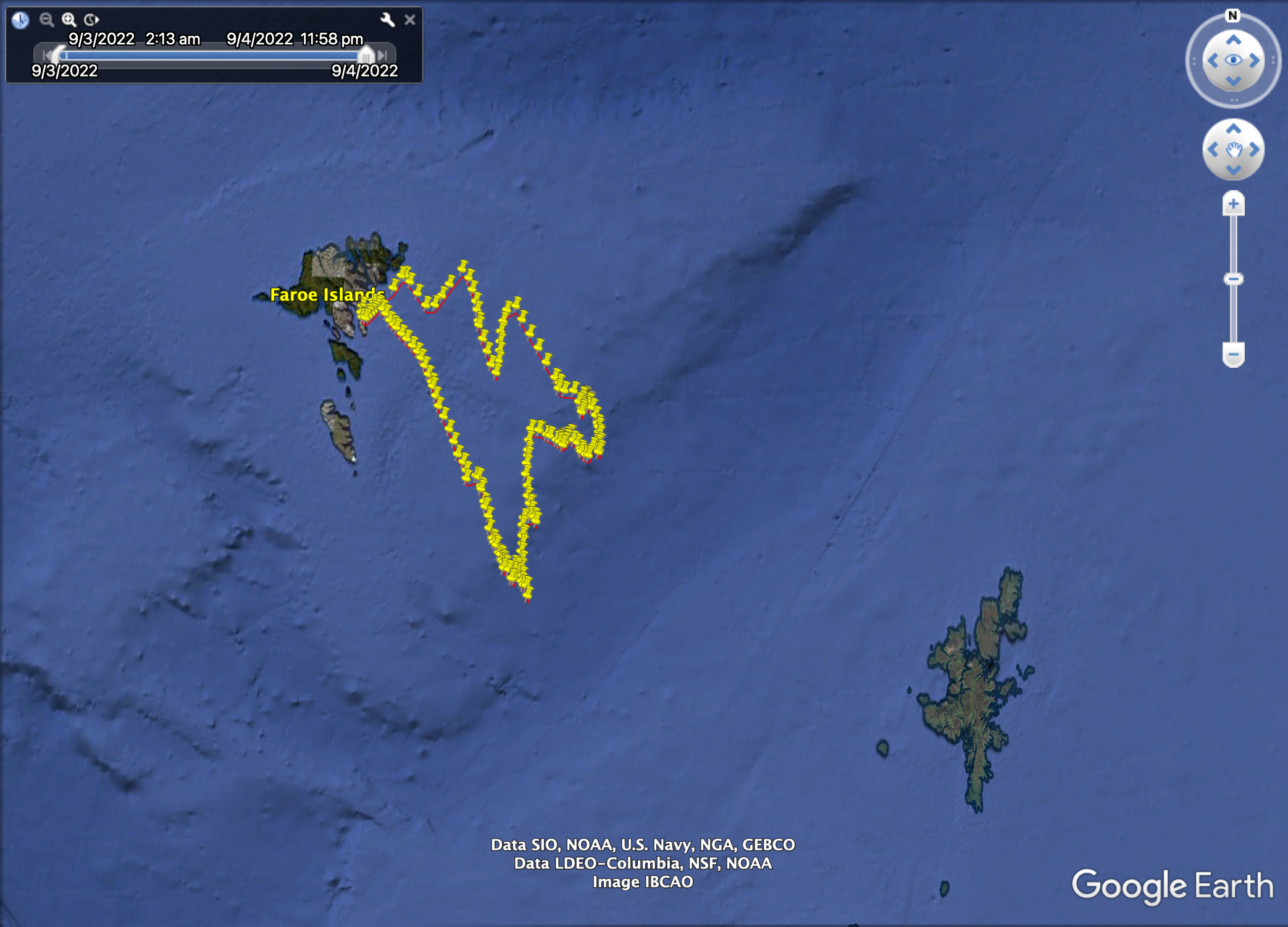
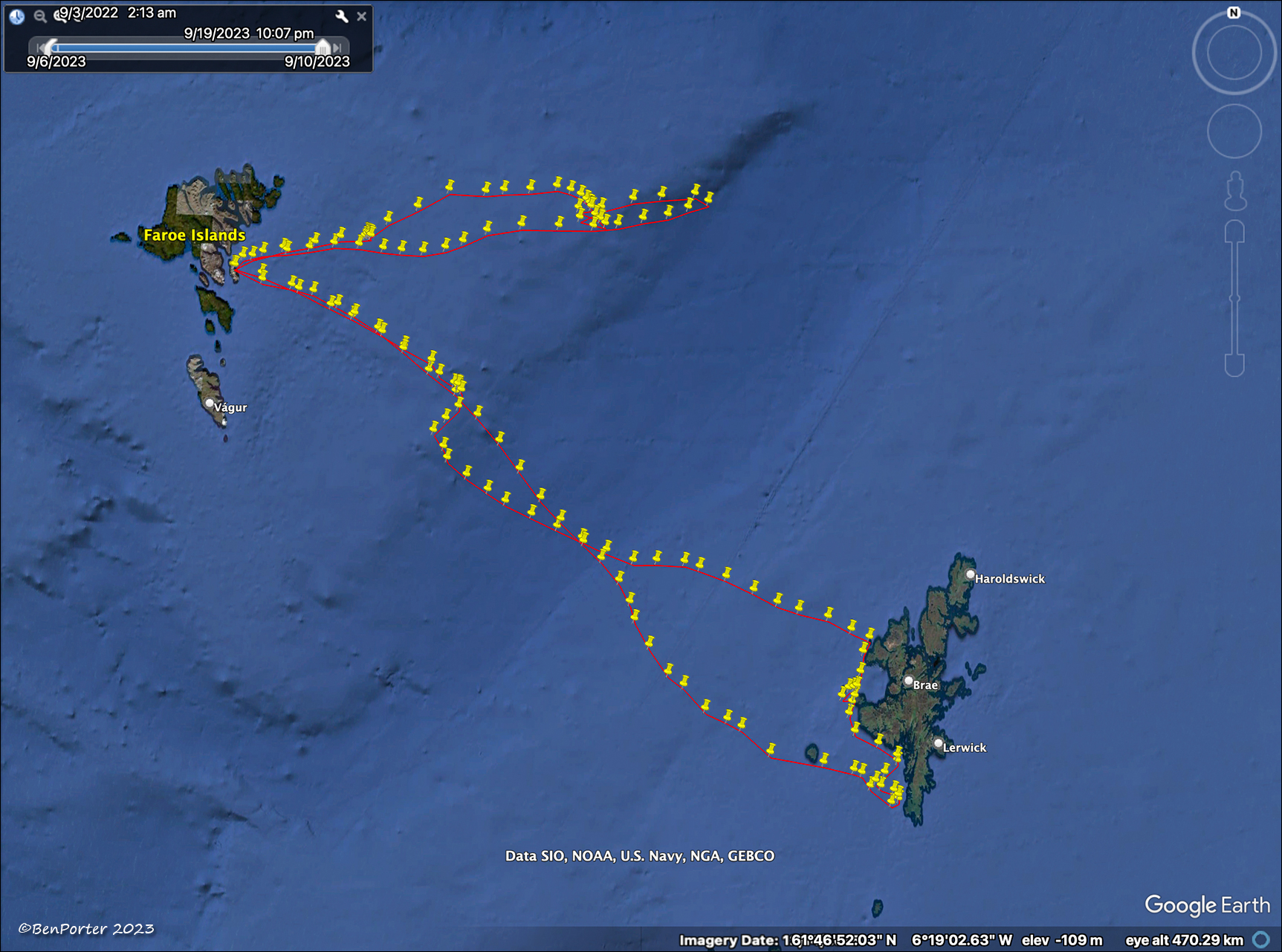
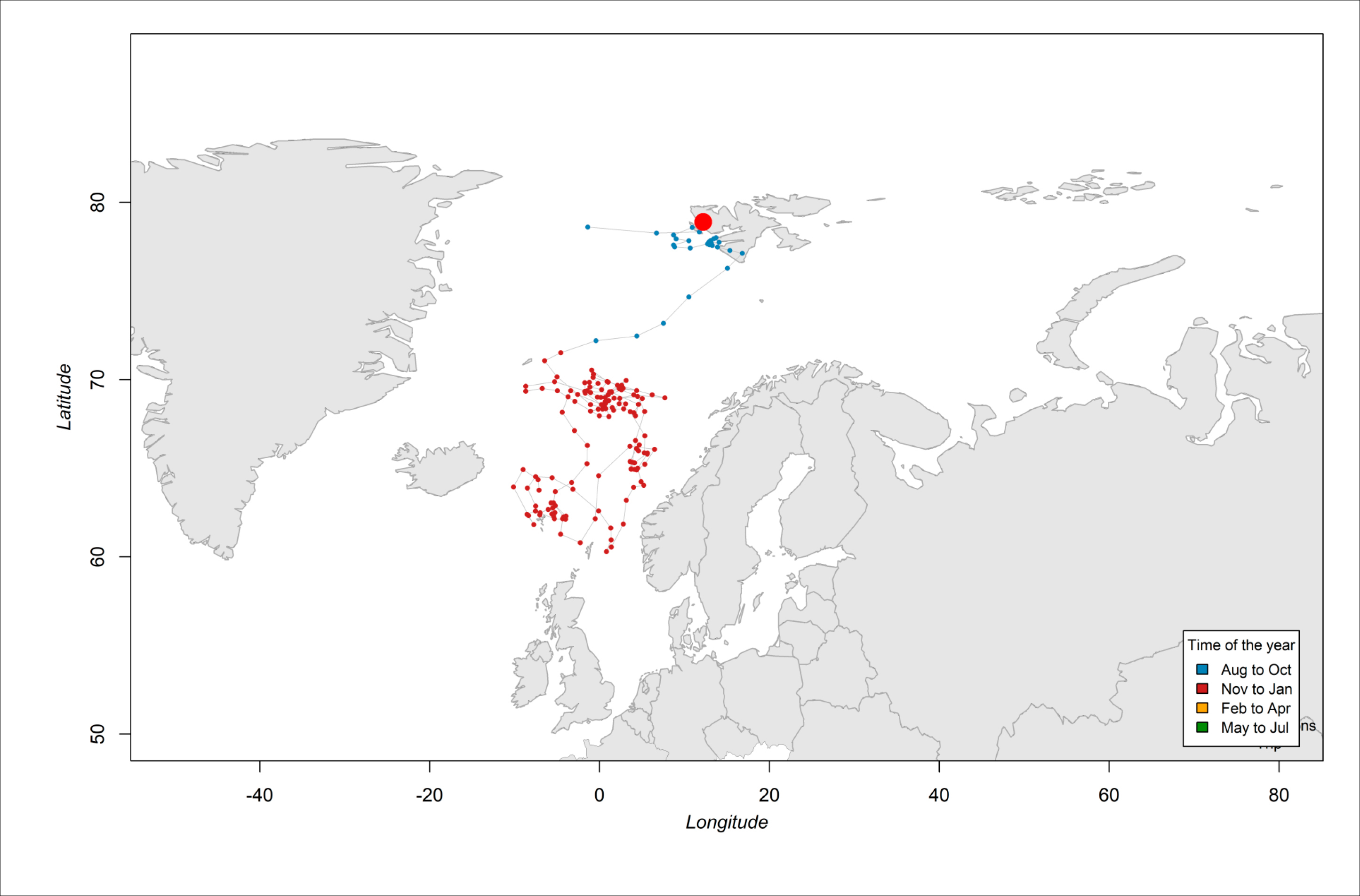
The route of the bird. Directly 160 km. to the Shetland Islands, where it fished for the first time. After 2 days and having flown a total of 600 km, it was back in the nest to feed the young. |
||||||||||||||||||
|
||||||||||||||||||
| Field work | ||||||||||||||||||
|
||||||||||||||||||
| Storm petrel chick | ||||||||||||||||||
Each chick is weighed in its own muffin form, which is used only for it . This is to avoid any kind of infection between the Storm petrels in the colony at Nólsoy. |
||||||||||||||||||
Videos |
||||||||||||||||||
The Storm petrel returns to the nest and the chick |
||||||||||||||||||
|
||||||||||||||||||
| Anne Ausems, Holland, Robert Thomas, Ben Porter & Hannah Hereward, Cardiff University, Sjúrður & Sára Hammer & Jens-Kjeld Jensen. | ||||||||||||||||||
| ______________________________________________________________ | ||||||||||||||||||
| Suðuri í Dølum 16.10.2022 | ||||||||||||||||||
|
||||||||||||||||||
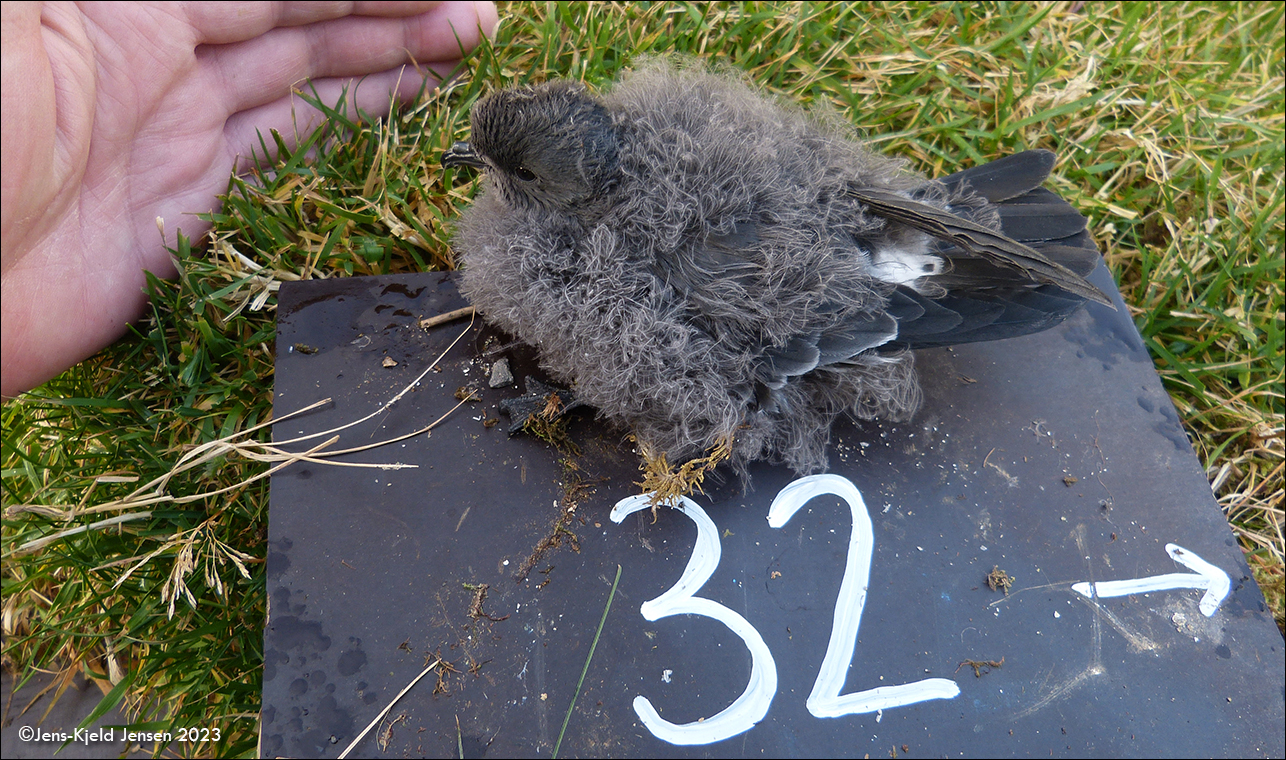
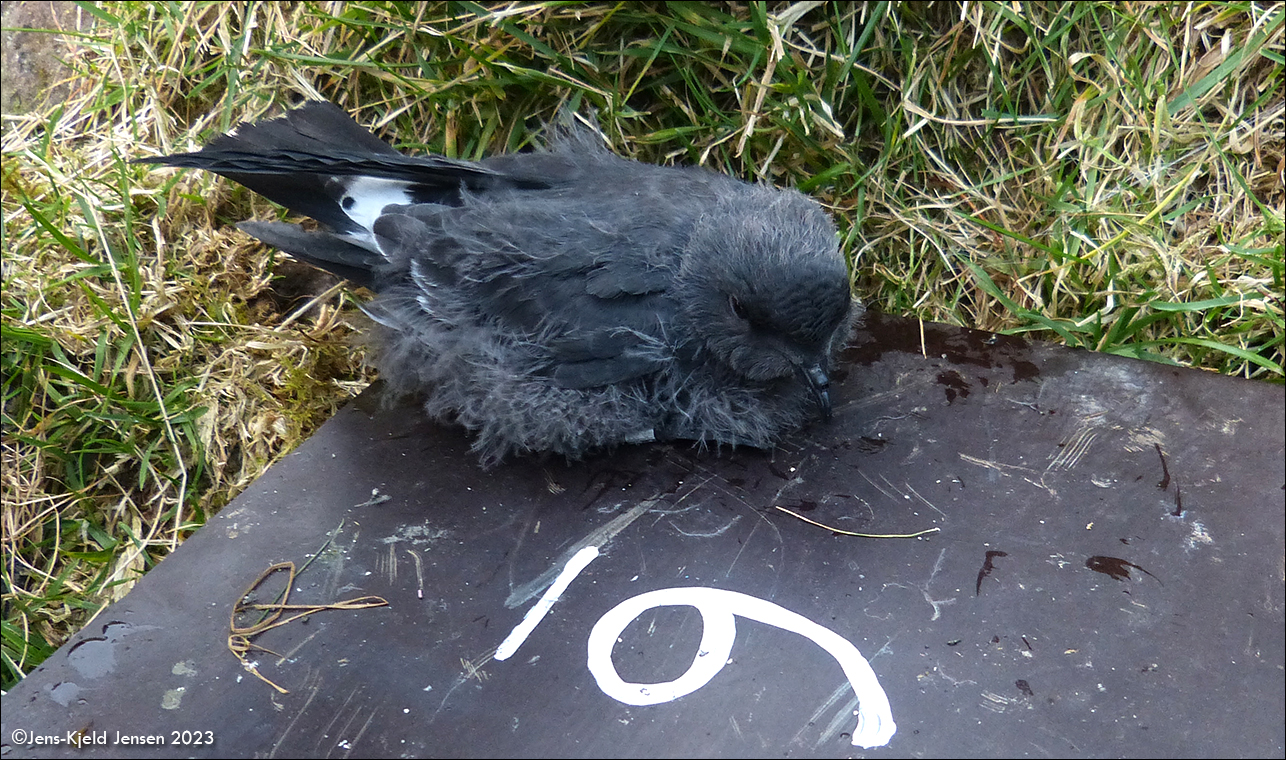
| In the photograph on the left, which was taken on September 12, the Storm Petrel chick weighed 9 grams. In the photograph on the right, which was taken today - October 16, the chick weighed 41.5 grams. | ||||||||||||||||||
|
||||||||||||||||||
Nólsoy 05.11.2022: Today the last Storm Petrel chick had left the nest boxes Suðuri í Dølum. On November 1, 2022, the chick weighed 42.3 g, so we hope it will make the trip to South Africa. |
||||||||||||||||||
| ______________________________________________________________ | ||||||||||||||||||
The study of European Storm Petrel Hydrobates pelagicus is continuing in 2023 |
||||||||||||||||||
 |
||||||||||||||||||
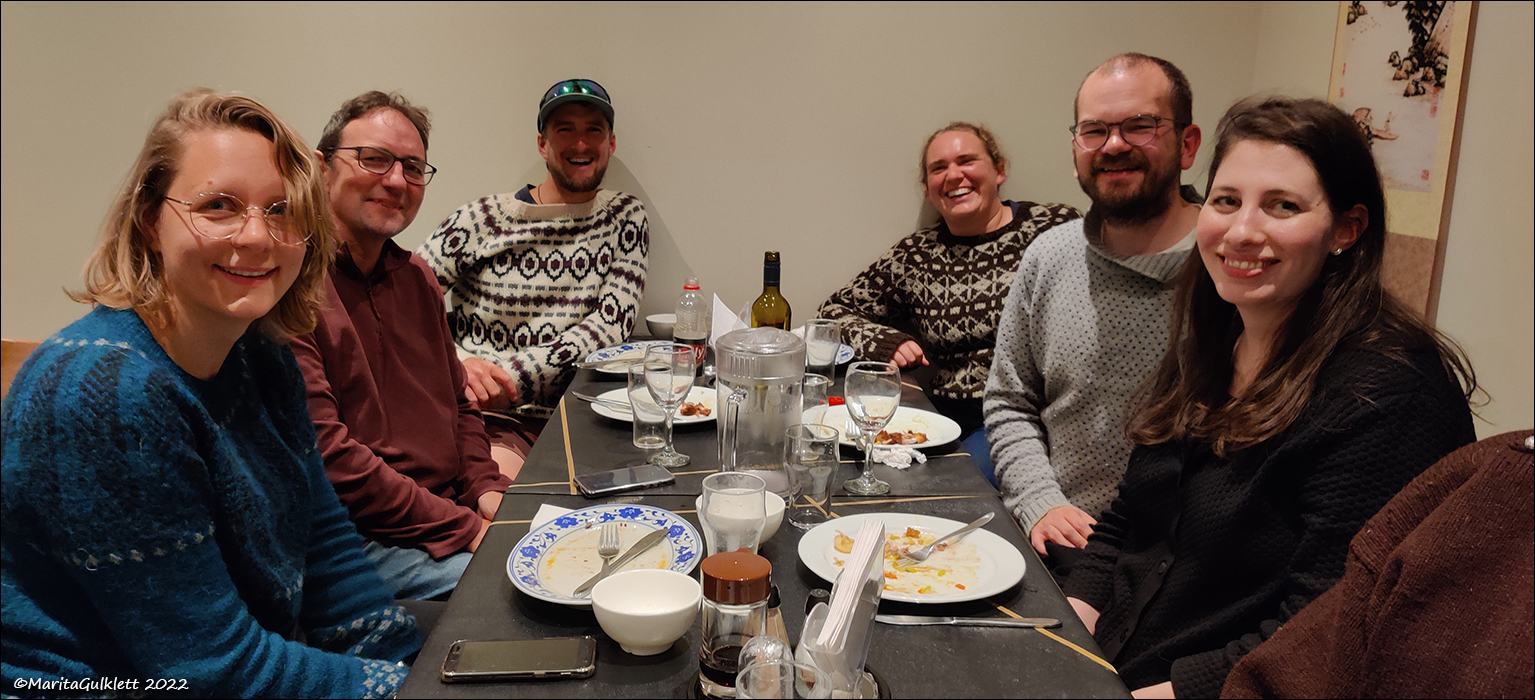
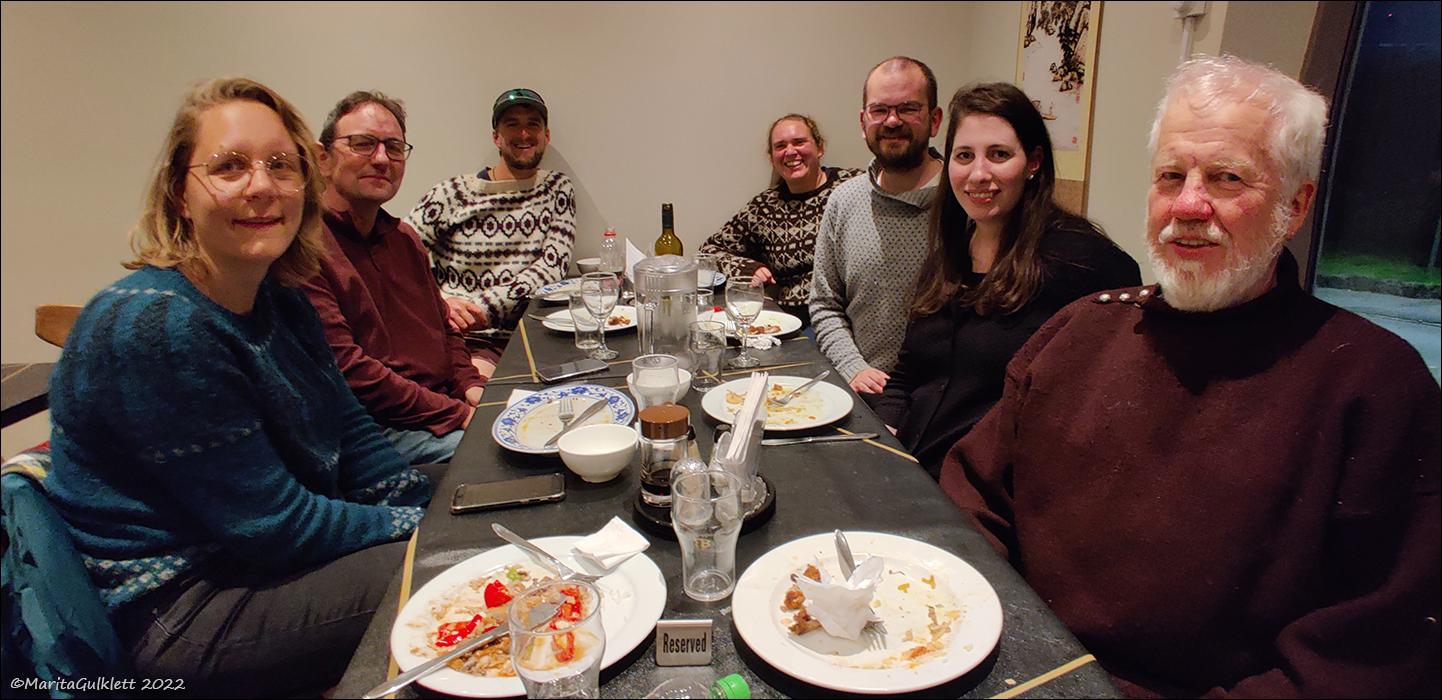
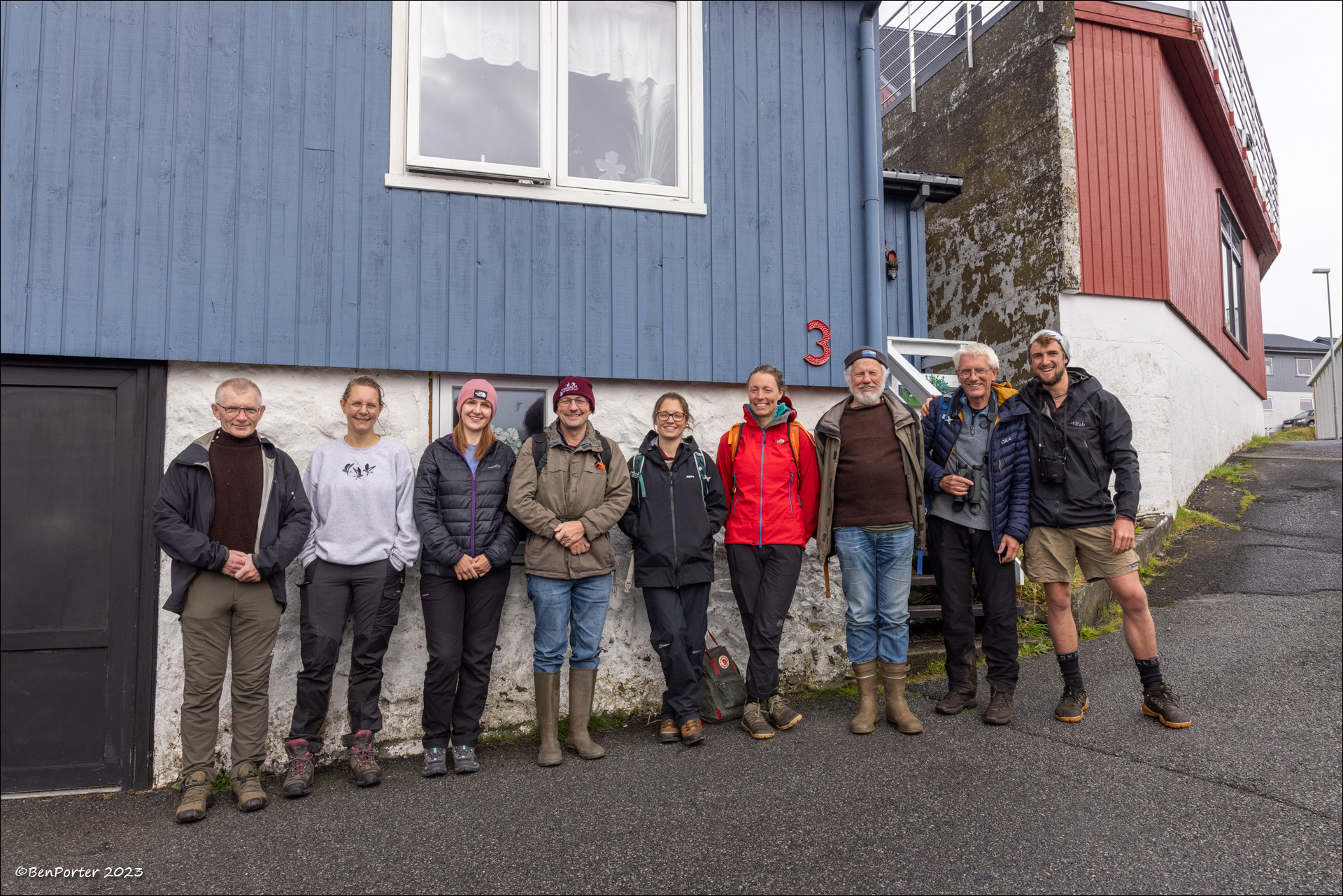
Nólsoy 09.09.2023. Team pictured (left to right): Jógvan Thomsen, Faroe Islands, Anne Ausems, Holland, Anna K. Znój, Polen, Rob Thomas, Wales, Zoe Deakin, Wales, Jade Philips, Wales, Jens-kjeld Jensen, Faroe Islands, Mark Bolton, Scotland and Ben Porter Wales. |
||||||||||||||||||
In 2023, Ben Porter has been granted support for his PhD project at Nólsoy from the Faroese Research Council in collaboration with the Faroese Environment Agency. In this connection, he must use nest boxes. Jens-Kjeld Jensen and Jógvan Thomsen have made the nest boxes, and in this connection the people in the photograph have been to Nólsoy this summer. Anne Ausems also has a smaller project again with the Storm Petrels in the colony on the island. |
||||||||||||||||||
|
||||||||||||||||||
The 72 nest boxes have been very successful, and only a very few of them have not been visited by Storm Petrels in the summer of 2023. |
||||||||||||||||||
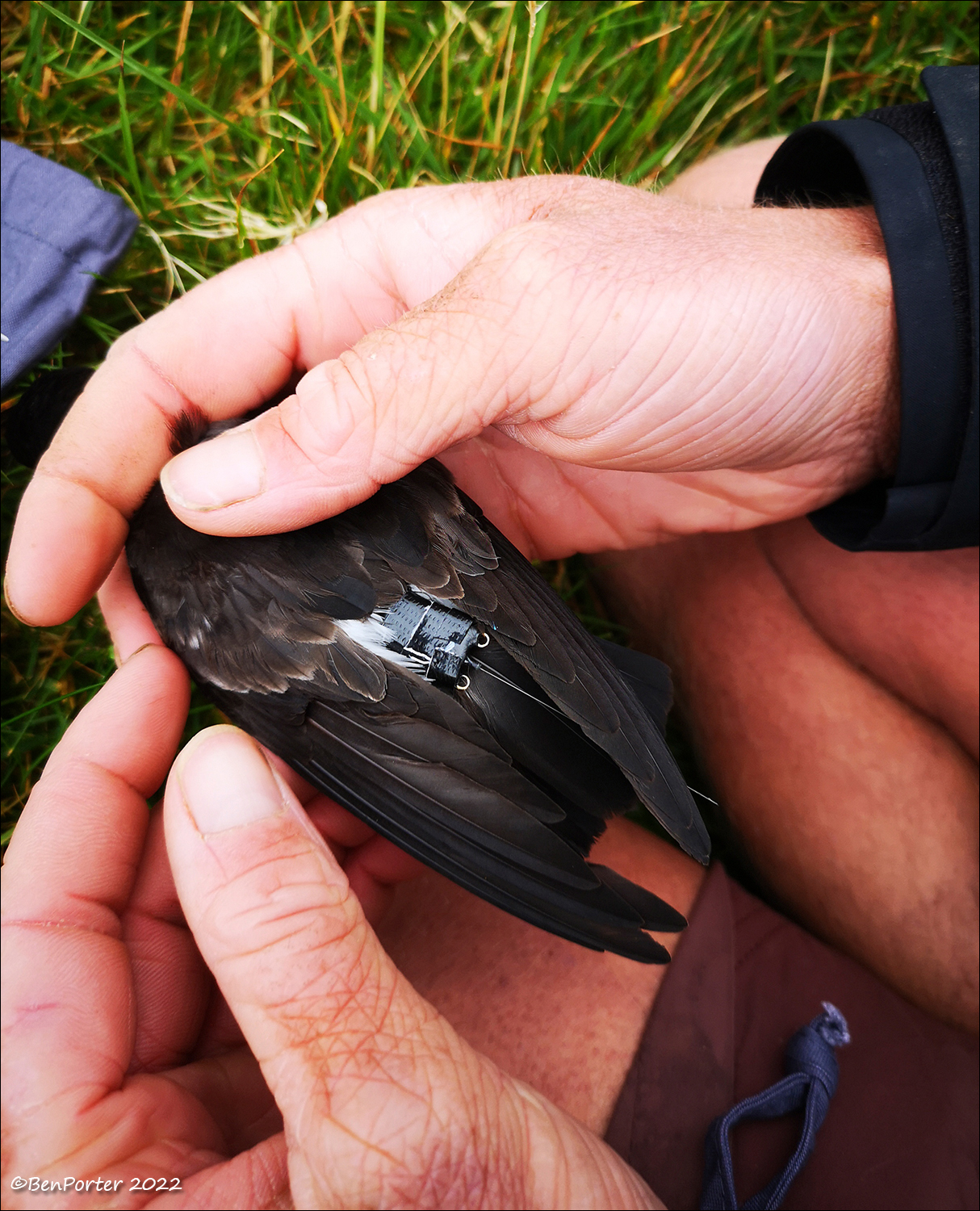
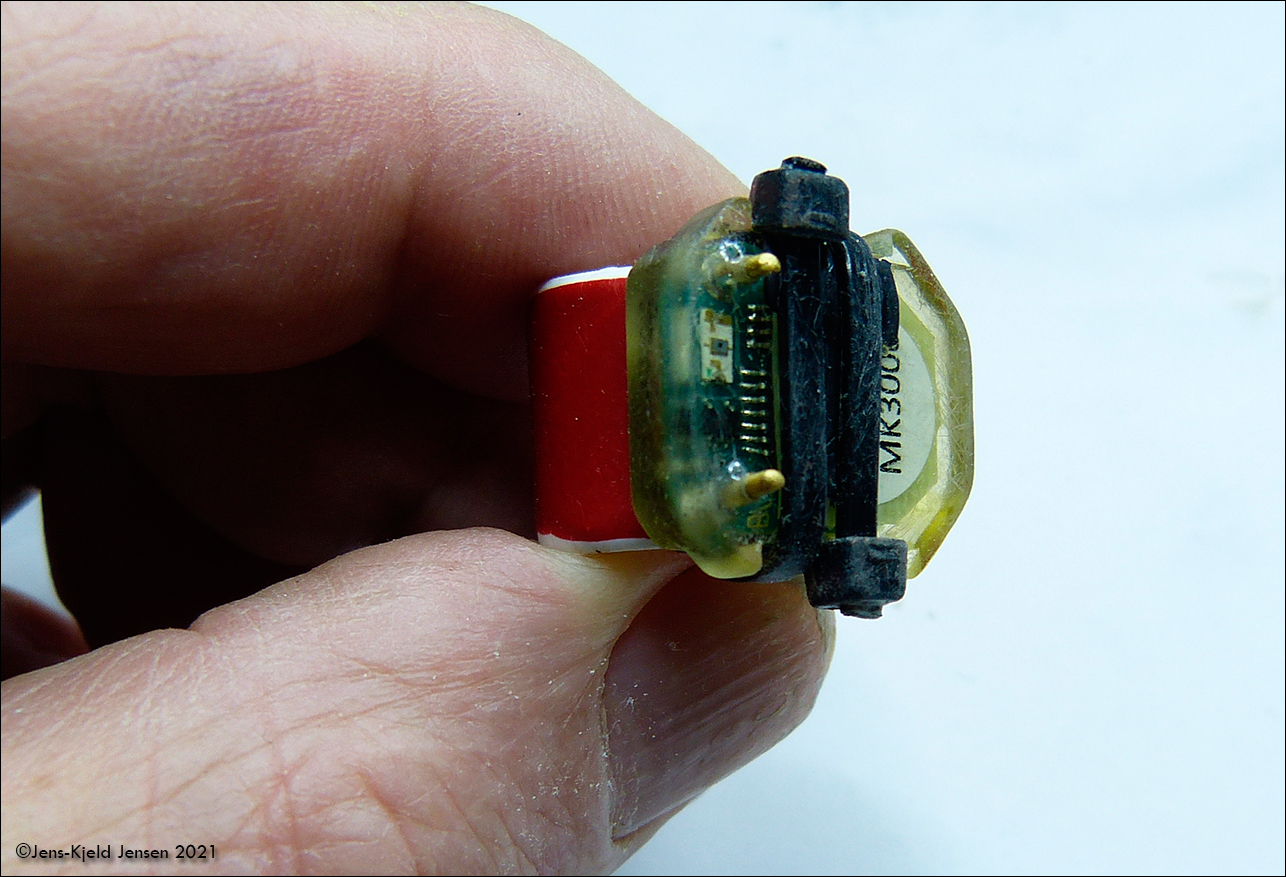
Five Storm Petrels had a GPS tag attached to their tail, and above you can see what one of them did after the logger was attached. First, it flew a short trip directly to the east, which took a day. Then it flew back home to feed the young, it took approximately 10 minutes. Then it flew a trip of 350 km. to Shetland, which took 2 days. It was thus on the wings for 3 days. |
||||||||||||||||||
| ______________________________________________________________ | ||||||||||||||||||
|
||||||||||||||||||
October/November 2023: An adult European Storm Petrel weighs 26 g on average. The heaviest young in the colony in Nólsoy in 2023 weighed 54 g., when the parents thought it was capable to take care of itself. |
||||||||||||||||||
|
||||||||||||||||||
|
||||||||||||||||||
| On November 24, 2023, the last Stormpetrel young had left the nest box. It will be very exciting to follow their journey in the coming years. | ||||||||||||||||||
| ______________________________________________________________________ | ||||||||||||||||||
The study of European Storm Petrel Hydrobates pelagicus is continuing in 2024 |
||||||||||||||||||
  |
||||||||||||||||||
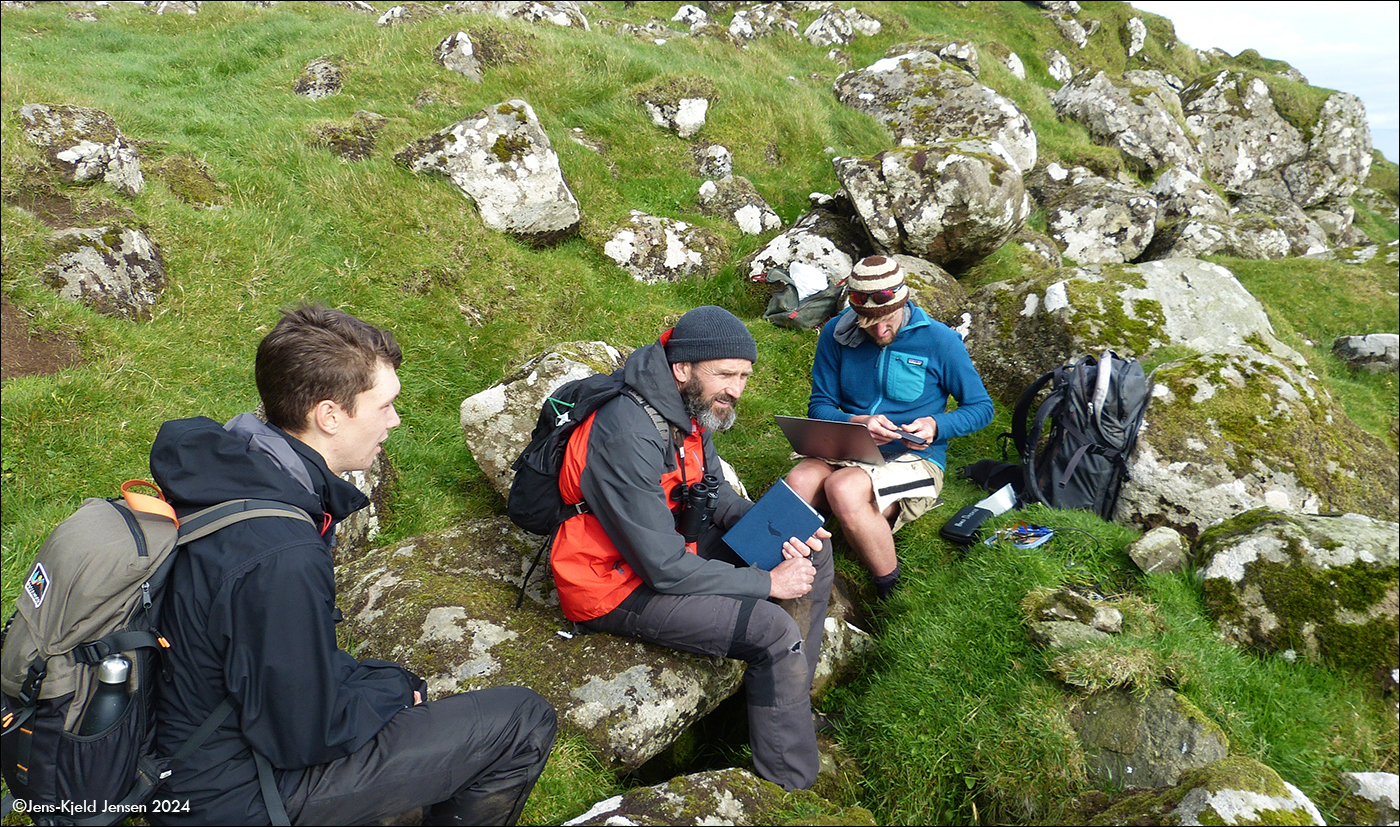
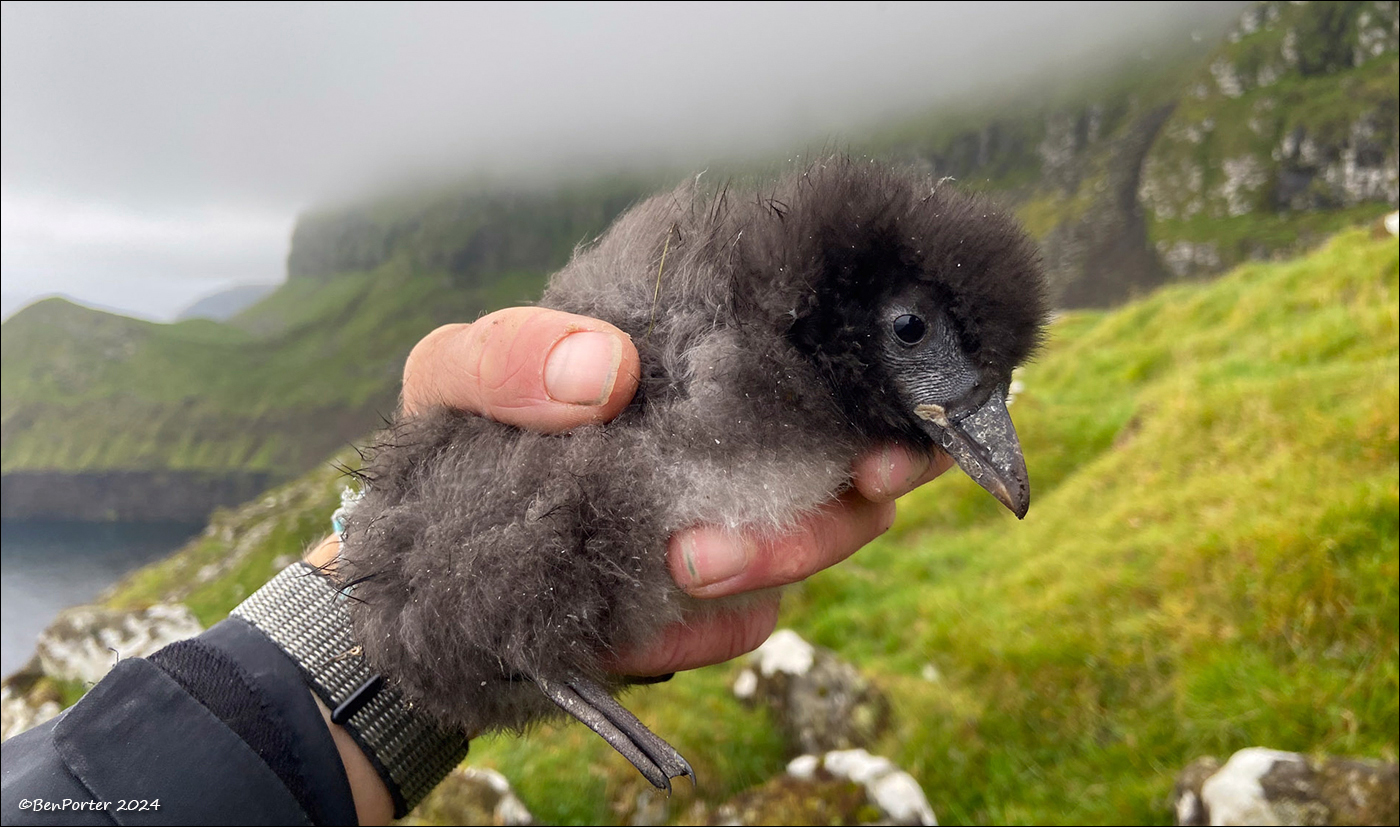
The first photo is of Ben Porter and two of his work colleagues who are doing research in Urðin on Nólsoy. The next photo is of a fat Puffin chick, which has moved into a nest box, intended for Storm petrels. The photo was taken in Nólsoy on 28.07.2024, and on 14. August the Puffin chick was still in the nest box. |
||||||||||||||||||
Photo: Ben Porter |
||||||||||||||||||
| ___________________________________________________________________________________ | ||||||||||||||||||
European Storm Petrels with a chick in the bird colony in Nólsoy, Faroe Islands 17.09.2024 |
||||||||||||||||||
|
||||||||||||||||||
| When one of the parent birds comes home with food for the chick, the pair of Little Storm Petrel chatter and cuddle the chick, before the other parent bird flies back out to sea to look for more food. | ||||||||||||||||||
The footage is of course done without harming the birds in any way. |
||||||||||||||||||
| __________________________________________________________________ | ||||||||||||||||||
| Blog from Rebecca Cheape about the European Storm Petrels in Nólsoy | ||||||||||||||||||
|
||||||||||||||||||
| Read the blog |
||||||||||||||||||
| 2021 WAS YET ANOTHER CATASTROPHIC YEAR FOR THE ARCTIC TERN | ||||||||||||||||||
|
||||||||||||||||||
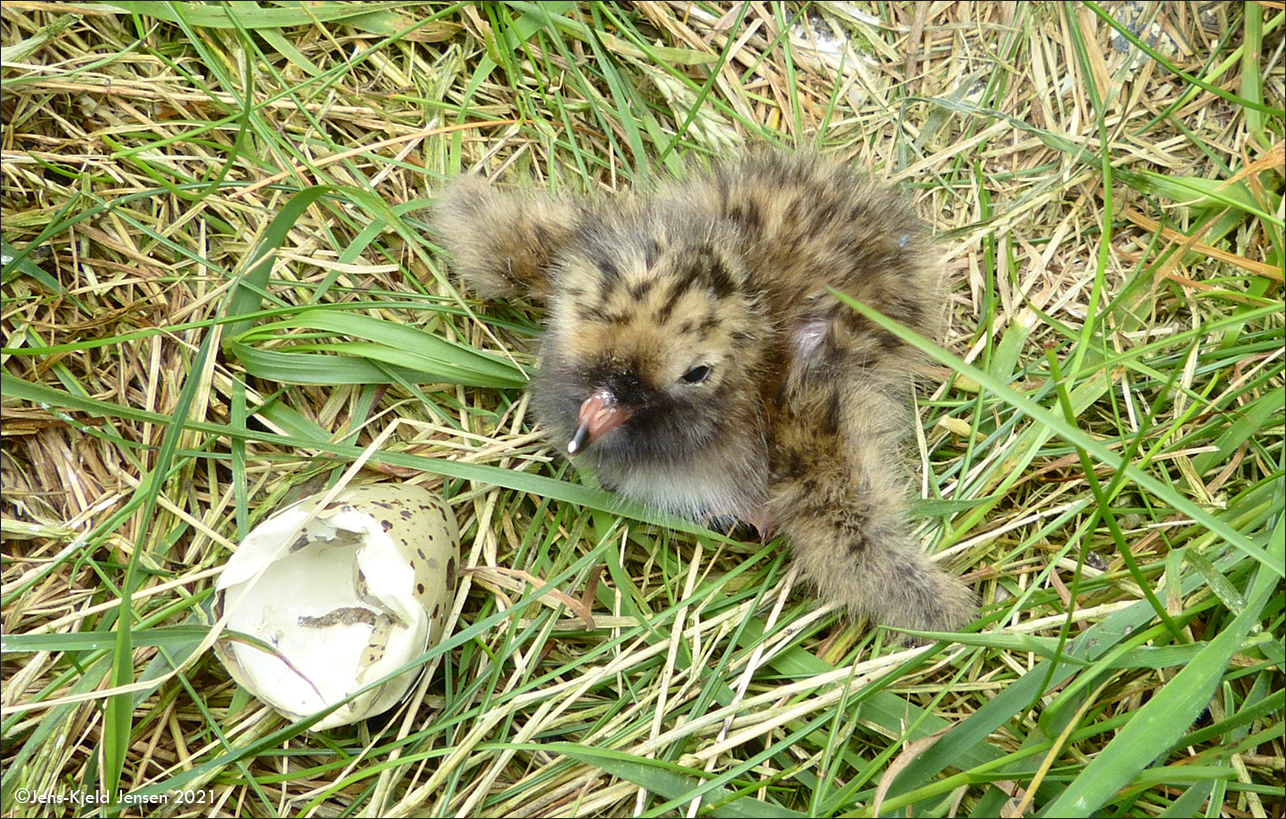
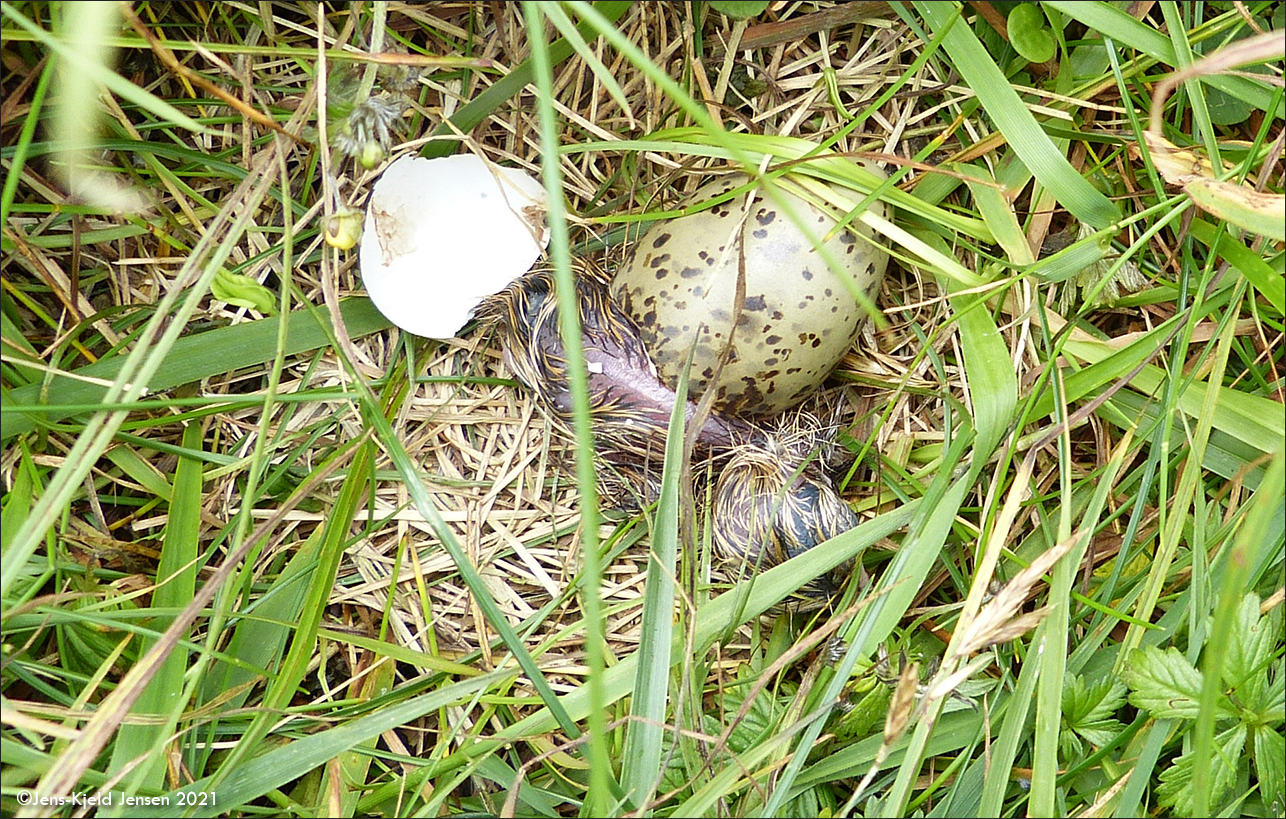
All indications are, that the Arctic tern bred twice this year and that no young survived from the first litter. |
||||||||||||||||||
| About 150 breeding pairs are in the colony in Stokkvík on Nólsoy. | ||||||||||||||||||
| On July 16, the Arctic terns left the colony in Stokkvík. | ||||||||||||||||||
| On July 17, only 1 newly hatched young was seen from the second litter and all eggs were cold. Only About 5-6 Arctic terns were in the colony. | ||||||||||||||||||
The situation seems to be the same in the Arctic tern colonies we know of - from Fugloy to Mykines. |
||||||||||||||||||
AN ANXIOUS SPRING |
||||||||||||||||||
|
||||||||||||||||||
On 25 May 2021, about 15-20 Gannets Morus bassanus sat for a whole day in the bow of a boat, fishing on the edge of Fugloyarbankin, according to Elith Godtfred. On May 30, 15 Gannets as well as a single Arctic tern sat on the same boat. There were also quite a few Herring gulls on board, but they preferred to be at the opposite end of the ship due to the presence of the Gannets. |
||||||||||||||||||
| On June 12, there were 2 half-dead Gannets in the harbour of Nólsoy. The next morning one was dead, and when I, J-K, examined it superficially I saw, that it was very skinny. The other is not dead yet. | ||||||||||||||||||
| Almost at the same time, Sólfinn Kjærbo called and said, that there were an unusual high number of seabirds present in Vágsfjørður on Suðuroy. | ||||||||||||||||||
| On 13 June, an unusual high number of Puffins were observed fishing in the harbor in Hattavík on Fugloy. | ||||||||||||||||||
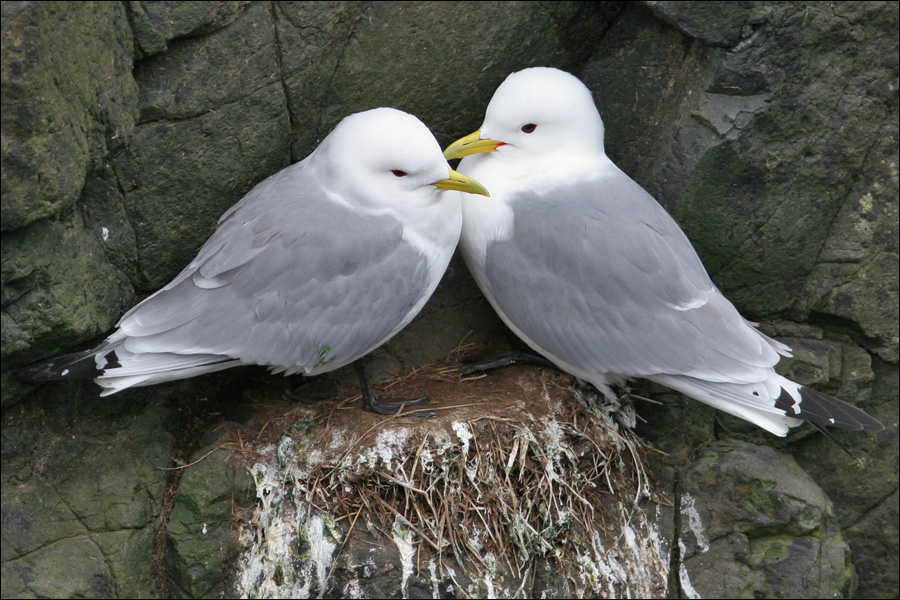
| On 14 June, Kittiwakes, Arctic terns and Fulmars were fishing for krill just outside the harbor in Nólsoy village. | ||||||||||||||||||
| All this seems very worrying about how the breeding season in 2021 will be for our seabirds… | ||||||||||||||||||
|
||||||||||||||||||
| ______________________________________________________________ | ||||||||||||||||||
| Update 17.07.2021: | ||||||||||||||||||
|
||||||||||||||||||
| This 3 year old Gannet was found half dead in Vágargjógv on Nólsoy today. When Terji Holm picked it up, he could only feel feathers and bones. Normally we do not see starving Gannets in Nólsoy, but since this is the third Gannet since June 12, there must be something completely wrong in nature. | ||||||||||||||||||
| OYSTERCATCHER Haematopus ostralegus | ||||||||||||||||||
  |
||||||||||||||||||
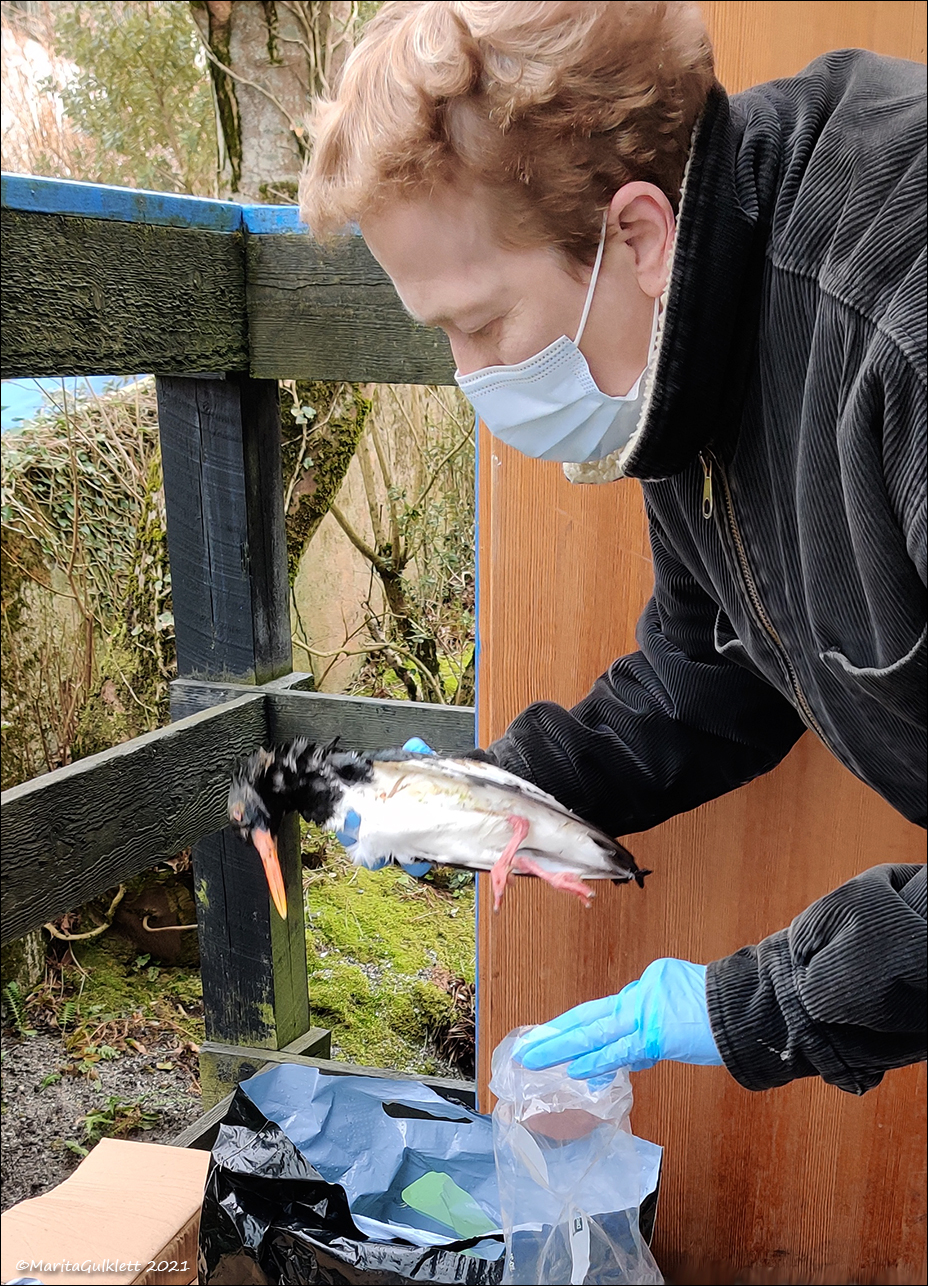
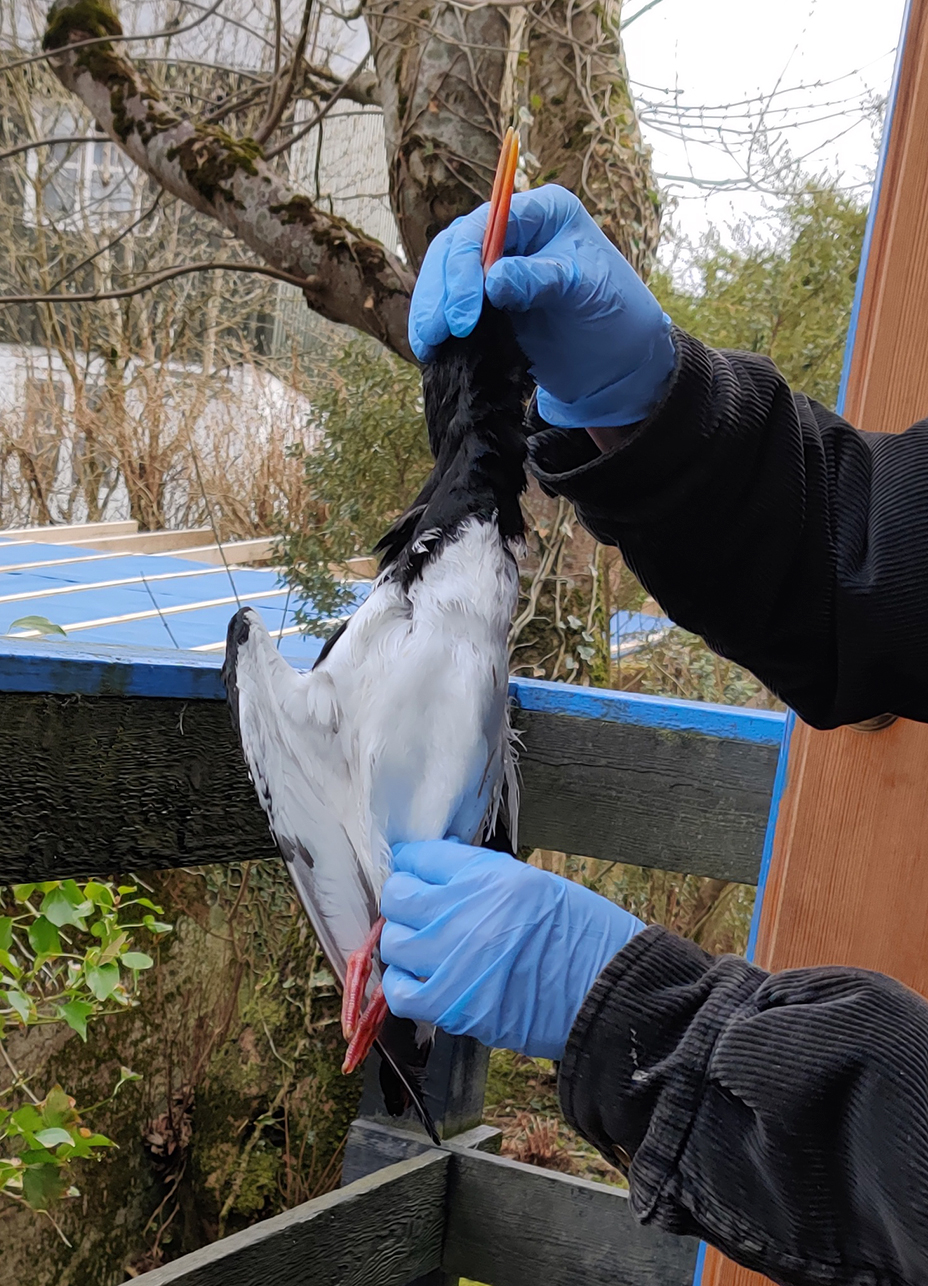
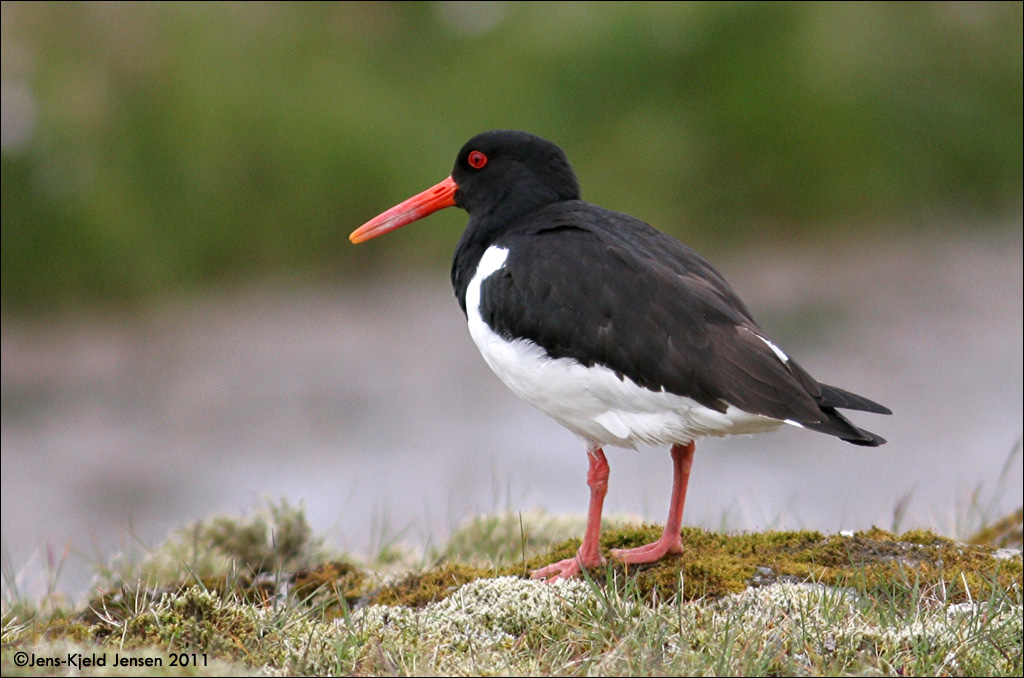
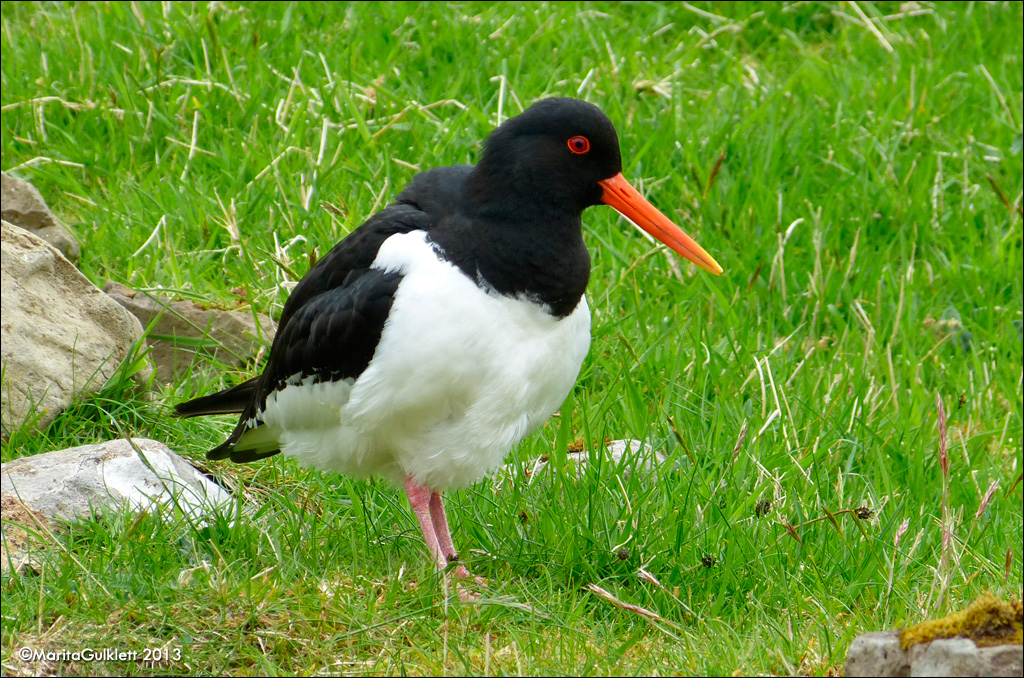
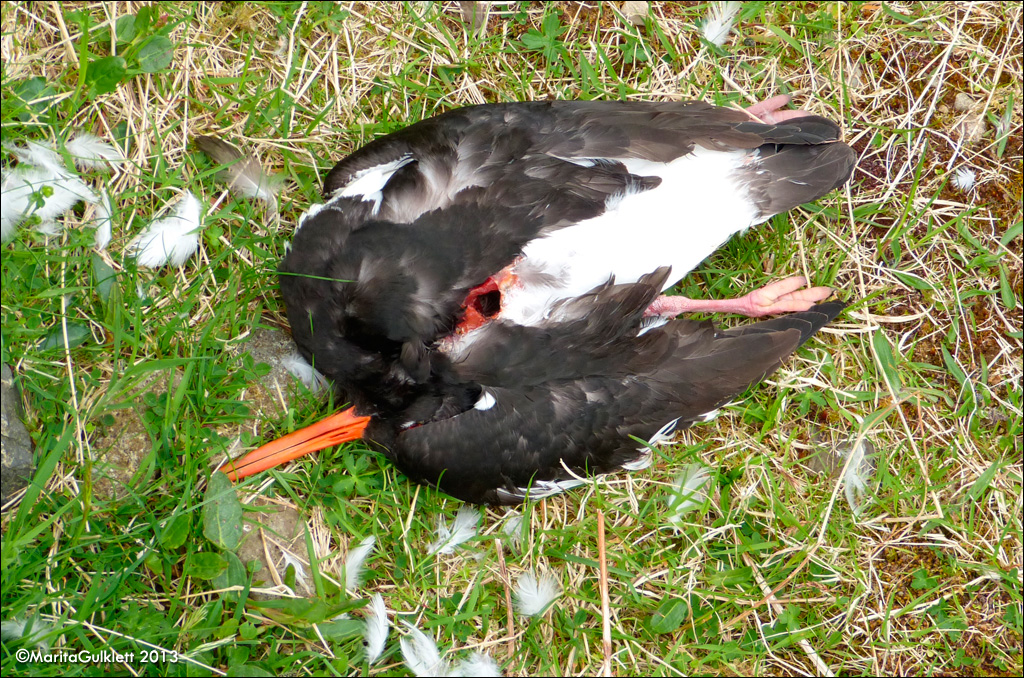
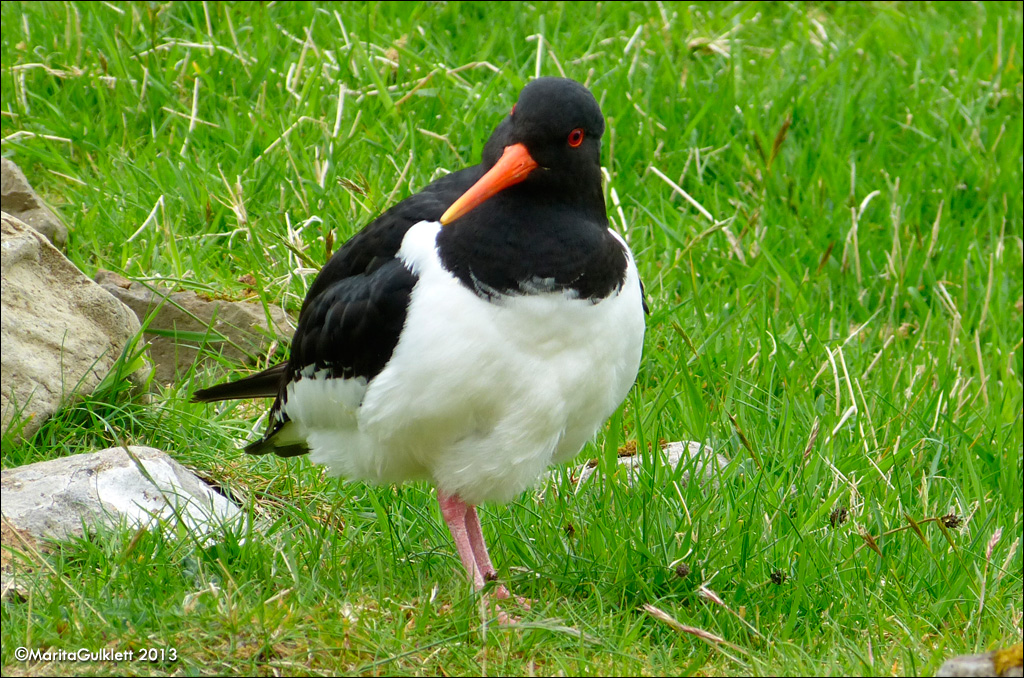
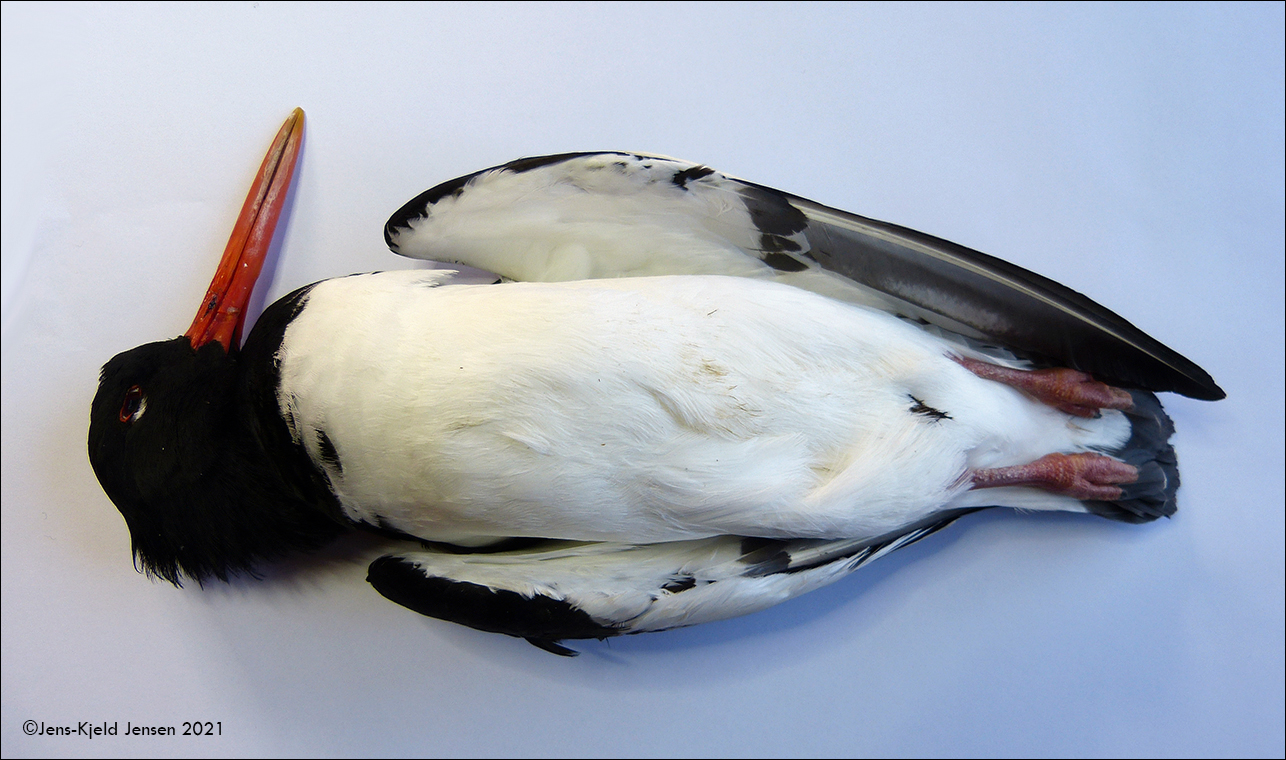
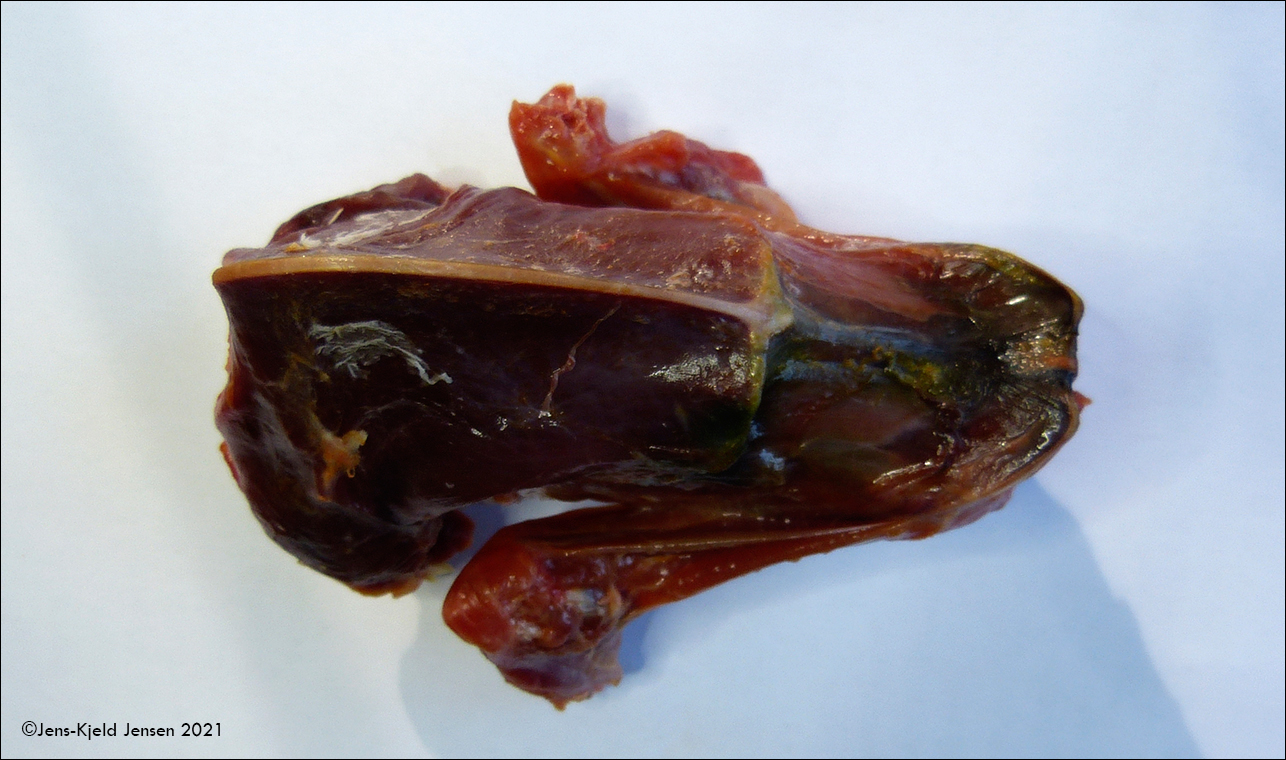
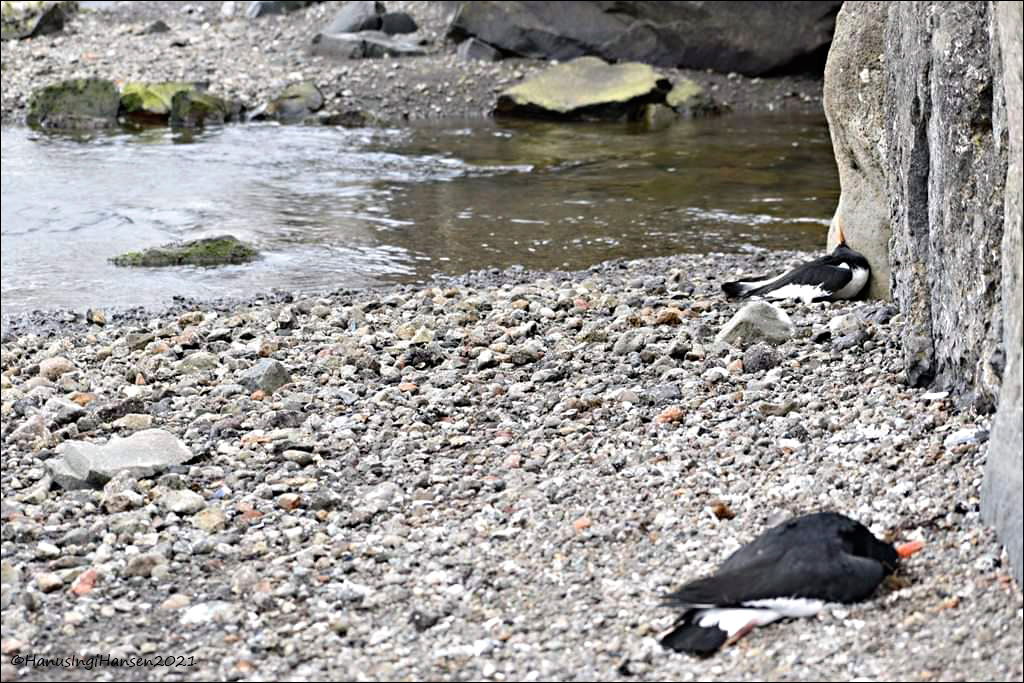
| The Faroe Islands were covered in snow in the first half of April 2021. It was also unusually cold. Around April 13, people found dead Oystercatchers across the islands. In Kaldbaksbotnur, 3 dead Oystercatchers were found, and one of them was this male, which only weighed 310 g. The normal weight of an Oystercatcher male is between 450-500 g., so it has lost a third of the weight, before it died of starvation. | ||||||||||||||||||
| No other cause was found for its death - it had not flown on anything, had not been shot and had no symptoms of any disease in the internal organs. | ||||||||||||||||||
 |
||||||||||||||||||
| Kaldbaksbotnur 13.04.2021. Photo: Hanus Ingi Hansen | ||||||||||||||||||
|
||||||||||||||||||
| Tórshavn 07.05.2021 | ||||||||||||||||||
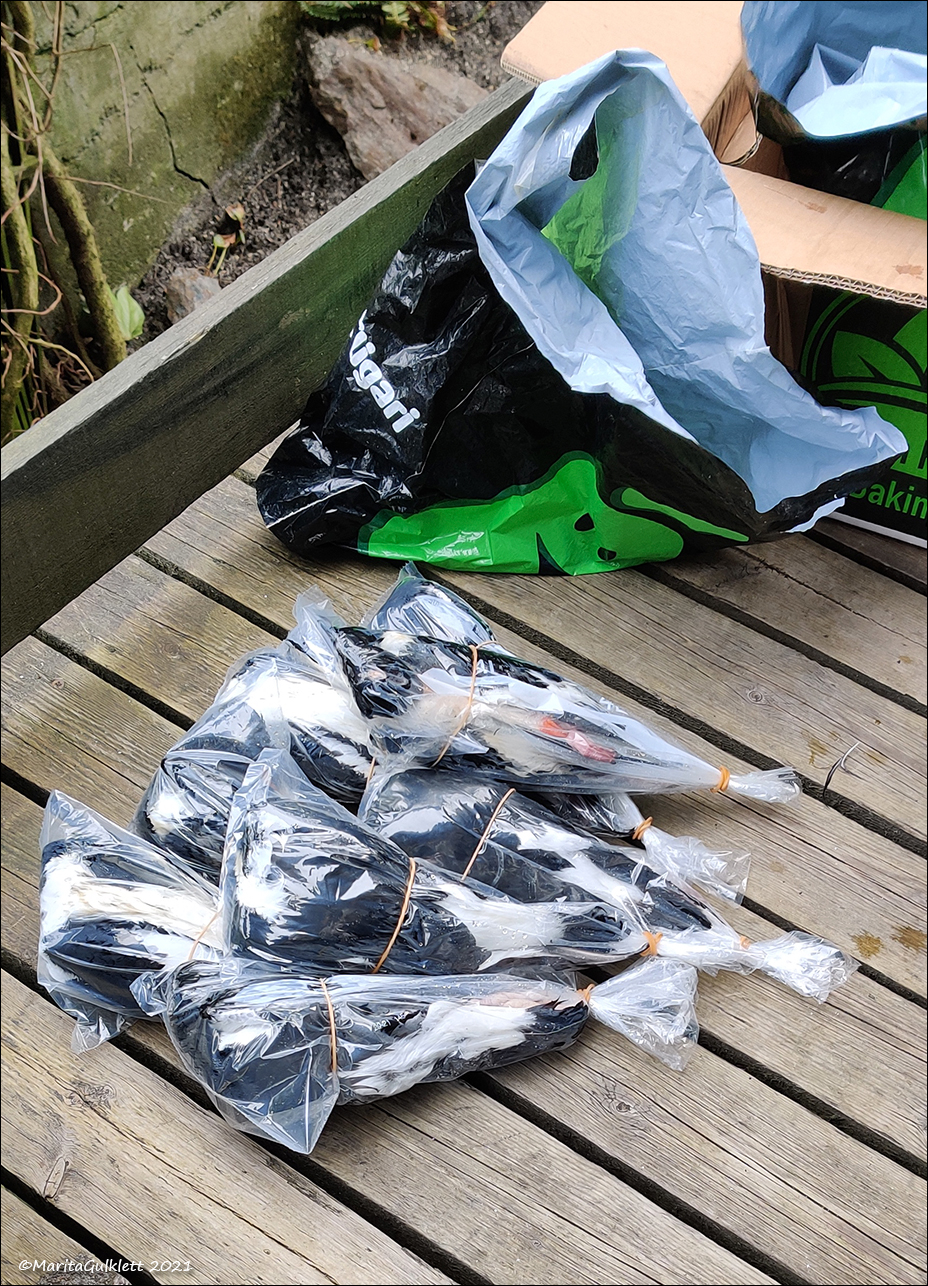
| It is not always so nice to pack dead birds, and especially when you have to make sure that nothing gets on the bird from oneself. Last night kl. 23 Joan Petur Klein wrote to me and told me that Steingrím had found 12 dead Oystercatchers in Hattarvík on Fugloy. On the way home from Hattarvík tonight around kl. 19 Steingrím came with the dead birds, delivered in front of our door in Tórshavn. Great network! |
||||||||||||||||||
| JACK SNIPE Lymnocryptes minimus | ||||||||||||||||||
|
||||||||||||||||||
|
||||||||||||||||||
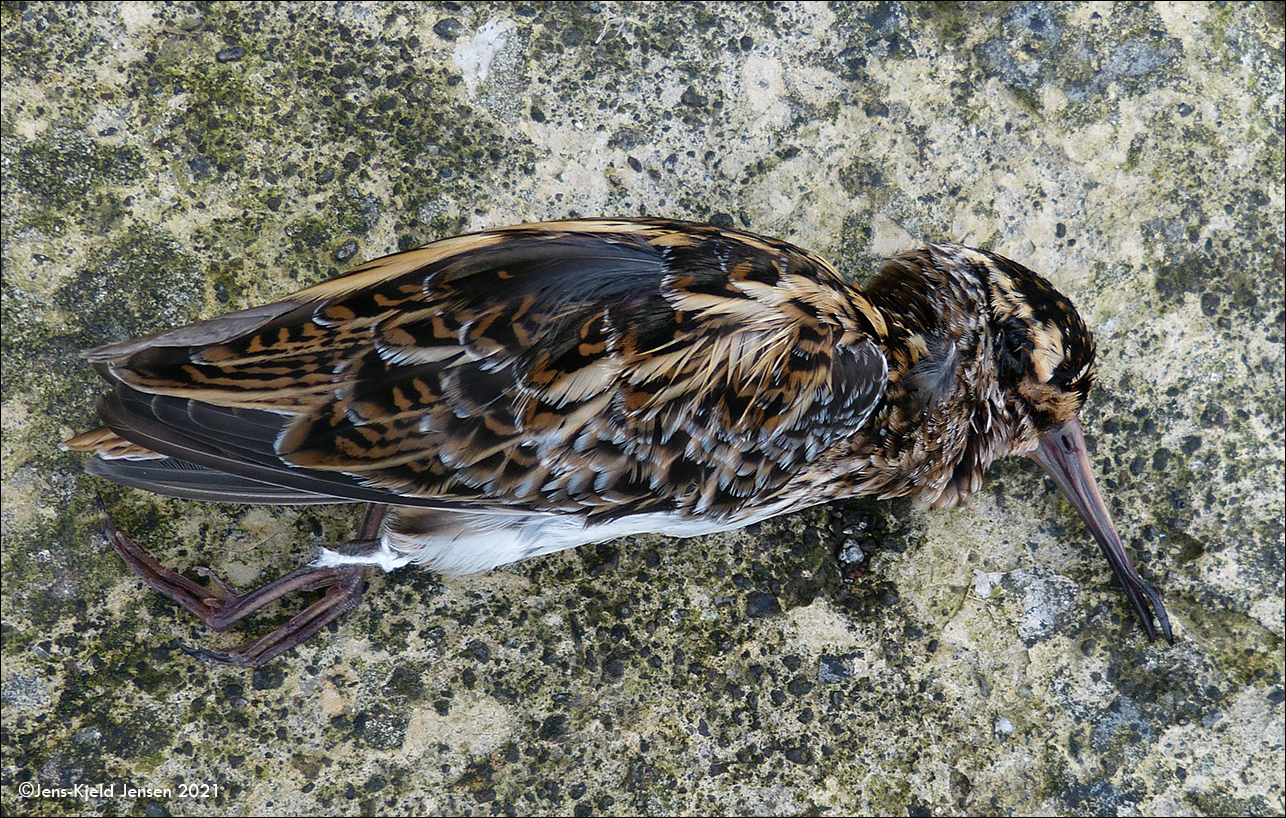
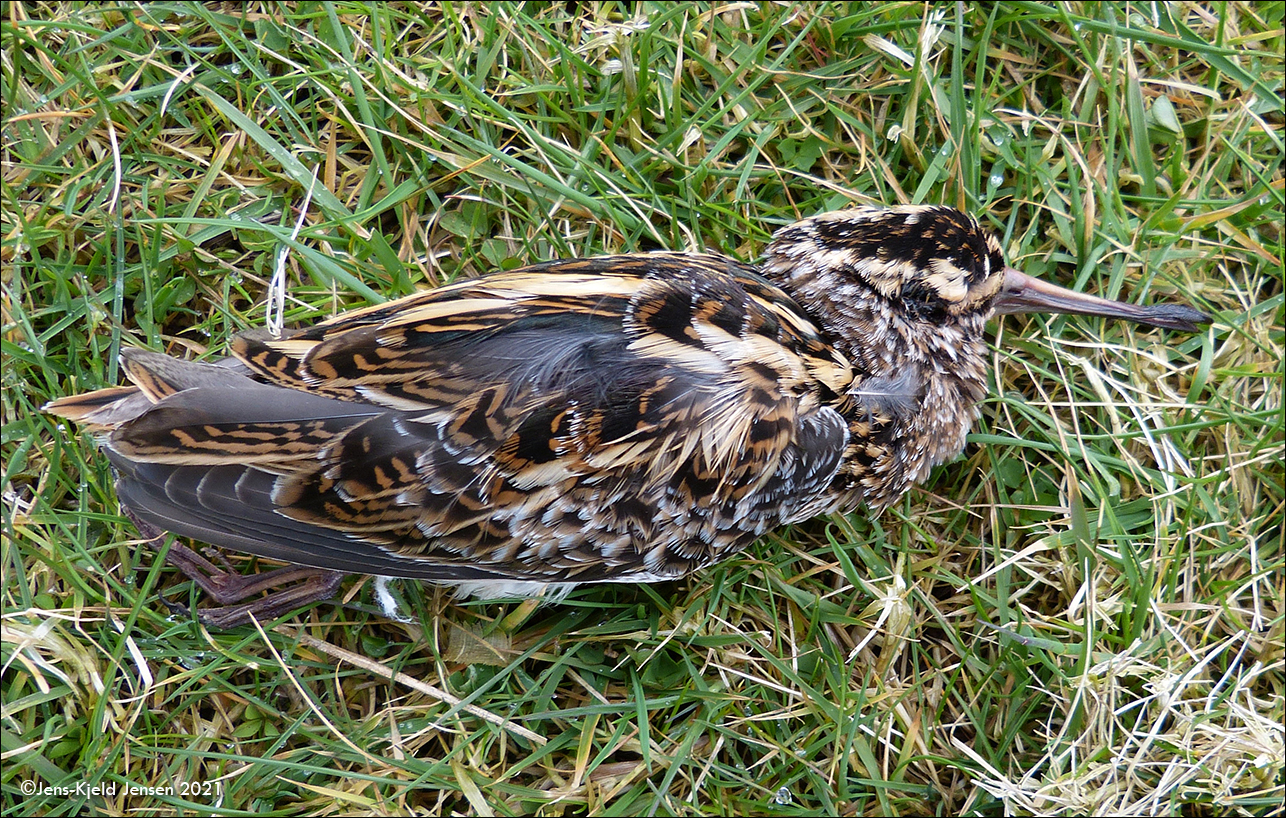
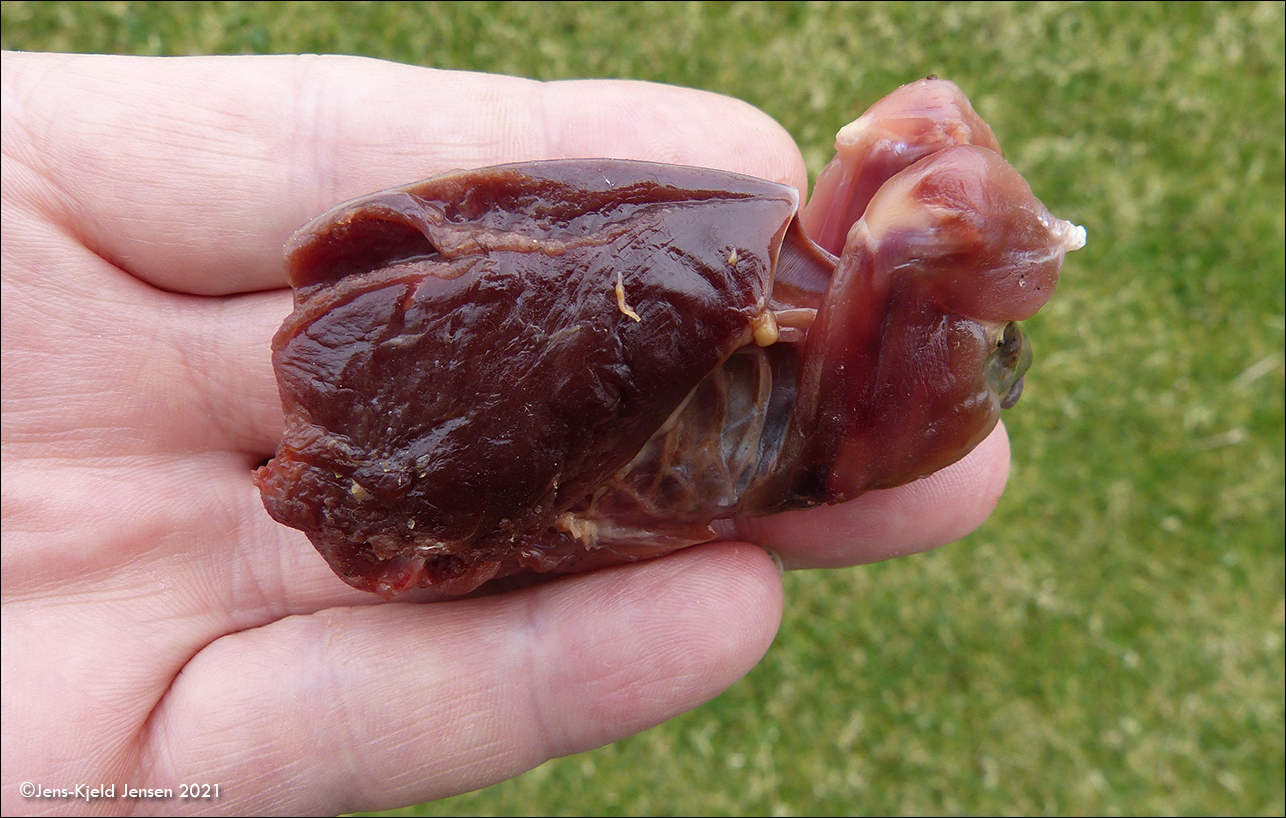
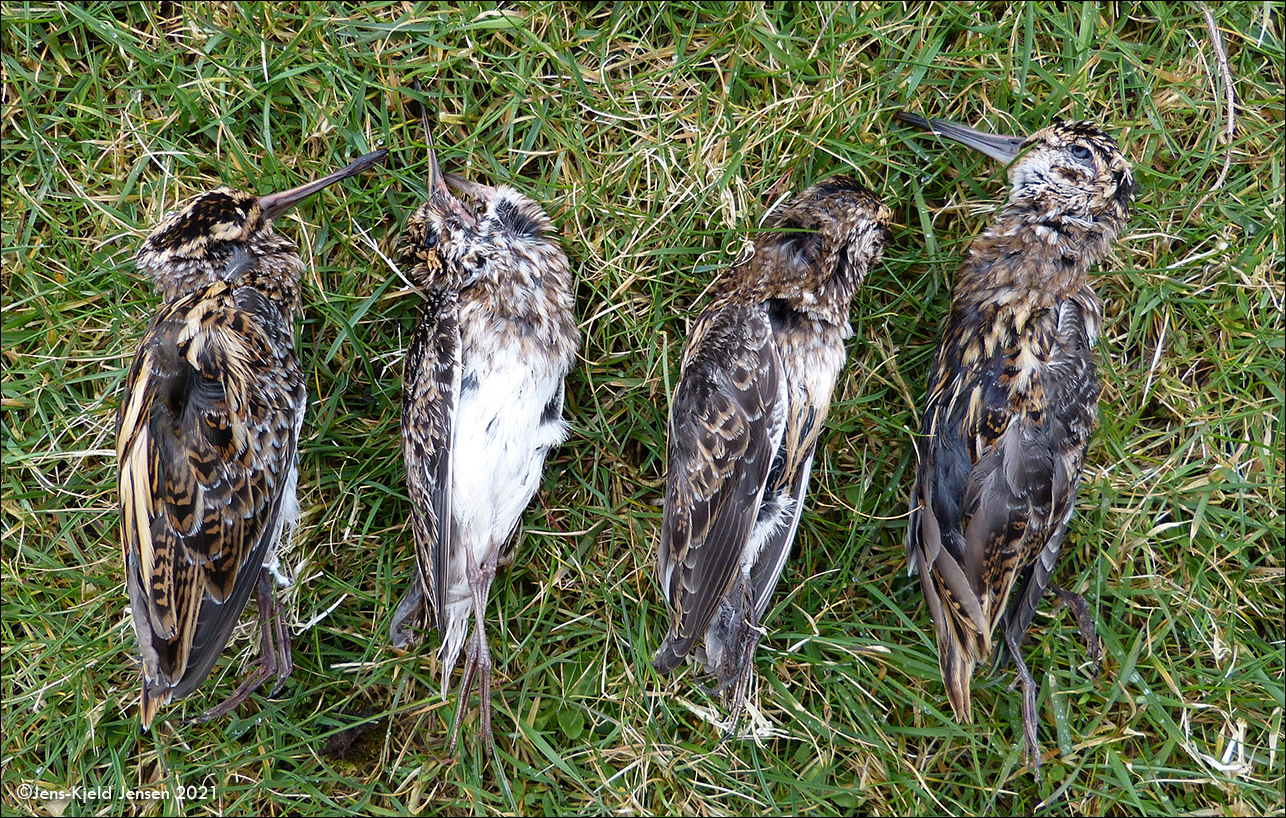
| On February 9, 2021, Anna Jónleyg Hentze found 5 dead Jack Snipes lying side by side in Sandur. We assumed they had died of starvation, as we had just had snow and severe frost for many days. Hanna Joensen sent the Jack Snipes to Nólsoy, and now Jens-Kjeld have examined them. All of the Jack Snipes were lean, but they did not die of starvation; but of cat bites. All were killed by cat. |
||||||||||||||||||
Around the same time, a single Jack Snipe was found dead in Leynum. It was also killed by a cat. |
||||||||||||||||||
| RINGED GLAUCOUS GULL Larus hyperboreus | ||||||||||||||||||
|
||||||||||||||||||
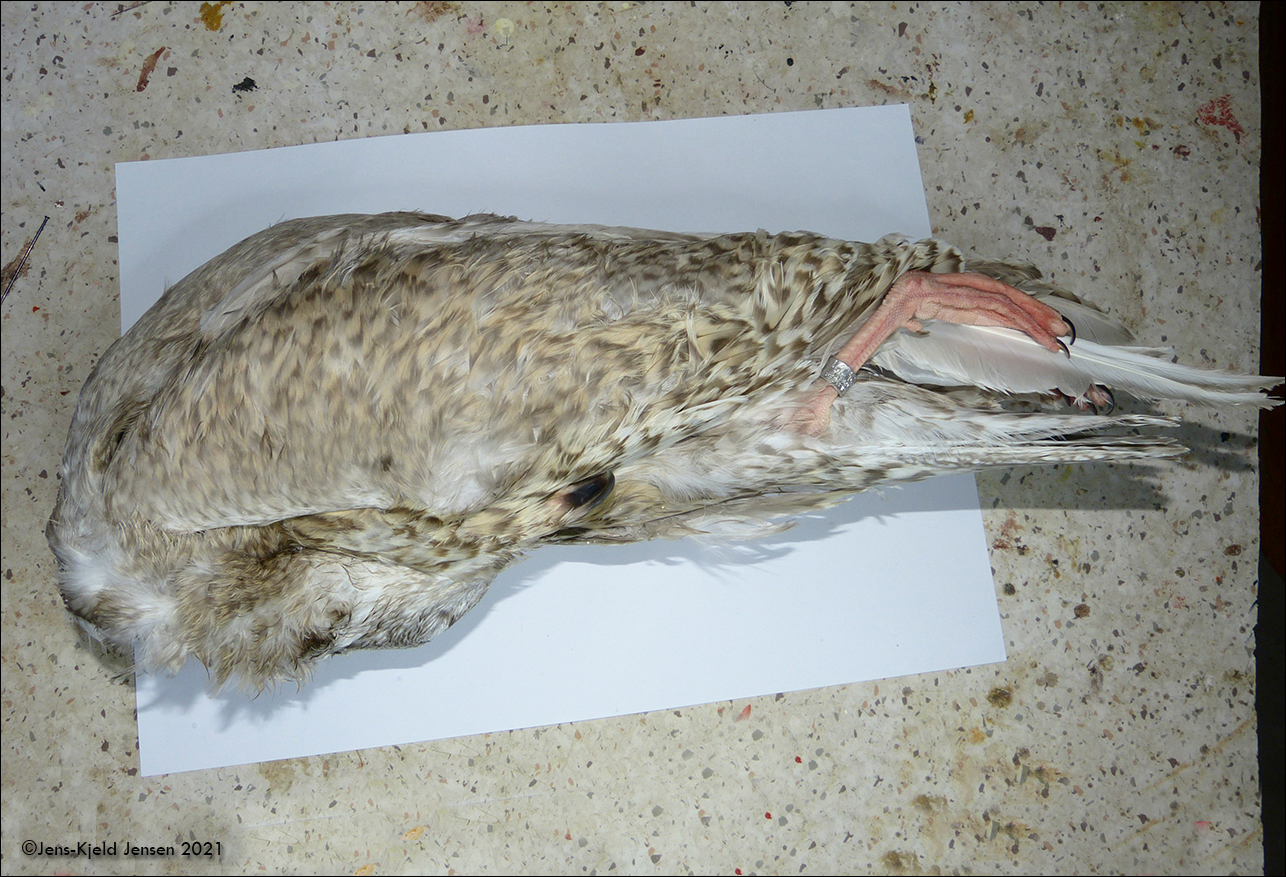
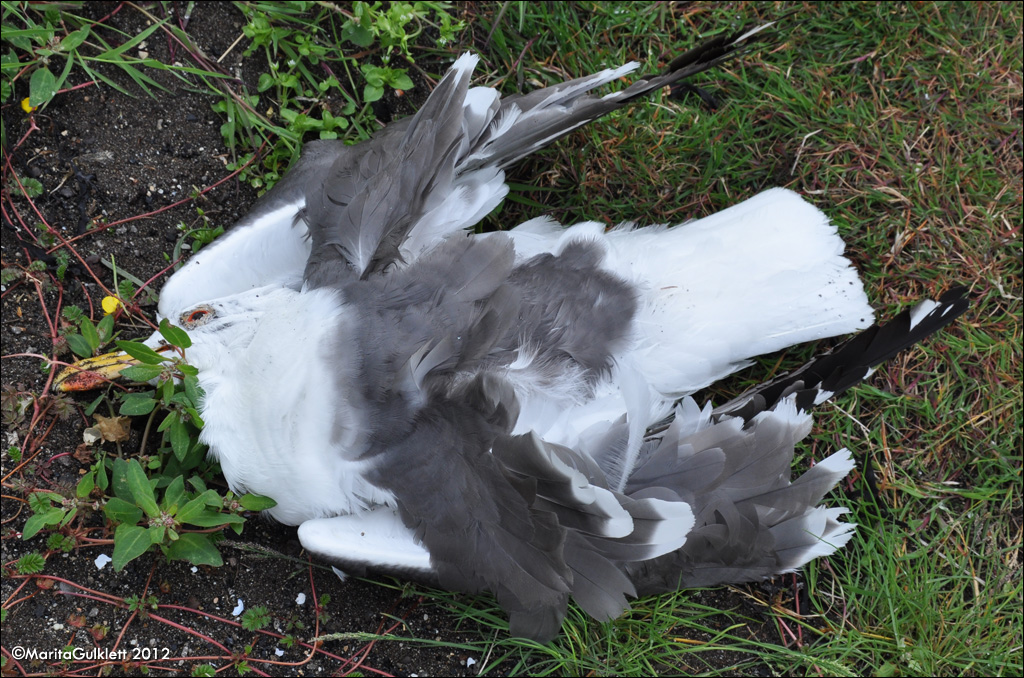
This Glaucous gull Larus hyperboreus was ringed as a nestling 30.06.2020 in Kongsfjorden, Elefantsteinen (Arctic Ocean, Svalbard (Spitsbergen). It was found dead on 12.01.2021 near Haraldssund, Faroe Islands. |
||||||||||||||||||
| SANDÁGERÐI 30.06.2019 | ||||||||||||||||||
|
||||||||||||||||||
| Friends meet :) | ||||||||||||||||||
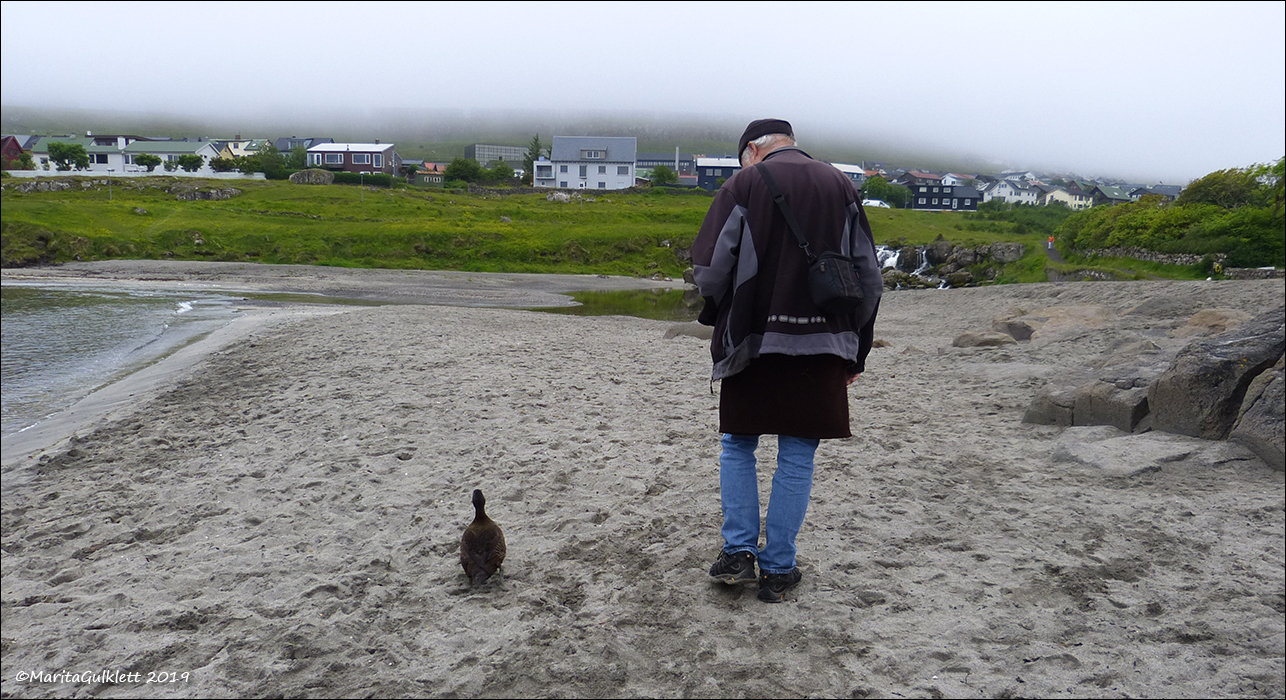
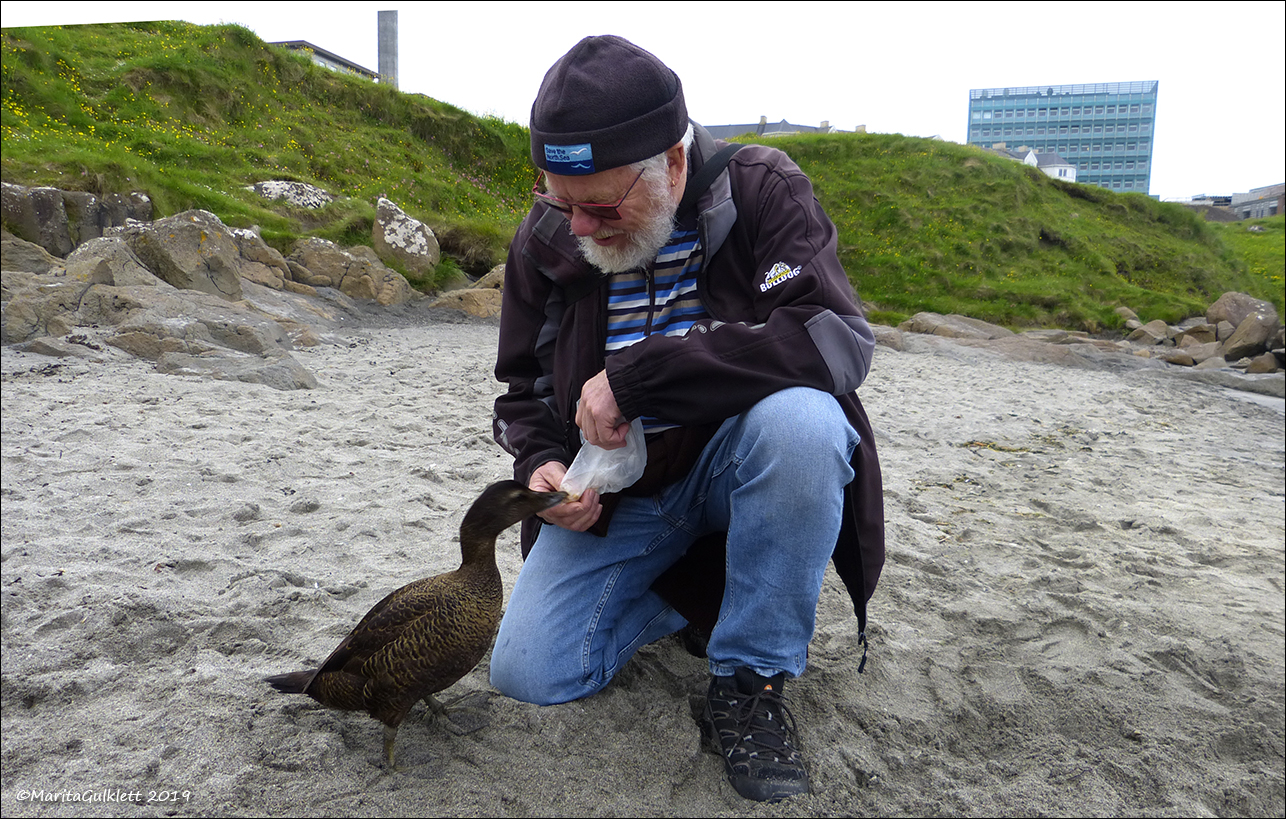
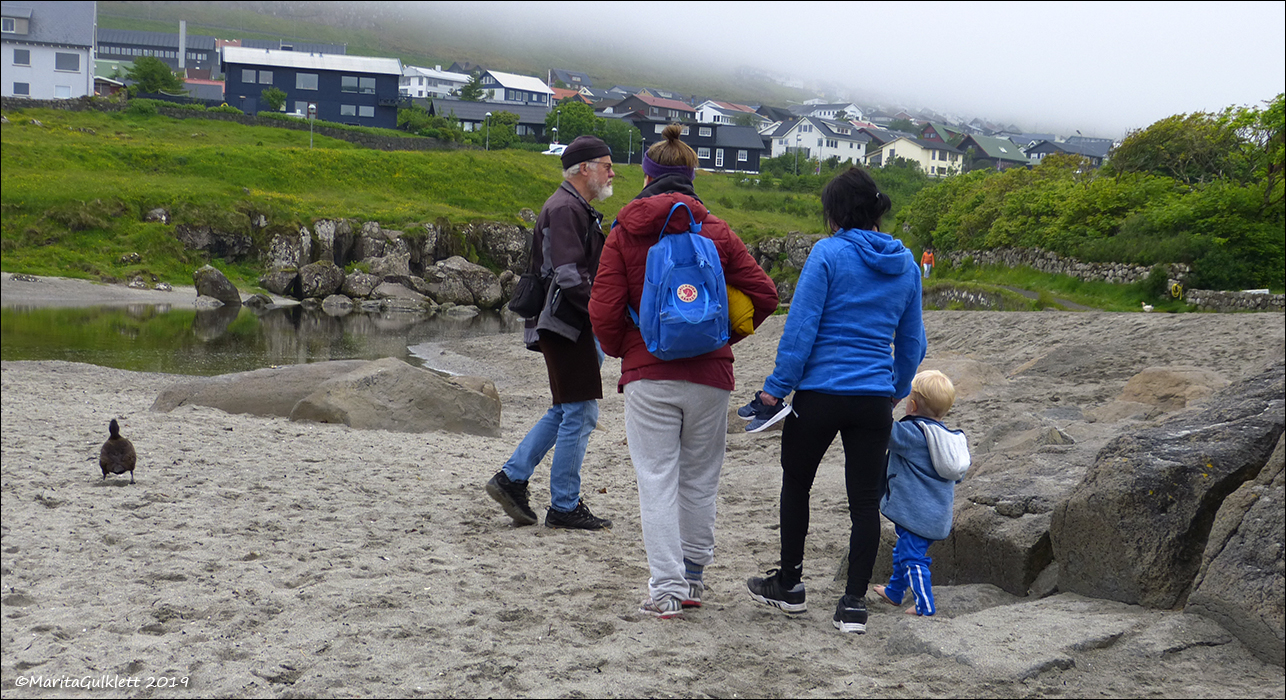
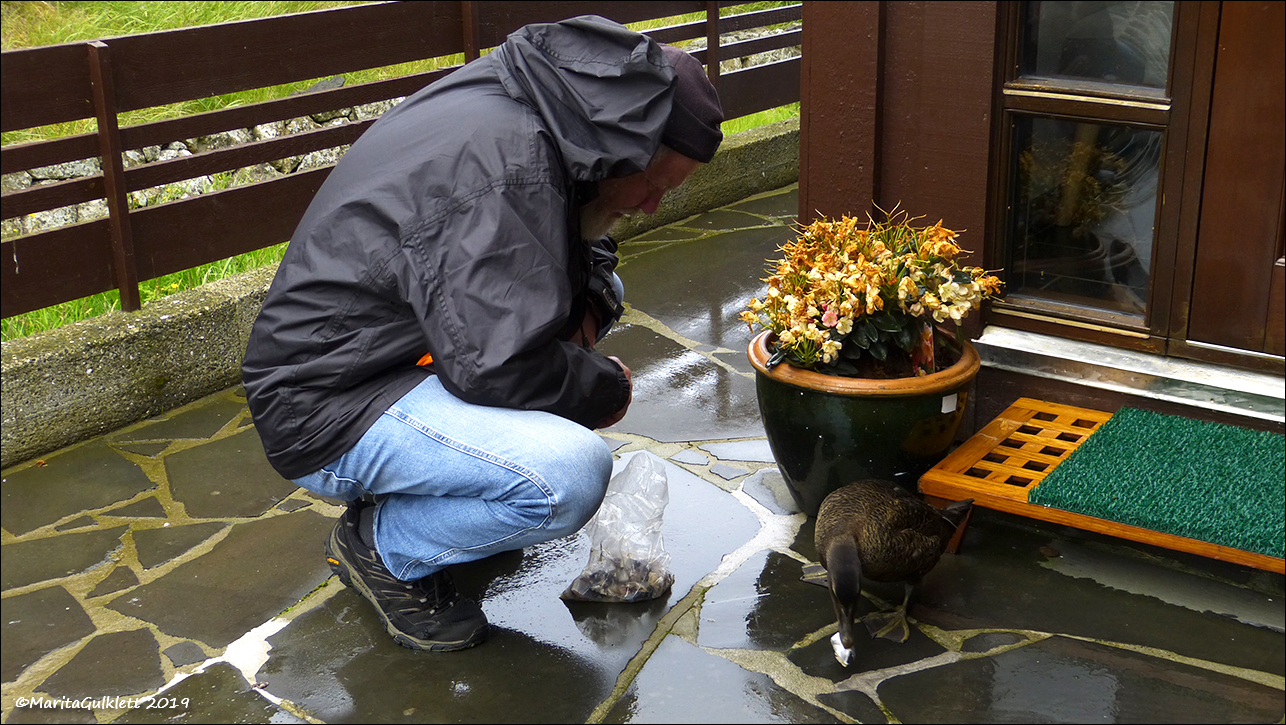
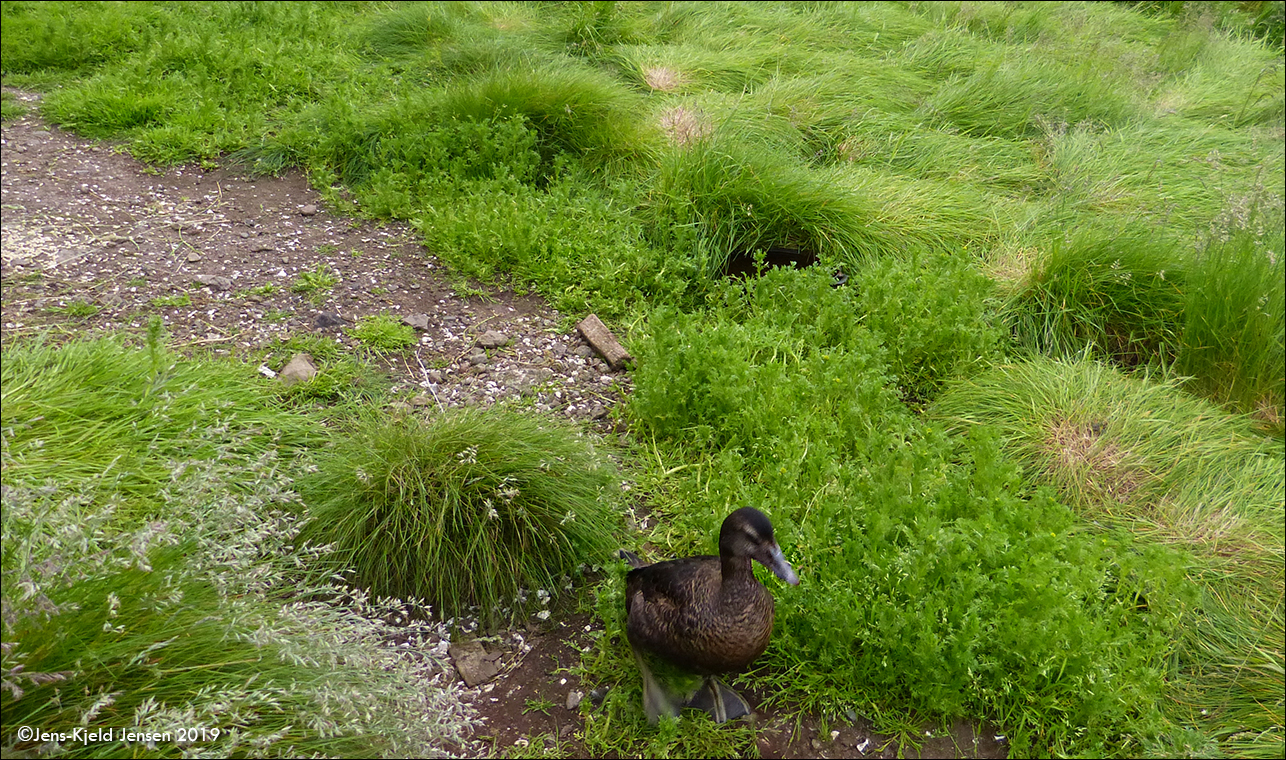
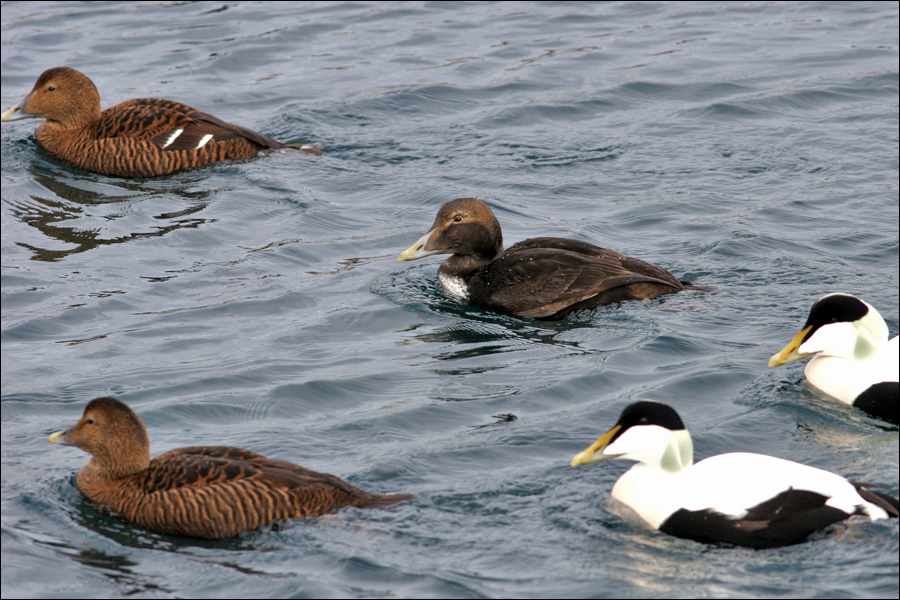
Jens-Kjeld and other from Nólsoy have fed this female eider for several years in Nólsoy. Some time ago, the eider disappeared from Nólsoy. When we went to Sandágerði on 30.06.2019, a female came running towards us. She ran past us and directly to Jens-Kjeld, and then he recognized her. See the movie clips below, and you will see and hear how it sounds, when old friends meet. |
||||||||||||||||||
| ______________________________________________________________________________________ | ||||||||||||||||||
| ______________________________________________________________________________________ | ||||||||||||||||||
| Sandágerði 03.07.2019 | ||||||||||||||||||
|
||||||||||||||||||
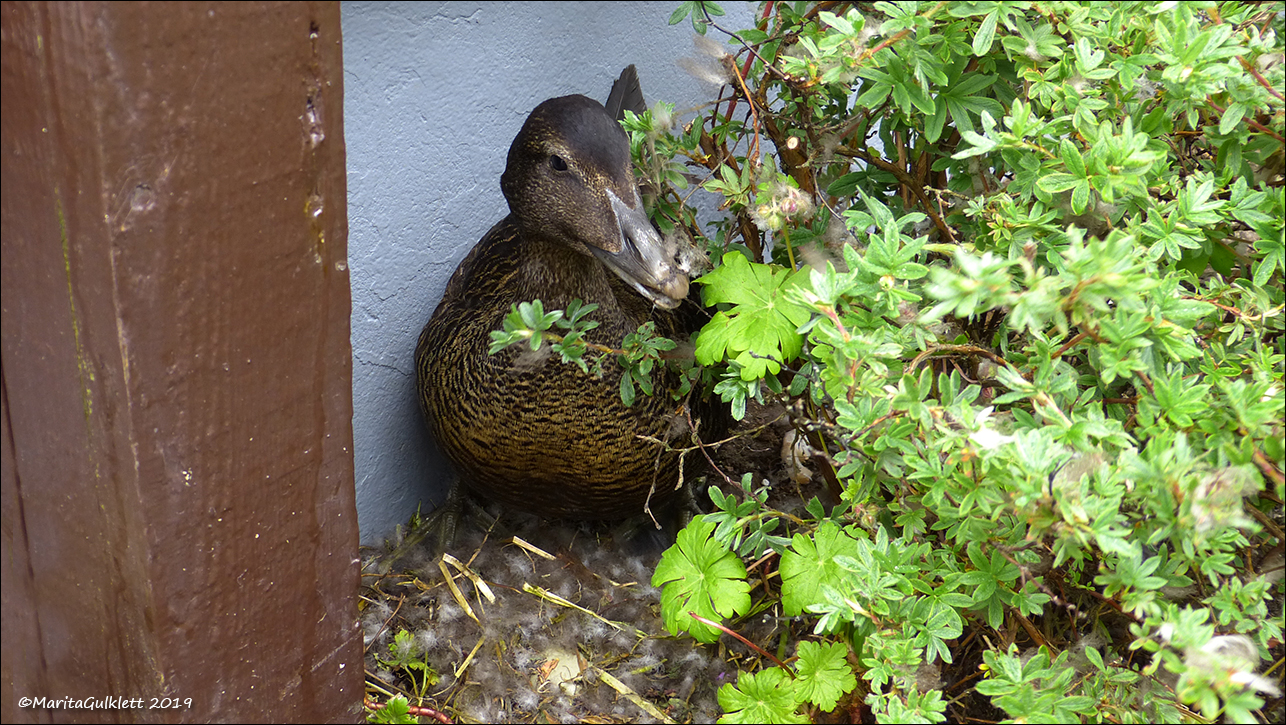
03.07.2019: The female eider has a nest with 4 eggs in the garden of Jens Mohr in Sandágerði, and we brought some fish to her. She was not stuck in the nest, but walked down to the sandy beach and back to the nest. |
||||||||||||||||||
10.07.2019: The female was still restless, and 1 egg was broken in the nest. Therefore Jens-Kjeld decided to bring the female eider back to Nólsoy. The both of them went with the late ferry Ternan kl. 22. |
||||||||||||||||||
| I am pretty sure, that a certain female eider is happy to be home again in Nólsoy. | ||||||||||||||||||
|
||||||||||||||||||
Nólsoy 15.07.2019 |
||||||||||||||||||
| BLACKBIRD KILLED BY CAT | ||||||||||||||||||
|
||||||||||||||||||
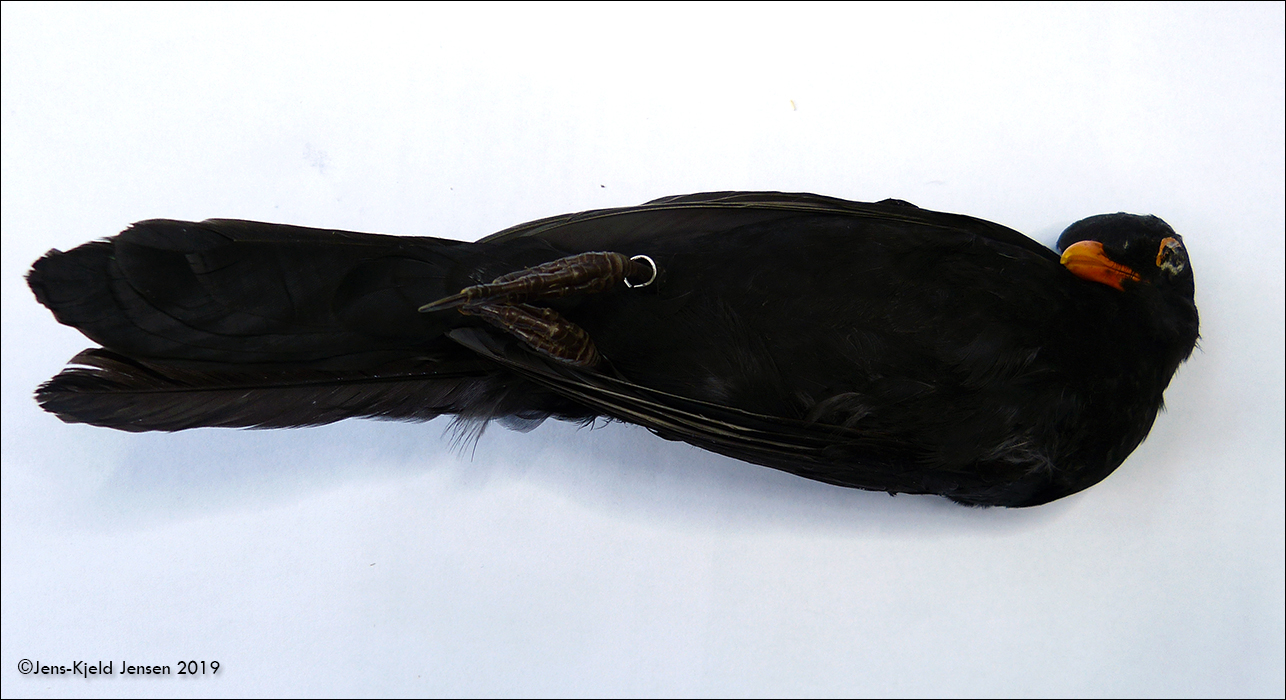
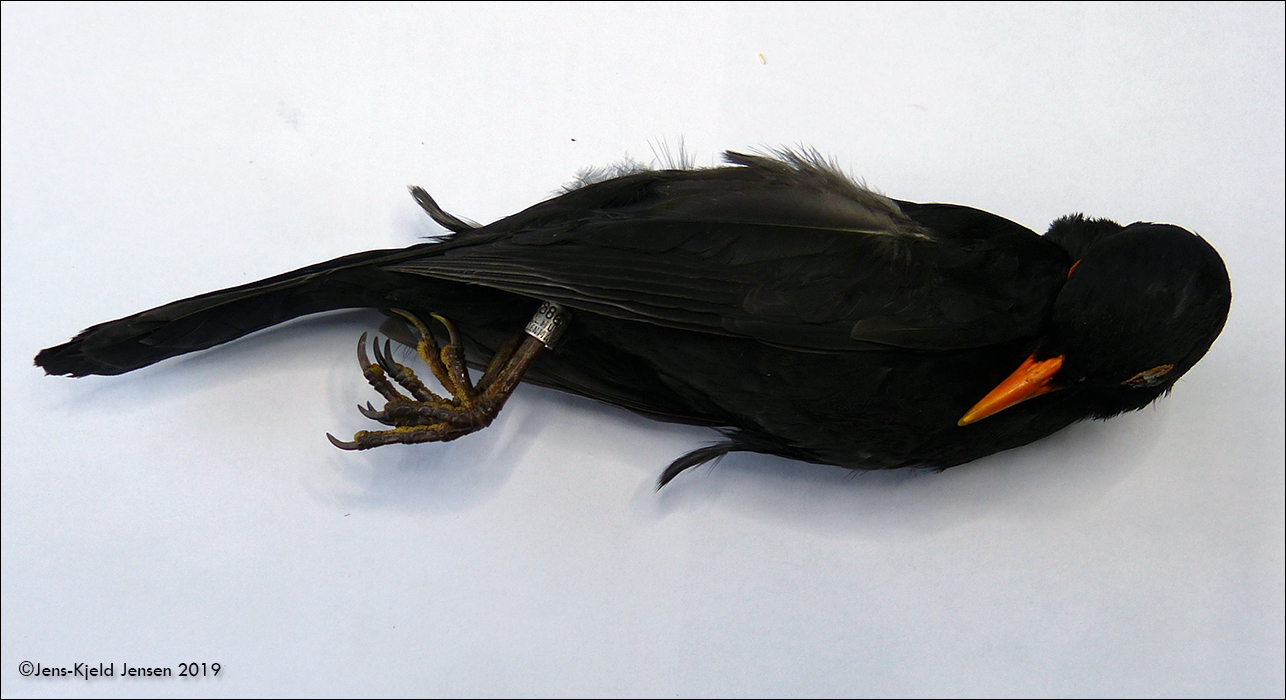
| This Blackbird was only allowed to live on his dream island Nólsoy for around 5 years, where it pleased so many with his beautiful song before he was ruthlessly killed by a cat. This beautiful male lived in the area near Kaffistovan, where it also ended his days in the morning of 22 March 2019. | ||||||||||||||||||
| Ringing report from the Danish Zoological Museum |
||||||||||||||||||
|
||||||||||||||||||
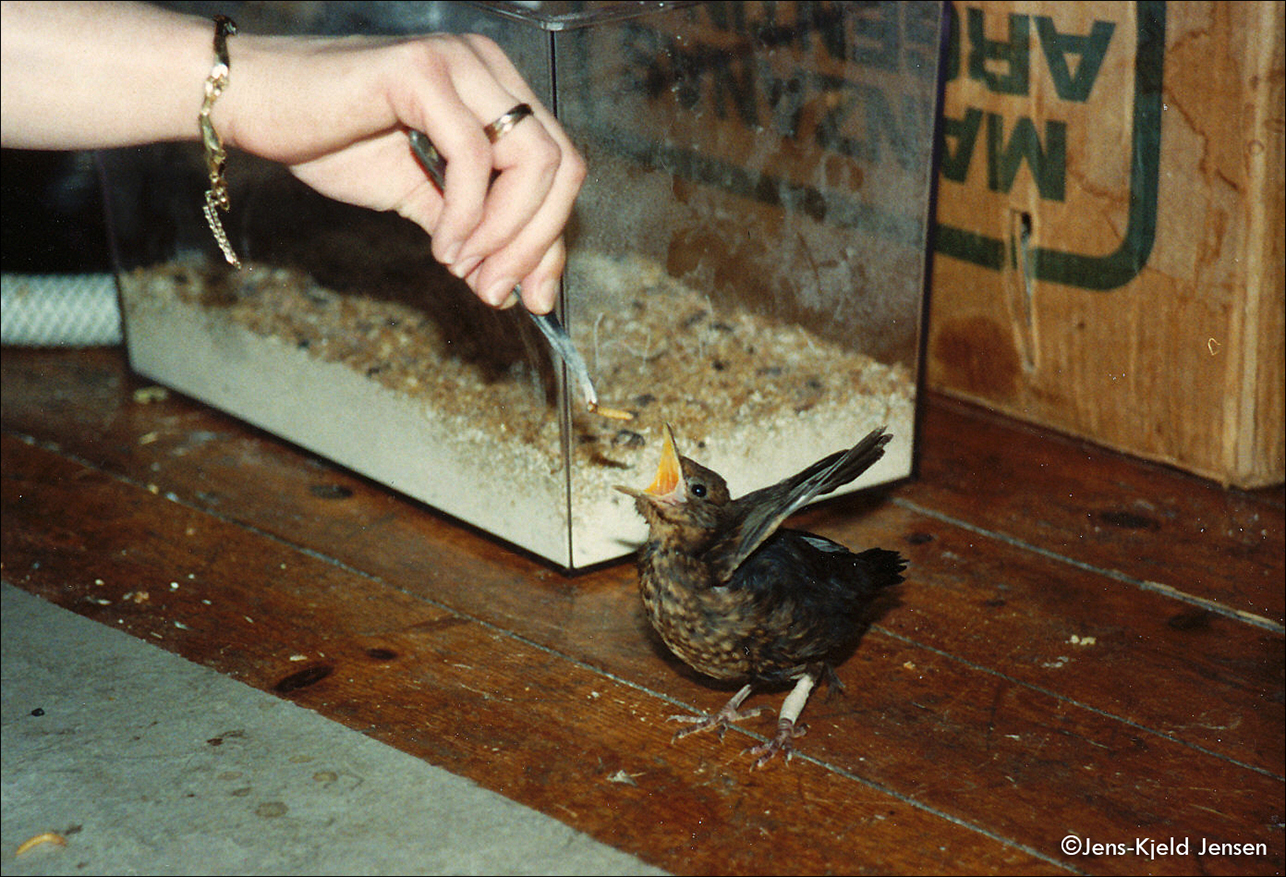
| This was the first Blackbird young in the village of Nólsoy. It was so unfortunate to break the leg as it fell out of the nest. We put a "cast" on the leg and had it in care for 3 weeks, before it was ringed and set free again. It only lived for one year after that. | ||||||||||||||||||
| A LUCKY HUNTER | ||||||||||||||||||
 |
||||||||||||||||||
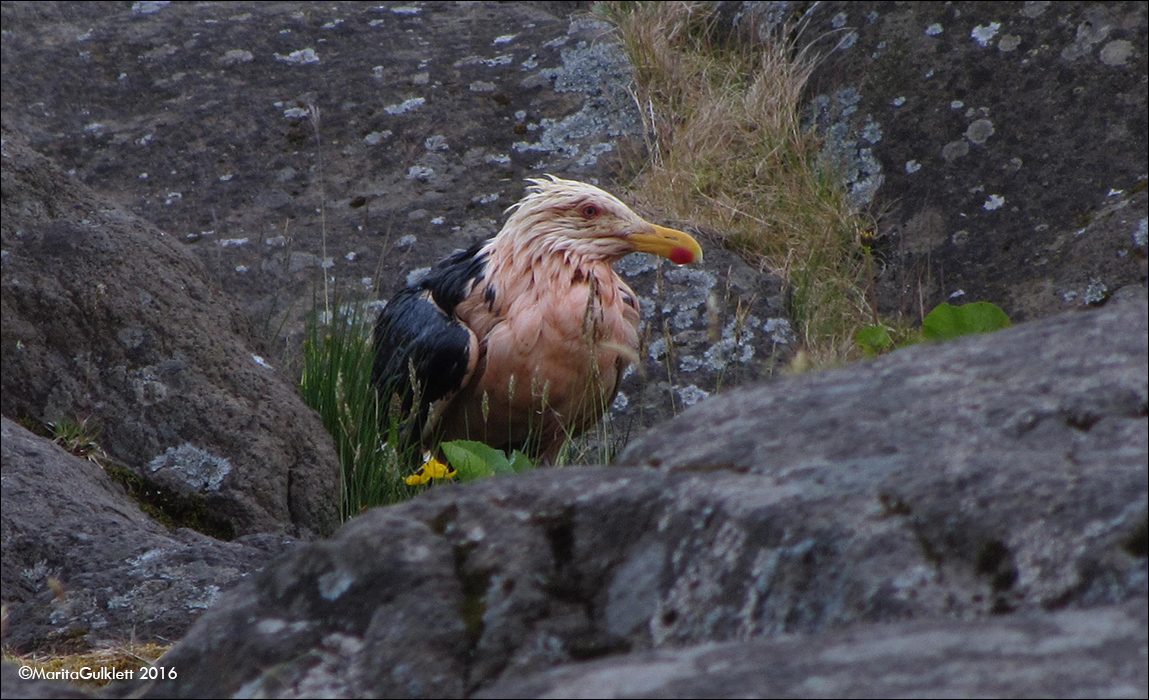
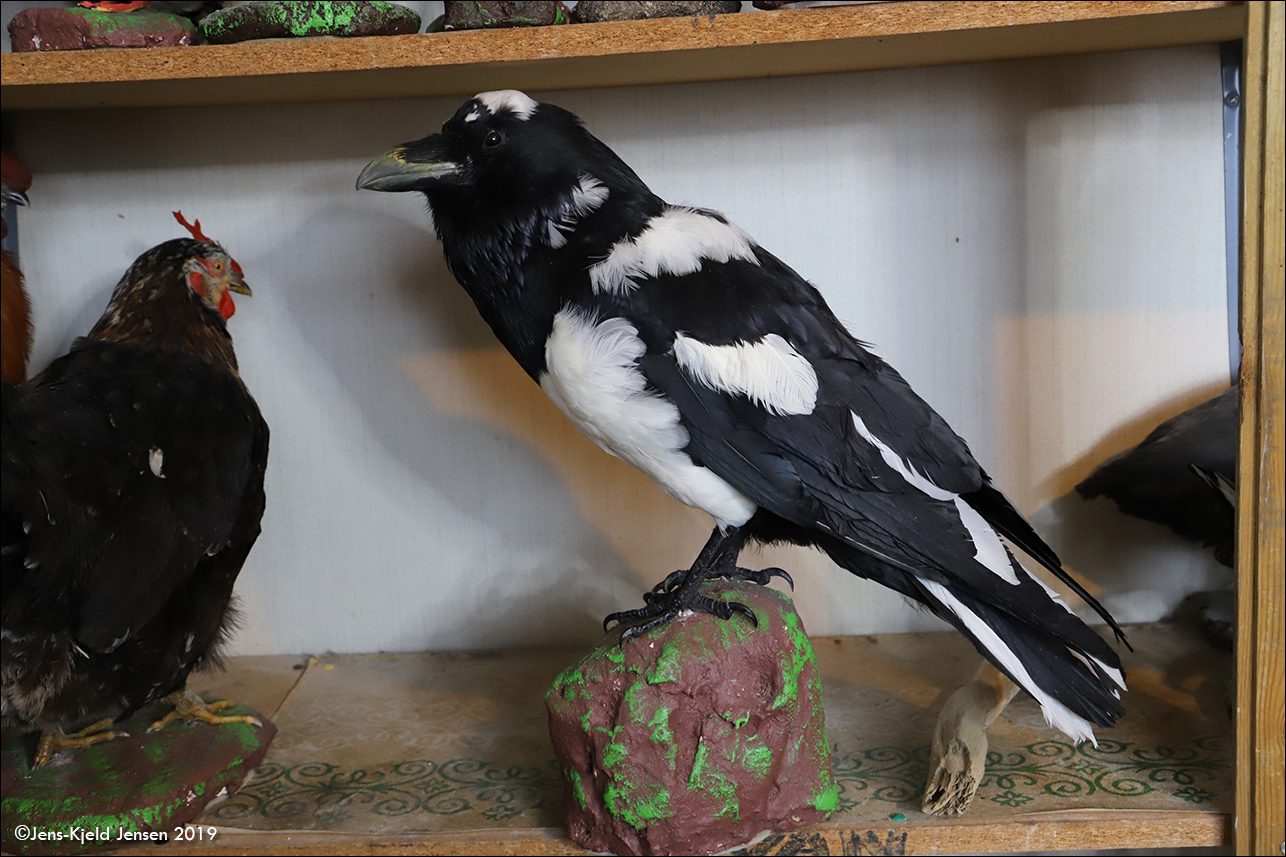
| This photographed and stuffed white-spotted Raven has been in Nólsoy all this winter; but it has been impossible to get near it. A month ago, one of the best hunters on Nólsoy finally managed to shoot this extremely rare Raven. | ||||||||||||||||||
The last white-spotted Raven was shot in 1902. We have therefore been in contact with Sotheby's in London, and they estimated a sales price of between 10,000 and 14,000 Euros. |
||||||||||||||||||
| Update 01. April: Remember, that 01. April is April fools day, so the story above is not quite true. | ||||||||||||||||||
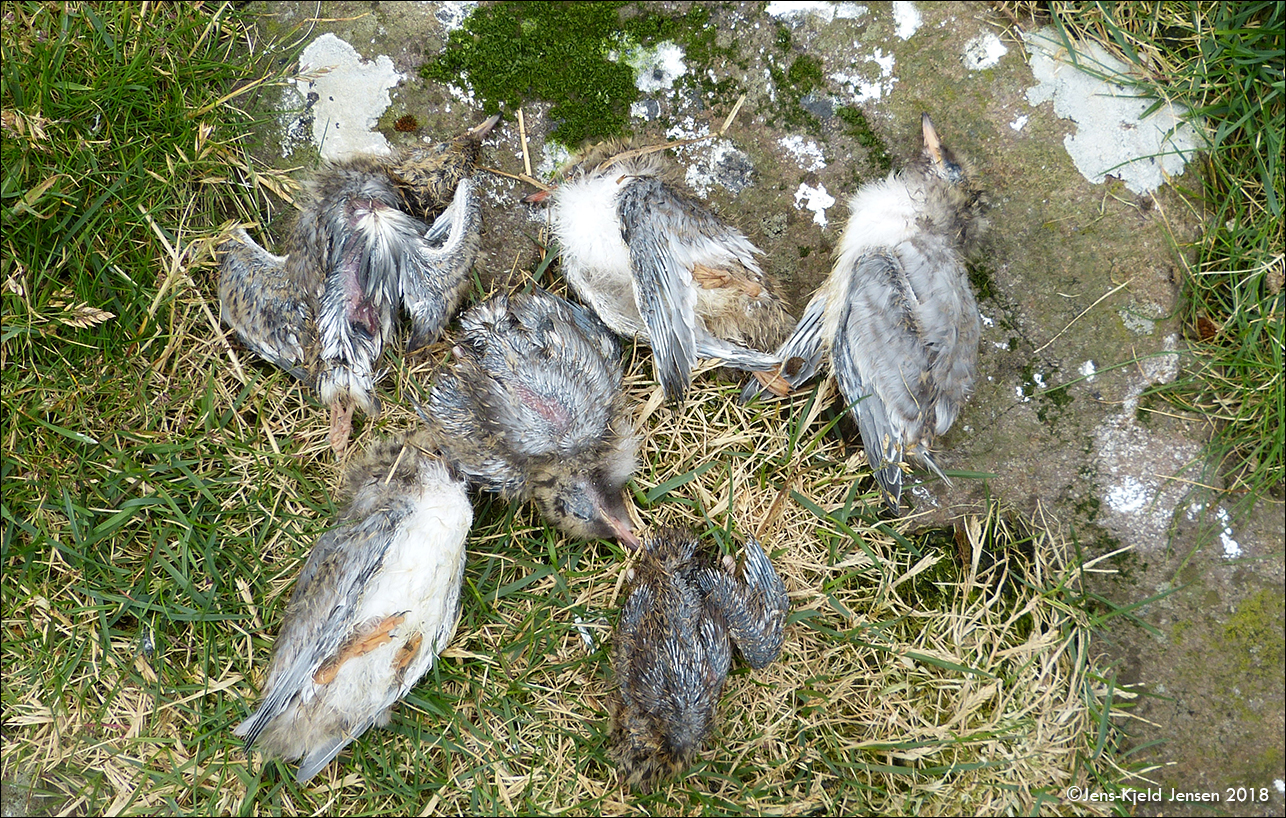
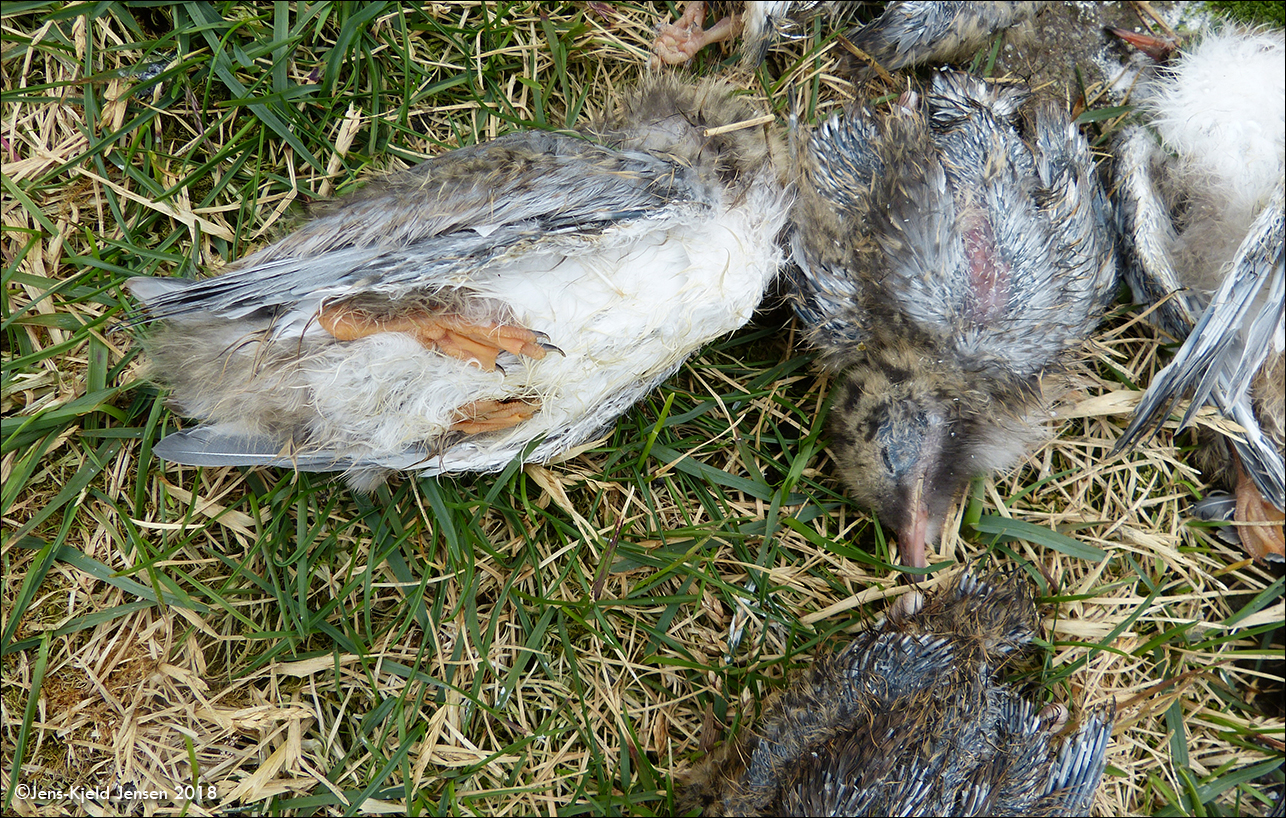
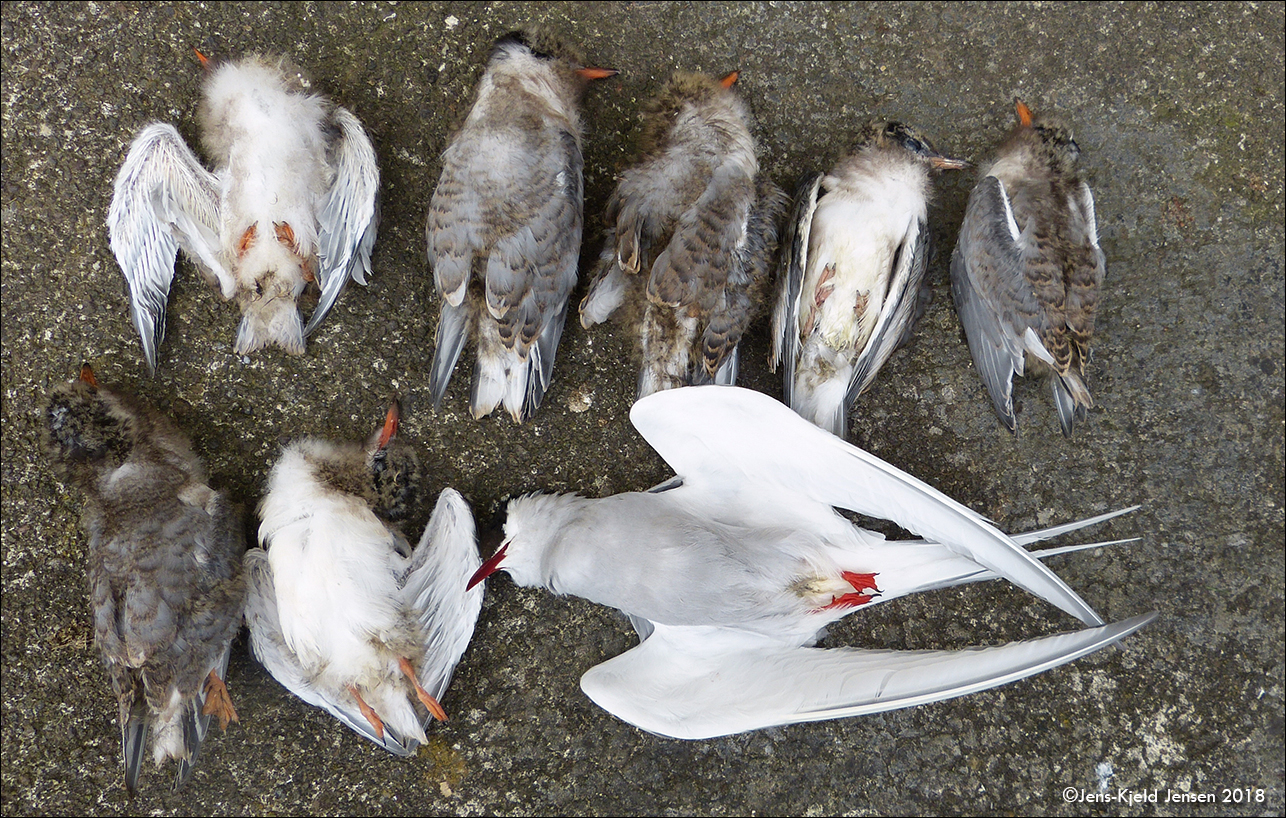
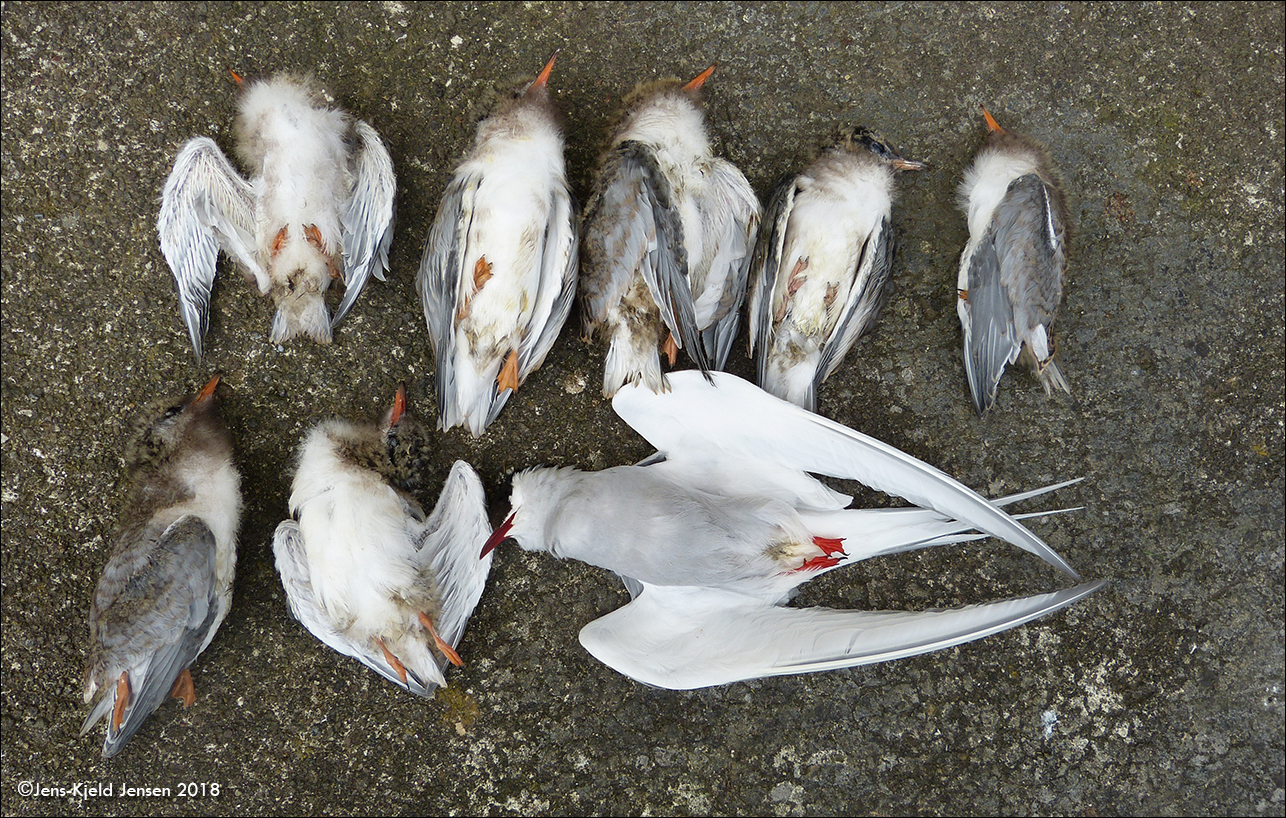
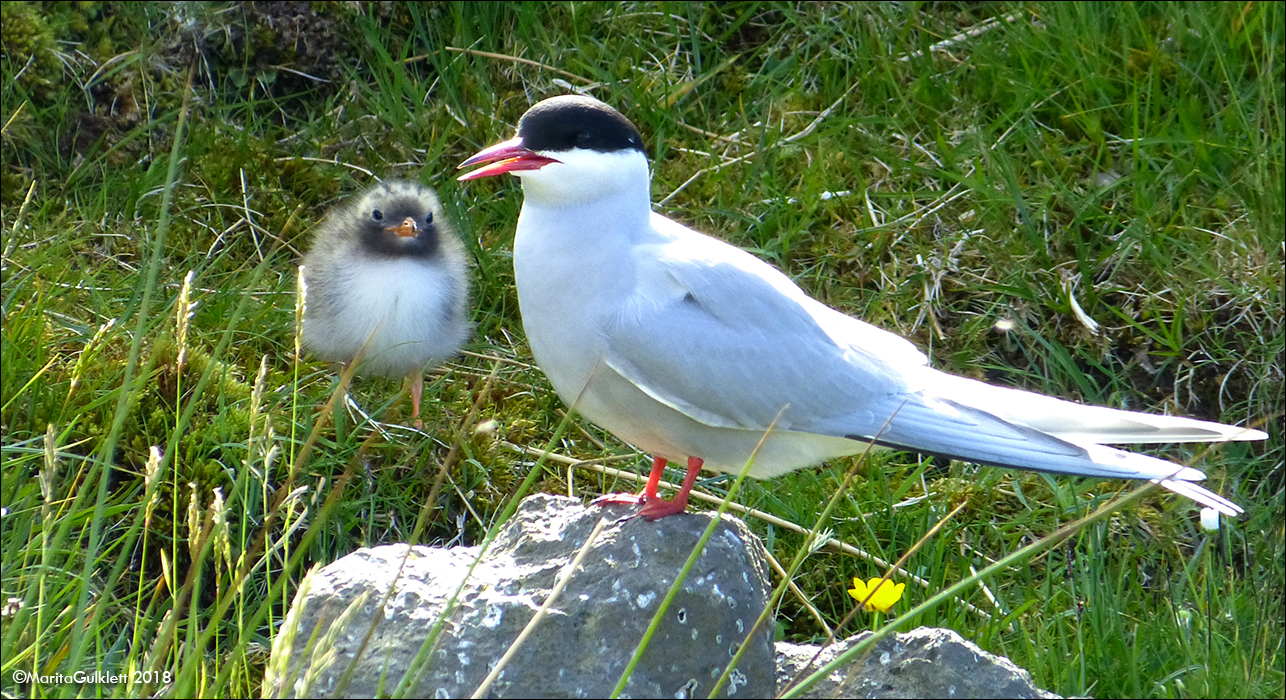
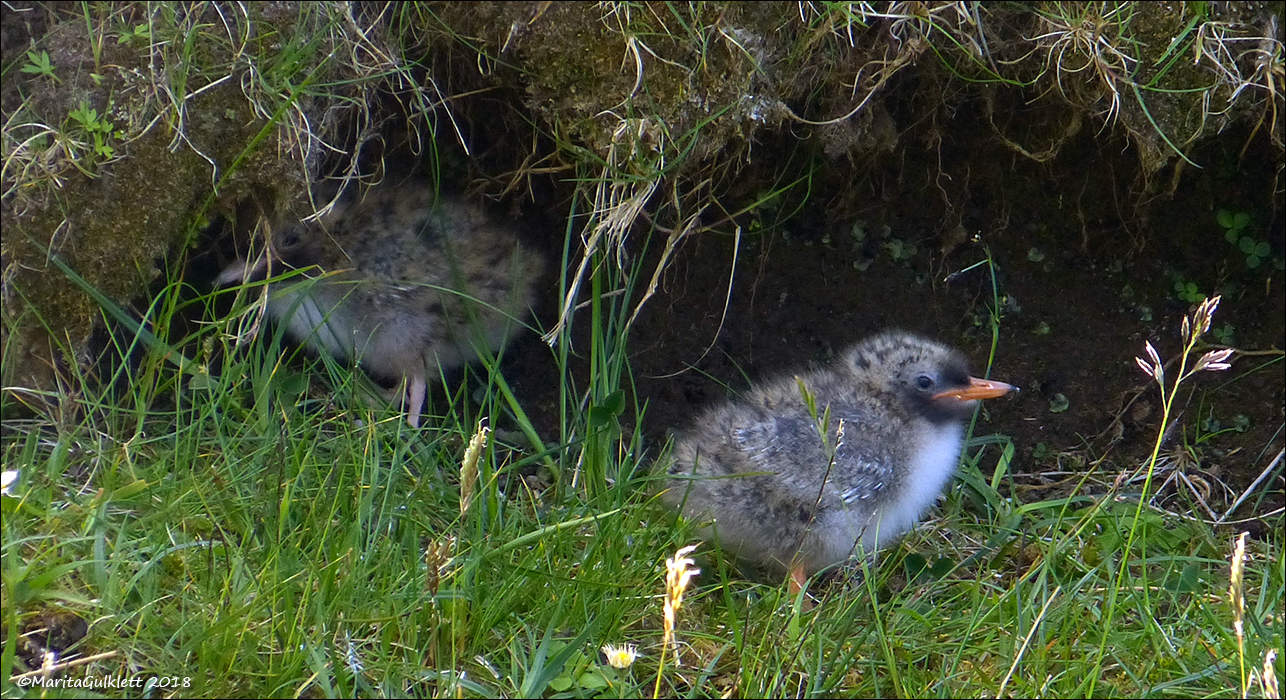
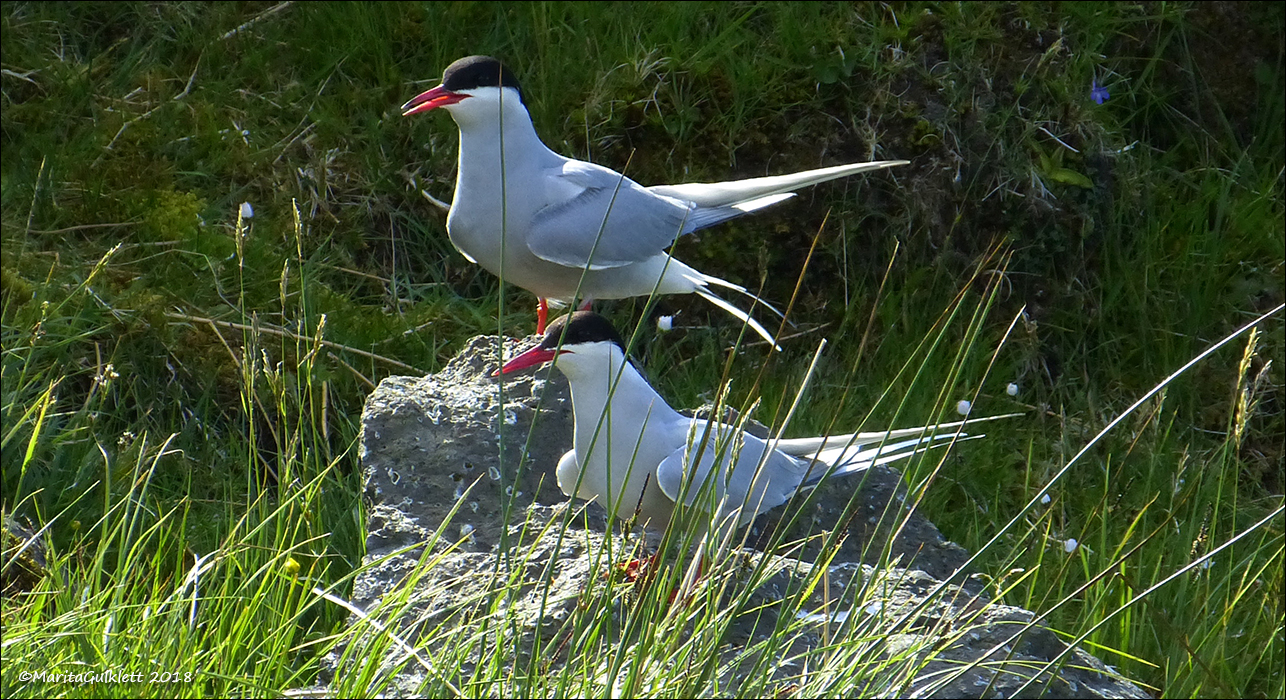
THE ARCTIC TERN CHICKS IN NÓLSOY DIED FROM STARVATION IN 2018 |
||||||||||||||||||
   |
||||||||||||||||||
| Kalsoy 30.06.2018 | ||||||||||||||||||
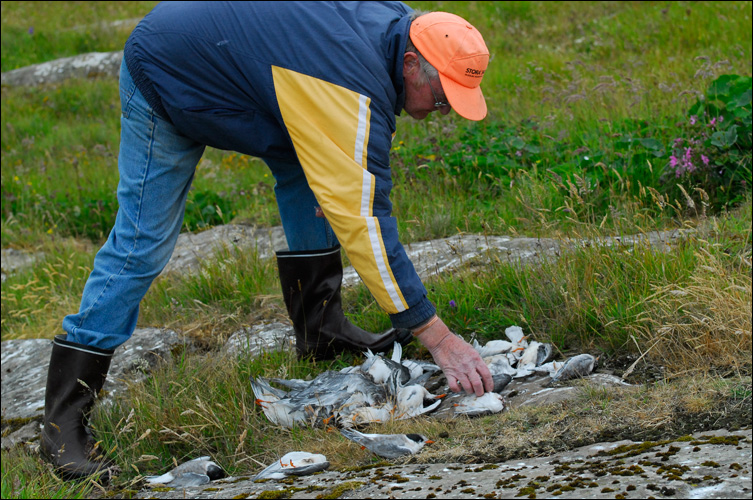
On July 6th 2018 I went down to fish. There I was surrounded by at least 200 Arctic Terns, who were so hungry, that I could feed them with my hand. I immediately thought something was wrong. A few days later I went for a quick trip to the Arctic Tern colony in Stokkvík and there I found 20-25 dead, 2 almost dead approximately 10 days old, 2 almost fledged, but very skinny and 1 fledged chick in good condition. I was not attacked by the terns, and then a neighbor said, that the Terns in the colony began to be more quiet already a week before, and that they were not at all contemptuous. |
||||||||||||||||||
|
||||||||||||||||||
| Stokkvík 10.07.2018 | ||||||||||||||||||
There are 3 Arctic Tern colonies in Nólsoy. Two small in respectively Tjørnunes and Bólstad, and then possibly the largest in the Faroe Islands, located in Stokkvík. Around 4 July, there was a change in the Terns' behavior on Nólsoy - they did not defend the colonies so much more. On July 8, the 2 small colonies at Tjørnunes and Bólstad were completely abandened, and in the large colony of 6-700 breeding pairs in Stokkvík, more than half of the Terns were gone, and a short trip in the colony showed even more dead chicks. A new visit to the colony on the 12th of July was a very sad sight. Where there were supposed to be 1000-1500 alive and healthy chicks, hundreds of dead chicks had replaced them, some nests with eggs were seen and some miserable starving chicks were tumbling around. Not one old Tern was seen with sandeels in the beak, so the last alive chicks have no chance to survive, as they should preferably be fed by their parents for at least one more week. |
||||||||||||||||||
The situation seems to be the same on Kalsoy. |
||||||||||||||||||
|
||||||||||||||||||
| Stokkvík 12.07.2018 | ||||||||||||||||||
In the evening of 12th of July the three of us - Marnar á Skúr, Hergeir Jacobsen and I (J-K.J.) sailed a trip around Nólsoy. In the 2-300 Kittiwake nests we only observed 8-10 chicks, the other nests were empty. |
||||||||||||||||||
| Update July 19: Some Arctic Tern still bring in sandeels to their fledged chicks in the Stokkvík colony; but the chicks are so underweight, that they only manage to fly a few meters, before they fall back on the ground. | ||||||||||||||||||
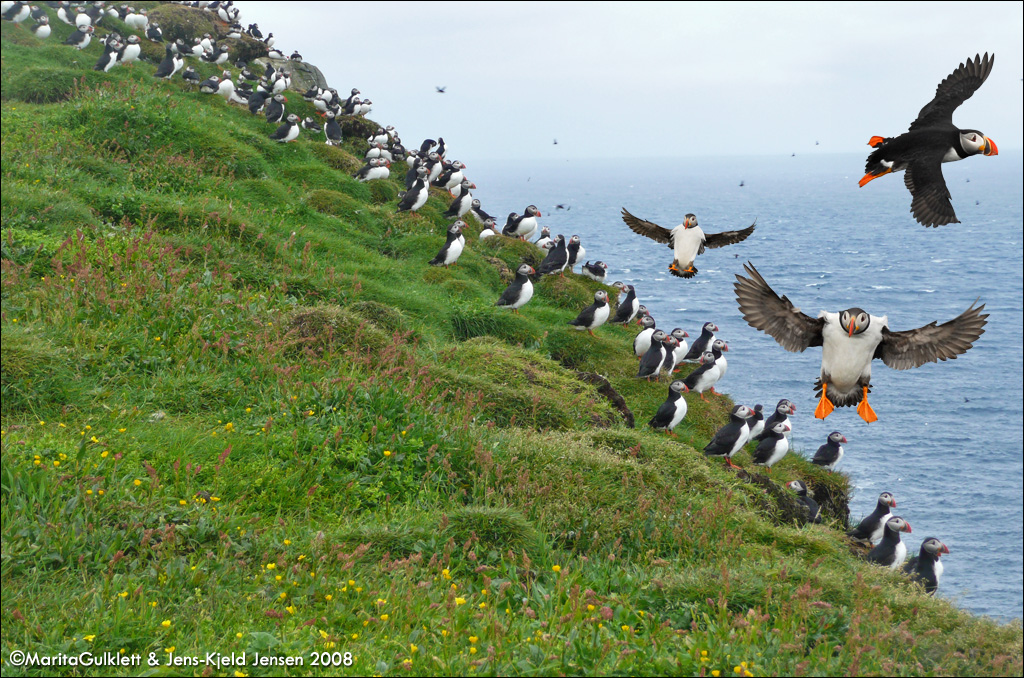
| THE PUFFIN IS PROTECTED IN THE COLONY ON NÓLSOY IN 2018 | ||||||||||||||||||
 |
||||||||||||||||||
| The Puffin is also protected in Mykines and Skúvoy | ||||||||||||||||||
COMMON HOUSE MARTIN Delichon urbicum (Linnaeus, 1758) |
||||||||||||||||||
 |
||||||||||||||||||
|
||||||||||||||||||
|
||||||||||||||||||
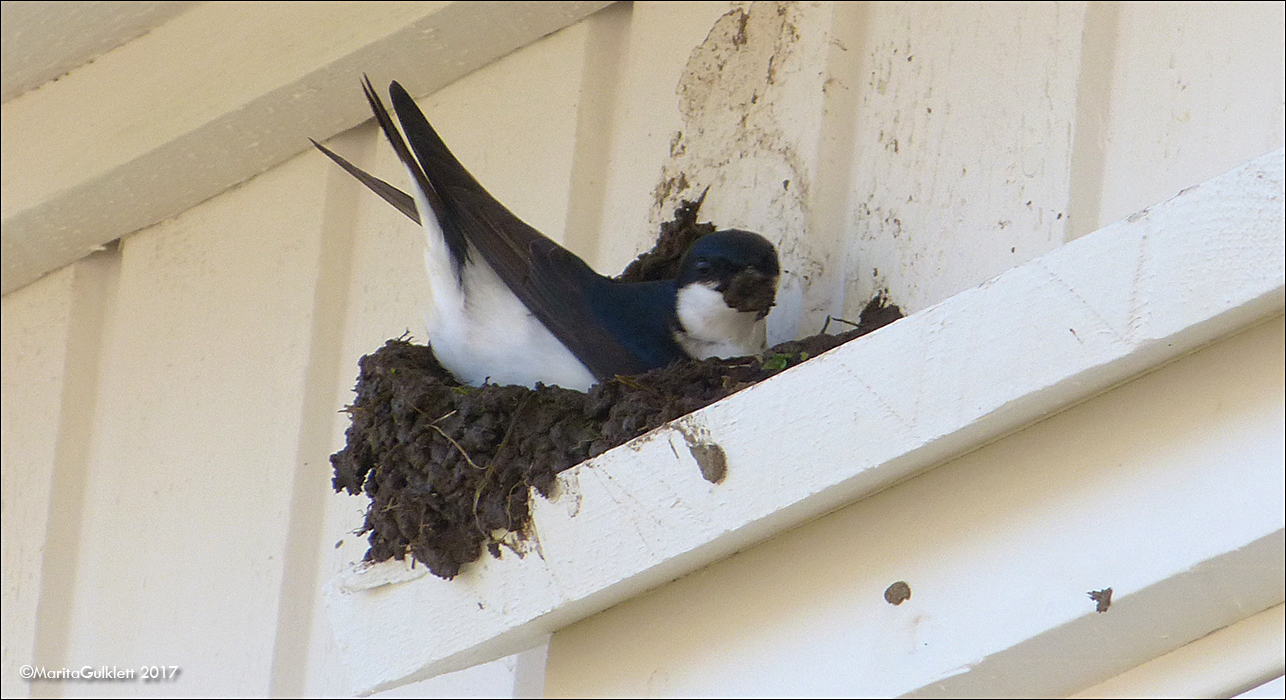
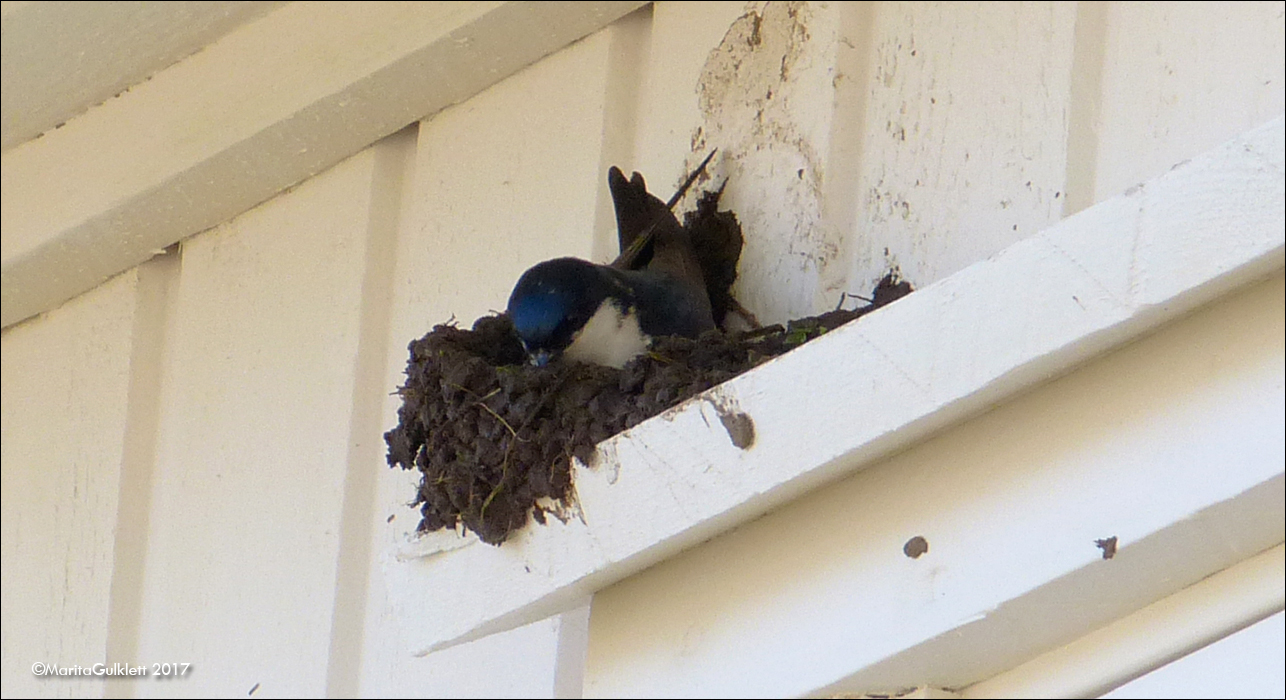
| Hvalba, Suðuroy 03.06.2017 | ||||||||||||||||||
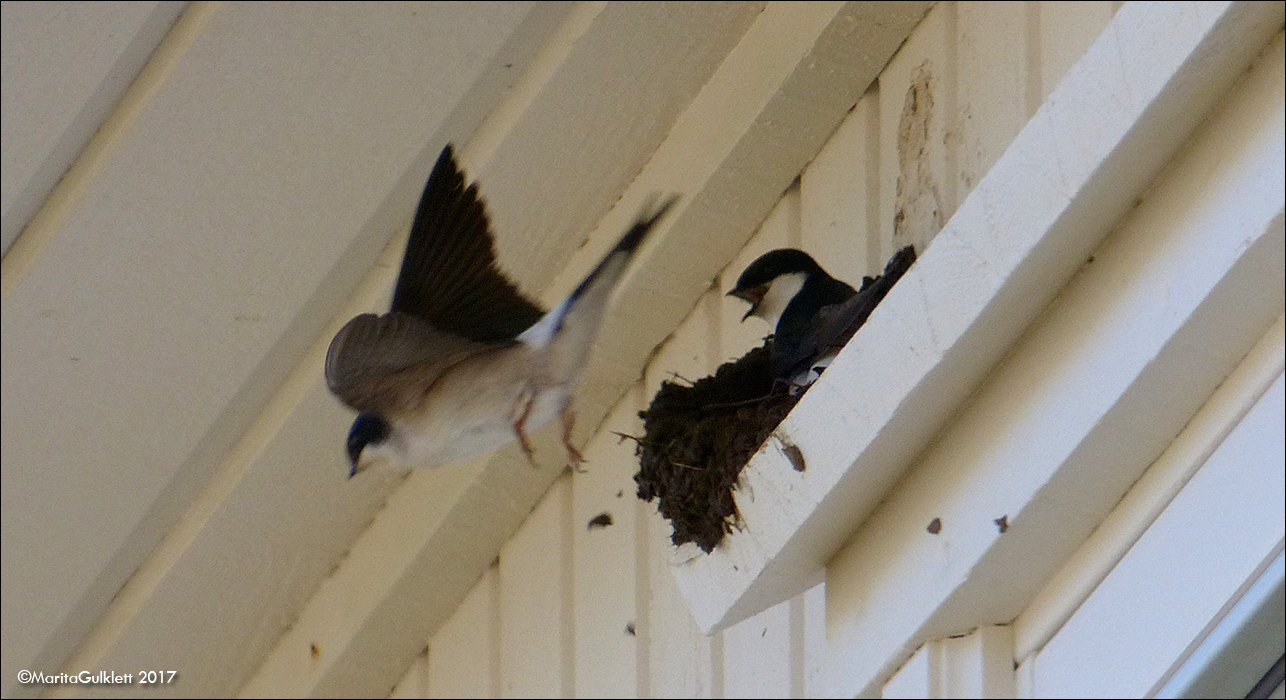
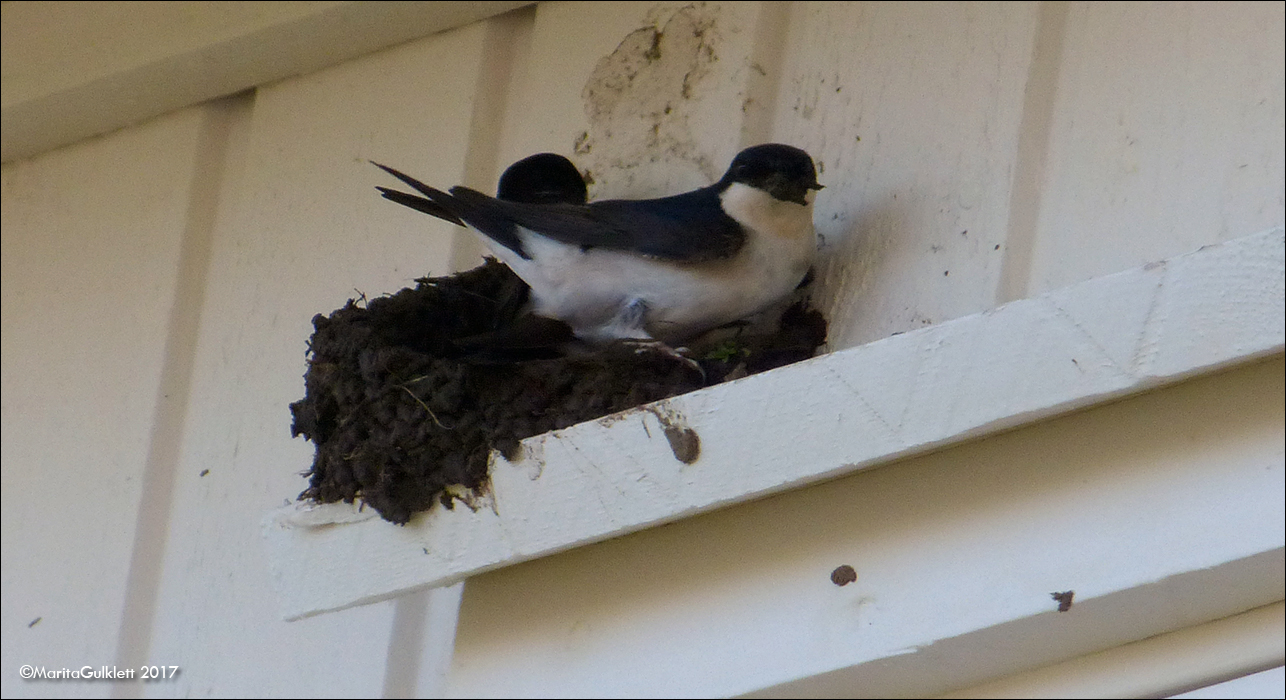
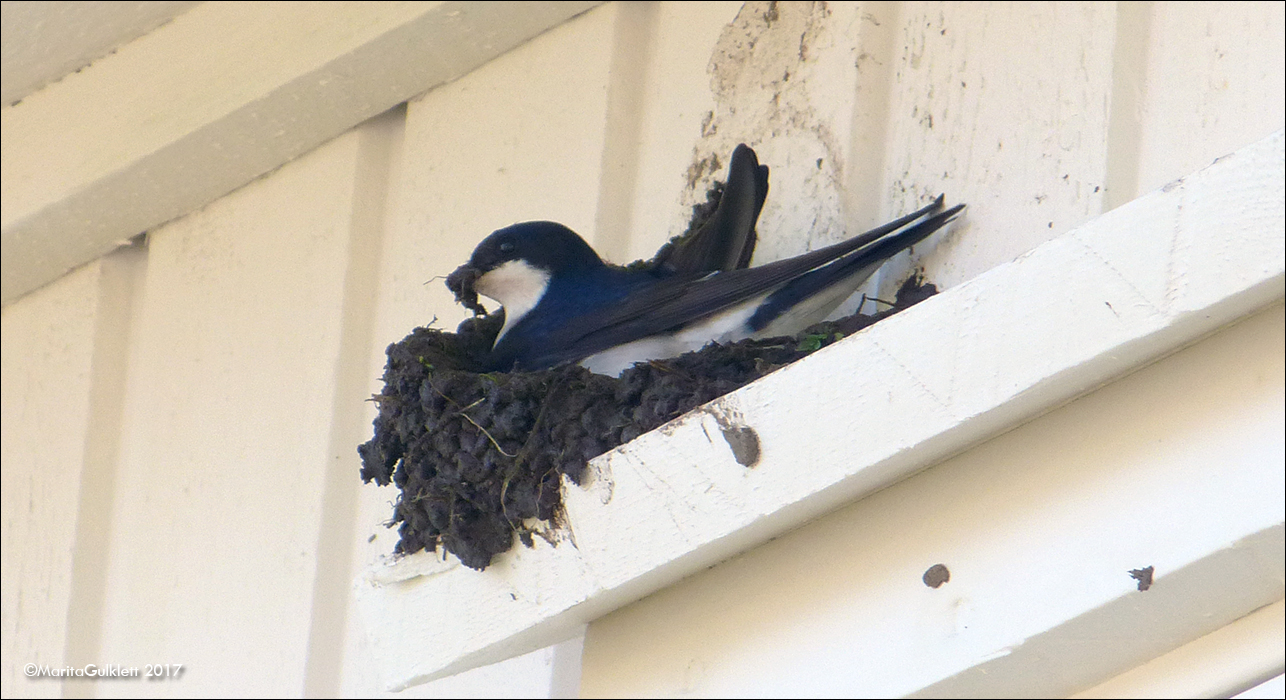
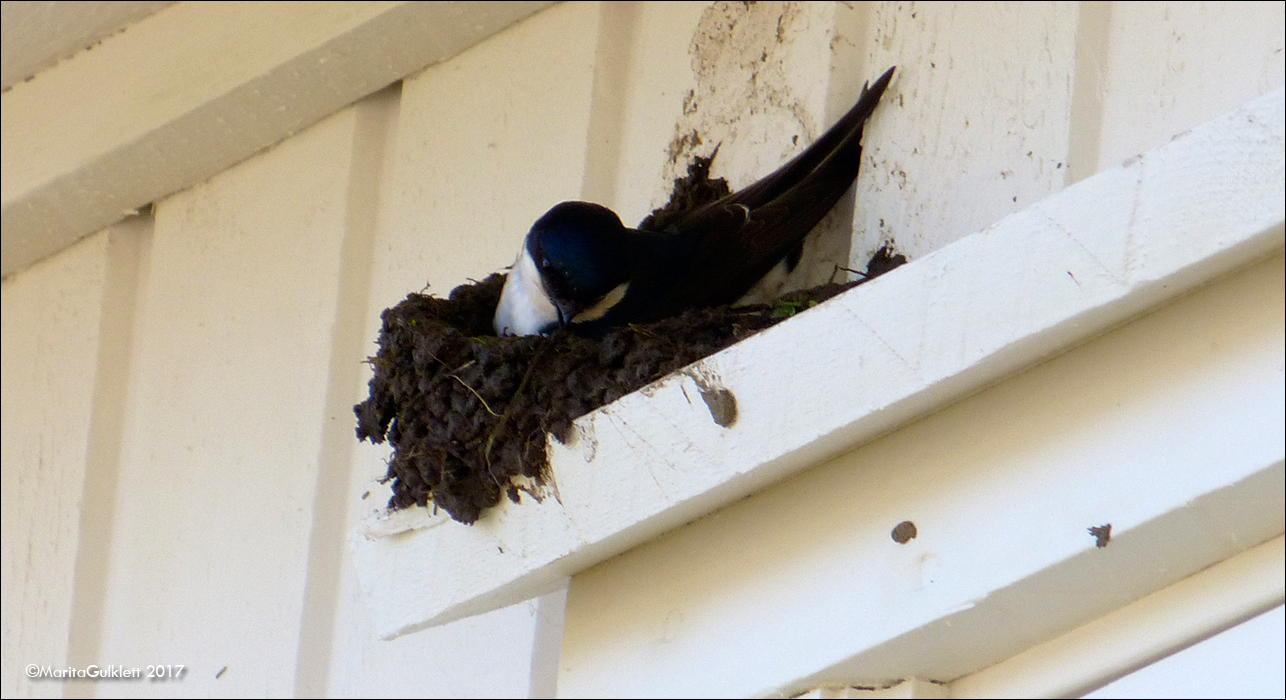
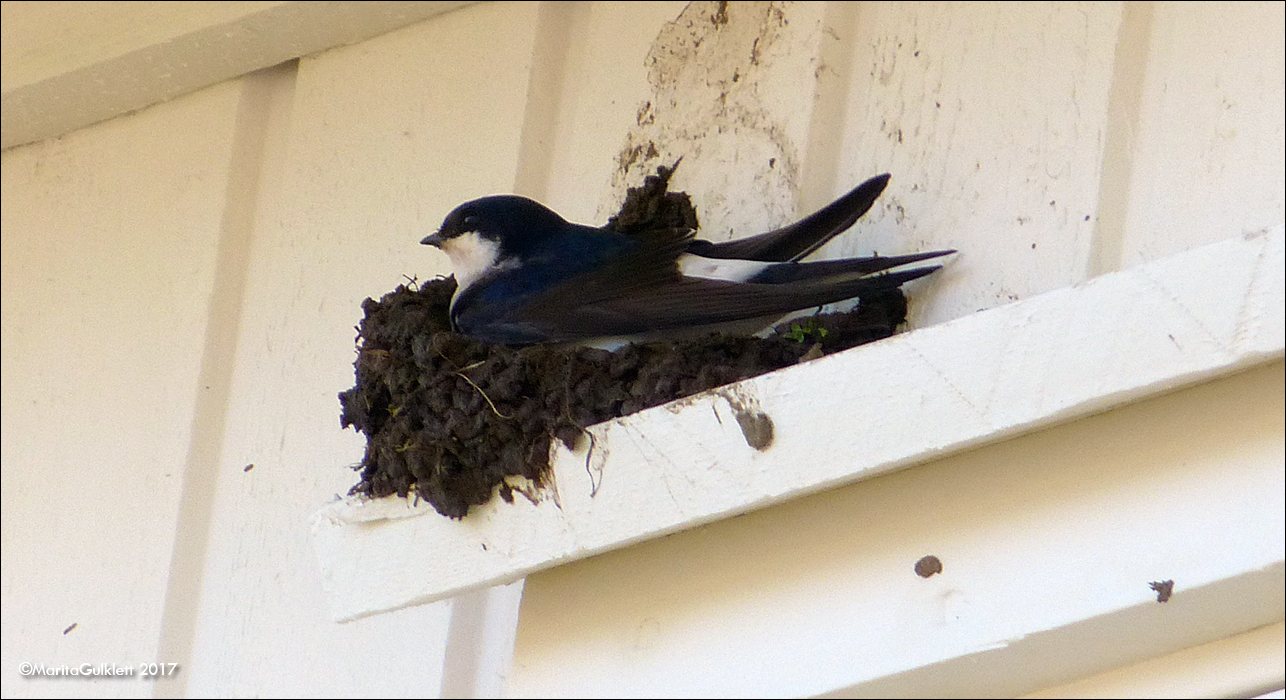
| Common house martin is a very rare visitor, and it has only bred 4 times in the Faroe Islands. The first observation is from 1899 and the first breeding observation is from 1956. | ||||||||||||||||||
| This couple in Hvalba has spent many days building the nest and it was not finished 06.06.2017. There is not much clay on the Faroe Islands, which is the preferred nest material for the Common house martin, so instead the couple use mud and herbs. Hopefully they will be able to breed. | ||||||||||||||||||
| OIL-CONTAMINATED GUILLEMOT Uria aalge Nólsoy 22.02.2017 | ||||||||||||||||||
   |
||||||||||||||||||
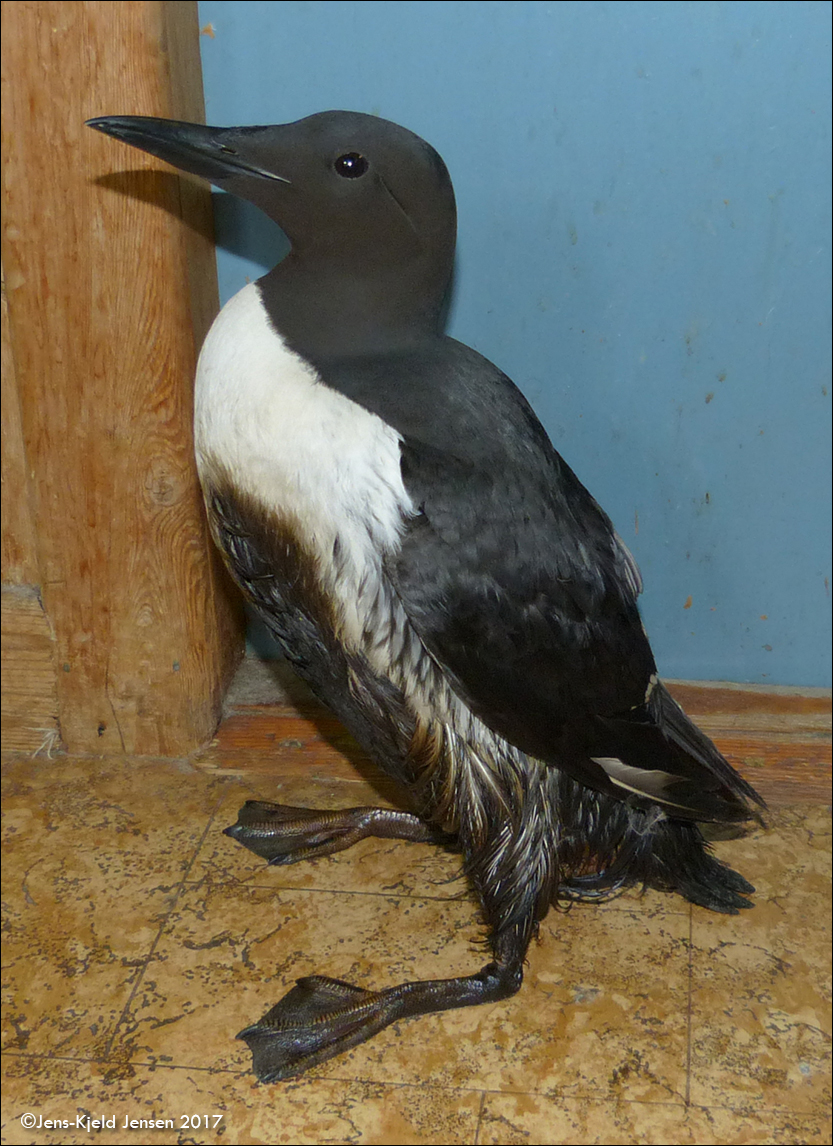
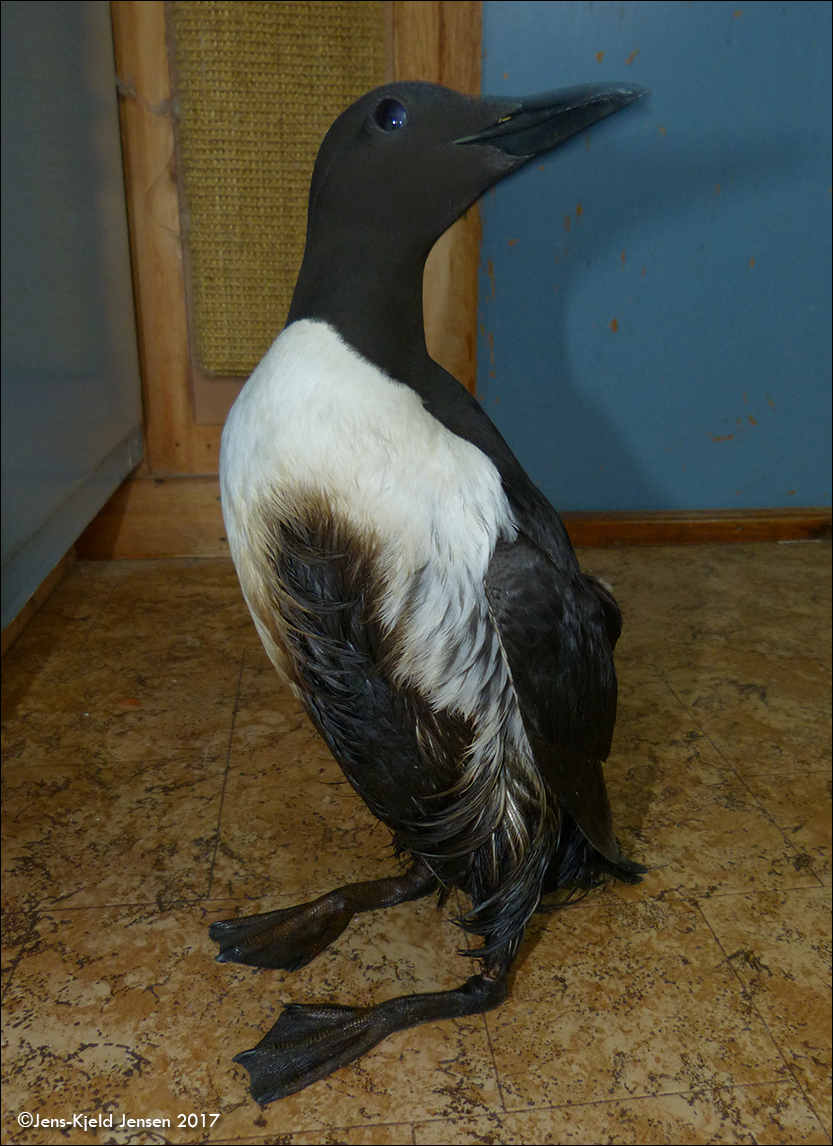
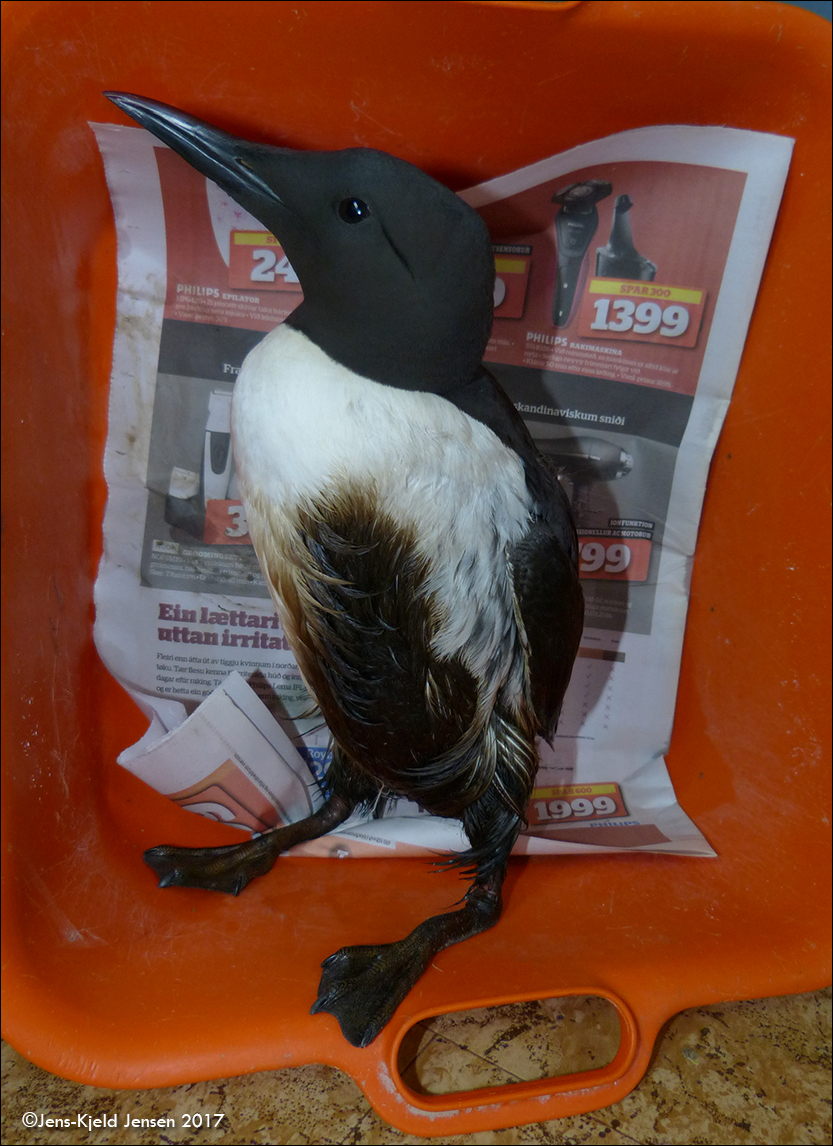
| This is how you look, when you swim in the cleanest sea in the world ... | ||||||||||||||||||
| Baldvin Jacobsen captured this guillemot in the port of Nólsoy in the morning and carried it up to Jens-Kjeld, who euthanised it. We can only guess, how many other oil-contaminated birds are swimming in the waters around the Faroe Islands, as most die at sea. But it is quite common to hear of oiled birds, especially on the east side of the Faroe Islands. This is not acceptable, but as long as the Faroe Islands does not introduce a demand for Faroese observers on all foreign fishing vessels, fishing within the 200 nautical mile limit, we will continue to see sad fates like this ... |
||||||||||||||||||
| NORTHERN FULMAR Fulmarus glacialis | ||||||||||||||||||
|
||||||||||||||||||
|
||||||||||||||||||
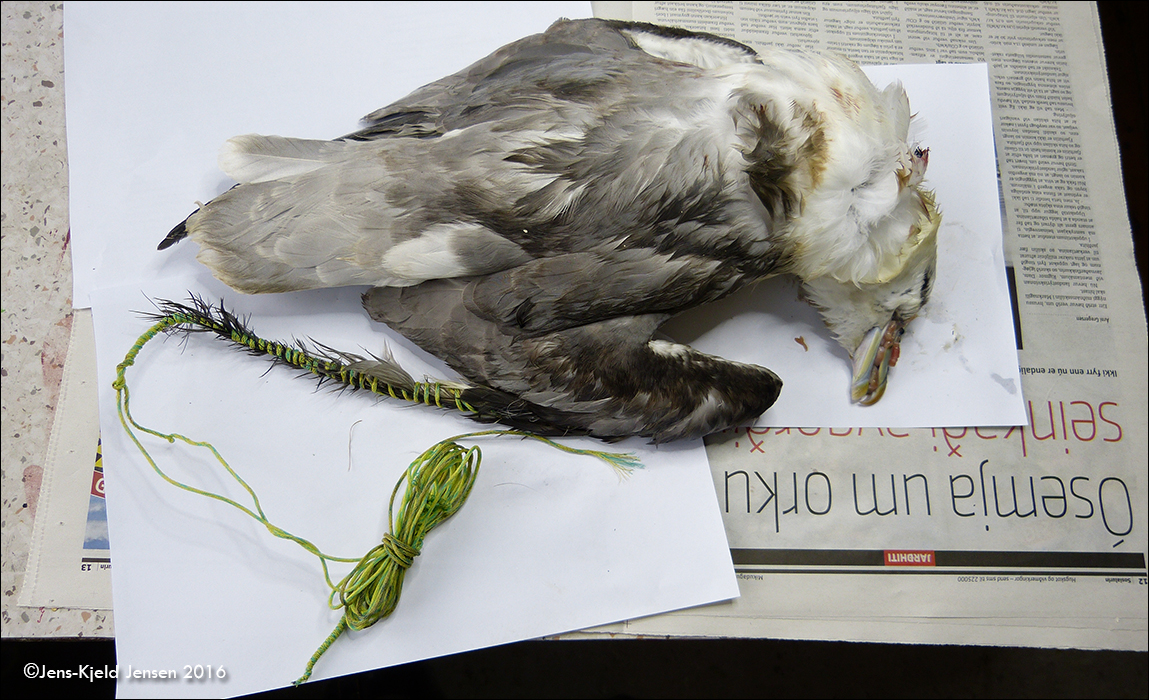
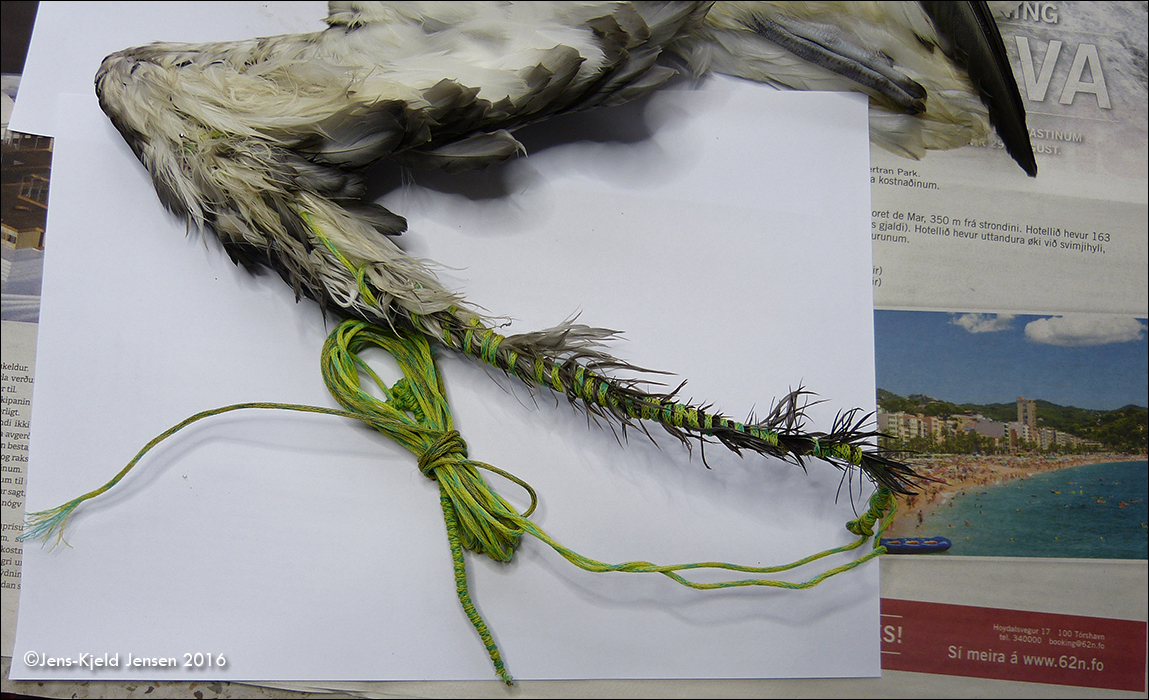
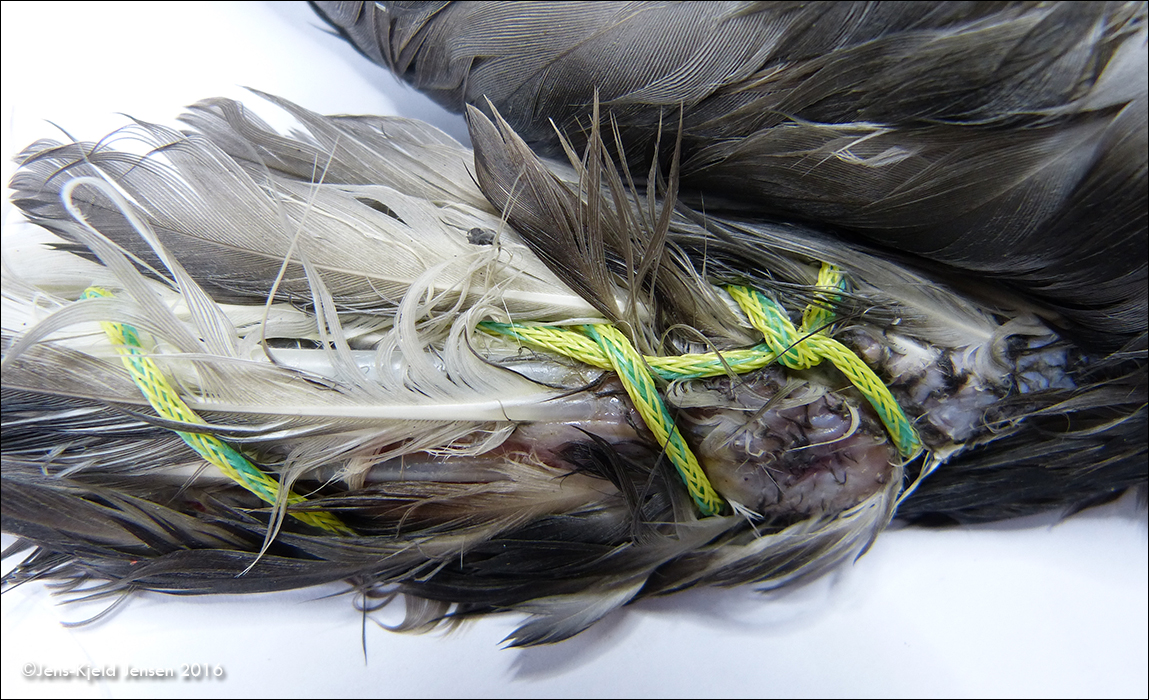
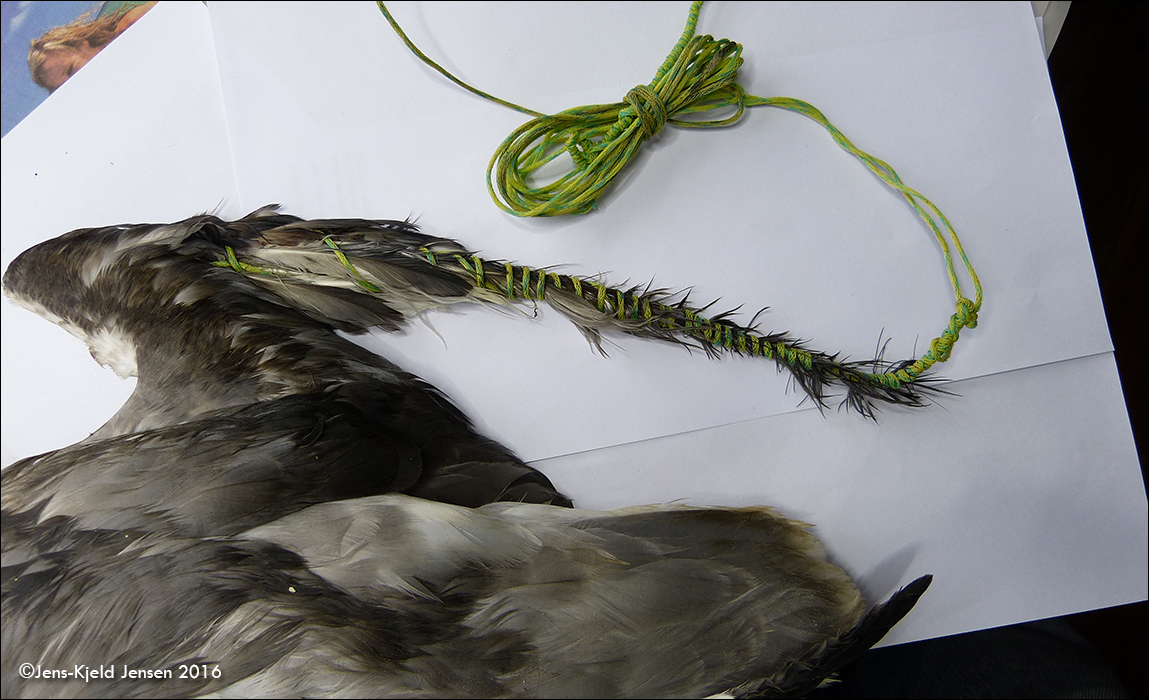
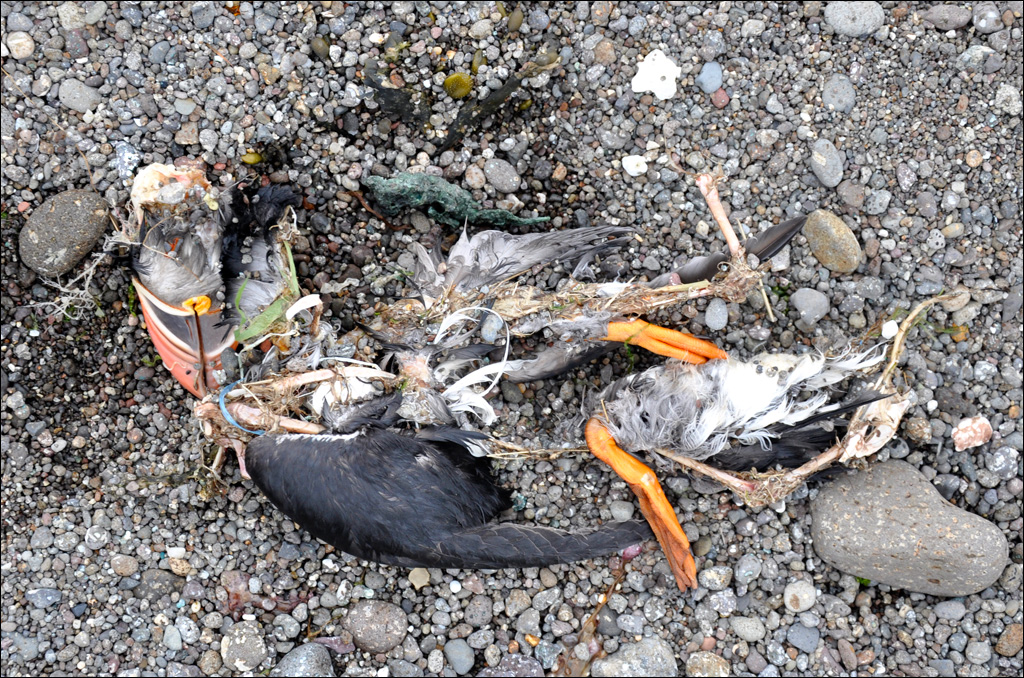
| The men on Nólsoy started catching the young Fulmars on sea as usual in late August 2016. On 23. August Marnar á Skúr caught the young Fulmar, seen on the pictures, west of Trøllhøvda. The young Fulmar was starved, since its one wing was wrapped in a nylon band. | ||||||||||||||||||
| We have never seen anything the like before, and we find it hard to believe, that anyone Faroese could have done this. | ||||||||||||||||||
| Why would anyone do this? Was the bird used as a bate? Or has someone just learned to tie knots and then kicked the bird out afterwards to a slow and agonizing death? | ||||||||||||||||||
Regardless, this is animal cruelty at the worst… |
||||||||||||||||||
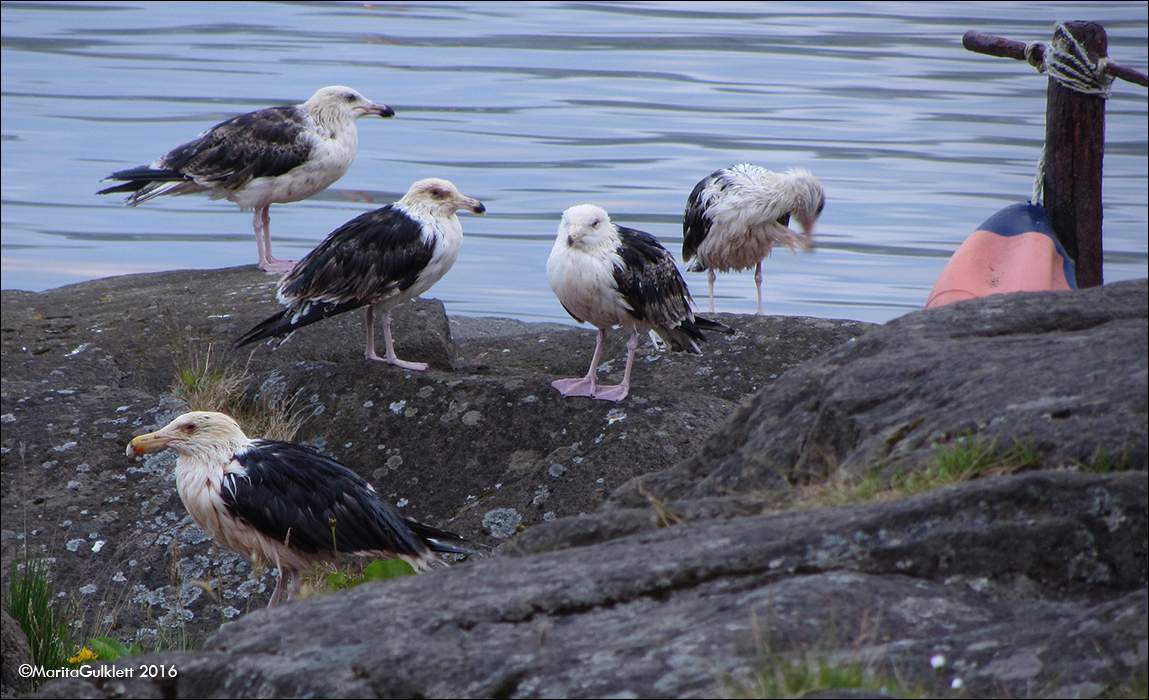
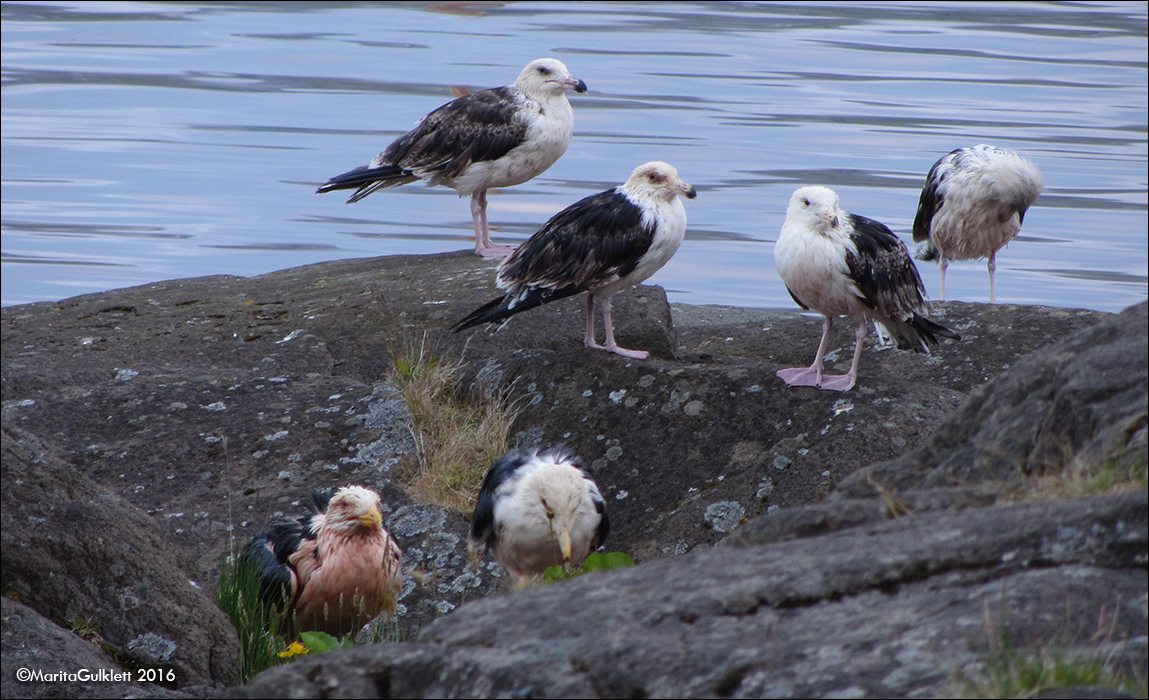
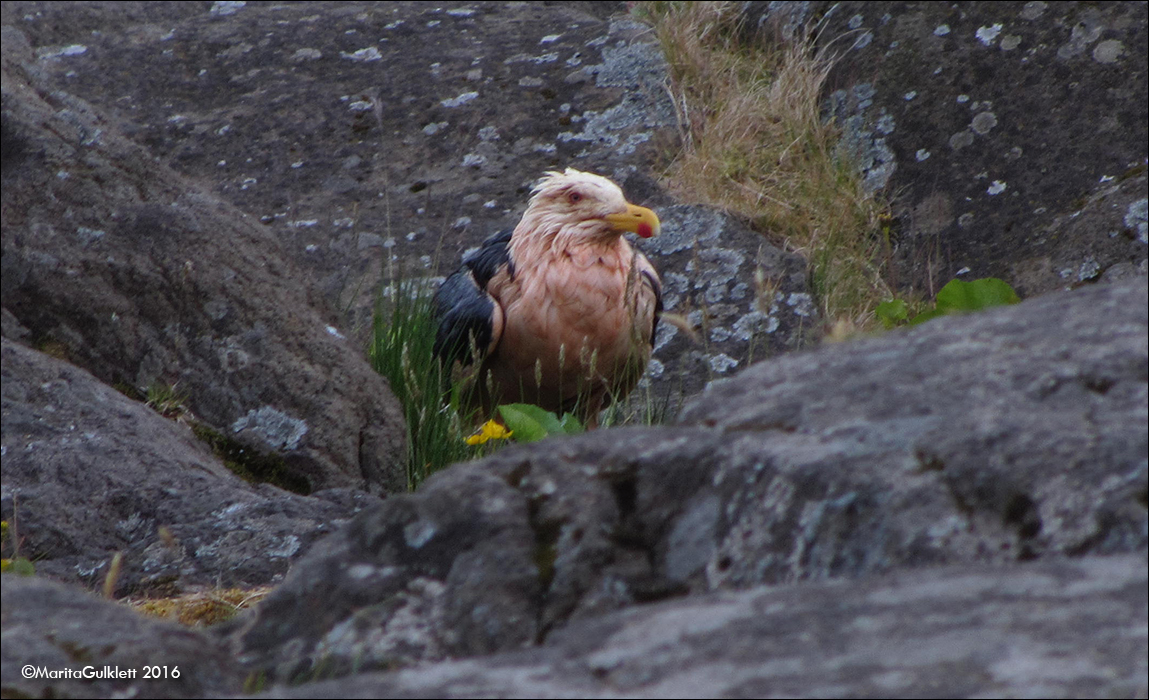
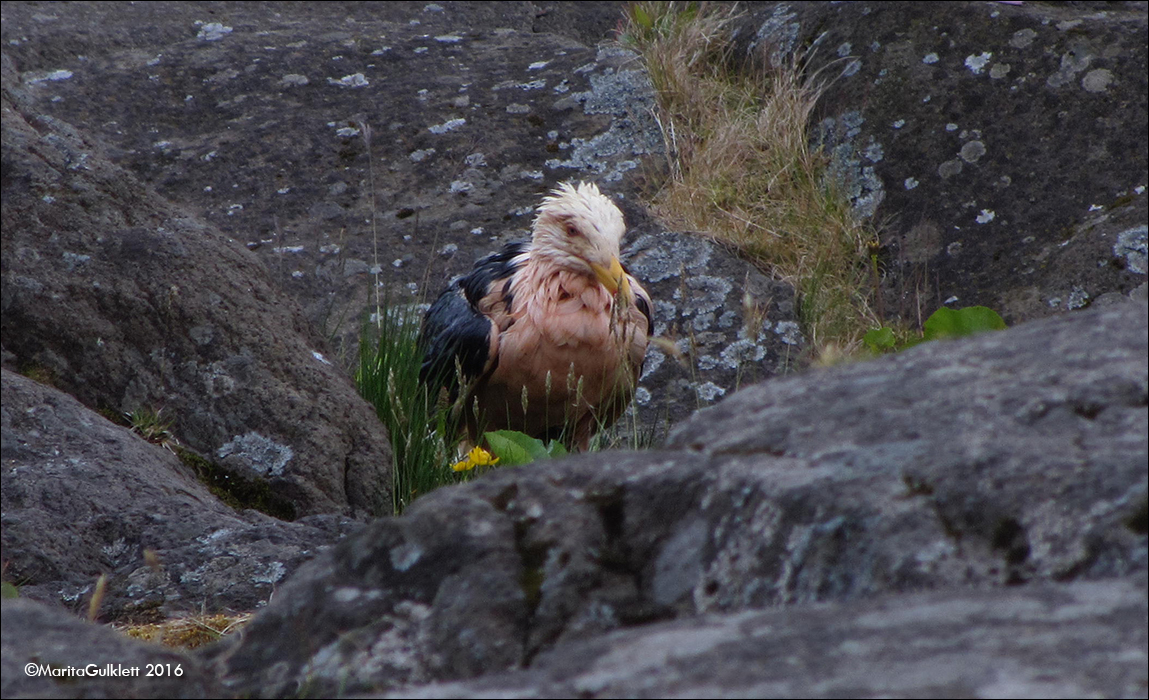
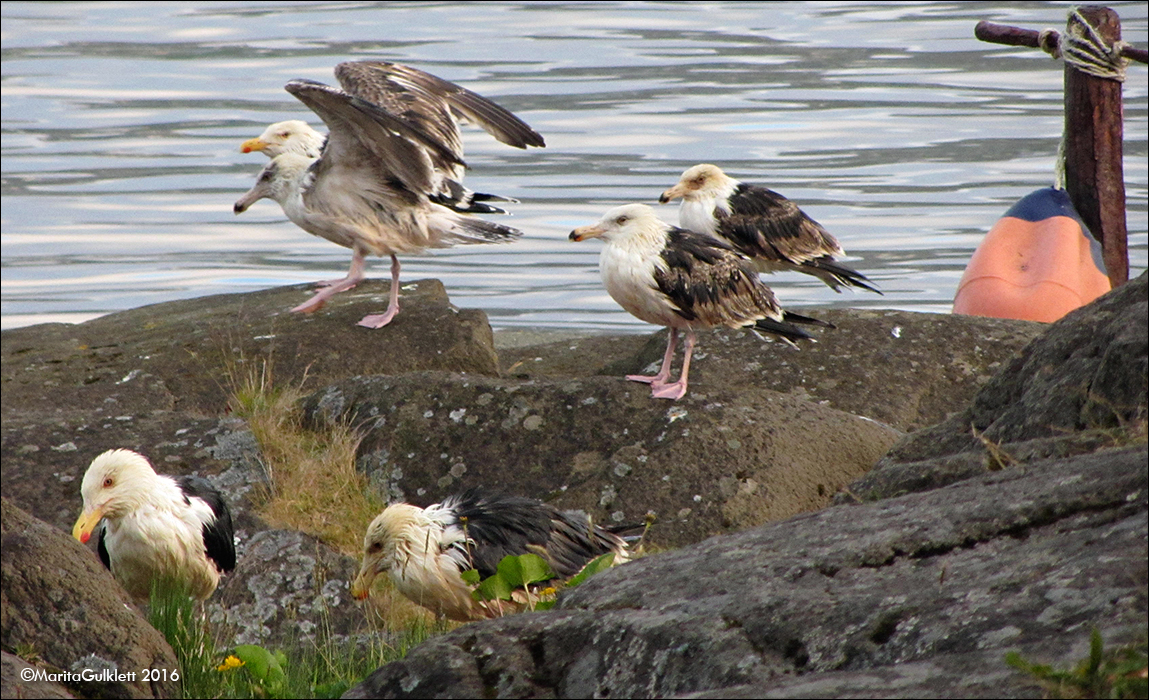
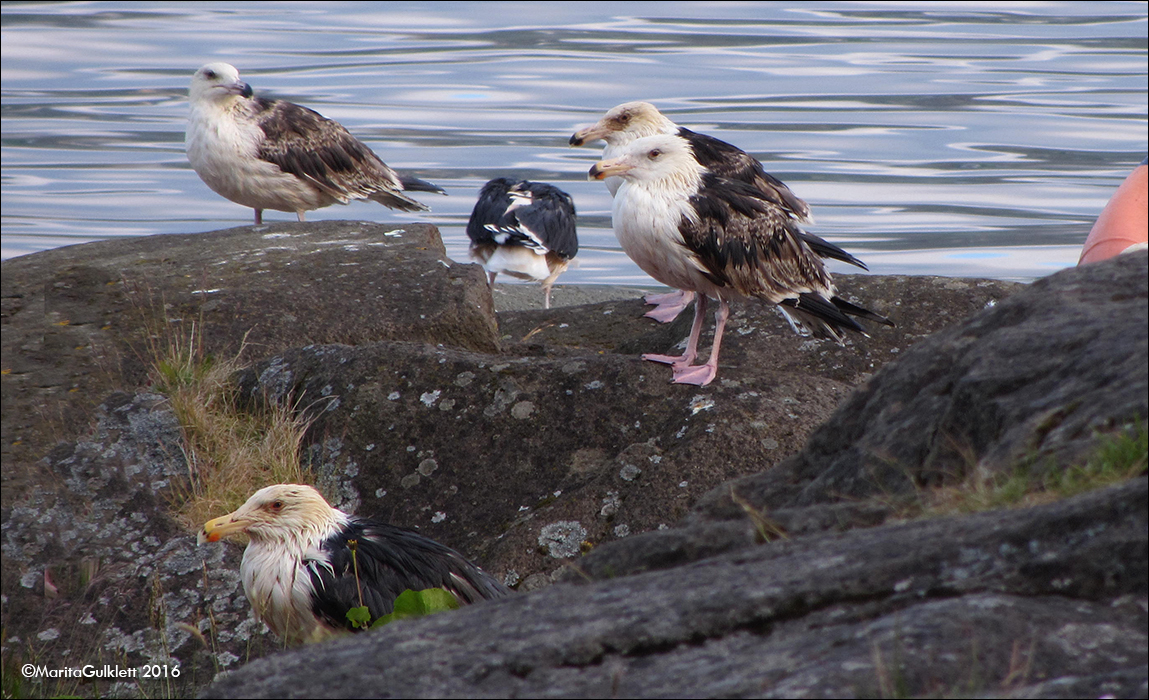
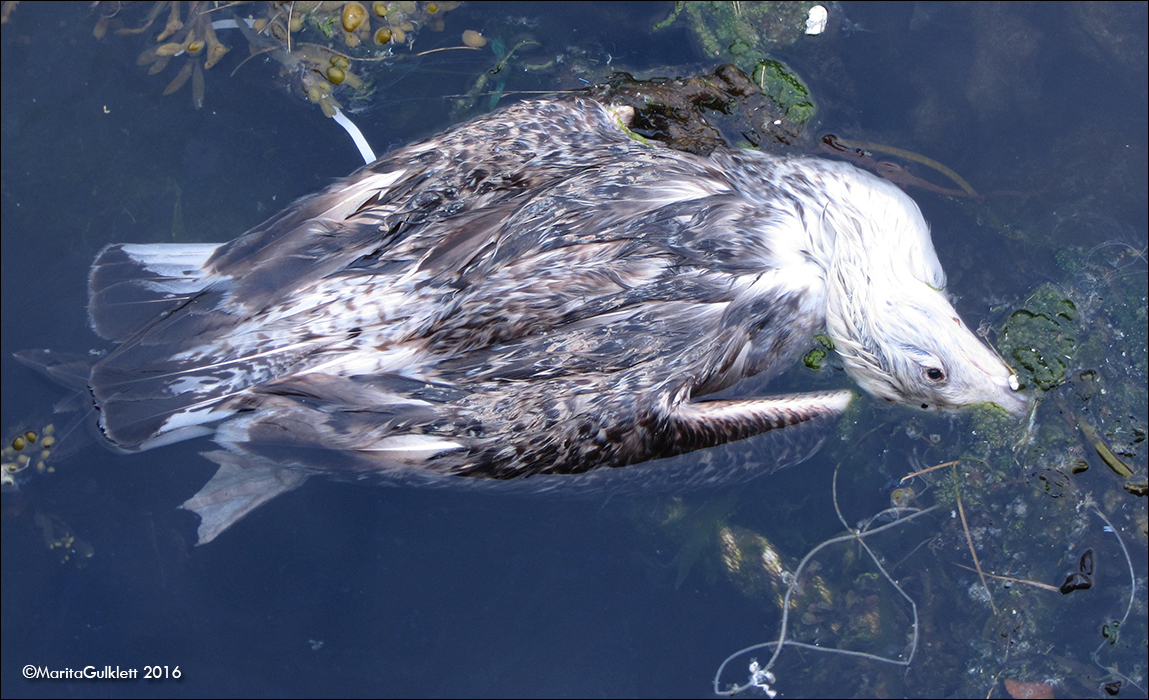
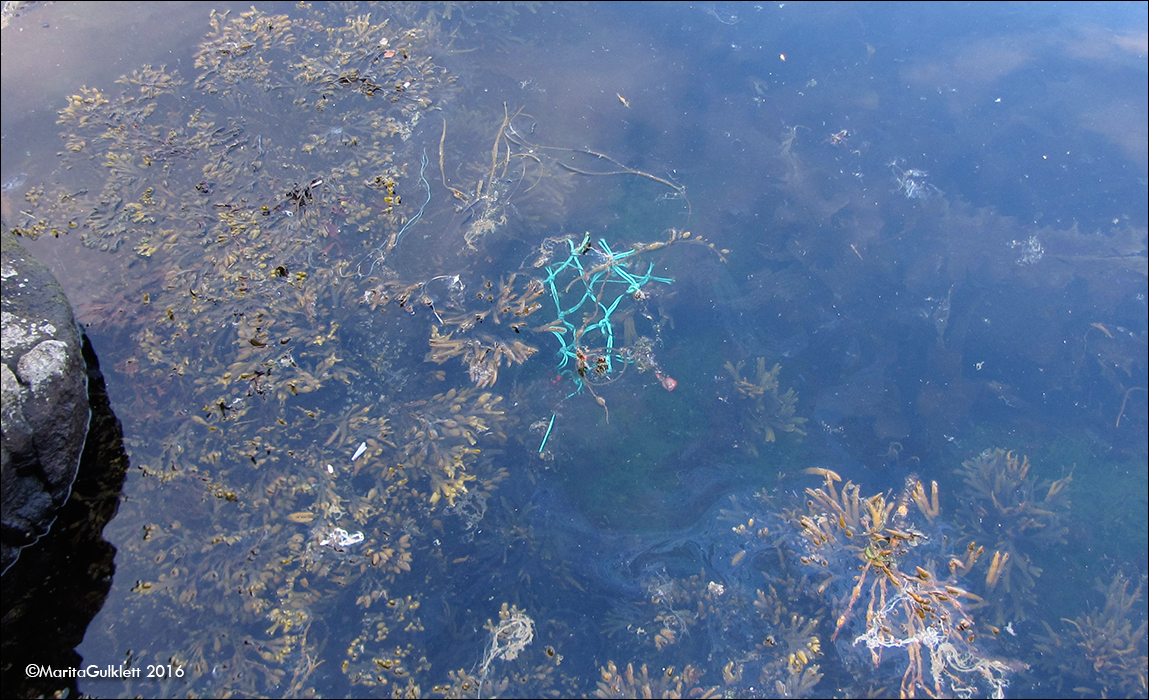
| GREAT BLACK-BACKED GULL Larus marinus CONTAMINATED OF FISH FOOD | ||||||||||||||||||
|
||||||||||||||||||
|
||||||||||||||||||
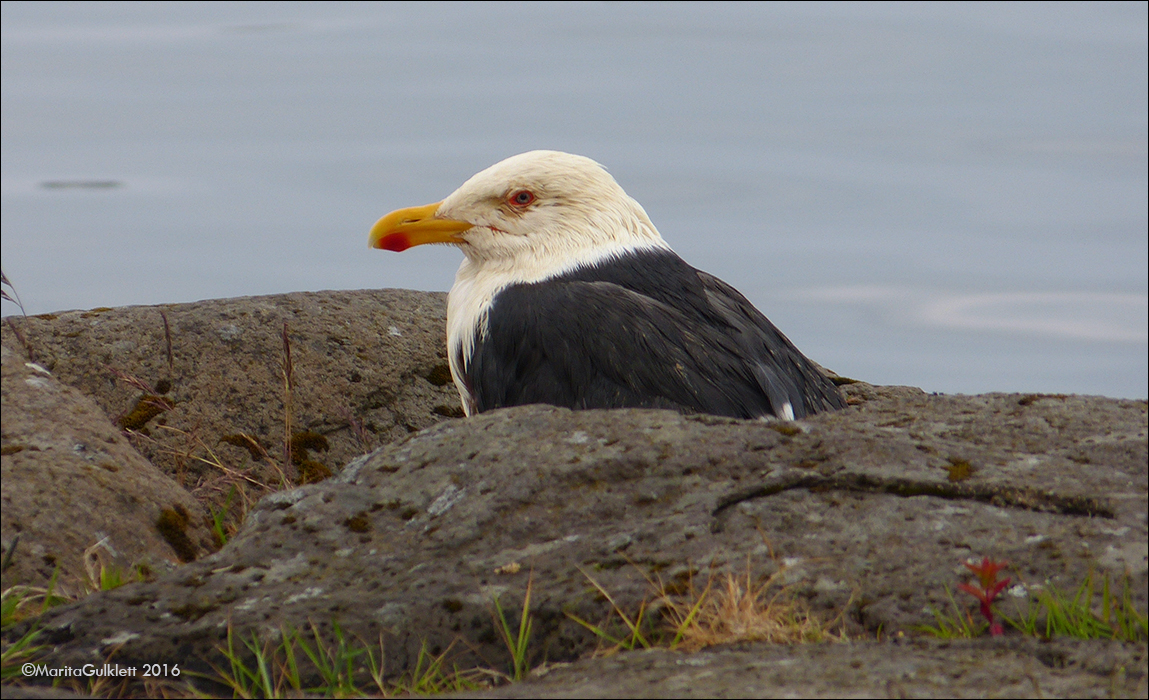
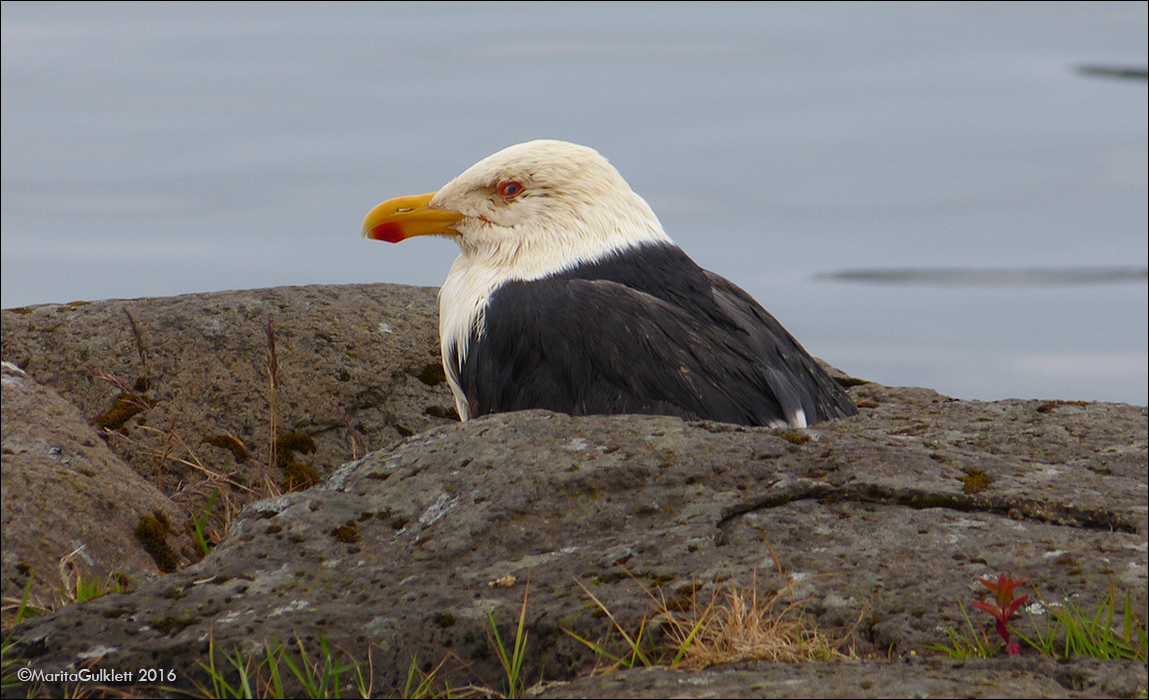
| Tórshavn 23.06.2016 | ||||||||||||||||||
|
||||||||||||||||||
|
||||||||||||||||||
|
||||||||||||||||||
| Tórshavn 24.06.2016 | ||||||||||||||||||
|
||||||||||||||||||
| PLASTIC IN FULMARS | ||||||||||||||||||
|
||||||||||||||||||
| In August-September 2015 Jan A. van Franeker visited Faroe Islands yet another time to collect materials for his examination about plastic is the Faroese fulmars. | ||||||||||||||||||
Live coverage of a dissection of a Faroese fulmar chick stomach |
||||||||||||||||||
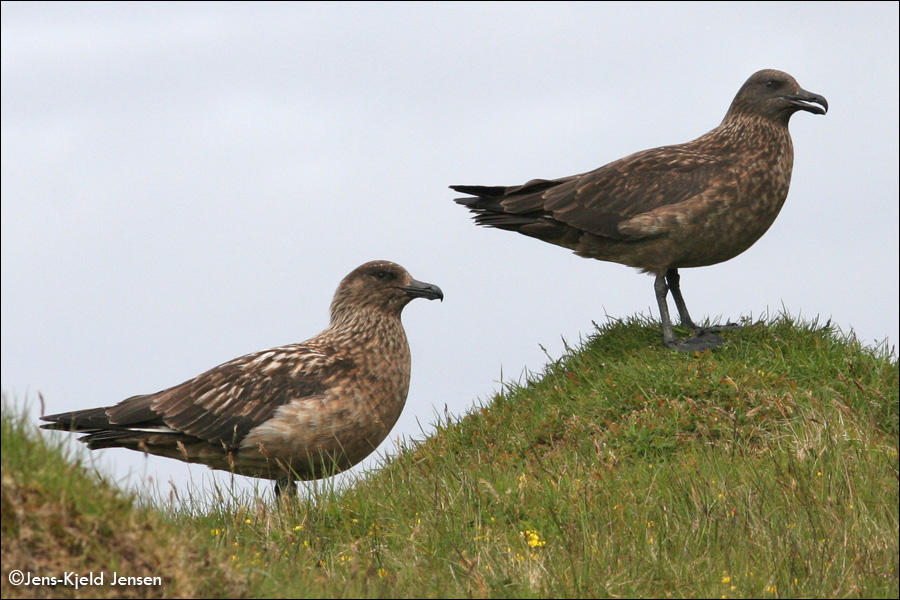
| GREAT SKUA Stercorarius skua | ||||||||||||||||||
 |
||||||||||||||||||
New article shows, that the decline in the puffin colonies is not related to the increased population of Great Skuas, but due to lack of food and access of young birds in the puffin colonies. |
||||||||||||||||||
| DO WE NEED ANY LAW SYSTEM IN THE FAROE ISLANDS? | ||||||||||||||||||
 |
||||||||||||||||||
|
||||||||||||||||||
| Vágar 28.06.2015 | ||||||||||||||||||
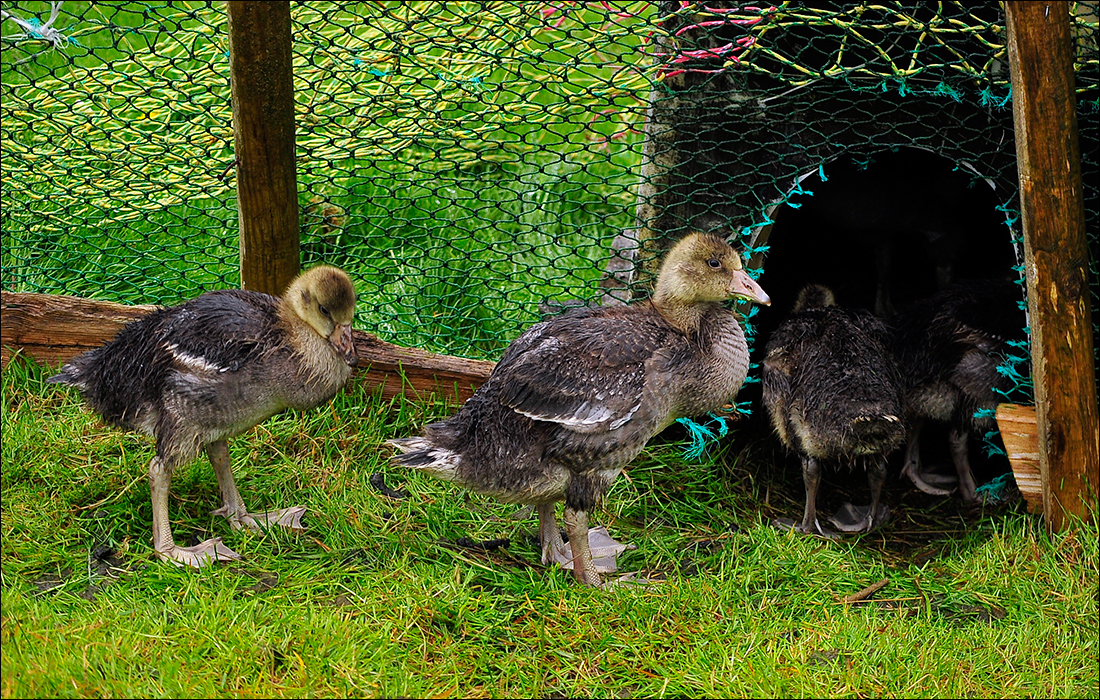
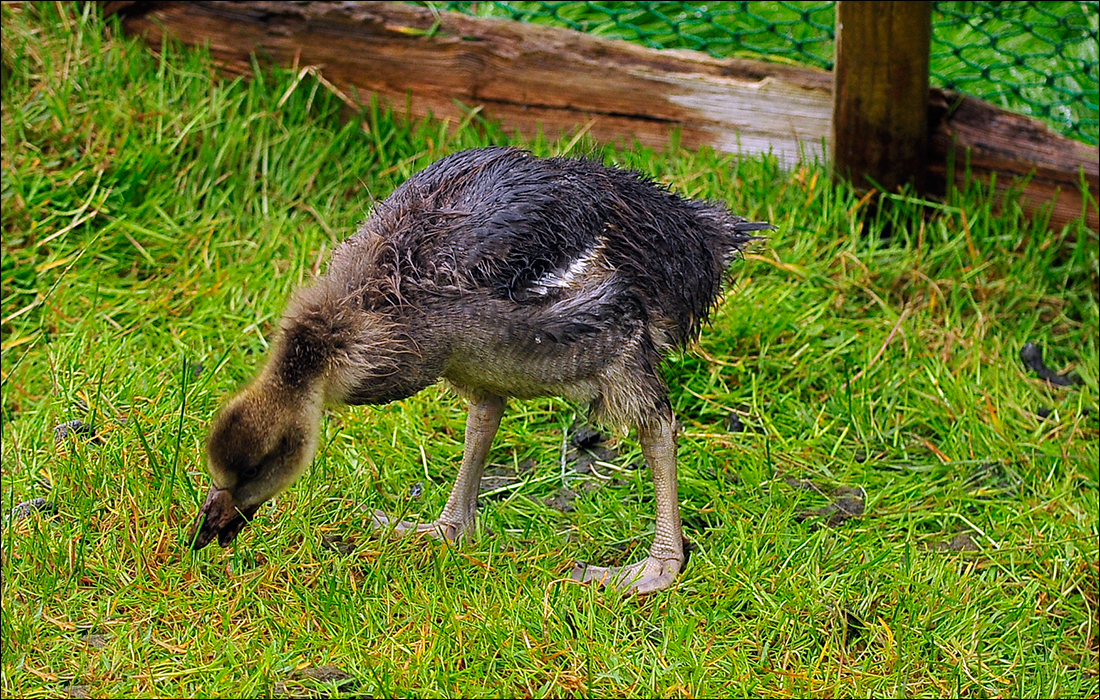
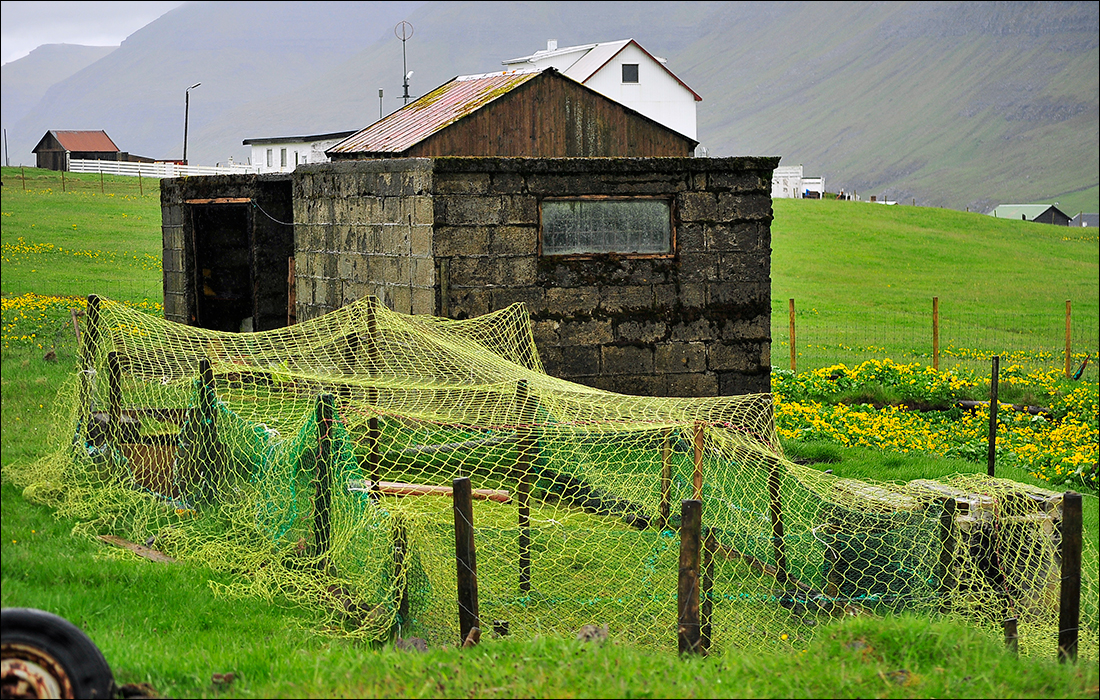
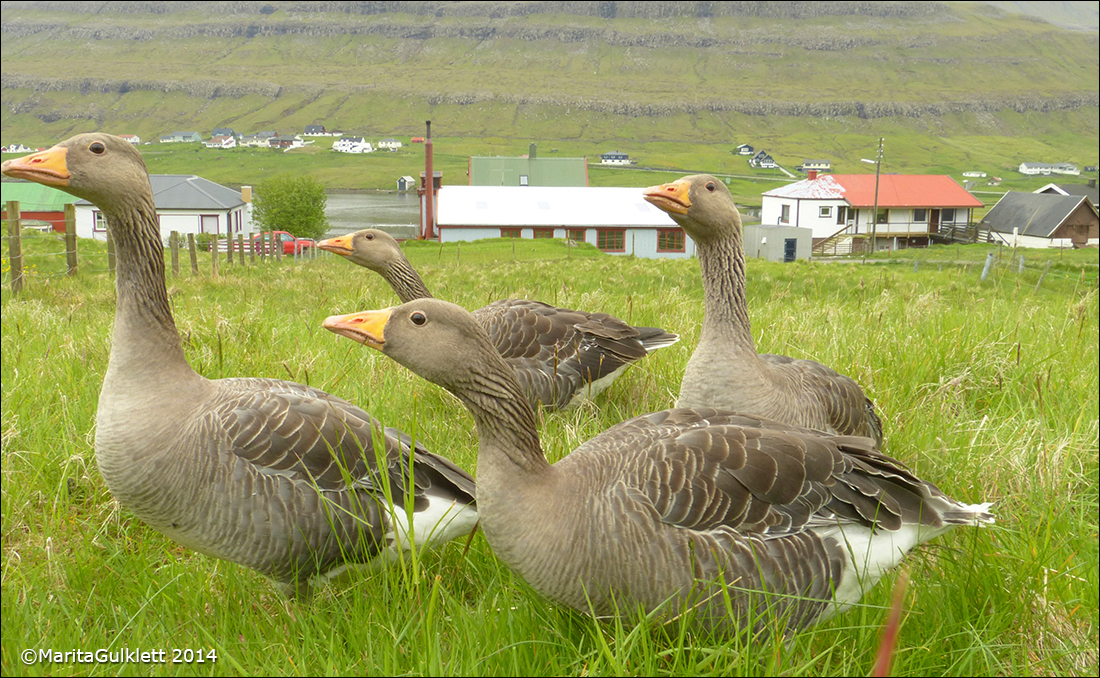
| It is incredible, that nobody cares about the protection of the graylag goose, now they finally have returned after having been eradicated in nearly 200 years. Despite all common sense, some farmers got permission to shoot graylag goose on their infield during the whole year, starting from 2014. |
||||||||||||||||||
| It is strictly forbidden to take the eggs from the graylag goose and hatch them, but despite this we see wing-clipped goslings wander around on various pieces of land every year. I could understand it, if it at least was kept hidden and maybe happened far away from where people pass by, but it is the opposite – these wing-clipped goslings walk around between the houses in the villages, where everyone can see them. It says a great deal about the respect for the police! | ||||||||||||||||||
| The photographs of these goslings were taken in Vágar, and as so many times before, it was not reported to the police, since the photographer was afraid of the consequences. Instead he sent them to me. | ||||||||||||||||||
 |
||||||||||||||||||
| Tvøroyri, Suðuroy 31.05.2014 | ||||||||||||||||||
| BOAT TOUR AROUND NÓLSOY | ||||||||||||||||||
 |
||||||||||||||||||
|
||||||||||||||||||
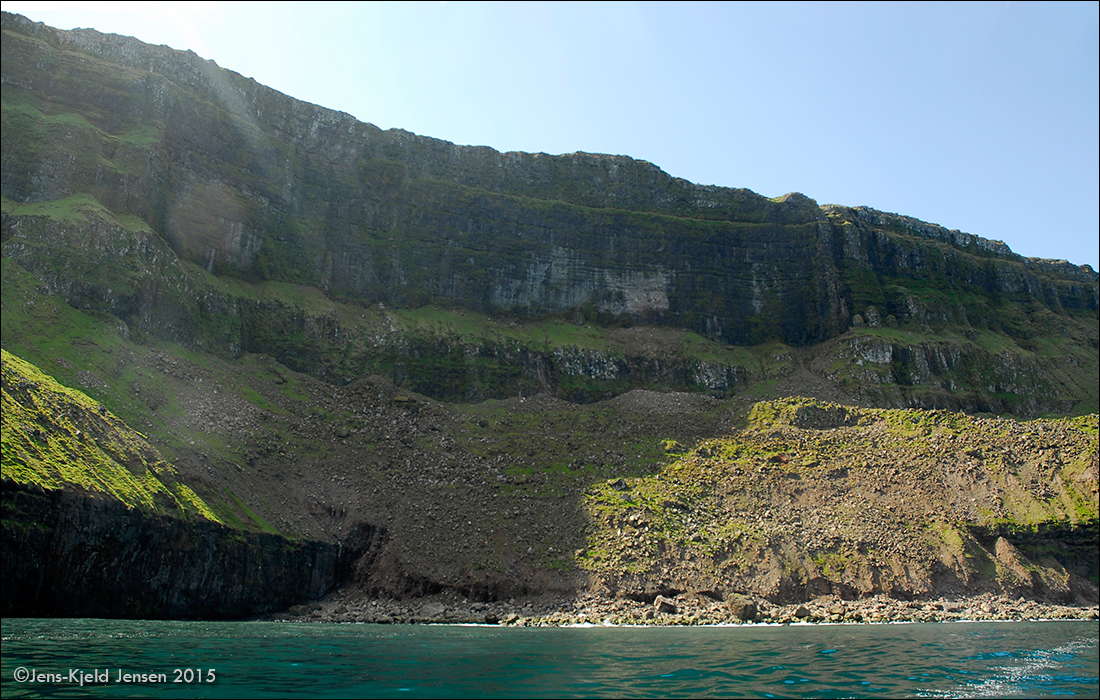
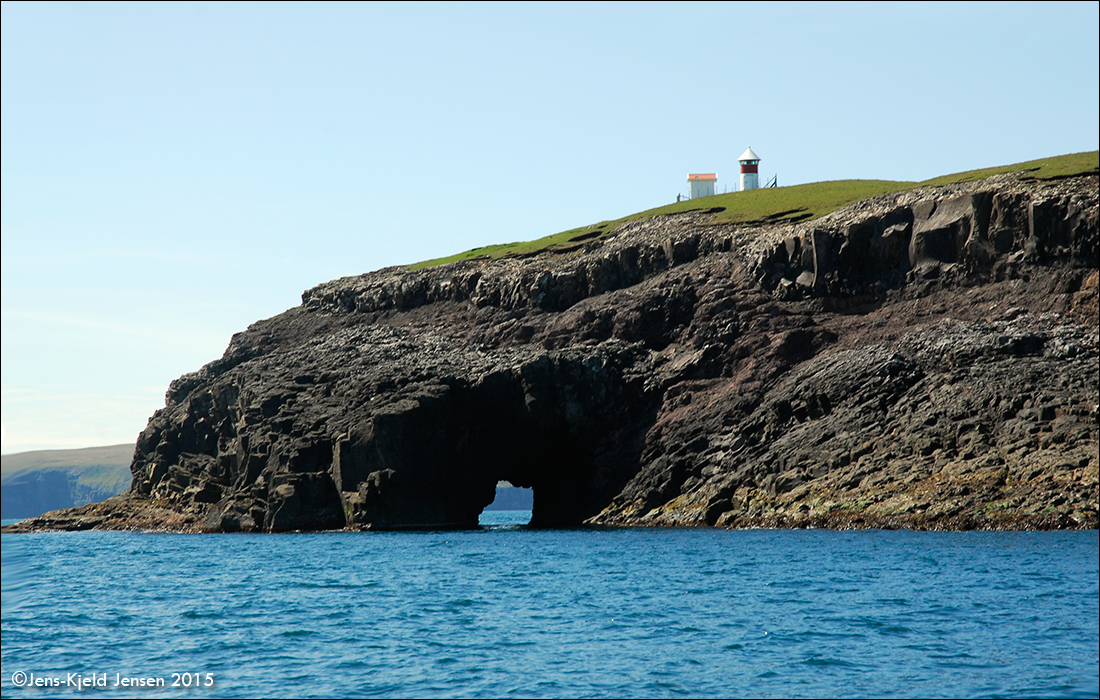
15.06.2015 I sailed a tour around Nólsoy with Hergeir and Marnar á Skúr. |
||||||||||||||||||
 |
||||||||||||||||||
| 5 FAROESE BIRDS ARE ON THE EUROPEAN RED LIST OF ENDANGERED BIRDS | ||||||||||||||||||
|
||||||||||||||||||
| Apart from puffin and fulmar, eider, oystercatcher and kittiwake has also ended on the list | ||||||||||||||||||
|
||||||||||||||||||
| A CLEVER CROW Corvus corone cornix | ||||||||||||||||||
 |
||||||||||||||||||
|
||||||||||||||||||
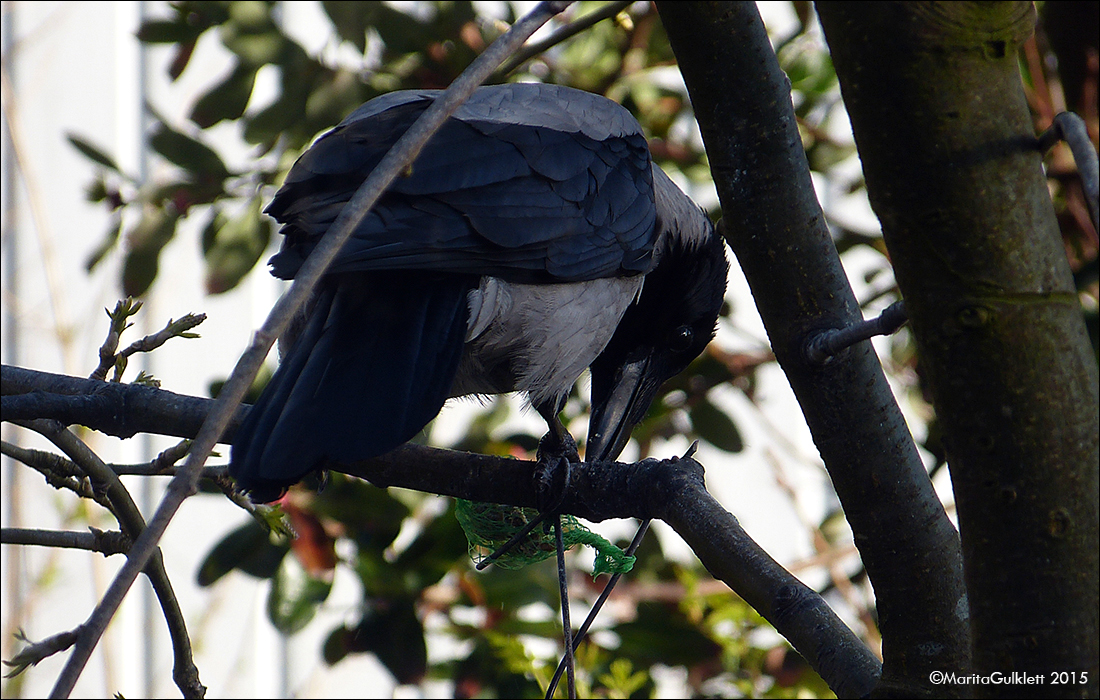
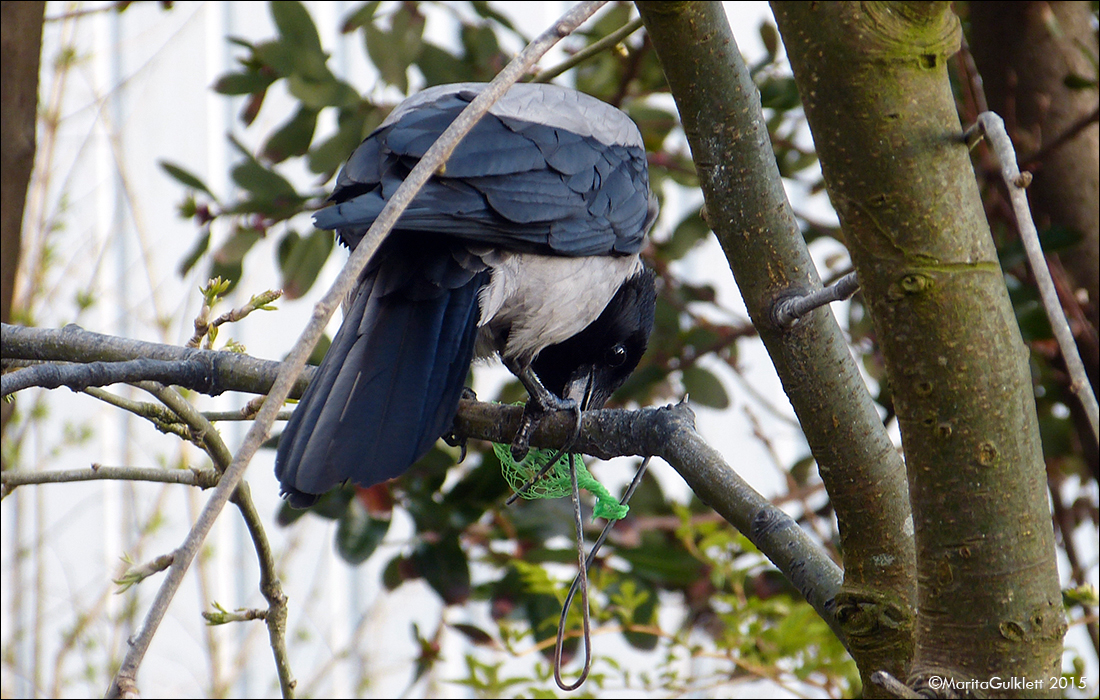
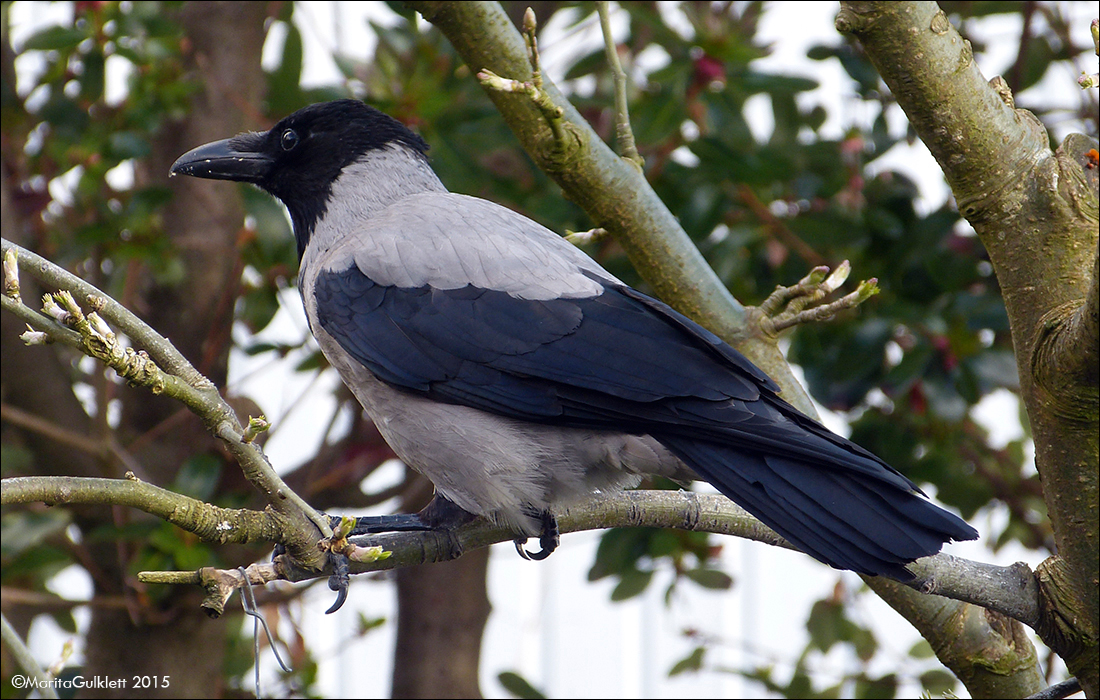
We all know that a crow is wise, but I did not expect, that it would be directly smart. This crow was sitting in our garden the other day and mingled with a fat ball for the garden birds. Suddenly I noticed, that the crow had turned the hook upwards, so that fat ball was at the top instead of hanging underneath. I took some photographs, and when I watched them later I could see, that the clever crow was winding the net as the fat ball got smaller. |
||||||||||||||||||
| DUCK Anas platyrhynchos domestica + EIDER Somateria mollissima faeroeensis | ||||||||||||||||||
|
||||||||||||||||||
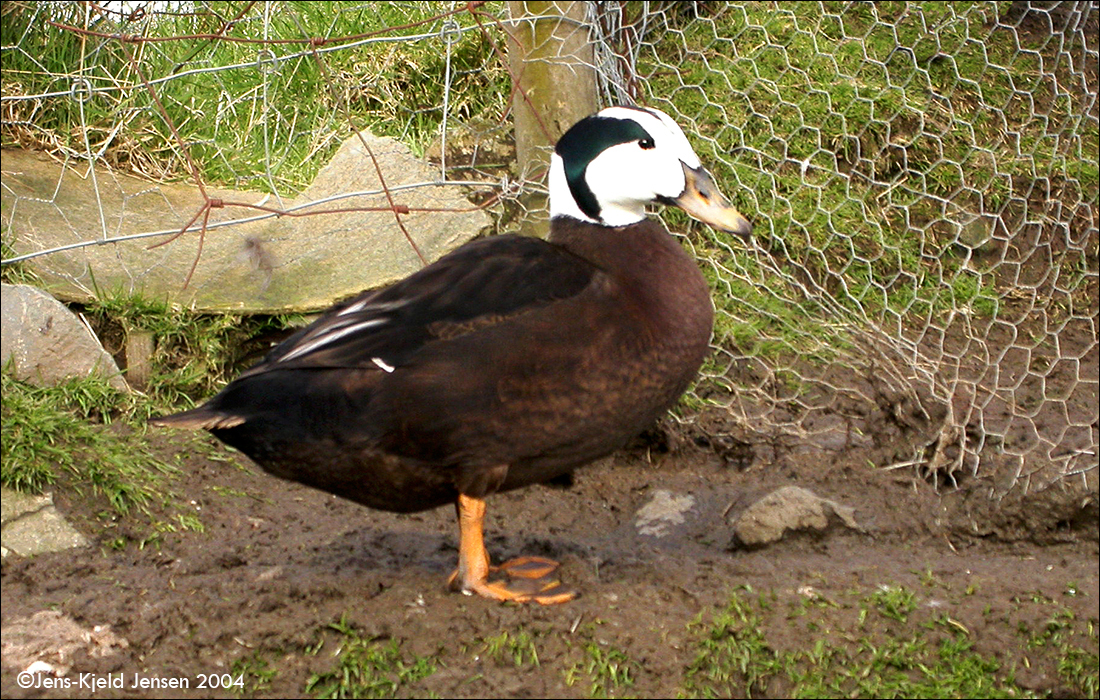
| This is the result of a love affair between an Eider and a domestic Duck in Kollafjørður, Streymoy 04.04.2004 | ||||||||||||||||||
| STARVING AND DEAD LITTLE AUKS Alle alle | ||||||||||||||||||
|
||||||||||||||||||
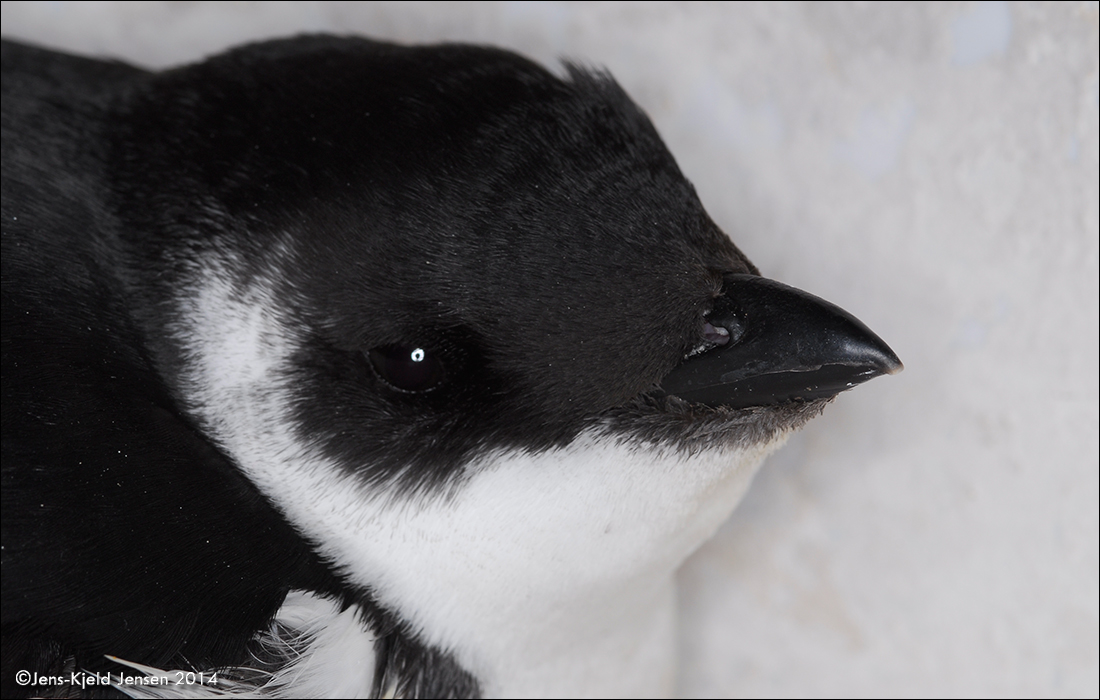
In December 2014 several dead Little Auks has been found. Most of them were young birds from last summer, and they have all died of hunger. |
||||||||||||||||||
|
||||||||||||||||||
| MACKEREL FILLED WITH SAND EELS | ||||||||||||||||||
|
||||||||||||||||||
|
||||||||||||||||||
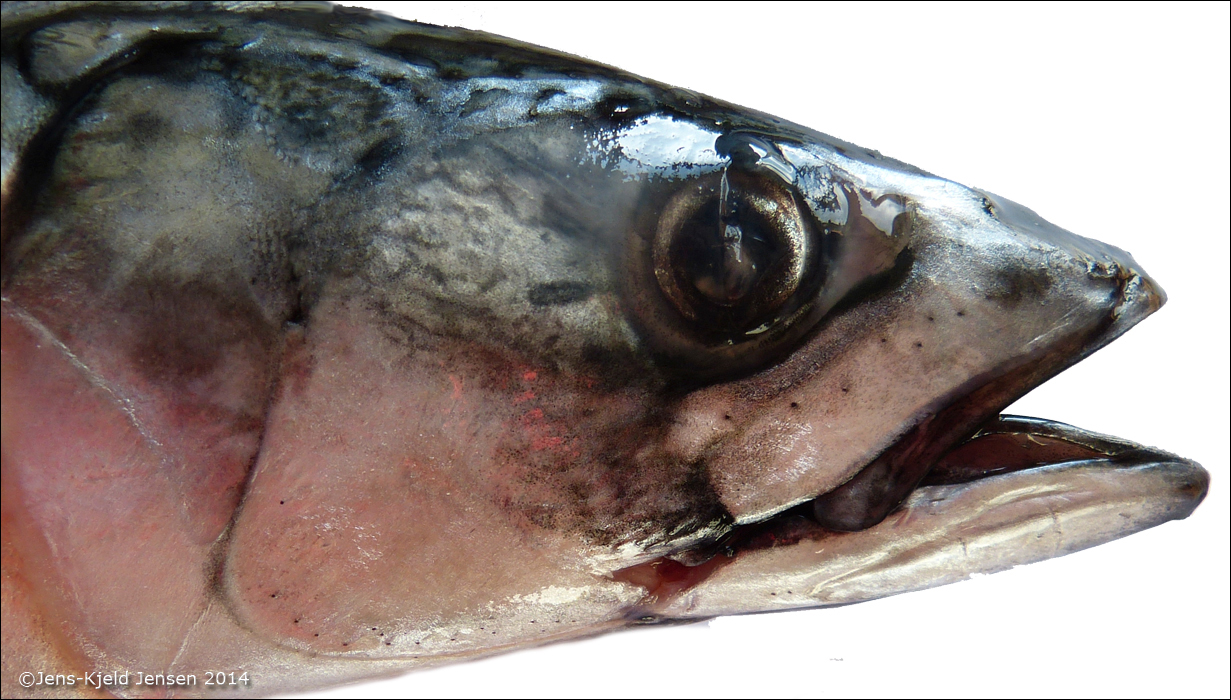
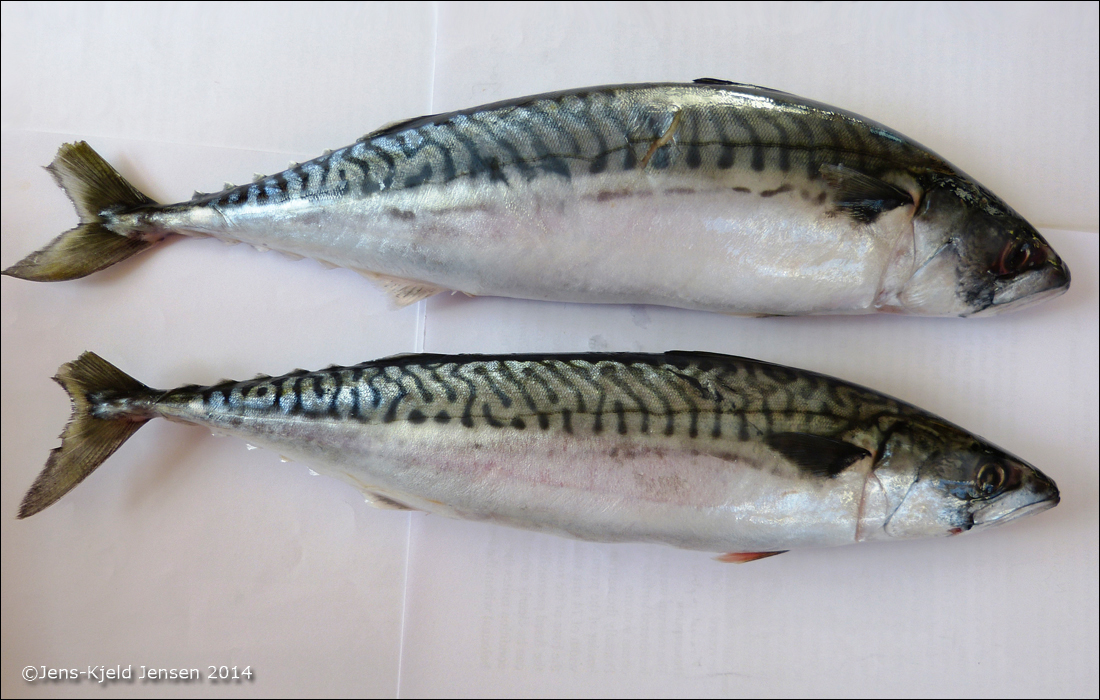
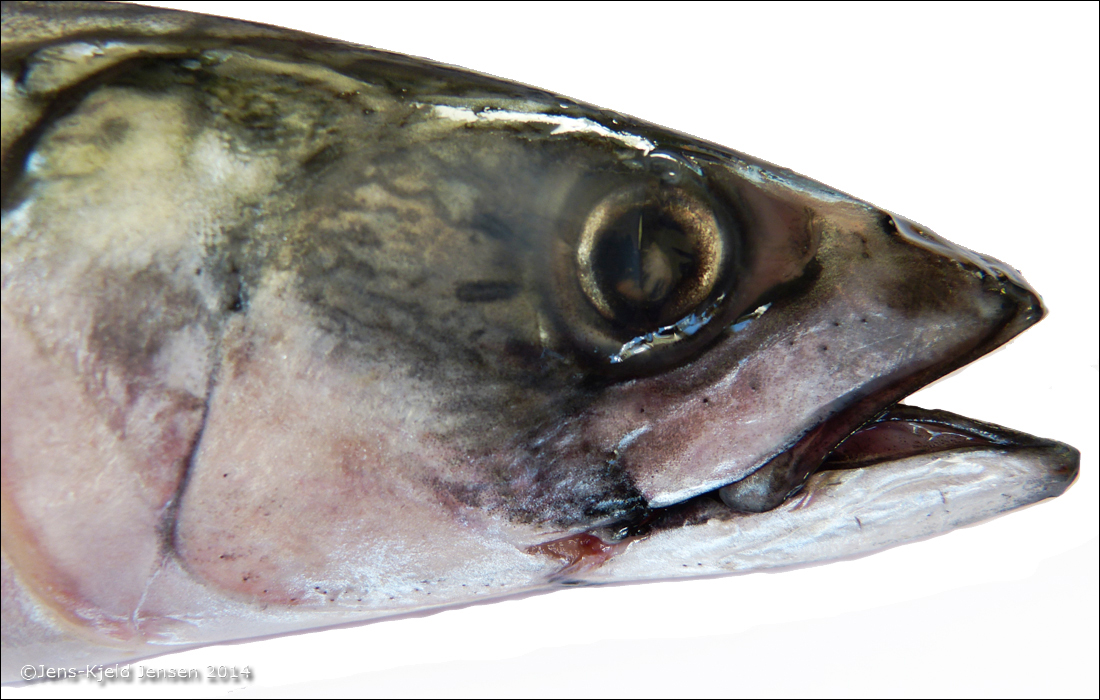
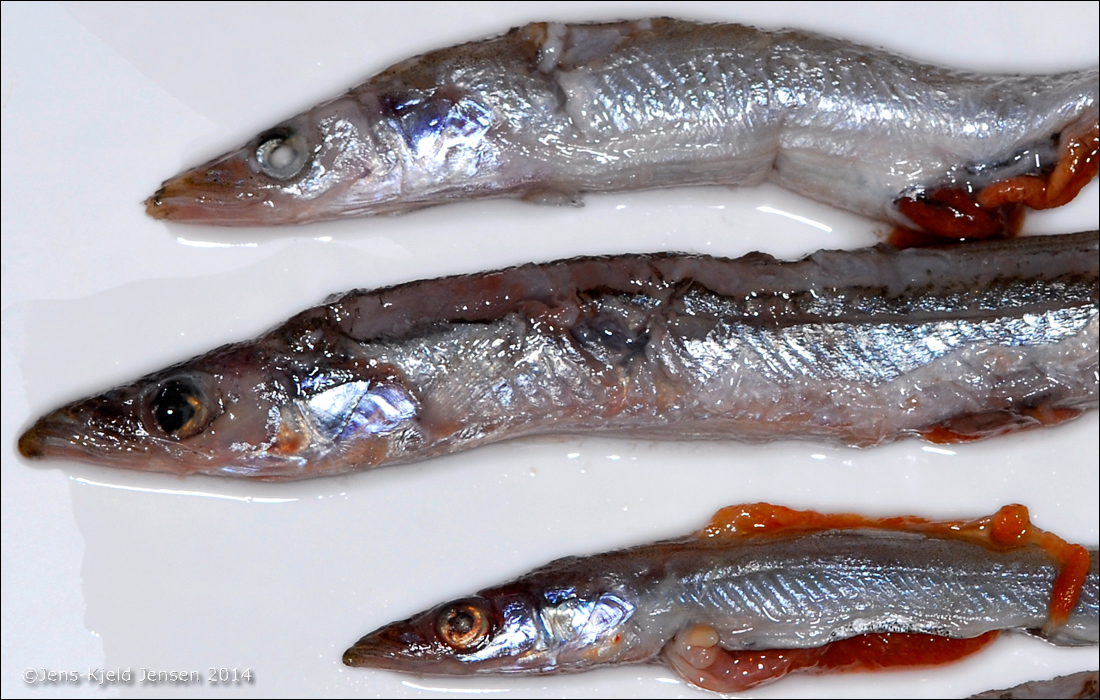
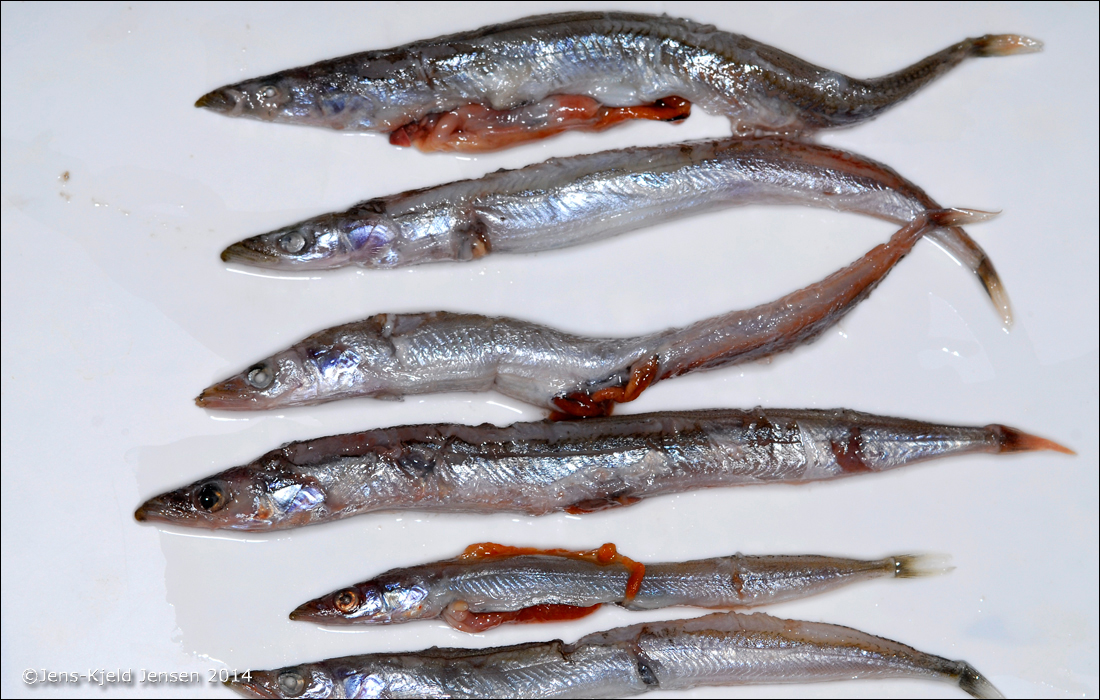
06. September 2014 Marnar Gaard was fishing with fishing line on Skálavíksgrynnuni, but he could barely get the fishing line down to the cods, because there were so many mackerel. The mackerels were full of sand eels, which can be seen in the pictures. It was the appropriate size for puffin chicks, but has come at least 2 month to late. |
||||||||||||||||||
| Few puffin chicks were seen in 2014, but as late as 30. September Esbern í Eyðansstovu observed two puffin chicks, which were on the way down to the sea. | ||||||||||||||||||
|
||||||||||||||||||
| EMPTY NESTS IN THE NORTH ATLANTIC | ||||||||||||||||||
 |
||||||||||||||||||
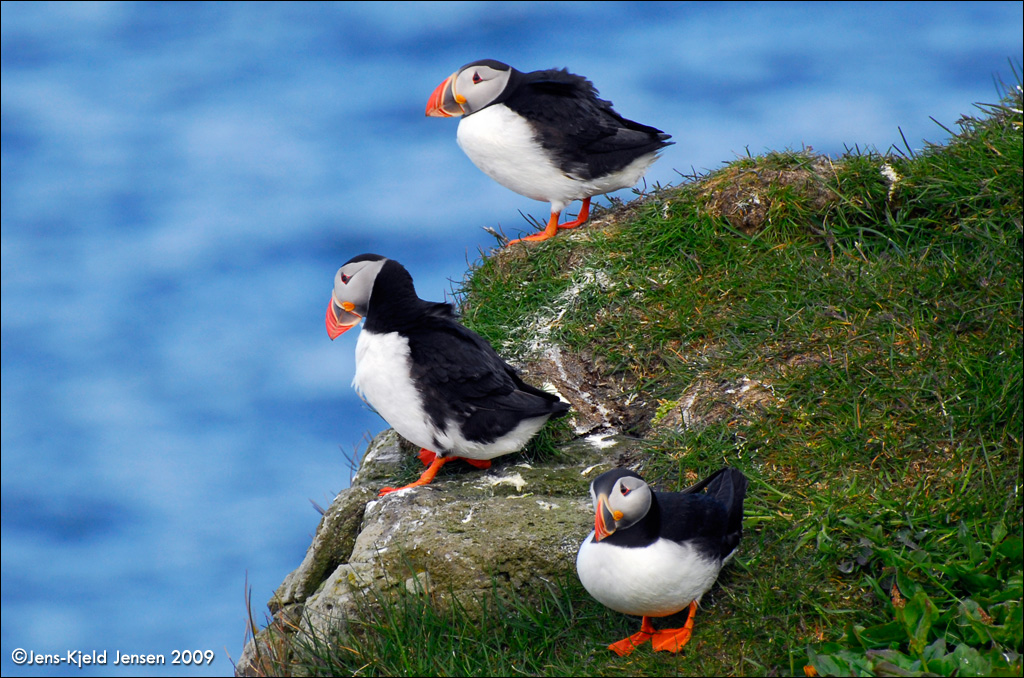
| "Similar trends are reported in Scotland, the Faroe Islands, Norway, and across the circumpolar north—the principal nursery for Northern Hemisphere marine birds. Most of the biome's species, the 2013 Arctic Biodiversity Assessment finds, are in decline"... | ||||||||||||||||||
| WHOOPER SWAN Cygnus cygnus | ||||||||||||||||||
 |
||||||||||||||||||
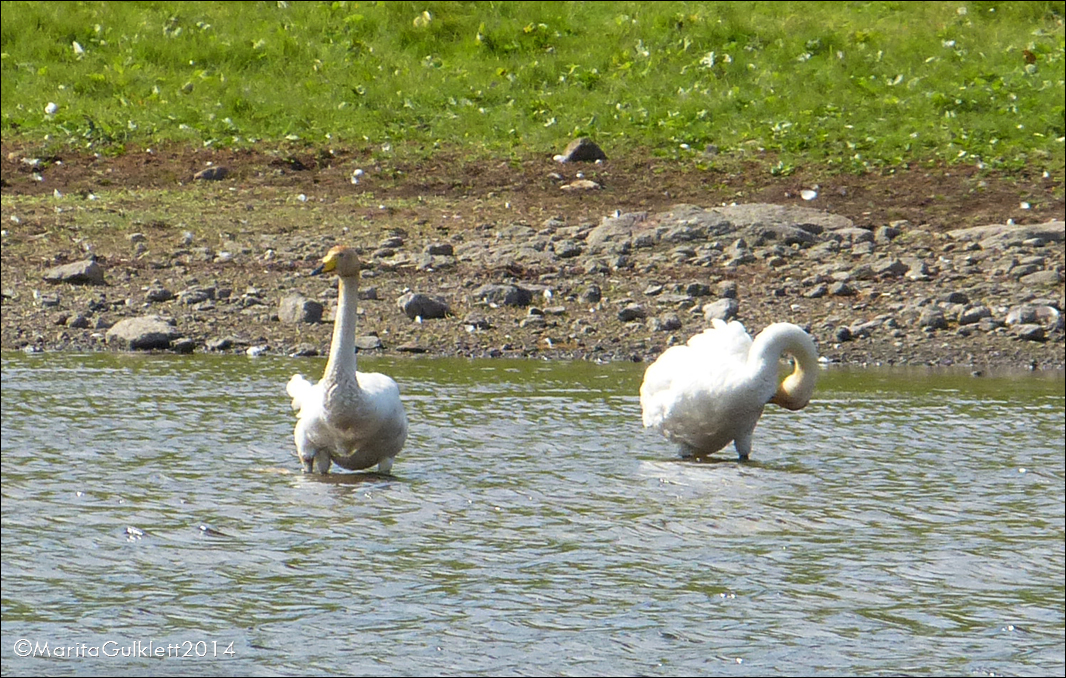
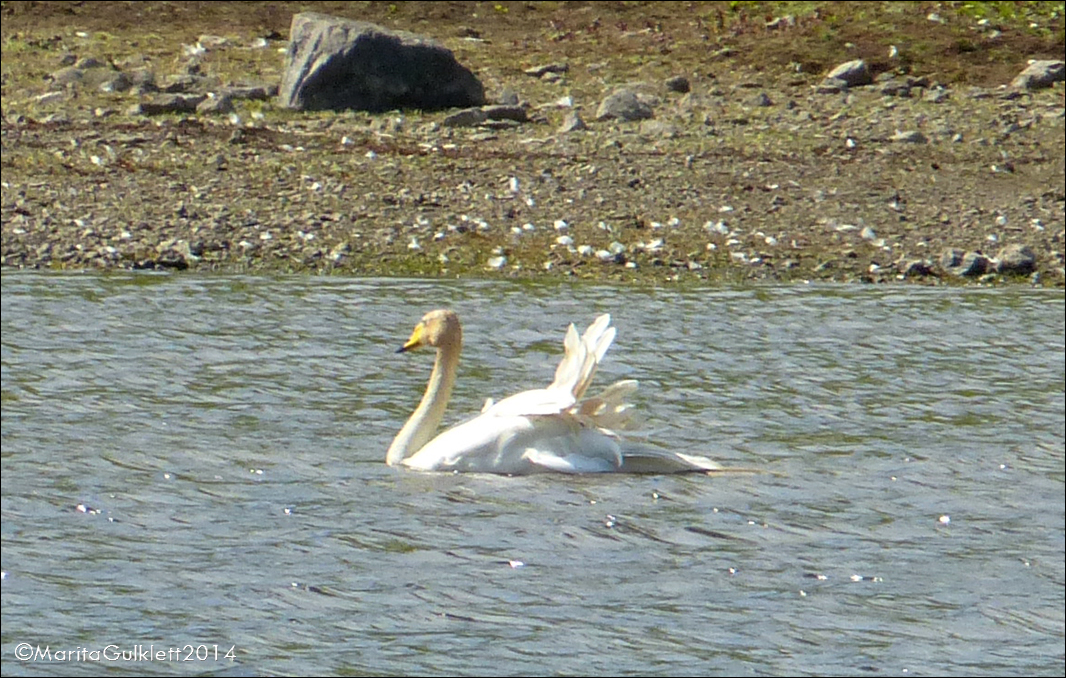
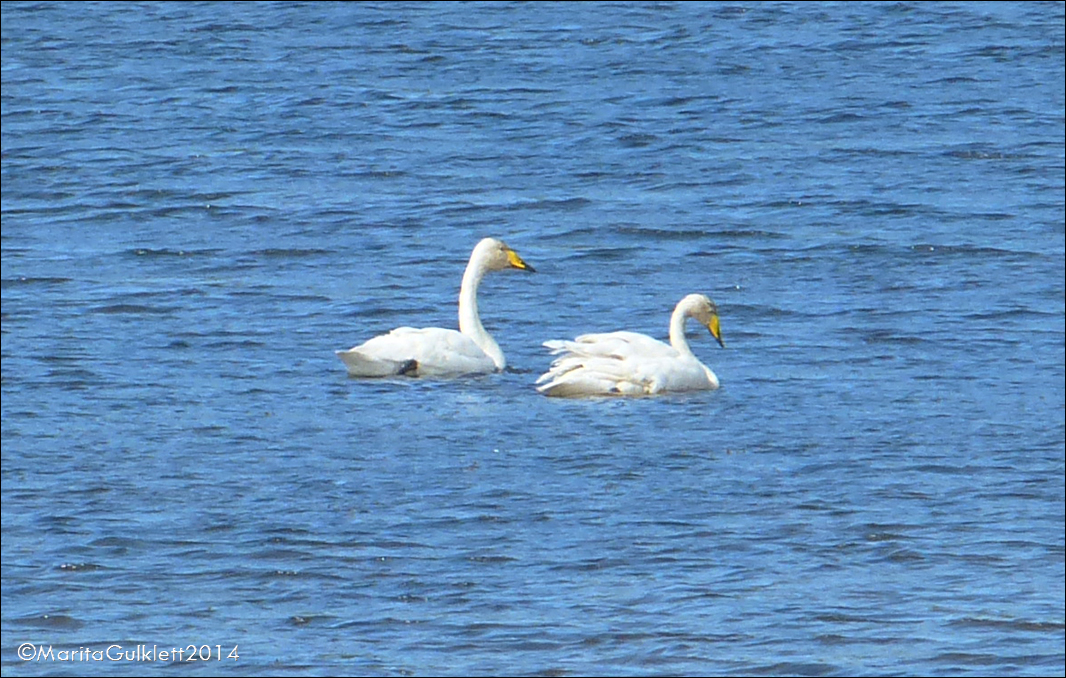
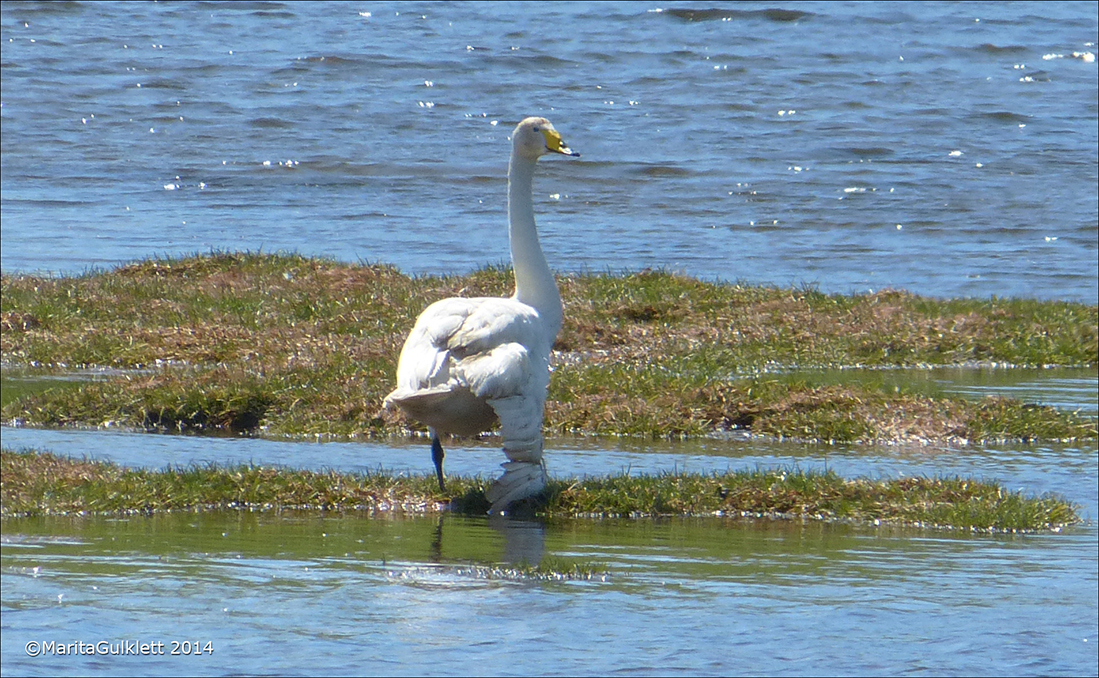
| The Swan couple on Gróthúsvatn on Sandoy had 5 young's. 02.07.2014 all of the young's dissapeared at the same time. Left was the male swan with an injured wing. | ||||||||||||||||||
| 08.07.2014 we went to Gróthúsvatn to check the situation and we immediately saw, that the male walked along with a broken wing. Most likely the Swan male has tried to defend the young's and has either been shot or beaten so hard, that the wing broke. Thereafter he has suffered from a broken wing for at least 1 week. We immediately contacted the police in Tórshavn, and they promised to kill the swan, since he will never be able to fly again | ||||||||||||||||||
| Very sad, because swans are monogamous and stay together for life ... | ||||||||||||||||||
Update: We did not believe our eyes when we 31.7.14 again visited Sandoy and again saw the swan with the broken wing. The police put a man in charge to deal with the matter three weeks earlier; but the task may have been too great? |
||||||||||||||||||
| The Faroese forester Tróndur Leivsson, was just as dismayed as we, but he promised to take care of the matter and he shot the swan 05. August. | ||||||||||||||||||
|
||||||||||||||||||
| MERLIN Falco columbarius subaesalon | ||||||||||||||||||
|
||||||||||||||||||
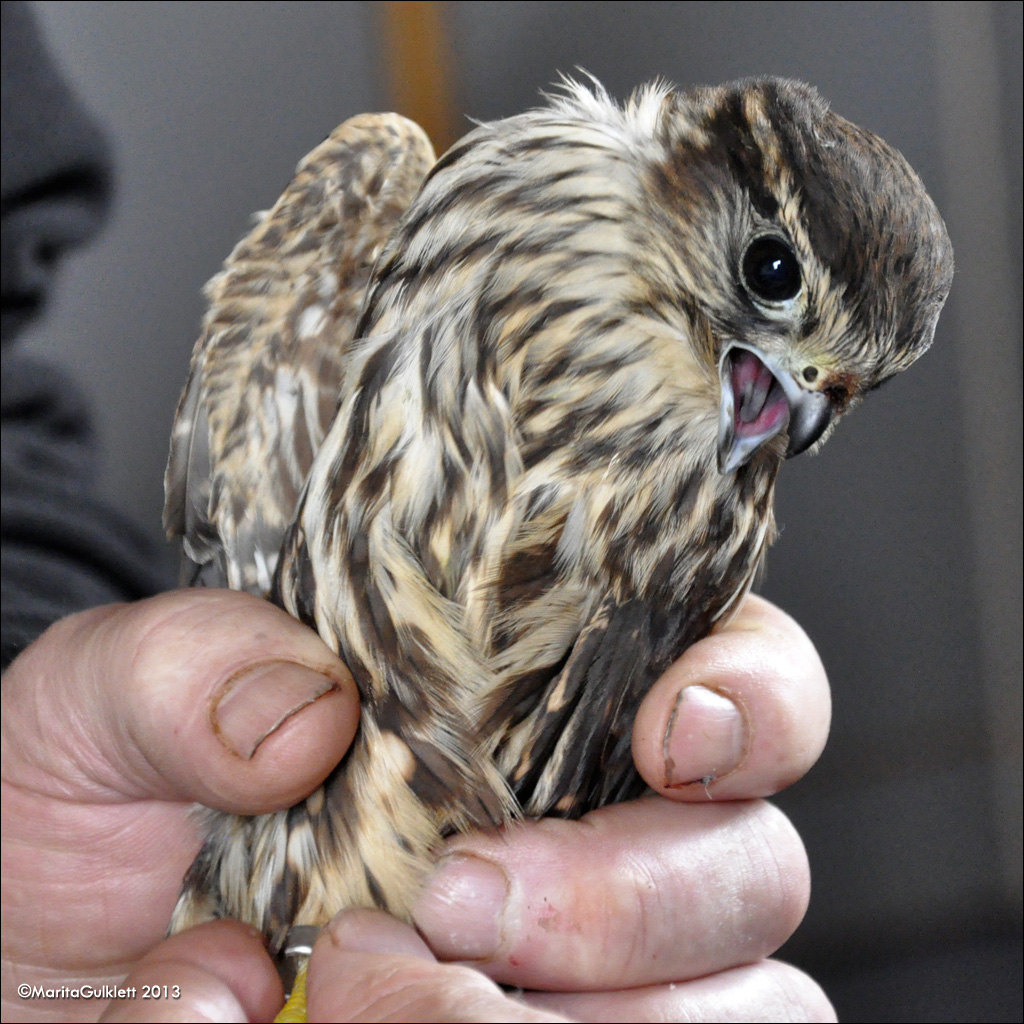
| This young Merlin male was caught 21. September 2013 on the boat Atlantsfarið. Jens-Kjeld ringed the bird whereafter it was released. | ||||||||||||||||||
| The Merlin was in fine condition, when it was brought to our house to be ringed. It had been in captivity for 3 days at that time. It is quite common, that young Merlins land on fishing boats during migration. Normally the Faroese crew then supply them with drinking water and sometimes they also feed them. Usually the birds rest for some hours, whereafter they leave the ship. In this case the crew believed it was more important to ring the bird first. | ||||||||||||||||||
| This Merlin was very calm, but he did not like to be handled - very understandable. I have seen a handful of alive Merlins before, but I have only seen 3 at so close range. It is a wild bird, protected in the Faroe Islands, and I am of course very aware of not using any flash when I take a photo as this. | ||||||||||||||||||
| RINGING SHAGS Phalacrocorax aristotelis | ||||||||||||||||||
 |
||||||||||||||||||
|
||||||||||||||||||
|
||||||||||||||||||
|
||||||||||||||||||
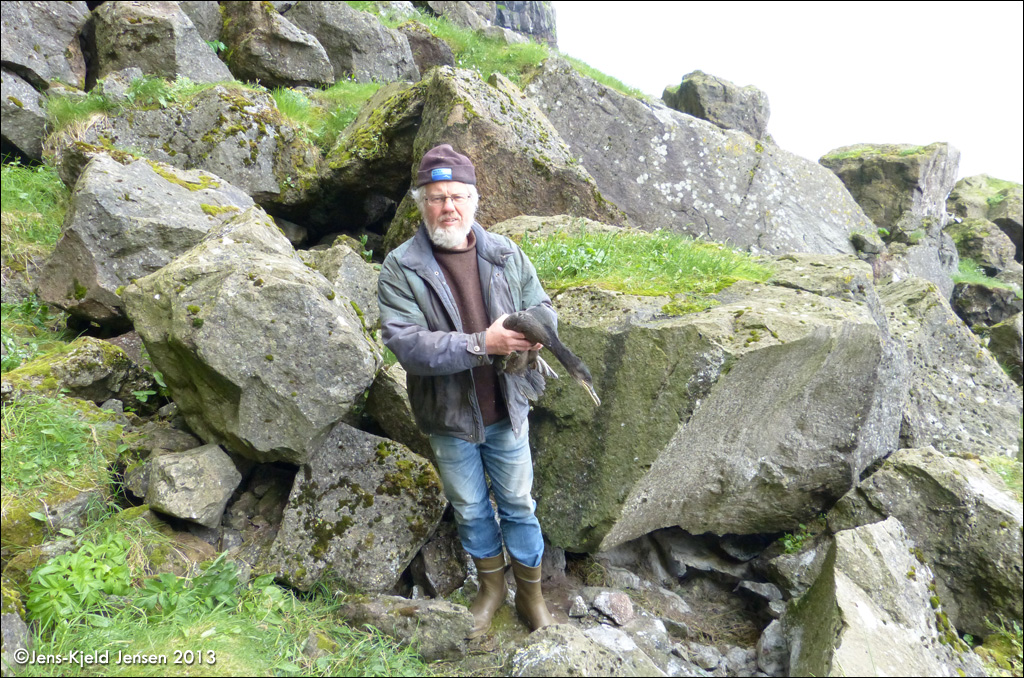
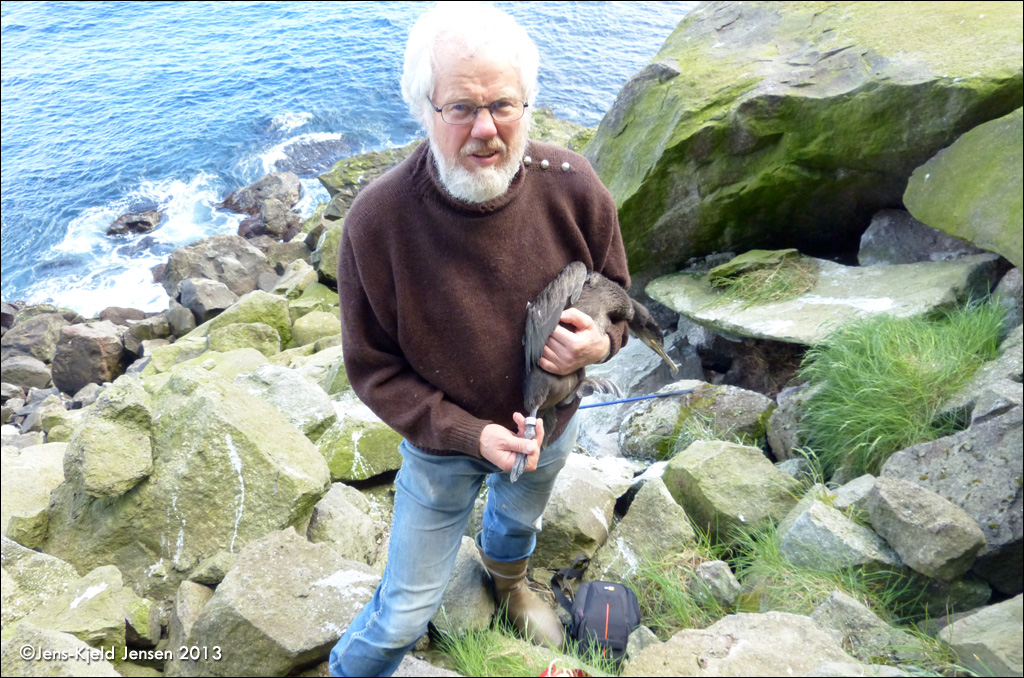
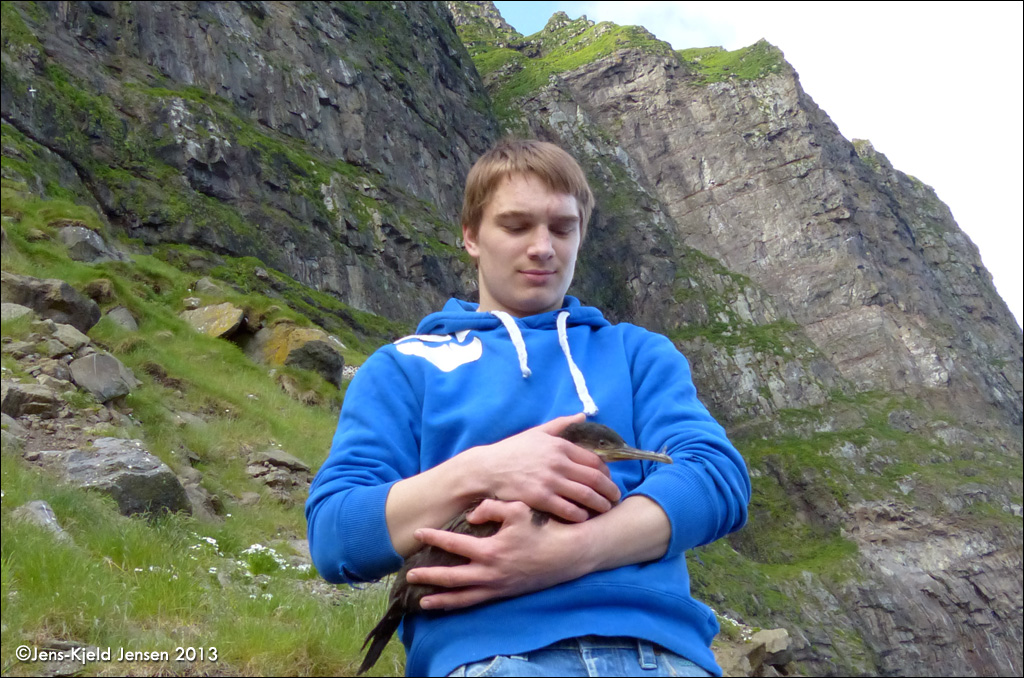
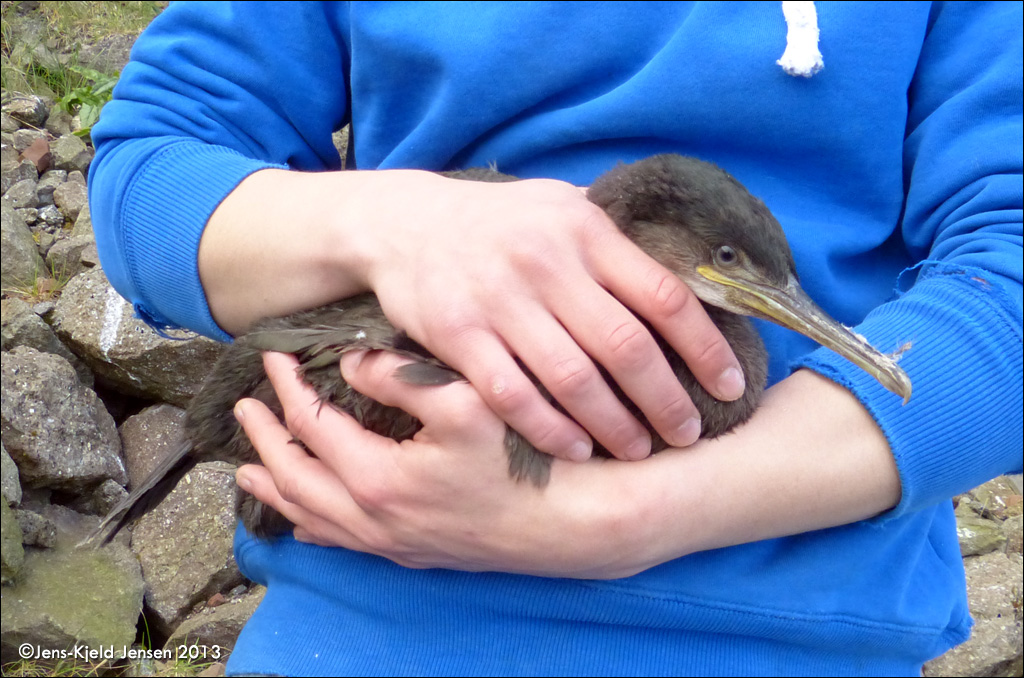
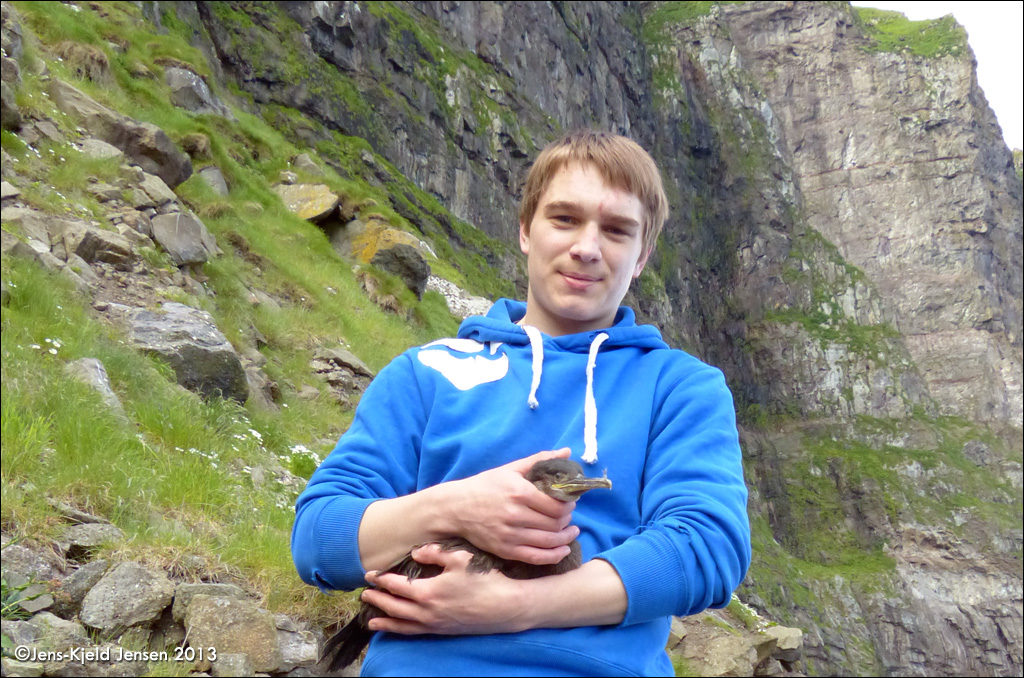
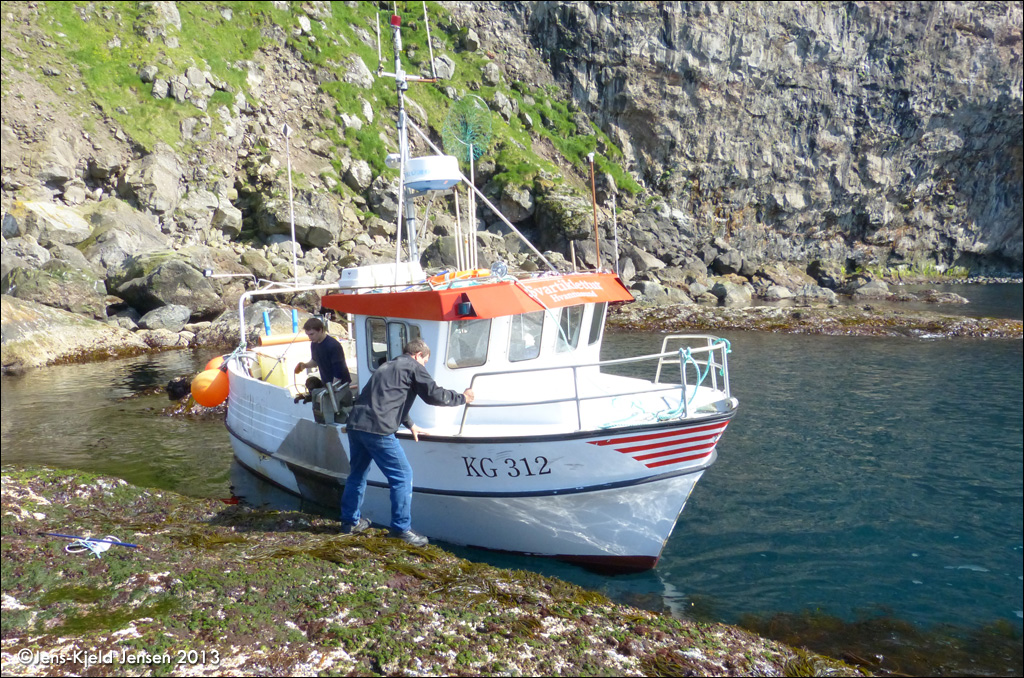
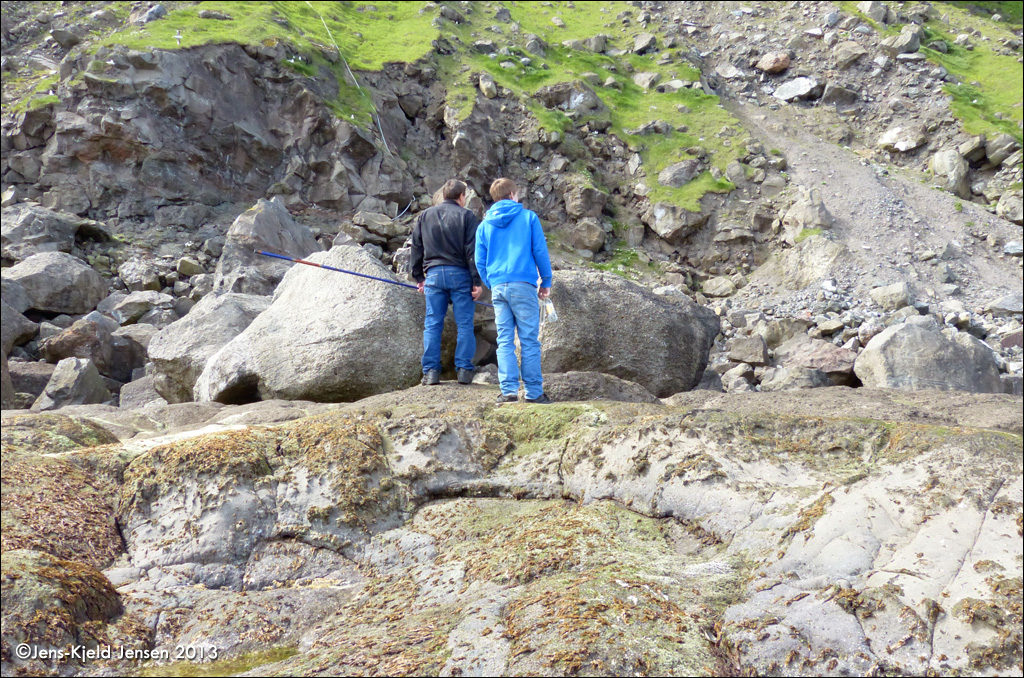
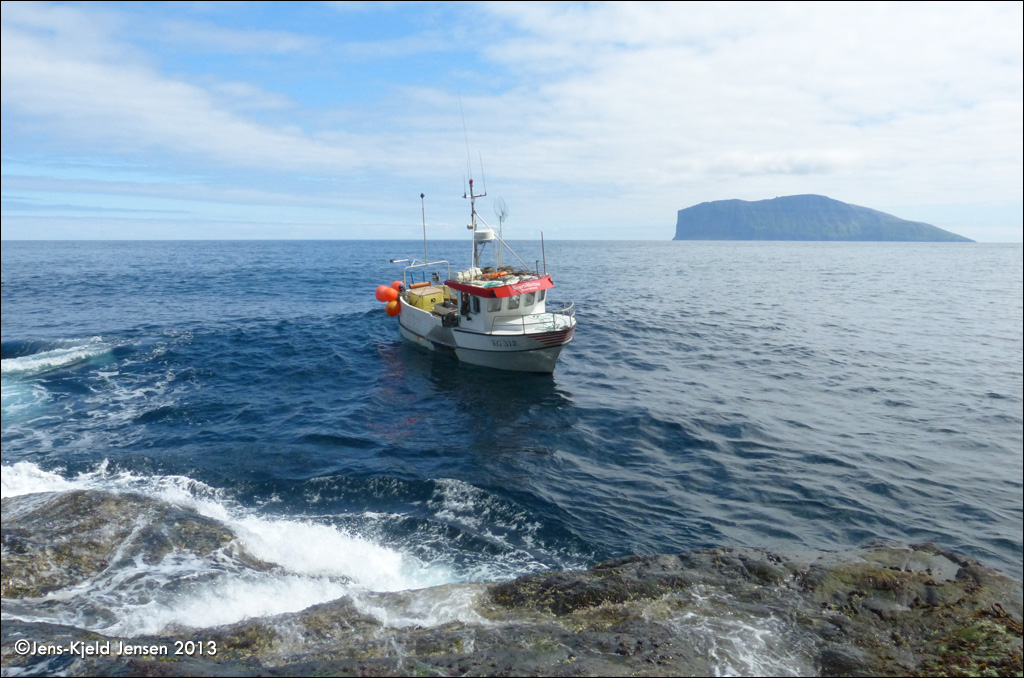
On 25. June 2013 Poul Johannes Simonsen, his son Johannes, Kenneth Justesen and Jens-Kjeld Jensen were in 3 different "urð" – which is a great accumulations of rocks, that has fallen off a steep hillside - to count and ring young shags. There were few fledglings to see and only 4 young and 1 adult was ringed. As usual we also found four nests with eggs. The result looks better than last year, when almost none youngs were fledged. |
||||||||||||||||||
| ARCTIC SKUA Stercorarius parasiticus WITH YOUNG | ||||||||||||||||||
 |
||||||||||||||||||
|
||||||||||||||||||
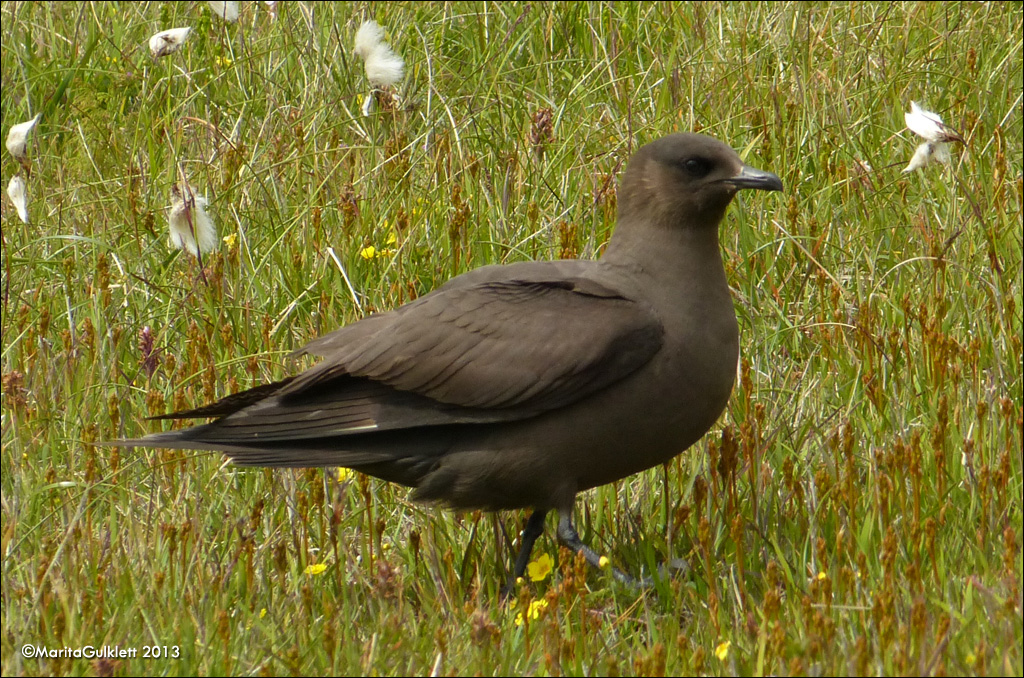
| 07.10.2013 we were up north in search of Pseudorchis albida (L.) Á & D. Löve. Then we came across this arctic skua, who did everything to lure us away from the young. | ||||||||||||||||||
| ONLY THE STRONGEST SURVIVES | ||||||||||||||||||
|
||||||||||||||||||
| The other day we saw this oystercatcher male who protected his death partner. The female had been dead for 1-2 days and had brood patches, so the nest must have been nearby. Great skuas or skuas had bitten the female - either while it was on the nest or after it was dead. | ||||||||||||||||||
| THE PUFFIN IS PROTECTED ON NÓLSOY IN 2013 | ||||||||||||||||||
|
||||||||||||||||||
| On a meeting named "grannastevna", which is general meeting for all landowners, held in Nólsoy 05. April 2013, a majority agreed to protect the puffin from hunting in 2013 - or in 1 year from now. | ||||||||||||||||||
| UNUSUAL MANY DEAD BIRDS FOUND ON SUÐUROY | ||||||||||||||||||
| On 24. July 2012 people found around 40 dead Lesser Black-backed gulls in an area of app. 70 metres on Tvøroyri on Suðuroy. The day eftir - 25. July, we found 1 dead Lesser Black-backed gull and 1 accurate dead young Herring gull on the beach in Trongisvágur. The case is investigated at the moment, but the 2 birds, we found, did not die from hunger. | ||||||||||||||||||
|
||||||||||||||||||
| COUNTING THE STORMPETRELS IN THE COLONY ON NÓLSOY | ||||||||||||||||||
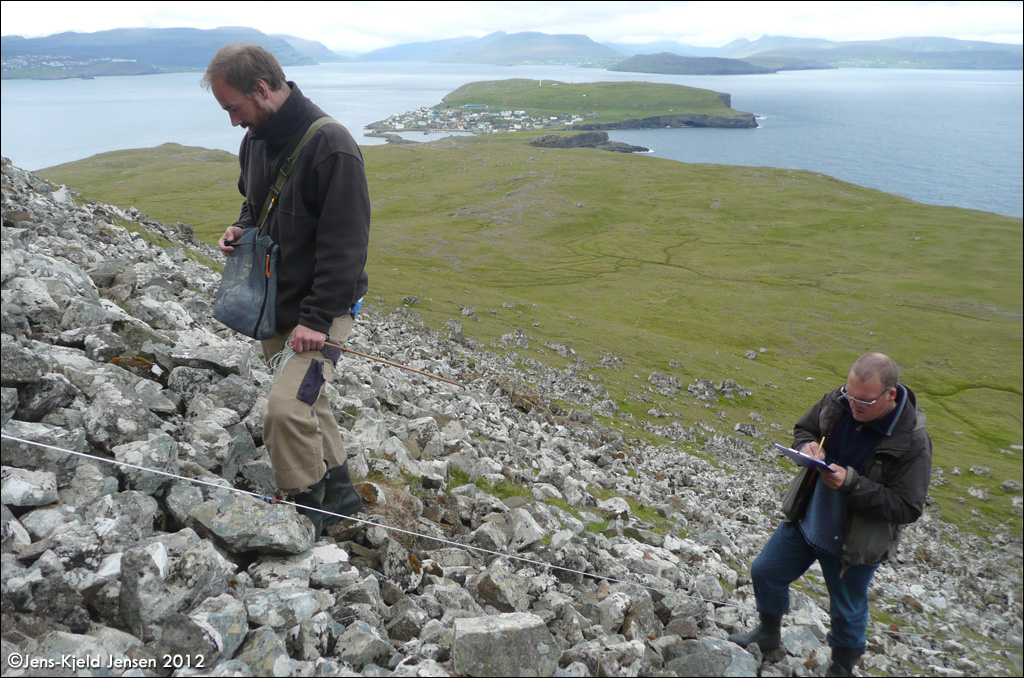
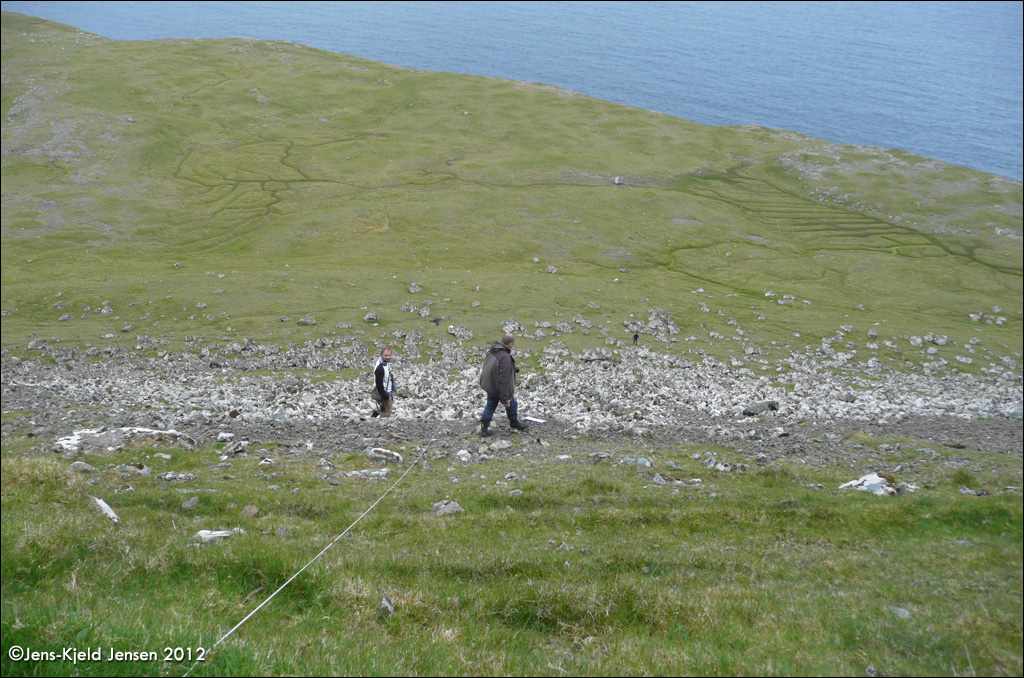
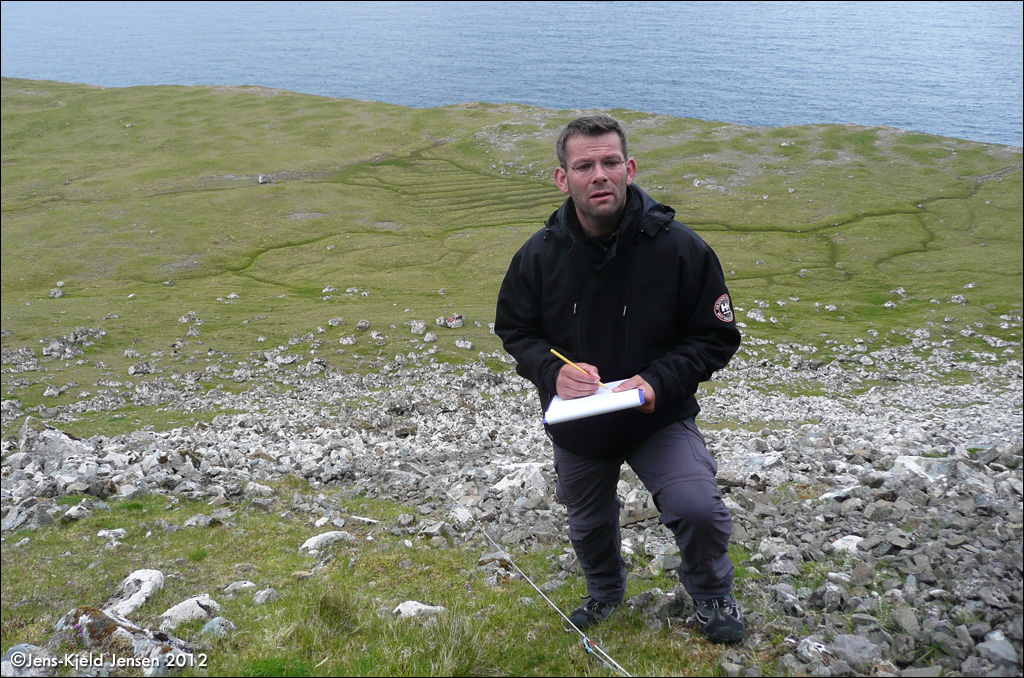
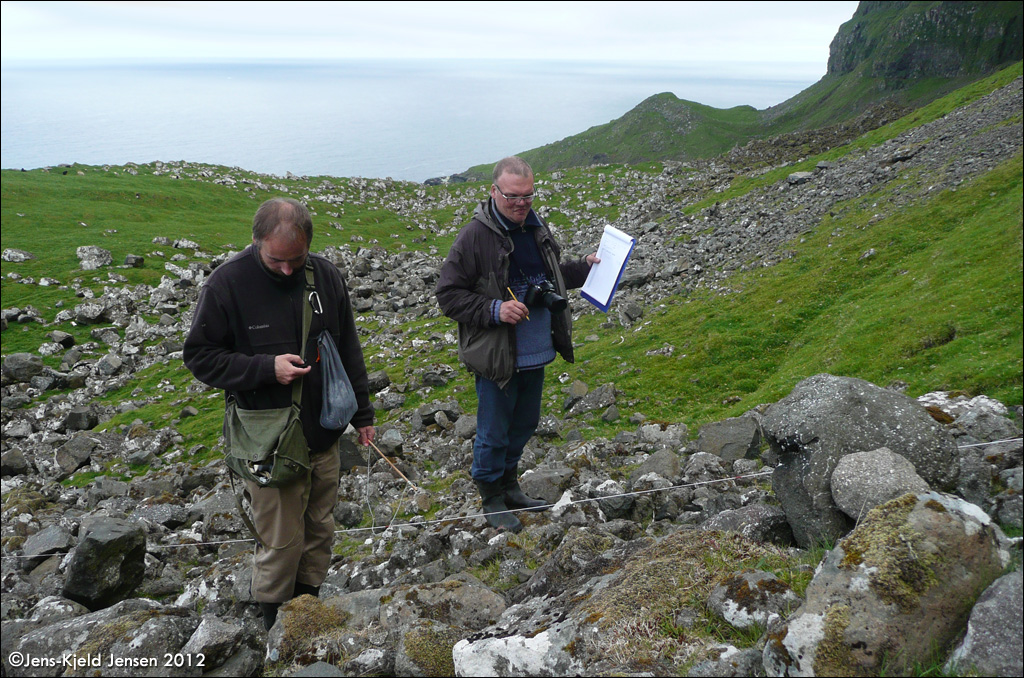
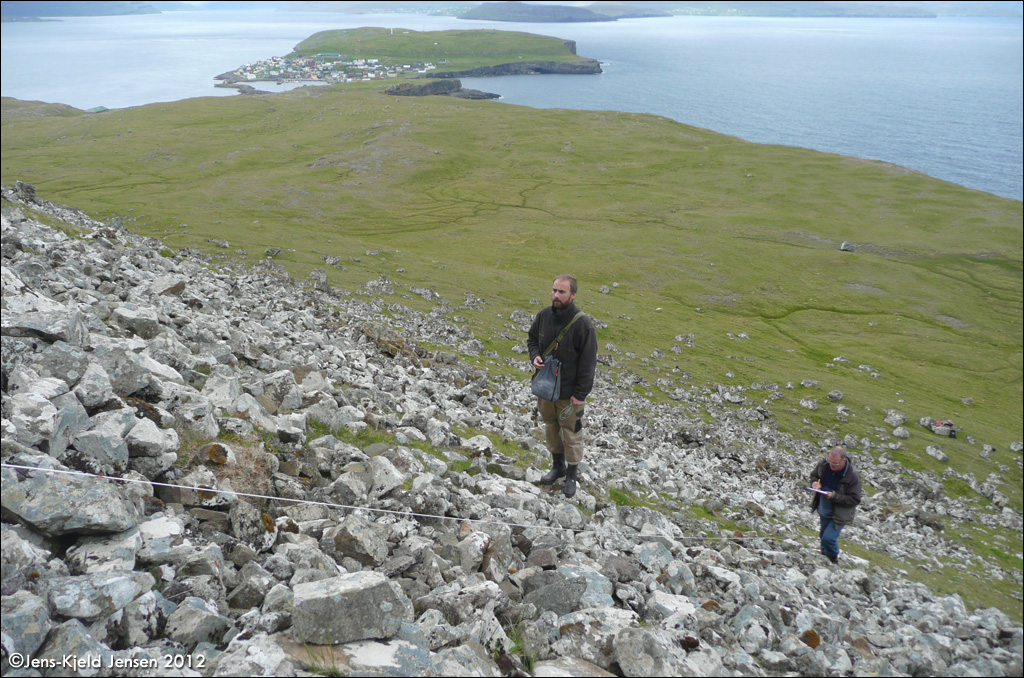
| Jens-Kjeld Jensen and people from the Faroese Zoological museums have started to count the number of Storm petrels in the colony on Nólsoy. These pictures are from the 19th July 2012. | ||||||||||||||||||
 |
||||||||||||||||||
    |
||||||||||||||||||
| RINGED CROW CHICKS | ||||||||||||||||||
|
||||||||||||||||||
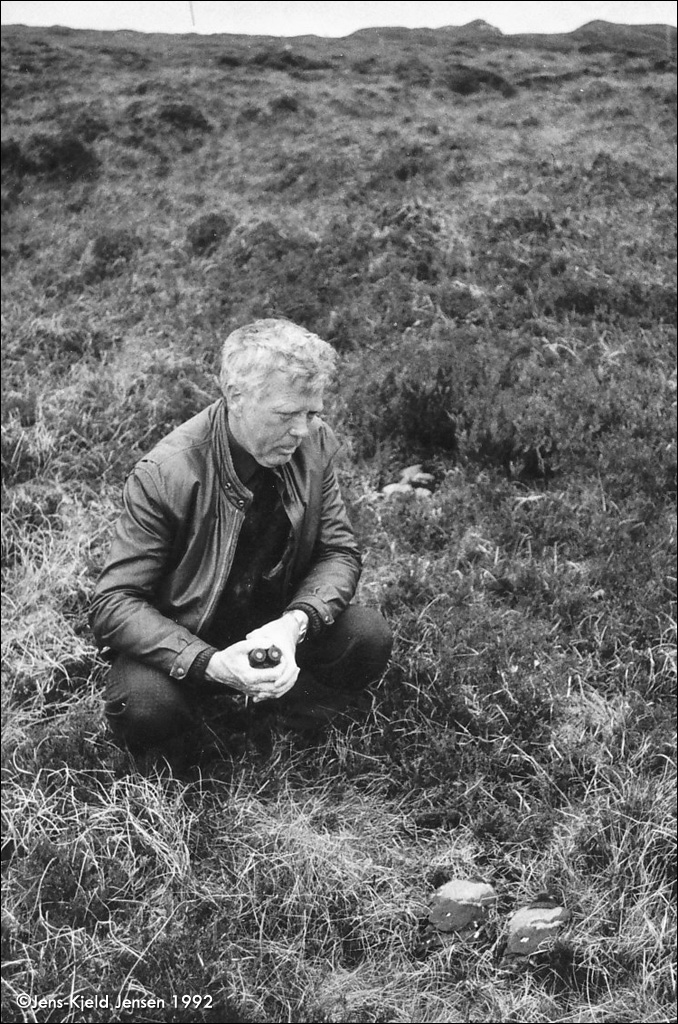
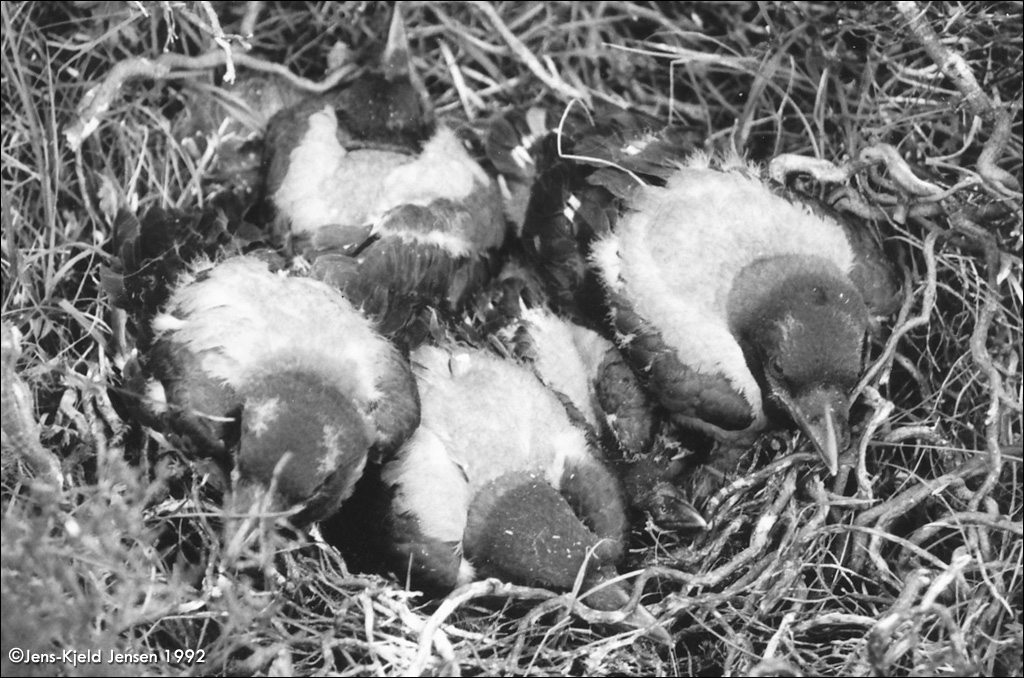
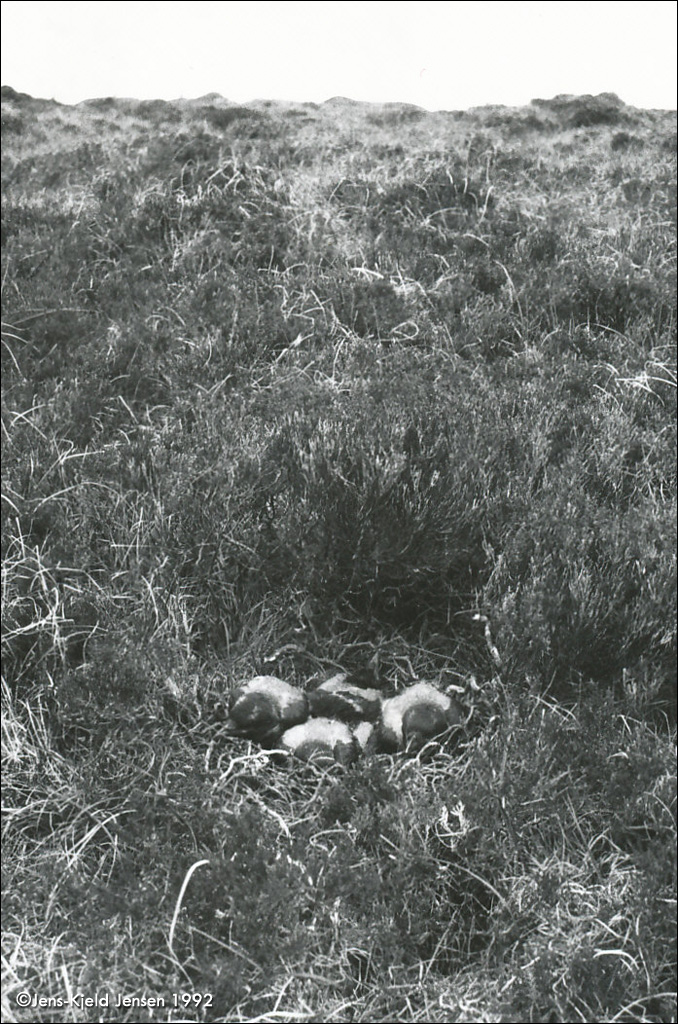
| 02. June 1992 Jens-Kjeld Jensen and Erik Mortensen went for a walk around Toftavatn. There they found a crow's nest with 4 chicks which they ringed. Late April this year one of those ringed crows was found dead in Rituvík - 19 years and 11 months after it was ringed. It was found 3 miles from the place where it was ringed as a chick nearly 20 years ago. | ||||||||||||||||||
| WE DID NOT MANAGE TO GET THE PUFFIN PROTECTED IN 2012 - A REAL DISASTER! | ||||||||||||||||||
|
||||||||||||||||||
| Nor in 2012 did we manage to get puffins protected. The politicians only think about mackerel. To make the situation even worse it is reported, that permission might be given to catch mackerel with gill nets along the coast. In Iceland approximately 120.000 birds die in the gill nets annually, but perhaps our politicians are thinking in a long term? In case the authorization is given, there are good opportunities to get both Puffins and Red-throated diver served at the Faroese dinner tables this summer. | ||||||||||||||||||
A SAD WAY TO DIE |
||||||||||||||||||
|
||||||||||||||||||
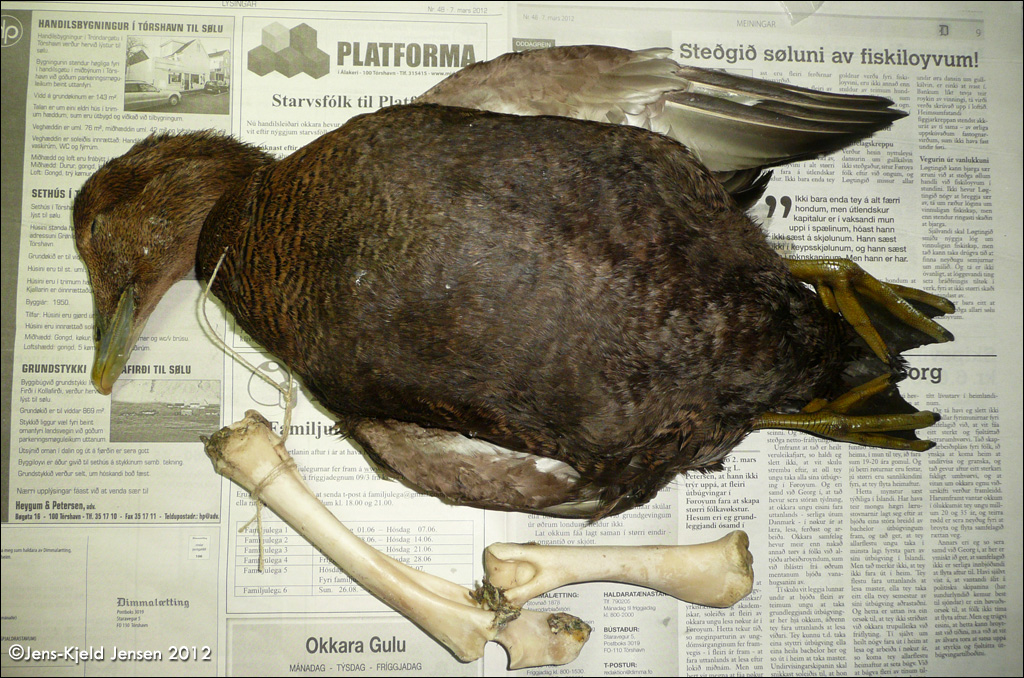
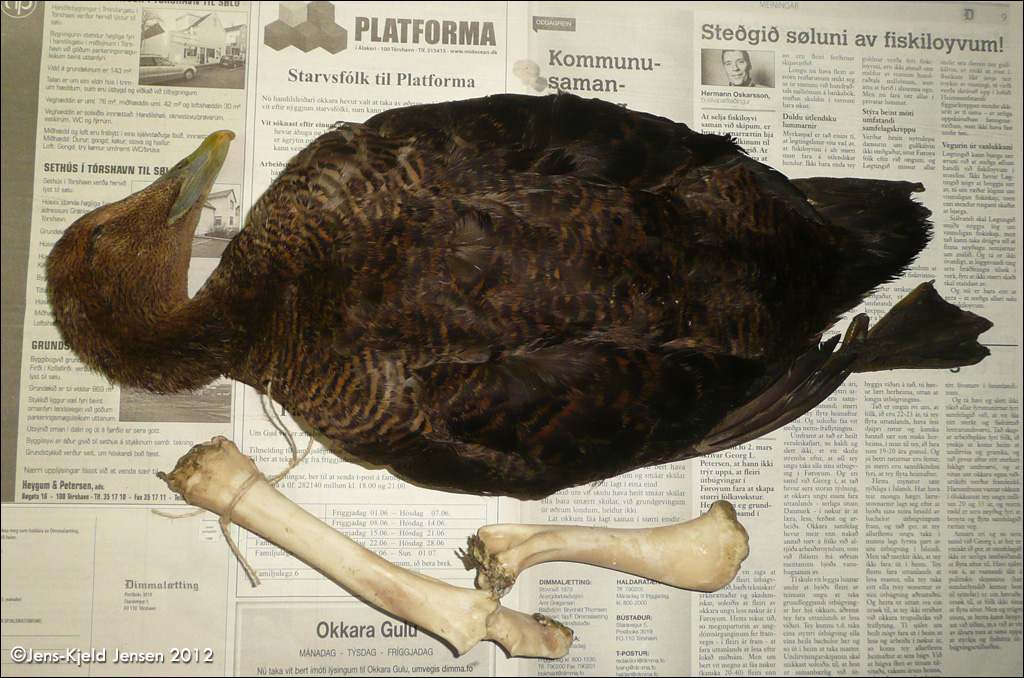
| Sheep legs are usually hung up to dry in a string. After that this was eaten, people have thrown it out without thinking of taking the rope off. This eider had the misfortune of getting the loop around the neck and the 2 bones were too heavy a burden for it. | ||||||||||||||||||
| NEWS FROM ICELAND | ||||||||||||||||||
Unbelievable, but while Iceland is experiencing its worst economic crisis ever, the politicans nevertheless recognized the need to undertake some research to illustrate the situation with the Icelandic seabirds. They also found the money for it. The study resulted in that a protection proposal is presented in Altingið, which is the Icelandic parliament. |
||||||||||||||||||
| Proposals for the protection of the seabirds |
||||||||||||||||||
| Law proposal to protect the Icelandic seabirds |
||||||||||||||||||
The Faroese politicians could certainly learn something from their Icelandic colleagues! |
||||||||||||||||||
|
||||||||||||||||||
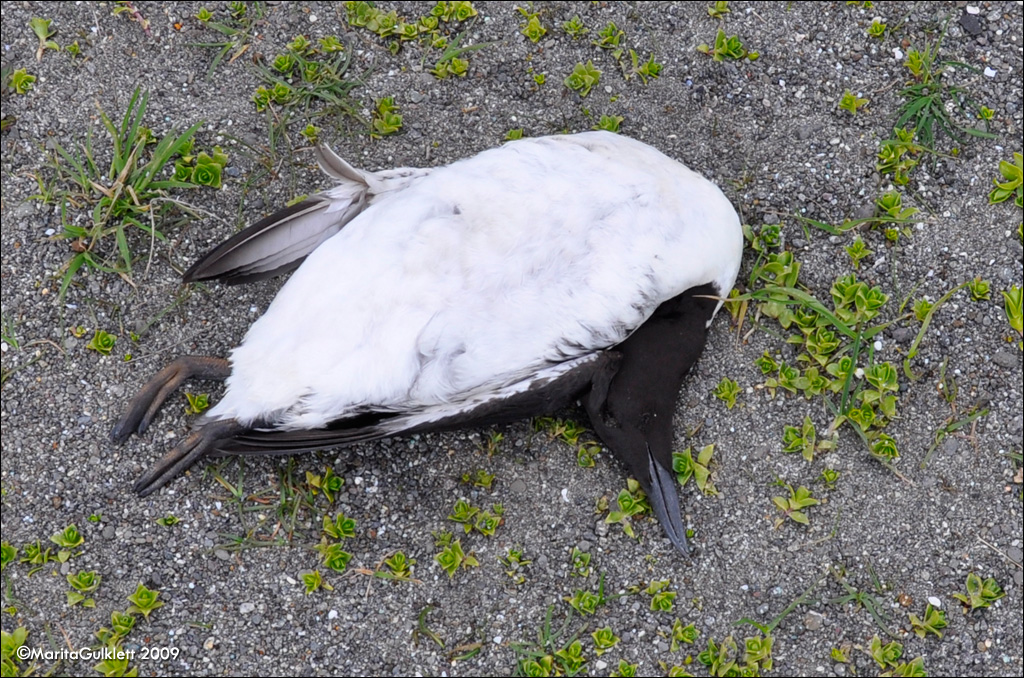
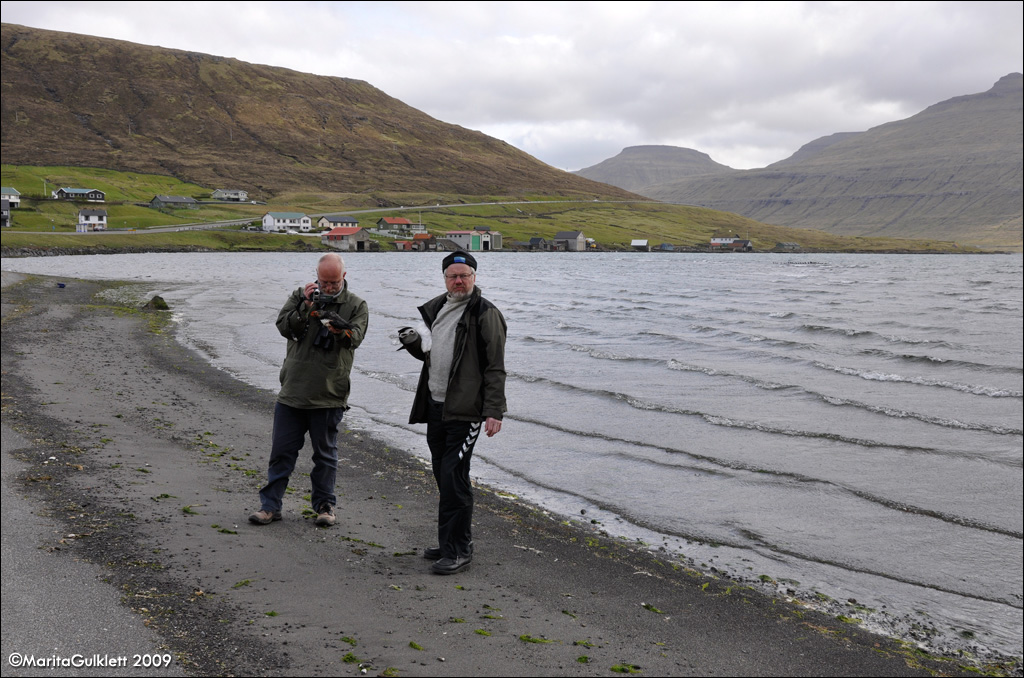
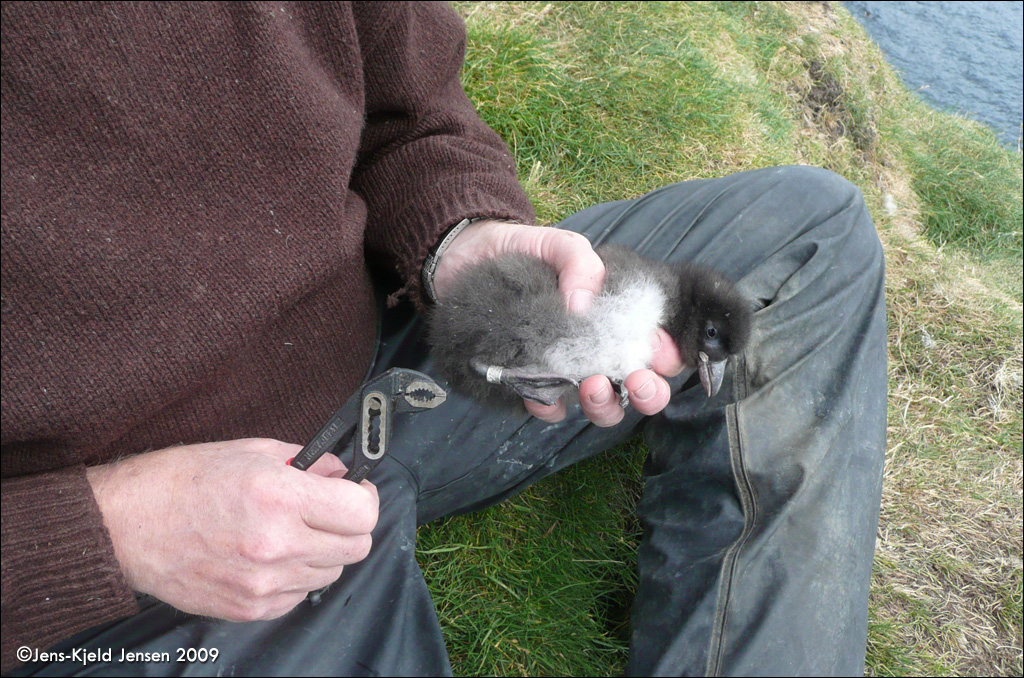
| Jan Andries van Franeker & Jens-Kjeld Jensen collecting dead seabirds on the beach in Streymnes, Faroe Islands May 2009 | ||||||||||||||||||
NEW INFORMATION ON THE ICELANDIC PUFFIN, THAT MOST LIKELY IS DOING BETTER THAN THE FAROESE ONE! |
||||||||||||||||||
 |
||||||||||||||||||
Studies from Vestmannaeyjar, Iceland shows that 15% of all Icelandic ringed puffins are reported back. The study also shows that as many as 30% of these ringed birds are old breeding birds and that almost everyone has been caught in a ketcher and then killed by the bird catcher (Erpur Snær Hansen pers communication). |
||||||||||||||||||
References: |
||||||||||||||||||
Erpur Snær Hansen Ph.D. Sviðstjóri Vistfræðirannsókna / Director of Ecological Research. South Iceland Nature Centre. Strandvegur 50, IS-900 Vestmannaeyjar, Iceland |
||||||||||||||||||
Hálfdán H. Helgason: 2012. Survival of Atlantic Puffins (Fratercula arctica) in Vestmannaeyjar, Iceland during different life stages. M.S. thesis, Líf og umhverfisvísindadeild, Verkfræði- og náttúruvísindasvið, Háskóli Íslands, Reykjavík, Ísland |
||||||||||||||||||
Reed more about the suggested protection of the Icelandic puffin |
||||||||||||||||||
DEAD SEABIRDS AND STRANGE BEHAVIOUR OF AUKS |
||||||||||||||||||
 |
||||||||||||||||||
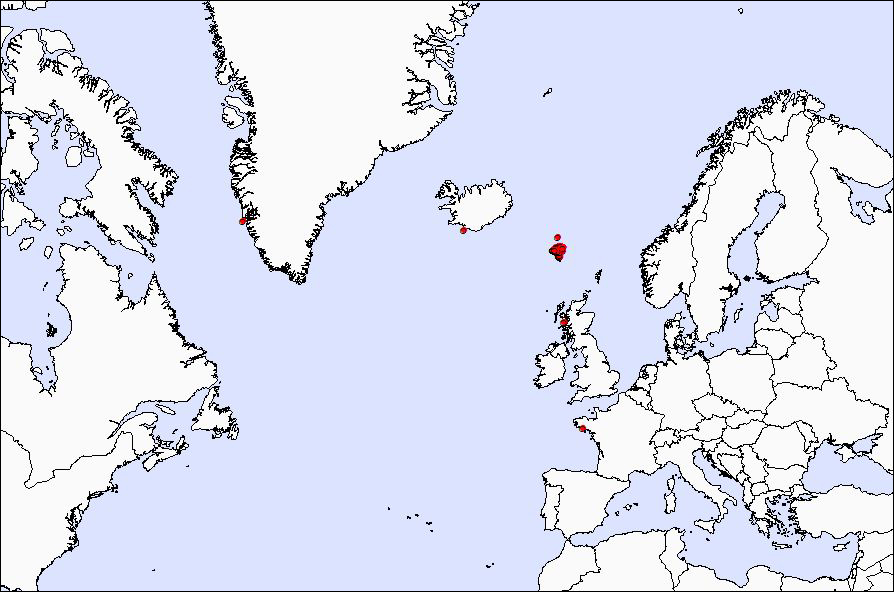
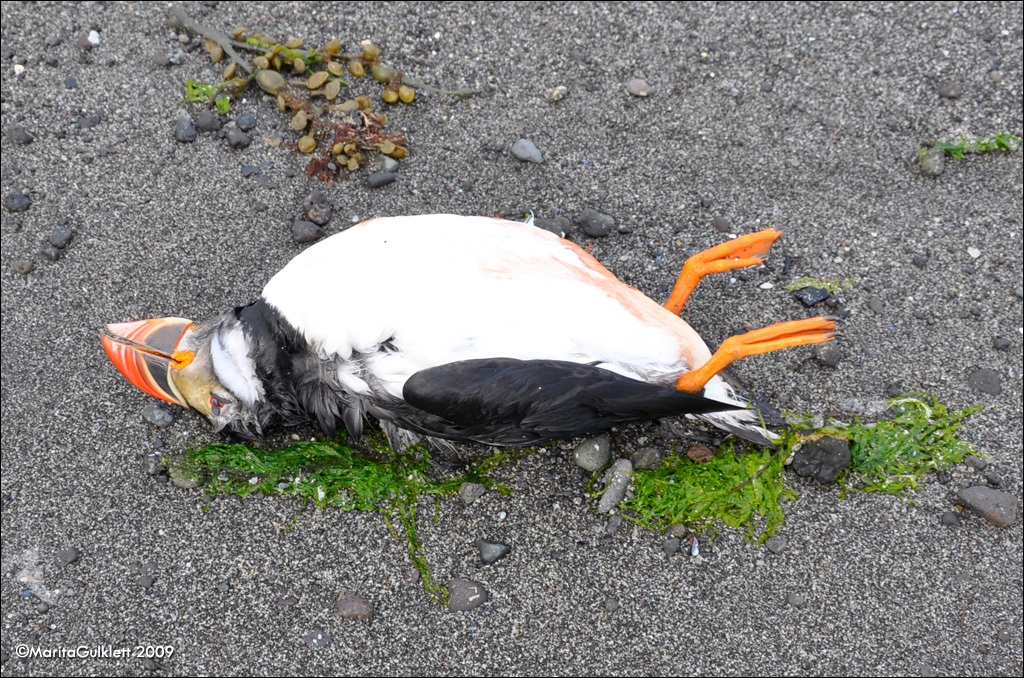
According Mardik Leopold a unusual high number of dead puffins, razorbills, kittiwakes and fulmars have driven ashore by the Netherlands in January 2012. All of the birds were completely starved and seems to have died of starvation. None of the dead puffins were ringed, so you can not say for sure where they came from. However, as seen in Fig. 1 a Faroese ringed puffin is earlier found dead in France, so there is every indication that at least some of the Faroese puffins are staying in the area of Holland in the winter. |
||||||||||||||||||
| See the razorbills follow the ship |
||||||||||||||||||
|
||||||||||||||||||
Fig.1. All foreign recoveries of puffins, ringed in the Faroes. |
||||||||||||||||||
COMPLETE NUMBER OF DEAD PUFFINS, FOUND IN THE NETHERLANDS |
||||||||||||||||||
Puffins stay out in the open sea in the winter, therefore very few are found dead on the beaches. It's like the Danes say - only the "tip of the iceberg" - that runs on land. But in January 2012 1 dead puffin was found for every 5 miles of beach in The Netherlands, where one usually "only" find 1 dead puffin for every 100 km, so here there has been significant changes. |
||||||||||||||||||
| Read more about the dead birds found in The Netherlands |
||||||||||||||||||
| BAD NEWS FROM RØST, NORWAY | ||||||||||||||||||
|
||||||||||||||||||
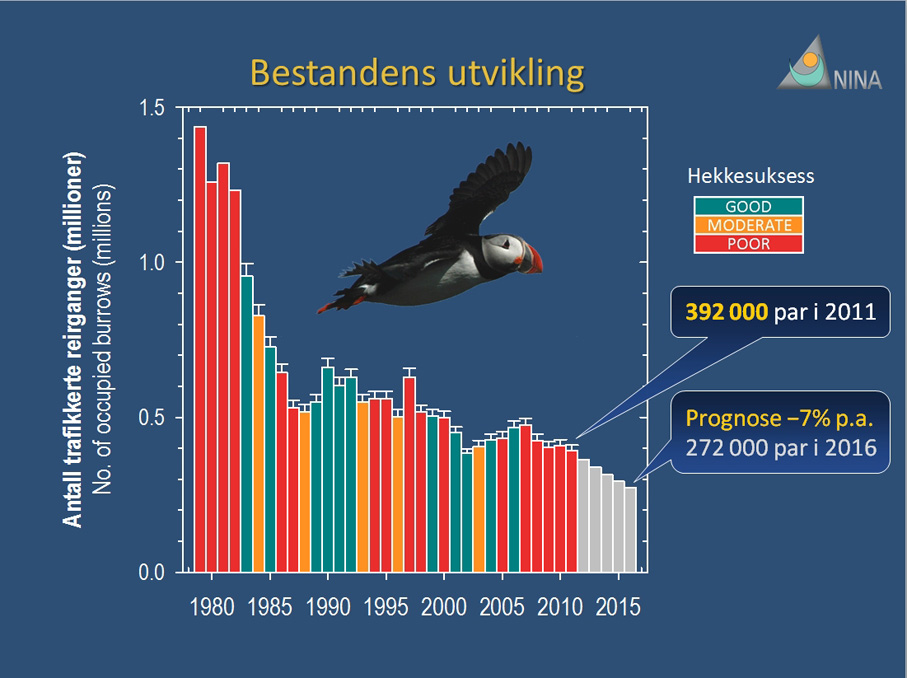
| This figure has been prepared by one of the world's leading Puffin experts Dr. Tycho Anker-Nilssen, Senior Research Scientist, NINA, Norwegian Institute for Nature Research. We have no studies of this kind in the Faroe Islands, but the figure that shows the development in the Puffin stock in Røst, Norway, in my belief - unfortunately, can be used to compare the development in the Faroese Puffin stock. We estimated the Faroese Puffin stock to be approximately 600.000 pairs for about 20 years ago, that is approximately the same as the Puffin stock in Røst, Norway, and our Puffin stock has gone down steadily ever since. In the Faroes we would normally expect a slow decrease in the Puffin stock and mainly, if the Puffin suffers several years in a row with no chicks as in the late 7 years, but Tycho Anker-Nilssen calculations show, that "his" Puffins decline with 7% per year, as you can see on his prognosis. This means that the Faroese Puffins will be extinct around the year 2025 - or about in 12 to 15 years if the hunting goes on and it is not protected. I want to point out that Tycho Anker-Nilssen do not guess as there are really thorough studies behind his assessments. Now it's up to the Faroese Minister for Fisheries Jákup Mikkelsen to decide, whether we should ignore the alarm from Tycho Anker-Nilssen and let the Puffin hunt continue as usual this summer? Today, 19. January 2012 it seems that the Puffins are not preserved across the country, but only in places where the bird hunters are conscientious enough to keep “grannastevna” as on Mykines where they have decided not to catch any Puffin. |
||||||||||||||||||
Grannastevna: Is when the locals themselves adopt decisions that are final, if you do not follow them you can be prosecuted. |
||||||||||||||||||
| RINGING COMMON GUILLEMOT YOUNG'S | ||||||||||||||||||
 |
||||||||||||||||||
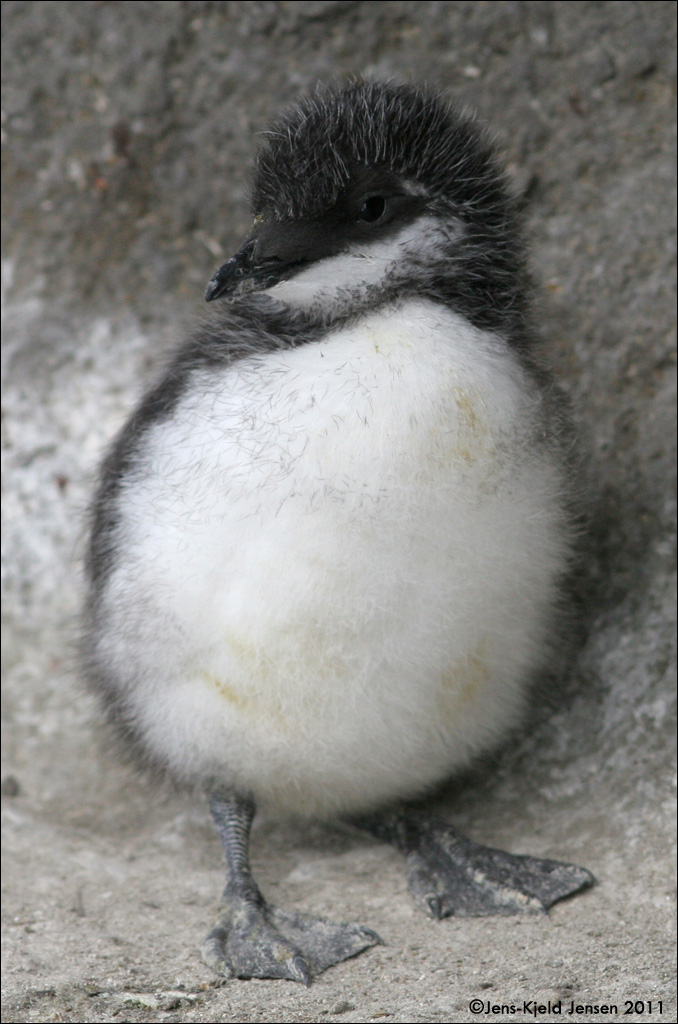
| 25.07.2011 Bjarki Henriksen, Hendrik Egholm, Atli Jensen, Sandoy, Sjúrður Joensen (í Koltri), Jens Jákup Hansen from the Faroese Television and I - Jens-Kjeld Jensen, went to "Steinin millum kjálkar - tað vil siga Koytukjálkar og Brekkukjálkar í Lonini á Sandoynni" to ring Common guillemot young's. | ||||||||||||||||||
| RINGING GREAT SKUA CHICKS | ||||||||||||||||||
|
||||||||||||||||||
| 08.07.2011 I and Sjúrður Hammer went to Skúvoy to ring Great Skua chicks. In spite of mist and fog, sun and rain we managed to ring 12 chicks, which probably is app. 20% of the chicks on the island. | ||||||||||||||||||
| A MISMATCHED COUPLE | ||||||||||||||||||
 |
||||||||||||||||||
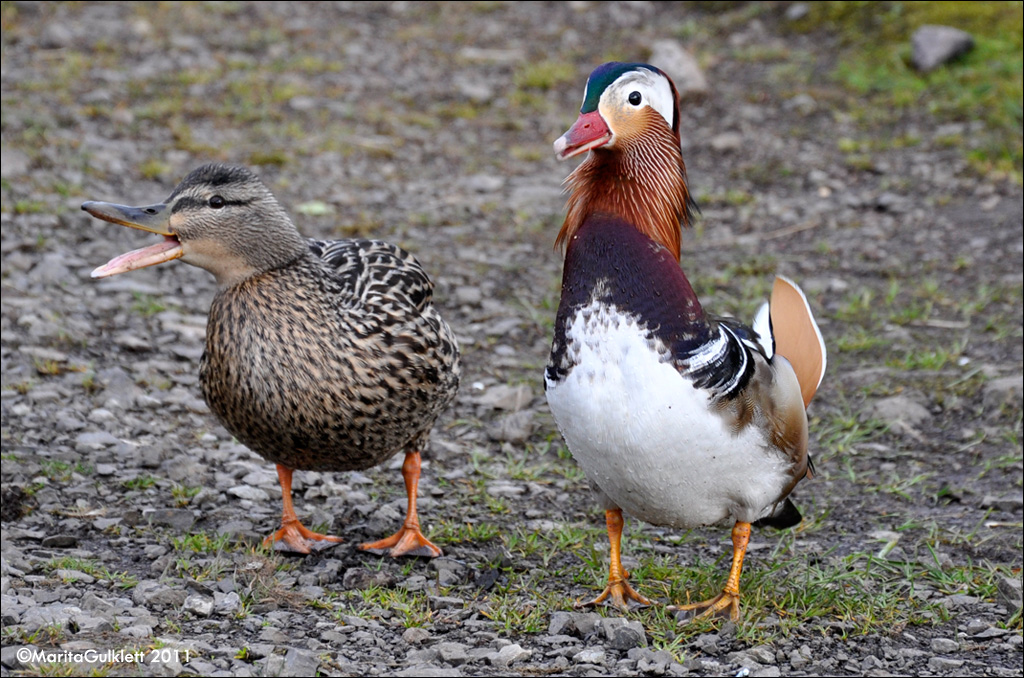
| Get lost - he's mine! | ||||||||||||||||||
|
||||||||||||||||||
| If this couple could have breed together, it would have meant severe damage for the Faroese nature - luckily they can't. They love each other a lot, so don't tell them :o) | ||||||||||||||||||
| IS THIS ACCEPTABLE? | ||||||||||||||||||
 |
||||||||||||||||||
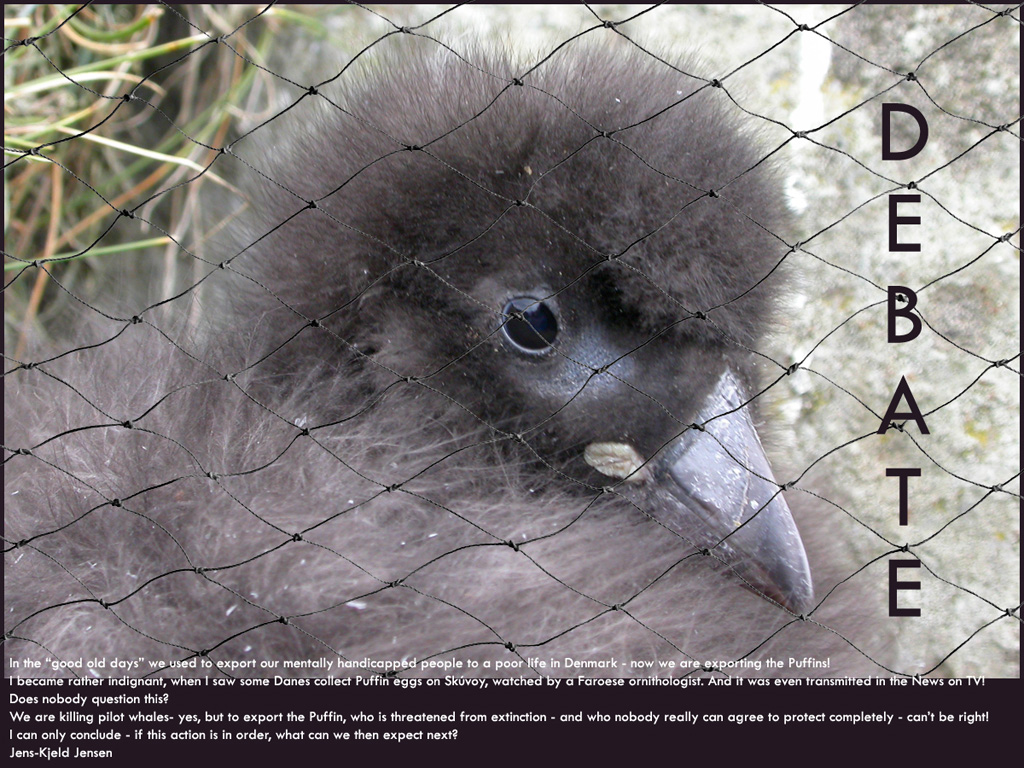
| Skúvoy 2011 | ||||||||||||||||||
| THE FAROESE SEABIRDS ARE STARVING | ||||||||||||||||||
 |
||||||||||||||||||
| A disaster! | ||||||||||||||||||
2011 seems to become the 7 year in a row with no food for the Faroese Puffin. Many Puffins were on land around 28. and 29. April but since then they have been gone, despite the Puffin normally lays their egg 20. May. 28. May large shoals of mackerels were in the fjord of Nólsoy. The plant plankton came to late and in very small amount, so there is no food for the small sand eel's. |
||||||||||||||||||
| See the scale from Havstovan (The Faroe Marine Research Institute) |
||||||||||||||||||
The Puffins, Arctic Tern and Arctic Skua are likely facing starvation again in 2011. |
||||||||||||||||||
| PLASTIC IN FULMARS | ||||||||||||||||||
 |
||||||||||||||||||
| Jan Andries van Franeker has visited Faroe Islands yet another time in 2011 in connection with plastic in Fulmars. It will be interesting to see, if the plastic amount has decreased or increased. This time Franeker was assisted by Elisa Bravo Rebolledo. We will update the result as soon as we know more. | ||||||||||||||||||
| PROTECTION OF THE PUFFIN | ||||||||||||||||||
 |
||||||||||||||||||
| As early as 16.01.2011 I sent a request to our Foreign Minister Jákup Vestergaard to get the Puffin protected in a period of 3 years because of the big reduction in the population. | ||||||||||||||||||
| The local hunters have only caught breeding birds the last 7 years, since there haven't been any young's. This means an ever bigger reduction in the population than in normal bad breeding years. In some locations the local hunters have protected the Puffins from hunting, both not in all areas, therefore a complete protection is absolute necessary. | ||||||||||||||||||
| Since many reasons I did not get any respond from Jákup Vestergaard. Therefore I sent a new request for a meeting which took place 14.03.2011. I asked Bergur Olsen and Janus Hansen to attend the meeting, since they perhaps could supply with further information's, that could benefit my request. | ||||||||||||||||||
| It is to late to present any new law for the Faroese Parliament, but Jákup Vestergaard promised to do his best, so the Puffin could get protected the next 3 years. All we have to do now is wait and hope for the best together with the Puffins! | ||||||||||||||||||
| NO ONE KNOWS THE DAY BEFORE THE SUN GOES DOWN... | ||||||||||||||||||
   |
||||||||||||||||||
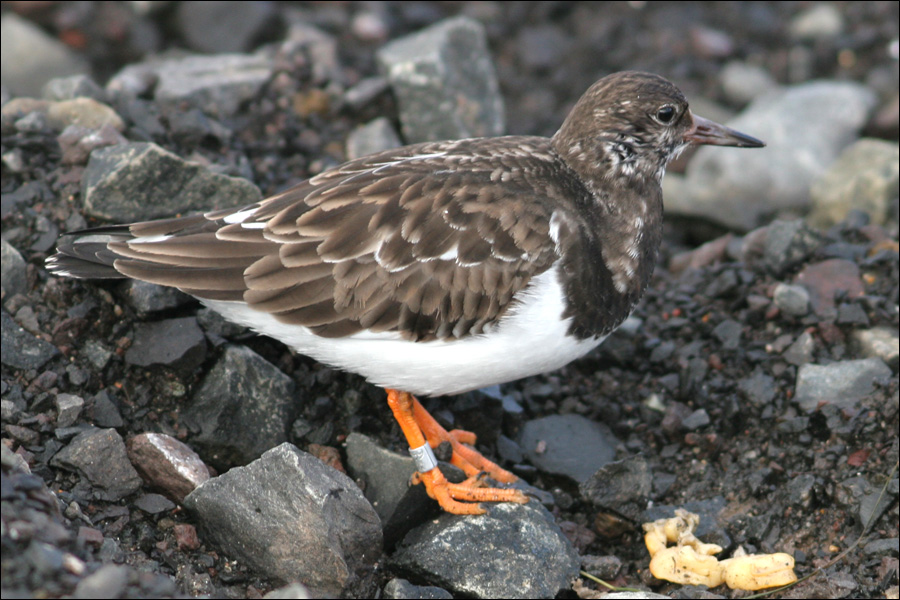
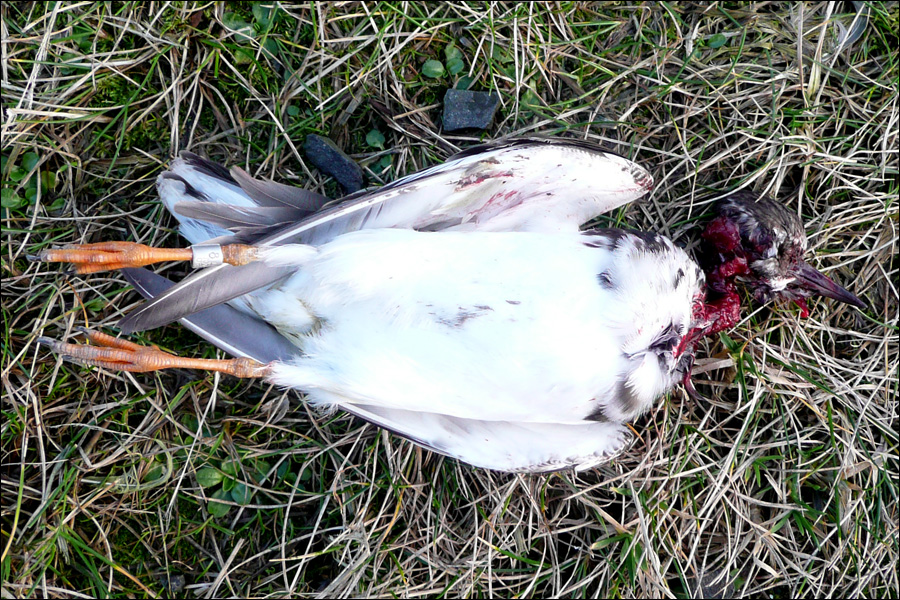
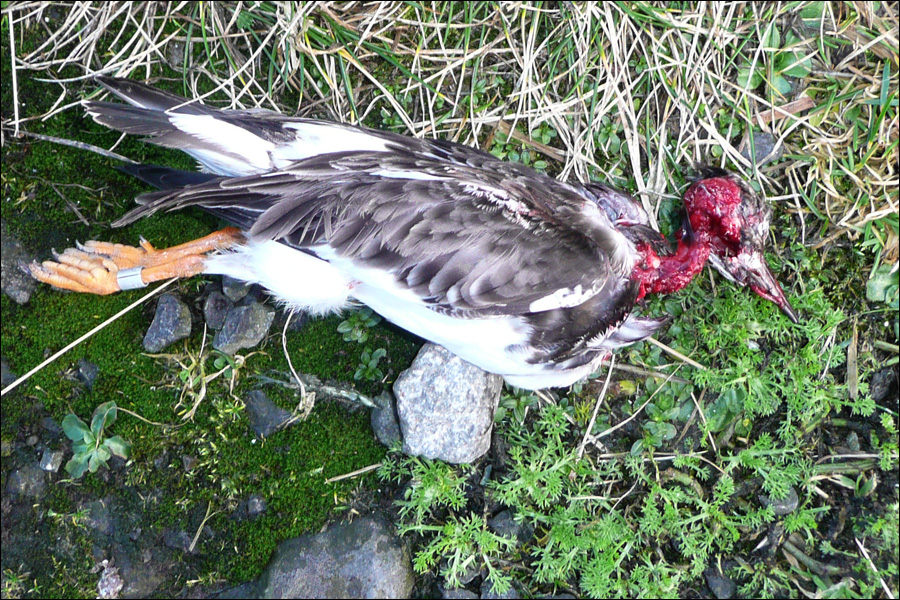
05. December 2006 Rúni Poulsen was working in his shed on Nólsoy, putting bait on a fishing line. Rúni noticed, that 6 Turnstone's had entered the shed, so he closed the door, so I was able to ring them all. One of the Turnstone's was ringed with ring No. 8A62059 and this specific bird has returned to the same spot on Nólsoy every winter since then. It was on the spot as well 02. February 2011, when a Merlin attacked from behind and killed it. The Merlin lost the Turnstone when Marnar á Skúr passed by, so he picked up No. 8A62059. |
||||||||||||||||||
| STORM PETREL Hydrobates pelagicus | ||||||||||||||||||
   |
||||||||||||||||||
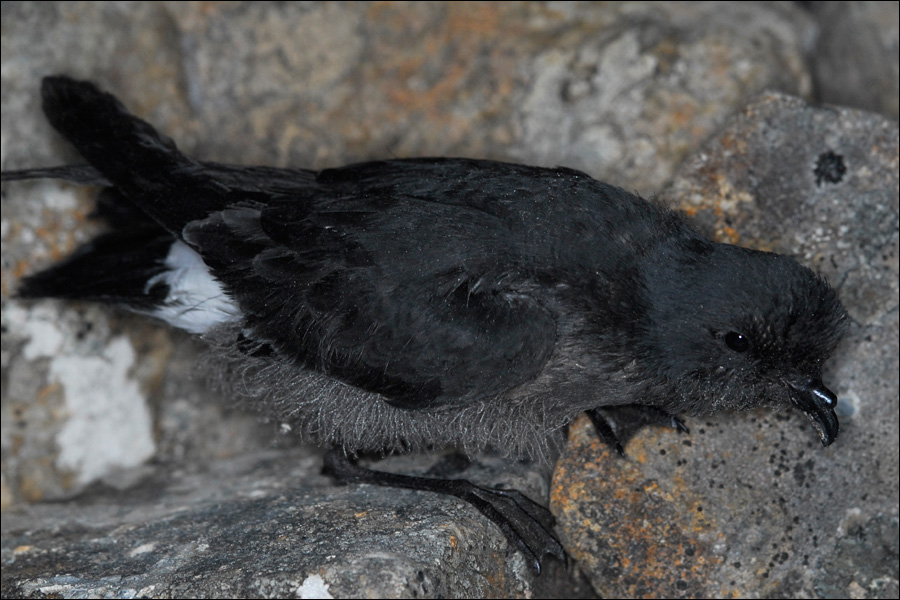
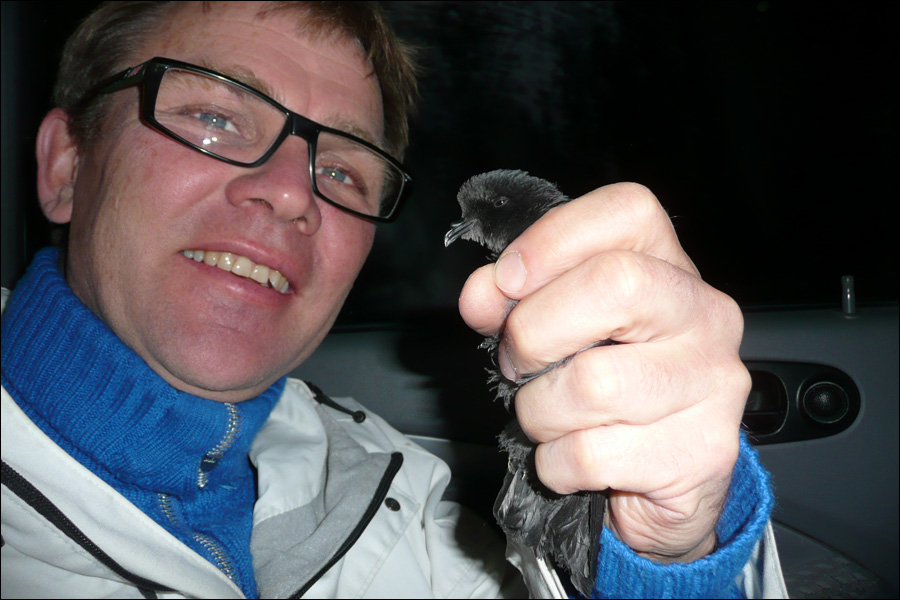
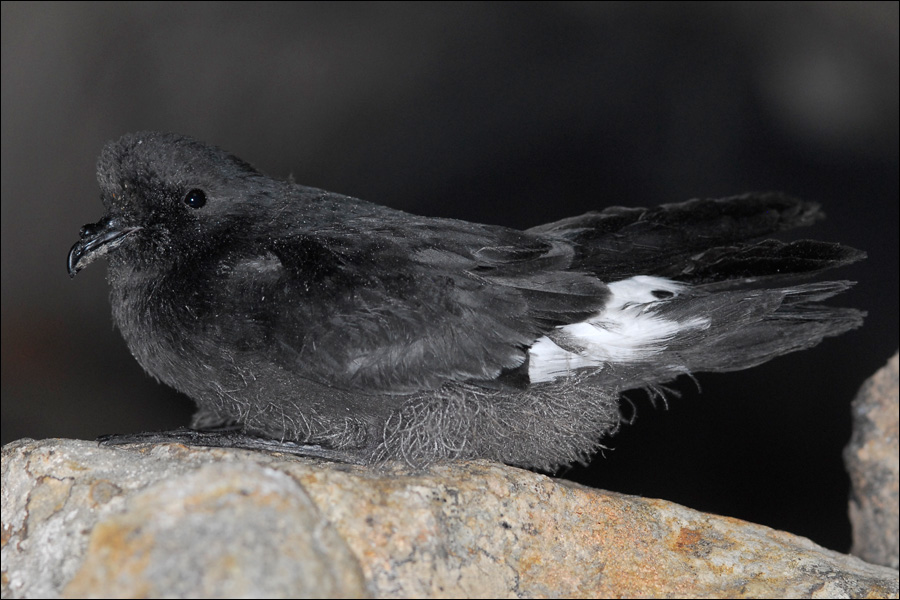
| The Storm Petrel young's are fledged in around November month. These last days several young's are seen in for example the village in Nólsoy. The one, hold by Jesper Johannes Madsen on the photo, was caught 10.11.2010 near Sund. The Storm Petrel was ringed and released again in Kirkjubøur. | ||||||||||||||||||
|
||||||||||||||||||
2010 – YET ANOTHER YEAR OF DISASTER FOR THE FAROESE PUFFIN |
||||||||||||||||||
| The Faroese puffin is not breeding for the sixth year in a row. Furthermore several old birds have died from starvation. The hunting season is about to start, but there have been almost none puffins in the colonies around the islands. In case some of the old breeding birds will visit the colony to make ready for the next year I sincerely hope, that the hunters will use their common sense and not catch any puffin at all in 2010. The Faroese puffin is not yet protected by law, even though the future prospects are very bad for them. |
|
|||||||||||||||||
| There has been unusually many mackerels in the Faroese sea this year and many local fishermen around the islands believe, that they have eaten the size of the sand eels, that the Puffin normally feeds from. | ||||||||||||||||||
| Updated 15.07.2010 The few Arctic terns, that breed this summer, have left their eggs and youngs to die. The Puffins are still absent in the big colony in Nólsoy, the other day only 5 Puffins were seen, and that is the highest number this summer! The Kittiwakes were more optimistic and many started to breed, but their youngs are dying now. |
||||||||||||||||||
| NB: The situation seems to be the same in South- and West-iceland and on Røst in Norway. | ||||||||||||||||||
Updated 04.08.2010 |
||||||||||||||||||
Updated 12.08.2010 |
||||||||||||||||||
| THE SEABIRDS ARE STARVING TO DEATH IN 2010 | ||||||||||||||||||
 |
||||||||||||||||||
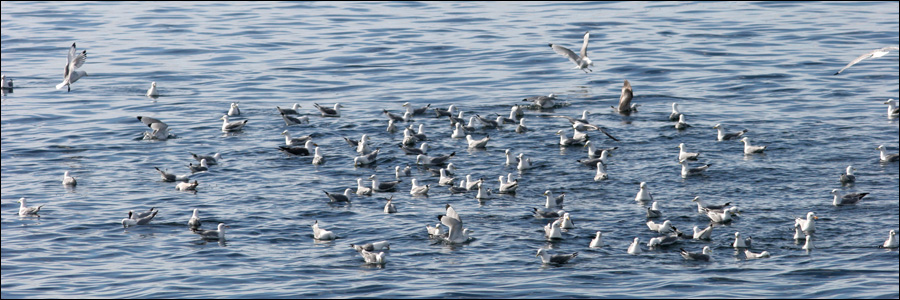
| The Kittiwakes started fishing "krill" close to the village of Nólsoy already 28. April, and that is a very bad sign. A month later dead and half-dead Puffins drift ashore on the beaches with the on-shore wind. All of the Puffins seems to have died from starvation, and that match very well with what the people from the islands with bird colonies say - there are almost none birds in the colonies. | 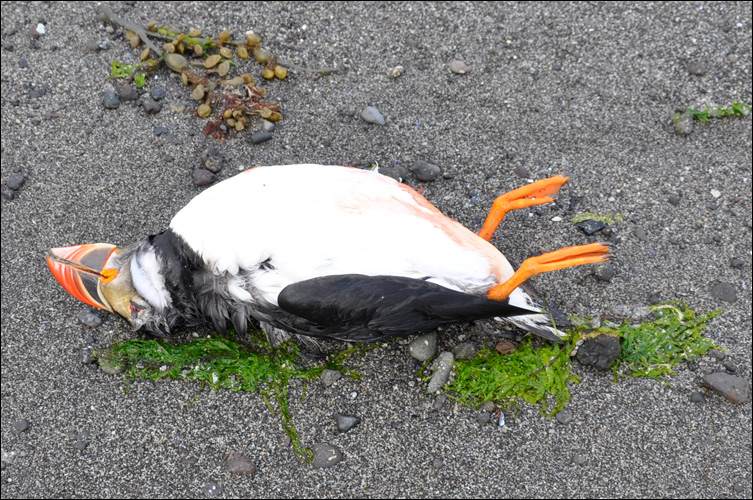 |
|||||||||||||||||
| DILUTED RAVEN | ||||||||||||||||||
 |
||||||||||||||||||
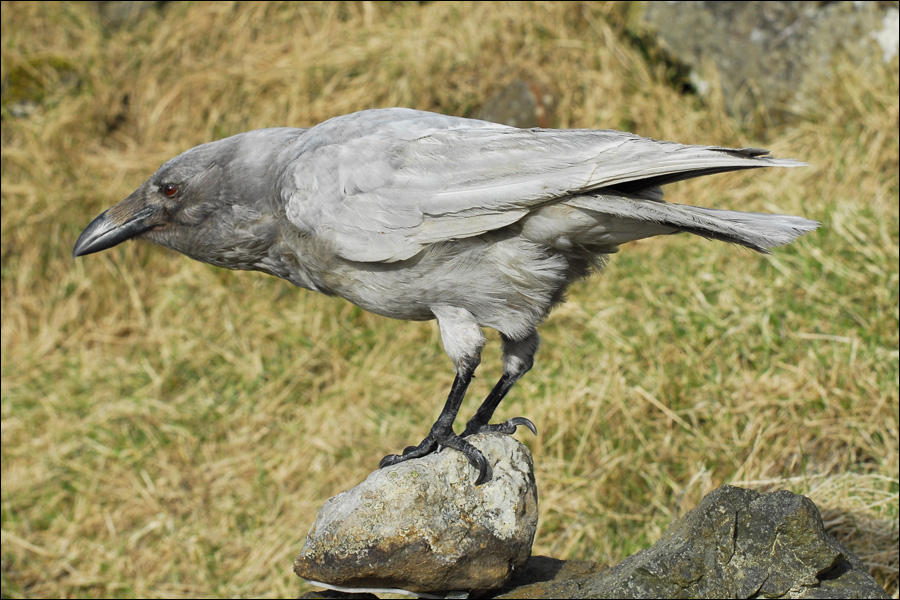
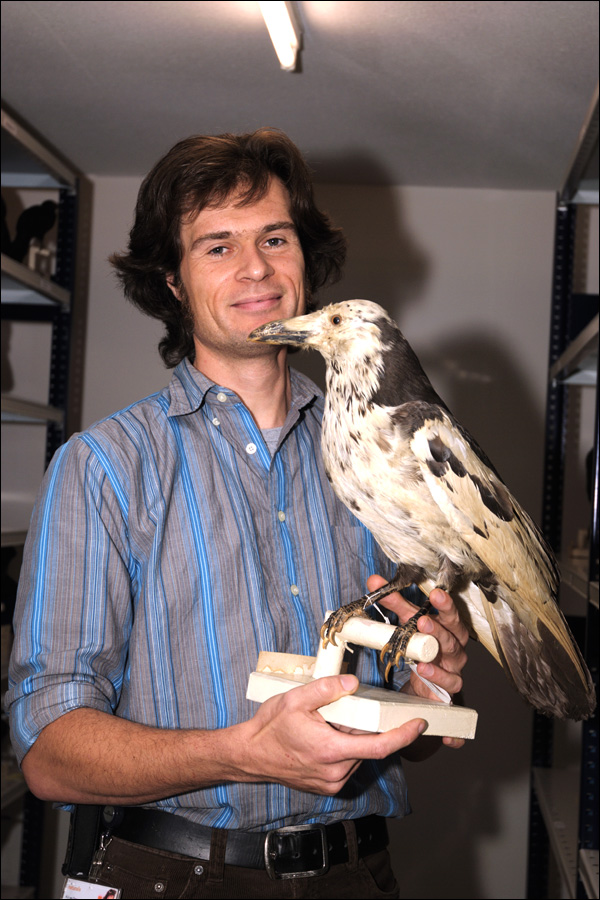
| A lot is written about the Faroese White-speckled Raven since the last was shot in 1902. Furtermore we know of one Faroese White-speckled Raven, dated 1910 and another from 1915; but these last two dates dates are probably not reliable. | ||||||||||||||||||
We know of at least 19 prepared samples from around the world. Among them is the Faroese stuffed Raven from the Leiden Museum in Nederland, held by Hein van Grouw on the photograph. |
 |
|||||||||||||||||
GANNET CHICKS CATCHING IN MYKINES SEPTEMBER 2009 |
||||||||||||||||||
   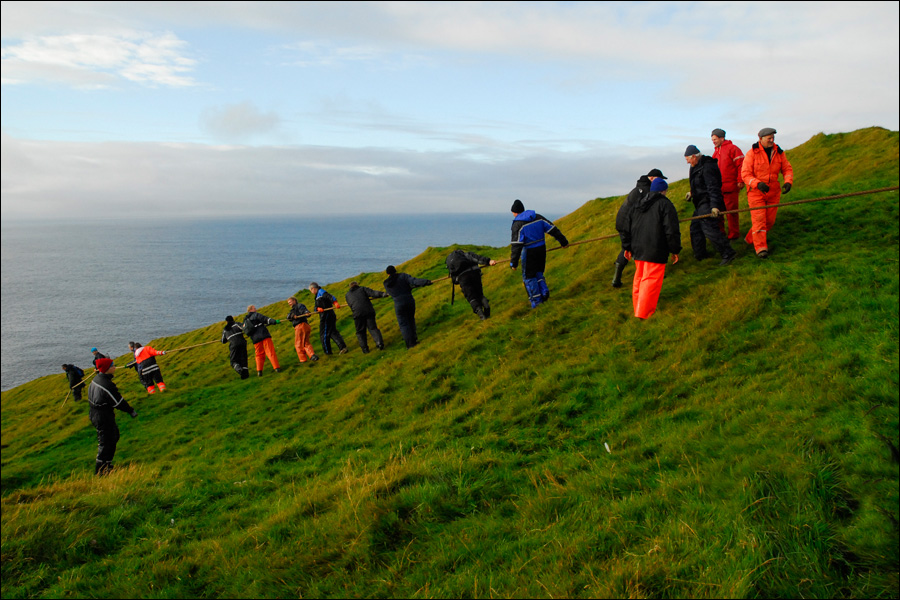 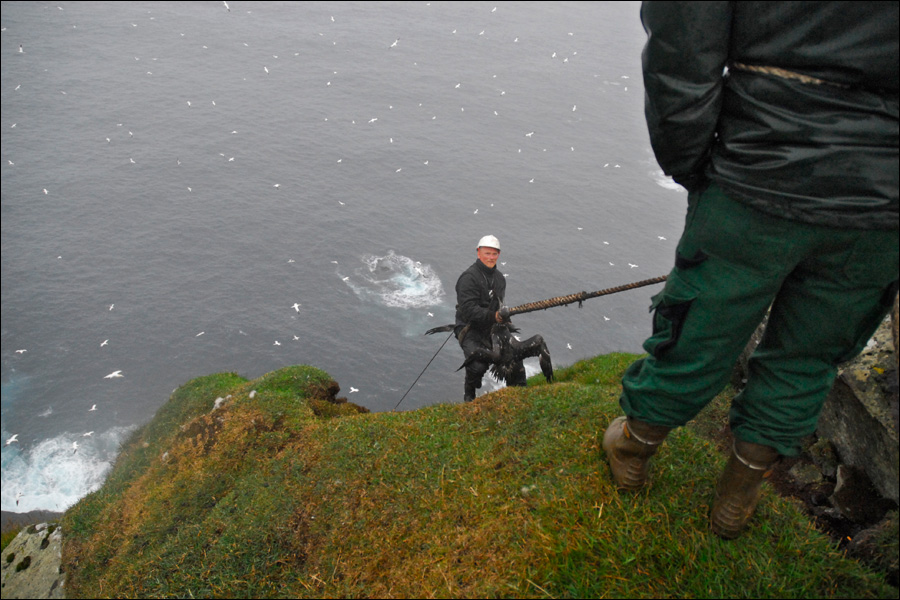 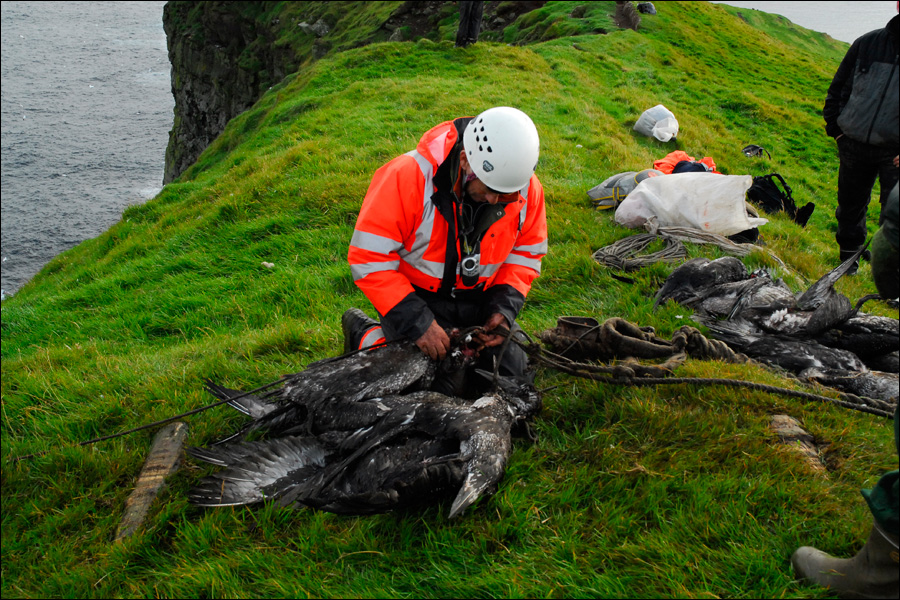 |
||||||||||||||||||
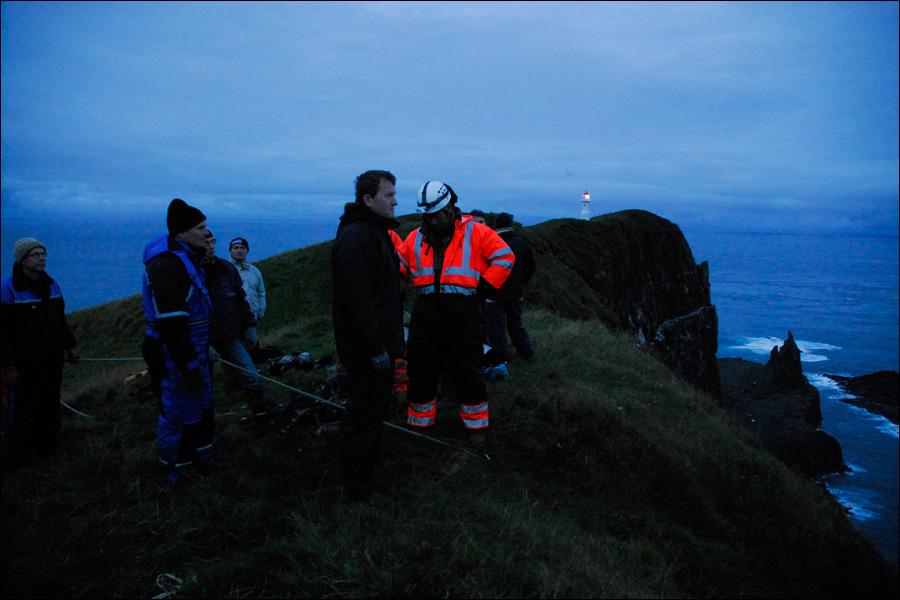
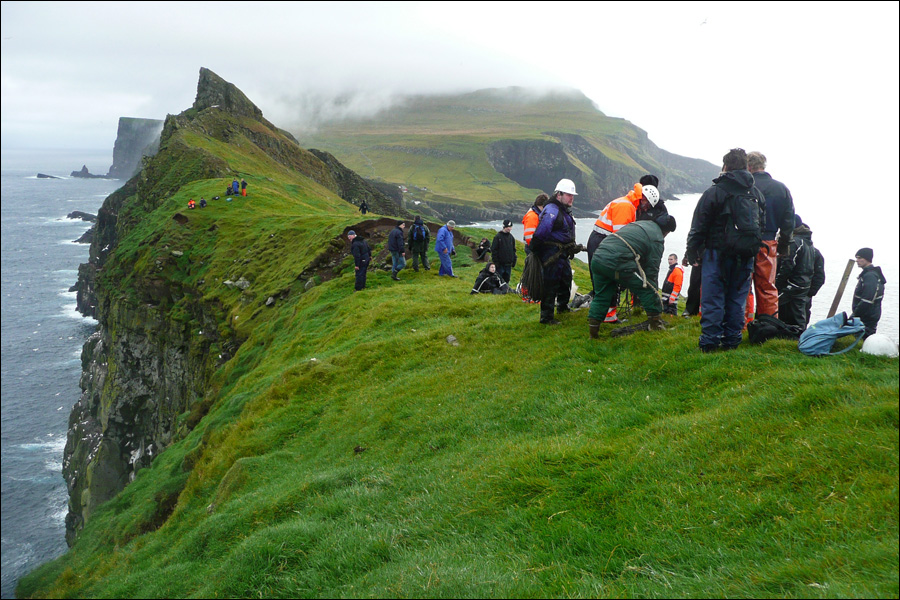
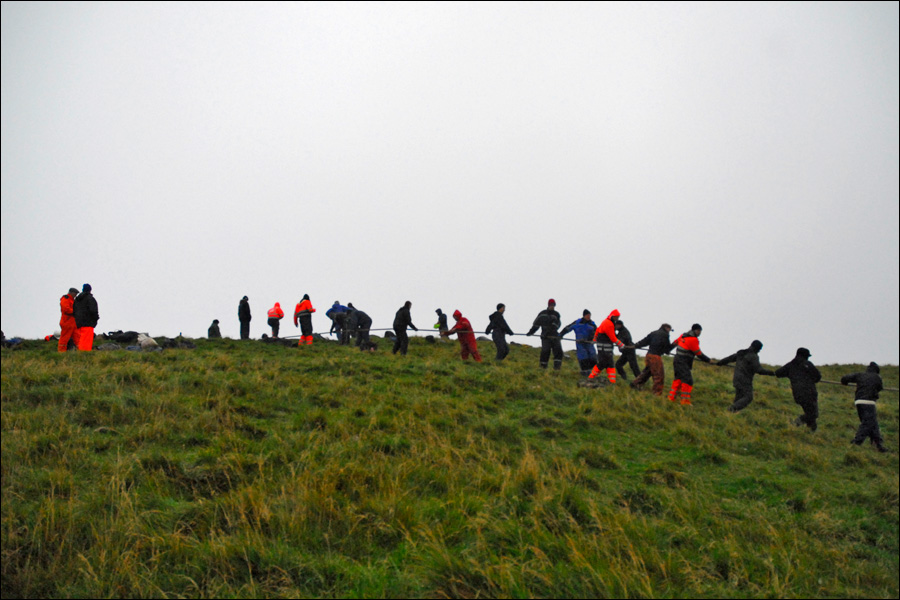
| Approximately 2400 pairs of gannets breed on Mykineshólmur, Píka- and Flatidrangur on Mykines and the population seems to increase. The late many years men from Mykines annually in average have catched 350 fledged grey gannet chicks, called "grásúla" in the end of August or start of September. | ||||||||||||||||||
| The night between 1. and 2. September 2009 men from Mykines again went to catch "grásúla" in Mykineshólmur and 4. September they went on Flatidrangur. The final result was 655 grey gannet chicks, that were equally divided between the landowners and the hunters. | ||||||||||||||||||
The high number of grey gannet chicks fits very well with the big number of mackerel and in between also sand eels, that have been present around the Faroe Islands this summer. I therefore conclude, that the Faroese gannet population are doing fine in spite of the regularly catch of some chicks. |
||||||||||||||||||
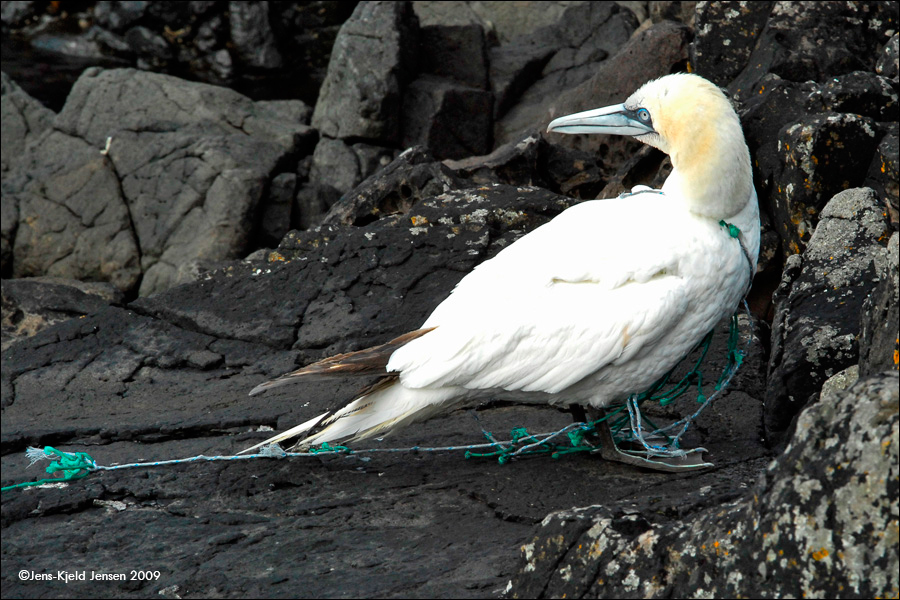
NOLSOY ISLANDERS RESCUING A GANNET |
||||||||||||||||||
 |
 |
 |
 |
|||||||||||||||
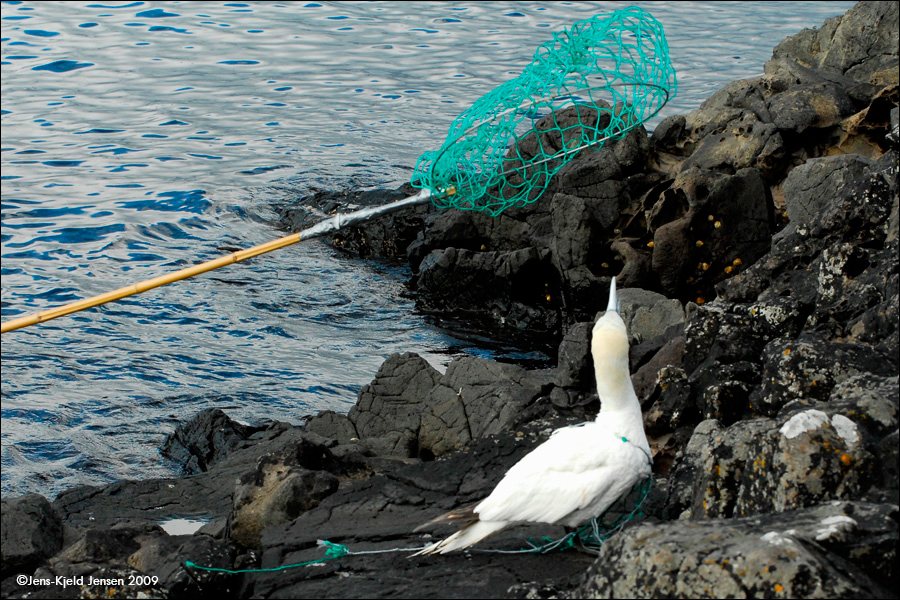
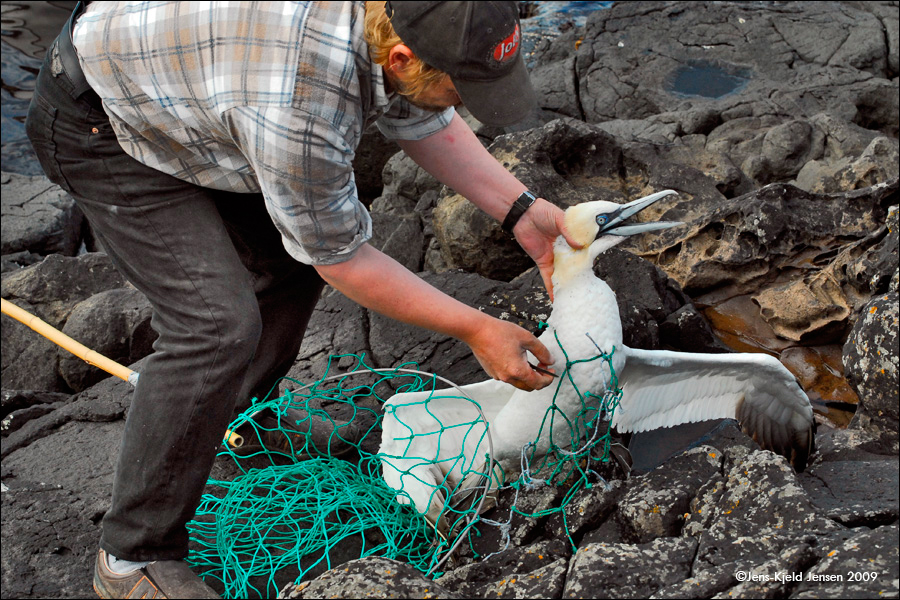
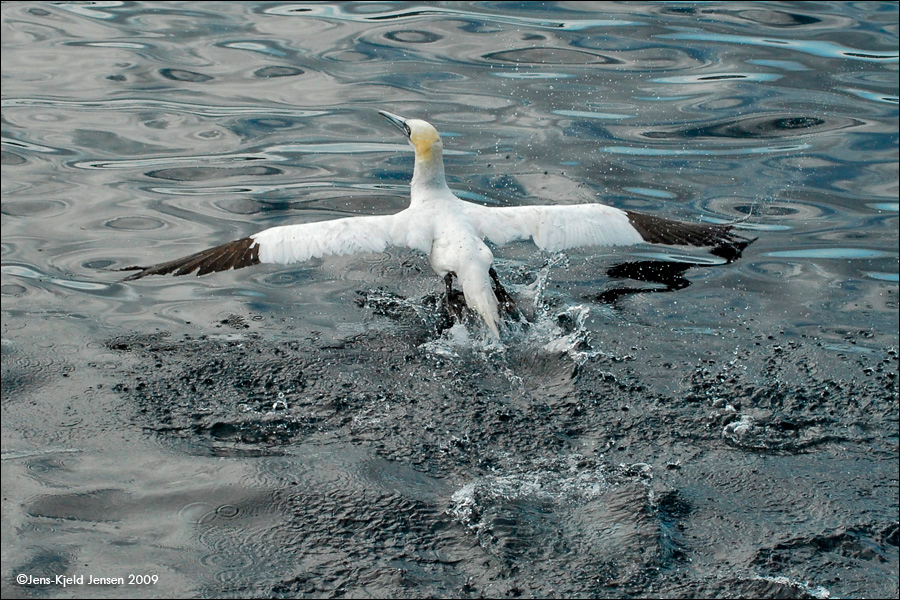
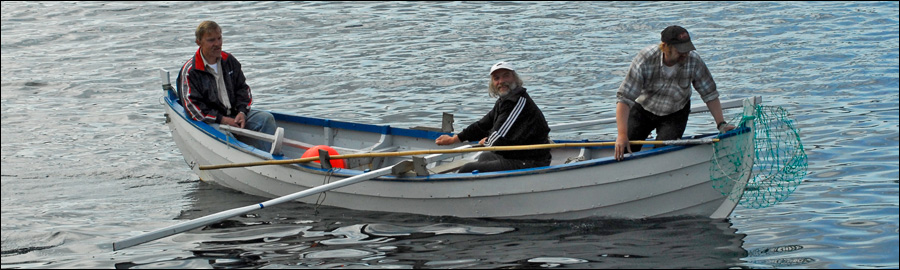
| Sadly it is getting more and more common to see birds trapped in all kind of waste. Very few of the birds are as lucky as this gannet, who was rescued by as many as 3 men from Nólsoy. | ||||||||||||||||||
And we are even boasting about living in the cleanest sea of all... |
||||||||||||||||||
 |
||||||||||||||||||
THE BREEDING BIRDS ARE DYING! |
||||||||||||||||||
      |
||||||||||||||||||
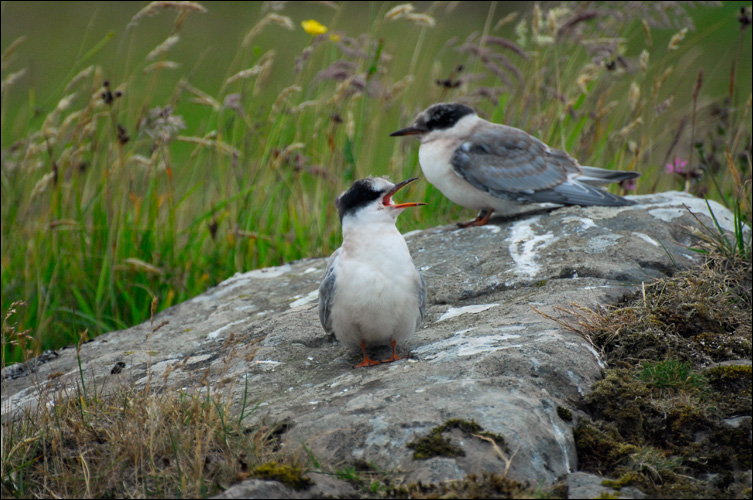
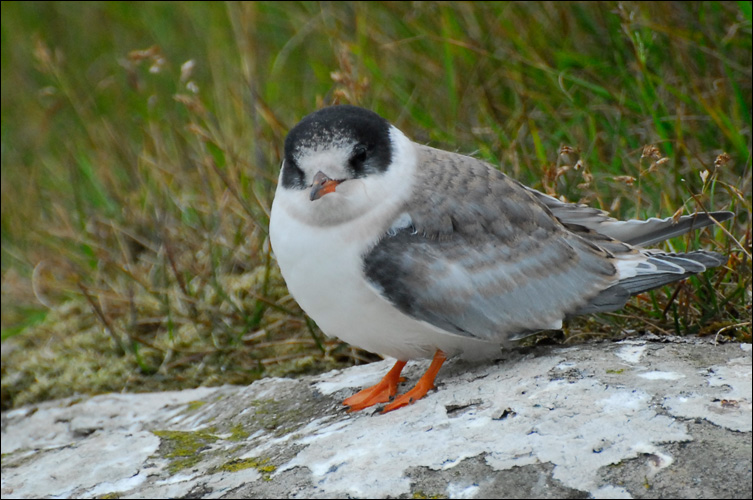
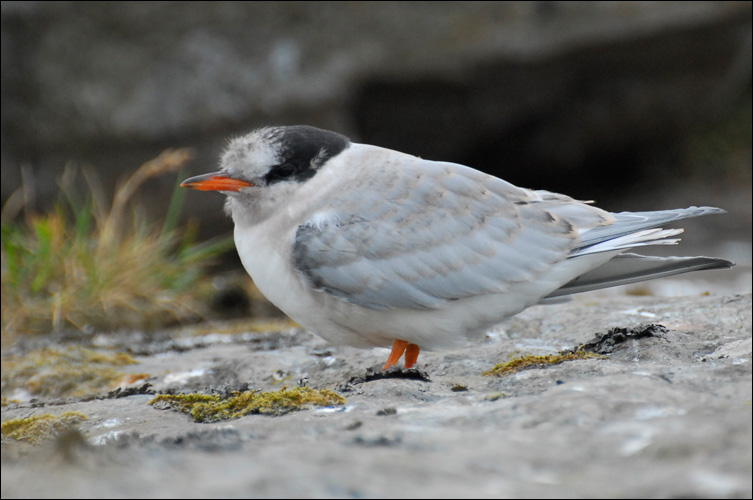
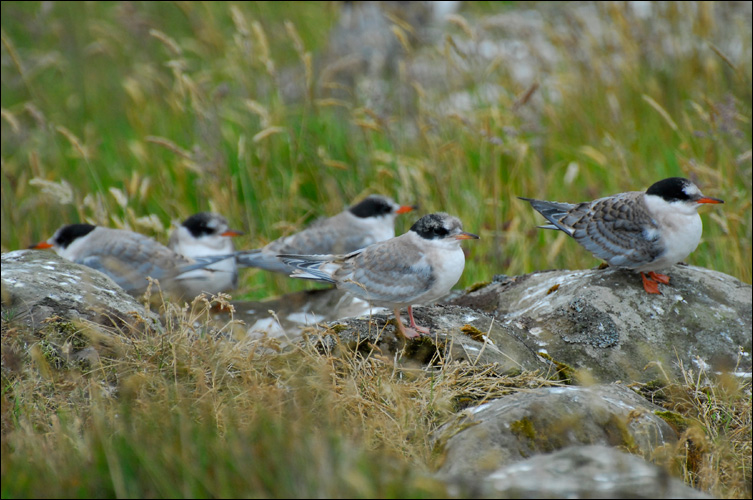
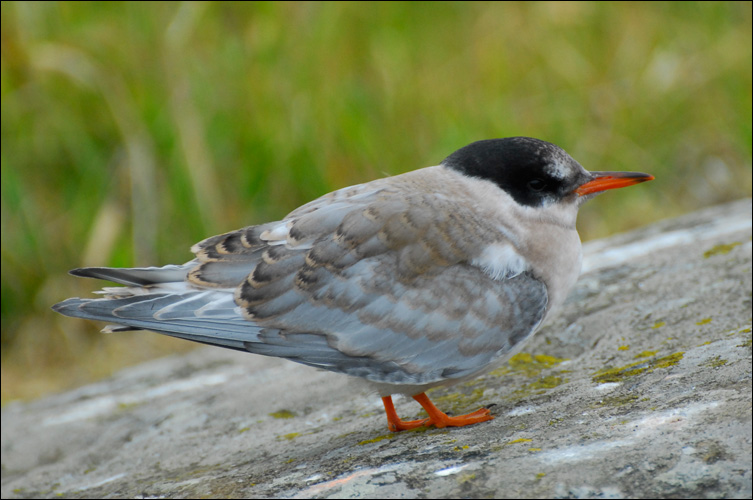
Arctic tern chicks on Nólsoy and Kittiwake chicks on Mykines started to die from starvation on 20 July 2009. These seabirds seemed to have a successful breeding season in 2009, with plenty of sand eels late in June and during the first 14 days of July. Each time they returned from fishing, adult terns were bringing 2-4 sand eels to their chicks. However, there was a sudden change on 23 July, when parents spent more time at sea and only brought back a single sand eel to their chicks each time. As a result, Arctic tern and Kittiwake chicks have died in great numbers. |
 |
|||||||||||||||||
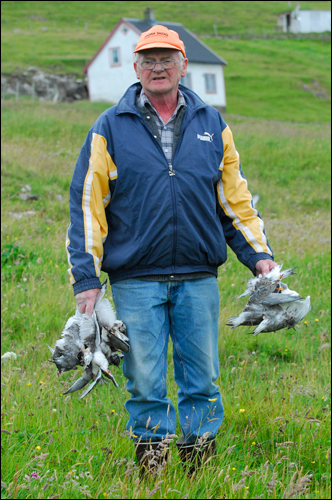
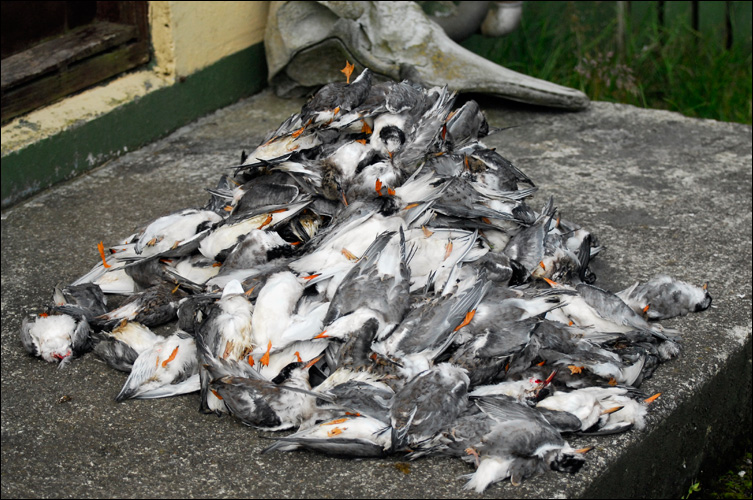
In only one night, that between 23 and 24 July, 231 Arctic tern chicks died in the Nólsoy colony! Then, on the night between 24 and 25 July, 270 Arctic tern chicks died at the same place. |
||||||||||||||||||
Today, 25 July, we observed Arctic terns feeding their chicks again on Nólsoy. The wind has changed to South and that might make it easier for them to catch sand eels. There are still approx. 100 live chicks in the Nólsoy colony. Today, I have been talking to people from all over the Faroe Islands and most of them said that the situation is the same all over. However, a few said that the situation looks fine with very few dead chicks. |
 |
|||||||||||||||||
| This will be the fifth consecutive disastrous breeding season for Arctic terns, and this situation will almost certainly affect puffin breeding as well! | ||||||||||||||||||
PALE STARLING CHICKS IN NÓLSOY AGAIN IN 2009 |
||||||||||||||||||
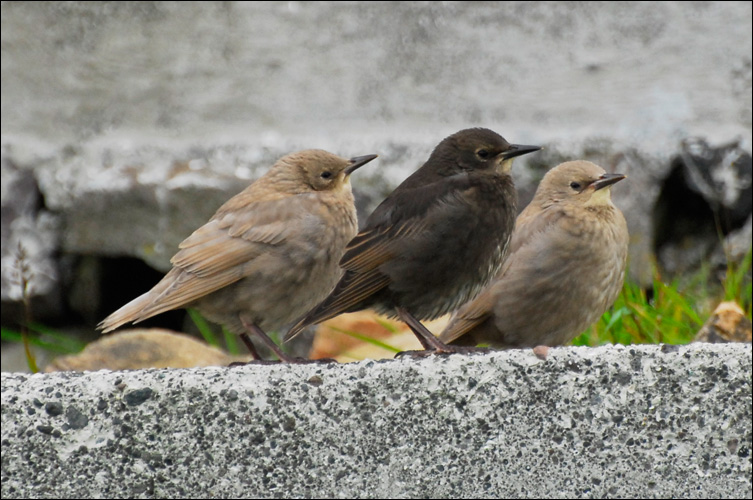 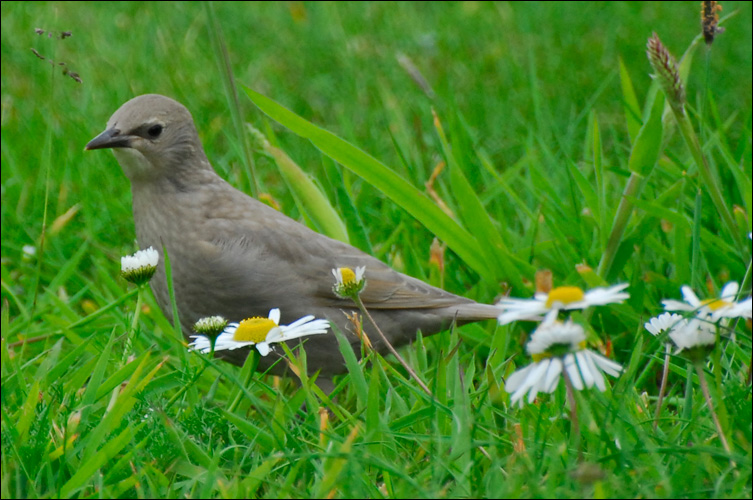 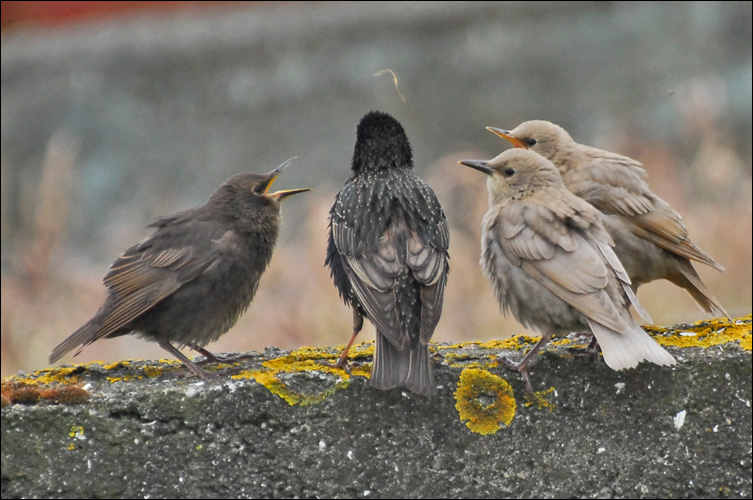 |
||||||||||||||||||
| A normal coloured starling pair has had breeds of pale chicks three years in a row in Nólsoy: In 2007 they had 1 pale and 1 normal coloured chick, in 2008 they had 3 pale chicks, whereof the latest died in March 2009, and in 2009 they have 2 pale and 1 normal coloured chick. | ||||||||||||||||||
You can see the father together with the triplets on one of these photographs from July this year. The quality of these pale feathers seem to be to poor for these chicks surviving a Faroese winter. |
||||||||||||||||||
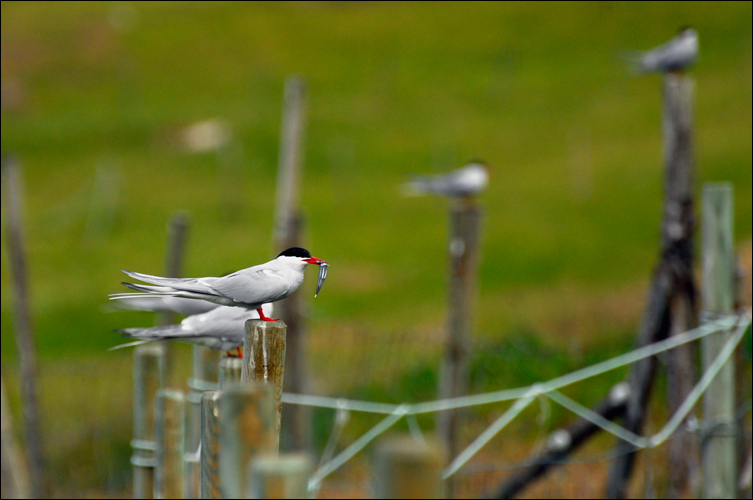
THE ARCTIC TERN ON NÓLSOY ARE HAVING A VERY FINE BREEDING SEASON IN 2009 |
||||||||||||||||||
     |
||||||||||||||||||
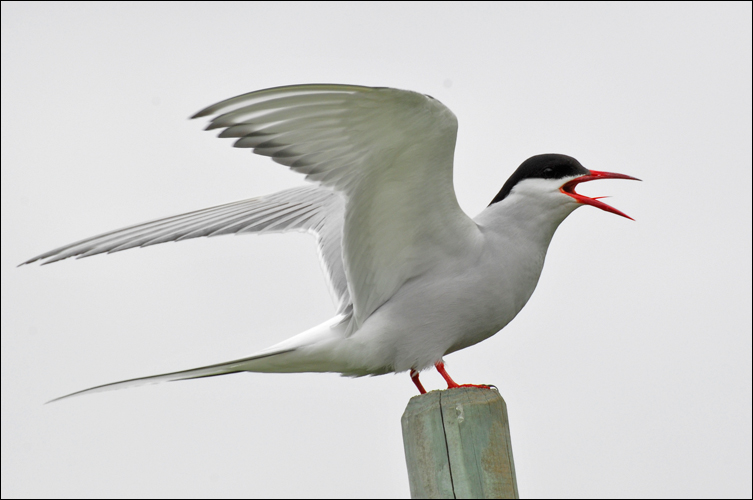
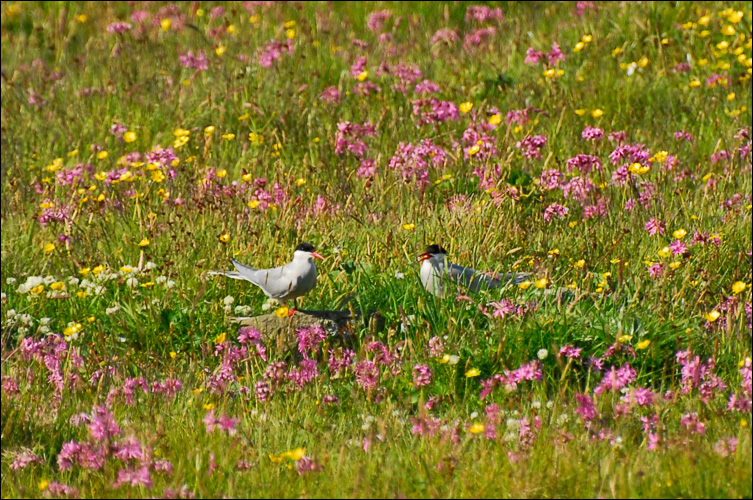
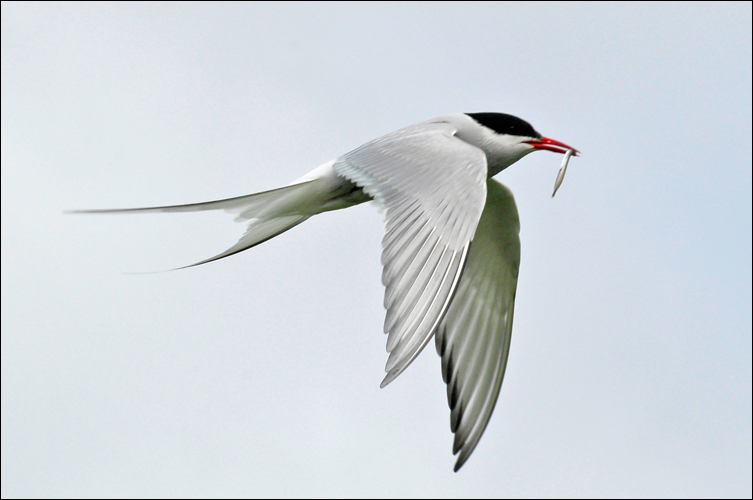
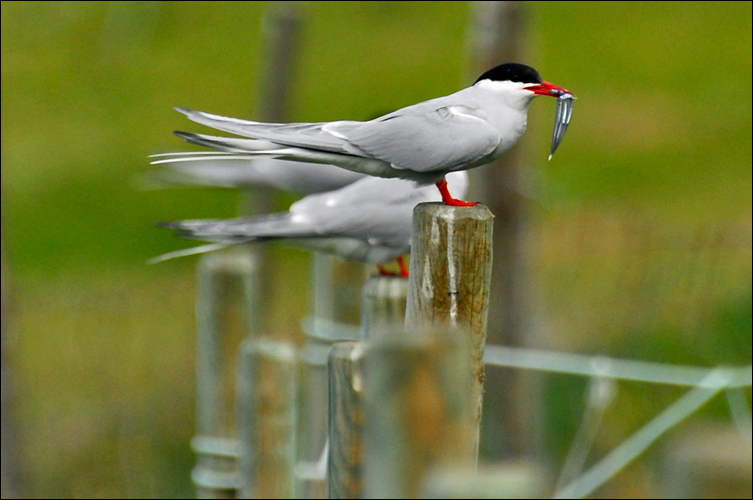
The Arctic terns on Nólsoy seem to have a very fine breeding season in 2009. There are several hundred breeding pairs just North of the village, and many of the chicks are half-grown now, in mid July. The parents bring sand eels to their chicks continuously, carrying as many as four in the beak, when they return from fishing. |
||||||||||||||||||
BIRD WATCHING IN THE FAROES |
||||||||||||||||||
 |
||||||||||||||||||
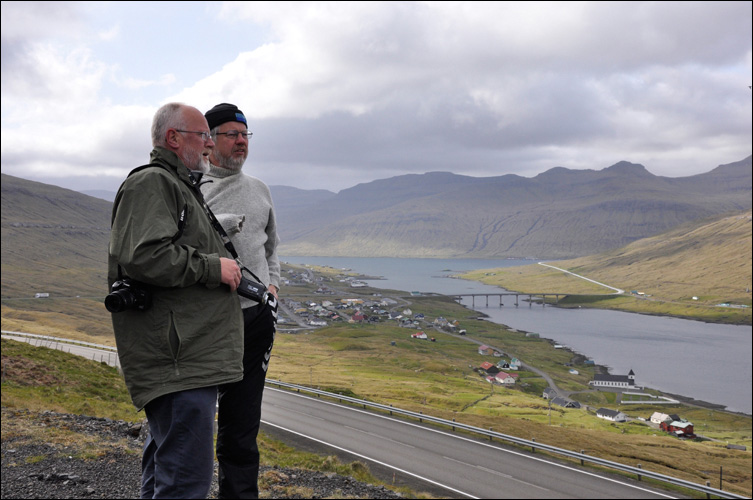
| 14.05.2009 Jan Andries Van Franeker and Jens-Kjeld went to Leirvík, Eysturoy, to look for fulmars. | ||||||||||||||||||
HUNTING YOUNG FULMARS |
||||||||||||||||||
|
||||||||||||||||||
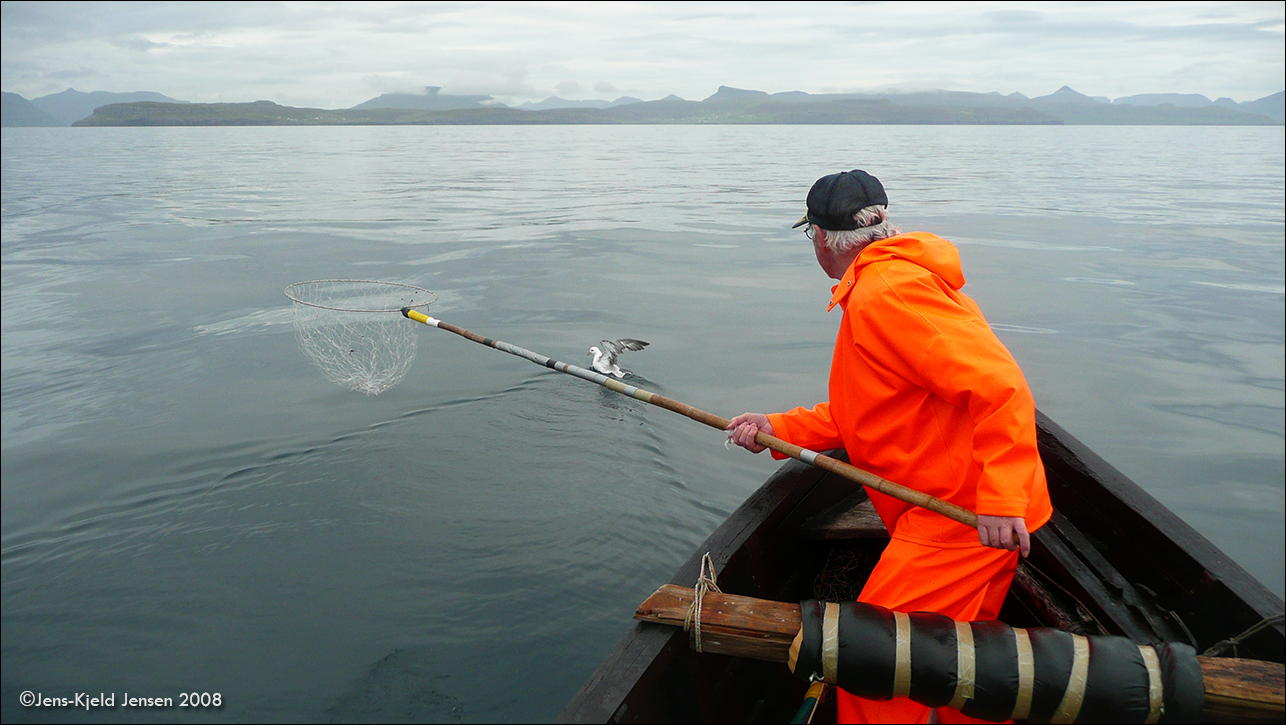
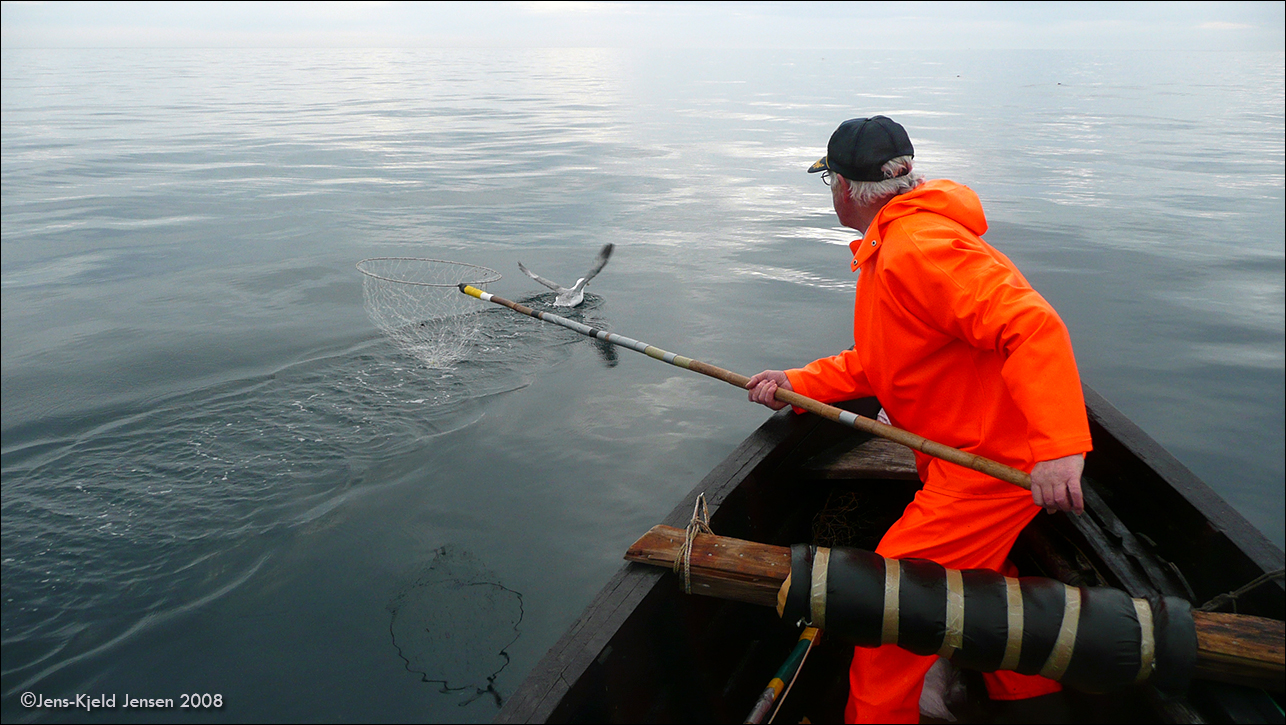
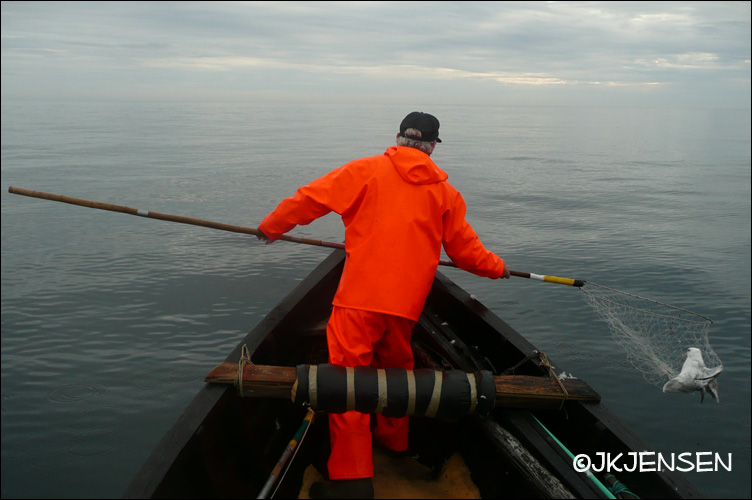
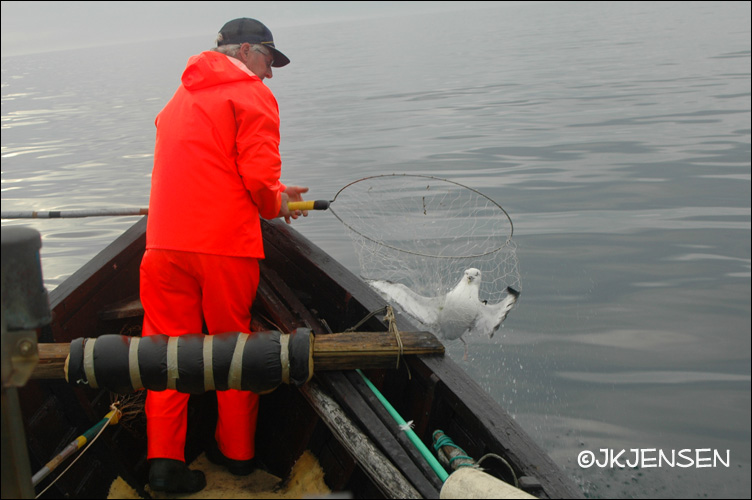
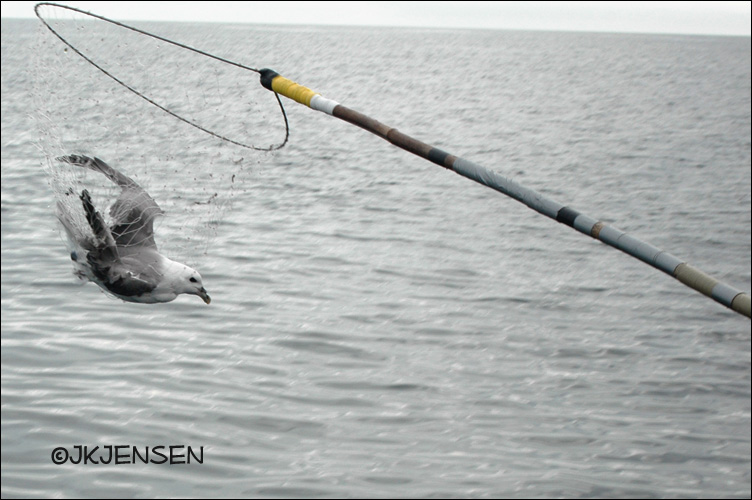
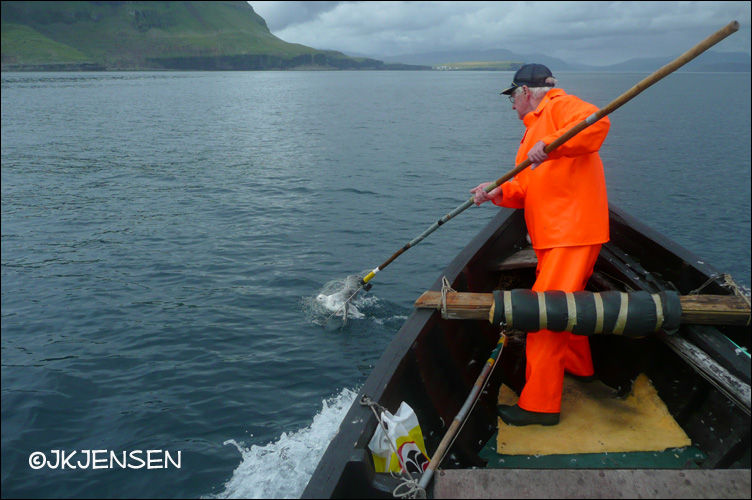
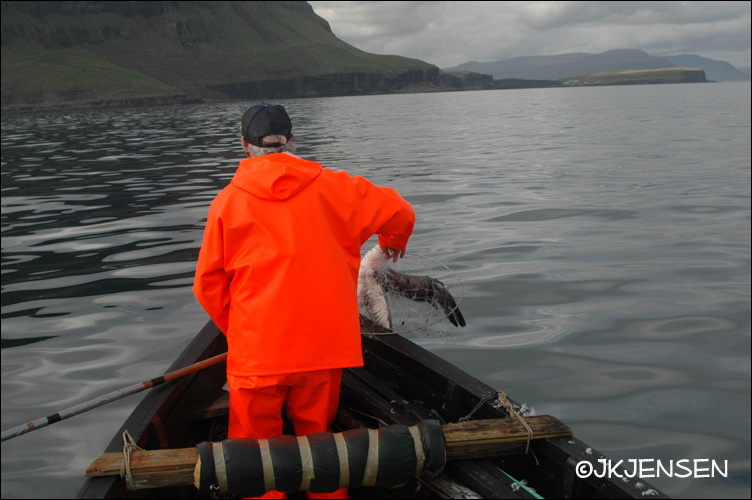
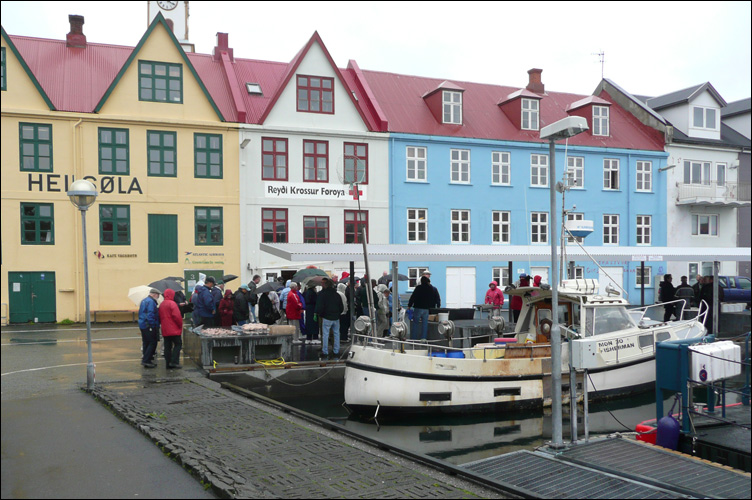
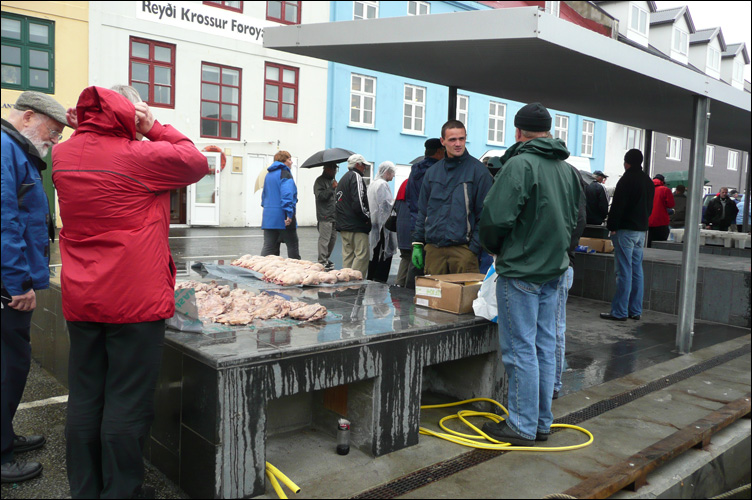
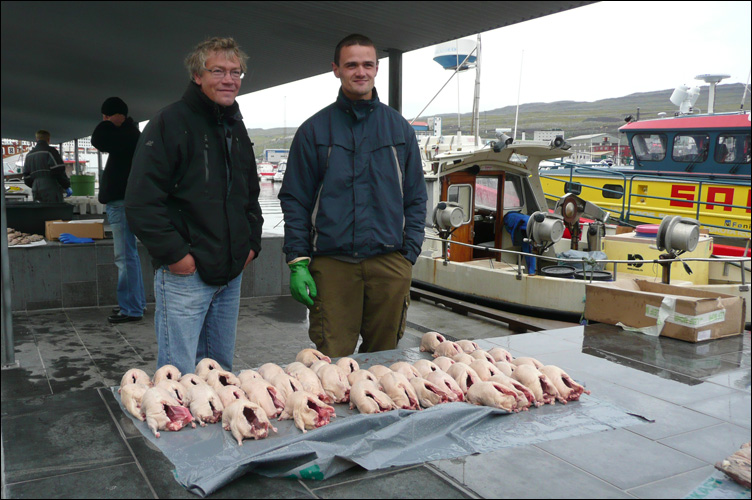
| In 2008 the first boats from Nólsoy went to hunt young fulmars 26. August. I expect the last hunting day to be approximately around 10. September, since the fulmar young ones seems to be very alike in size. | ||||||||||||||||||
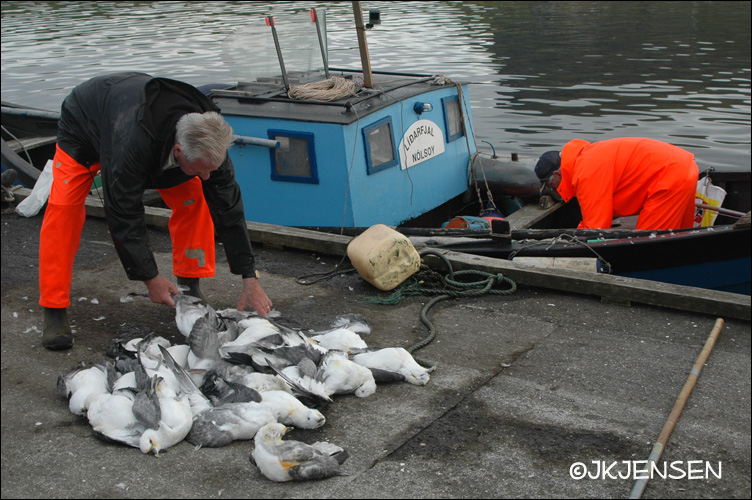
| Many of the boats get between 100 to 300 fulmar young ones each day; but the boats from Hvannasund, which is situated very close to the biggest fulmar colonies, get as much as up to 900 young fulmars each day - but they have very fast boats. | ||||||||||||||||||
The fulmar in the Faroes has decreased a lot during the last 20 years, so the number of young ones has equally decreased with app. 50 %. This means, that the number of caught young fulmars is getting lower and lower each year. |
||||||||||||||||||
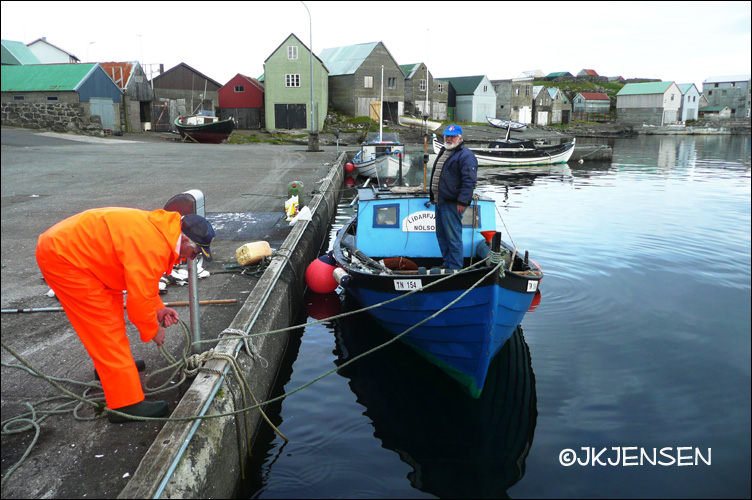
| In the photographs above you can see the brothers Brynjálvur and Finnbogi from Nólsoy hunt young fulmars in very fine weather east of Nólsoy 28.08.08. | ||||||||||||||||||
   |
||||||||||||||||||
A WELCOME TO THE "TJALDUR" - OUR NATIONAL BIRD |
||||||||||||||||||
  |
||||||||||||||||||
Photographs from Nólsoy 03.08.08 |
||||||||||||||||||
“Tjaldur ver vælkomið til okkum heim”... |
||||||||||||||||||
| This is the very beautiful hymn, that we sing in the Faroe Islands each spring to welcome our national bird "tjaldur" – the Oystercatcher, back to our islands to breed. | ||||||||||||||||||
| And we really missed you and were well prepeared to welcome you, our long missed national bird... | ||||||||||||||||||
As usual, wool from sheep was laying all over the field, so that you could warm your feet… Also, there was plenty of nylon, which gave strength to the wool, that cut the bones in your legs... In case it wasn’t enough, we even left plenty more rubbish to welcome you – various wires and ropes, rusty fence rolls, and even barbed wire. Don’t even think about complaining about our welcome. You - our long missed national bird… |
||||||||||||||||||
NÓLSOY 17. JULY 2008 |
||||||||||||||||||
 |
 |
 |
 |
|||||||||||||||
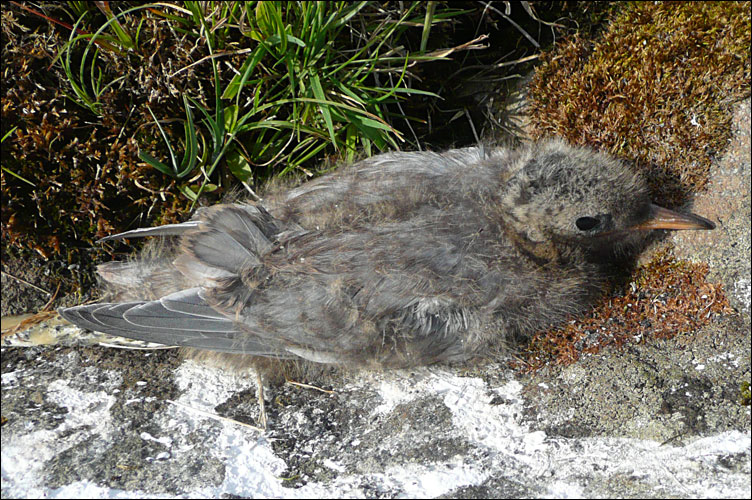
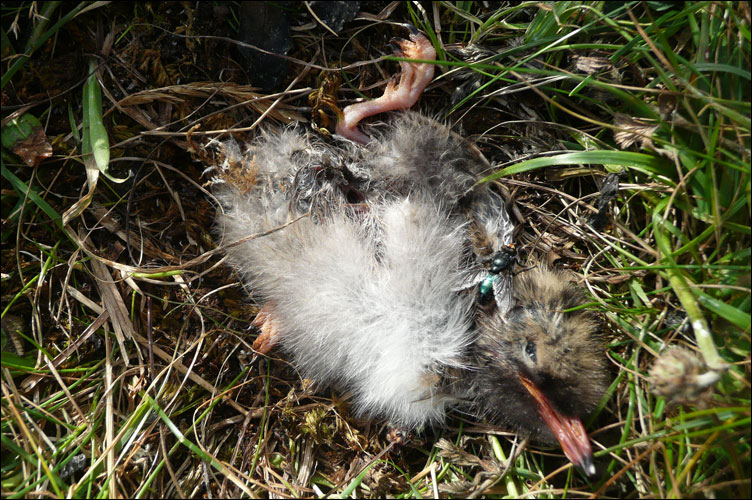
One of the few alive Arctic tern pullus in Nólsoy seeking hide. |
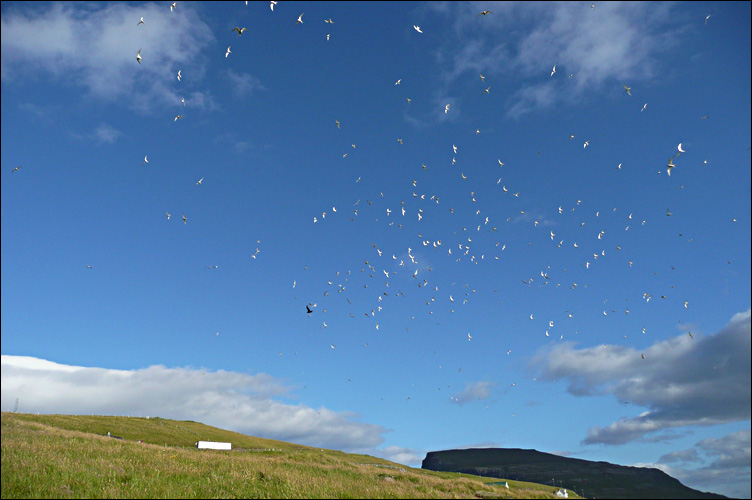
A lonely hungry Great skua feeding in the Arctic tern colony from eggs and dead pullus. |
A very sad scene through the last many years... |
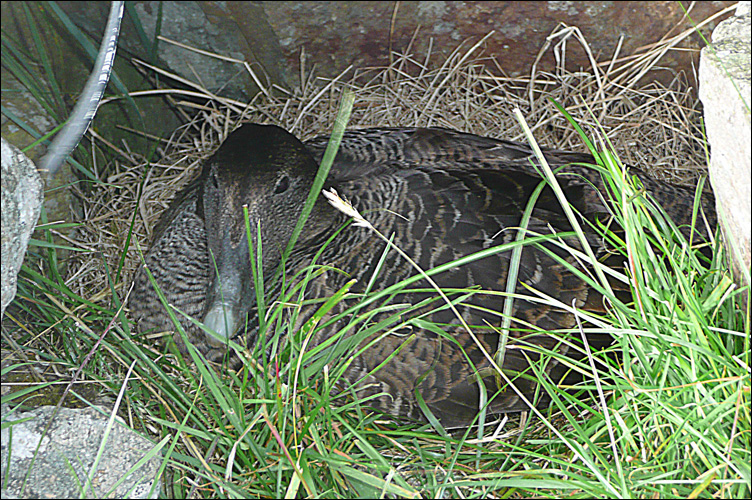
The eider seems to manage? |
|||||||||||||||
THE PUFFINS IN NÓLSOY ARE PROTECTED FROM 15. JUNE 2008 TILL 15. JUNE 2010 |
||||||||||||||||||
| 15. June 2008 the landowners of the 3 separate parts of Nólsoy agreed to protect the puffin for the next 2 years. This means, that there will be no puffin catching in the main colony, situated in Urðin. Still it is allowed to catch a very limited amount of puffins in Nýggjurð, which is located North of the old Urð. | ||||||||||||||||||
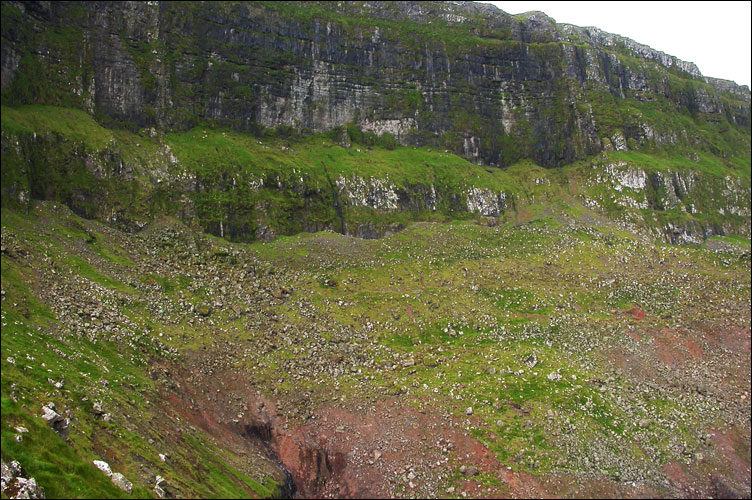
| The main reason to protect the puffin is, that they have had a very poor breeding success in the past 4 years. Furthermore the Urð, where the main puffin colony is situated, had a severe damage during the breakers from North-East on the night between 29. February - 1. March 08. Apart from many nest's being destroyed, 5 of 12 hunting seats were destroyed and 2 had severe damage. | ||||||||||||||||||
| The photographs above were taken right after the breakers, and it is easy to see the damage in the puffin colony in the Urð in Nólsoy. The photograph below is from Nýggjurð. | ||||||||||||||||||
 |
||||||||||||||||||
TURNSTONE Arenaria interpres |
||||||||||||||||||
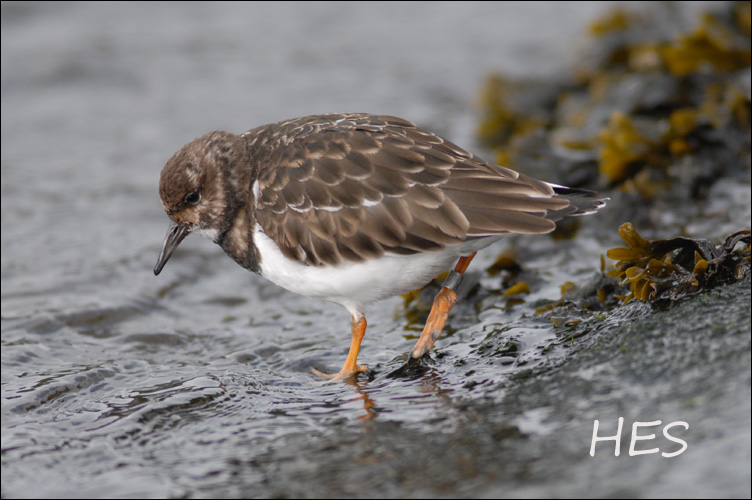
On 9 March 1998, I ringed 5 turnstones in Nólsoy’s harbour, one of them with ring number 8864314. During the following 10 winters, I have seen ringed turnstones in the exact same location, without any luck in catching them. However, on 21 March 2008 - almost exactly 10 years later - my friend Hans Eli Sivertsen was in Nólsoy with his camera. On that day he took several good quality photographs of one of "my" turnstones, to the extent that we were able to read the number of the ring and confirm, that it was one of the birds I had ringed. This and earlier observations of ringed turnstones in the Faroe Islands indicate, that these turnstones probably breed in North Greenland or as far as Ellesmere Island. |
 |
|||||||||||||||||
BAD PROSPECTS FOR THE BIRDS IN 2008! |
||||||||||||||||||
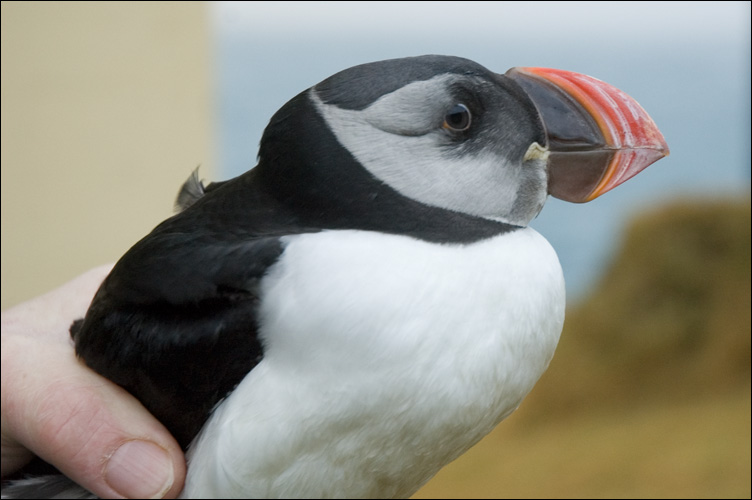 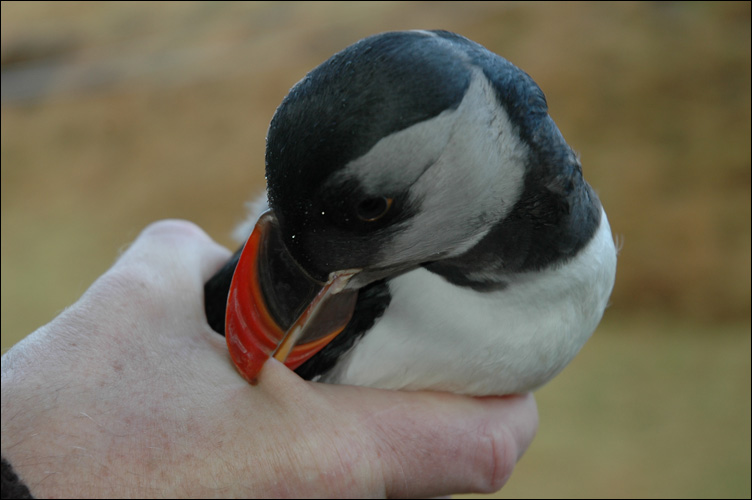 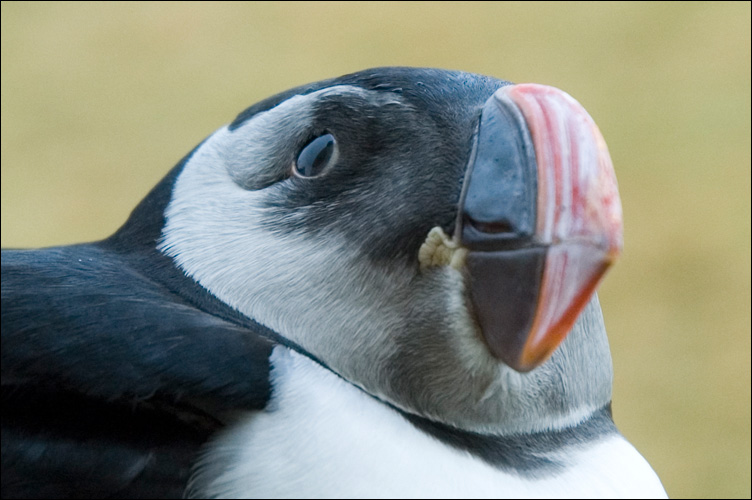 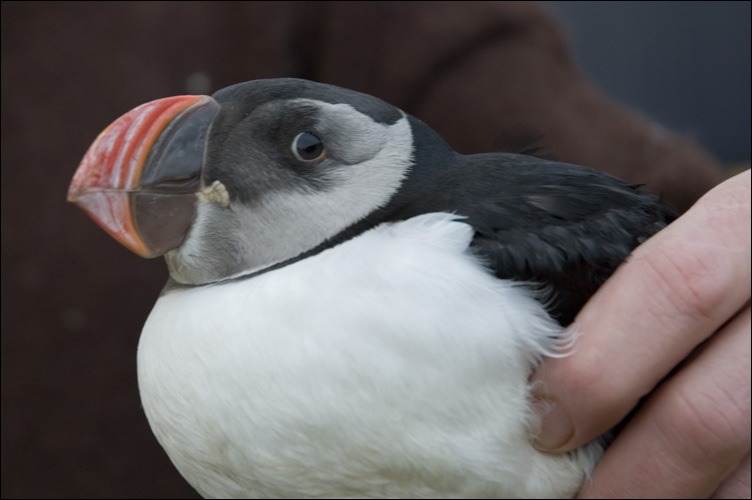 |
||||||||||||||||||
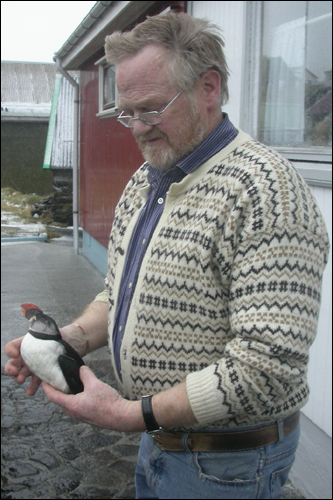
| 15. January 2008 Meinhard Hansen found 5 dead puffins in Funningsbotni, who had all died from starvation, and the day after he found 1 more. | ||||||||||||||||||
| 18. januar Hans Eli Sivertsen found 9 dead starved puffins on the little pier in Lamba. 25. January Marnar á Skúr found 1 old starved puffin in Nólsoy, who died the same night. 27. January I myself found a starved old puffin in Nólsoy. From the size of the puffins I will judge them to be of Norwegian origin. From late in October until mid of November 2007 there were unbelievably many razorbills near the shores, but they disappeared as suddenly as they had arrived. And the guillemots, who normally are very common in the Faroese waters in the autumn, have not been here at all. Also we have seen very few Iceland and Glaucous gulls. |
 |
|||||||||||||||||
NECKBANDED GREYLAG GOOSE |
||||||||||||||||||
| This is the second observation of neckbanded Greylag Goose in Faroe Islands. Rodmund á Kelduni observed and photographed this orange ANC marked goose in Sørvágur, Vágoy 18.10.07. | 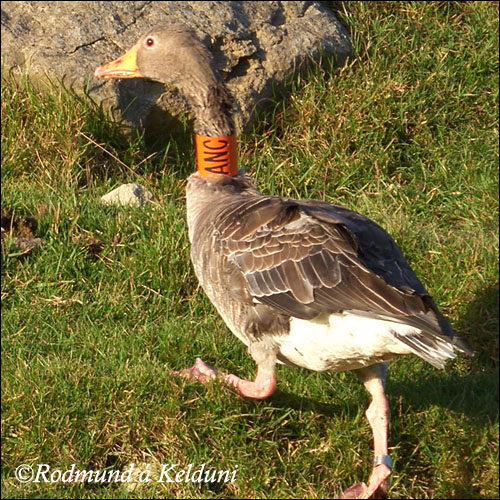 |
|||||||||||||||||
| Bob Swan, who ringed the Greylag Goose as an adult male in Scotland 30.11.2003, also ringed Guillemots in Isle of Canna, whereof several has been reported back from Faroe Islands. | ||||||||||||||||||
| The Greylag Goose male probably breeds in Iceland although he has never been observed there. | ||||||||||||||||||
Here are the locations, where the Goose has been observed, since it was ringed. |
||||||||||||||||||
| COANCH - Lintrathen Loch, Tayside, Scotland - 30-11-2003 | ||||||||||||||||||
| COANCH - Easter Rarichie, Balintore, Ross-shire - 19-12-2004 | ||||||||||||||||||
| COANCH - Easter Rarichie, Balintore, Ross-shire - 26-12-2004 | ||||||||||||||||||
| COANCH - Rennibister, Firth, Orkney - 10-11-2005 | ||||||||||||||||||
| COANCH - Hackland, Rendall, Orkney - 28-12-2005 | ||||||||||||||||||
| COANCH - The Loons, Orkney - 25-11-2006 | ||||||||||||||||||
| COANCH - Isbister, Orkney - 14-03-2007 | ||||||||||||||||||
| COANCH - Ytri Suðurtriðingur, Vágar, Faeroes - 18-10-2007 | ||||||||||||||||||
Growing concerns for seabird populations in Nordic Seas Large scale, climate related ecological changes have disrupted the food web of marine birds in Nordic waters. Over recent years, a decreasing number of birds have shown up in the colonies, and local populations are in trouble with few chicks being raised. Comprehensive and complex changes are now happening in the marine ecosystem, underlining more than ever the need to manage all other factors which affect seabirds such as commercial fisheries, oil spills, seabird harvest and environmental pollutants. This is the conclusion from a group of seabird experts that met in the Faeroe Islands in 2007. |
||||||||||||||||||
| Read the Press Release for more details PDF | ||||||||||||||||||
Tore Høyland |
 |
|||||||||||||||||
| A very interesting "cranium" site: The Seabird Osteology Pages |
||||||||||||||||||
| Many young starlings are ringed in the Heligoland trap on Nólsoy every year. Notice, that the Faroese young Starling is very dark in the colour - it is because it belongs to the subspecies Sturnus vulgaris faroensis. | 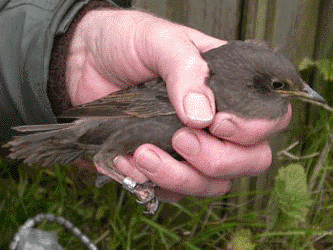 |
|||||||||||||||||
| MIKKJAL HUNTING OLD FULMARS | 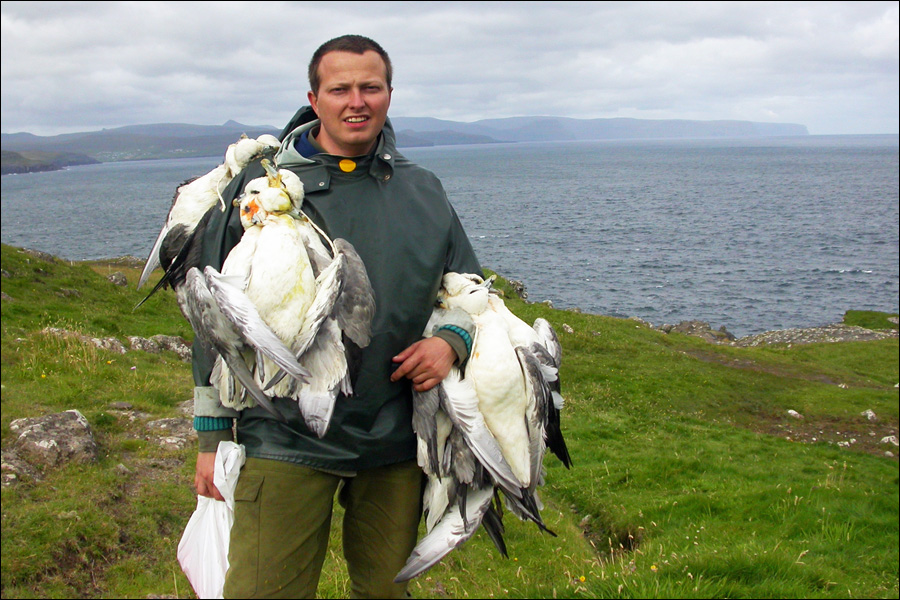 |
|||||||||||||||||
| Mikkjal was hunting old Fulmars with a catcher with net 1. September 2008. One of the birds was ringed as a pull in 1999 by Marnar Gaard on the position south of Fugloy. | ||||||||||||||||||
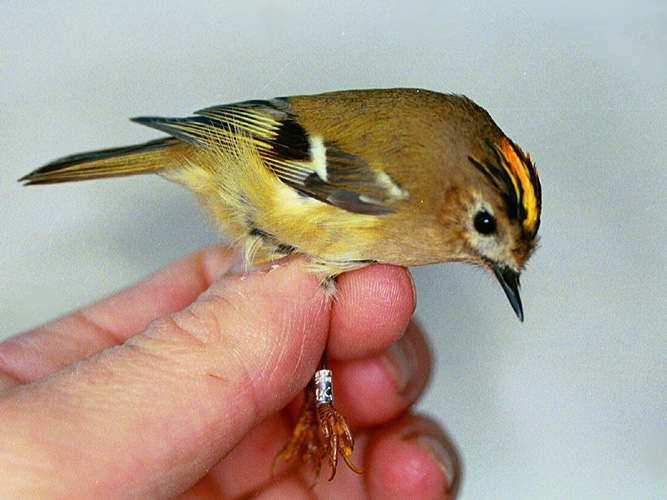
GOLDCREST Regulus regulus |
 |
|||||||||||||||||
| Goldcrest
breeds very rarely in the Faroe Islands, but it is a regular visitor
in the spring and autumn. The male on the photo was caught in the Heligoland trap on Nólsoy and flew away again with a ring on its leg! |
||||||||||||||||||
| "TJALDUR VER VÆLKOMIÐ TIL OKKUM HEIM" | ||||||||||||||||||
|
||||||||||||||||||
| Nólsoy 31.07.2003 | ||||||||||||||||||
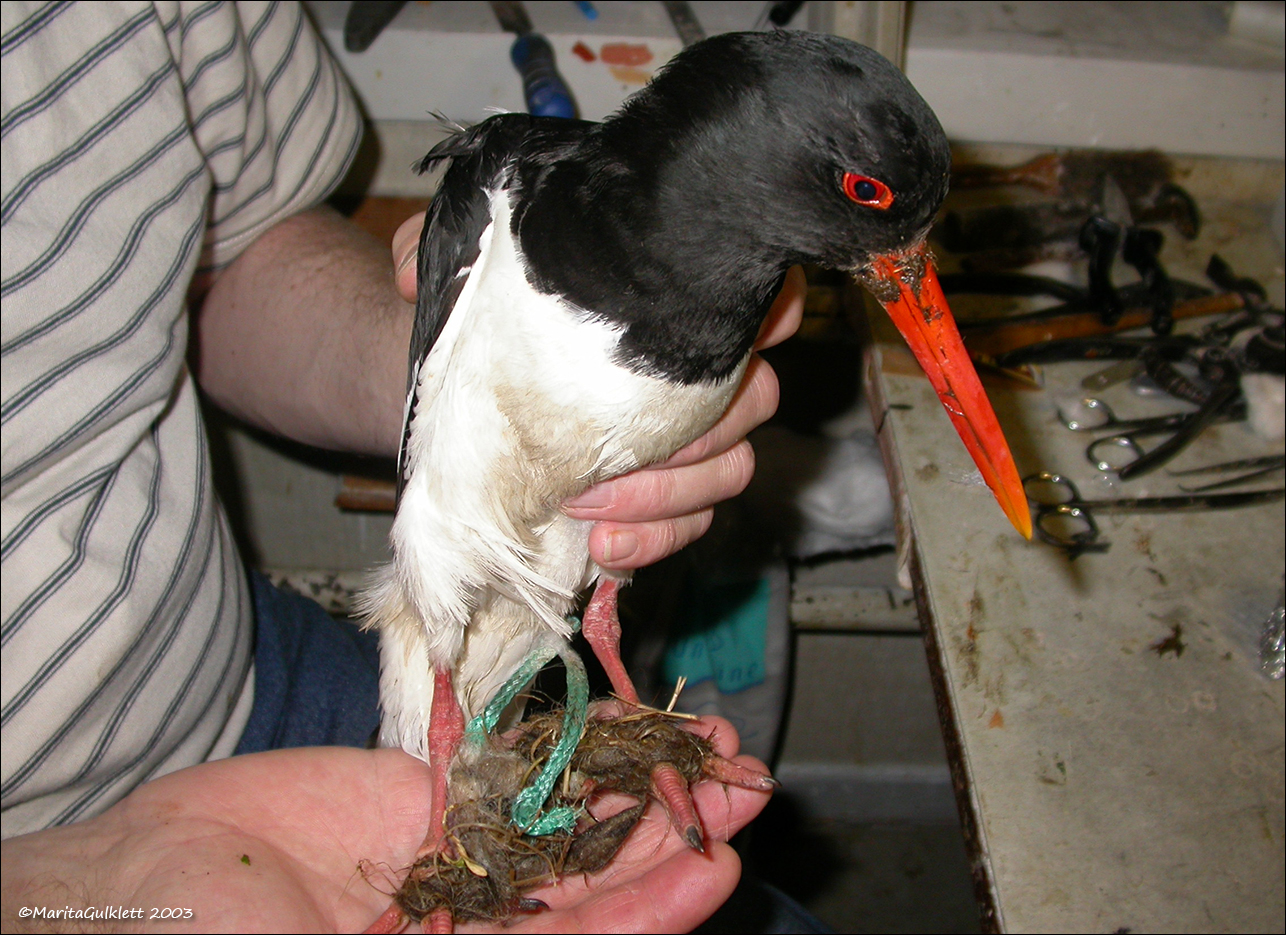
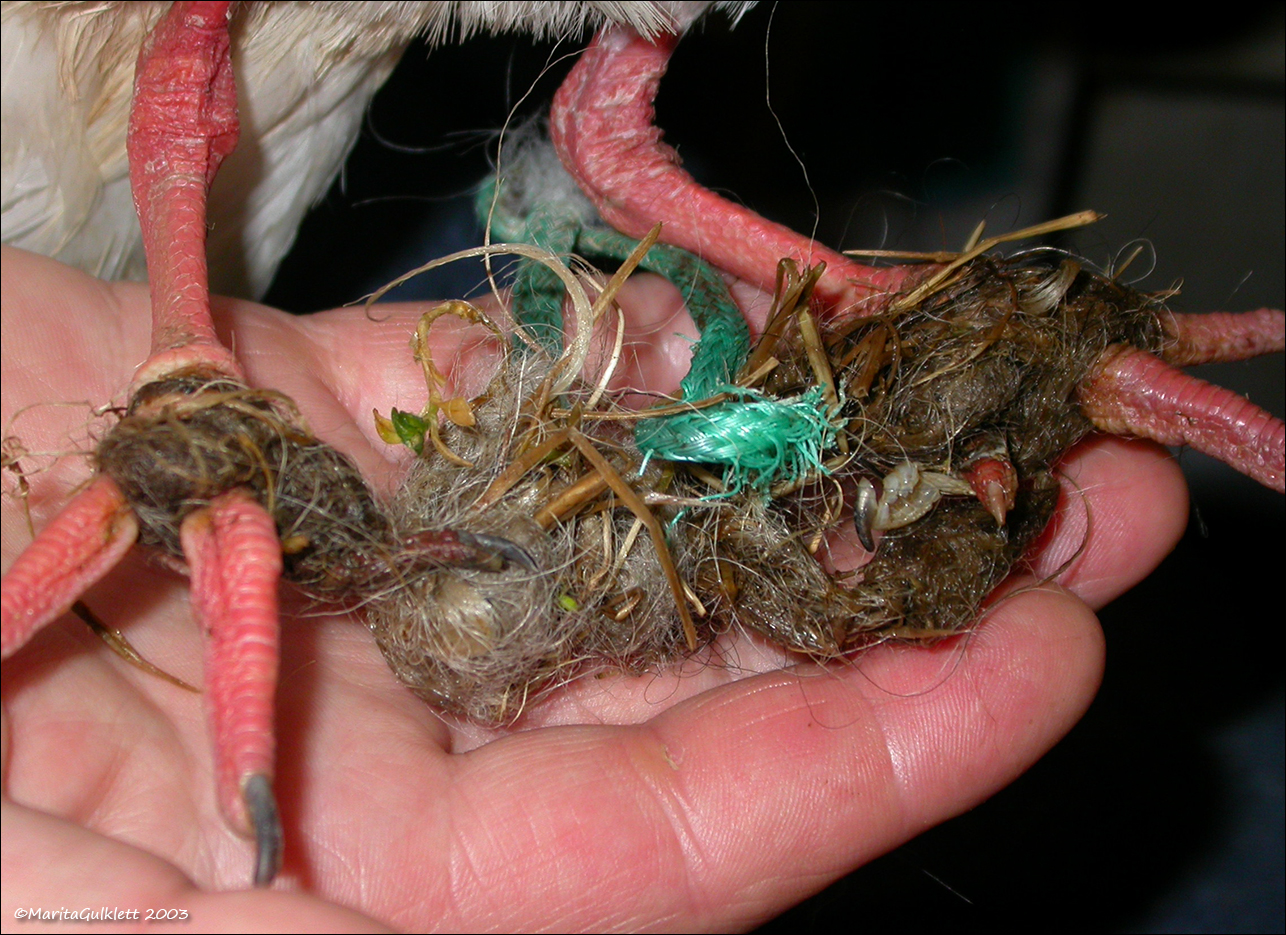
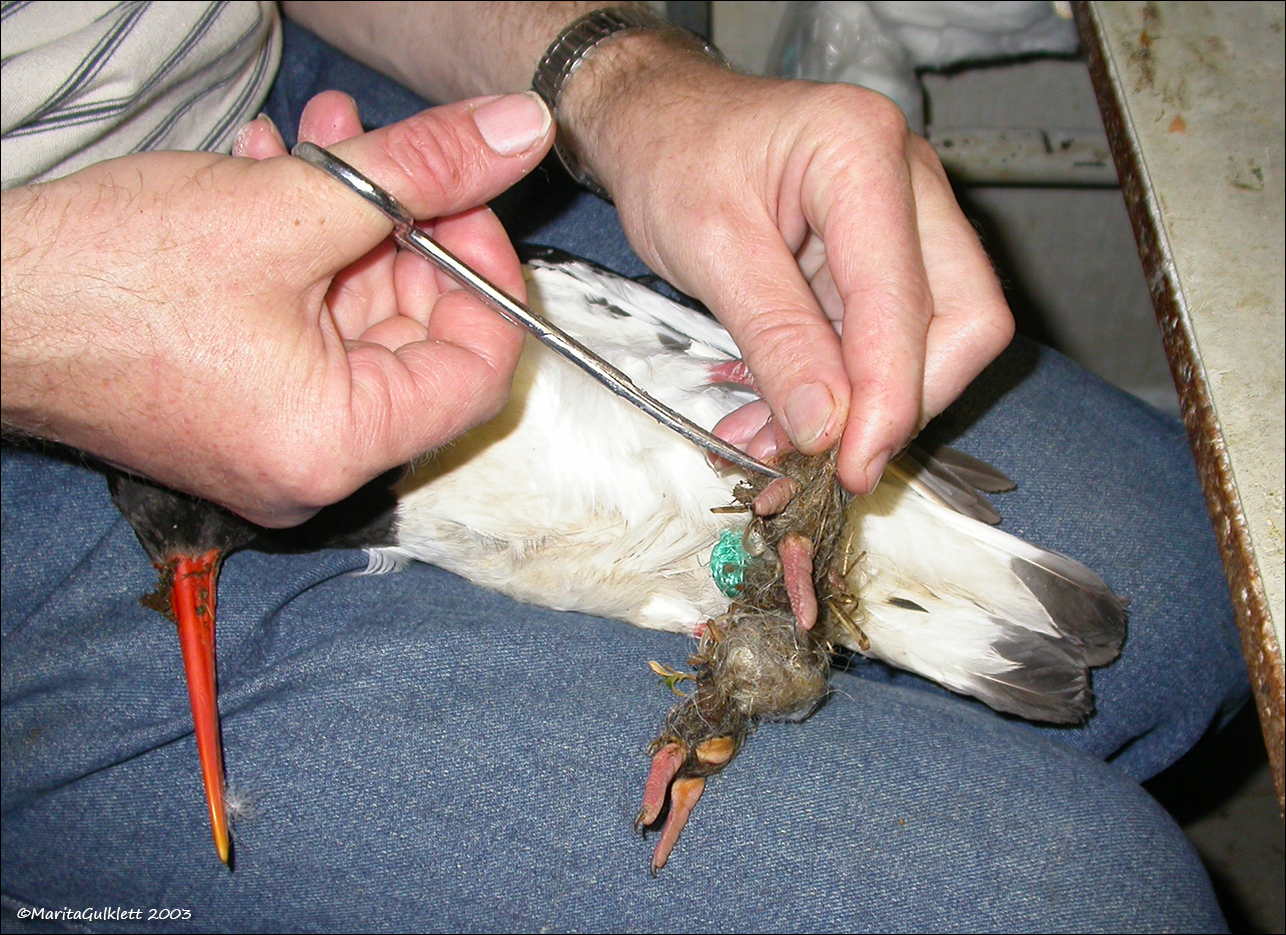
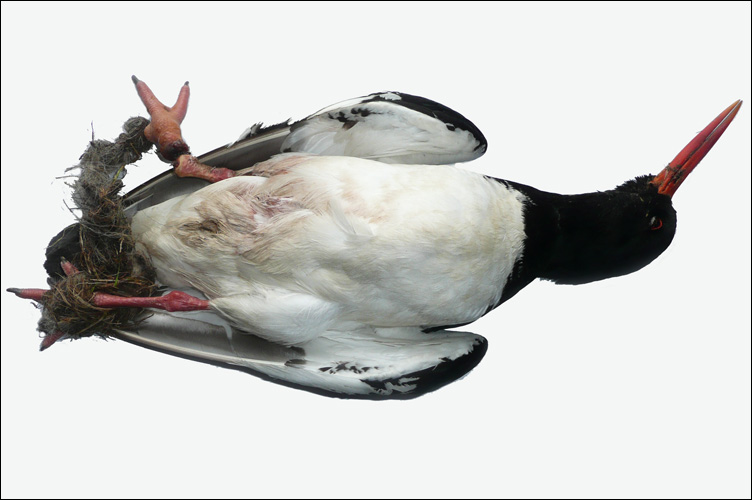
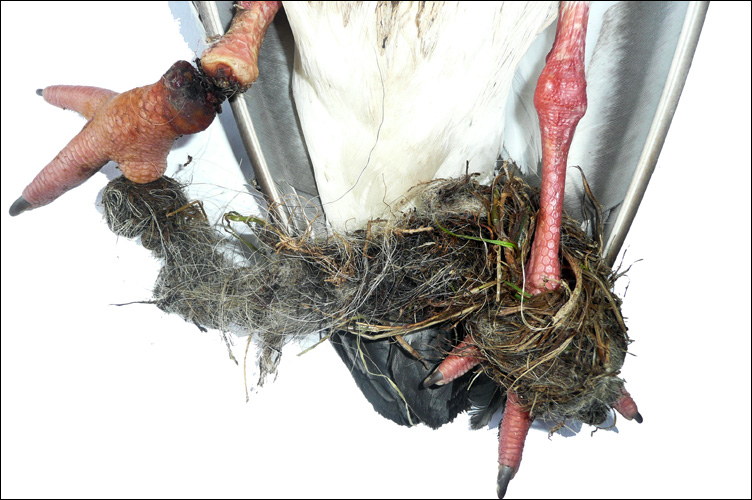
| This is a very beautiful hymn which the Faroe Islanders sing each spring to welcome their national bird "tjaldrið" - GB Oystercatcher, welcome back to the islands to breed. Unfortunately a lot of Oystercatchers die each year because of their feet get wrapped in wool, left from the sheep in the field, and different kind of ropes - including nylon! | ||||||||||||||||||
| Even though many articles have been printed in the local papers about the problem during the last many years, it has had no affect at all! It seems to be very difficult to get the farmers to clean their fields - although it is their responsibility! | ||||||||||||||||||
| Also ringing of the Oystercatcher seems to make the problem bigger. If an Oystercatcher has a ring on its leg, it will more likely be wrapped in wool. BTO (British Thrust of Ornithology) is ringing a lot of Oystercatchers each year, and despite of countless requests, we haven't been able to persuade BTO to put the ring above the tibio- the tarsal joint, or the tibia - to avoid the ring being filtered in for example wool. | ||||||||||||||||||
| This beautiful Oystercatcher died the day after it was released from the wool and nylon surrounding its legs - as so many before. | ||||||||||||||||||
| Let's hope, that the responsible land owners notice these pictures... | ||||||||||||||||||
|
||||||||||||||||||
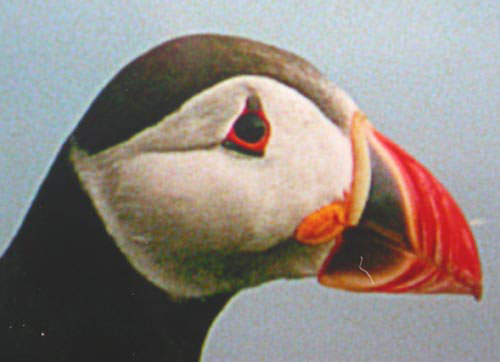
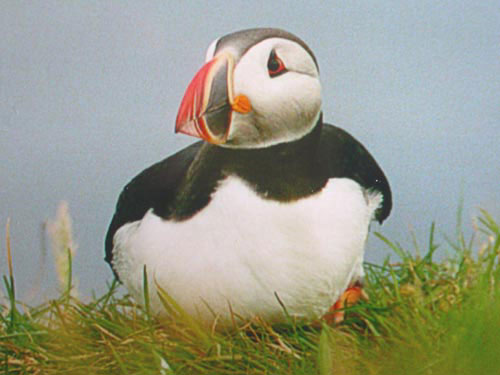
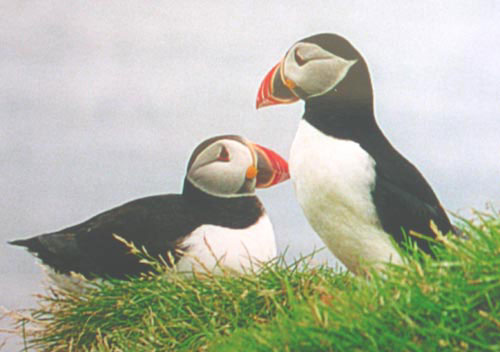
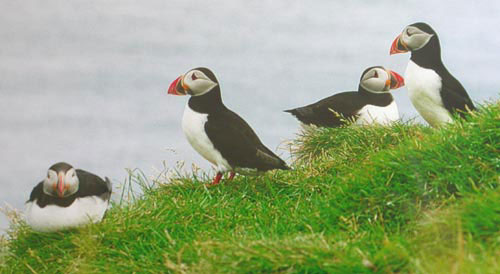
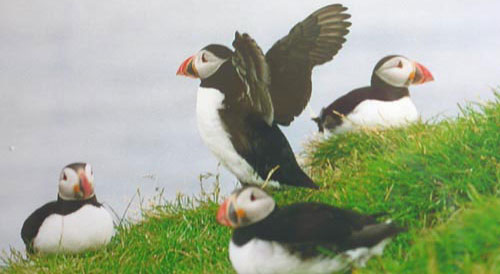
| STIÐJABARMUR IN NÓLSOY 17.07.04 AT 8 PM. | ||||||||||||||||||
     |
||||||||||||||||||
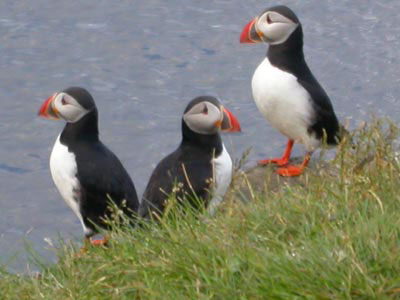
STIÐJABARMUR IN NÓLSOY 17.07.04 AT 8 PM. |
||||||||||||||||||
    |
||||||||||||||||||
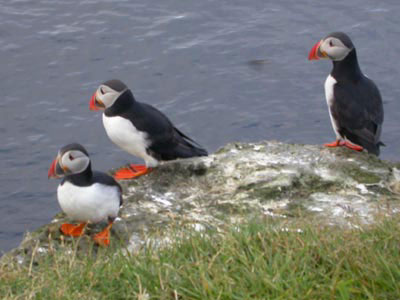
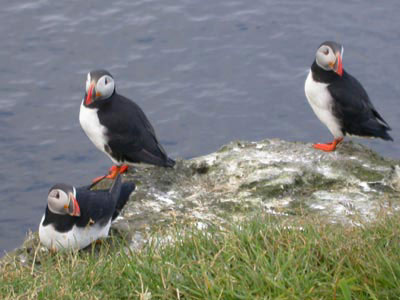
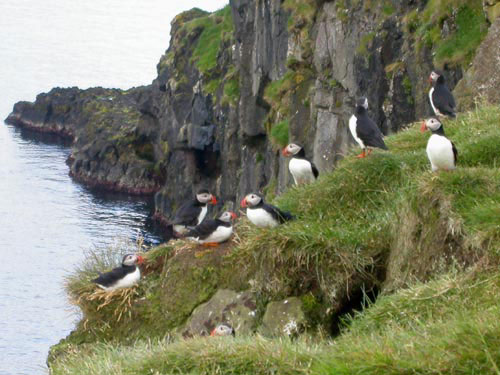
| The Puffin has arrived, but it is much to early to estimate the situation | ||||||||||||||||||
| The
Puffins had a bad season in 2004. They breed late, and the few pulls
were fledged late in August. Altogether 5000 Puffins were caught with ketcher on Nólsoy, and the last hunting day was 28. July. |
||||||||||||||||||
  |
||||||||||||||||||
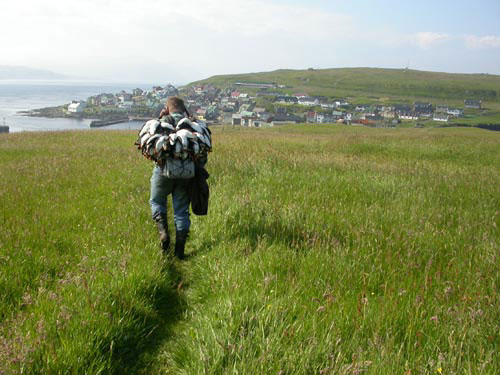
| The most of the breeding seabirds on
the Faroe Islands have had a very bad breeding season in 2003. The most
probable reason is a lack of food. Most of the Puffins left the
islands already July 17, which is 2-3 weeks earlier than normally! The most of the pulls of Arctic Tern died in the biggest colony on Nólsoy July 26, and all of them died from starvation. The situation has been almost the same in the whole North Atlantic - including Iceland, Norway and Shetland. Worth to mention is, that the Sandeels disappeared in the North Sea already July 9. |
||||||||||||||||||
|
||||||||||||||||||
| Guillemot eggs | ||||||||||||||||||
|
||||||||||||||||||