|
|
||||||||||||||||||||
|
||||||||||||||||||||
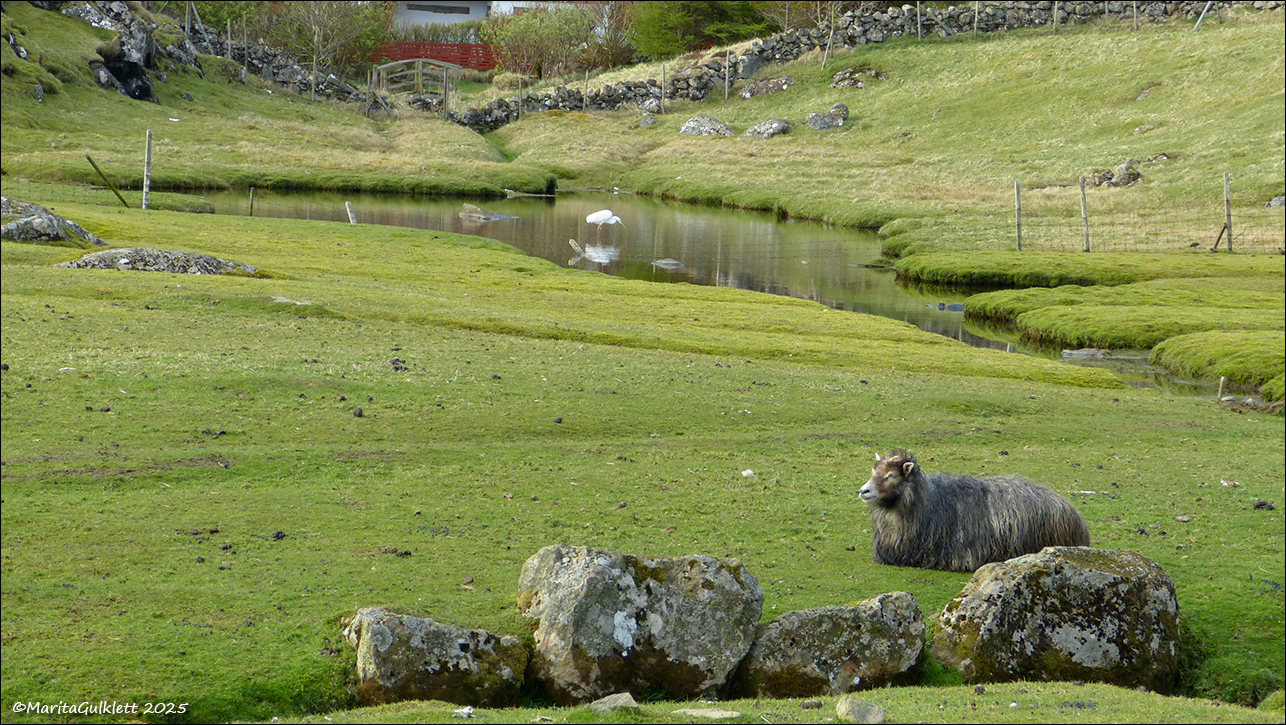
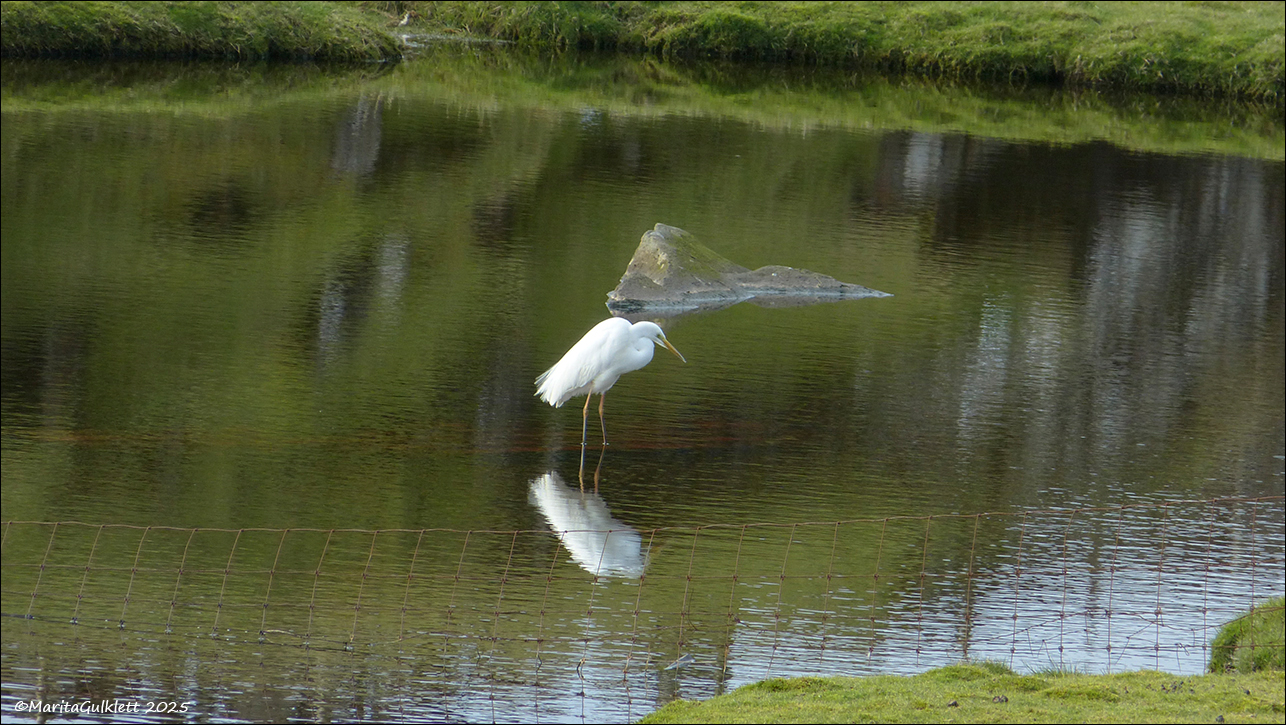
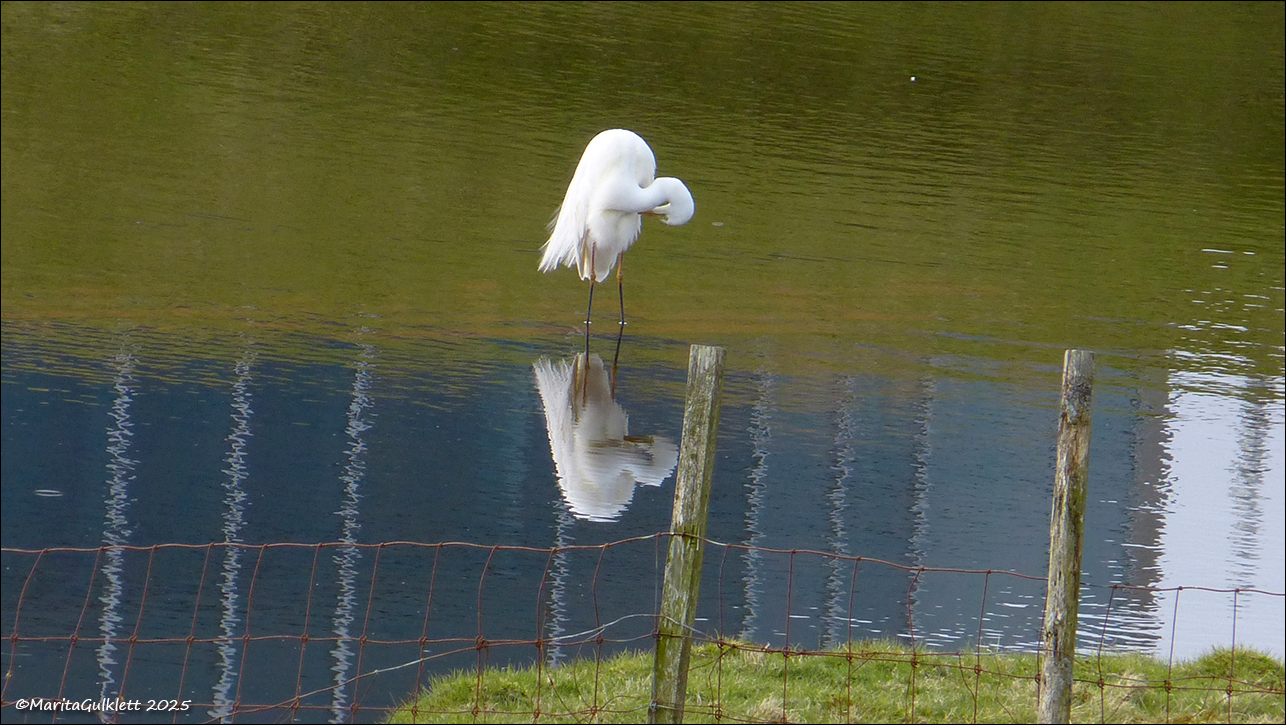
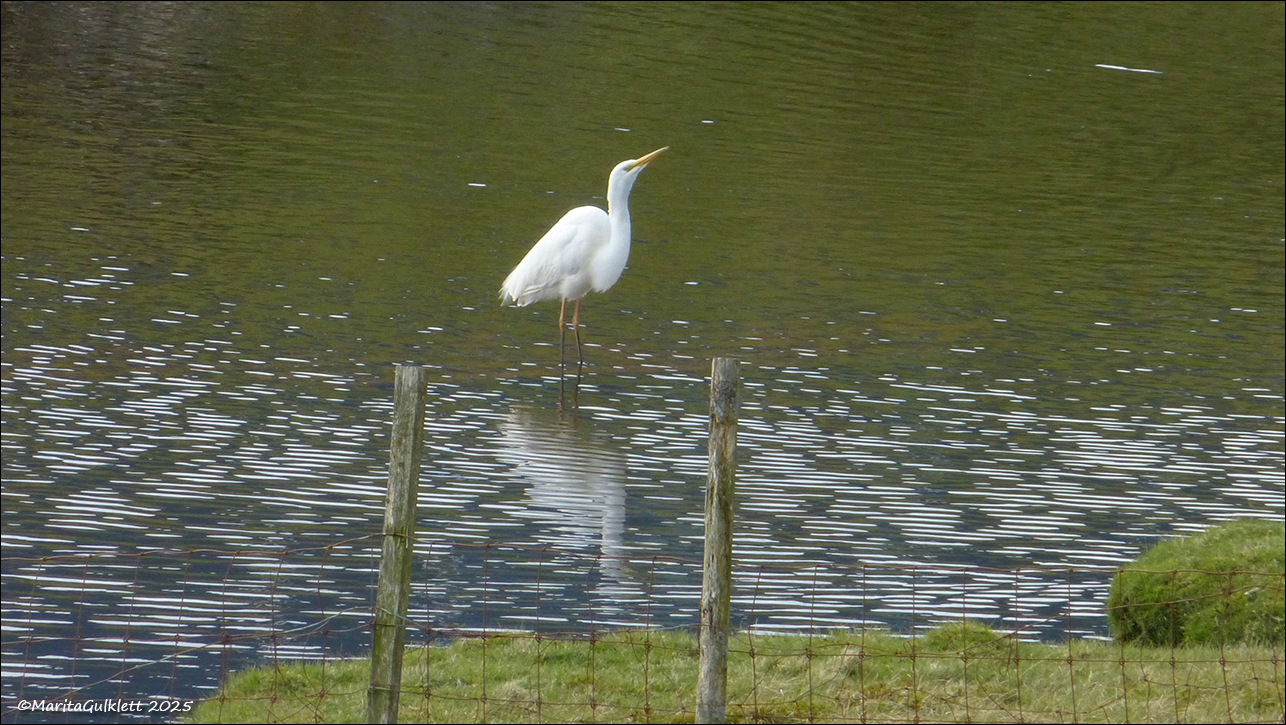
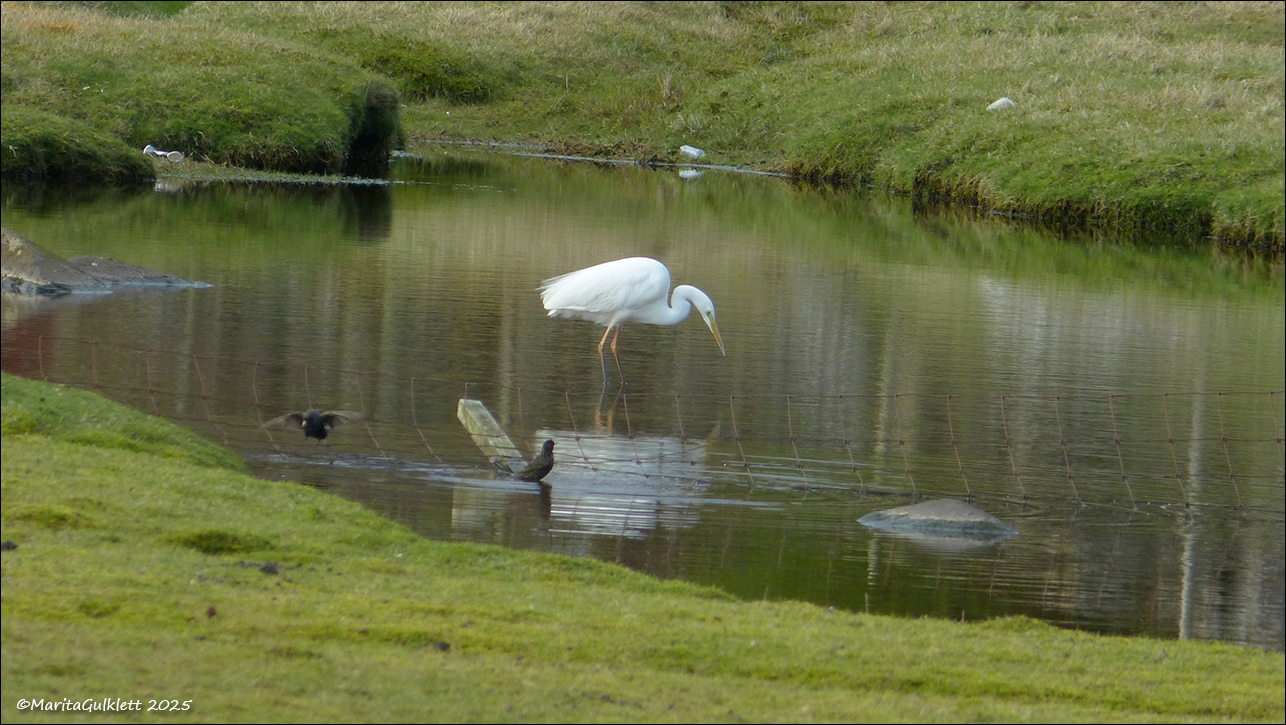
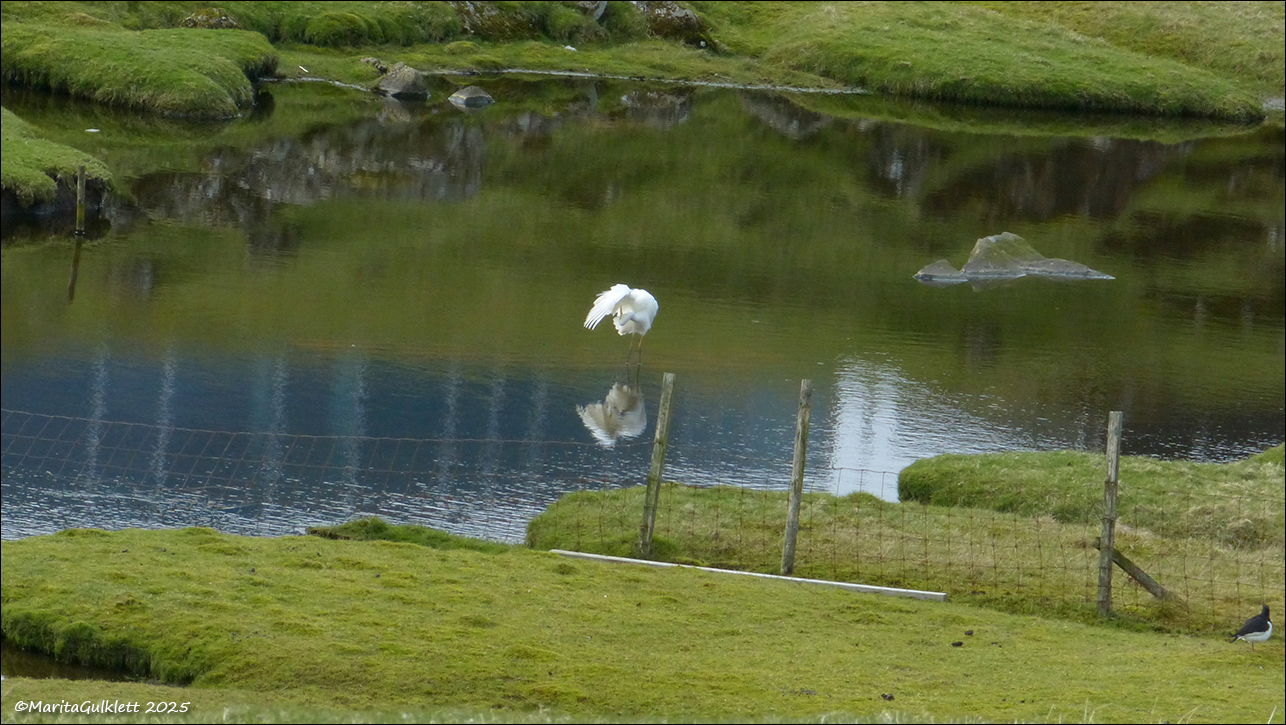
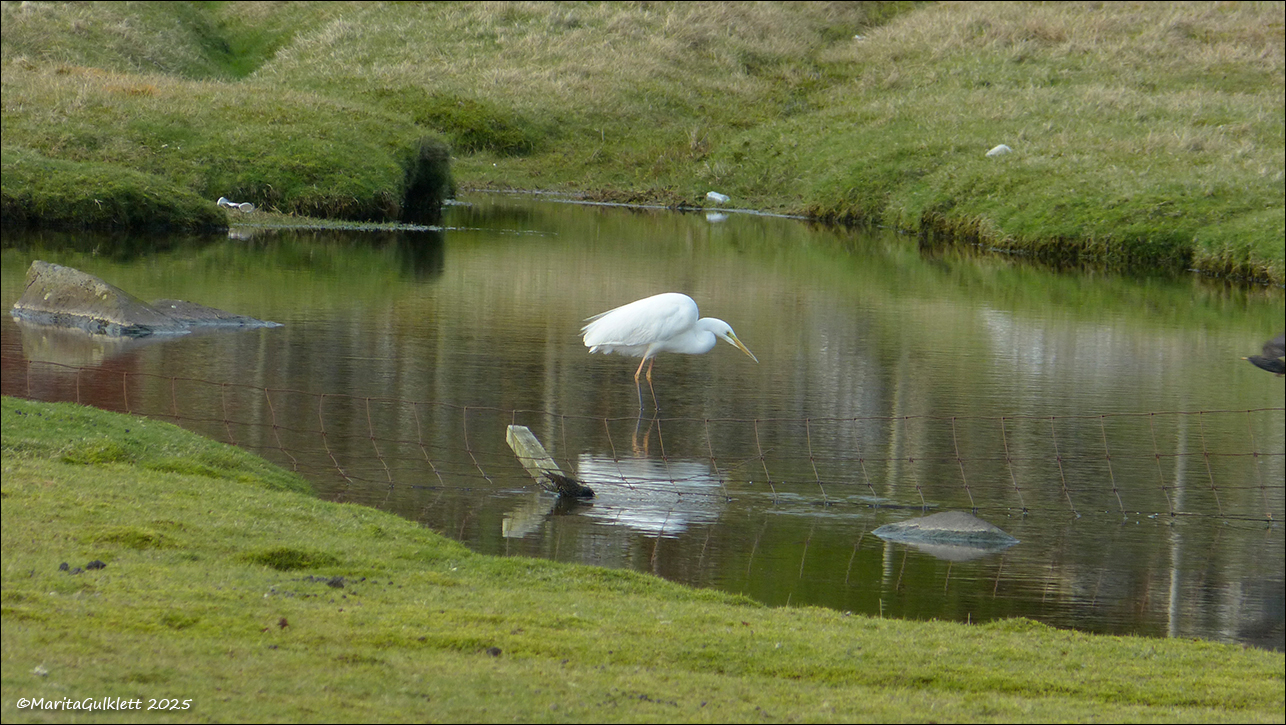
| Great egret Ardea alba | ||||||||||||||||||||
|
||||||||||||||||||||
|
||||||||||||||||||||
|
||||||||||||||||||||
| Tórshavn 16.04.2025 | ||||||||||||||||||||
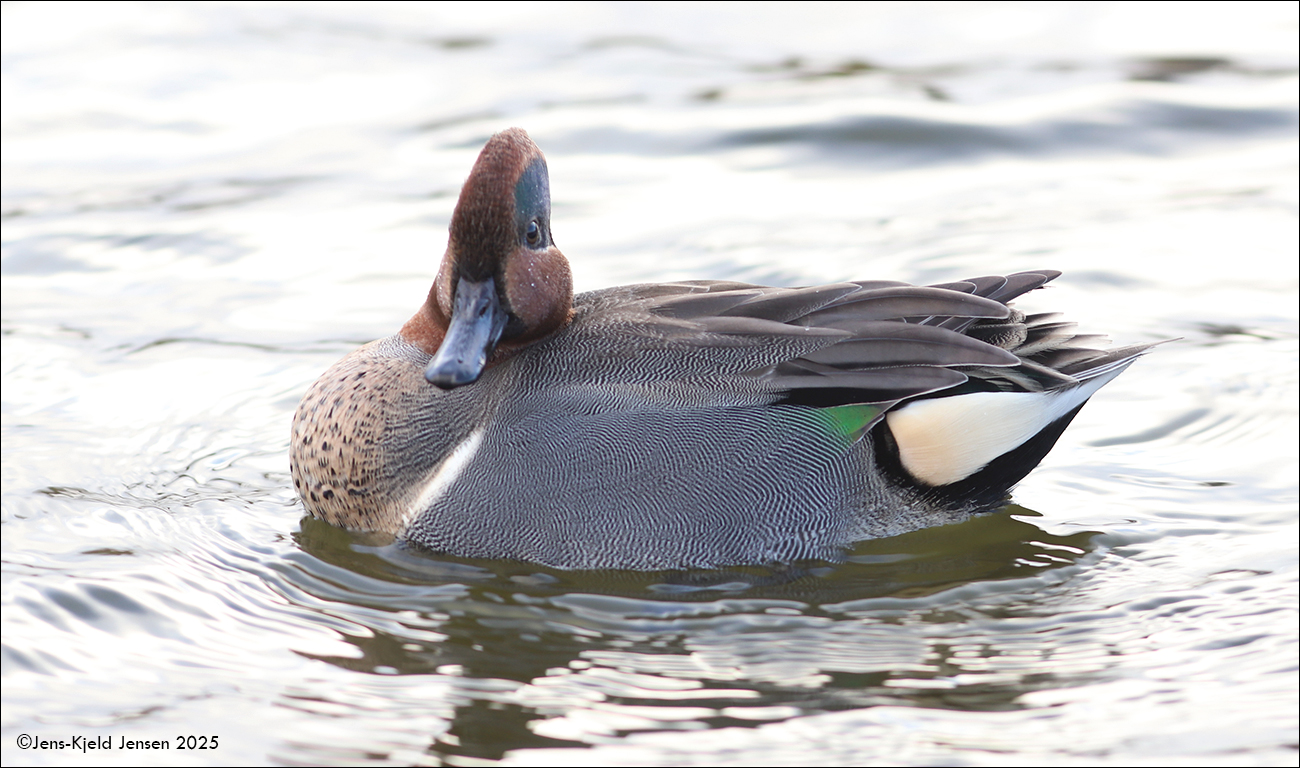
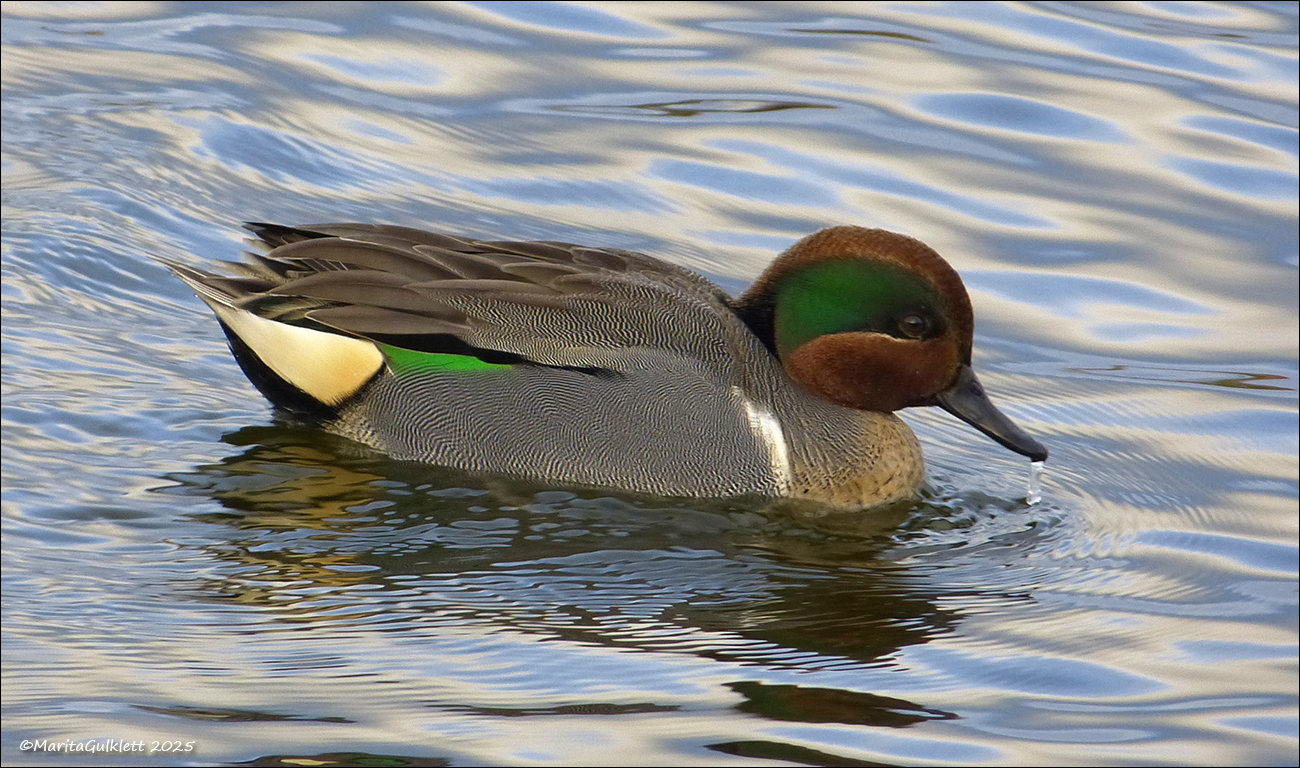
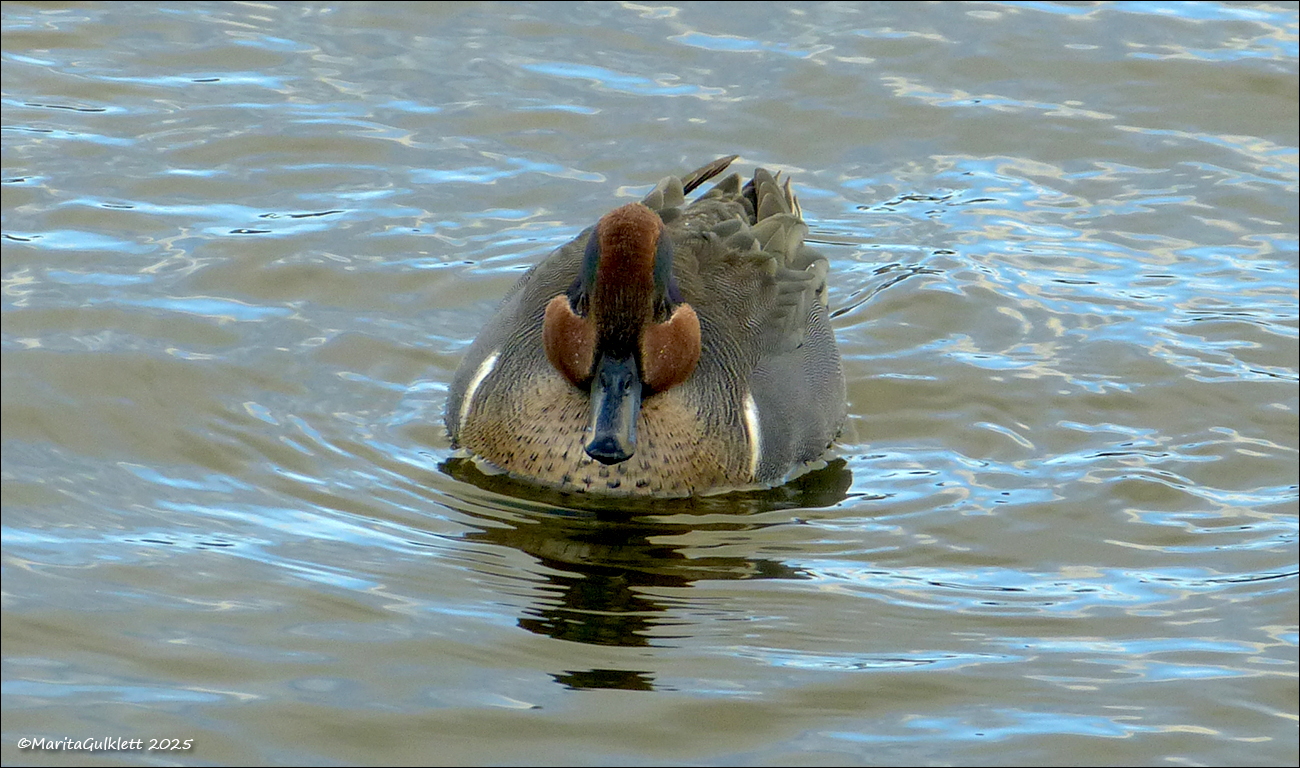
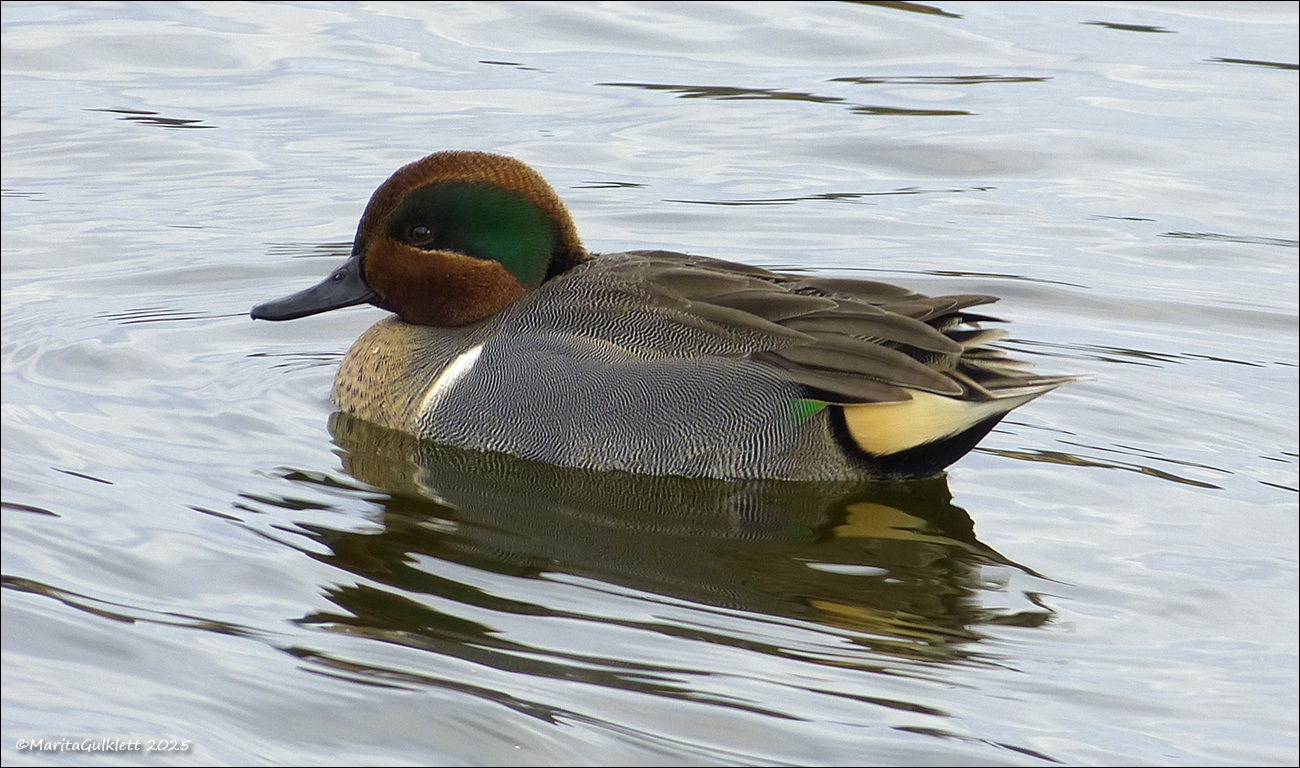
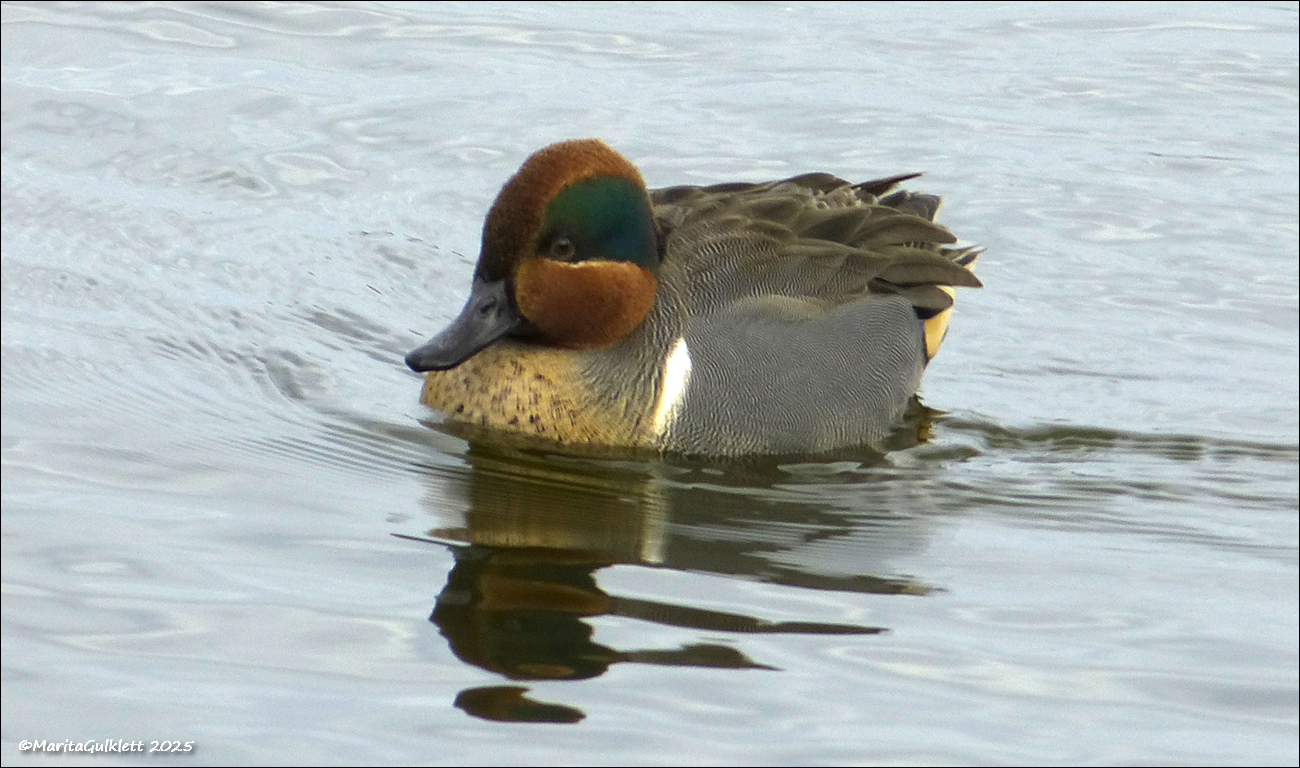
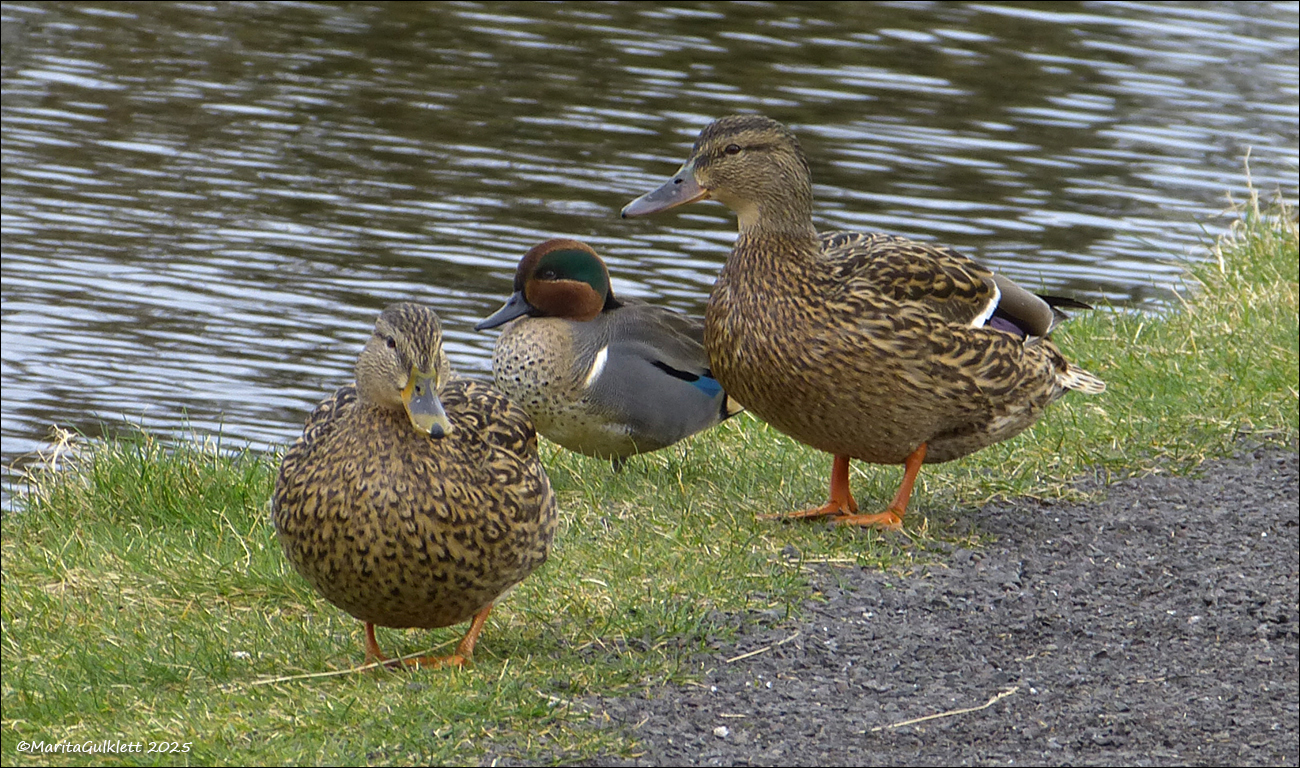
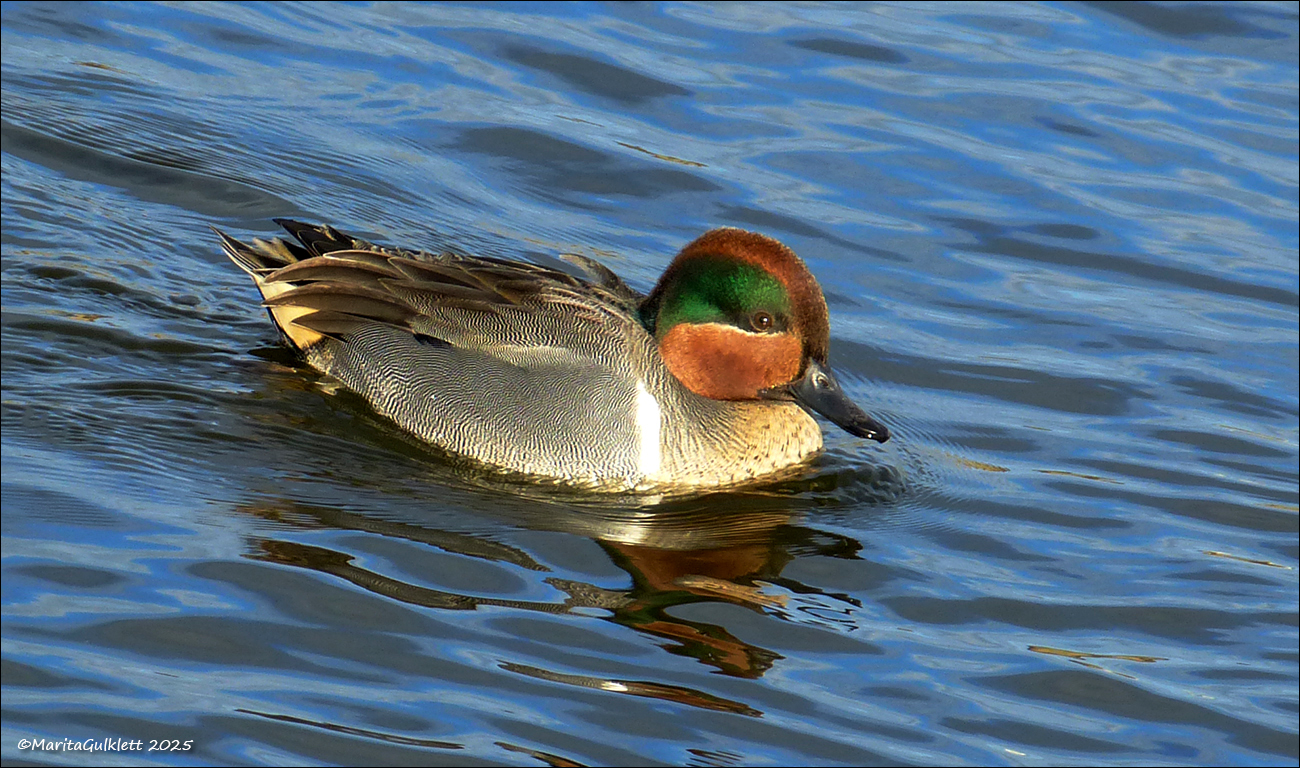
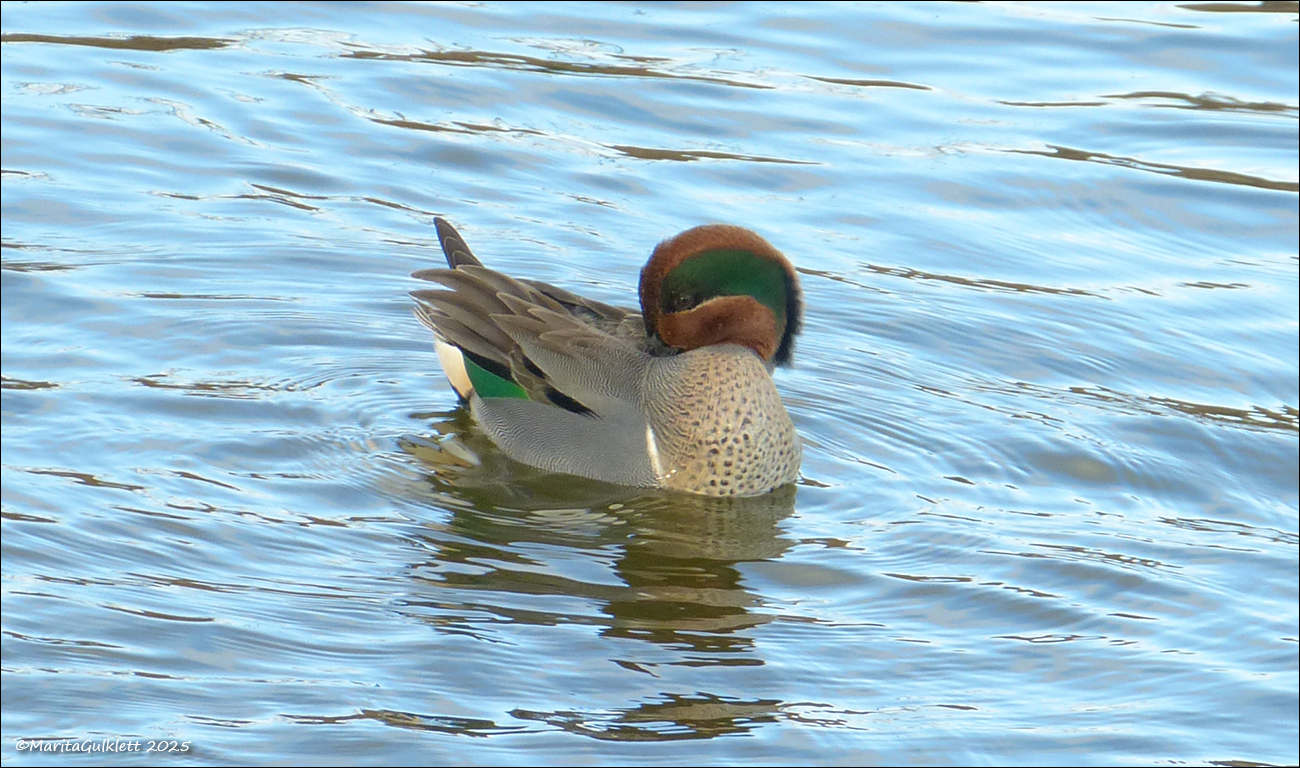
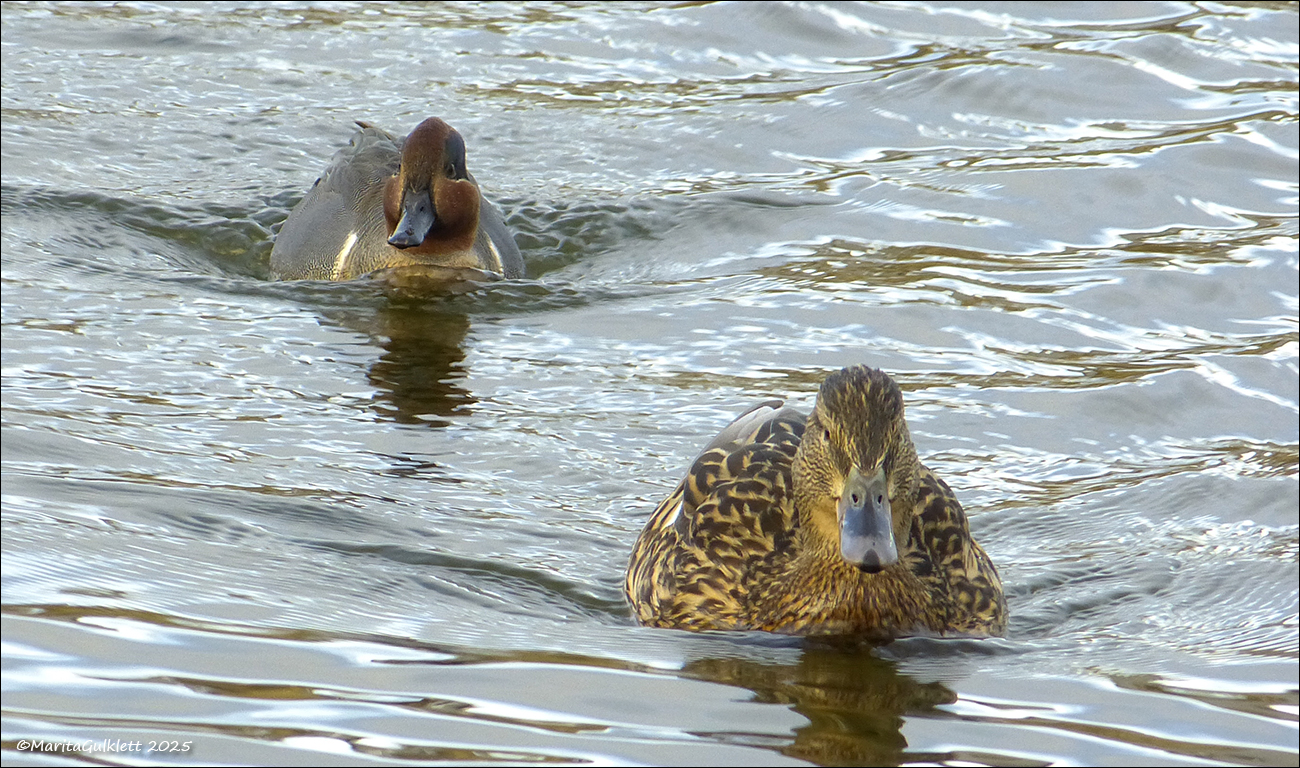
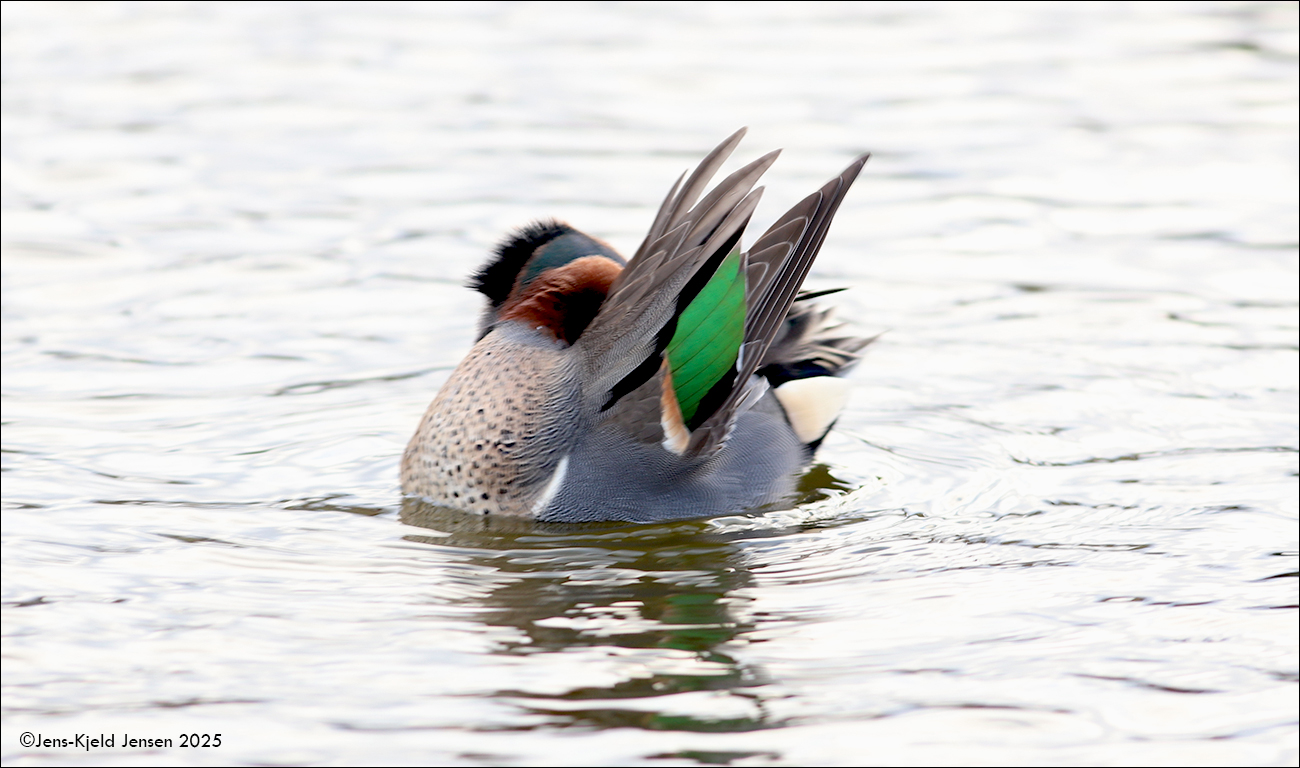
Green-winged Teal Anas Carolinensis |
||||||||||||||||||||
| Tórshavn 19.03.2025 | ||||||||||||||||||||
|
||||||||||||||||||||
|
||||||||||||||||||||
|
||||||||||||||||||||
| Rare visitor, first registration in the Faroe Islands was 10.05.1981. | ||||||||||||||||||||
| Reference: Færøernes fugle - fakta og tal | ||||||||||||||||||||
Black-browed Albatross Thalassarche melanophris (Temminck, 1828) |
||||||||||||||||||||
|
||||||||||||||||||||
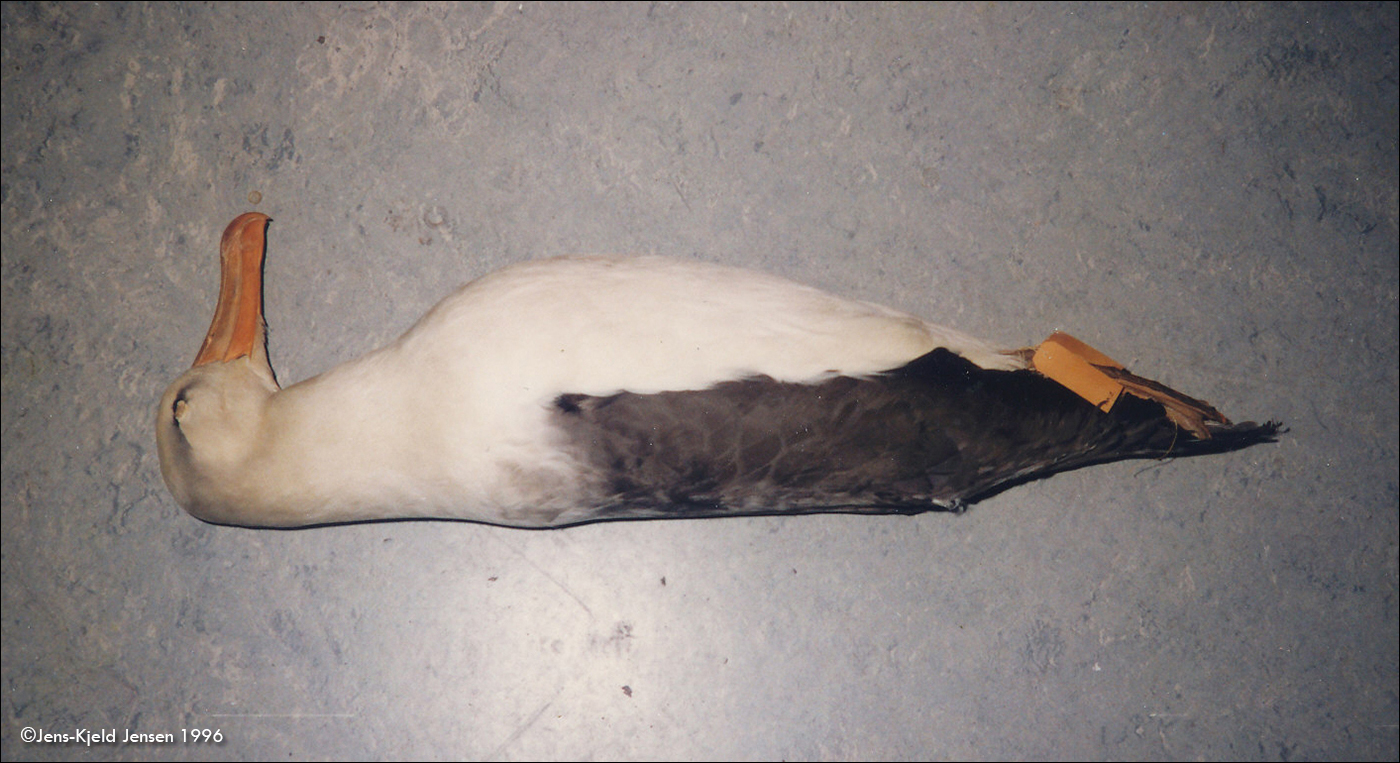
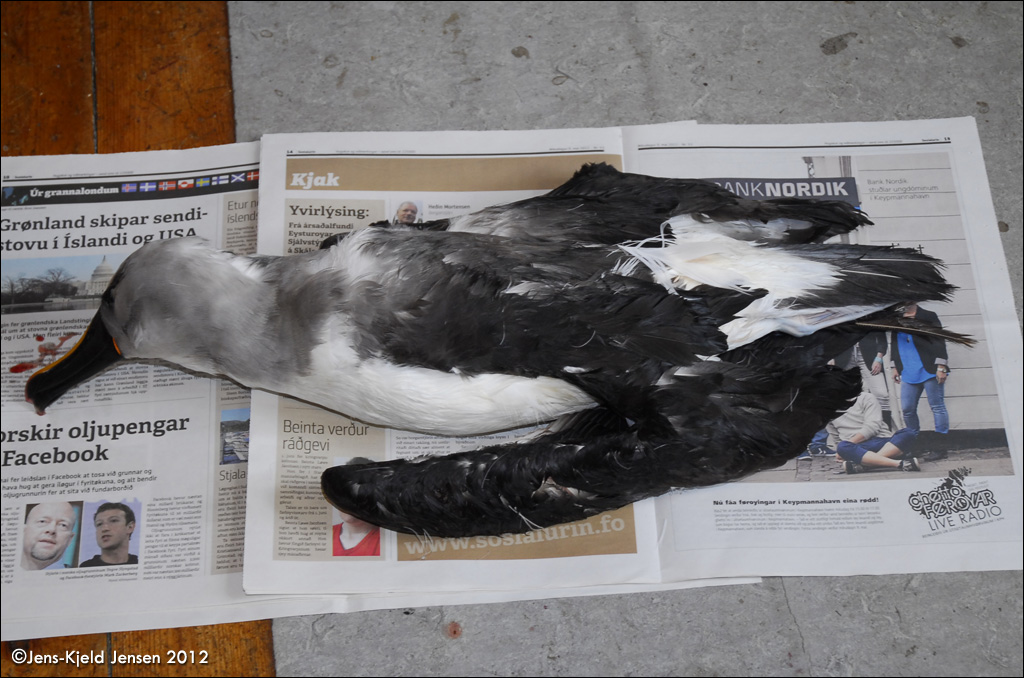
A black-browed albatross came to Mykines in 1860 and returned annually to the Gannet colony. It was shot in 1894, and by then it was older than 34 years. |
||||||||||||||||||||
Petur Petersen (á Botni) skinned the albatross and sent the study skin to Denmark (Knud Andersen) and it was then thought that it had disappeared, since it was not registered in the Zoological Museum. But in 1996, Jon Fjeldså gave J-K.J permission to look in some large boxes of unregistered large skinned birds in the Zoological Museum's skin collection. There J-K.J found the very well-preserved Mykines albatross and took this photo of it. |
||||||||||||||||||||
| Puffin NO. EA97678 | ||||||||||||||||||||
|
||||||||||||||||||||
The last 151 days of an English puffin's life |
||||||||||||||||||||
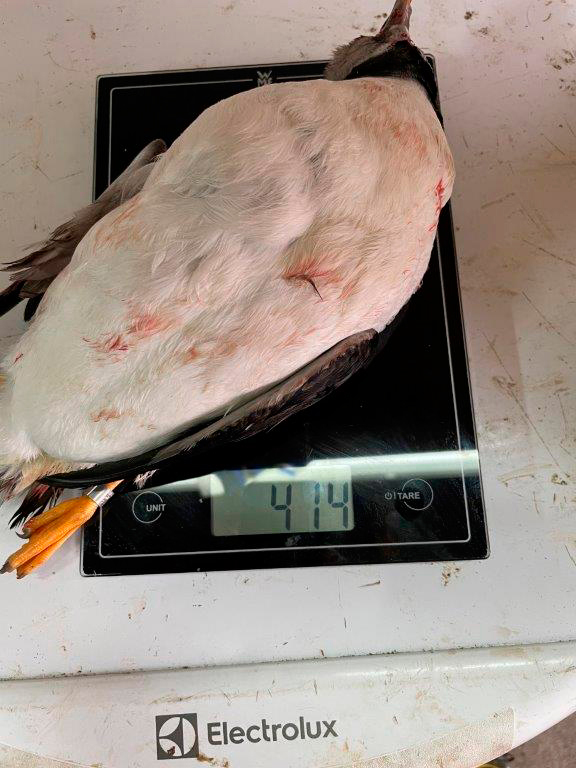
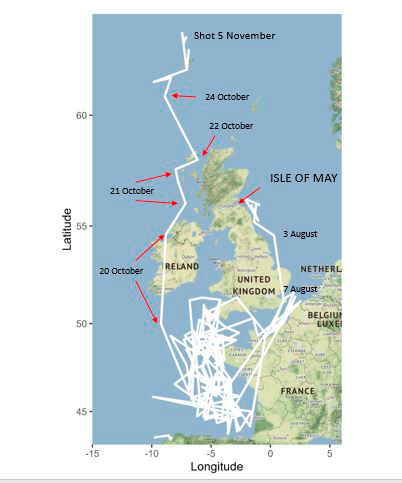
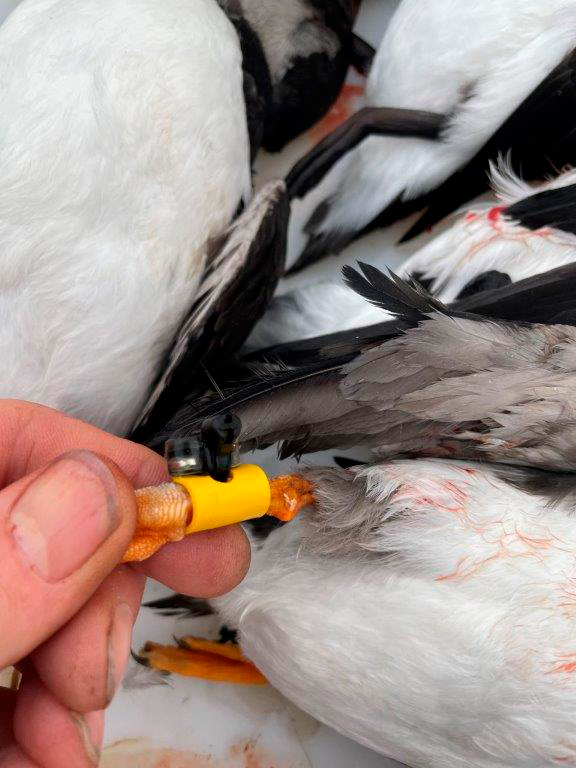
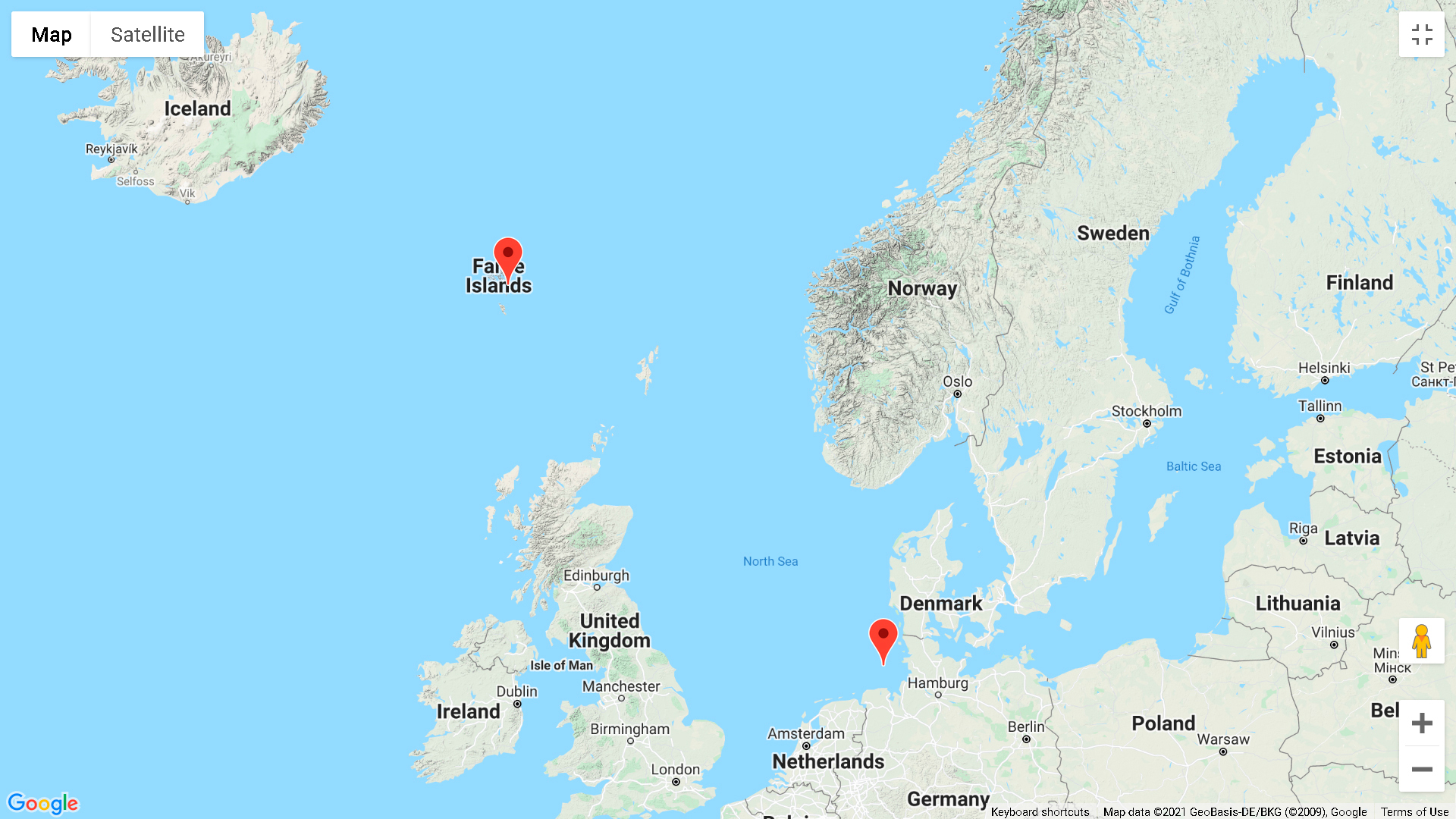
On 07 July 2022, puffin NO. EA97678 was tagged with a steel ring and a geologger on the Isle of May, which is located on the east side of Scotland. On 05 November 2022 it was shot southeast of Eysturoy, Faroe Islands. Eli Lassen immediately saw the logger and made sure that Jens-Kjeld had it sent, so that it could be read for the very important and interesting information. As can be seen on the map, the puffin first migrated down to Biscay and west of France, as was the most common in the "old" days, after which it migrated to the Faroe Islands, where it then remained for approximately 9 days before it was shot. |
||||||||||||||||||||
According to Mike Harris, this is the first time that a puffin with geologgers first migrated south and then northwest. |
||||||||||||||||||||
Enclosed photos of the bird were taken by Eli Lassen. |
||||||||||||||||||||
| _________________________________________________________________ | ||||||||||||||||||||
| Update 09.02.2023: The Puffins found along the west of France and down towards the Canary Islands died of starvation | ||||||||||||||||||||
Of course, you can't believe that a puffin thinks like a human; but when it comes to procuring food, it acts like the rest of us. When the Scottish puffin with ring number NO. EA97678 reached southern France, it discovered, that there would be a shortage of food. Therefore, it chose to turn around and fly due north. Of course, it could not know, that puffins are shot in the Faroe Islands in winter. And that was its fate. |
||||||||||||||||||||
E. S. The puffin stayed west of France and north of Portugal for 2 months from August to 20 October 2022, after which it flew directly north. It was shot on 05.11.2022. |
||||||||||||||||||||
Common Murre Uria aalge albionis |
||||||||||||||||||||
|
||||||||||||||||||||
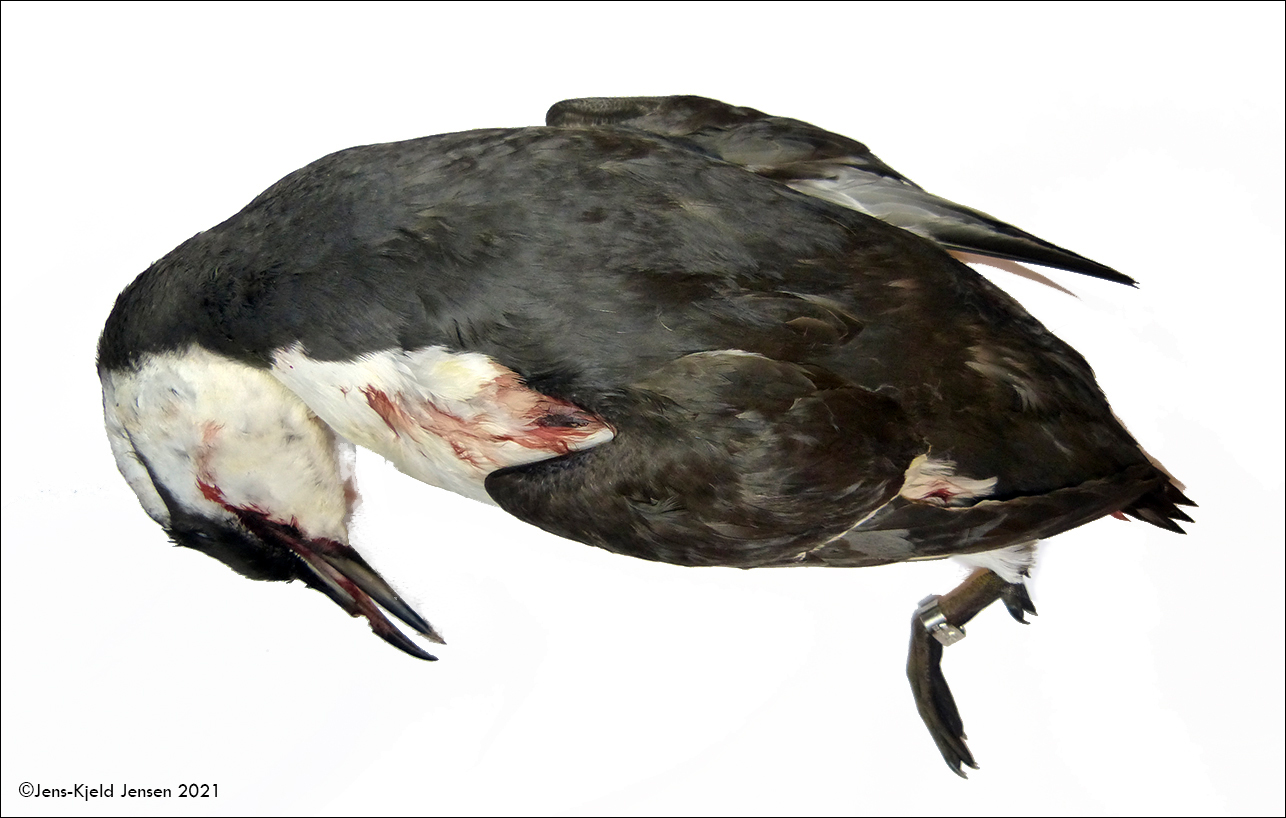
First registration in Faroe Islands of a Common Murre Uria aalge albionis ringed as chick in Heligoland. |
||||||||||||||||||||
This southern subspecies (albionis) is more light gray on the upper side than the Faroese Common Murre. It has only been registered three times earlier in Faroe Islands according to "Birds of the Faroe Islands - facts and figures", but it is probably an overlooked subspecies in Faroese waters, just like Uria aalge hyperborea, which is larger than the Faroese Common Murres. I myself have observed both subspecies several times more than the 3 observations, which I have been registered for. |
||||||||||||||||||||
Little egret Egretta garzetta |
||||||||||||||||||||
|
||||||||||||||||||||
|
||||||||||||||||||||
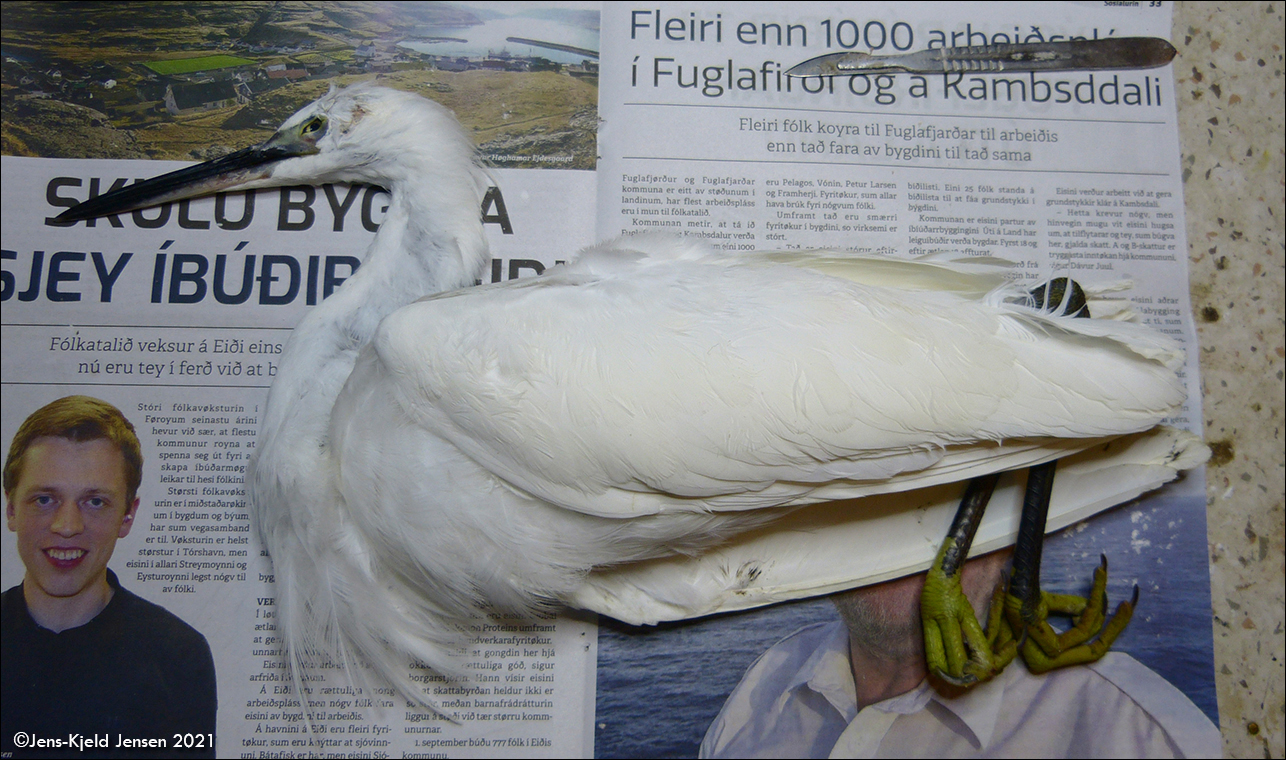
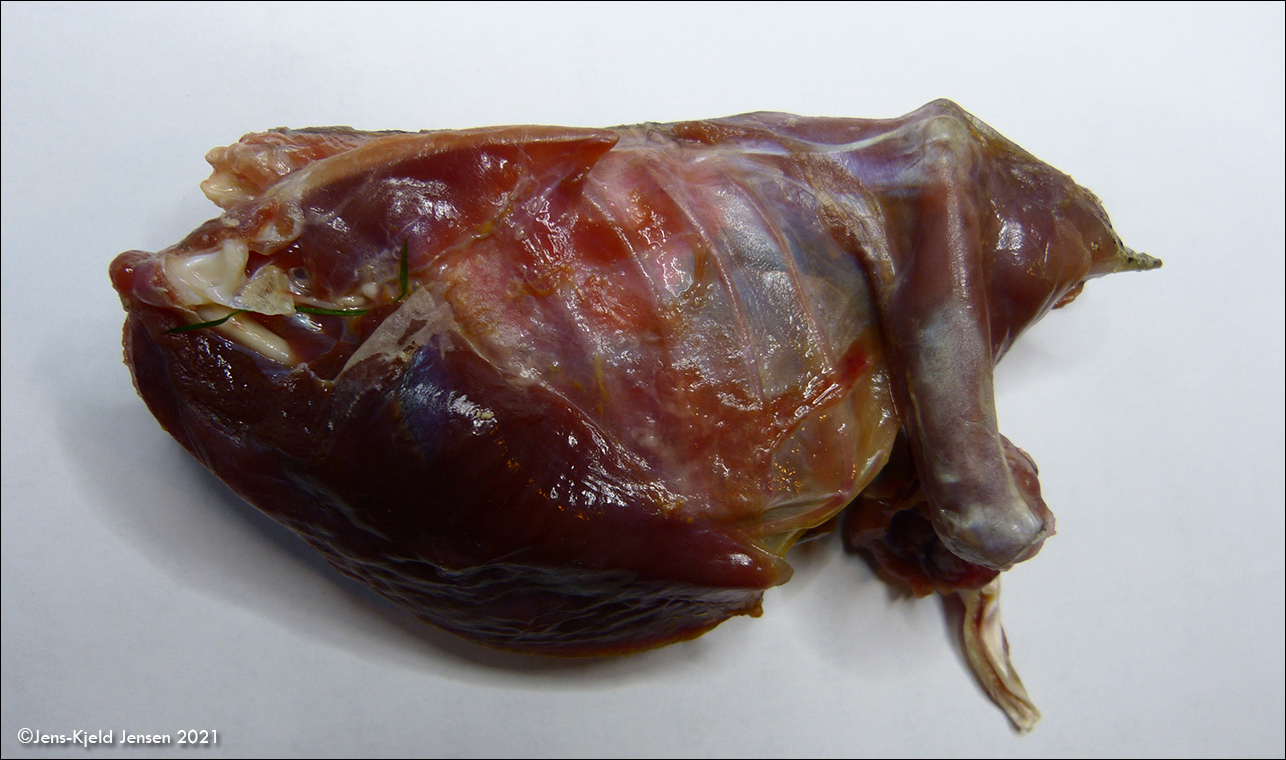
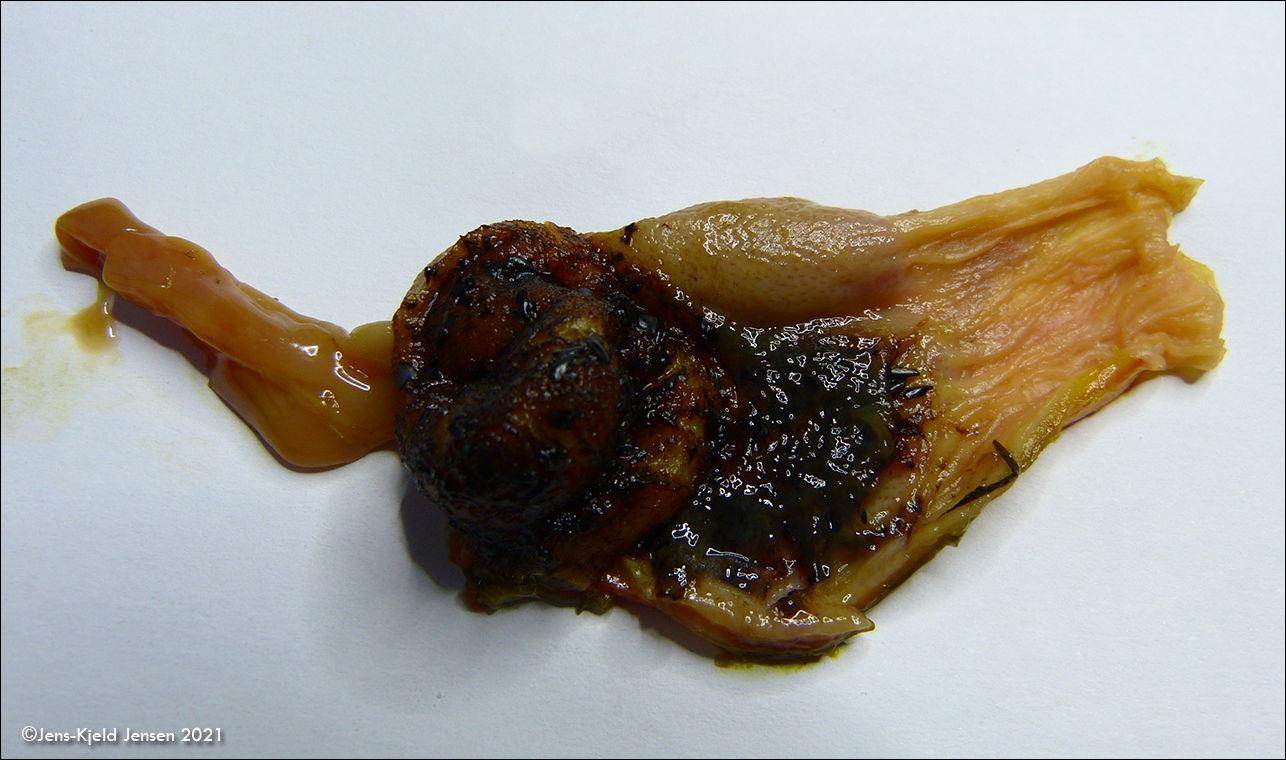
In October 2021, several Little egrets were seen around the Faroe Islands. Several observed one in Tórshavn, and on October 17, Sigga Vang found it dead in Steinatúni (in the middle of Tórshavn) and sent it to us. Jens-Kjeld has taken a closer look at the old male, who weighed only 300 g. against its normal weight of 450 g. The stomach contents were examined and it contained neither ear stones from fish nor plastic, but just the black substance seen in the pictures. |
||||||||||||||||||||
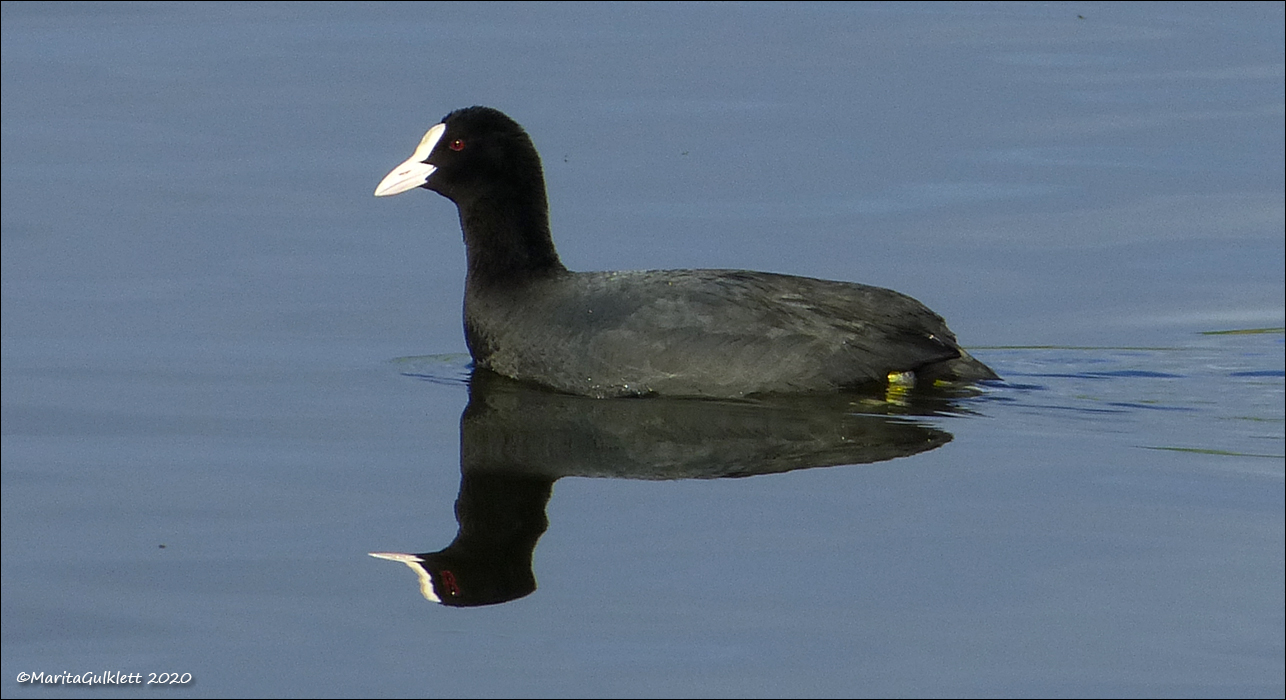
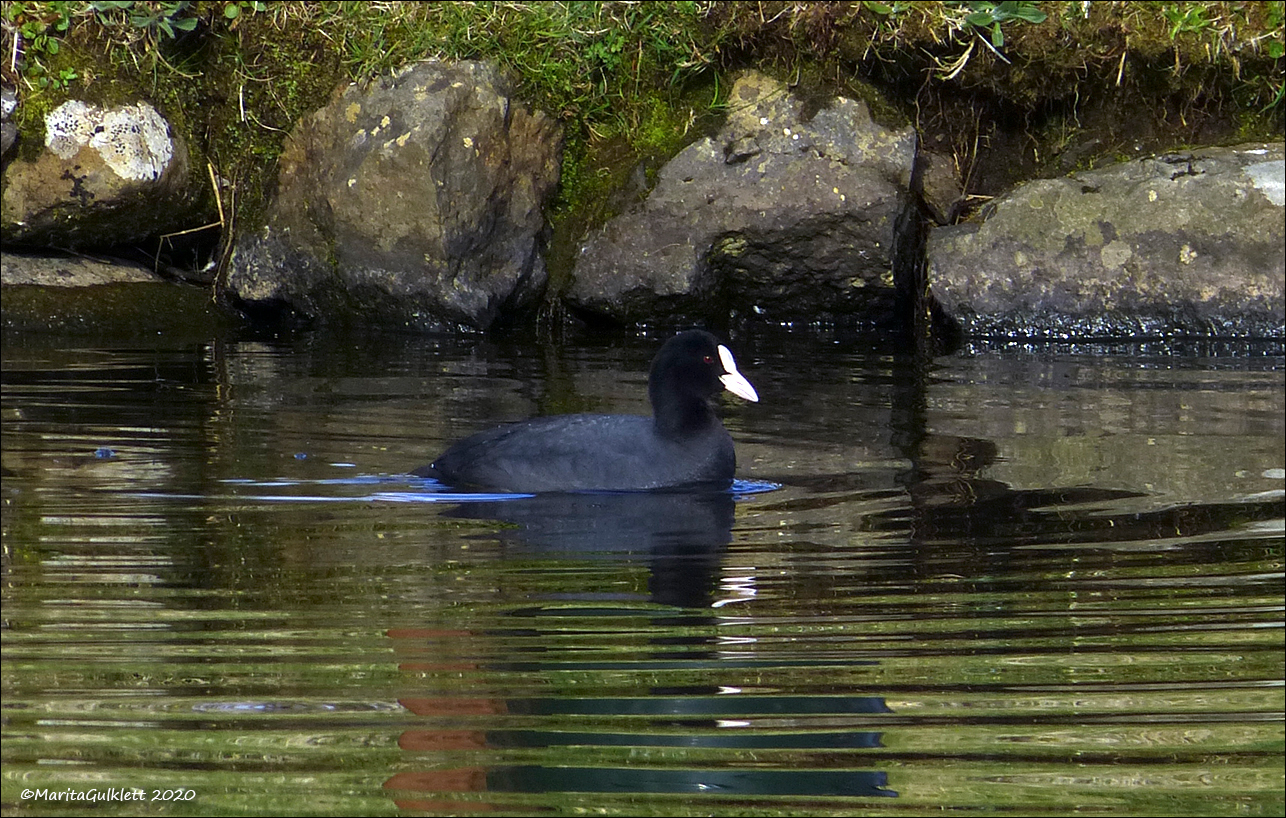
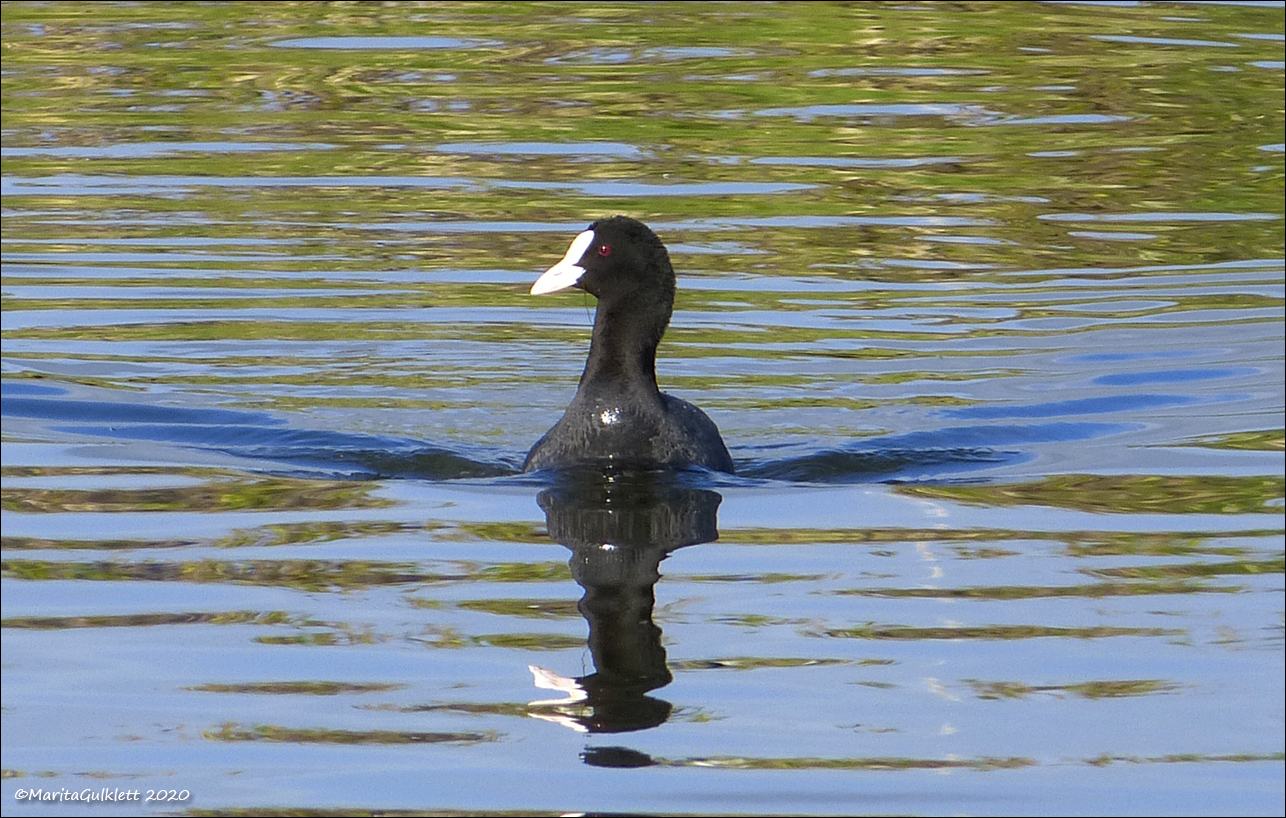
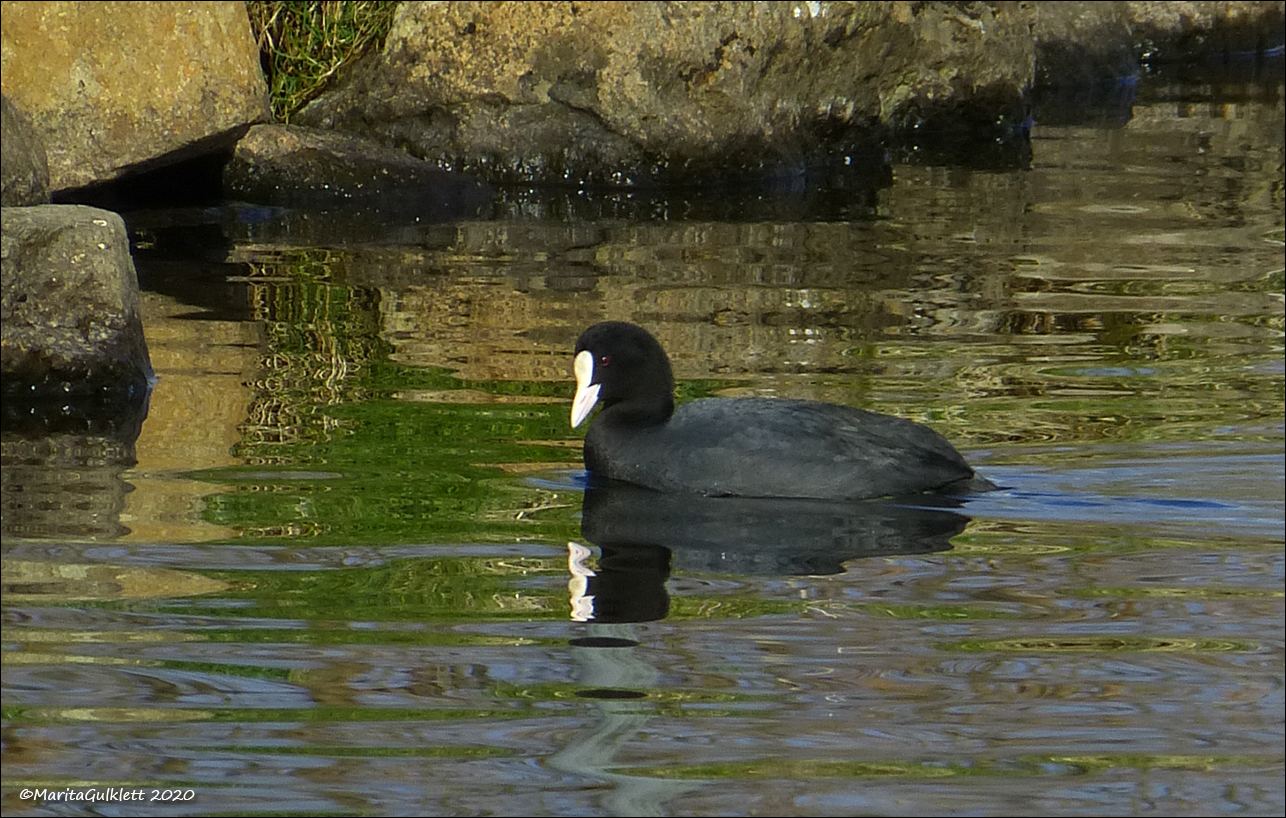
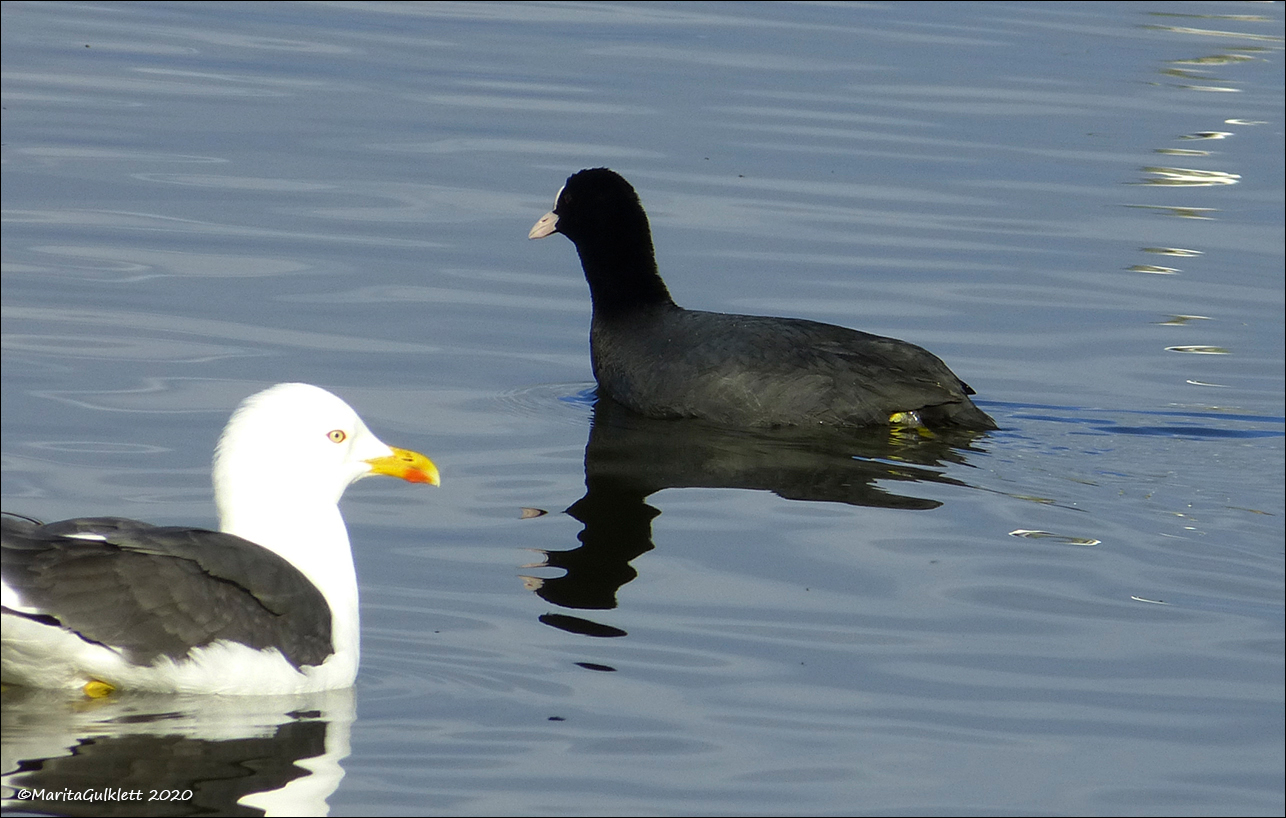
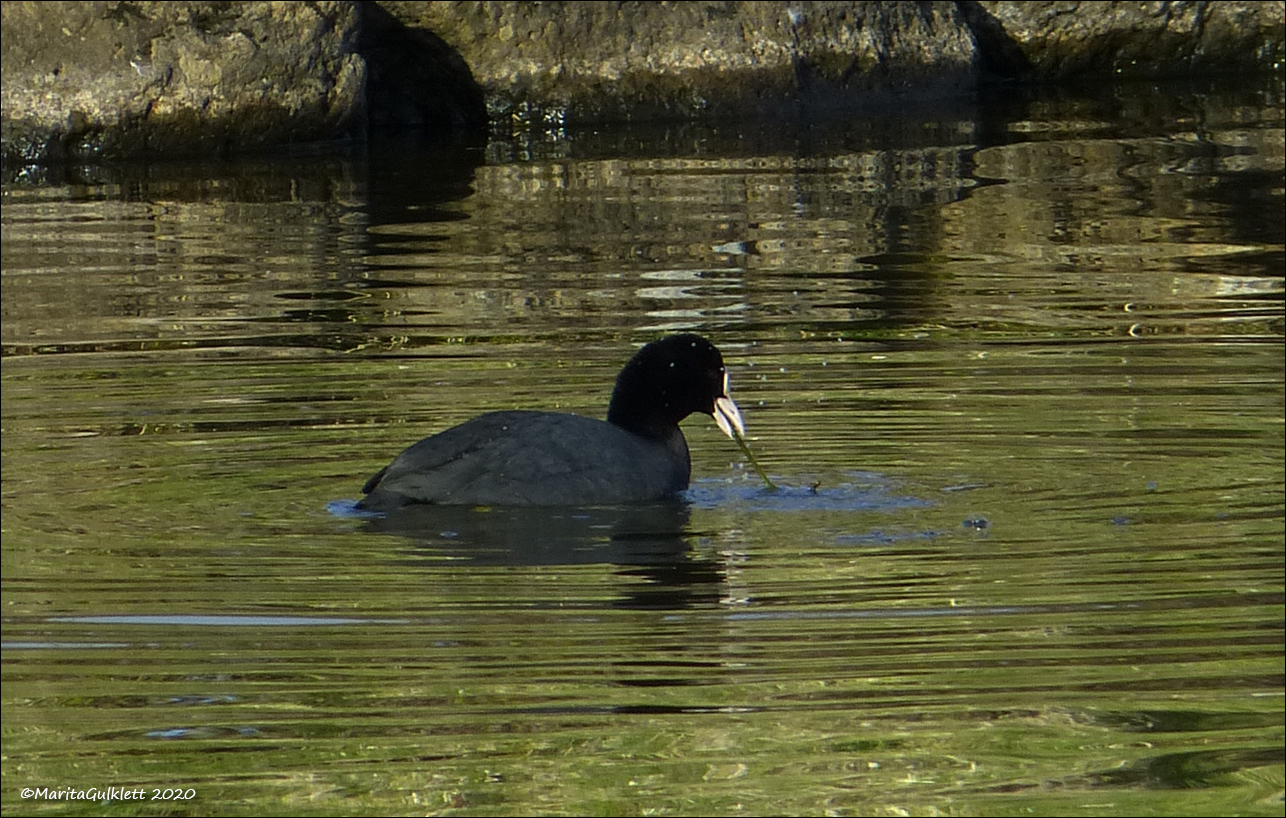
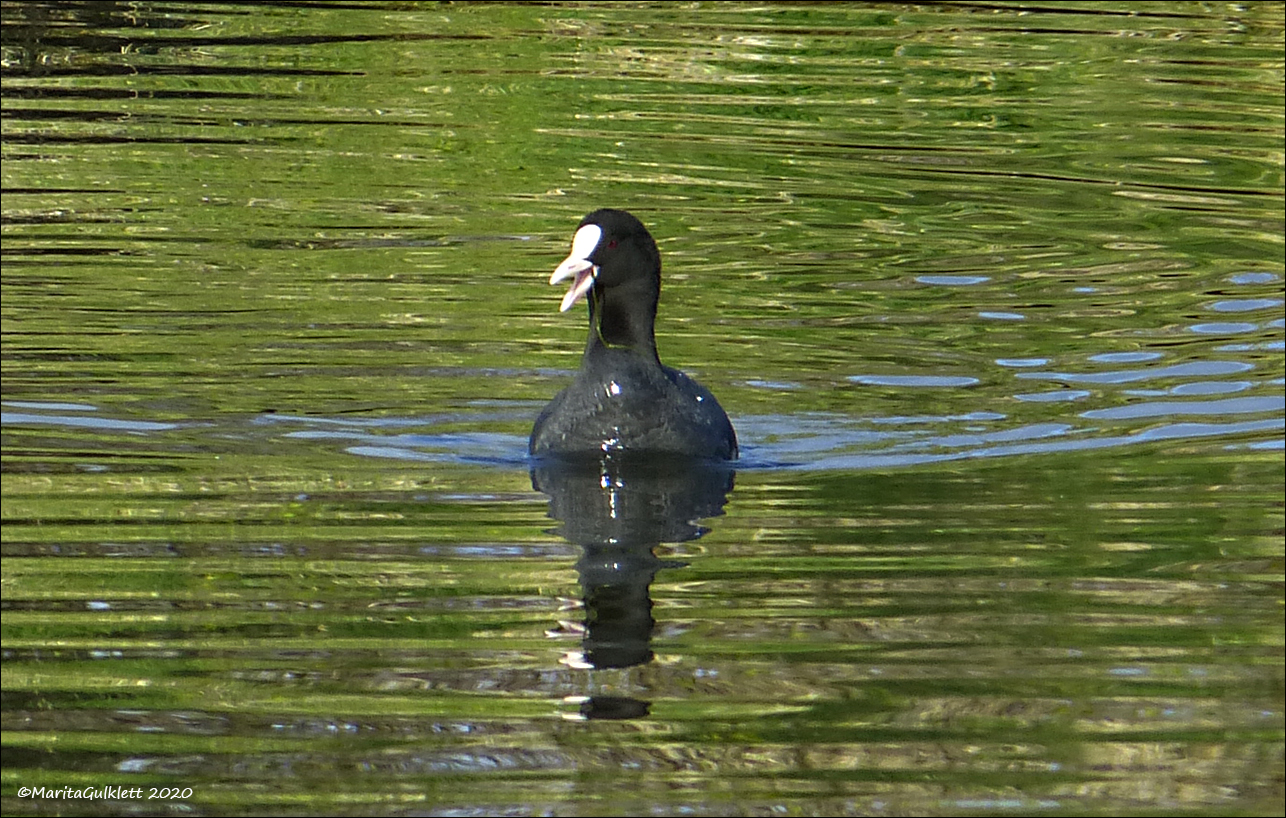
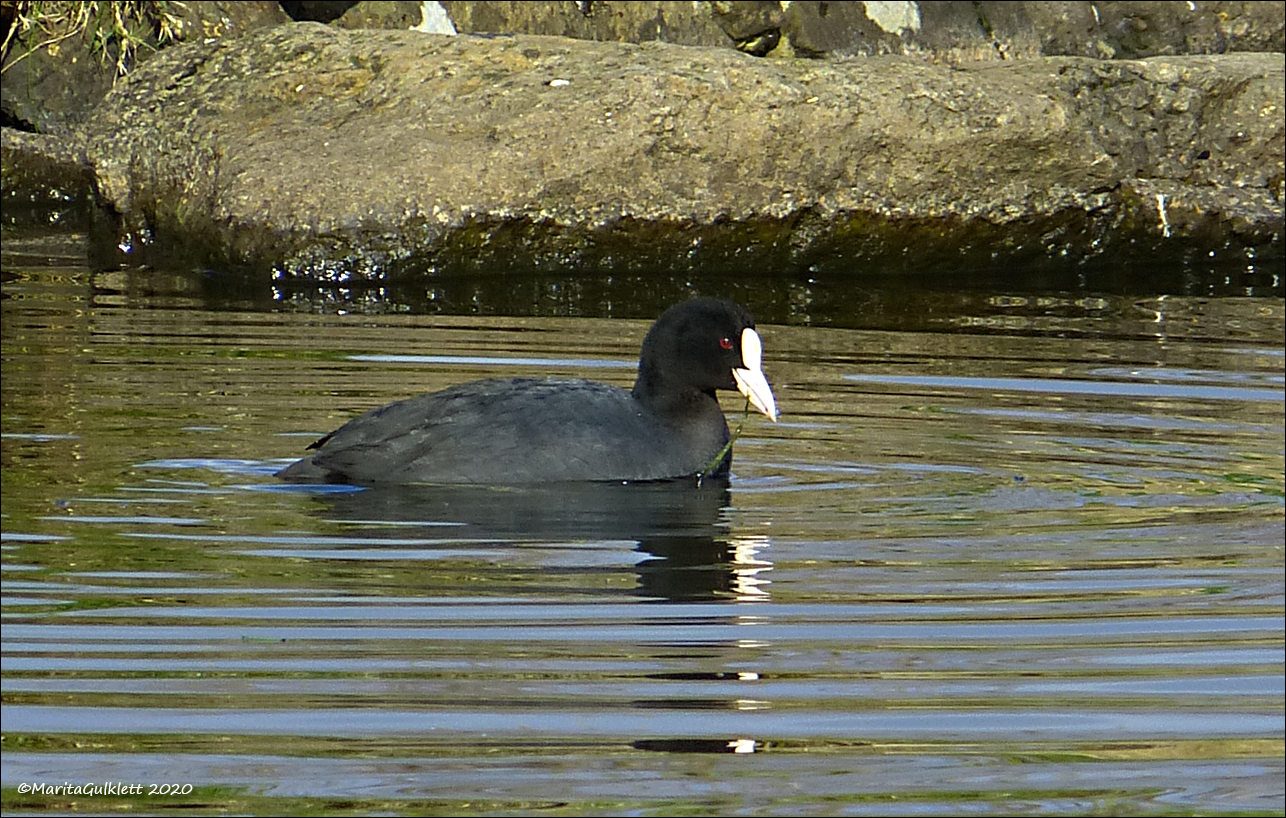
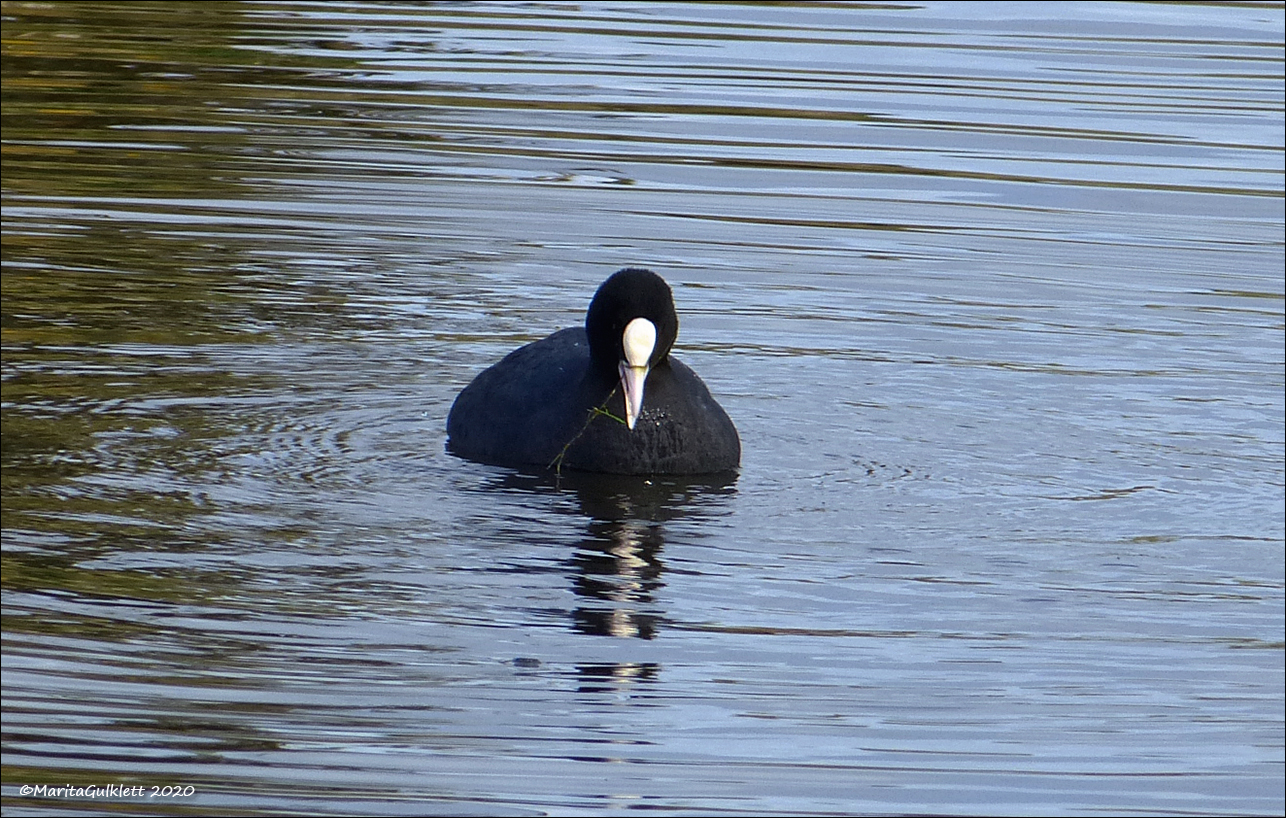
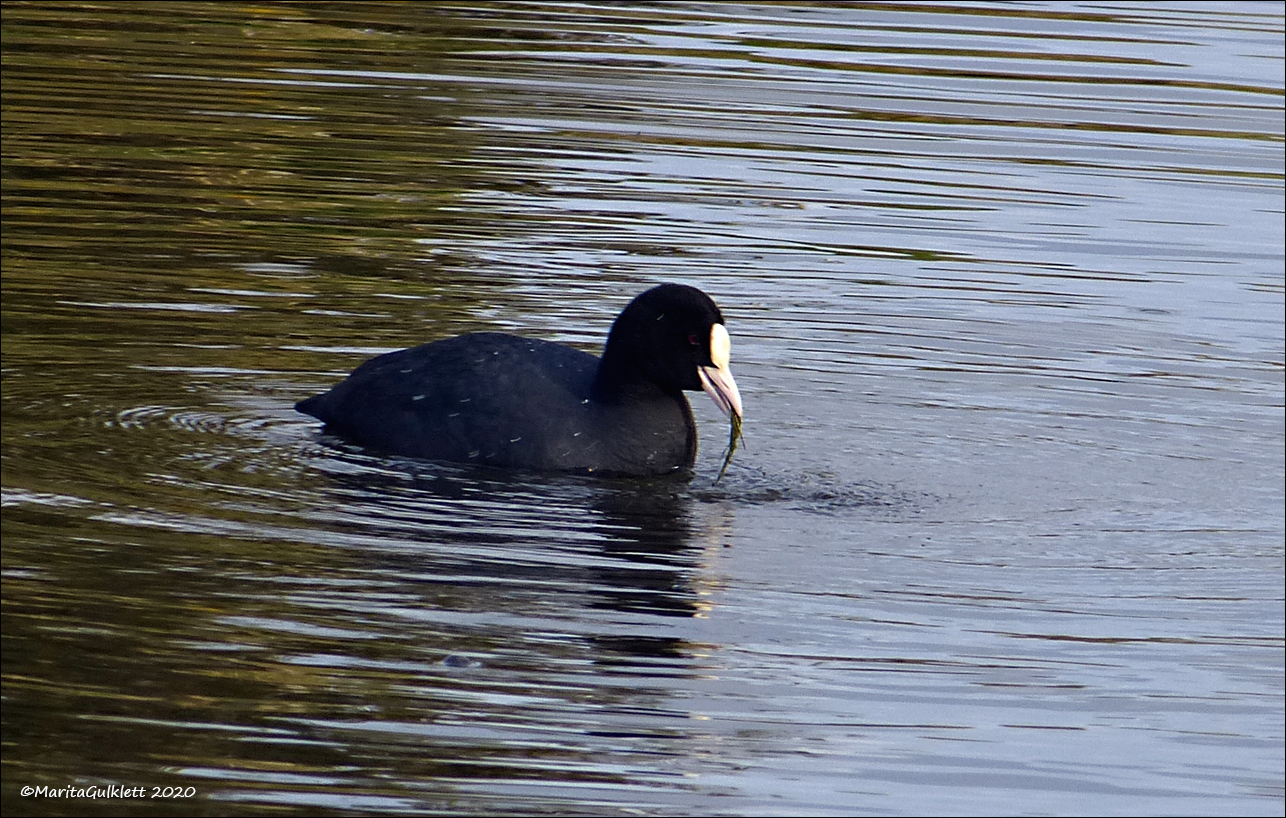
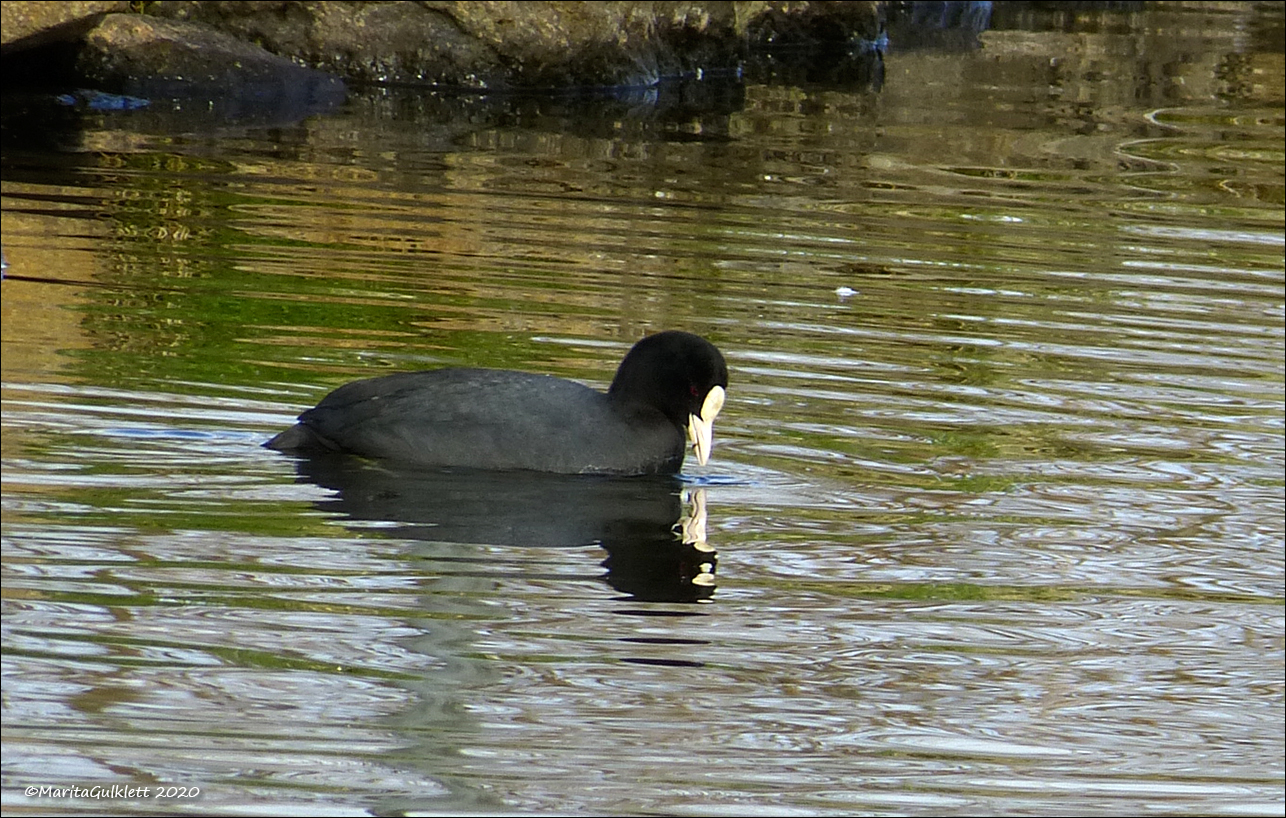
| Eurasian coot Fulica atra Linnaeus 1758 | ||||||||||||||||||||
|
||||||||||||||||||||
|
||||||||||||||||||||
|
||||||||||||||||||||
|
||||||||||||||||||||
| Hoyvíkstjørn 03.05.2020 | ||||||||||||||||||||
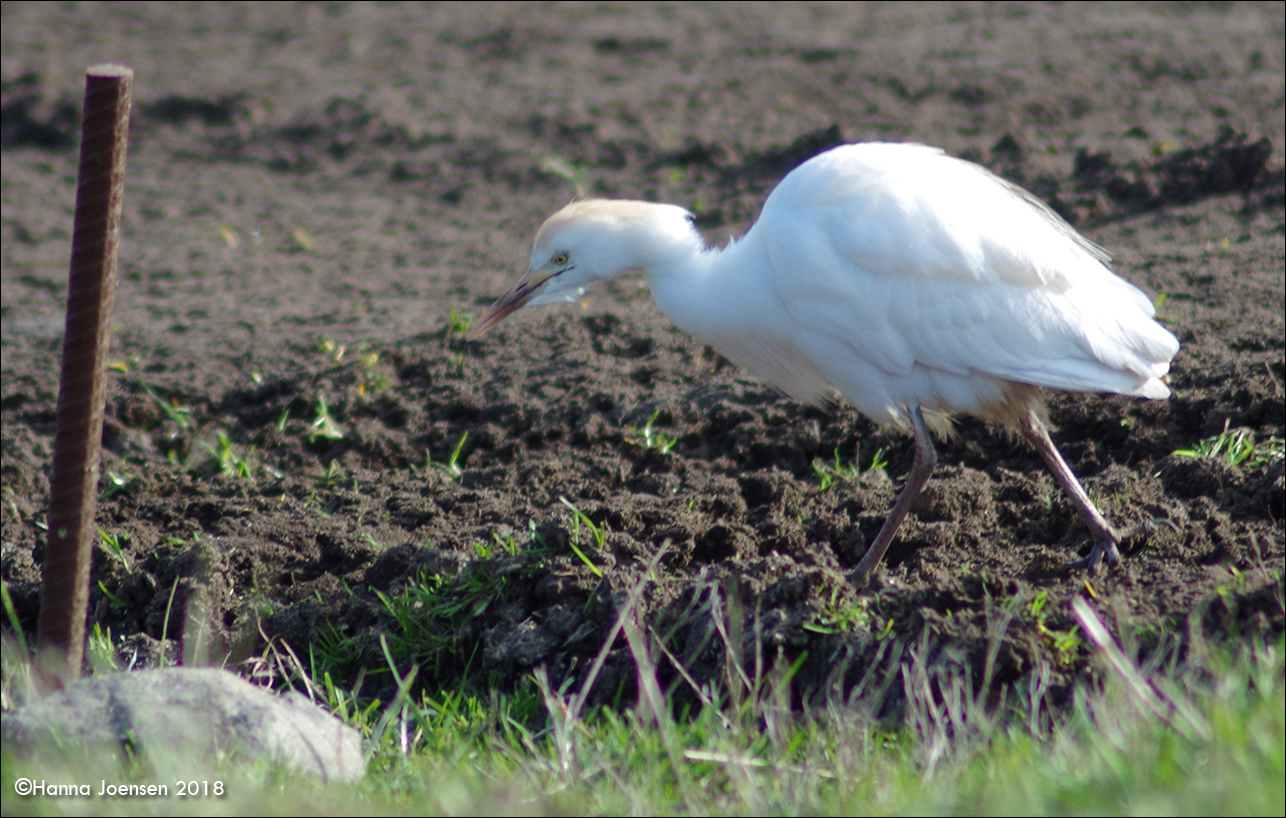
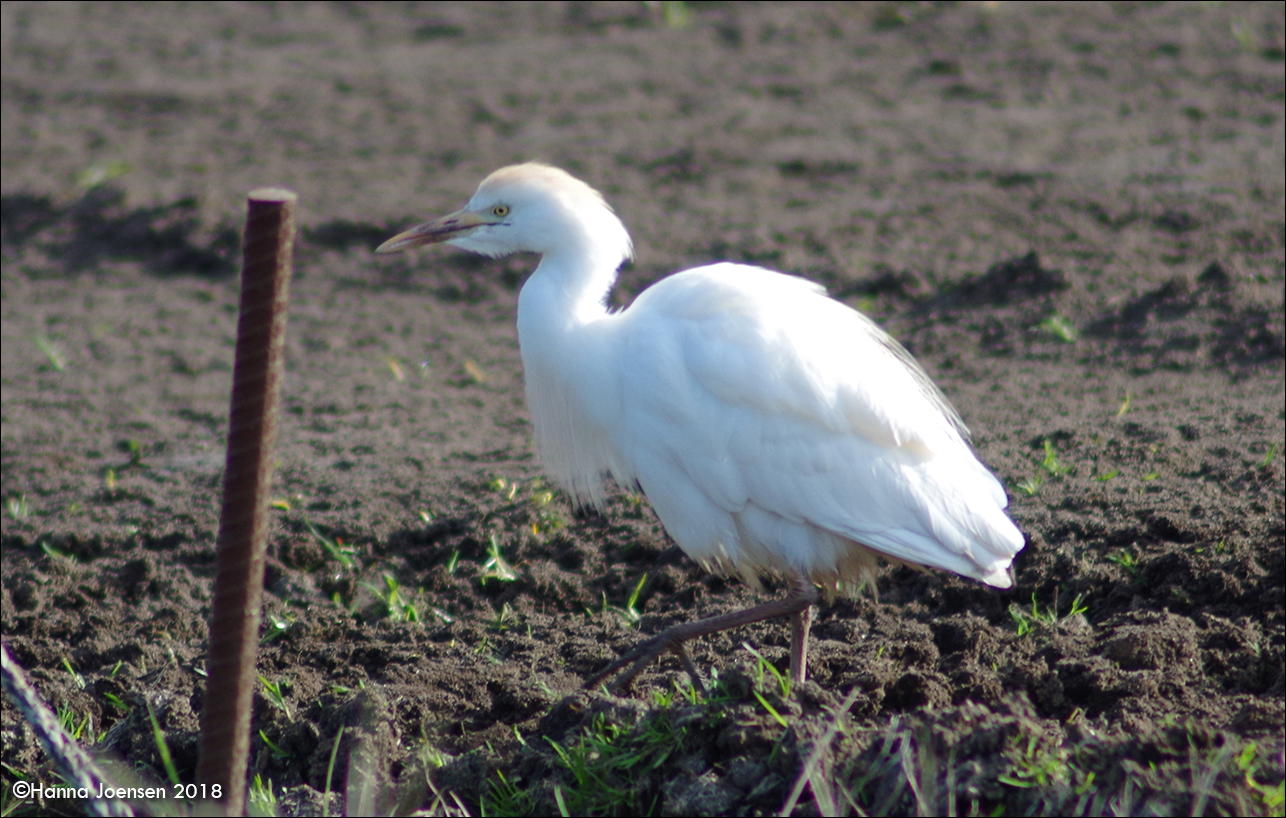
Cattle Egret Bubulcus ibis (Linnaeus, 1758) |
||||||||||||||||||||
|
||||||||||||||||||||
Hanna Joensen photographed this next observation of Cattle Egret for the Faroe Islands on Sandoy 27.04.2018. |
||||||||||||||||||||
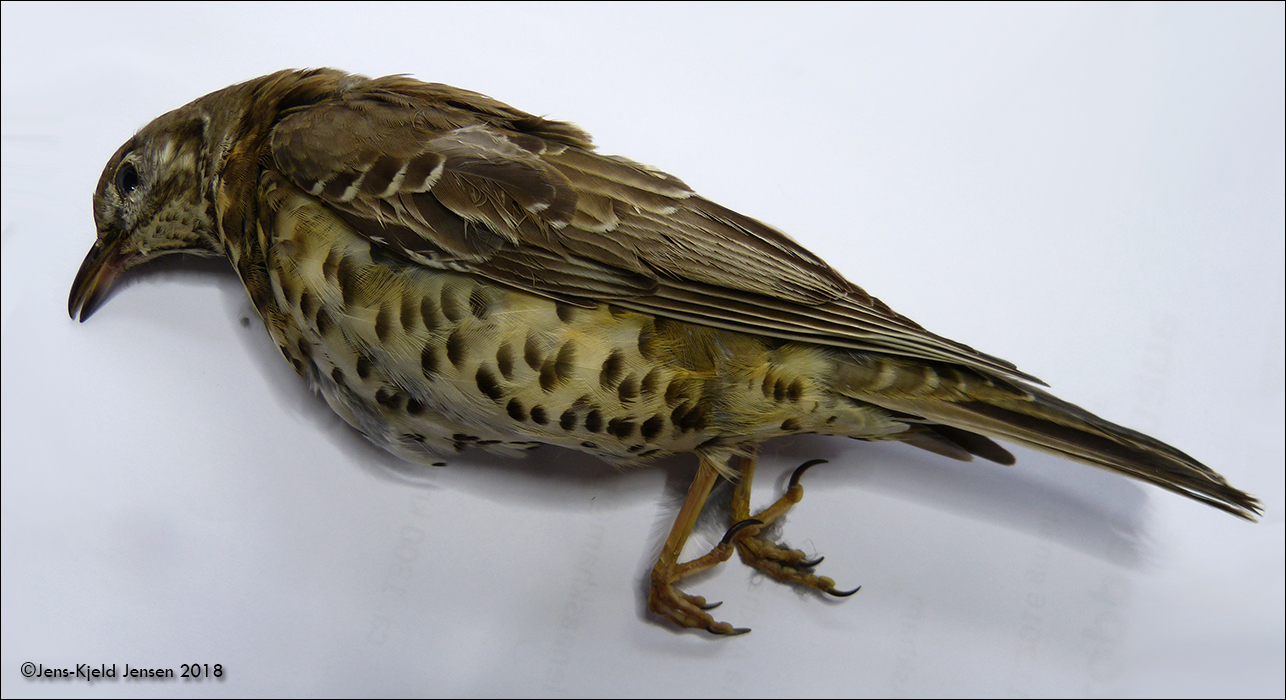
| Mistle Thrush Turdus viscivorus (Linnaeus, 1758) | ||||||||||||||||||||
|
||||||||||||||||||||
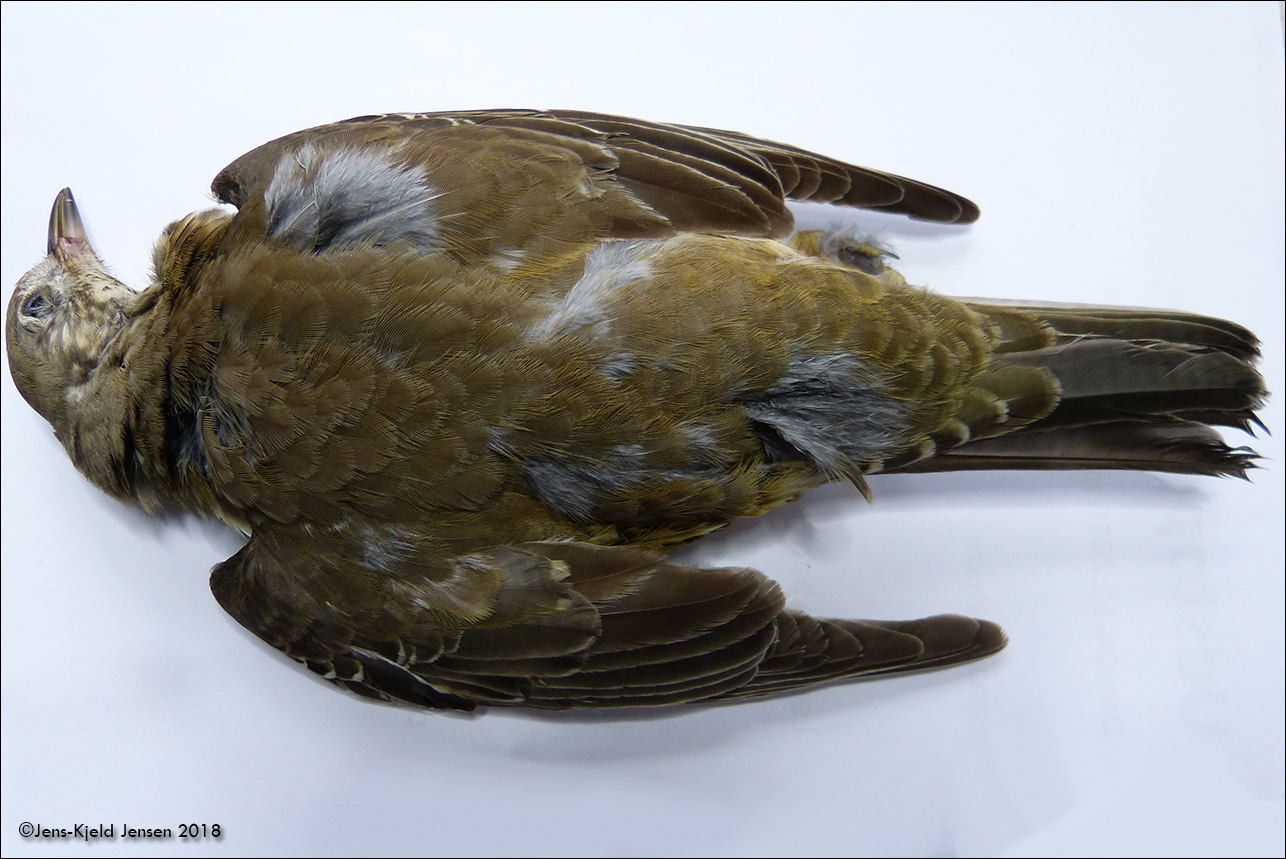
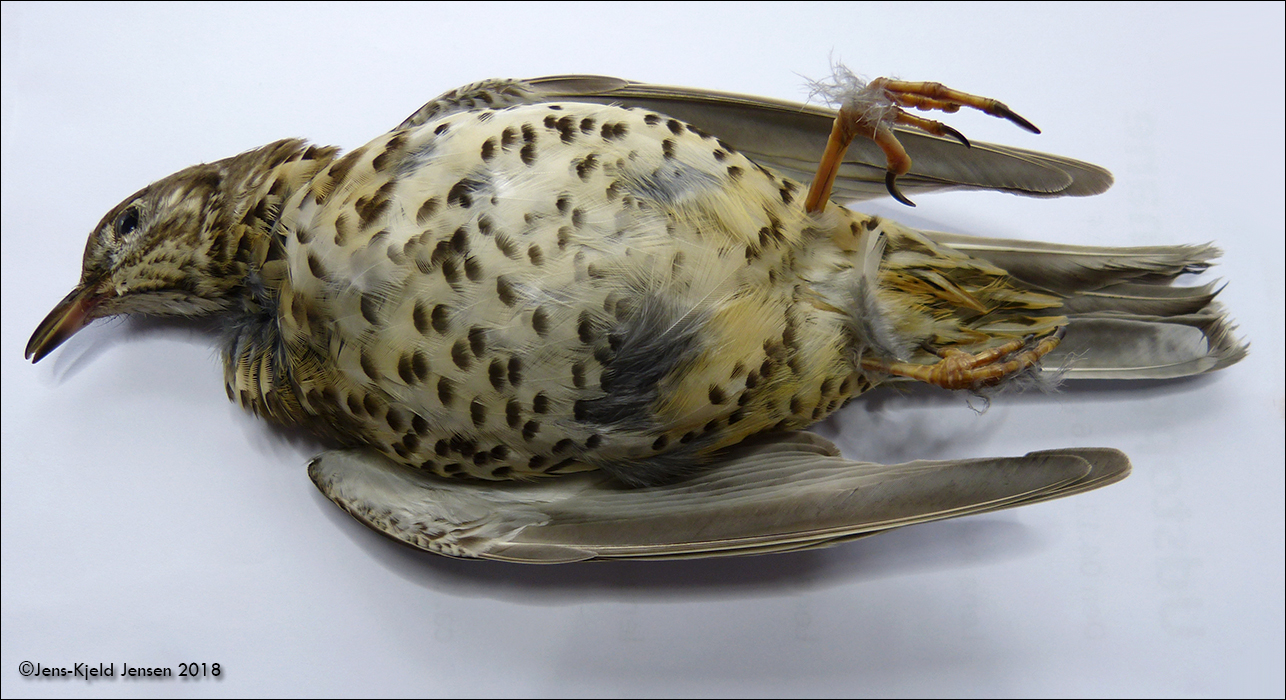
| This Mistle Thrush flew into a window of the house of Tórvild Østerø, Skálabotnur, March 20, 2018. This is the 12 registration of Mistle Thrush in the Faroe Islands. | ||||||||||||||||||||
| The first Mistle Thrush in the Faroe Islands was registered November 13, 1959. | ||||||||||||||||||||
| Cepphus grylle mandtii (Lichtenstein, MHK, 1822) | ||||||||||||||||||||
|
||||||||||||||||||||
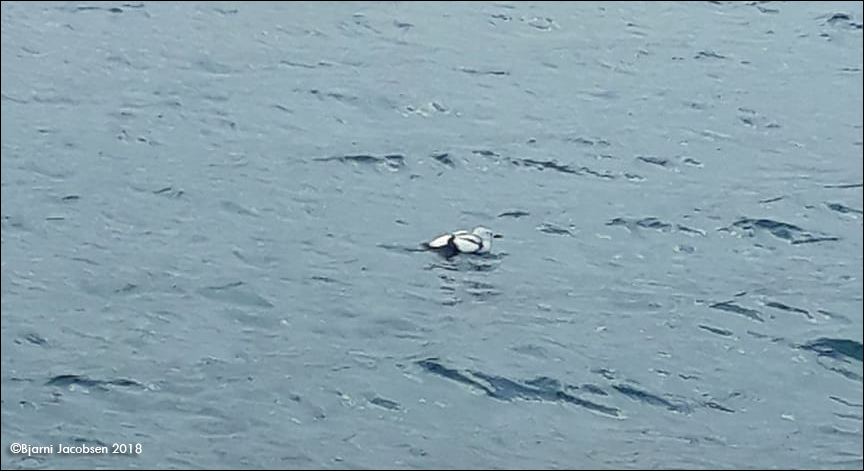
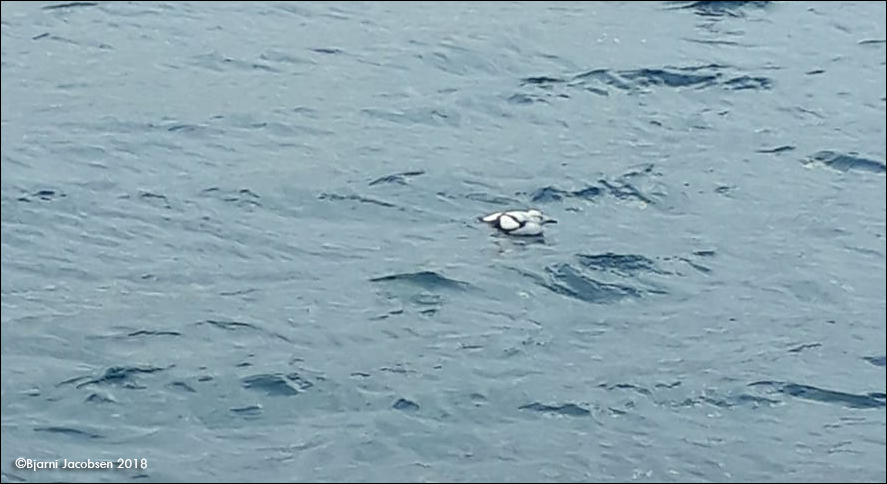
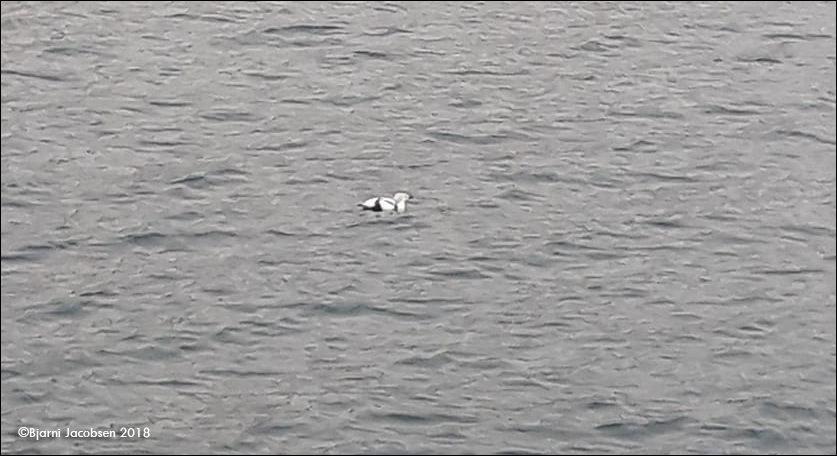
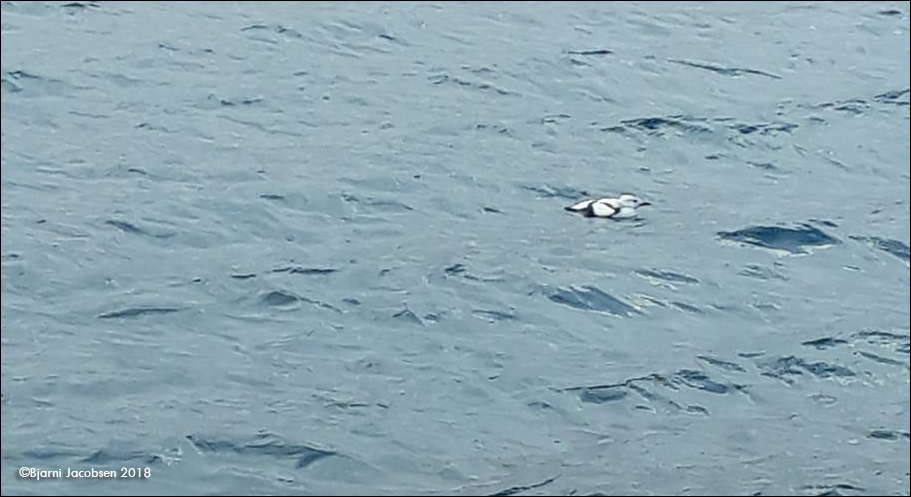
| 06.03.2018 Bjarni Jacobsen, Sumba, observed an old Black guillemot in winter plumage in the area Inni á Sundi, which was much brighter than the one, we normally see in the Faroe Islands. It proved to be a Guillemot of the Arctic subspecies Cepphus grylle mandtii, whose range is from Canada to Svalbard, North Siberia and North Alaska. | ||||||||||||||||||||
| This is the first registration of this subspecies in the Faroe Islands. | ||||||||||||||||||||
| Mourning dove Zenaida macroura | ||||||||||||||||||||
|
||||||||||||||||||||
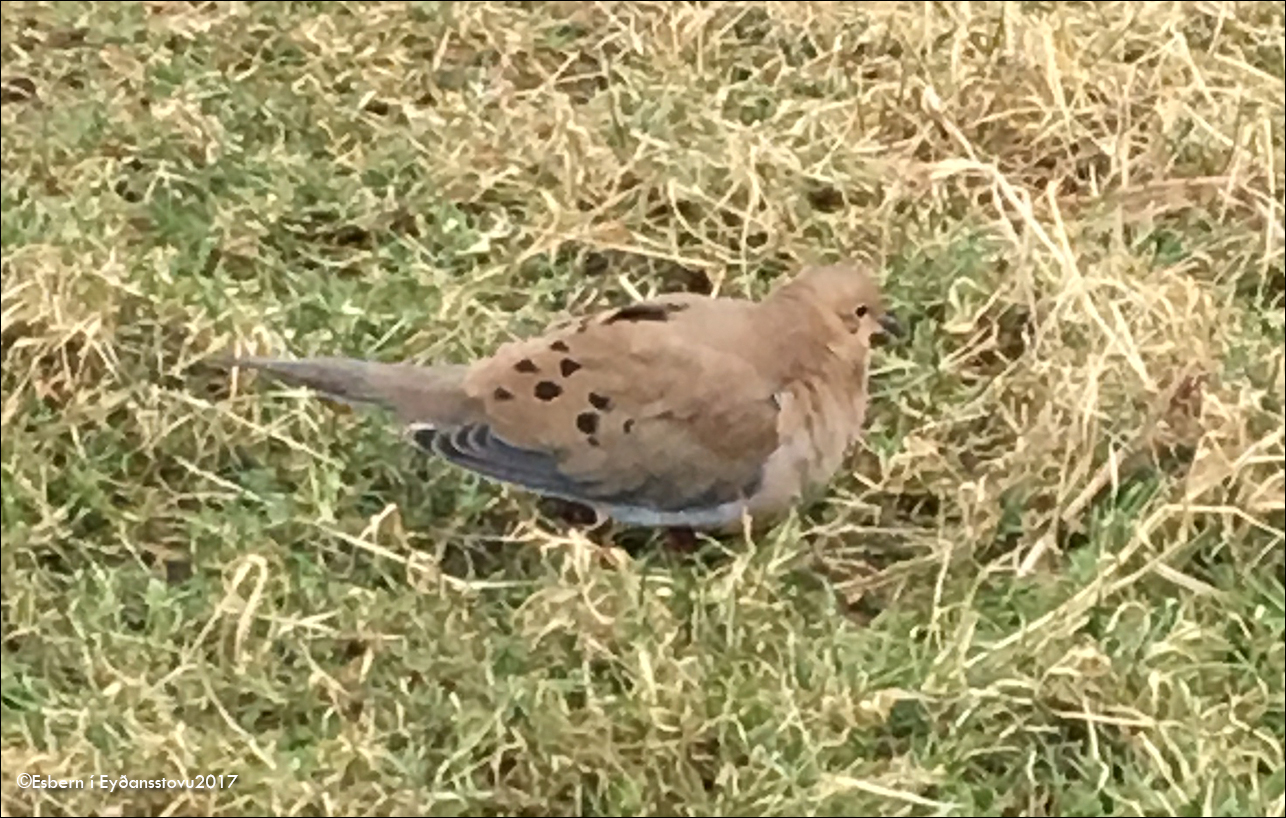
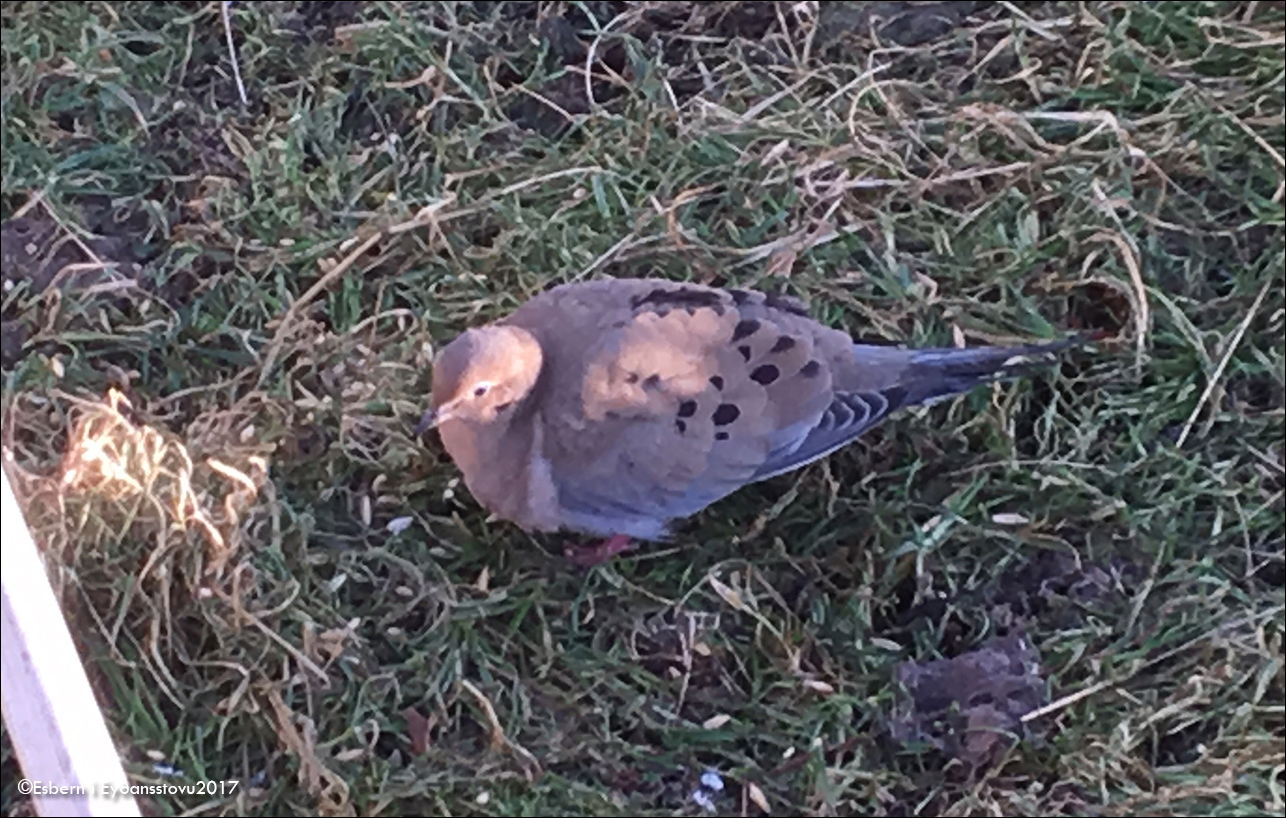
On November 14, 2017, Esbern in Eyðansstovu observed a Mourning dove Zenaida macroura in Mykines. It flew around in the village until 21. November, whereafter Esbern took it in care, since it seemed to be in a poor condition. The dove died two days later. |
||||||||||||||||||||
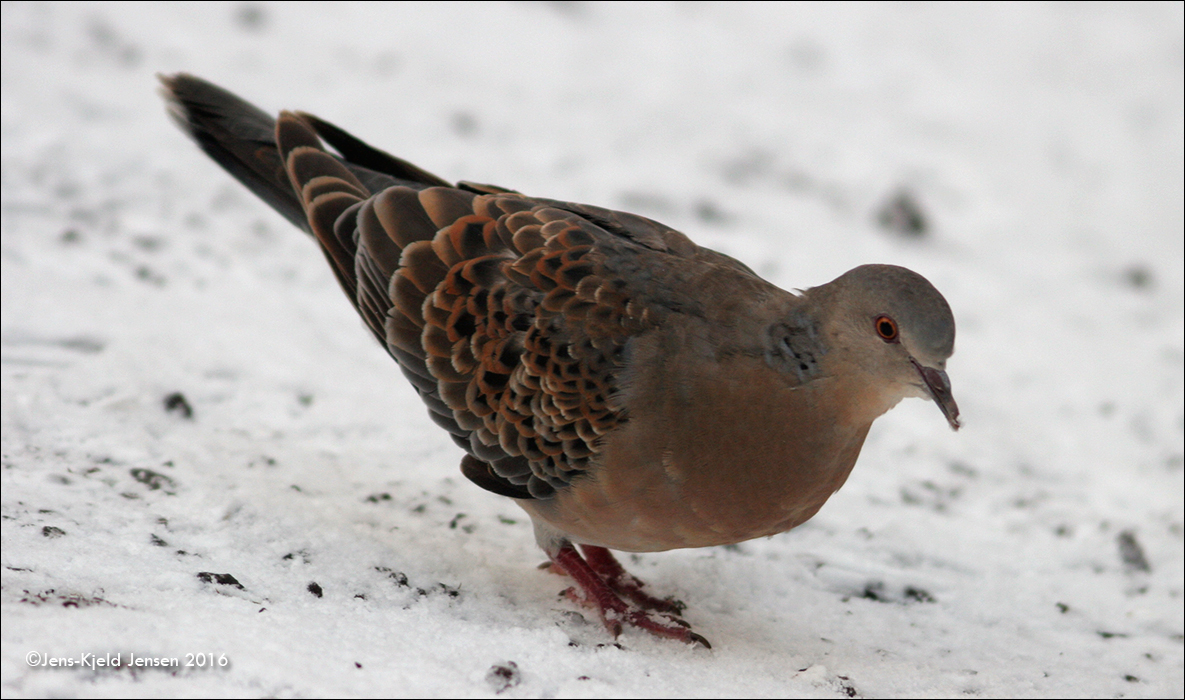
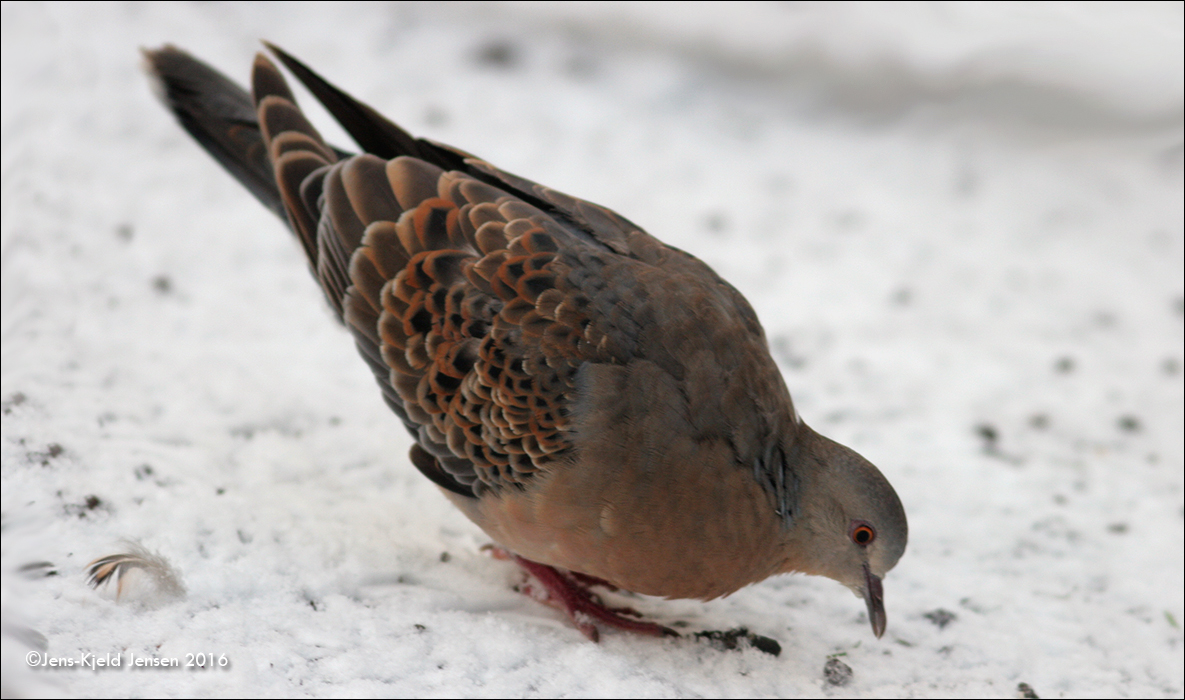
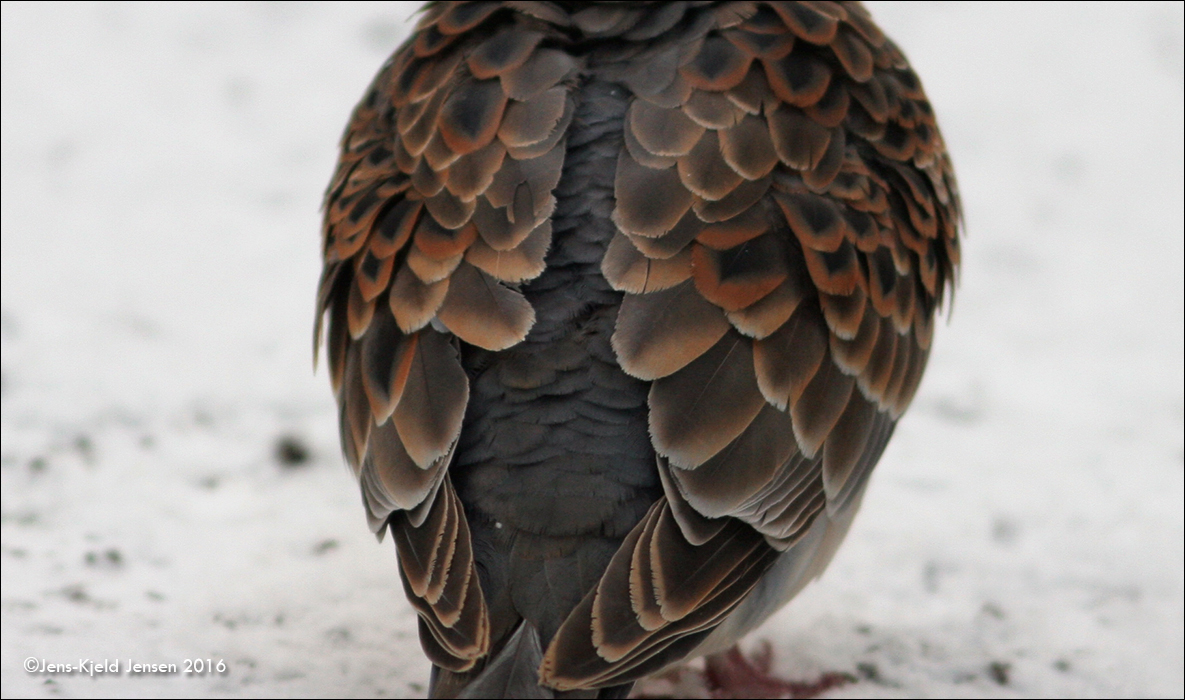
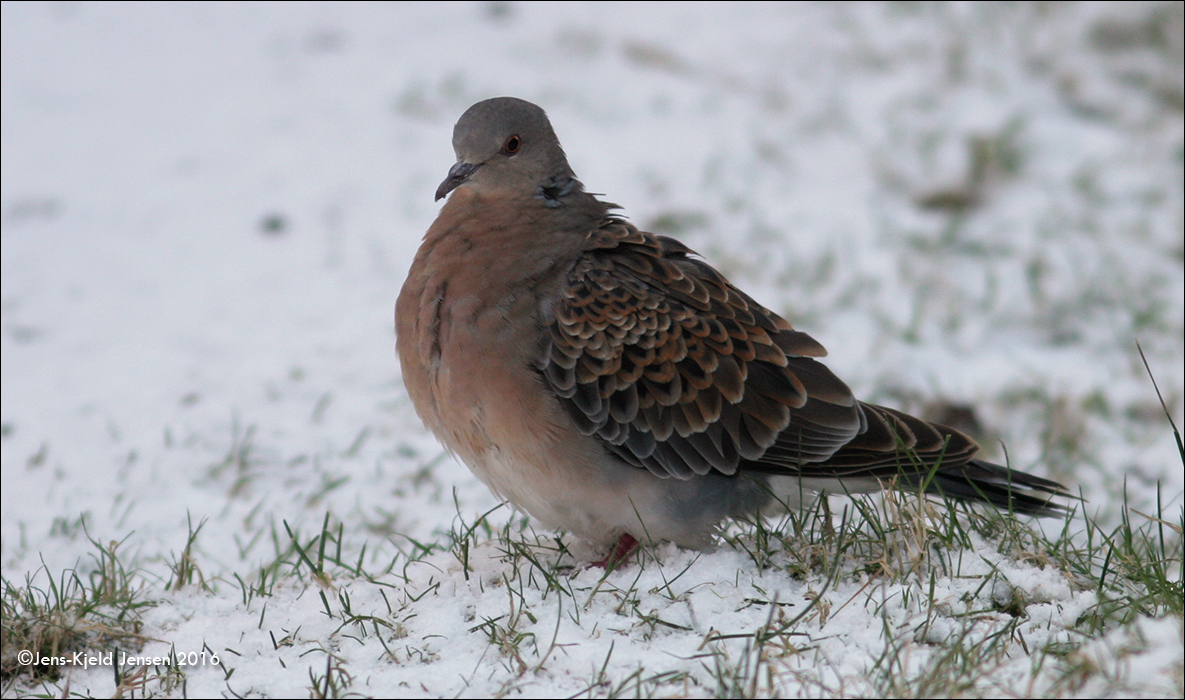
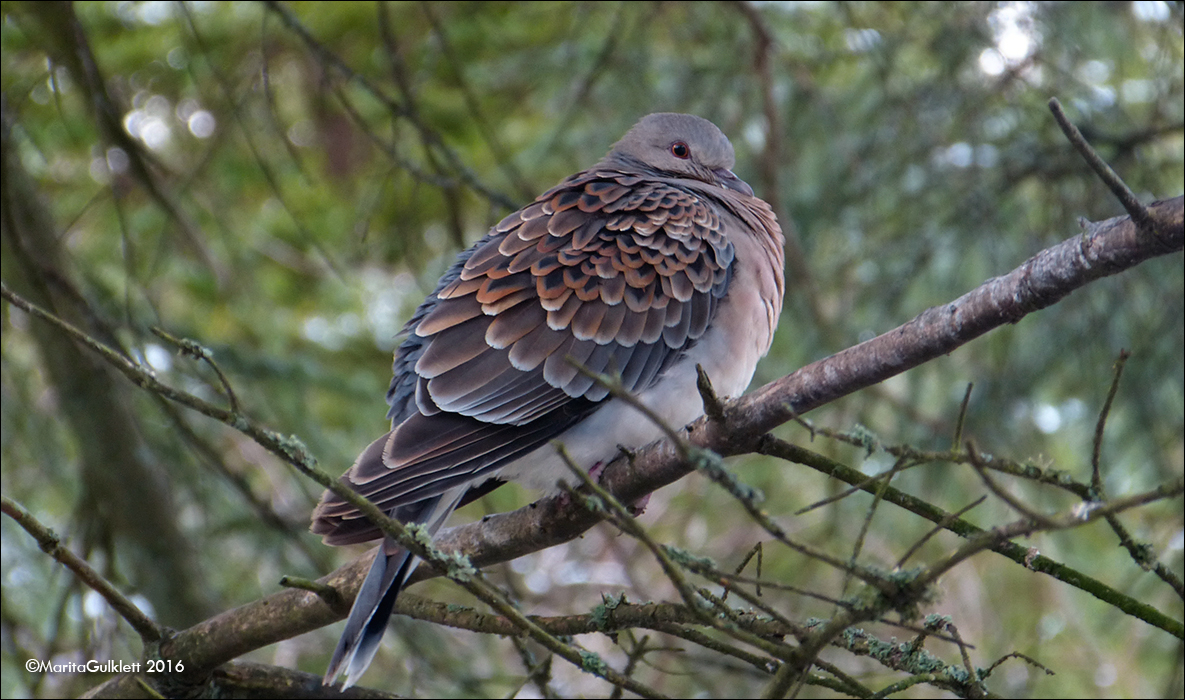
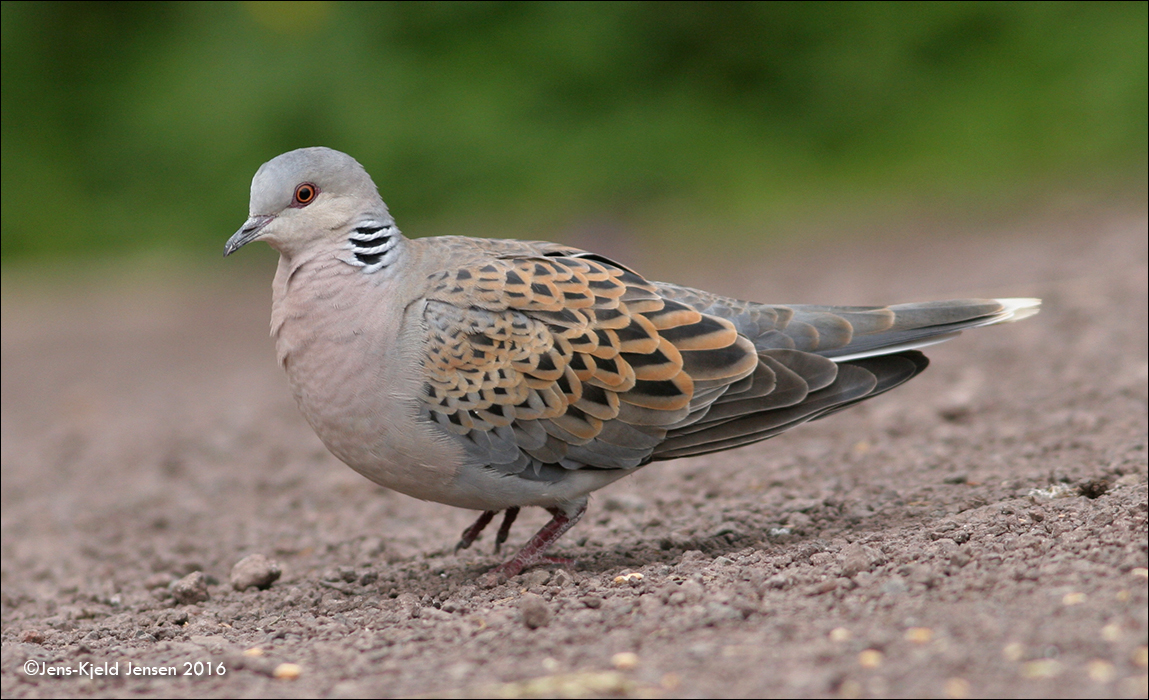
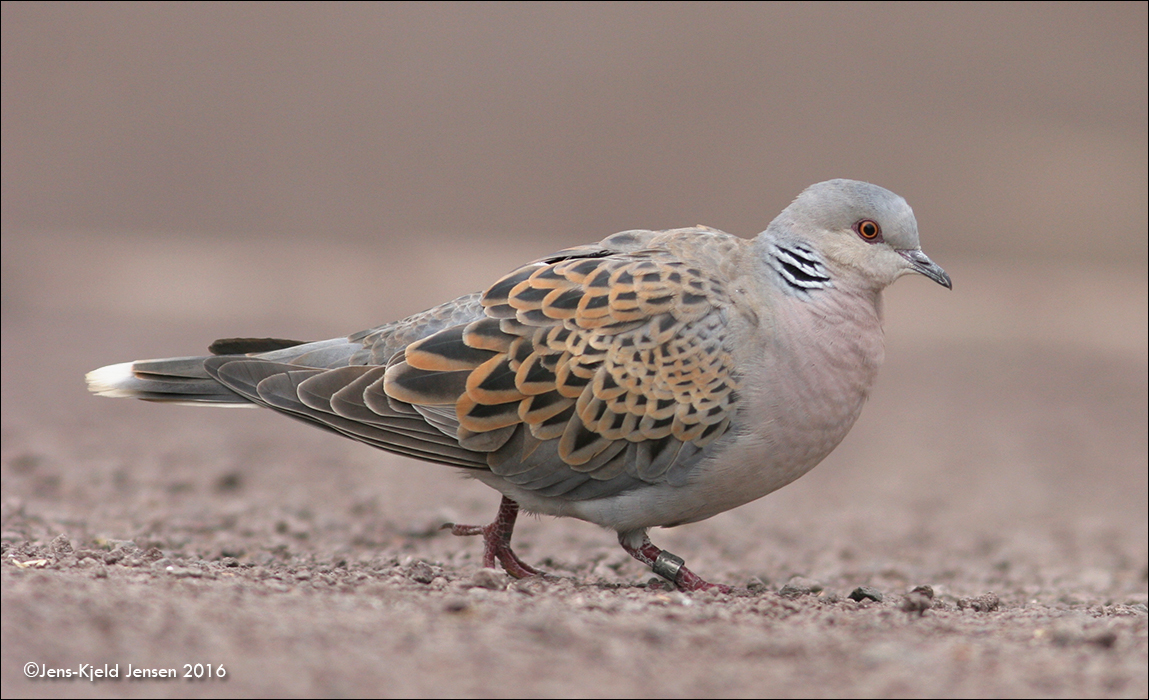
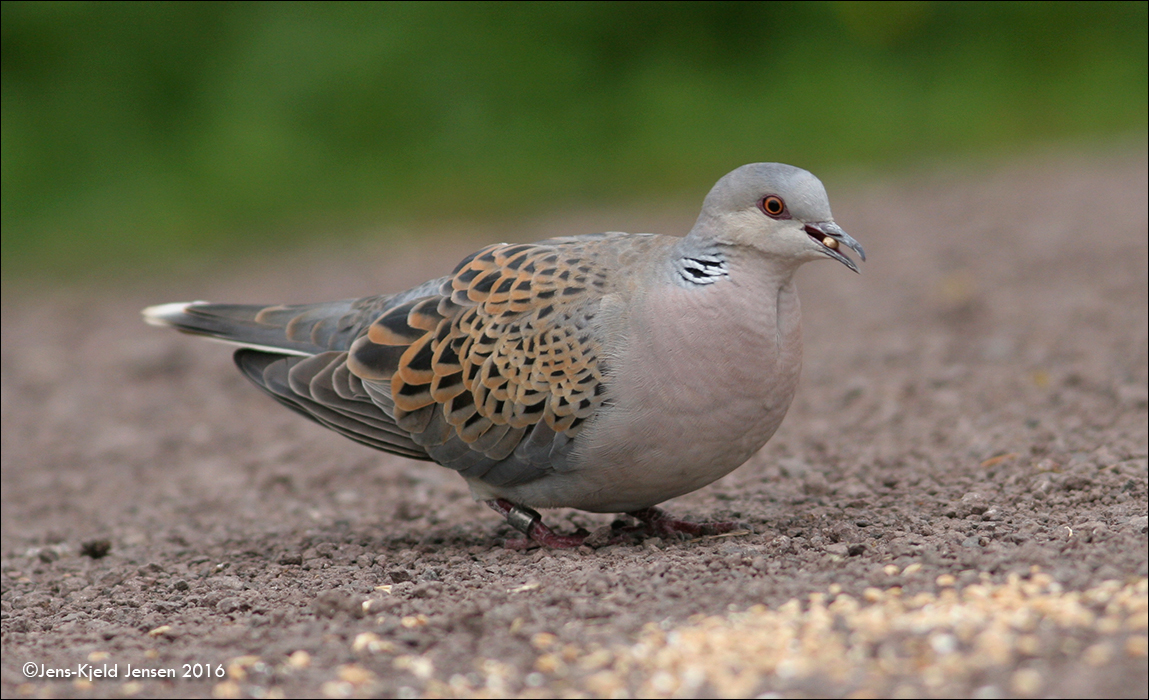
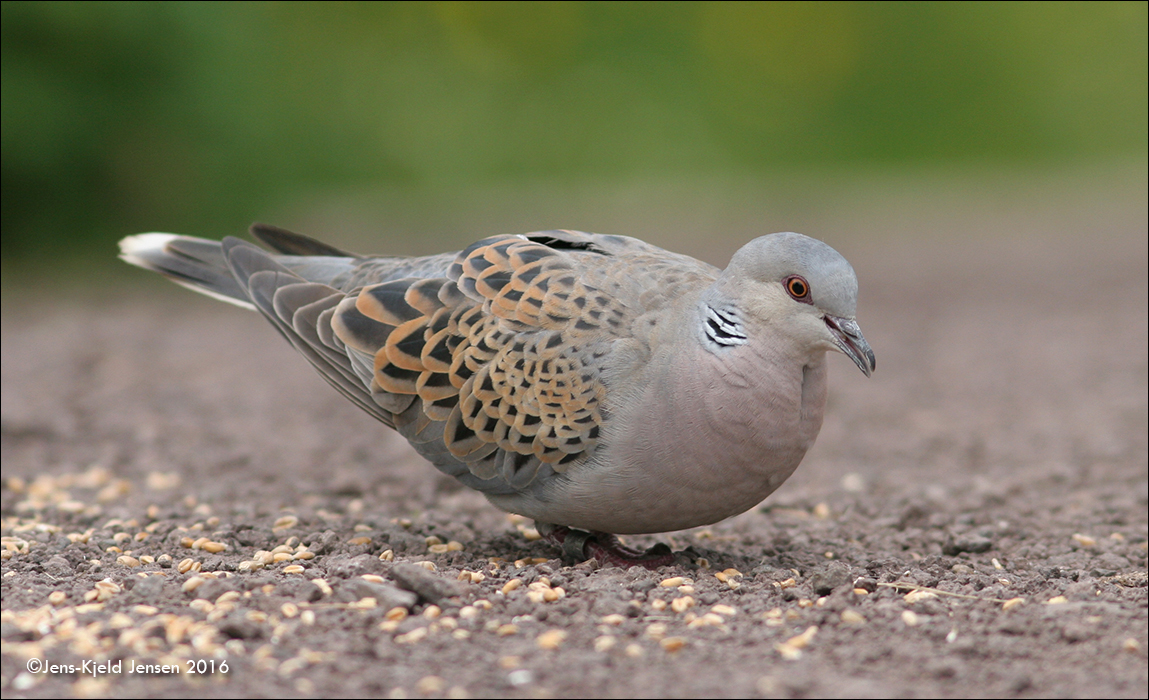
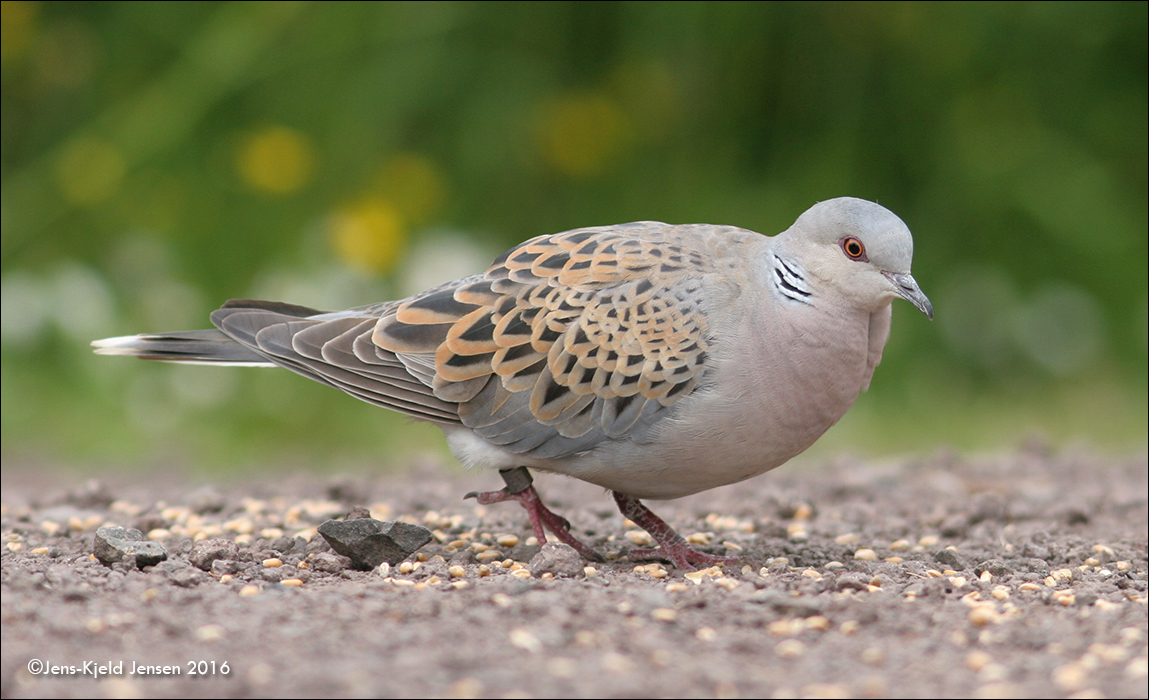
Turtle Dove Streptopelia turtur |
||||||||||||||||||||
 |
||||||||||||||||||||
   |
||||||||||||||||||||
 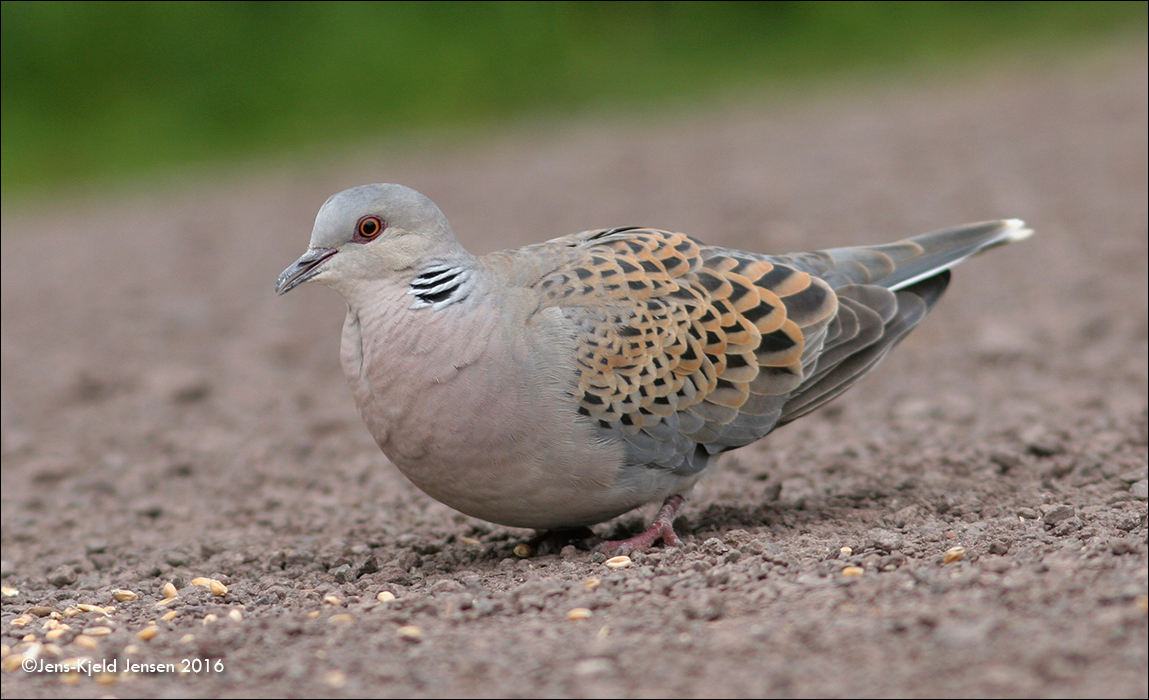 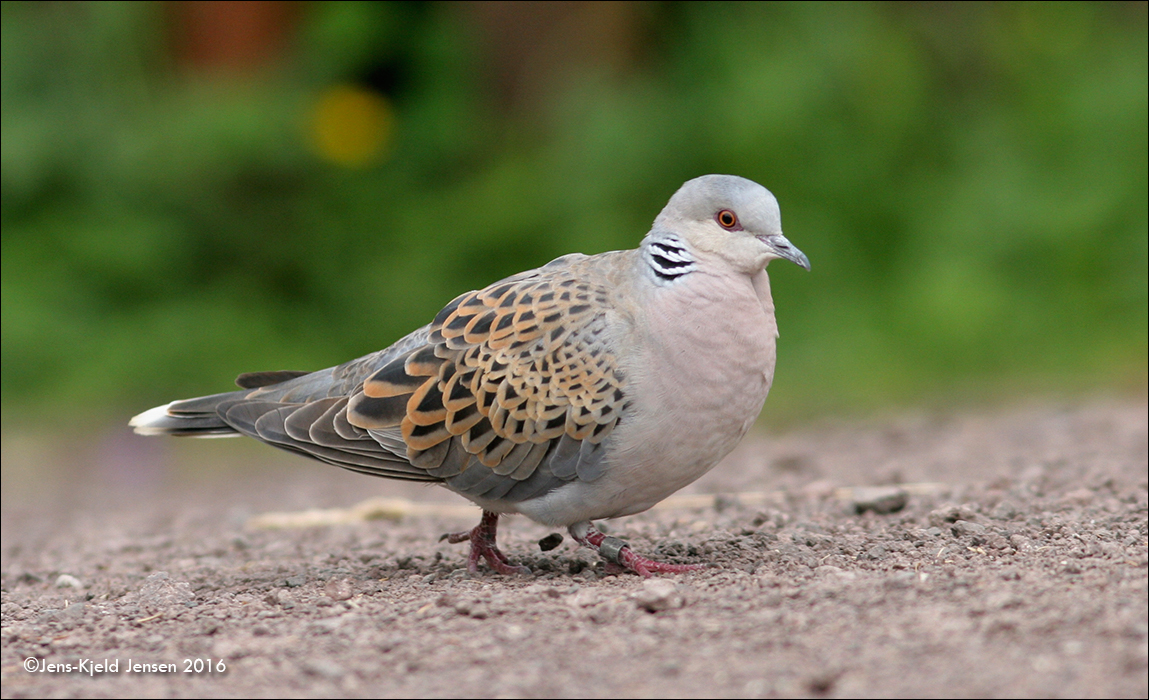 |
||||||||||||||||||||
| Common visitor | ||||||||||||||||||||
| The Turtle Dove was ringed on Fair Isle 23rd May 2016 and the ring was read on the Faroe Islands on 30th June. | ||||||||||||||||||||
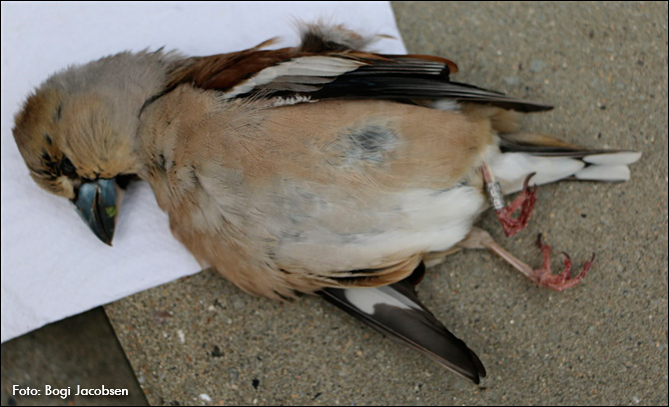
| Hawfinch Coccothraustes coccothraustes | ||||||||||||||||||||
 |
||||||||||||||||||||
On June 4, 2016 Bogi Jacobsen found this dead Hawfinch in his garden, which was ringed in Poland. This is the first discovery of a Hawfinch in the Faroe Islands, and this is also the first discovery of a Polish ringed bird in Faroe Islands. |
||||||||||||||||||||
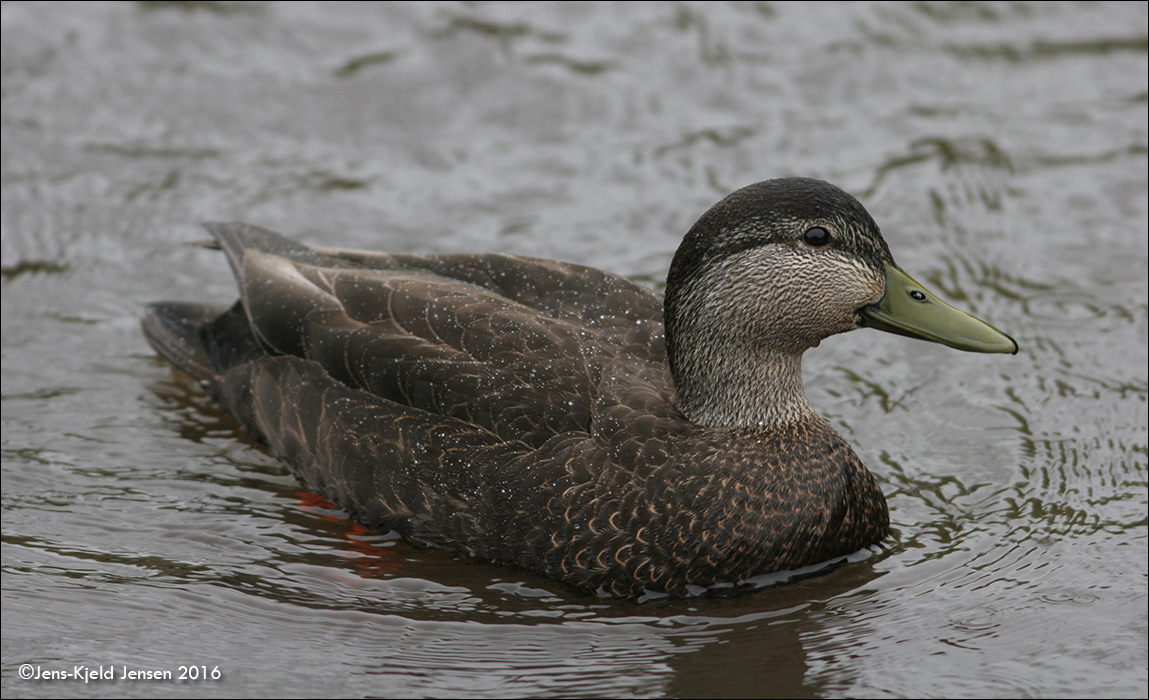
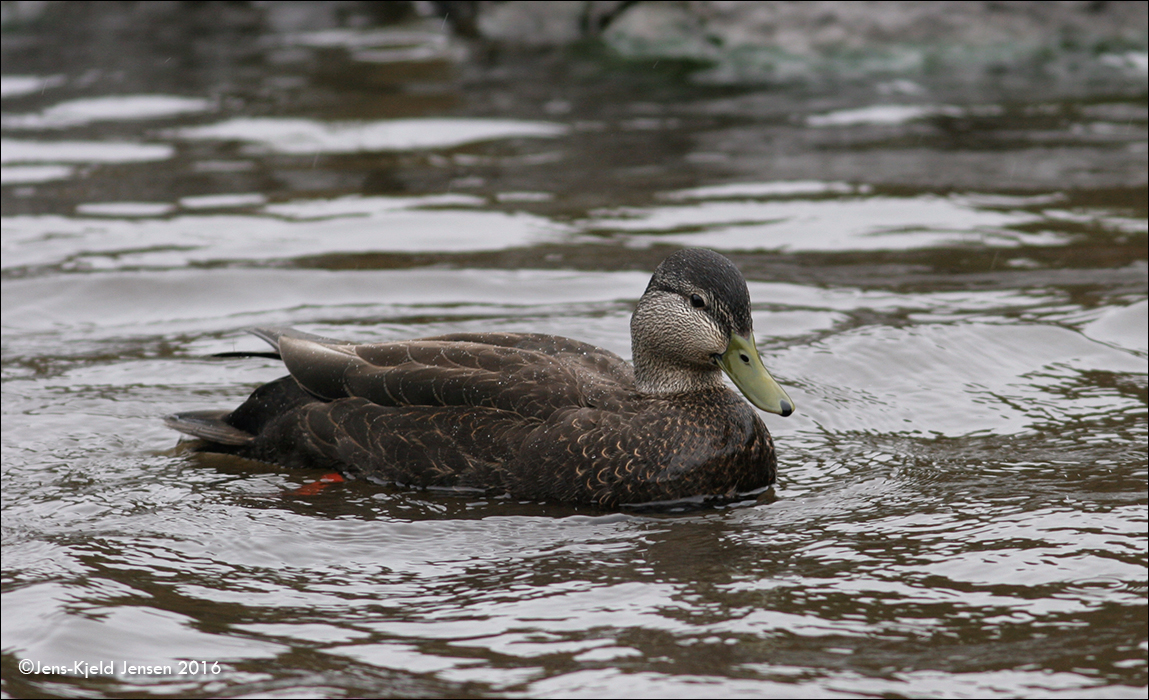
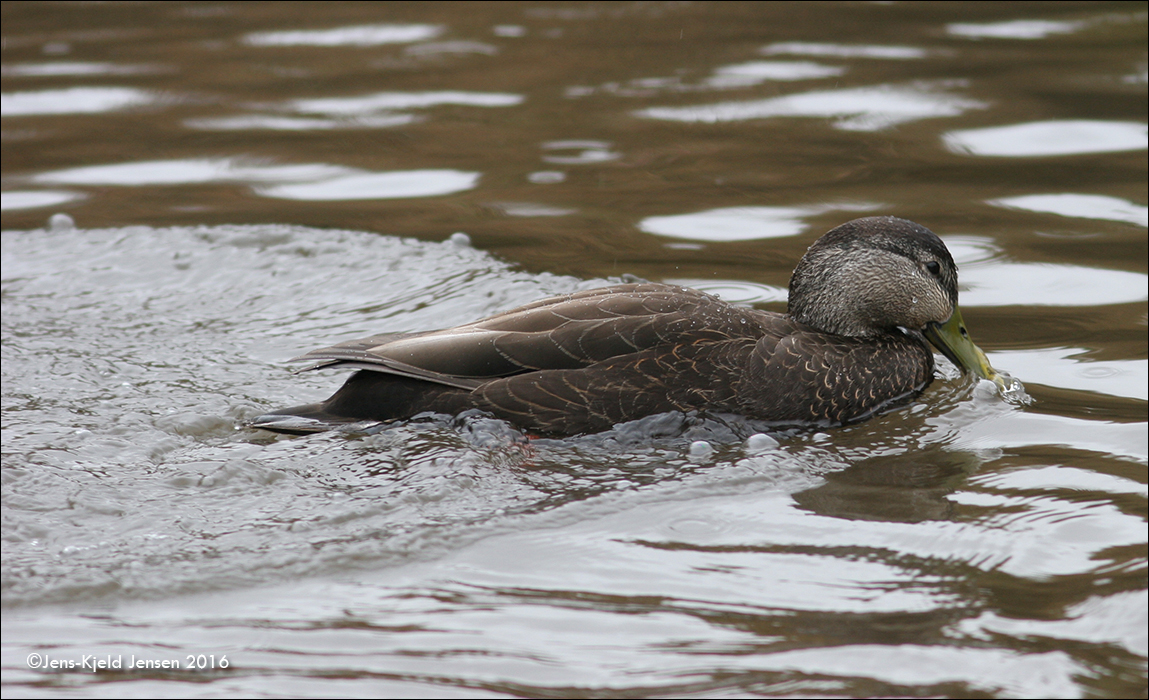
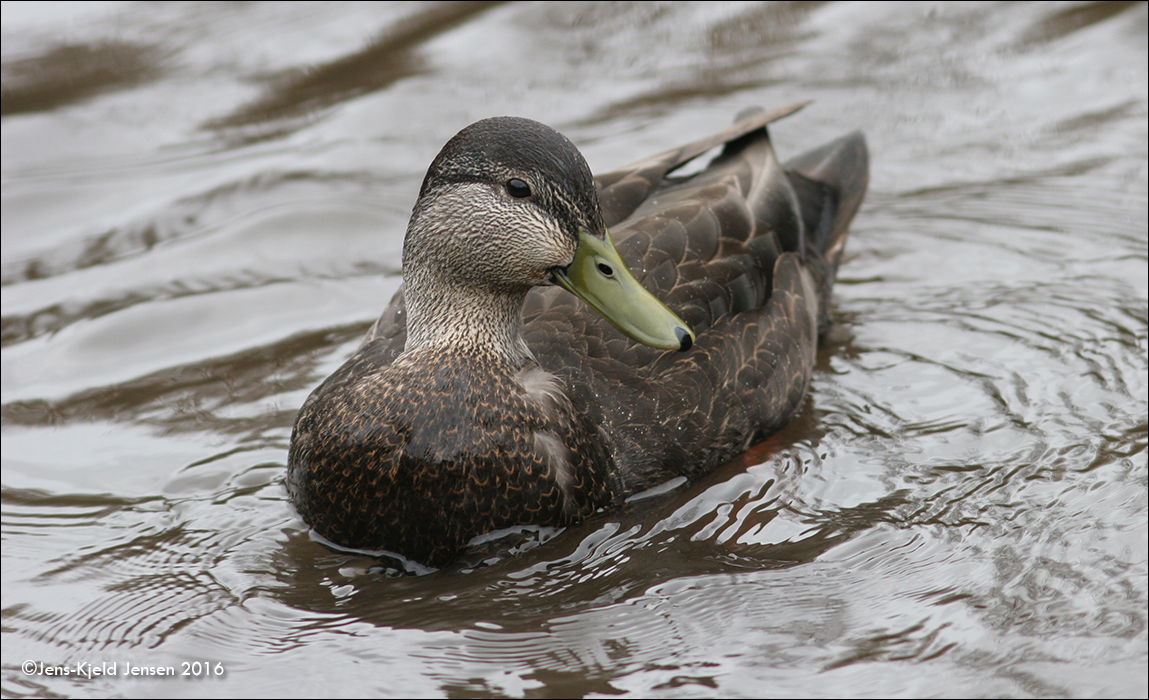
American Black Duck Anas rupribes |
||||||||||||||||||||
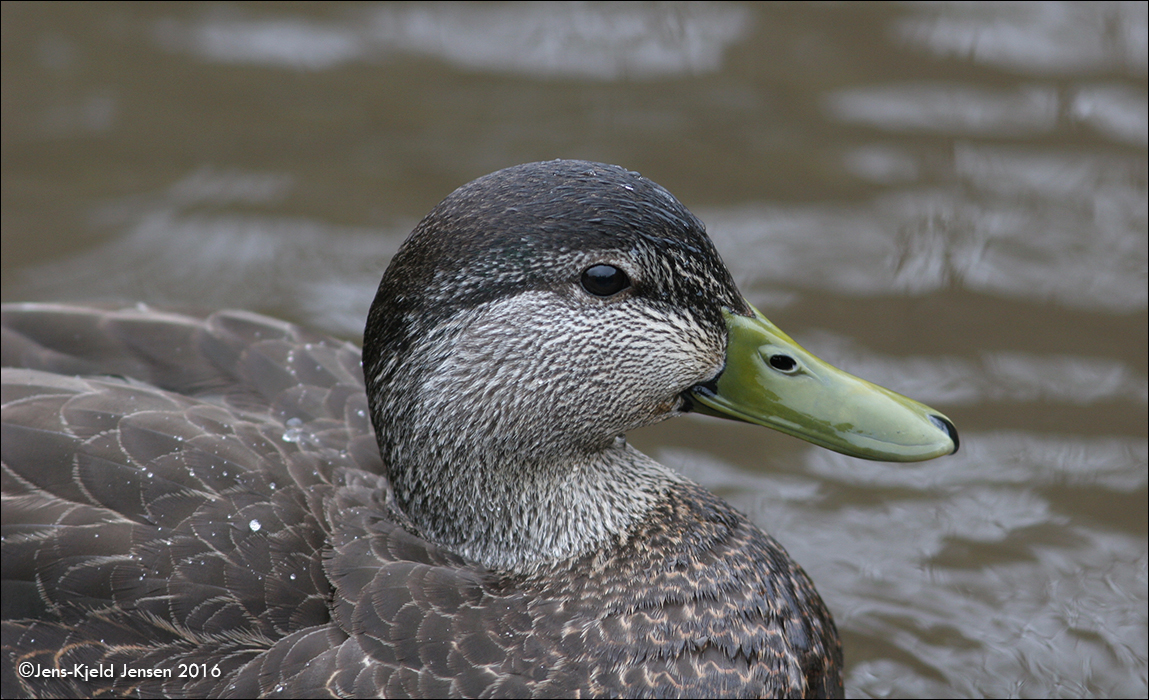 |
||||||||||||||||||||
    |
||||||||||||||||||||
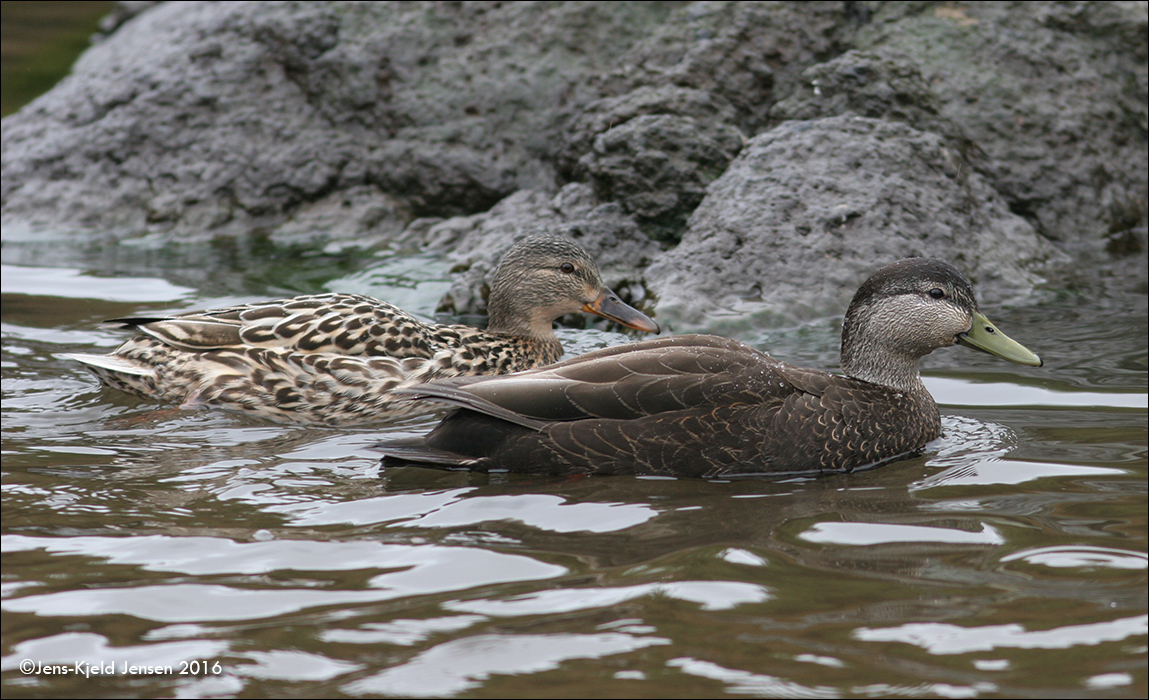 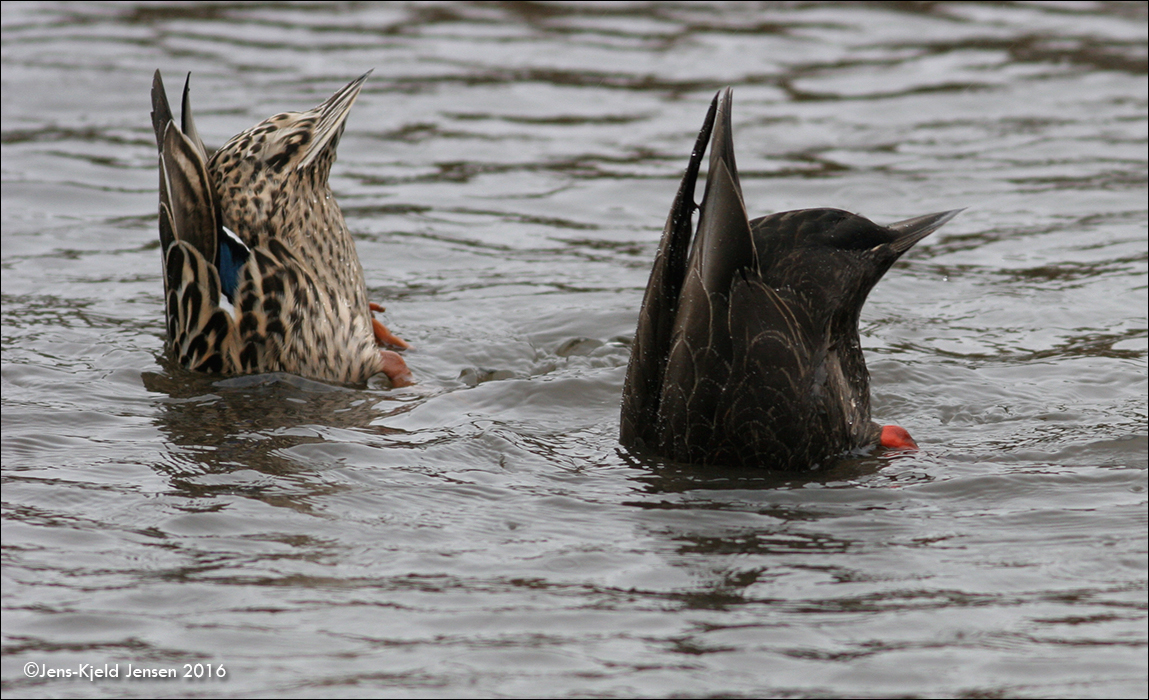  |
||||||||||||||||||||
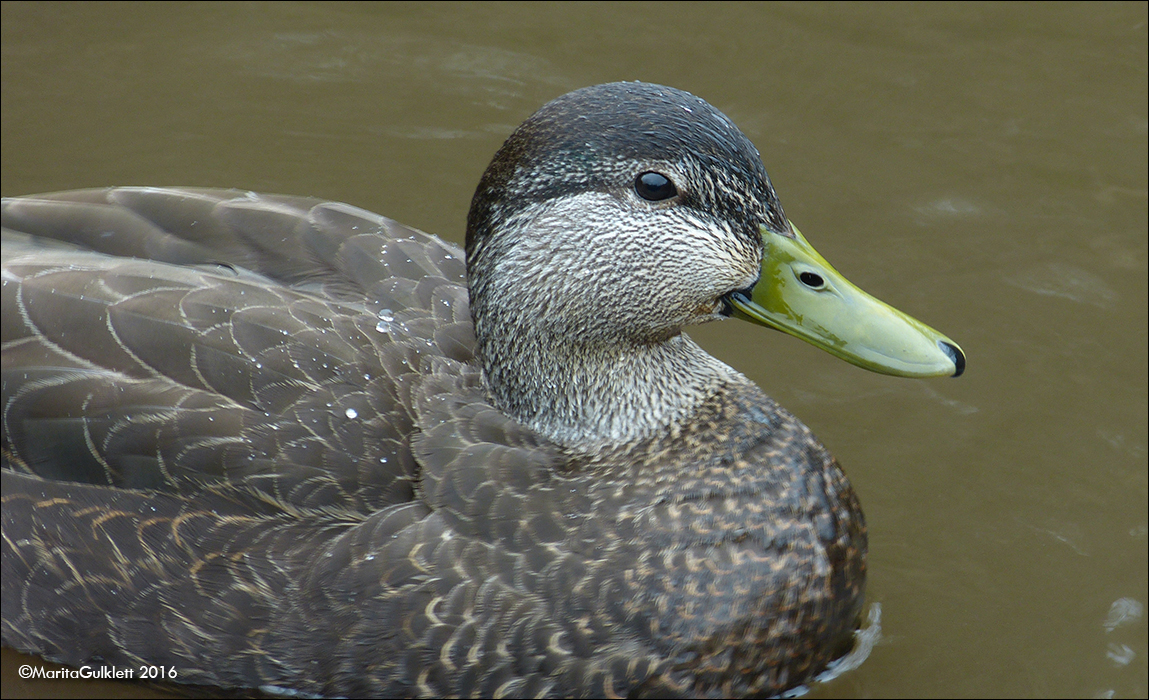 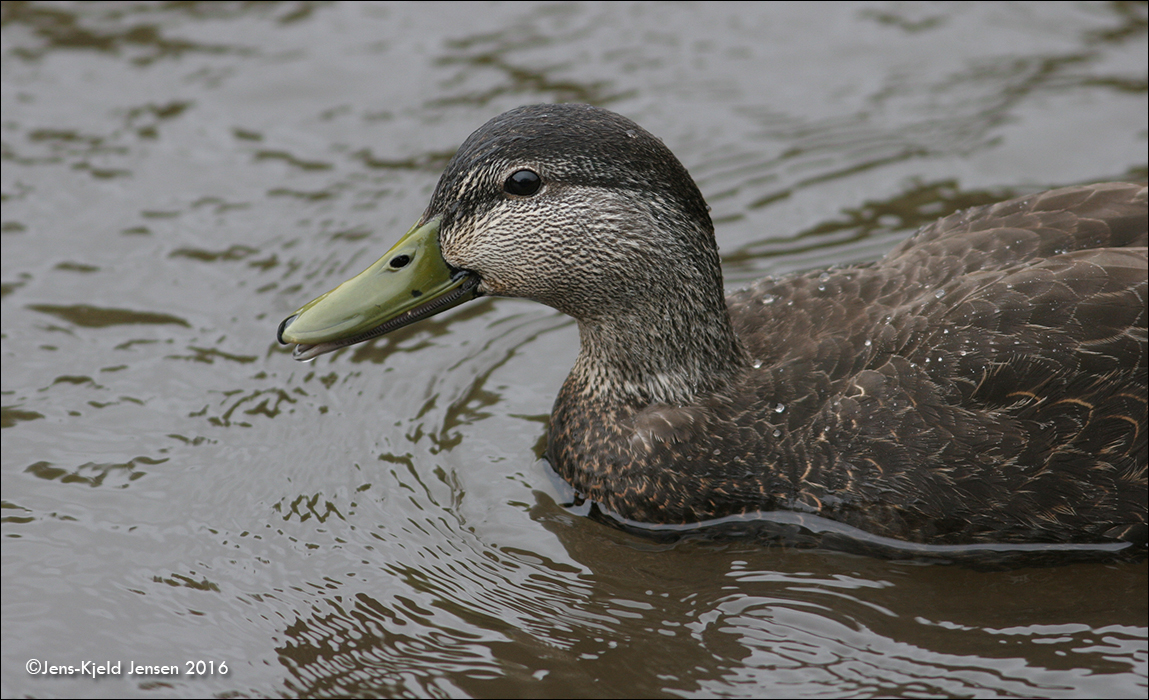 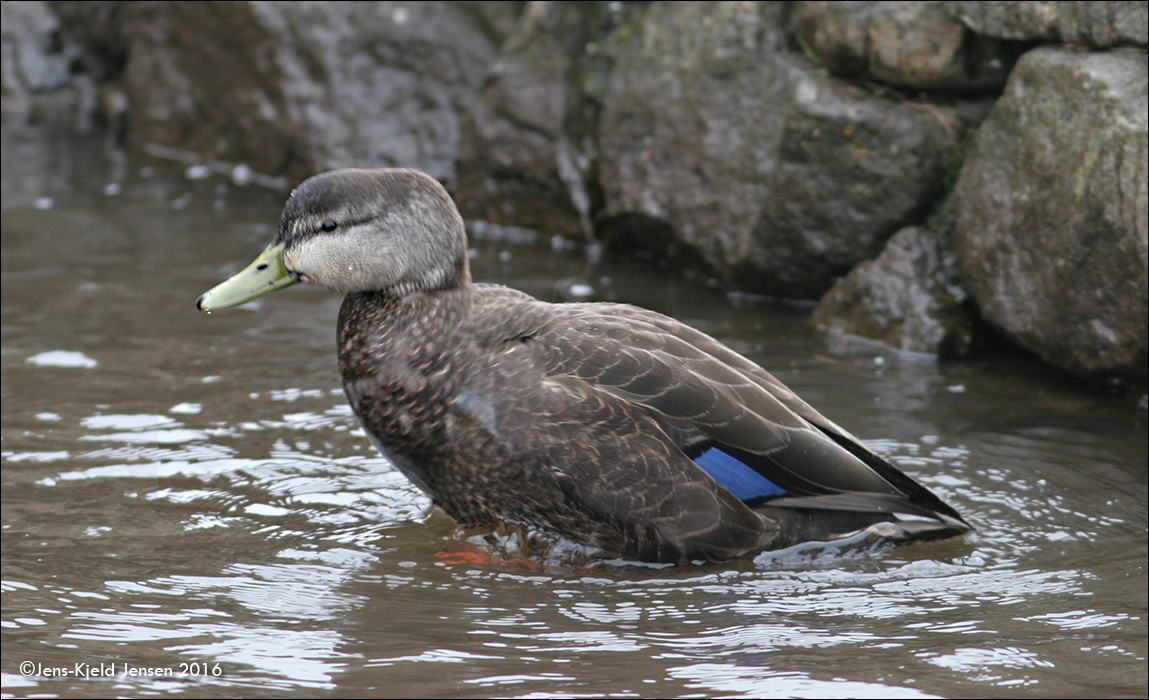 |
||||||||||||||||||||
| The plantation in Tórshavn 08.05.2016 | ||||||||||||||||||||
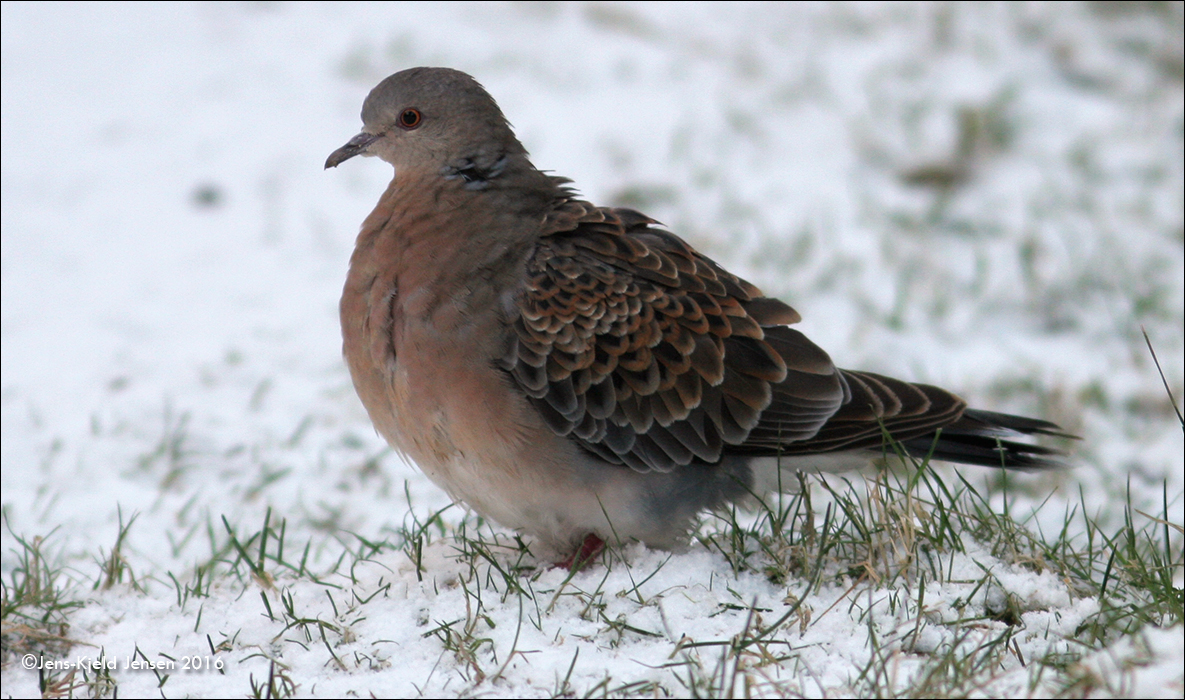
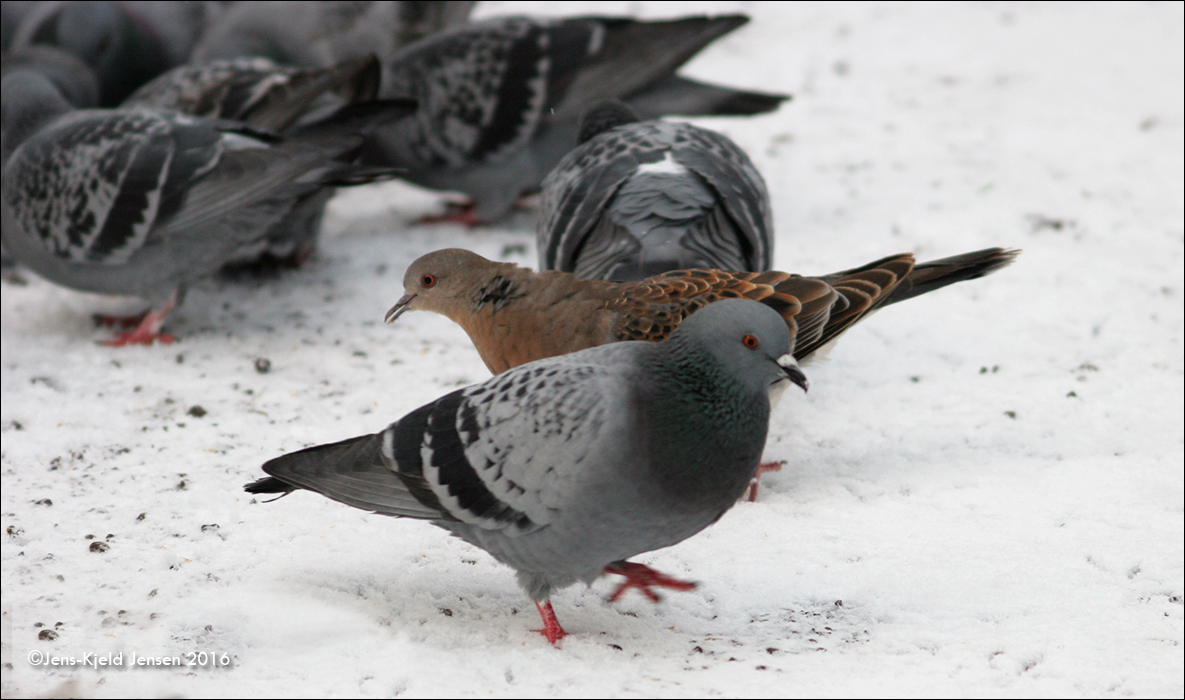
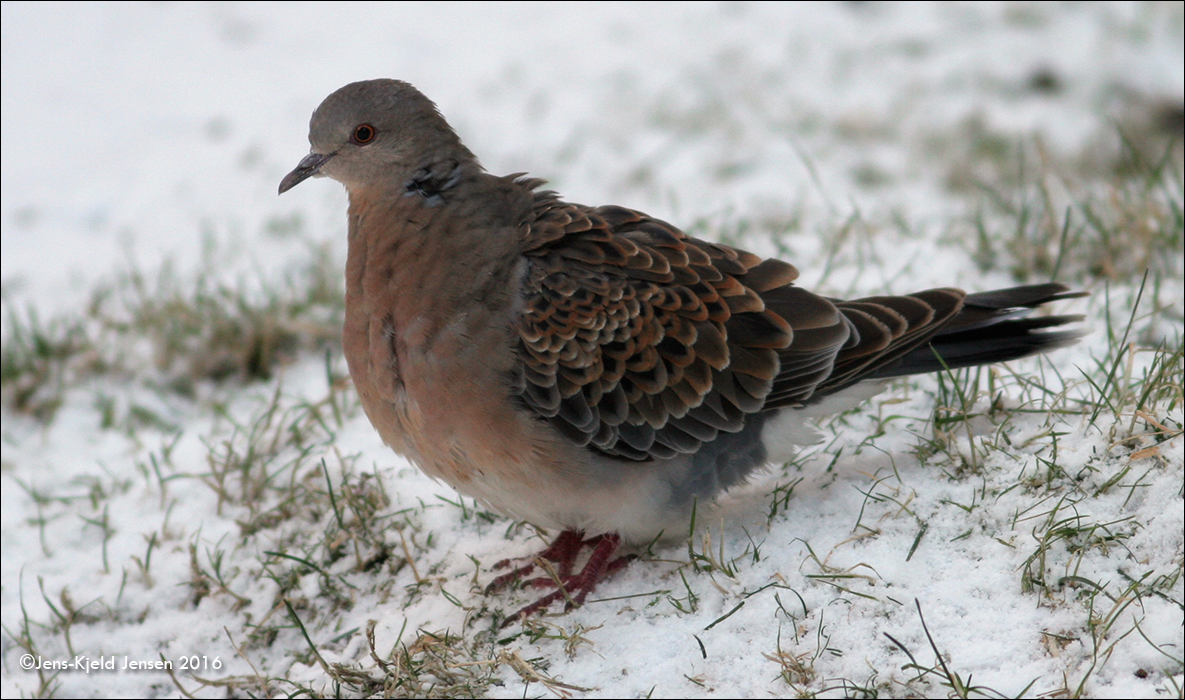
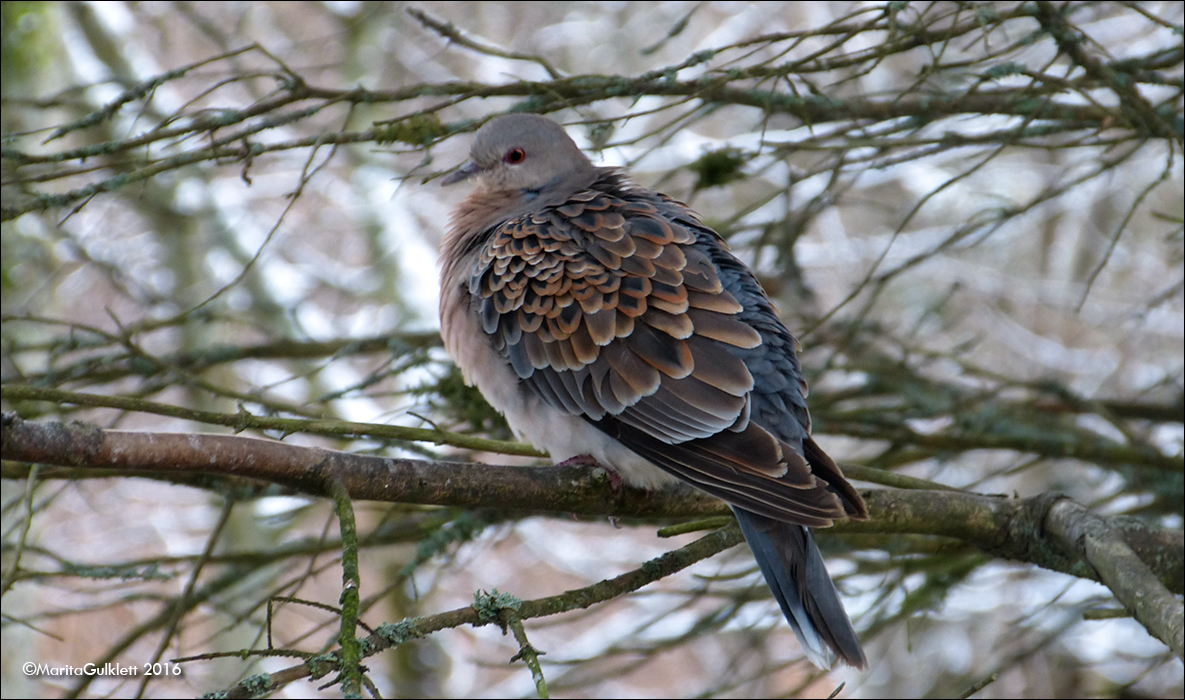
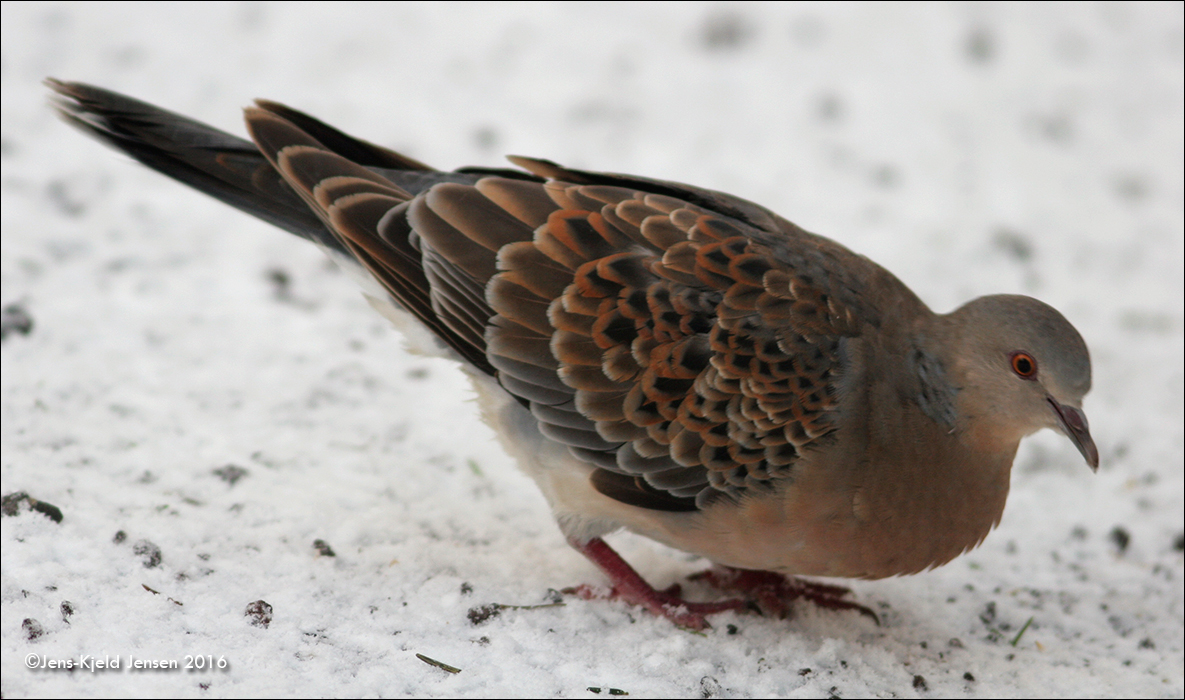
| Oriental Turtle-Dove Streptopelia orientalis | ||||||||||||||||||||
 |
||||||||||||||||||||
|
||||||||||||||||||||
|
||||||||||||||||||||
| The plantation, Tórshavn 13.01.2016 | ||||||||||||||||||||
|
||||||||||||||||||||
| The plantation, Tórshavn 17.01.2016 | ||||||||||||||||||||
| Very rare, the second observation for Faroe Islands | ||||||||||||||||||||
| Amur Falcon Falco amurensis | ||||||||||||||||||||
|
||||||||||||||||||||
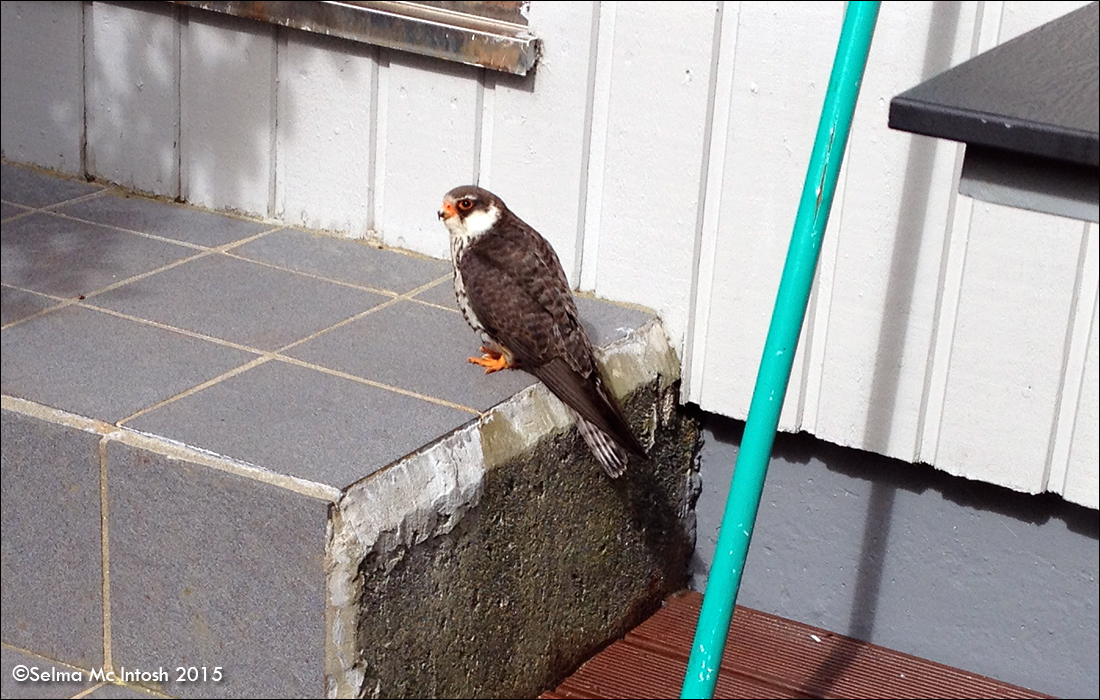
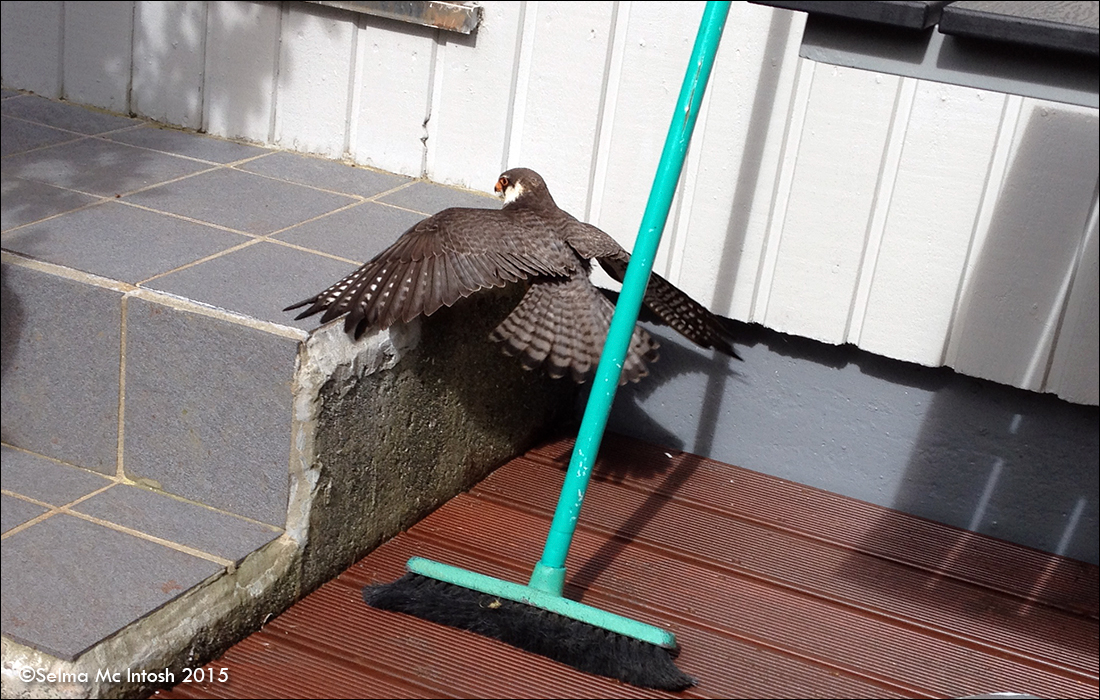
| Amur falcon seen for the first time in the Faroe Islands. | ||||||||||||||||||||
| On 24. June 2015 Selma Mc Intosh took these two photographs of a female Amur falcon on her doorstep in Torshavn. Amur falcon breeds in southern Siberia to eastern China and Korea, and winters in several countries in South Africa. Amur falcon is very rare in Europe. | ||||||||||||||||||||
| Selma sent the photographs to me, but I could not determine the species of this falcon. Therefore I passed on the photographs to Søren Sørensen, who determined the species. | ||||||||||||||||||||
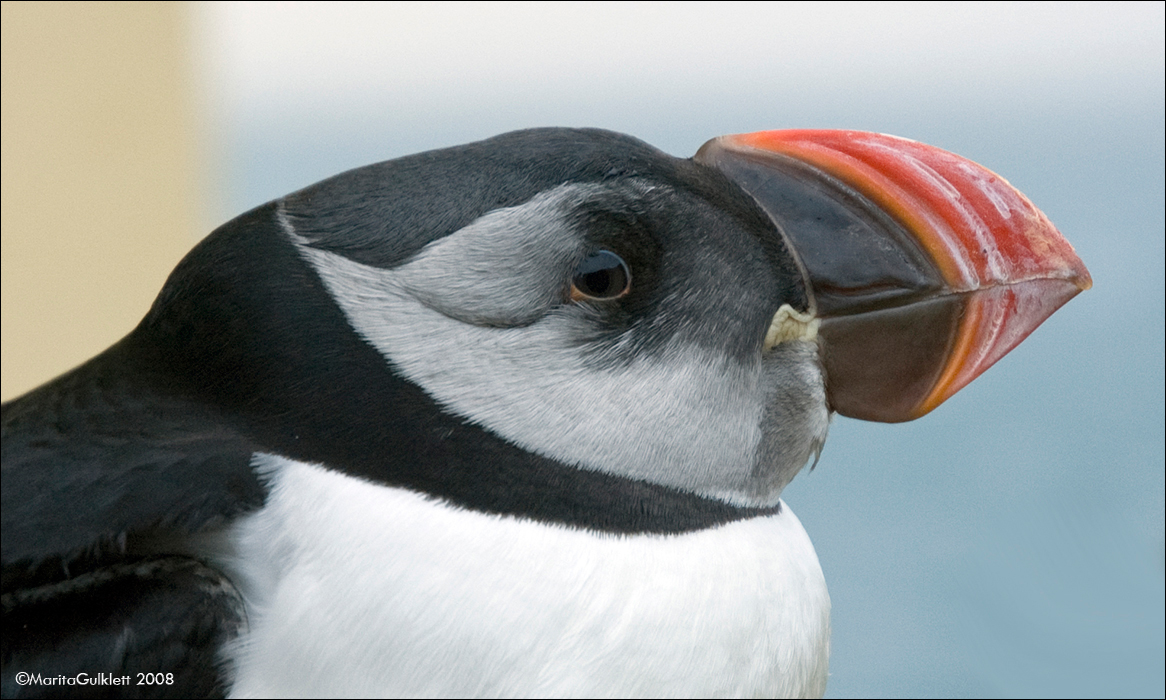
| Norwegian winter puffin Fratercula arctica arctica | ||||||||||||||||||||
 |
||||||||||||||||||||
There are three subspecies of puffins - or 3 sizes. |
||||||||||||||||||||
|
||||||||||||||||||||
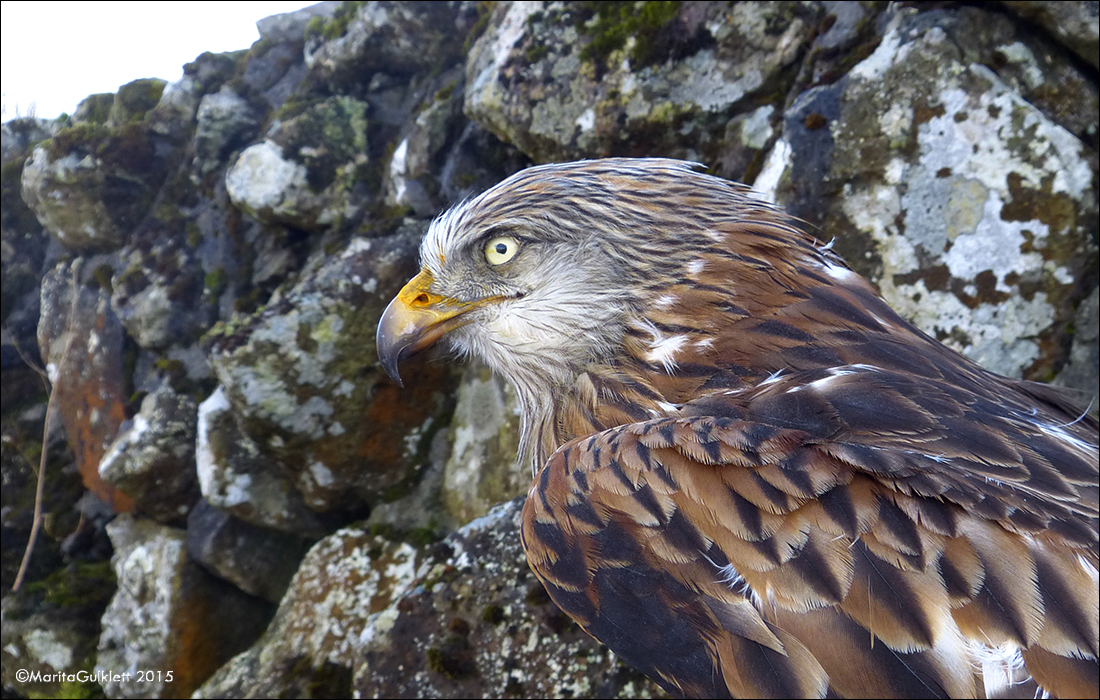
| Red Kite Milvus milvus | ||||||||||||||||||||
 |
||||||||||||||||||||
|
||||||||||||||||||||
 |
||||||||||||||||||||
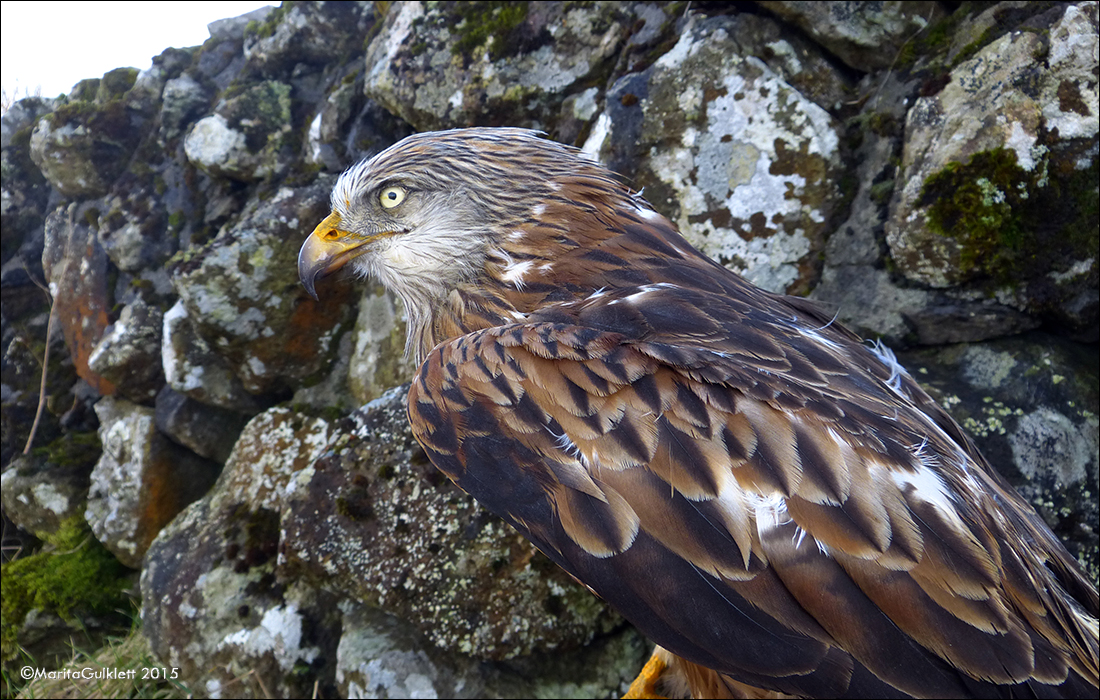
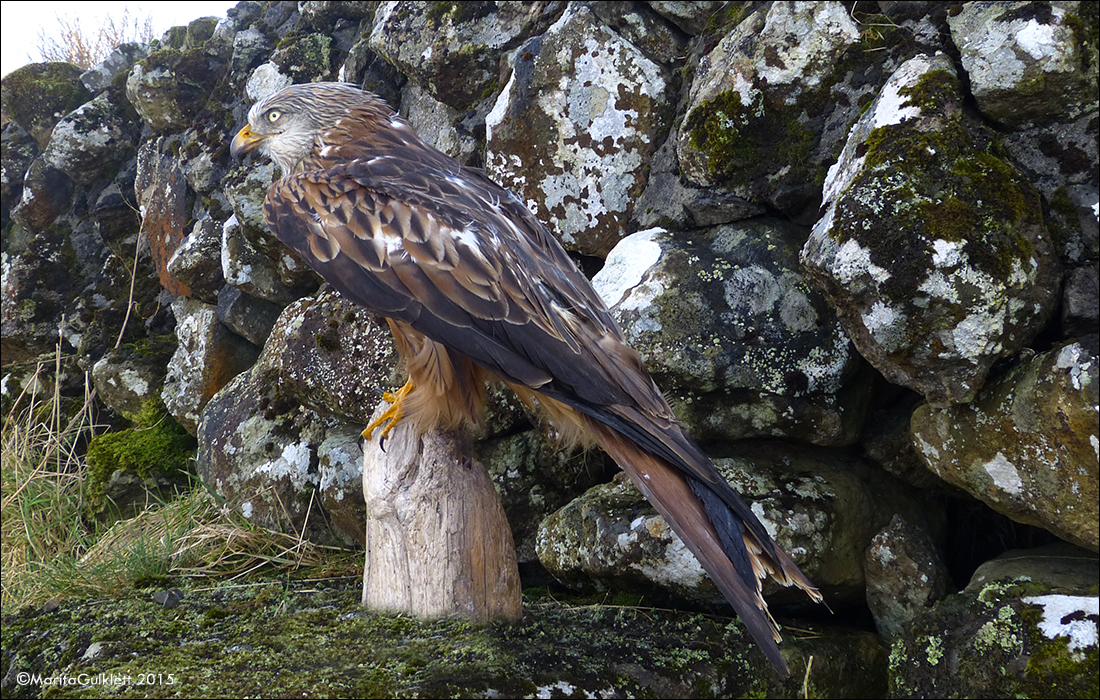
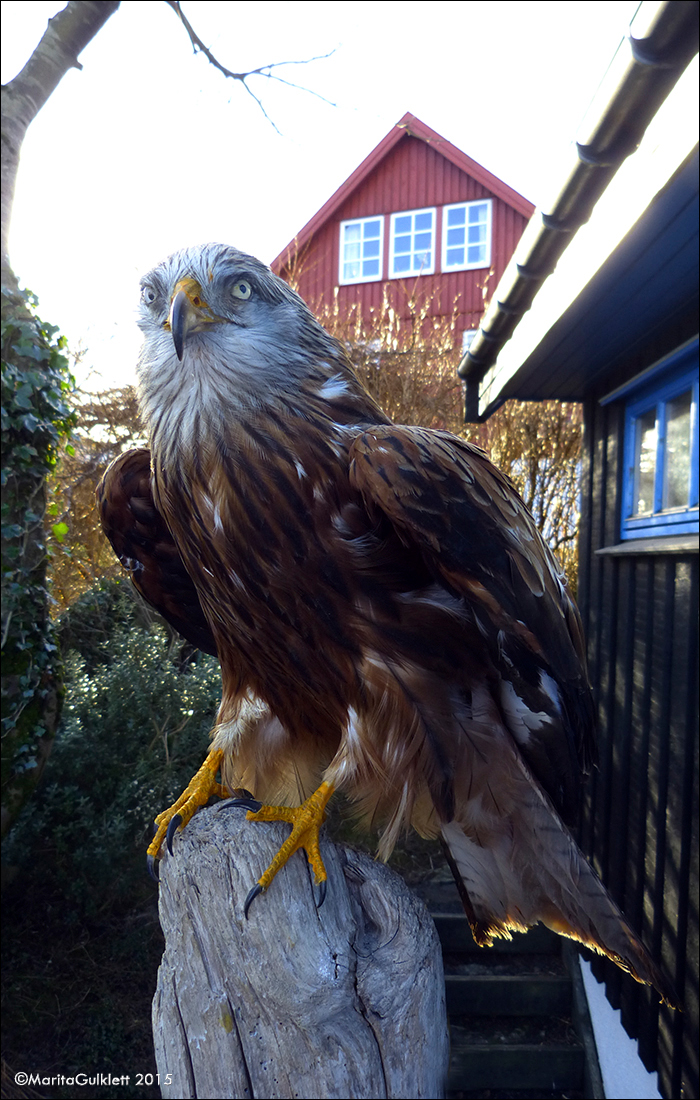
| John Reid Skoralíð found a Red Kite on the old road to Leirvík 24.03.2013. The whole bird was covered in oil. It had starved, so everything indicates, that it died from cold and hunger. This is the first registration of a Red Kite in the Faroe Islands. Red Kite is between 61-72 cm. long and the oldest ringed was 25 years and 8 months. |
||||||||||||||||||||
Goldfinch Carduelis carduelis |
||||||||||||||||||||
 |
||||||||||||||||||||
 |
||||||||||||||||||||
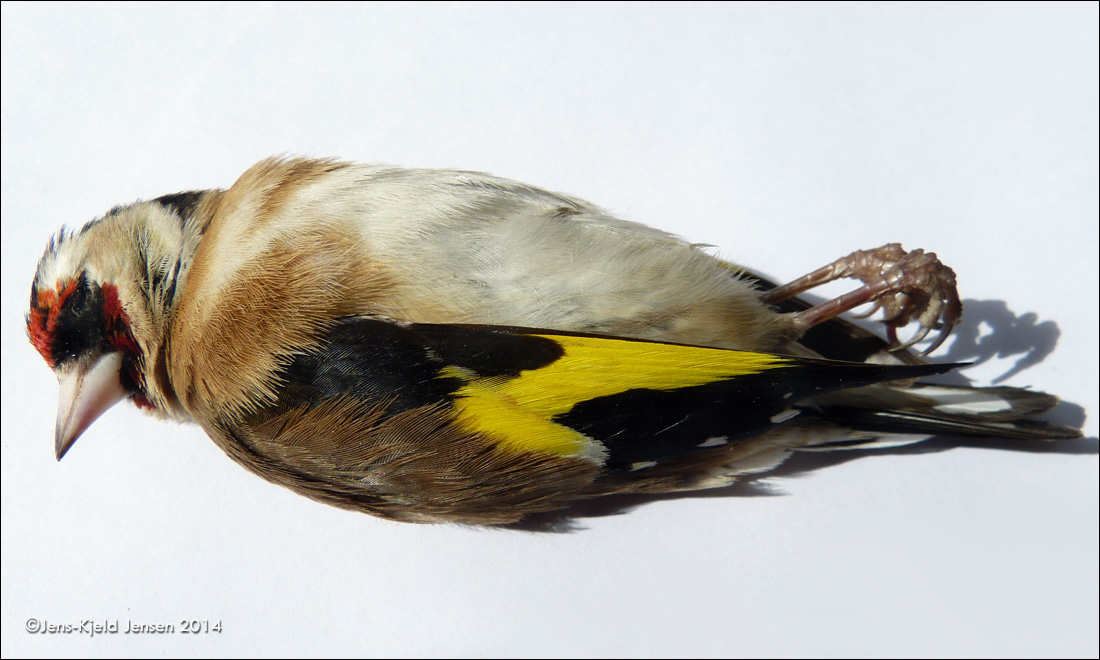
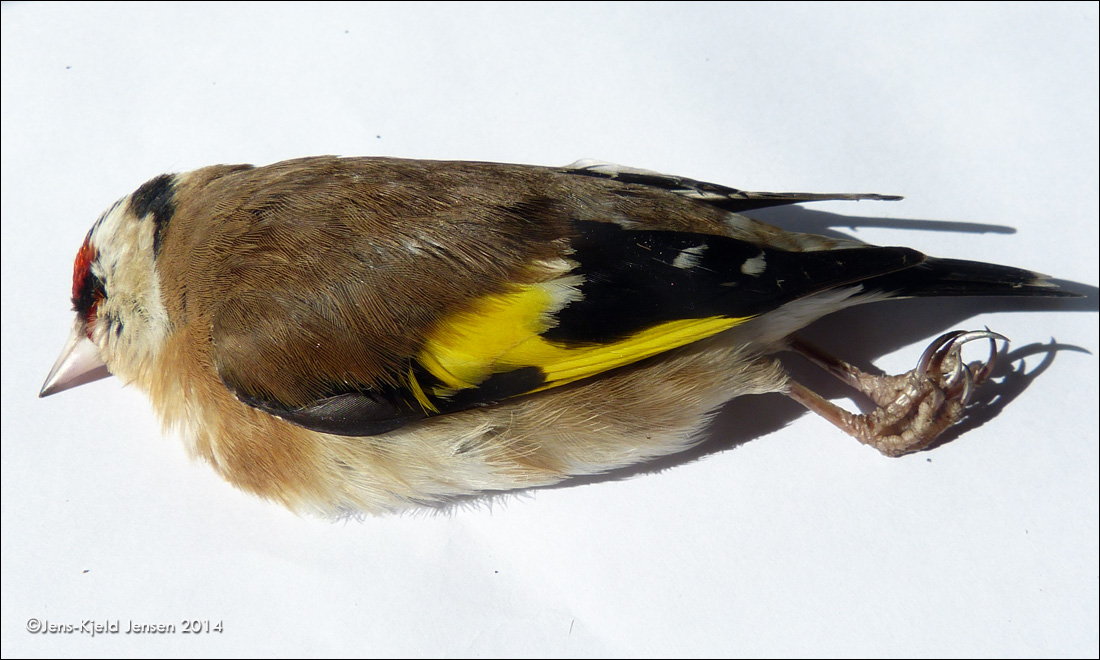
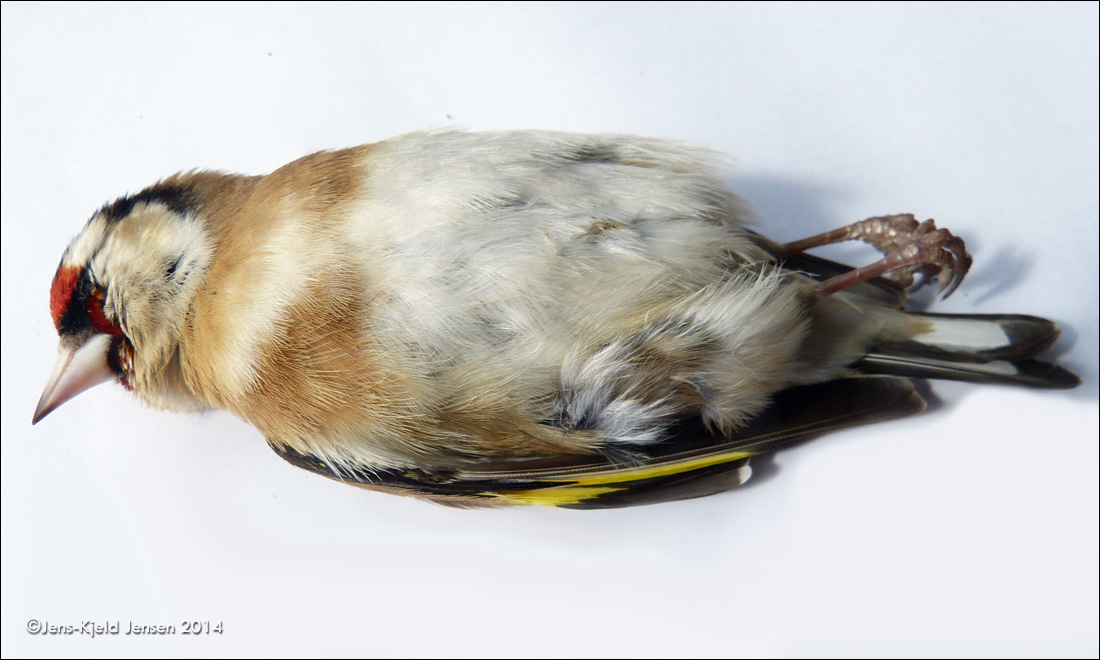
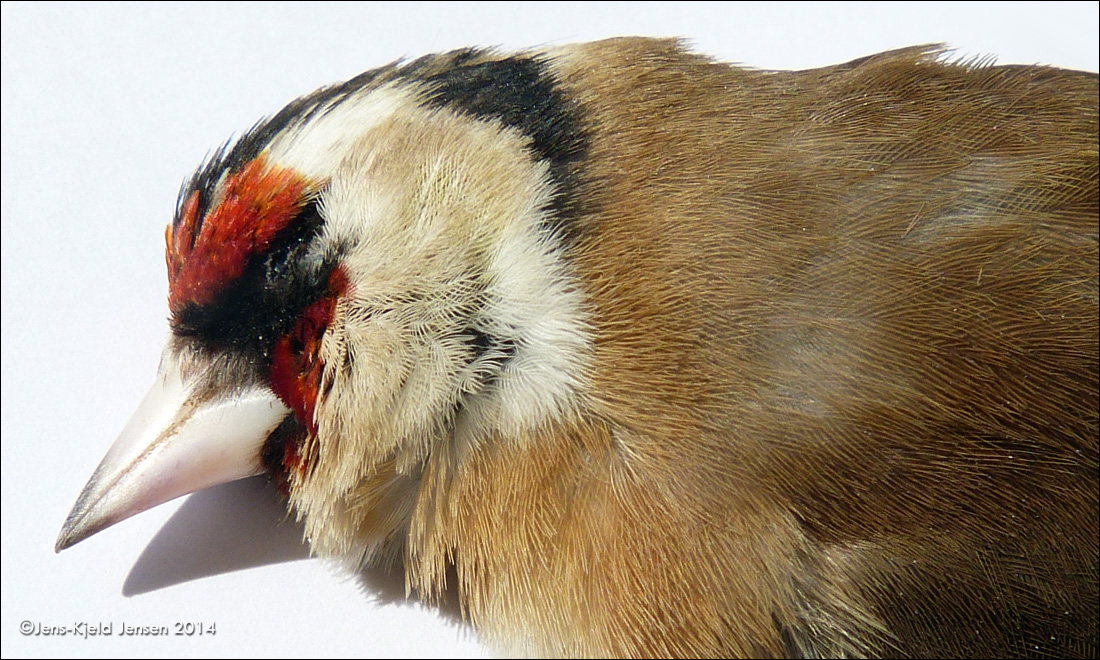
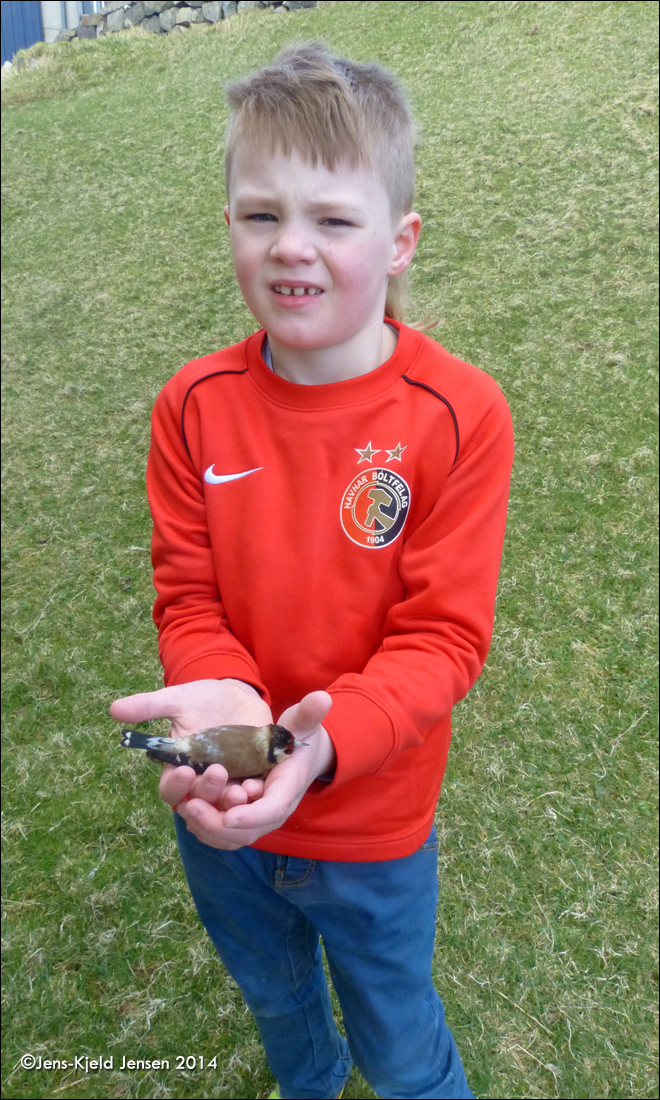
17.04.2014 Dánjal Ári Poulsen found this rare died guest, who turned out to be a young female Goldfinch. Dánjal notices everything, so he will find what is worth finding on nólsoy. |
||||||||||||||||||||
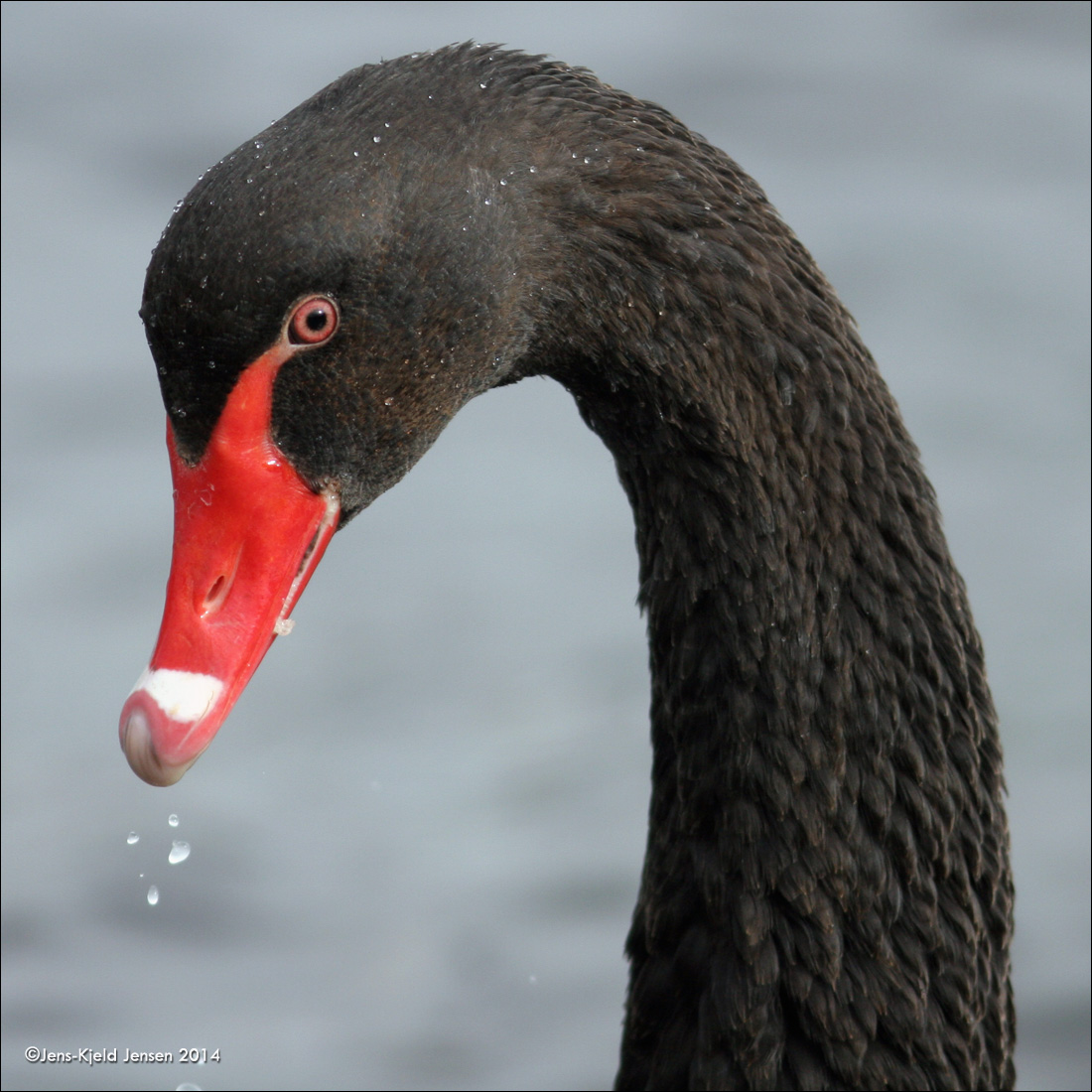
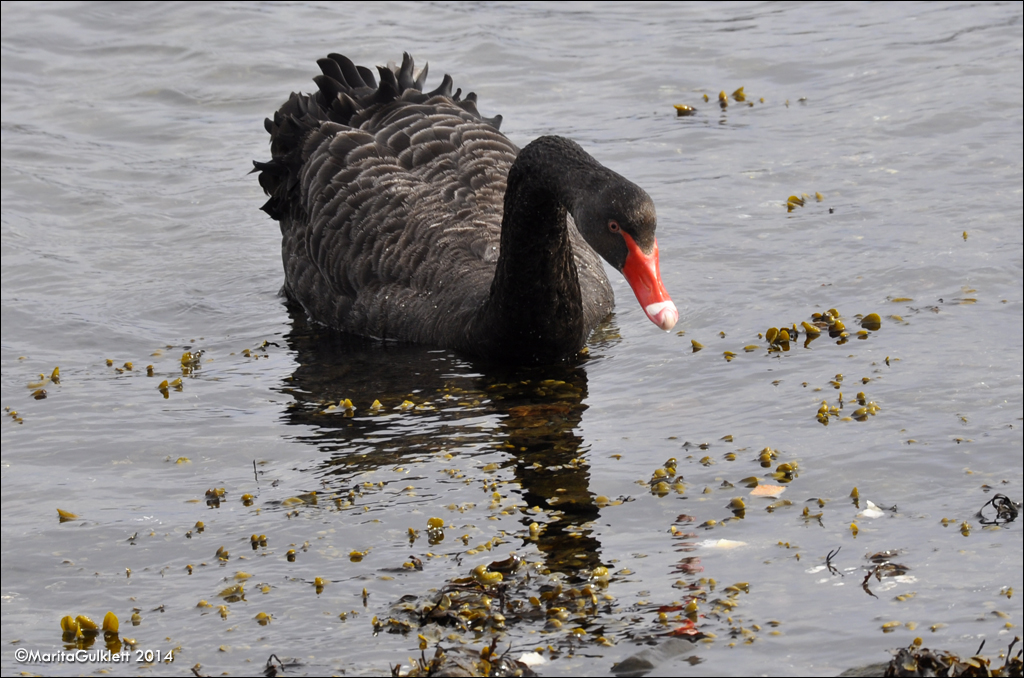
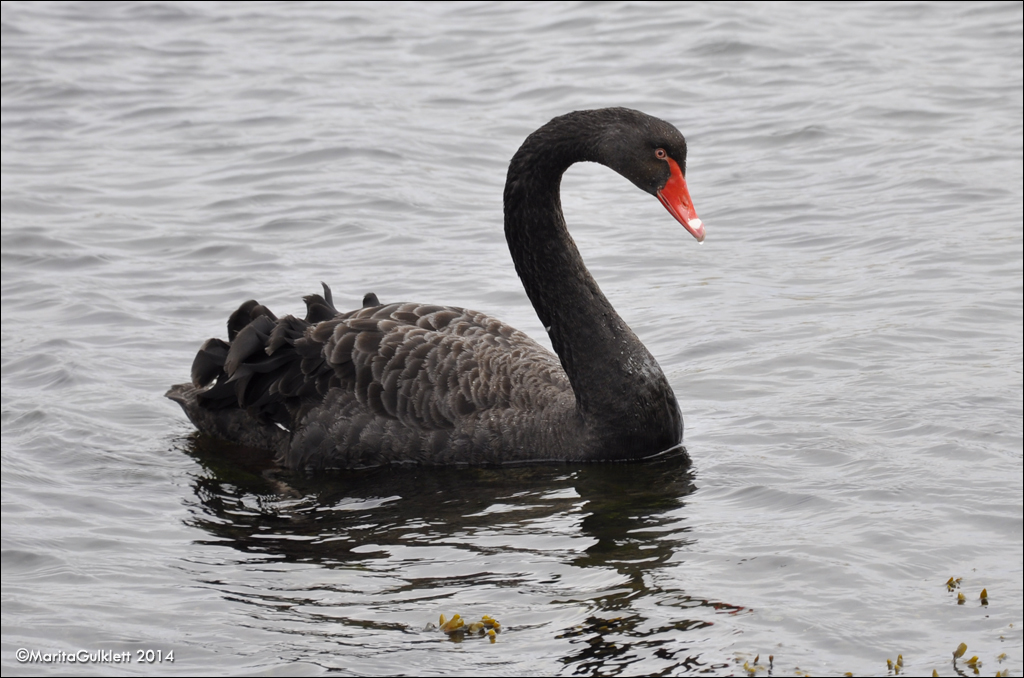
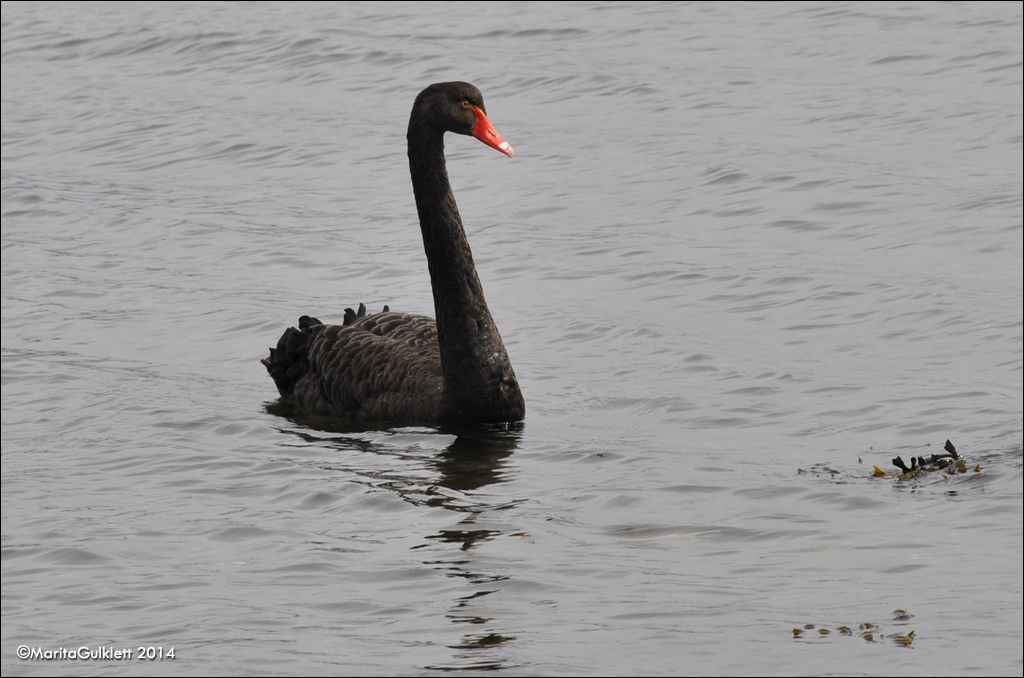
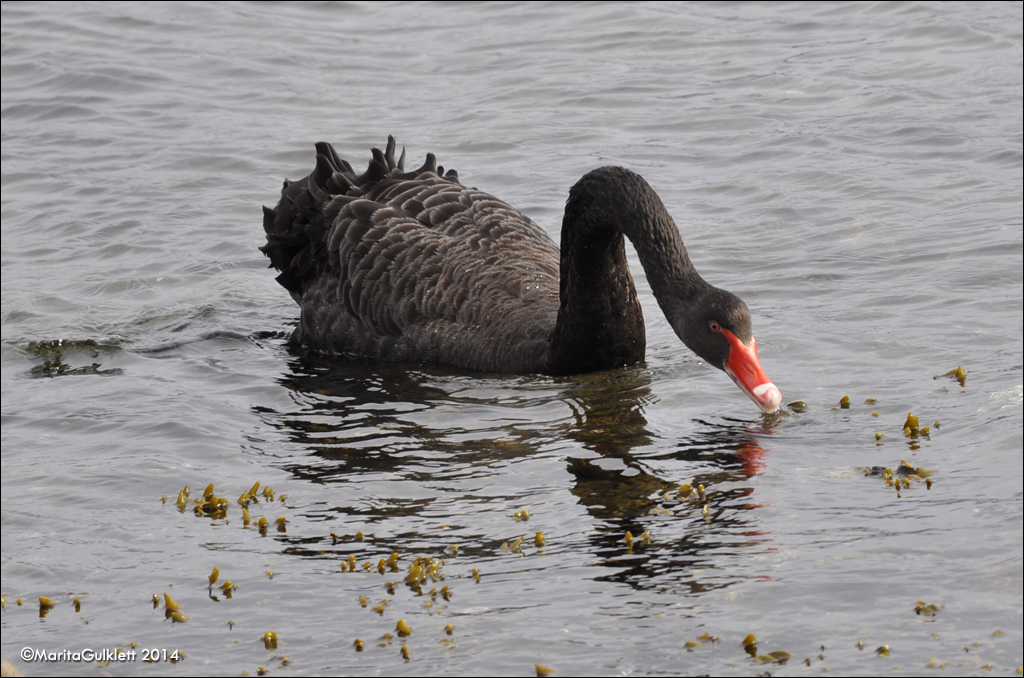
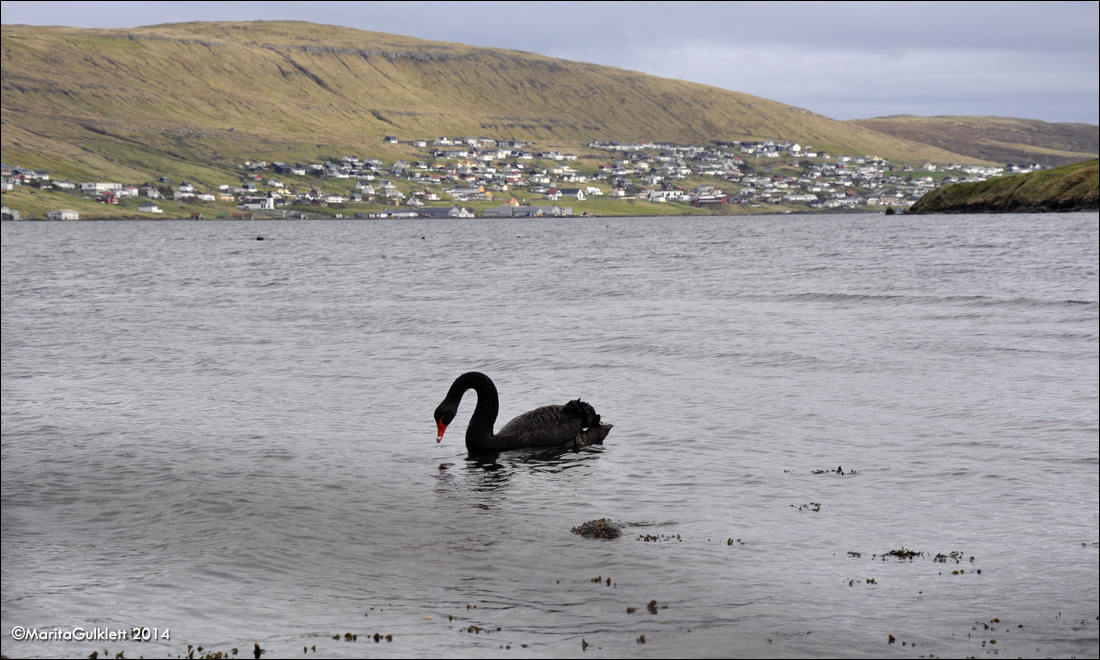
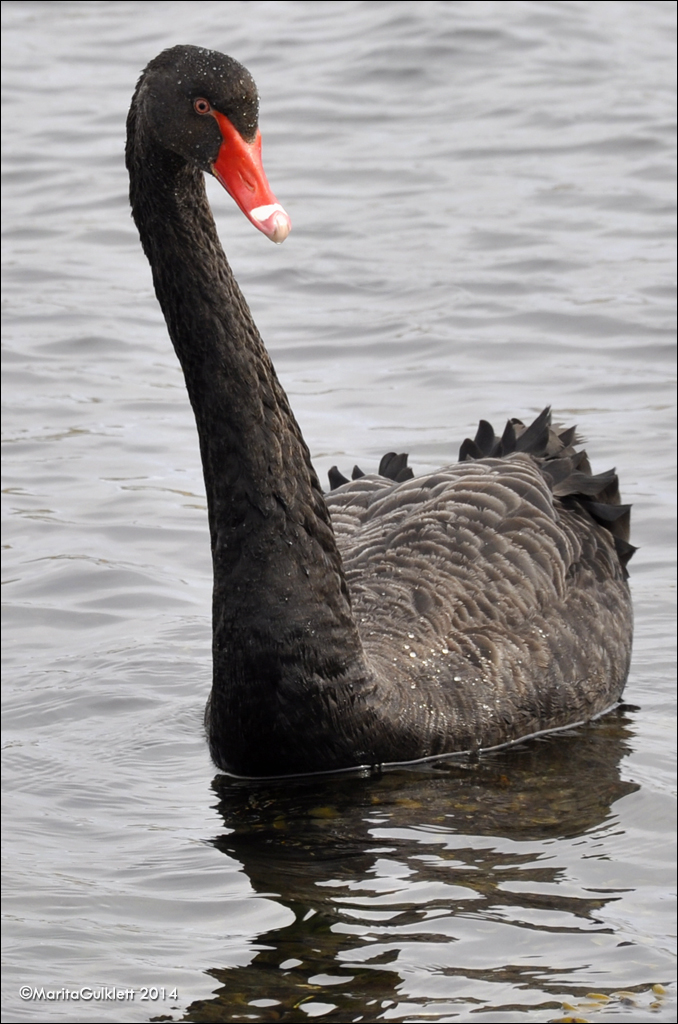
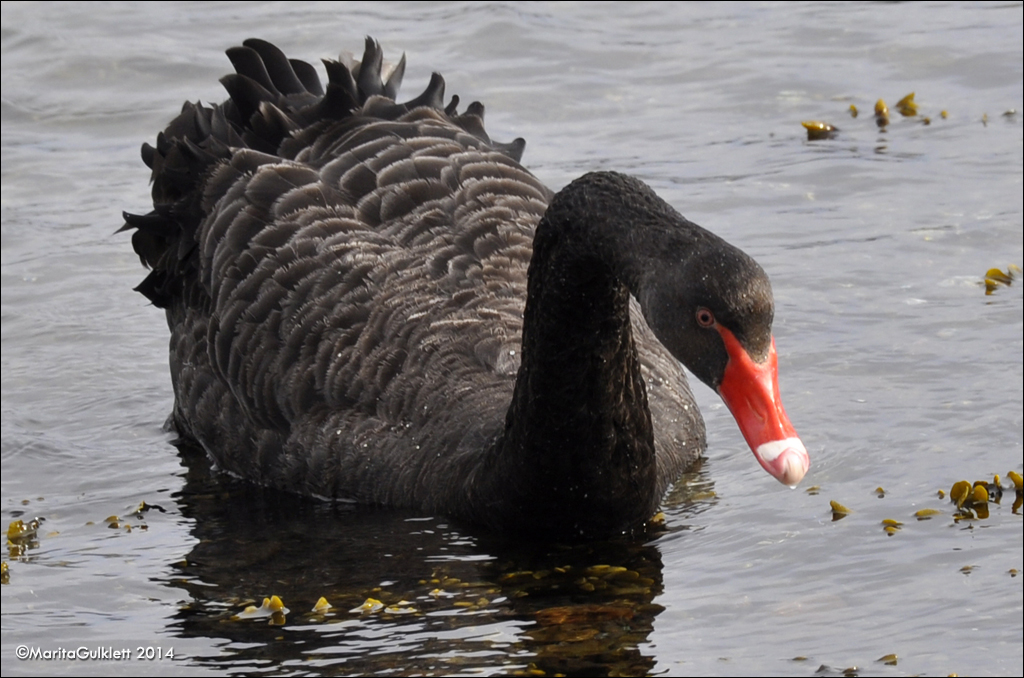
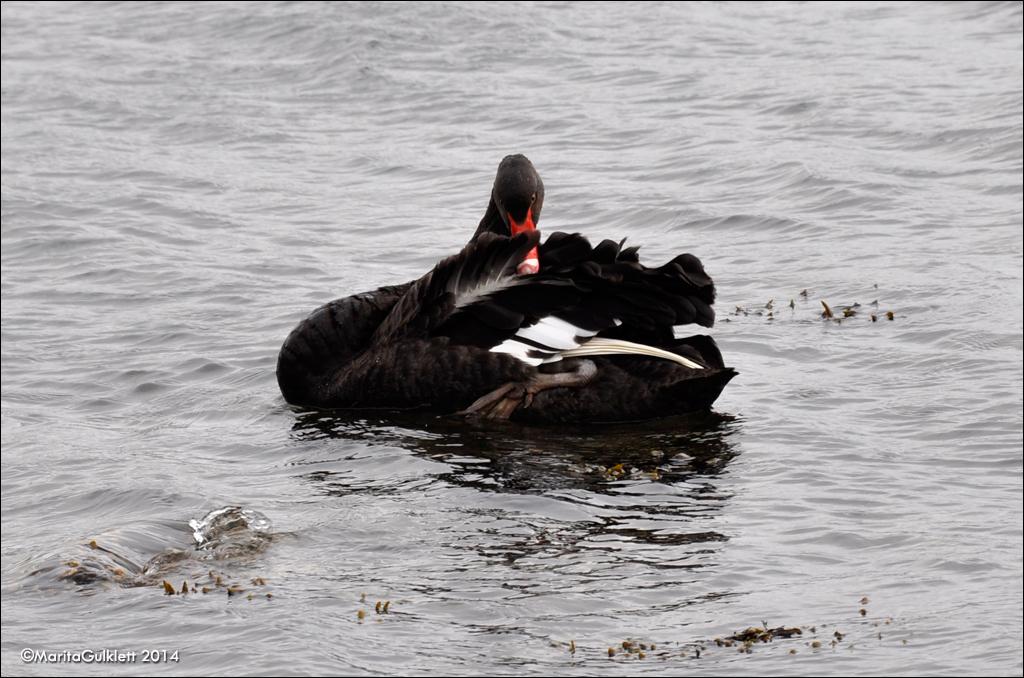
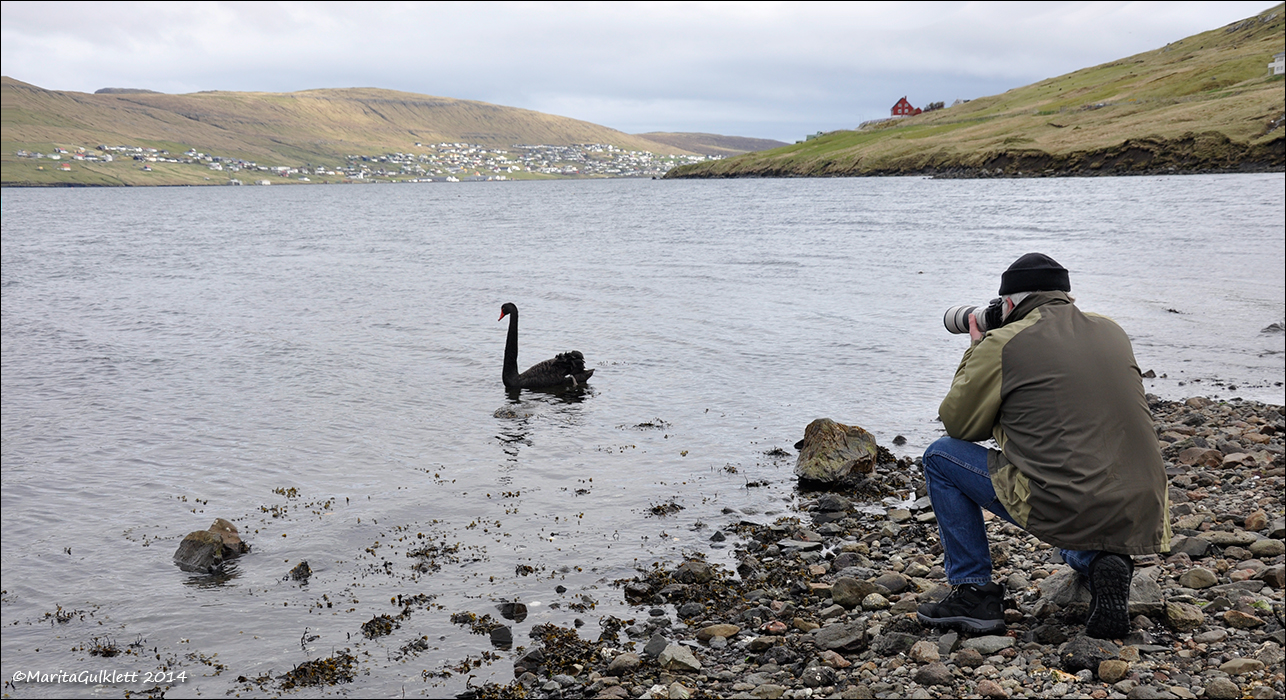
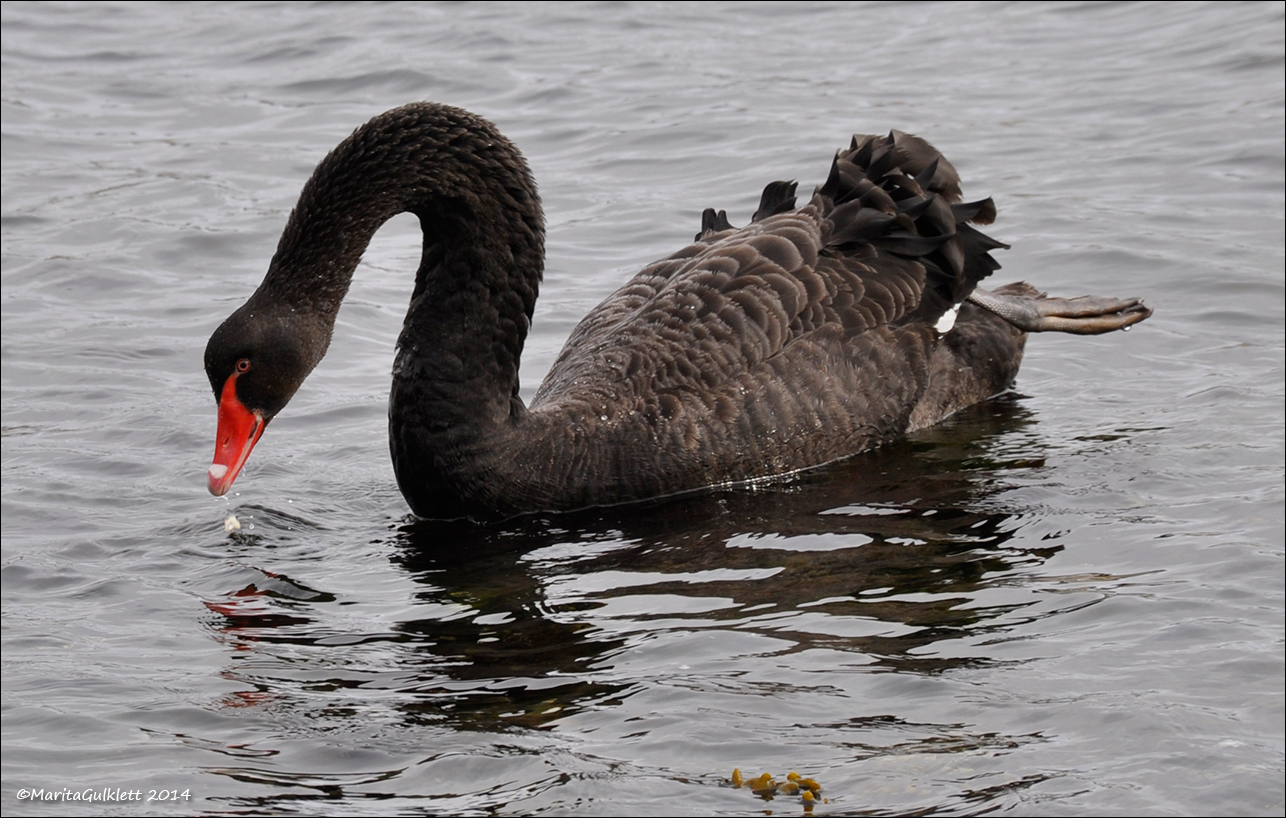
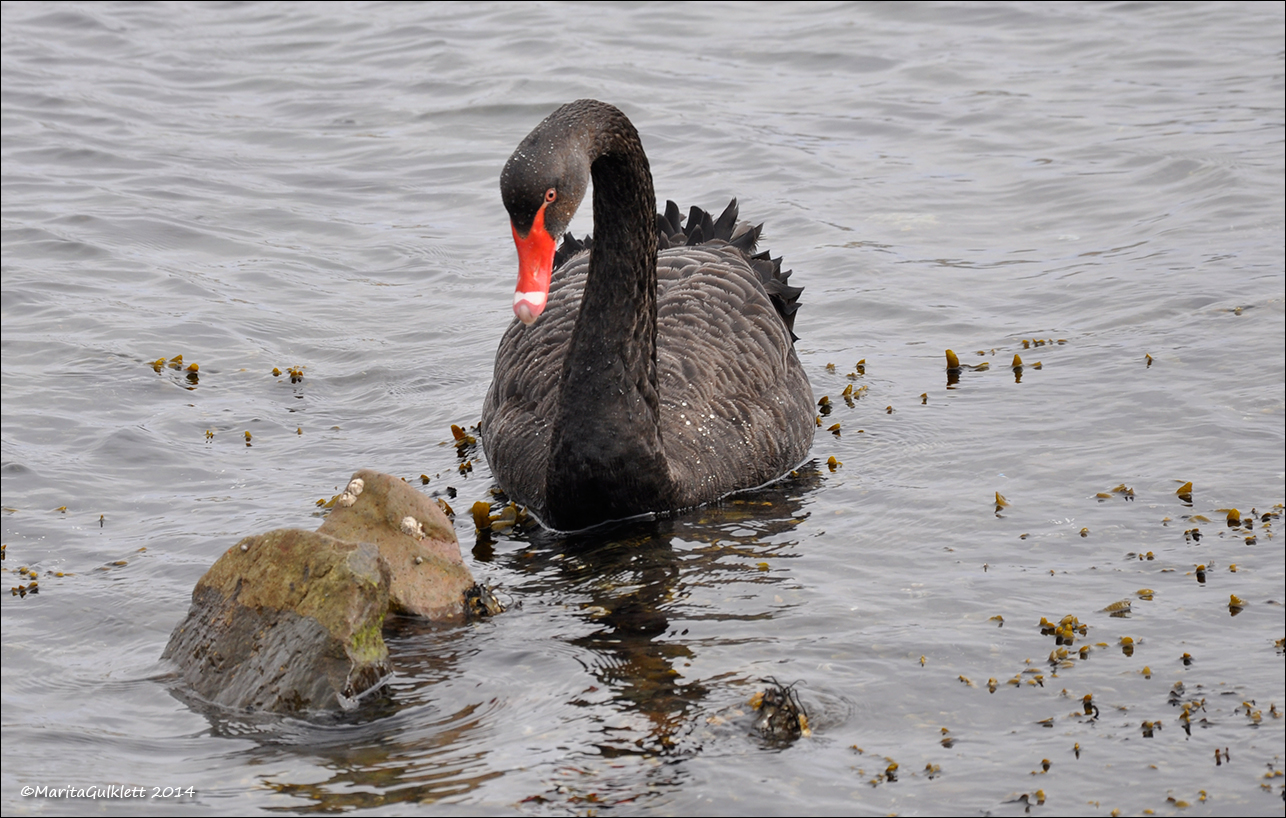
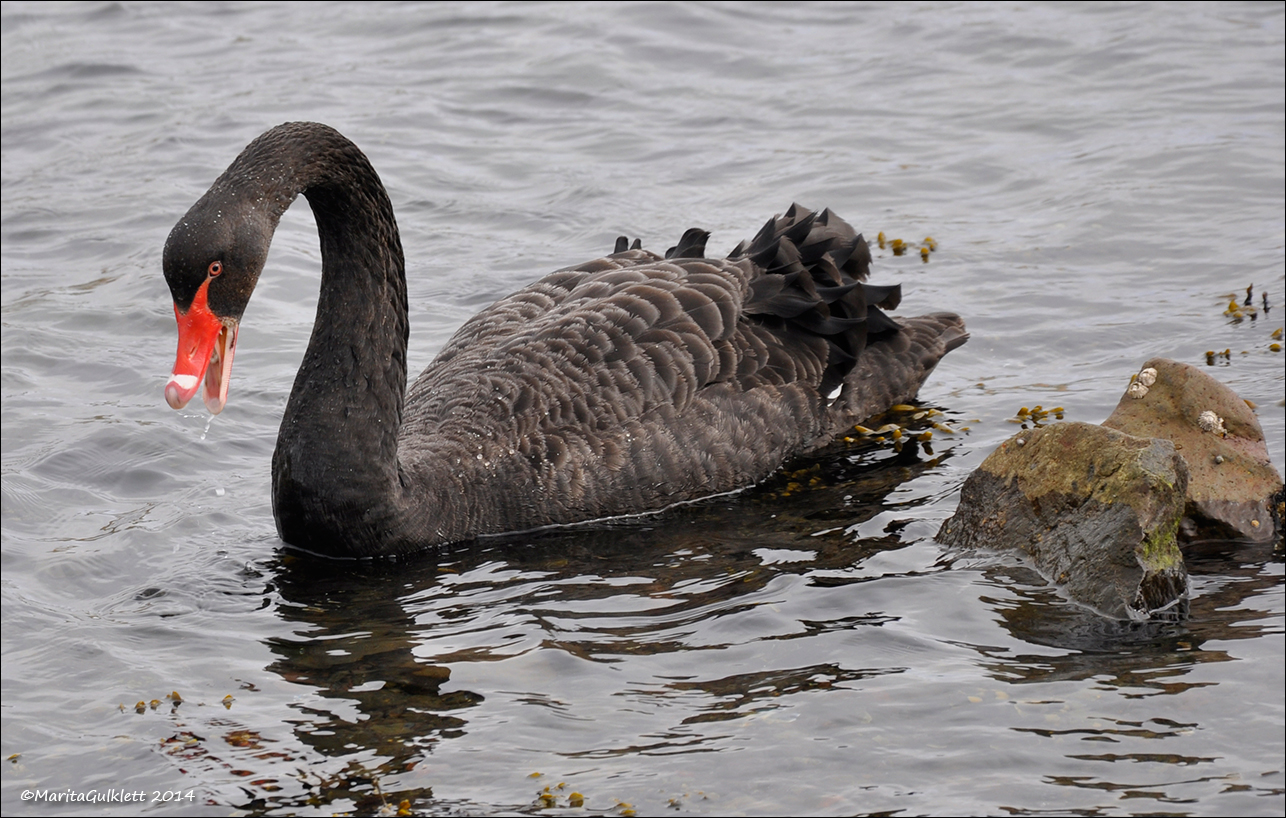
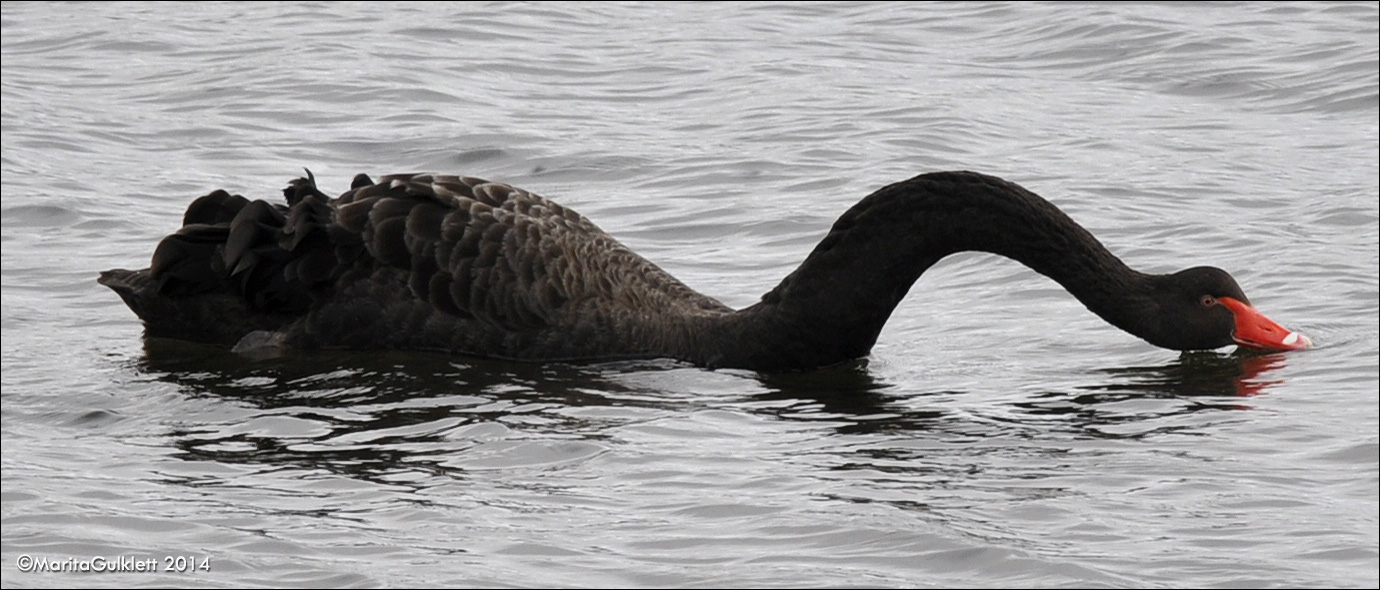
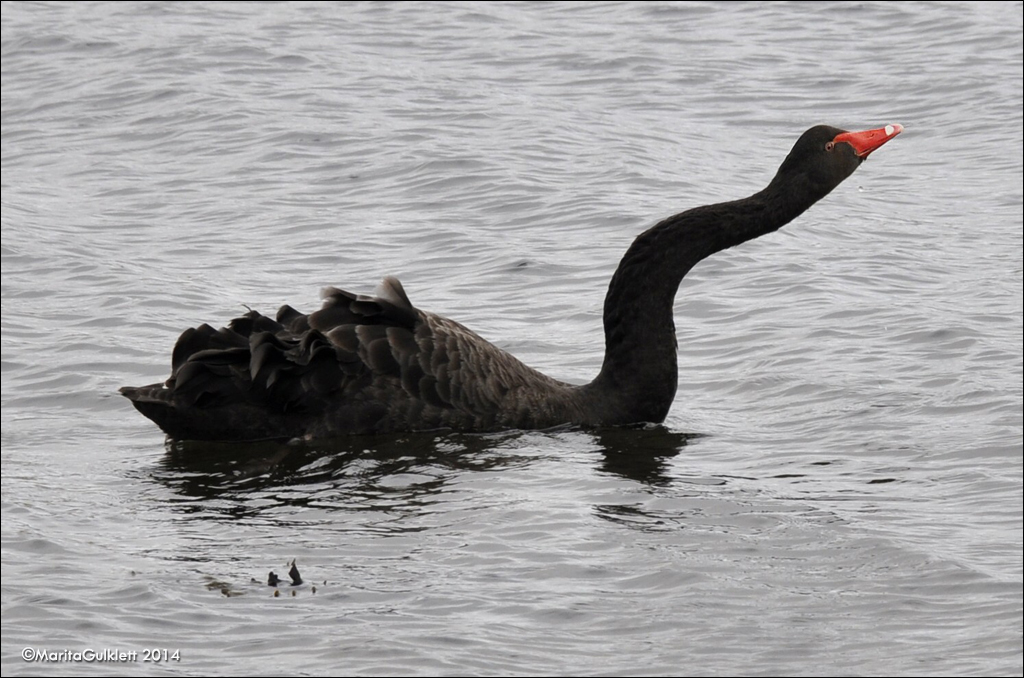
| Black swan Cygnus atratus Skála 20.04.2014 | ||||||||||||||||||||
 |
||||||||||||||||||||
 |
||||||||||||||||||||
| The black swan is drinking spring water where the river flows into the fjord | ||||||||||||||||||||
|
||||||||||||||||||||
|
||||||||||||||||||||
|
||||||||||||||||||||
|
||||||||||||||||||||
Black swan Cygnus atratus |
||||||||||||||||||||
| The Black swan comes from Australia and the ones that we see here, are either escaped captivity birds or chicks from these. In the UK there are about 25 pairs that breed wild in the nature, and in Denmark many fear, that they can outperform the White mute swan. It is especially within the last 10 years, that the Black swan has gone forward in Northern Europe. In Denmark the Black swan is considered as an invasive species in line with Lady's Mantle Alchemilla mollis and Iberian slug Arion lusitanicus. | ||||||||||||||||||||
| Records of Black swan in the Faroe Islands: | ||||||||||||||||||||
In the late 1930s a Black swan was observed in a long period near Leitisvatn, Vágar. |
||||||||||||||||||||
In April 2002 a Black swan was seen in Vestmanna and presumably it was the same bird, that was seen later on Sandsvatn. |
||||||||||||||||||||
In 2006 Petur Nolsø, Tórshavn had a pair of Black swans, which got 4 chicks. |
||||||||||||||||||||
In May 2012 a Black swan was seen near Tórshavn and later it flew around on Sandoy. |
||||||||||||||||||||
This one from 2014 was first observed 12. February in Vágseiði in Suðuroy. Most probably it is the same bird, that has been located in Skálafjørður, Eysturoy the last 2 weeks. It can either have come from Great Britain or from Petur Nolsø. |
||||||||||||||||||||
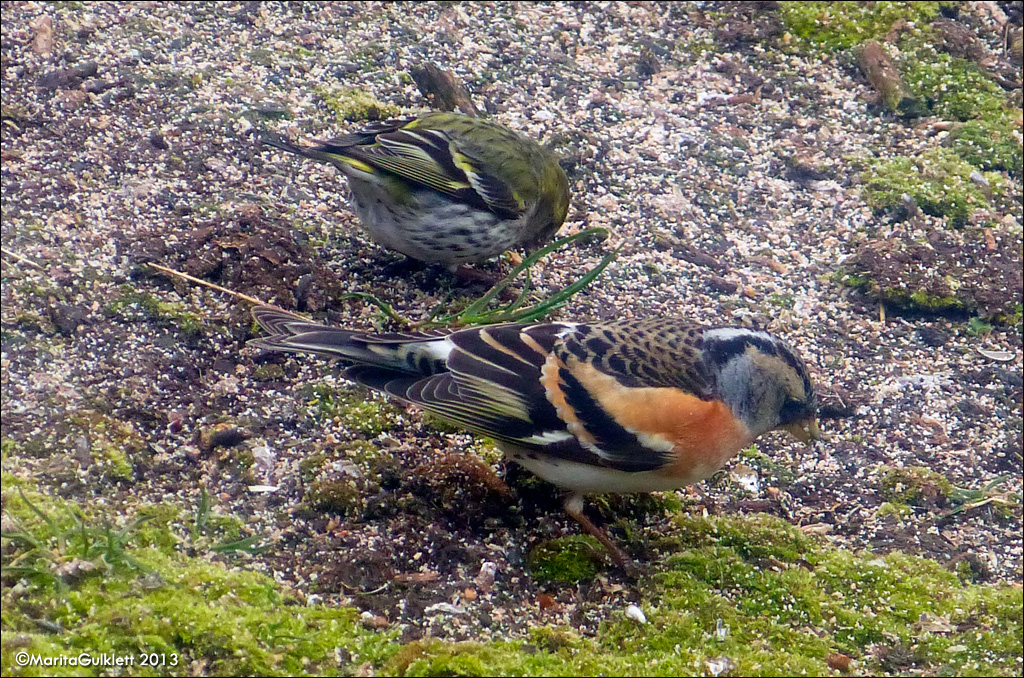
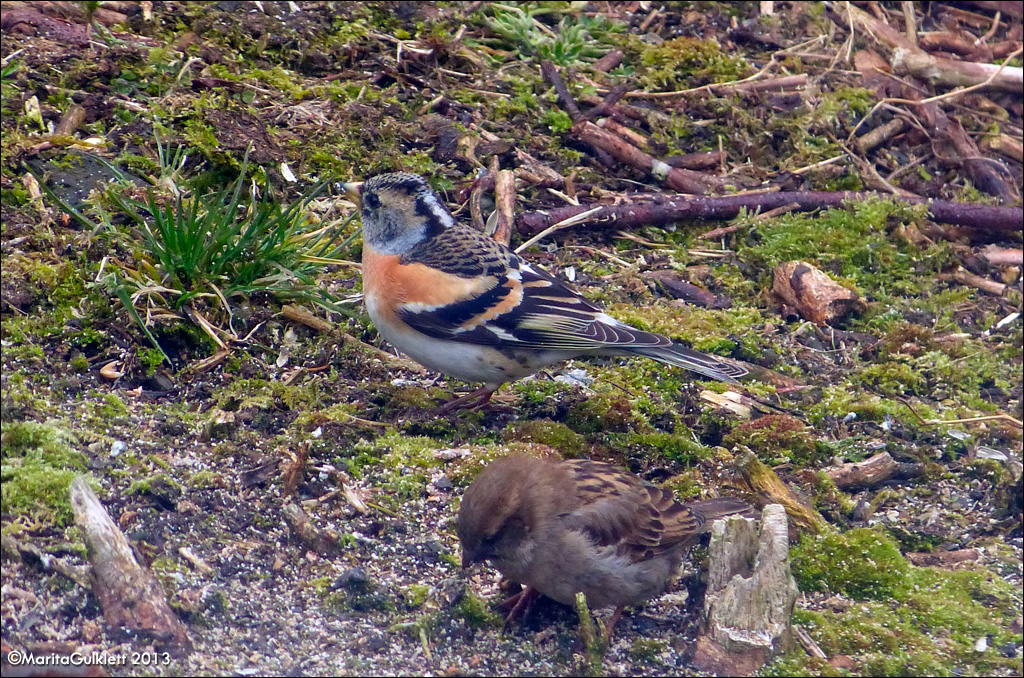
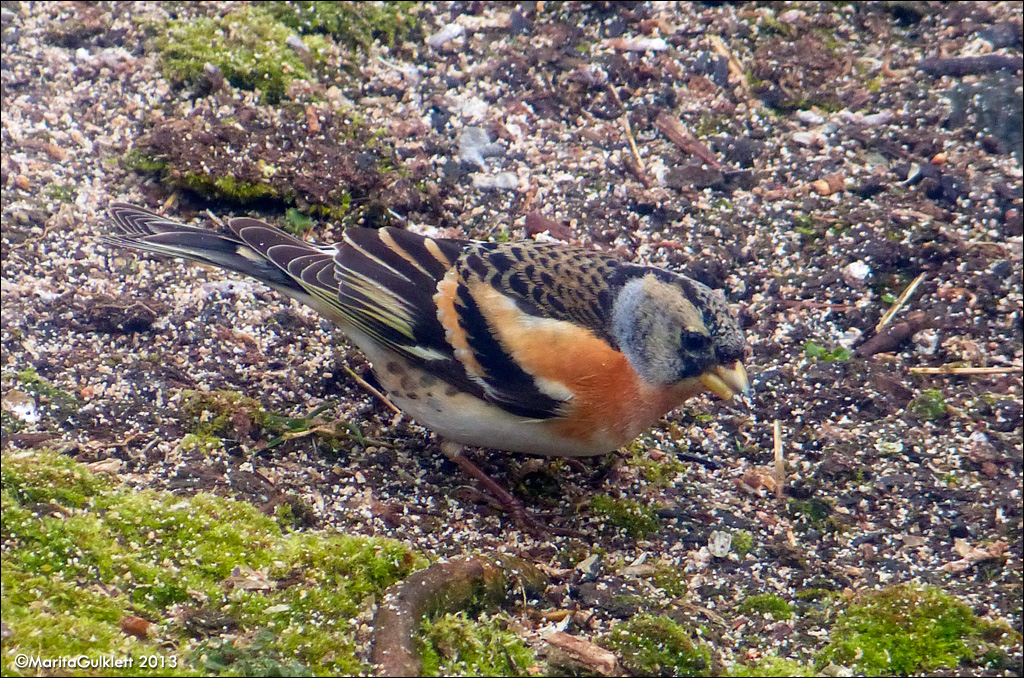
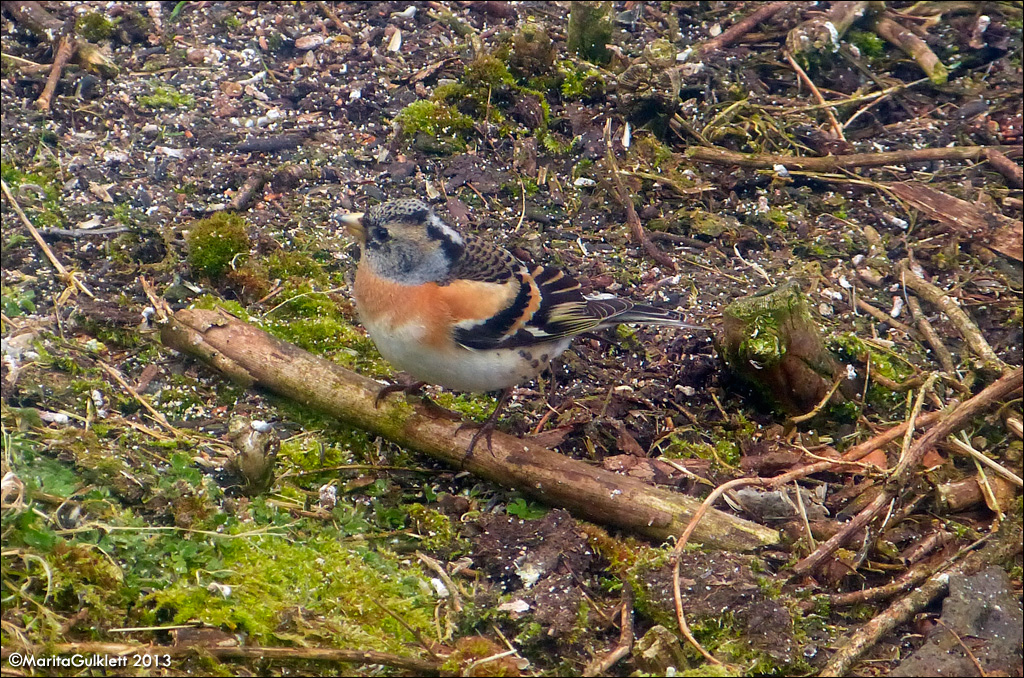
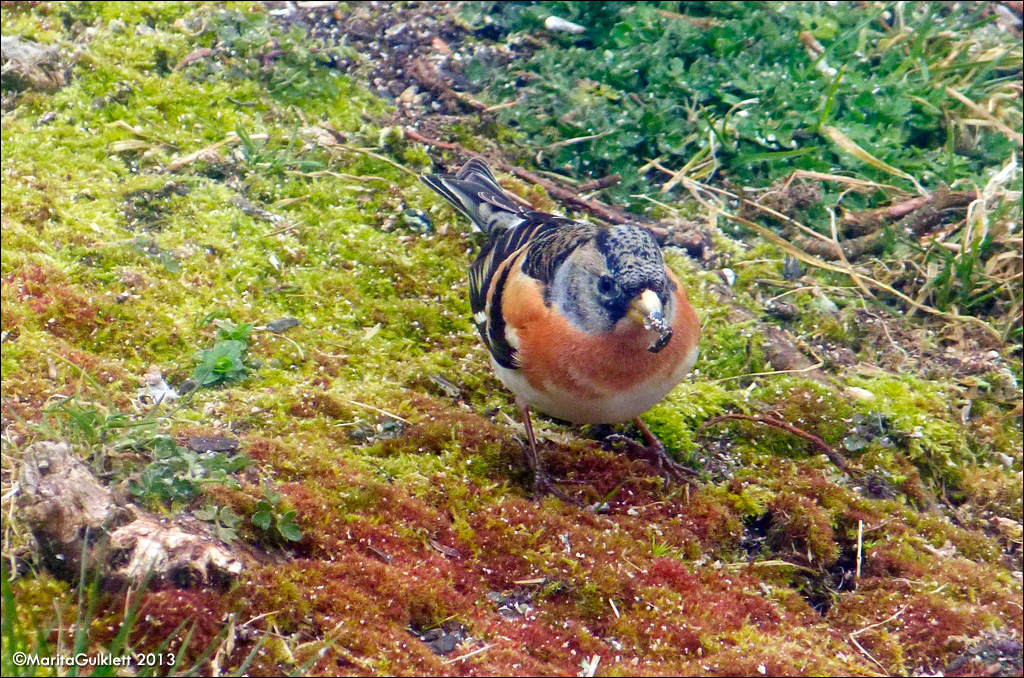
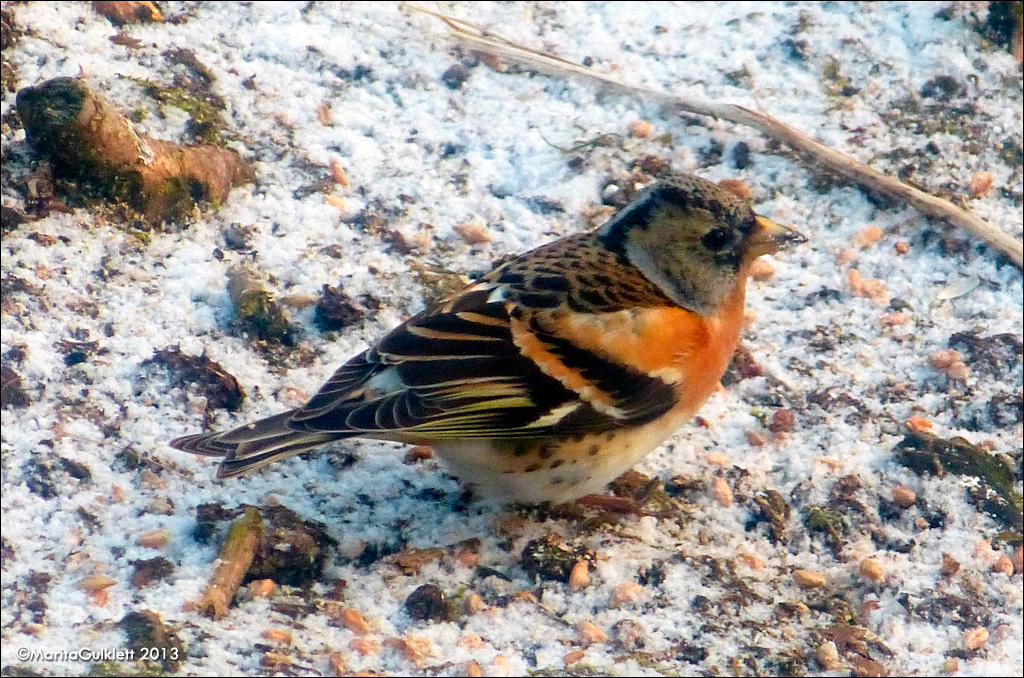
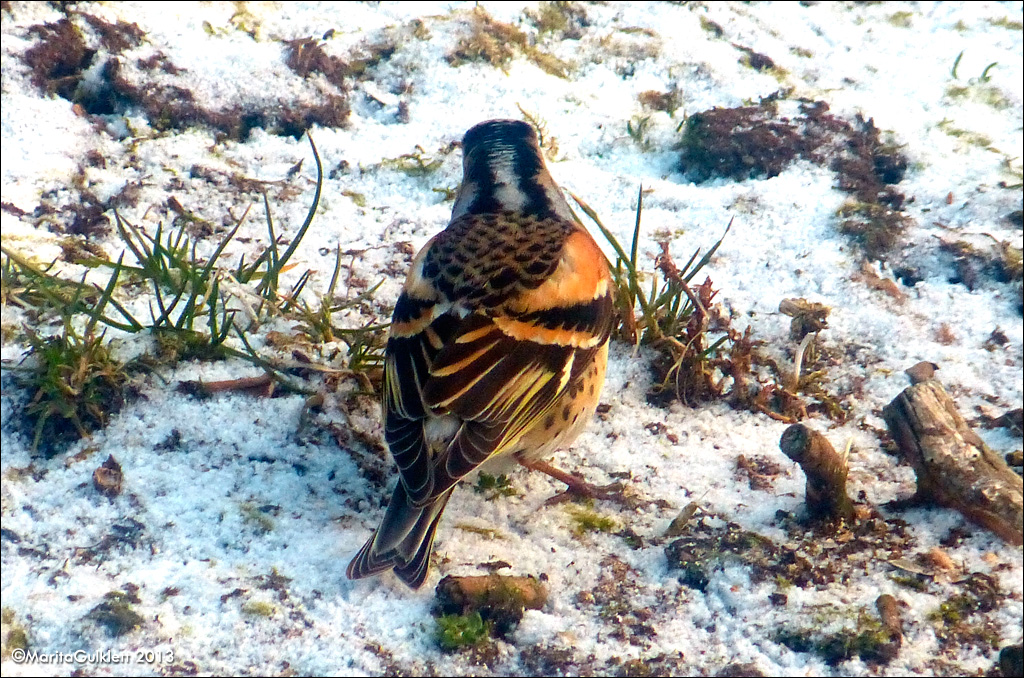
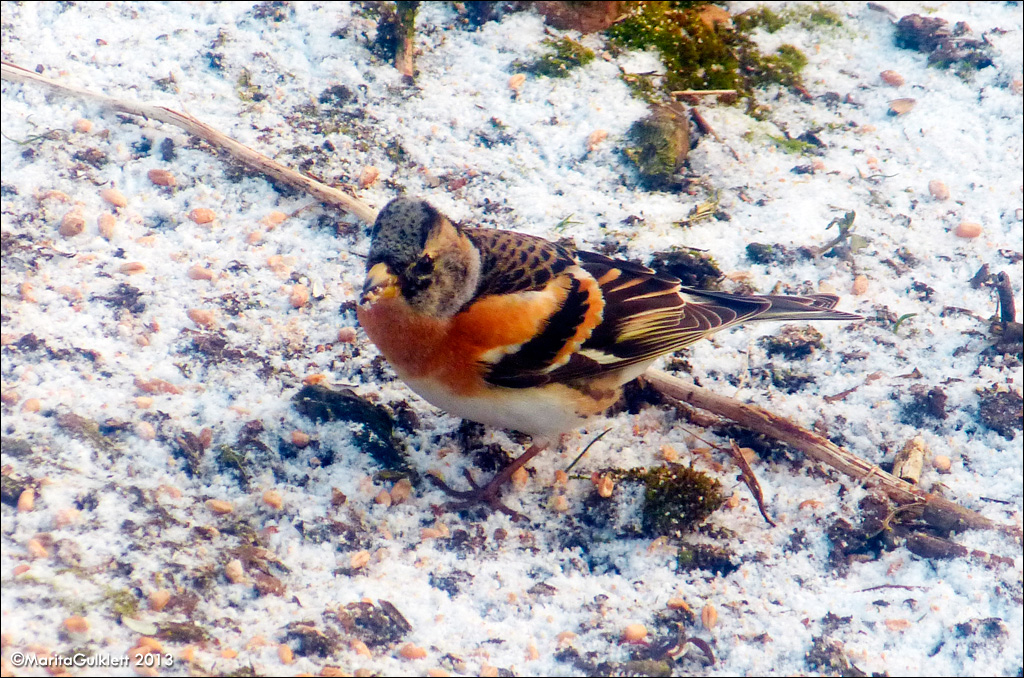
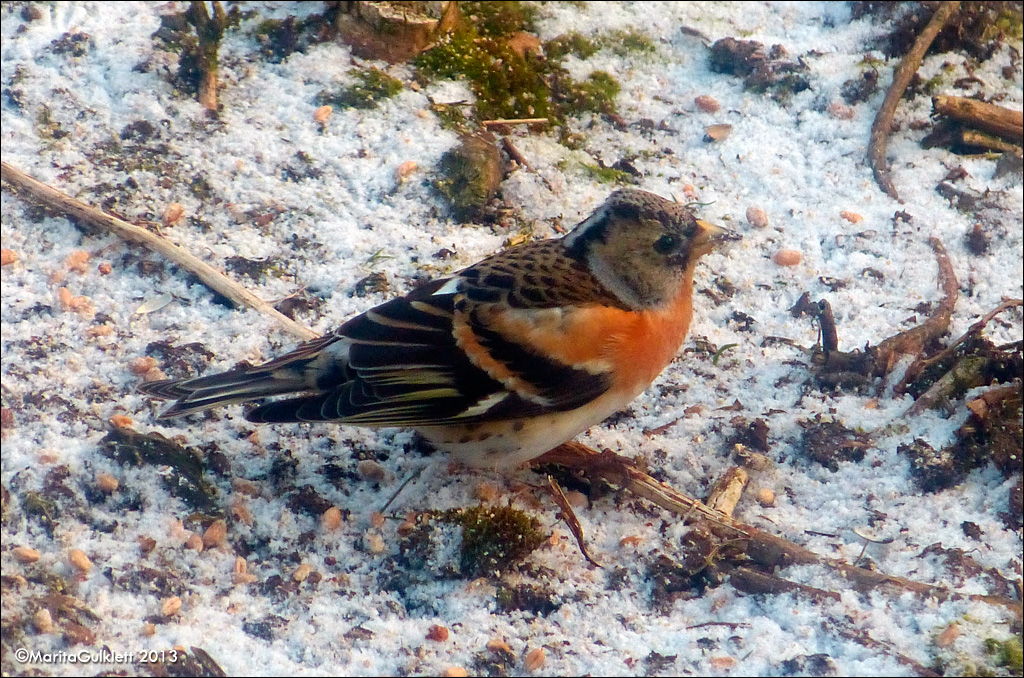
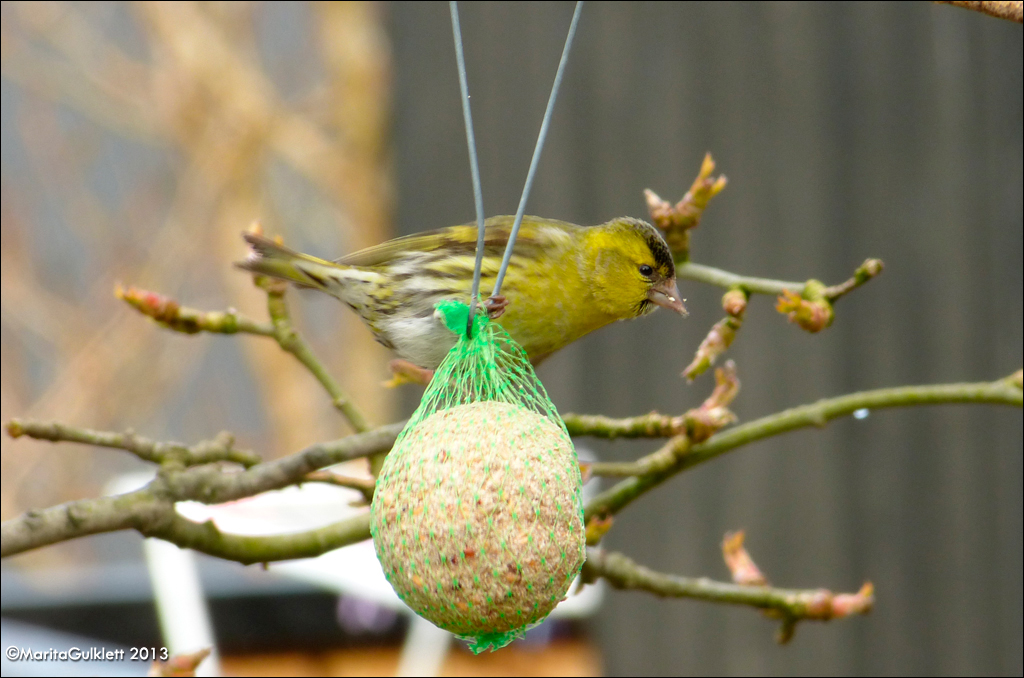
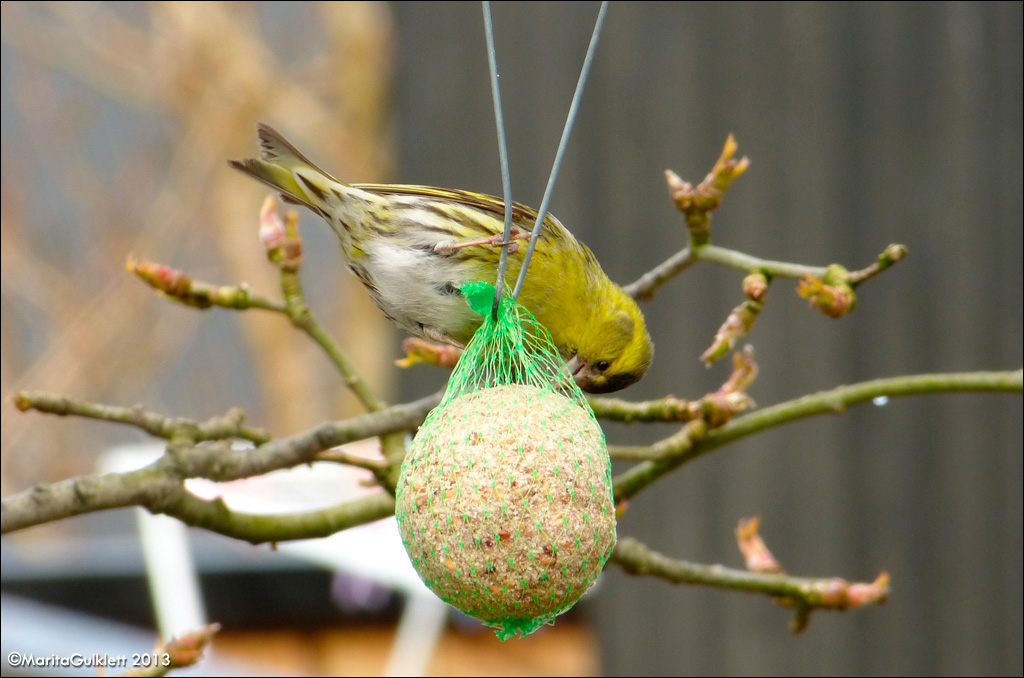
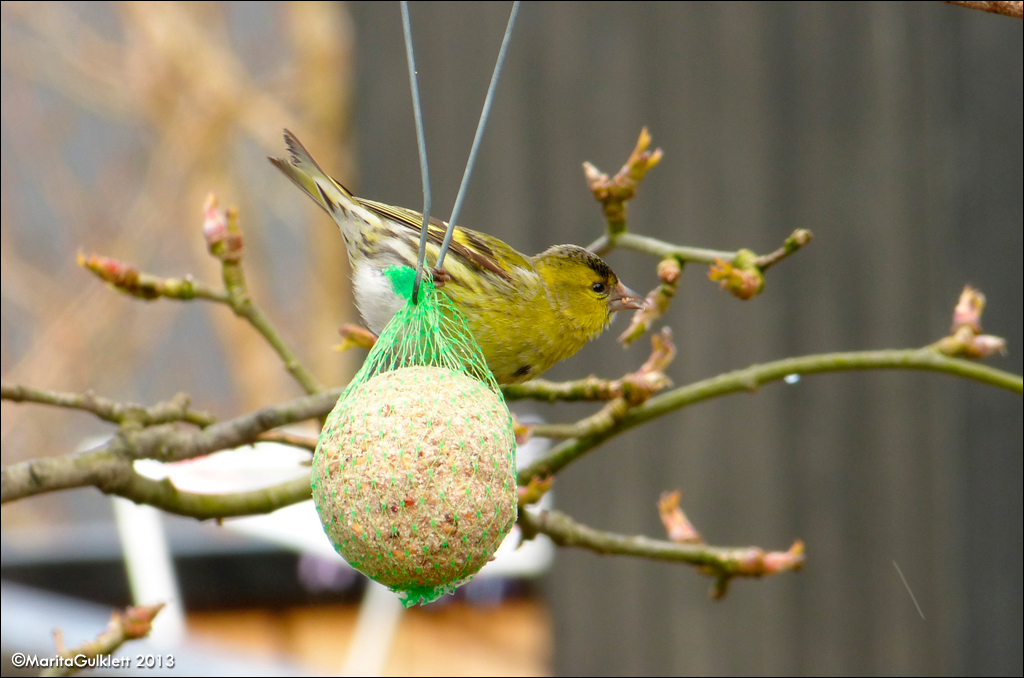
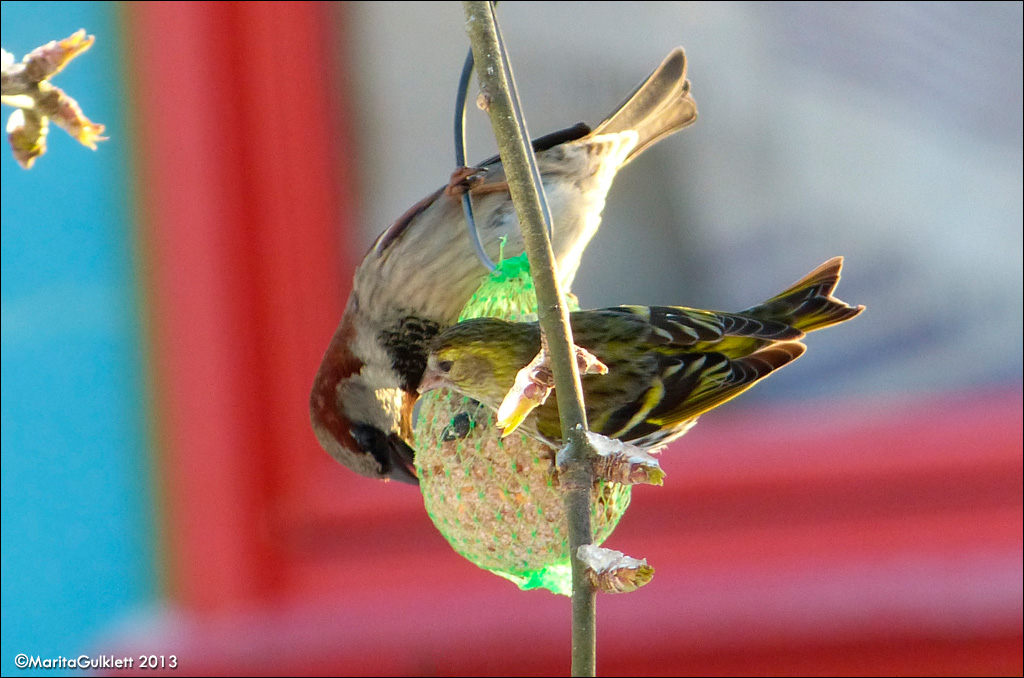
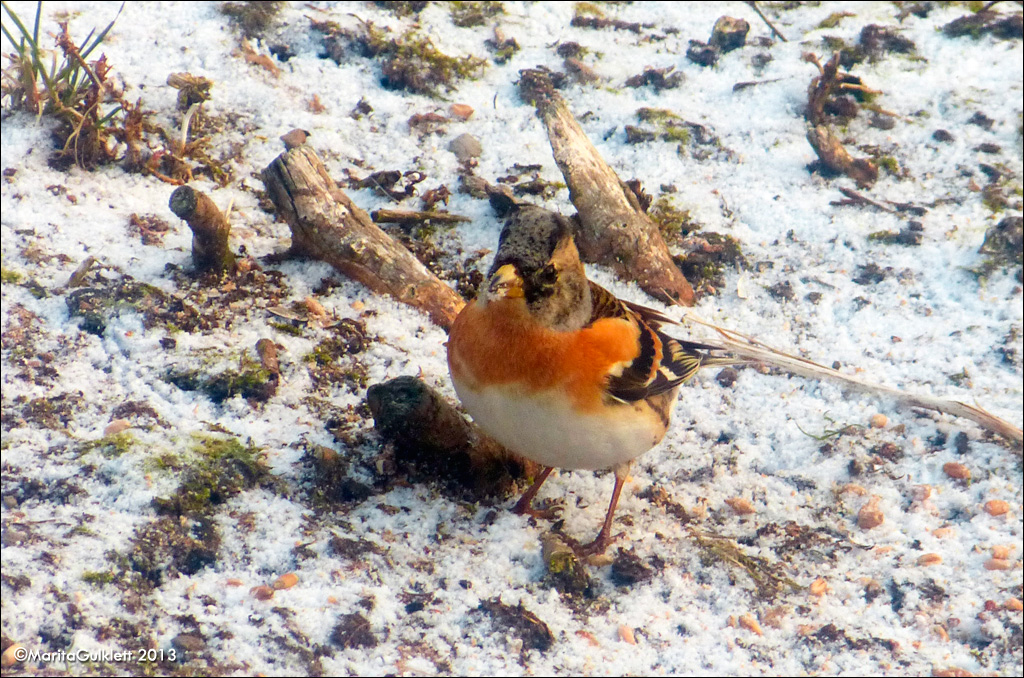
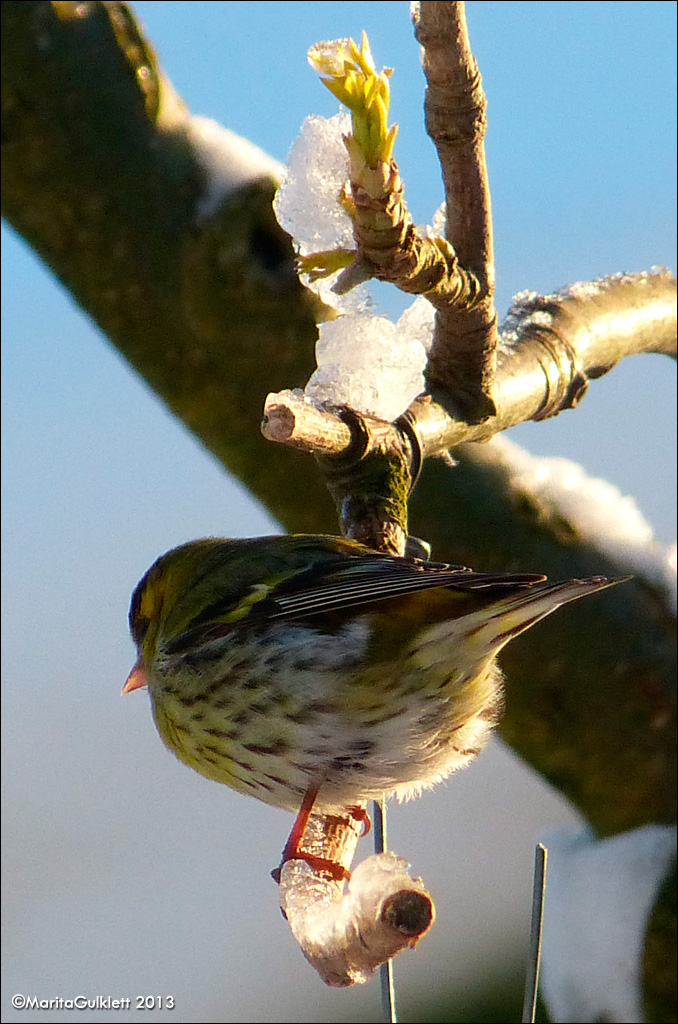
| The bramblings Fringilla montifringilla & European siskins Carduelis spinus are still here | ||||||||||||||||||||
|
||||||||||||||||||||
|
||||||||||||||||||||
| Tórshavn 06.05.2013 | ||||||||||||||||||||
| Brambling Fringilla montifringilla | ||||||||||||||||||||
 |
||||||||||||||||||||
|
||||||||||||||||||||
Tórshavn 30.04.2013 |
||||||||||||||||||||
| European Siskin Carduelis spinus | ||||||||||||||||||||
|
||||||||||||||||||||
| Tórshavn 29.04.2013 | ||||||||||||||||||||
 |
||||||||||||||||||||
| Tórshavn 02.05.2013 | ||||||||||||||||||||
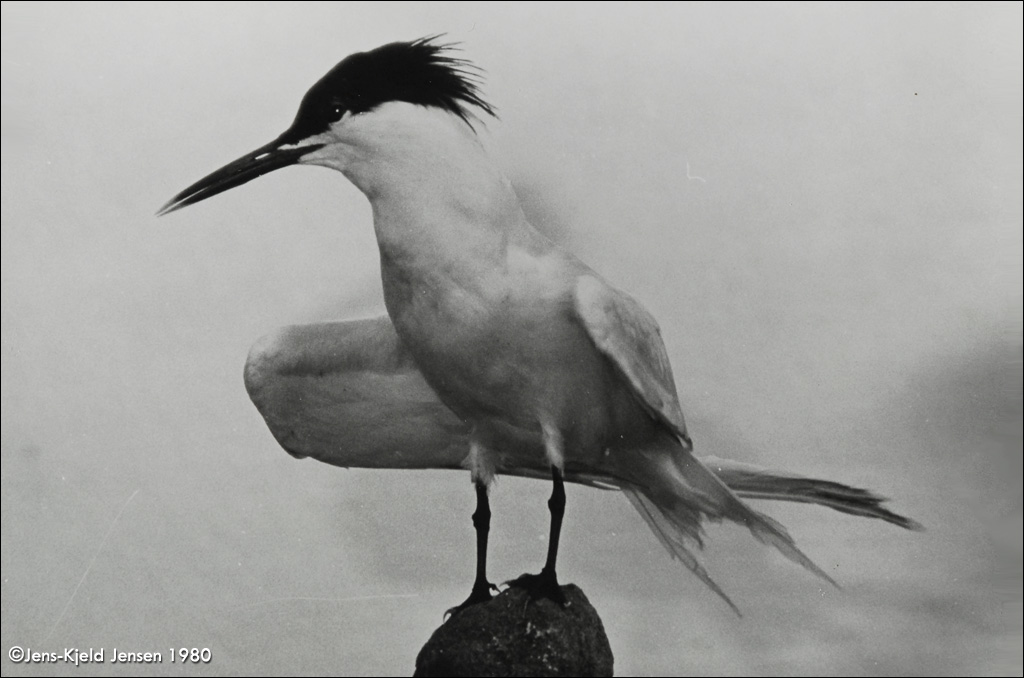
Sandwich Tern Sterna sandvicensis |
||||||||||||||||||||
 |
||||||||||||||||||||
| The largest invasion of sandwich terns Sterna sandvicensis, ever observed in the Faroe Islands, was in April 2013. | ||||||||||||||||||||
| The first time a sandwich tern was recorded in the Faroe Islands, was when this on the photo was sent to stuffing. It was found dead in Sørvágur, Vágar 29.03.1980. In 2008 there were three observations, but if it was 3 different sandwich terns or the same bird, that was seen 3 times, is not known. | ||||||||||||||||||||
| First in April Hanna Joensen saw 3 sandwich terns near Sandur on Sandoy, they stayed there for several days. One was photographed 85 miles south of Akraberg on Suðuroy. Poul Johannes Simonsen saw one for several days in Hvannasund on Viðoy, besides several others were seen on the Northern Islands and around Skálafjørðurin. The last was seen by Hans Eli Sivertsen in Sandágerði on 20.04.2013. So at least 5 or 6 sandwich terns visited the Faroe Islands in April 2013. | ||||||||||||||||||||
| White-tailed eagle Haliaeetus albicilla | ||||||||||||||||||||
|
||||||||||||||||||||
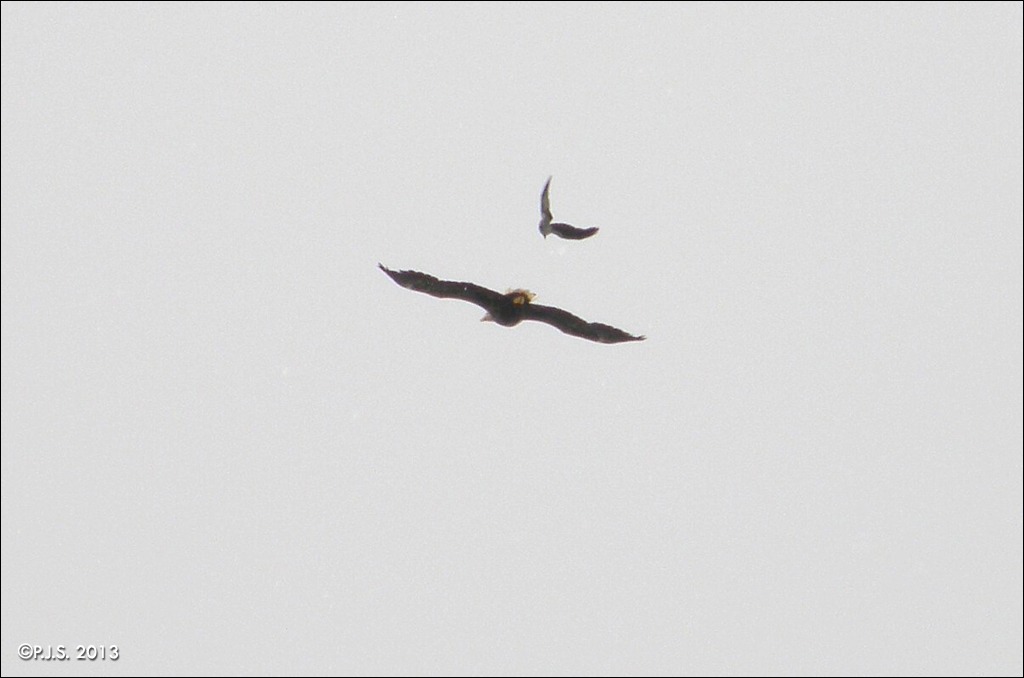
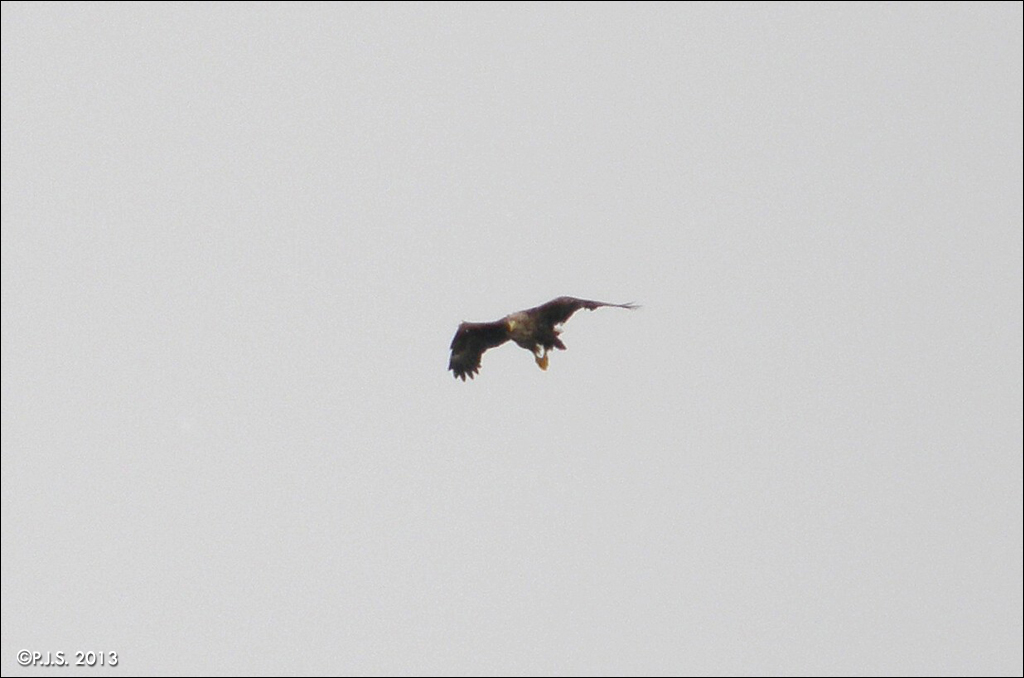
| PJS photographed this young White-tailed eagle Haliaeetus albicilla 07th April 2013 between Borðoy and Viðoy. This is the 8 observation of white-tailed eagle since 1842, the last of which was registered in 1998. | ||||||||||||||||||||
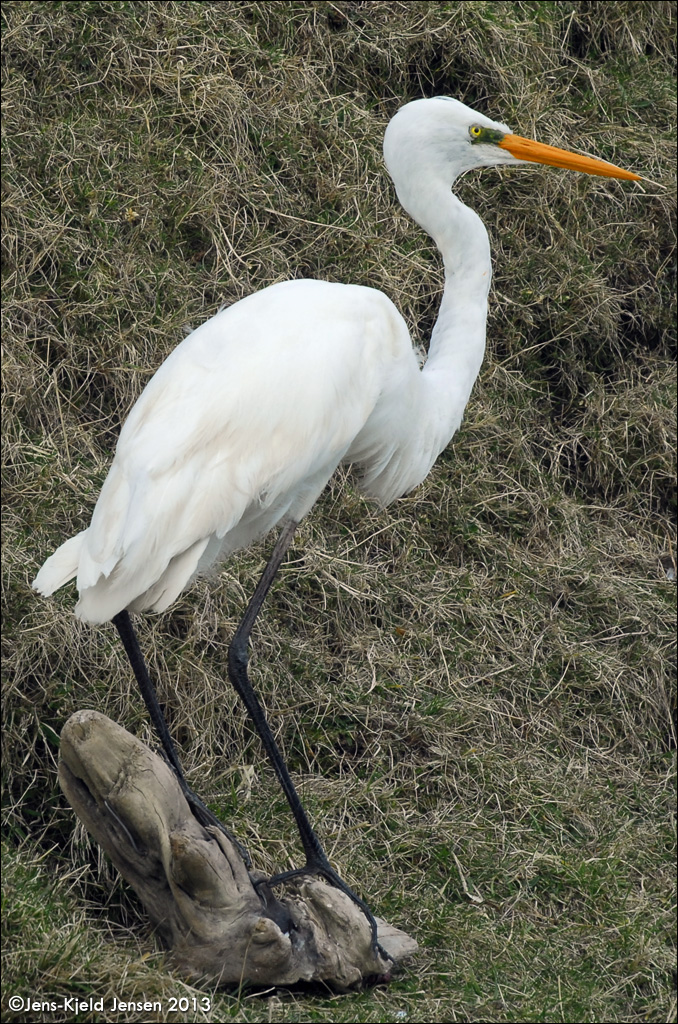
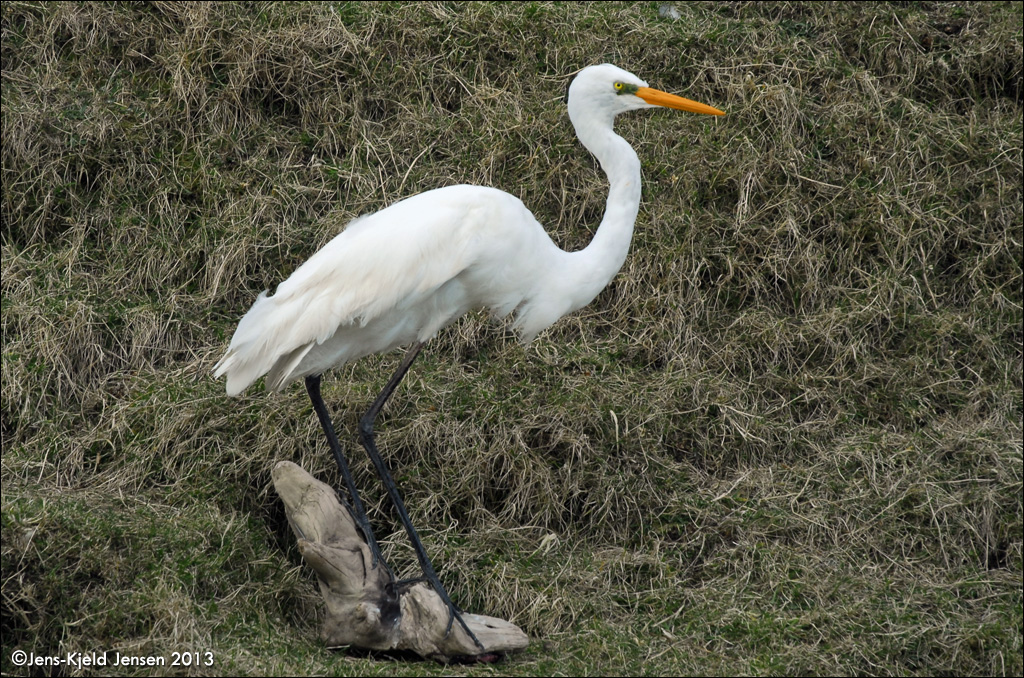
| Great white Egret Ardea alba | ||||||||||||||||||||
 |
||||||||||||||||||||
 |
||||||||||||||||||||
This stuffed Great white Egret was found dead in Søltuvík on Sandoy just before Christmas 2012 |
||||||||||||||||||||
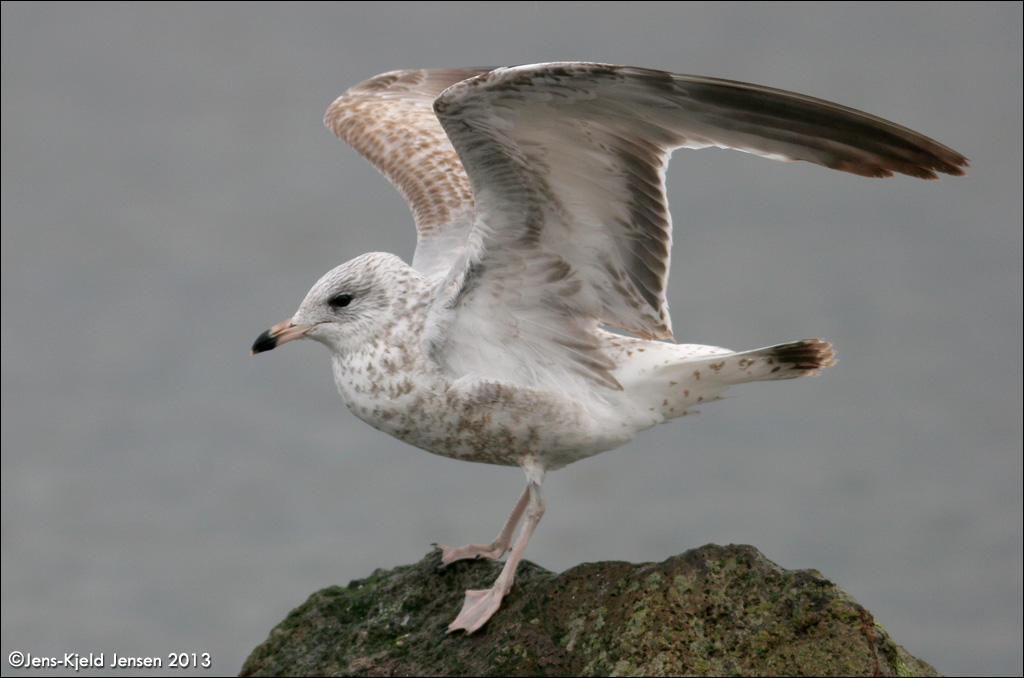
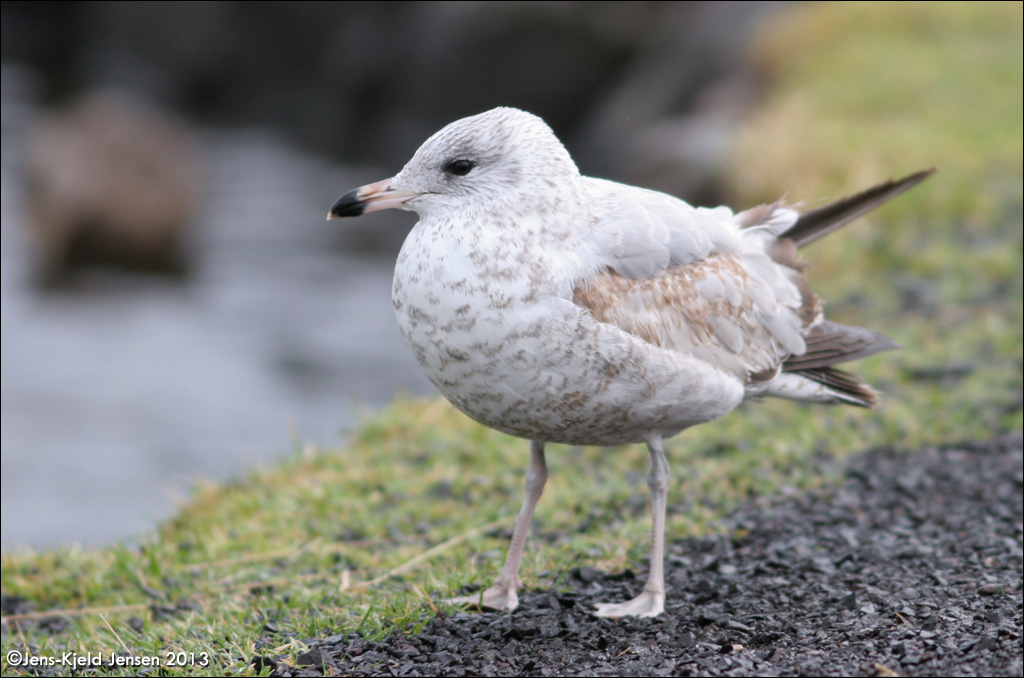
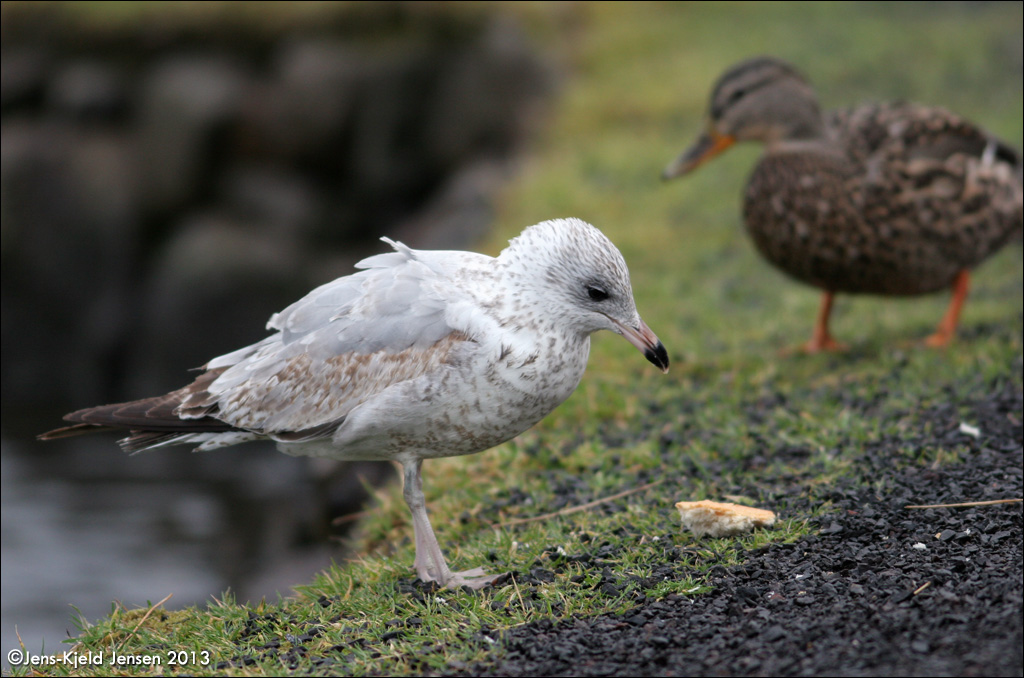
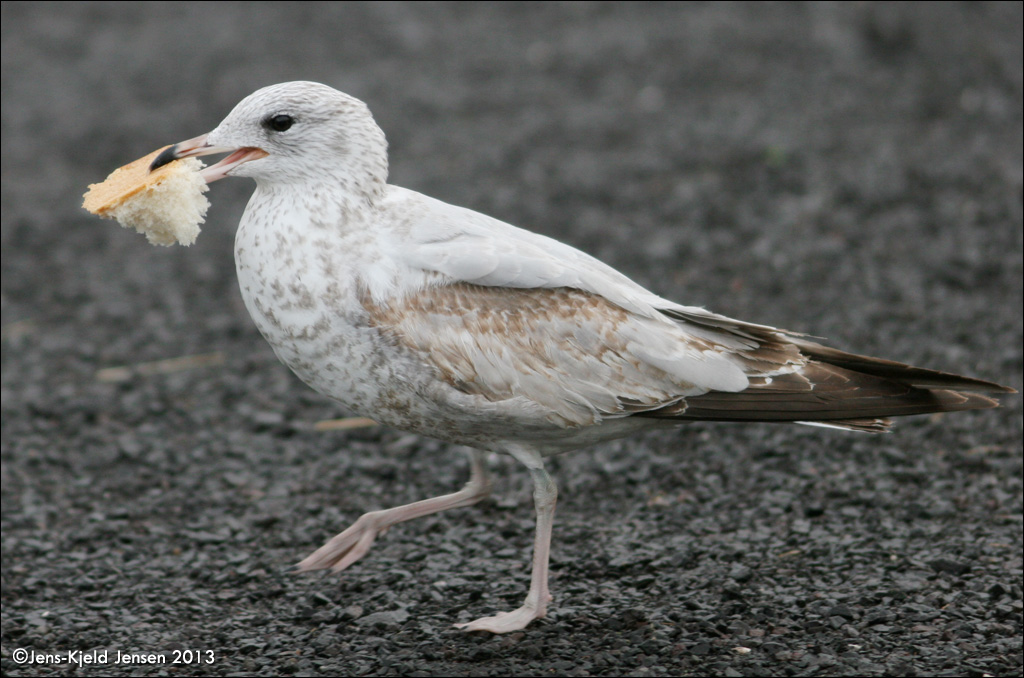
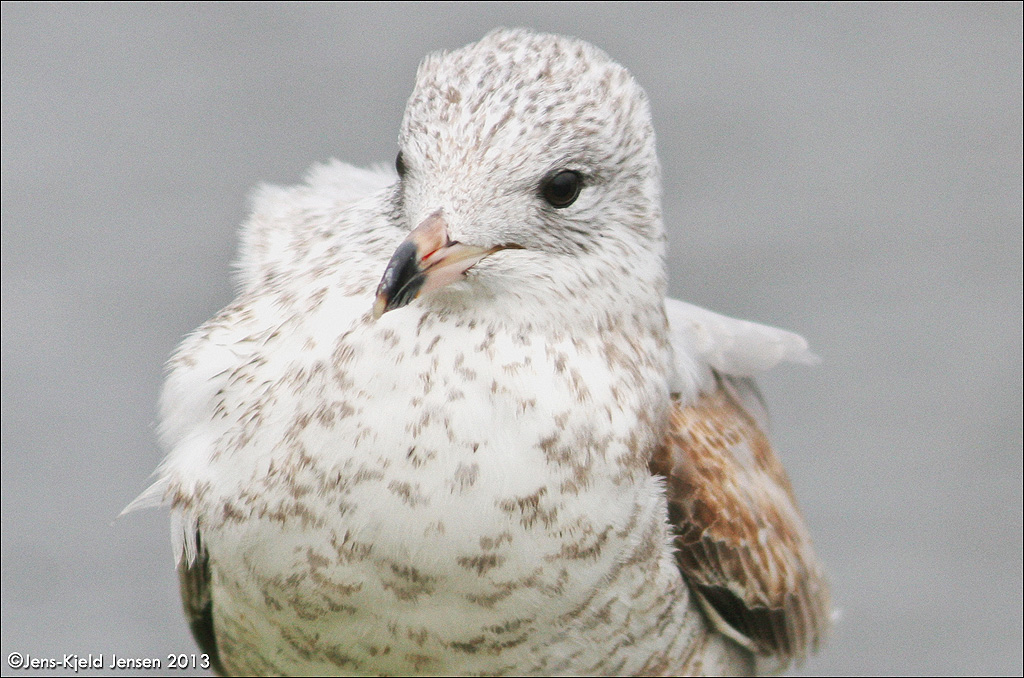
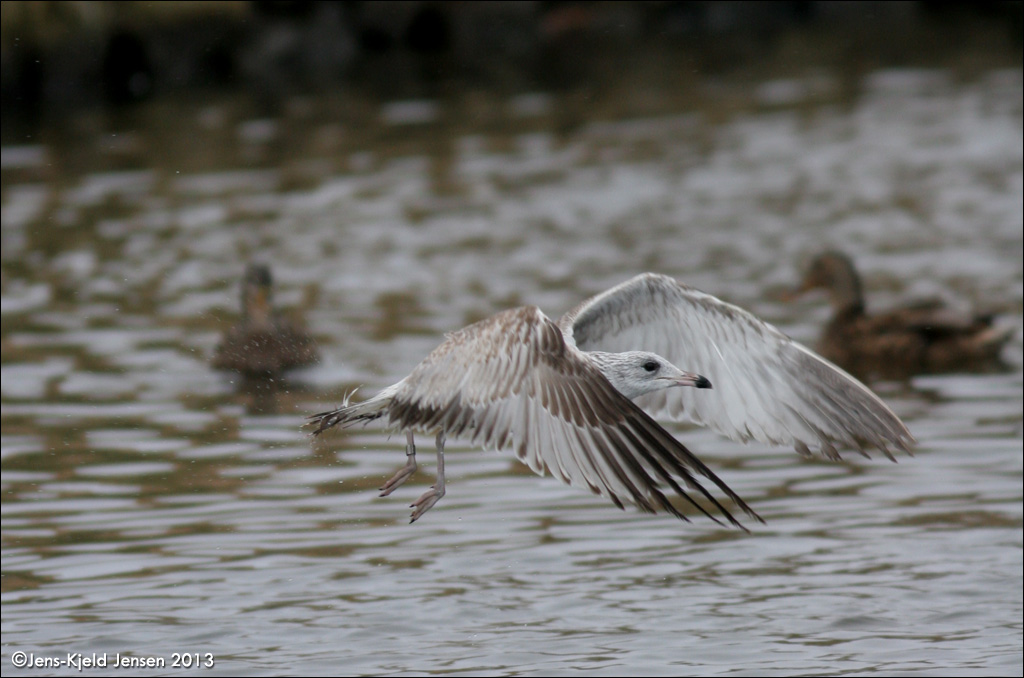
| Ringed-billed Gull Larus delawarensis on visit | ||||||||||||||||||||
 |
||||||||||||||||||||
|
||||||||||||||||||||
 |
||||||||||||||||||||
|
||||||||||||||||||||
 |
||||||||||||||||||||
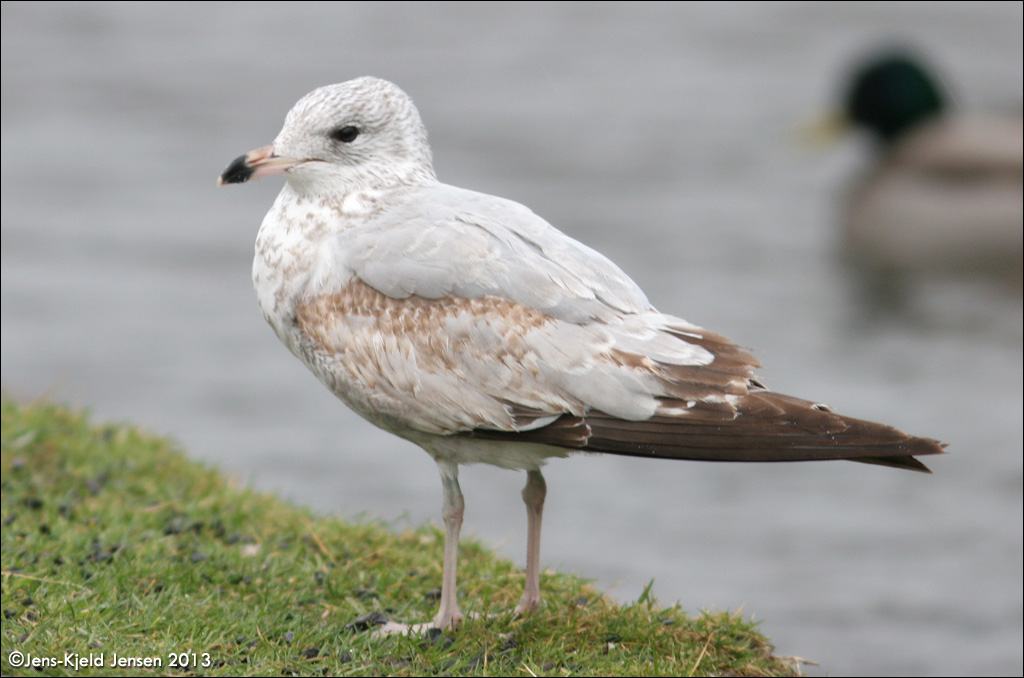
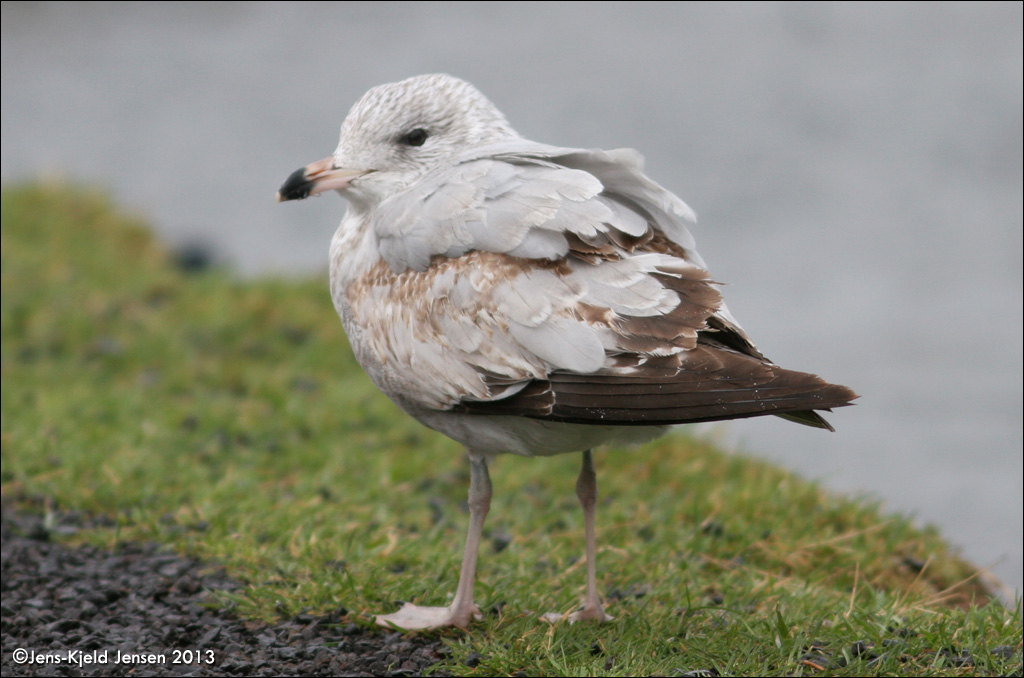
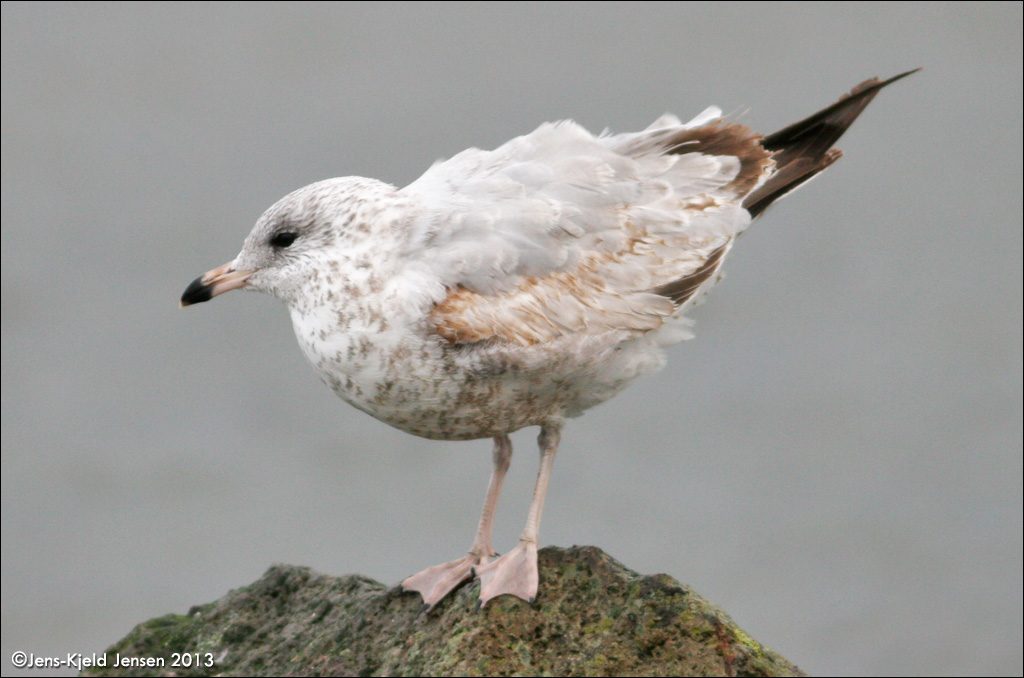
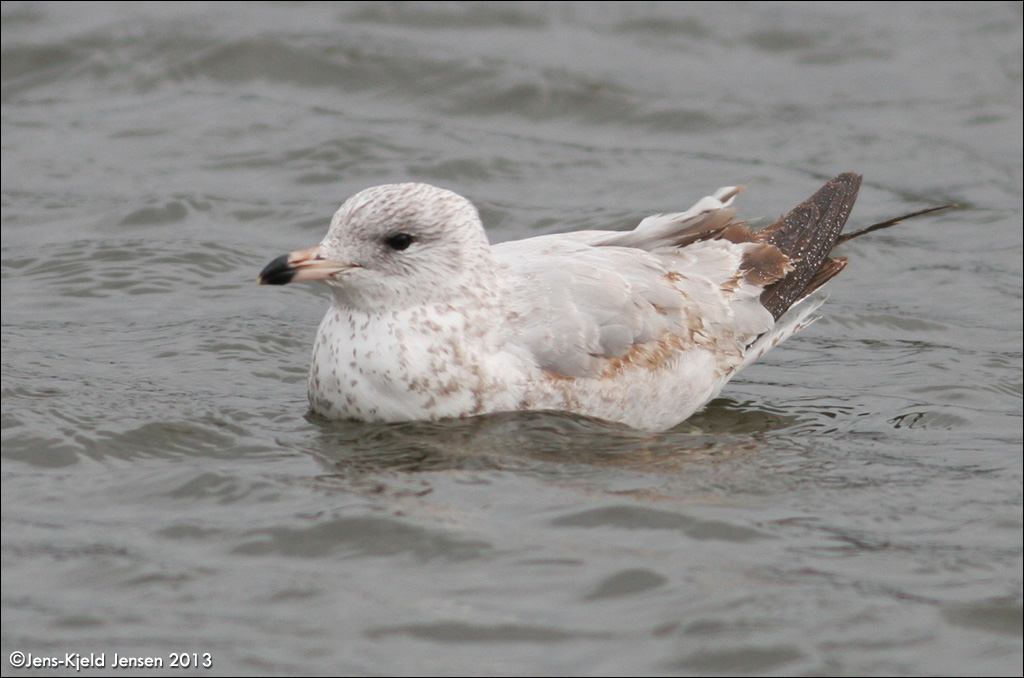
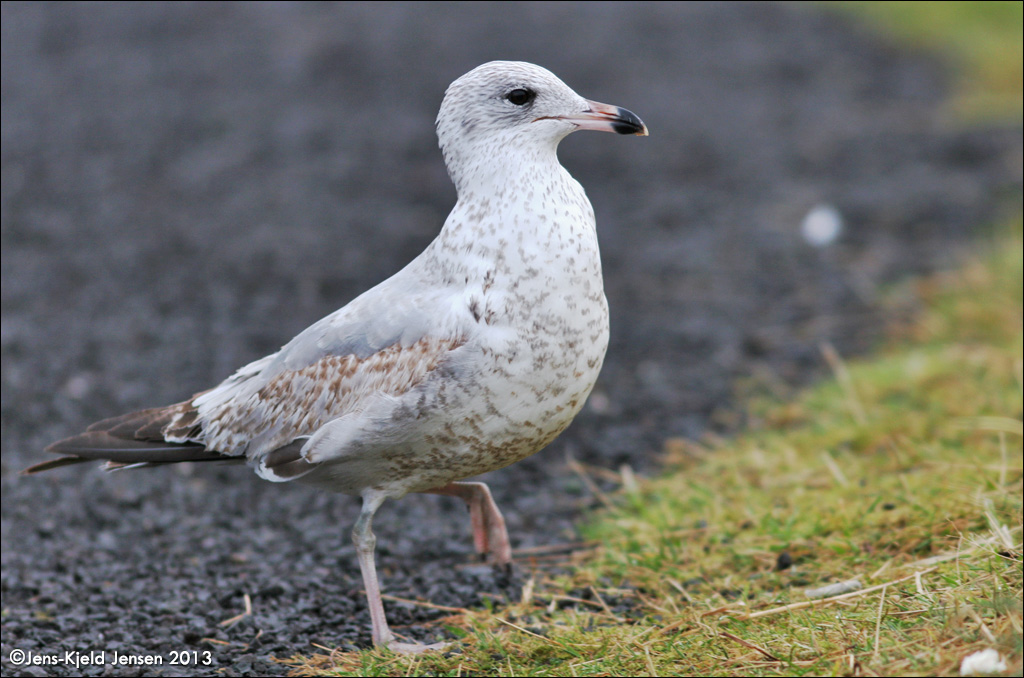
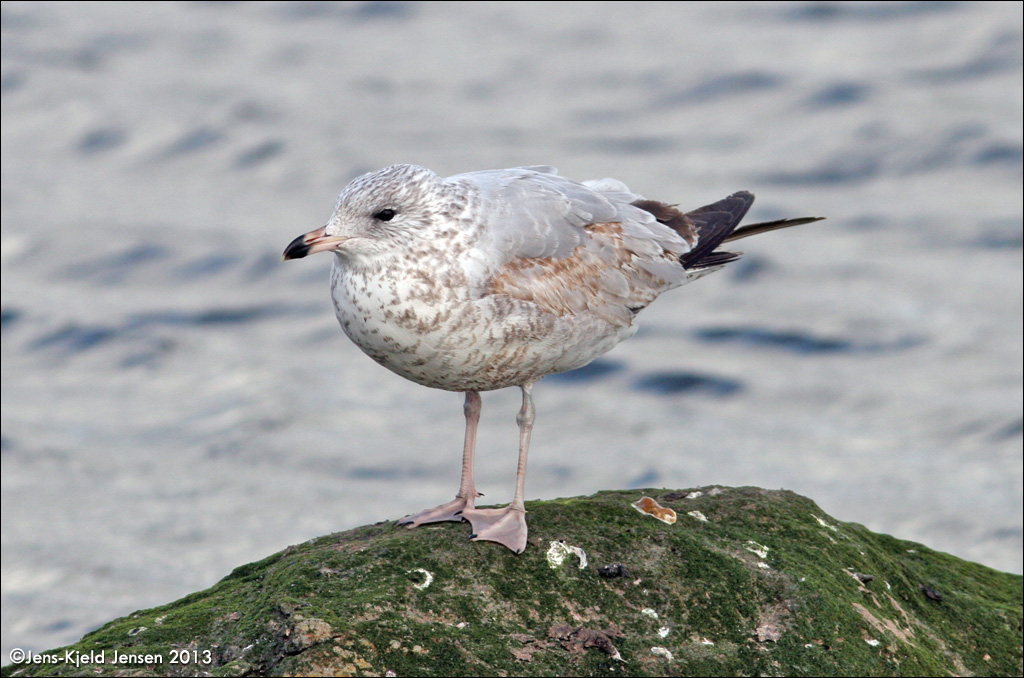
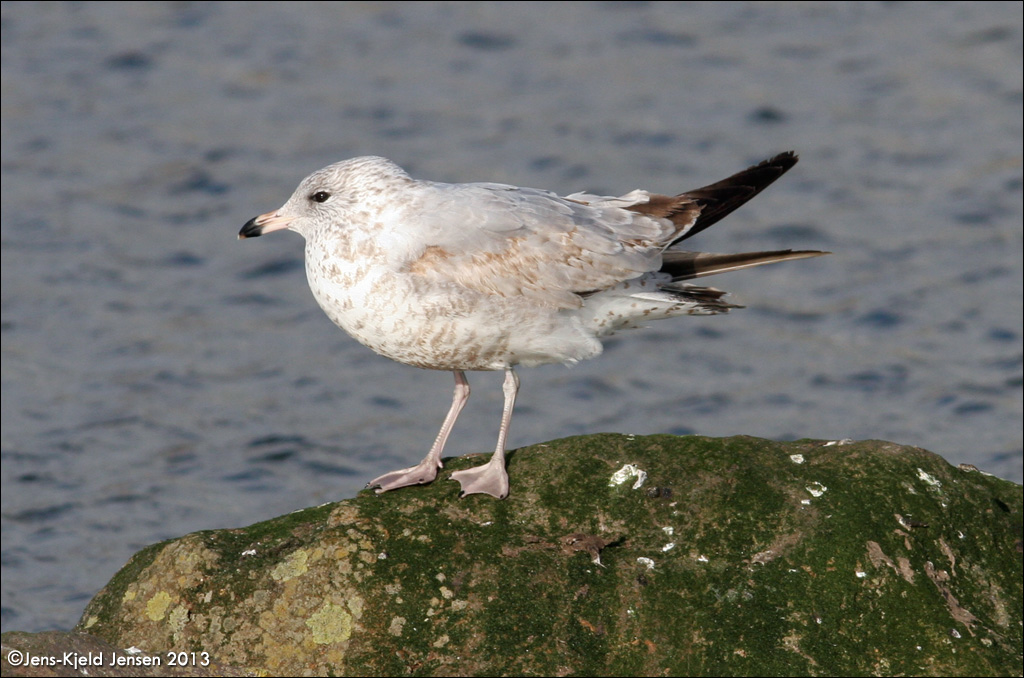
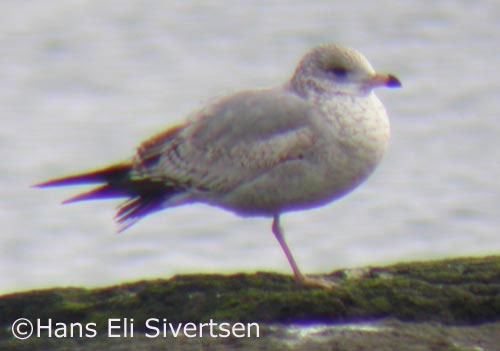
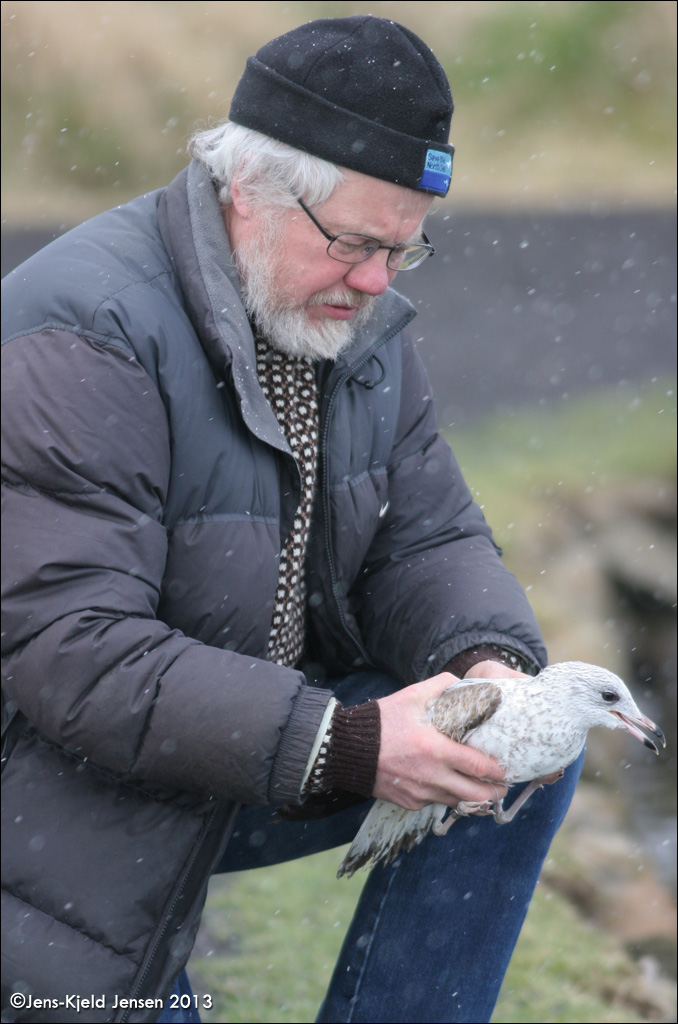
| 10. March 2013 Jens-Kjeld caught, delaused and ringed a Ringed-billed Gull in Tórshavn whereafter he released it. | ||||||||||||||||||||
Waxwing Bombycilla garrulus |
||||||||||||||||||||
  |
||||||||||||||||||||
 |
||||||||||||||||||||
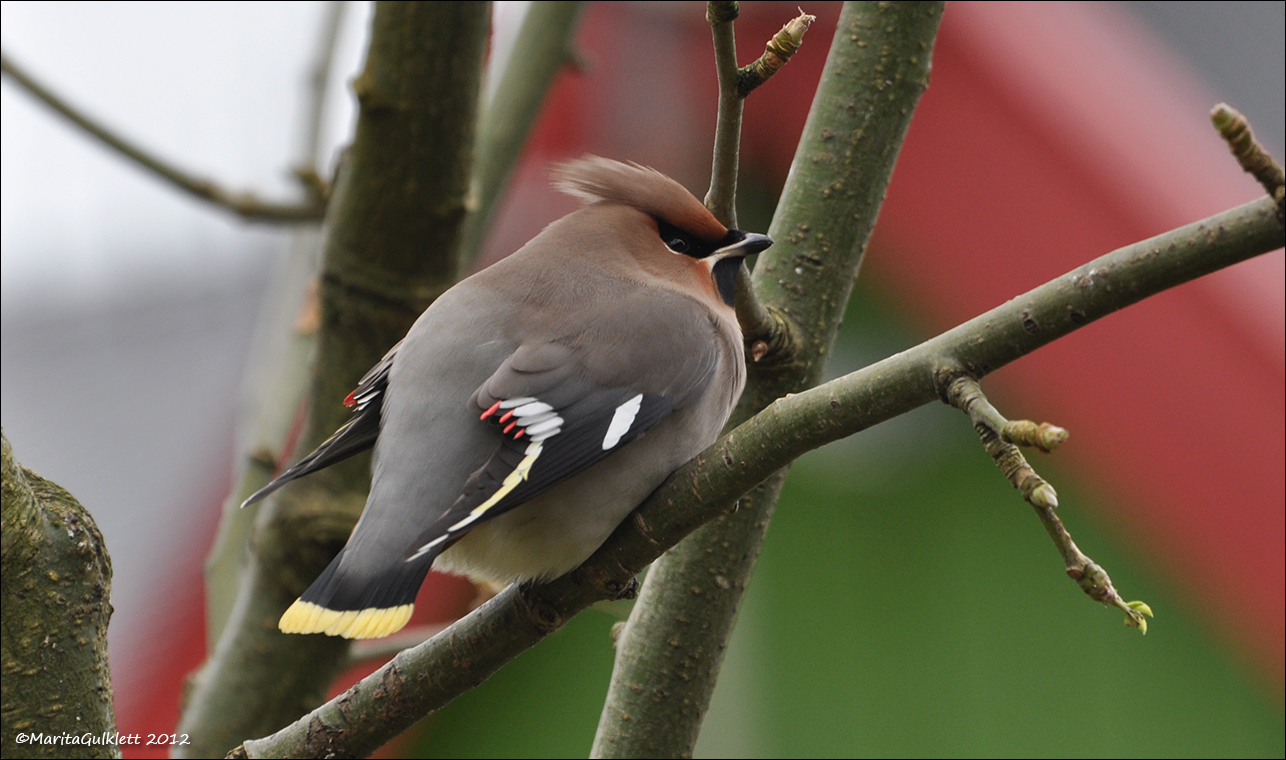
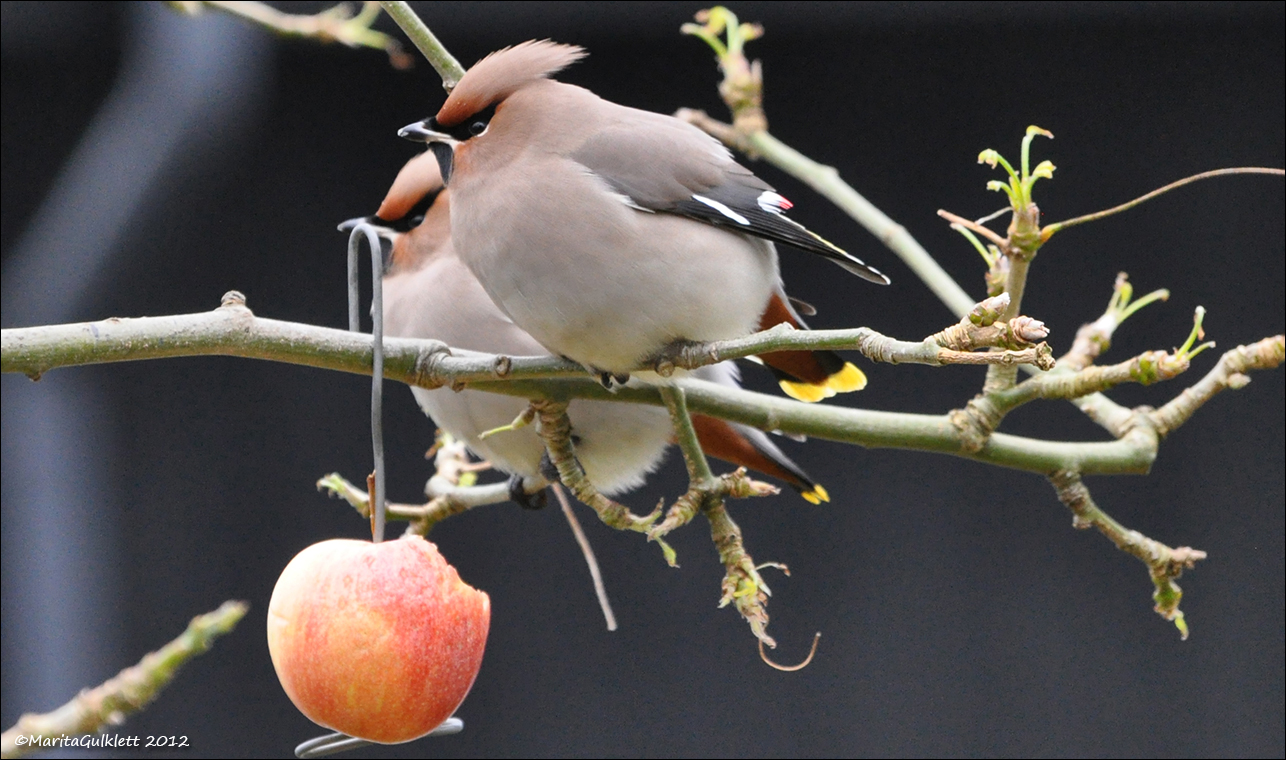
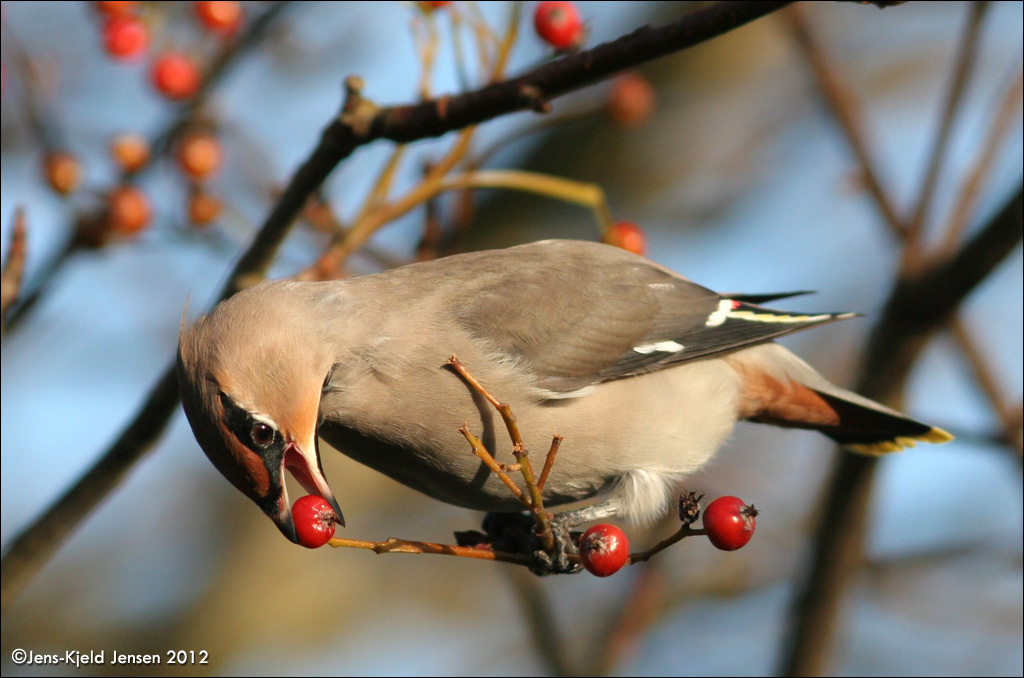
Invasion of waxwings: The first Waxwings arrived in Sandavági 22.10.12. The next 3 weeks many were seen across the country, but only few are seen the later days. |
||||||||||||||||||||
| Atlantic Yellow-nosed Albatross Thalassarche chlororhynchos | ||||||||||||||||||||
|
||||||||||||||||||||
| Bonaparte’s Gull Chroicocephalus philadelphia (Larus philadelphia) | ||||||||||||||||||||
|
||||||||||||||||||||
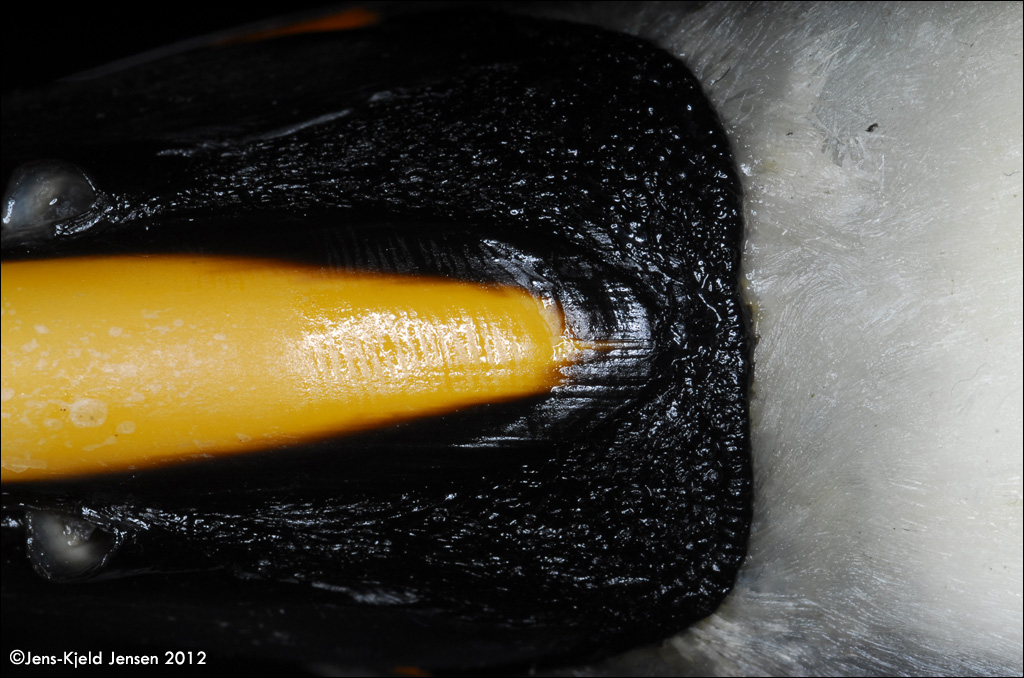
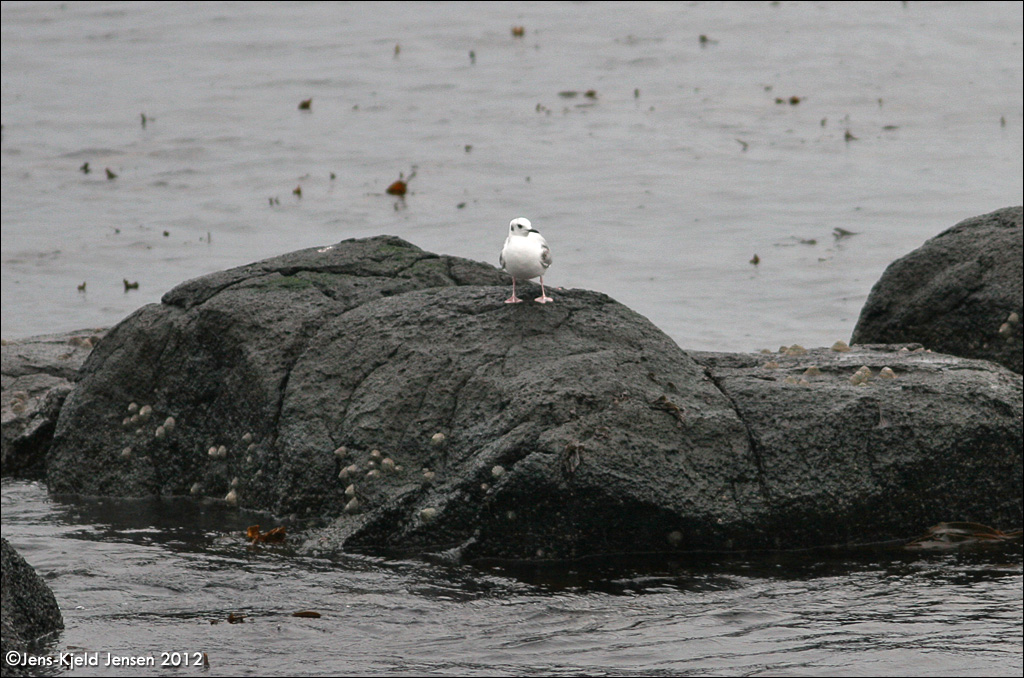
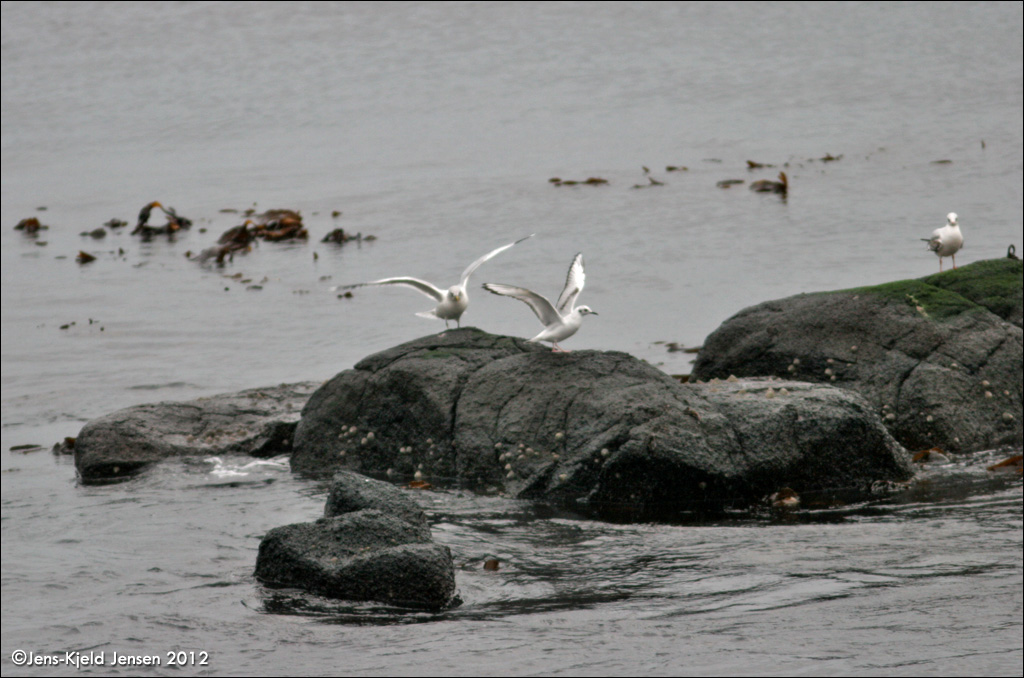
| Bonaparte’s Gull is only observed once in Faroe Islands, this was photographed in January 2012 | ||||||||||||||||||||
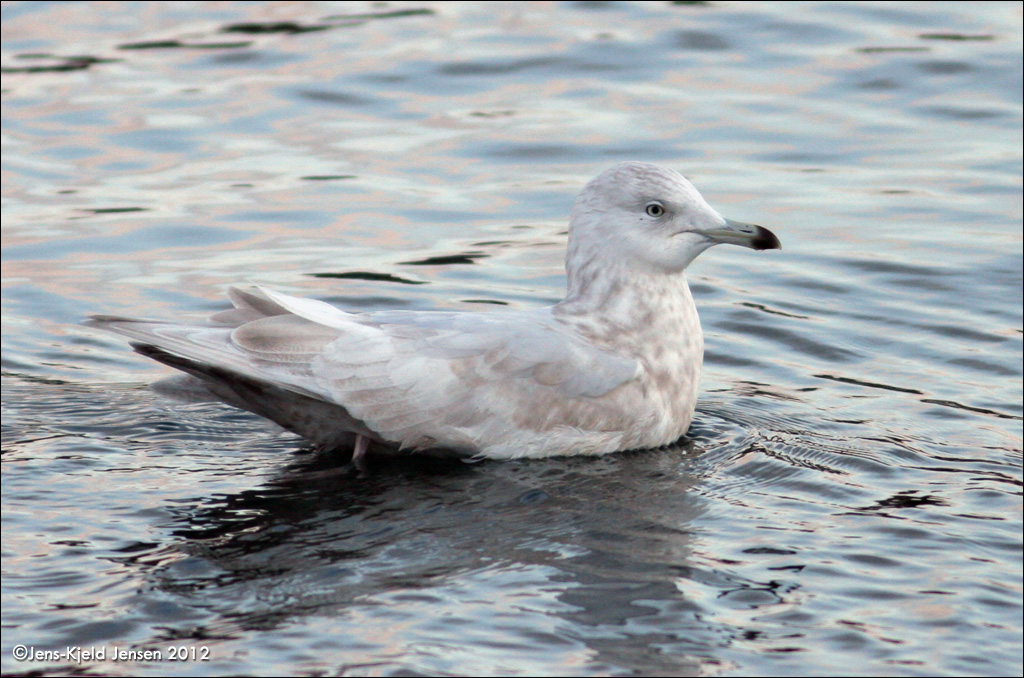
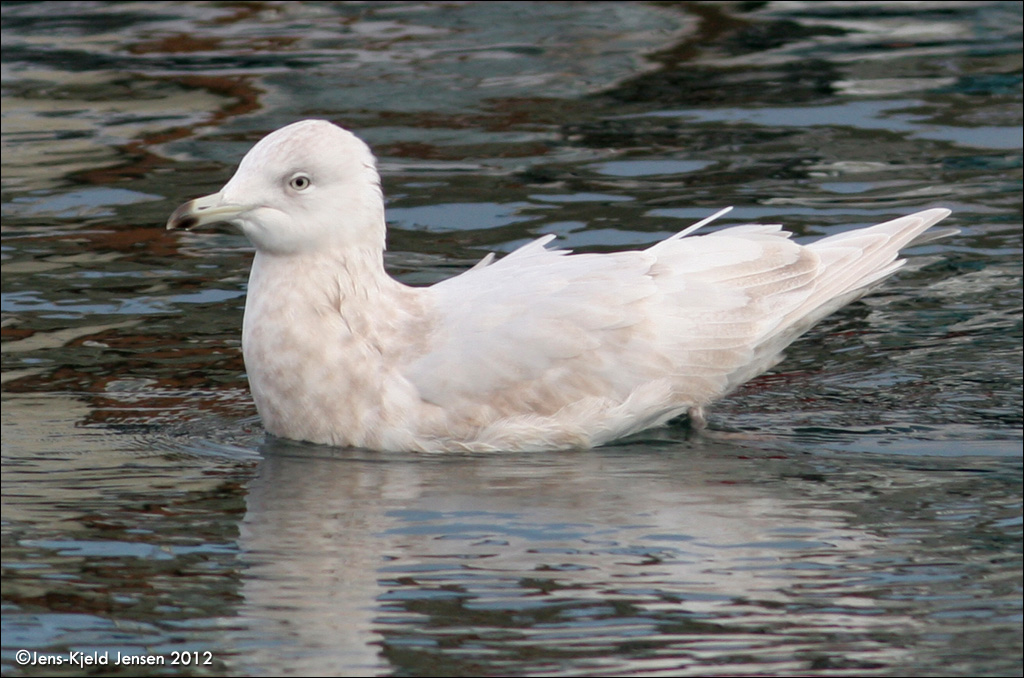
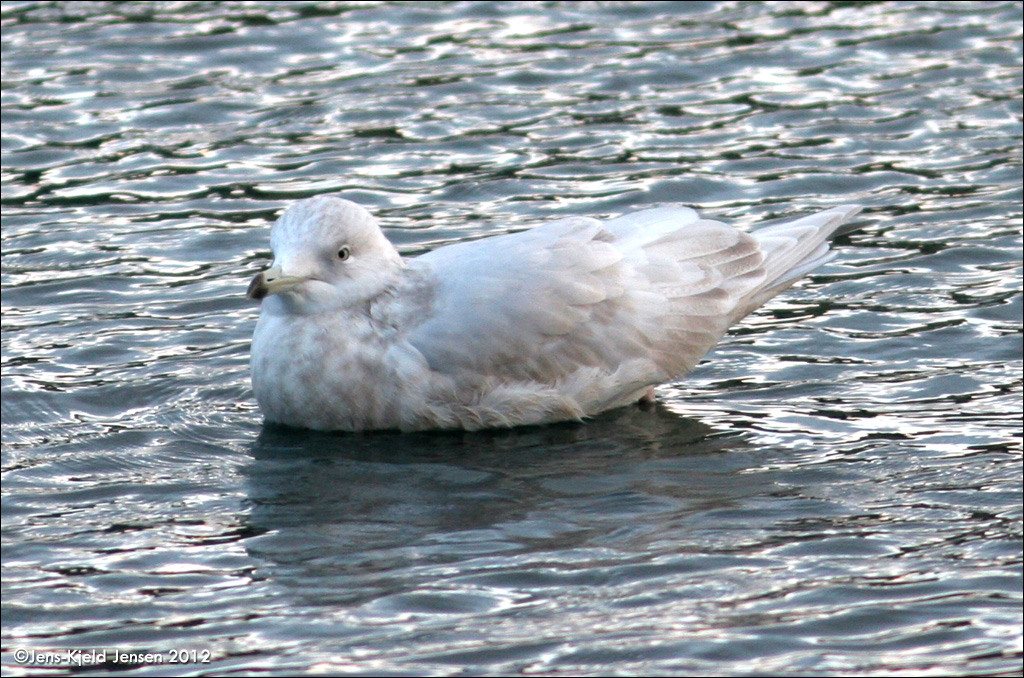
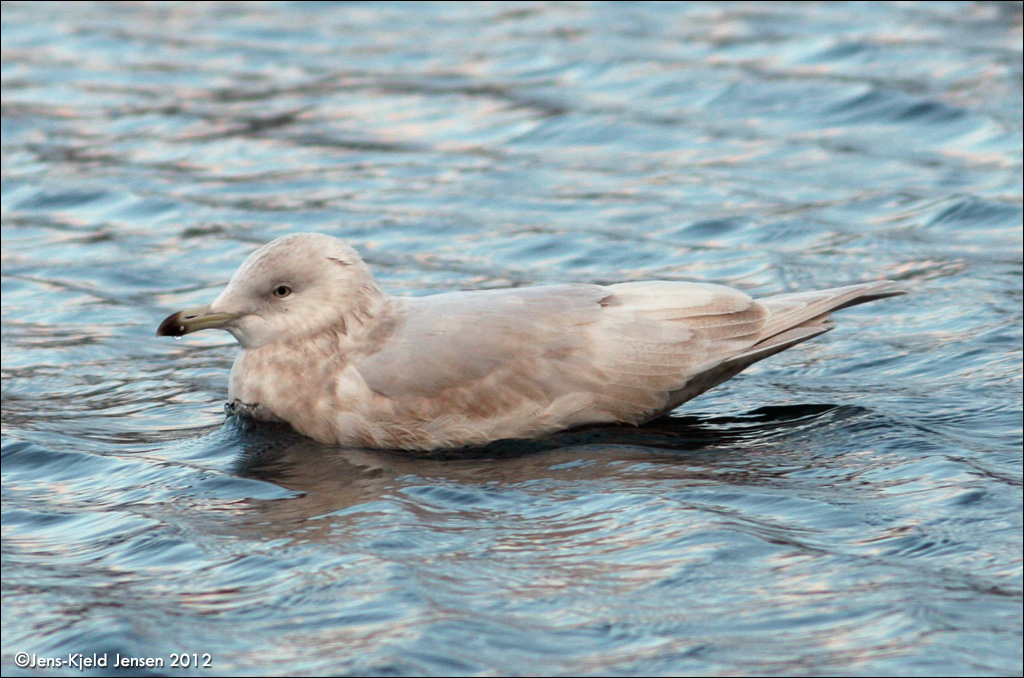
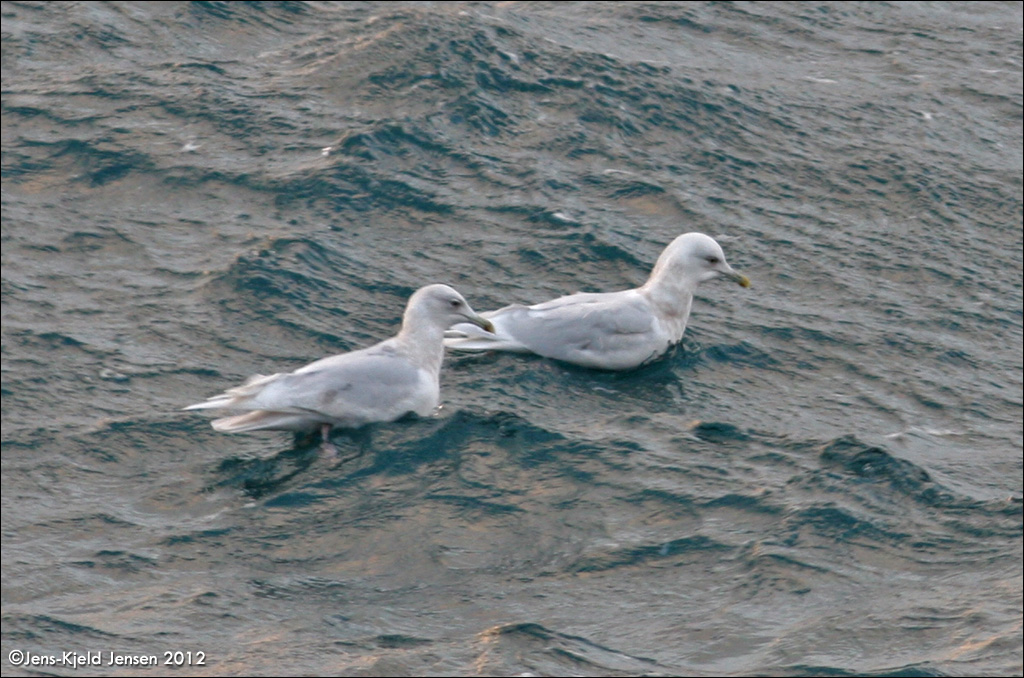
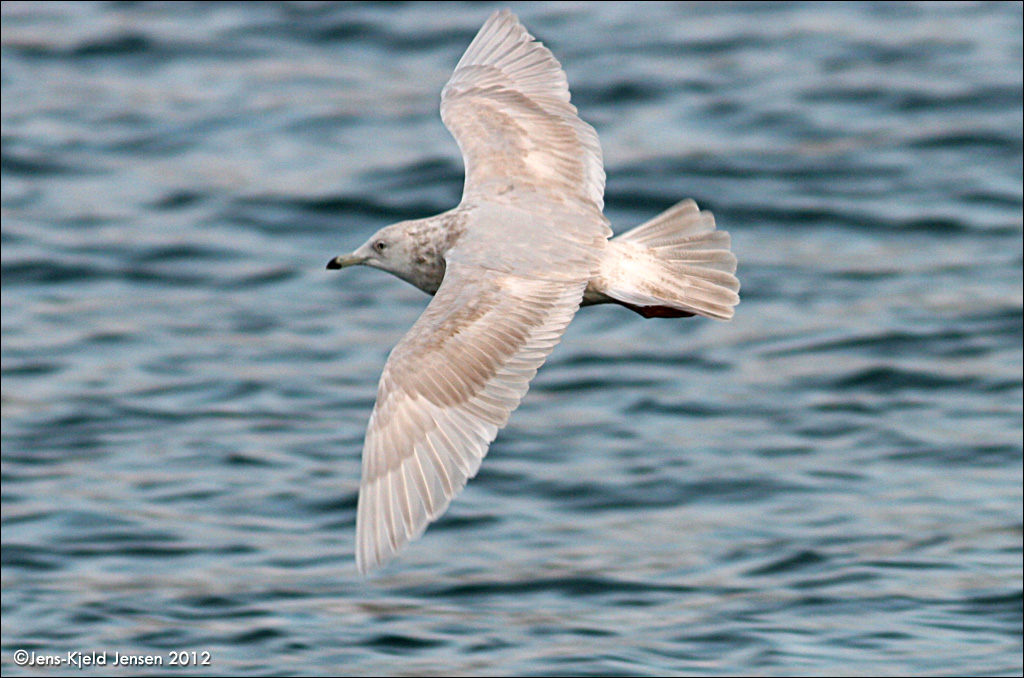
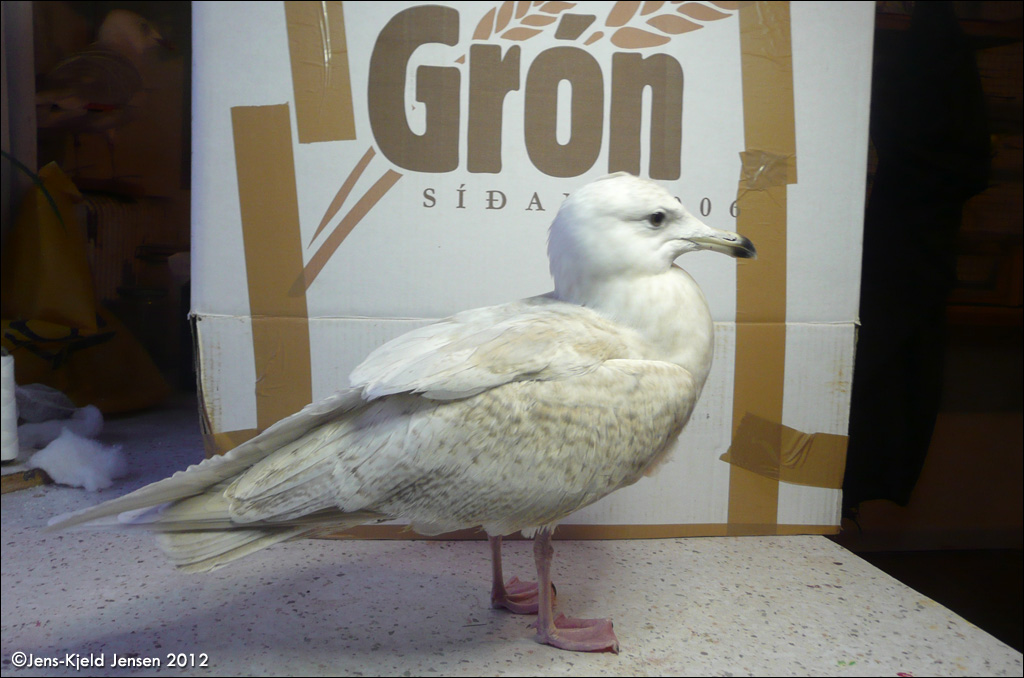
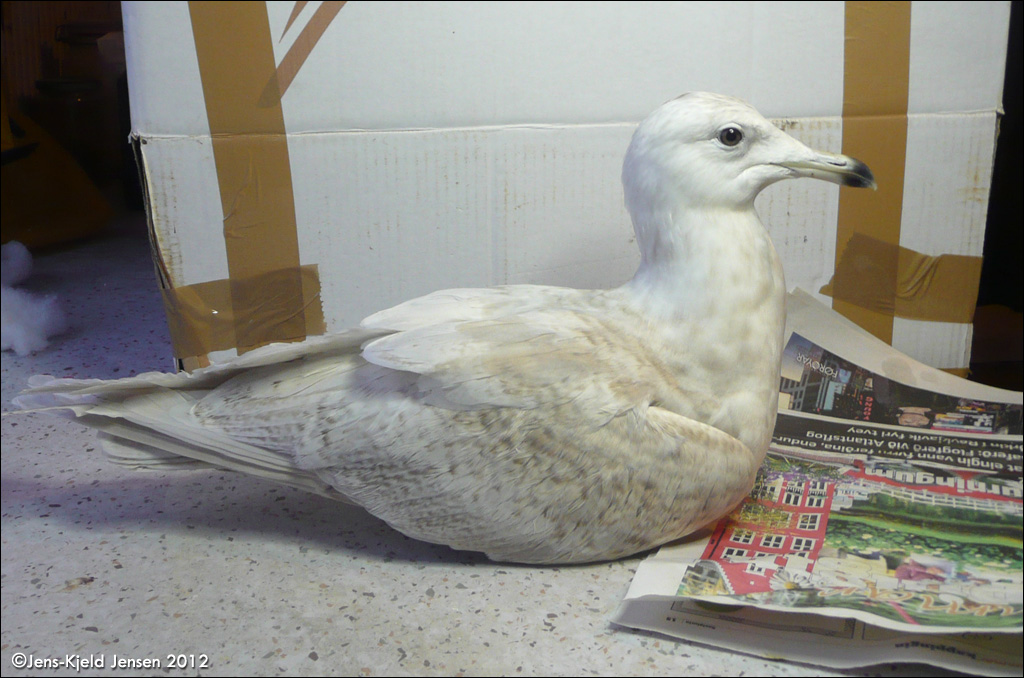
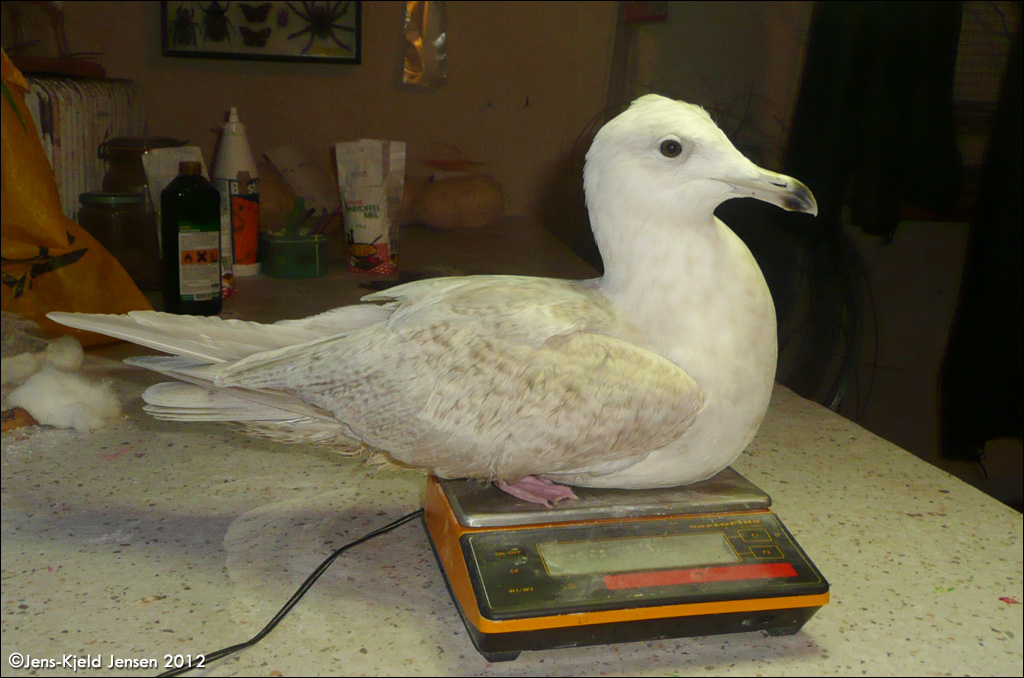
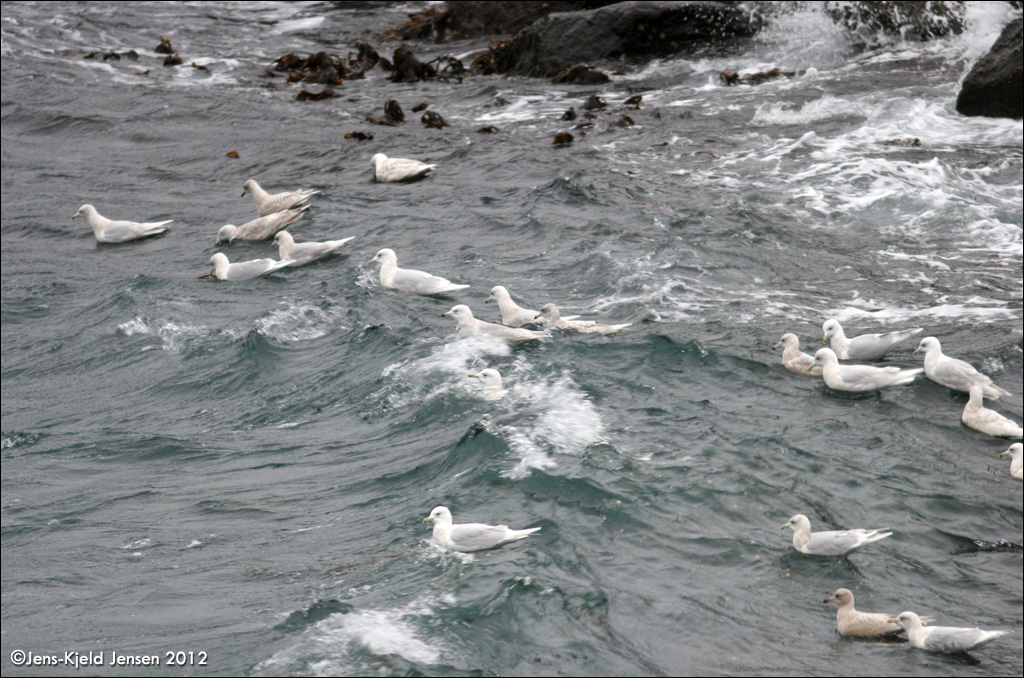
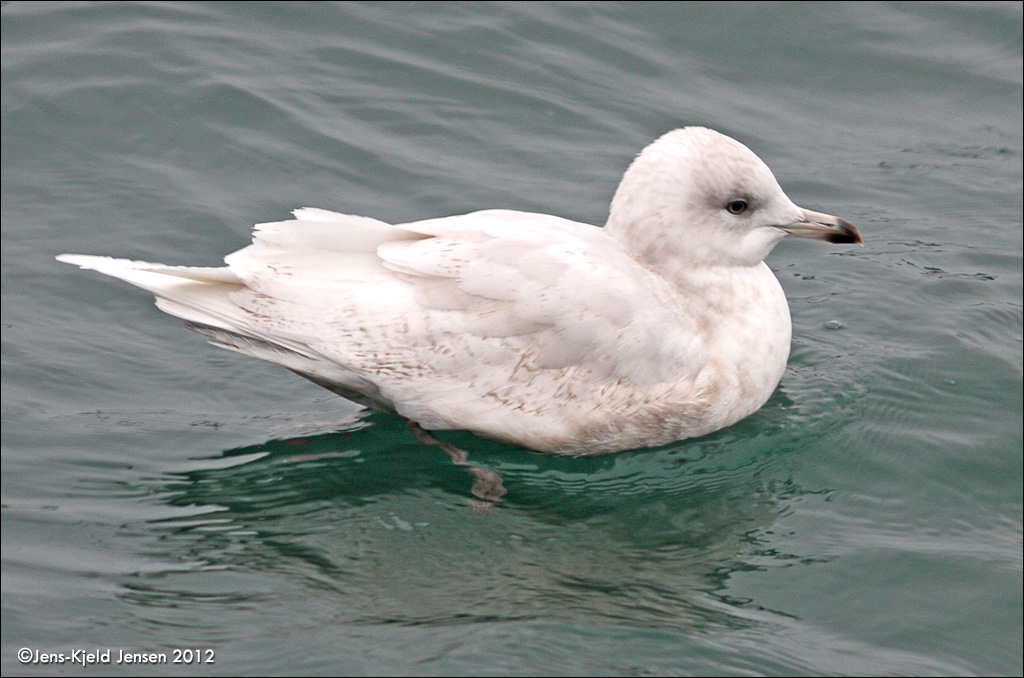
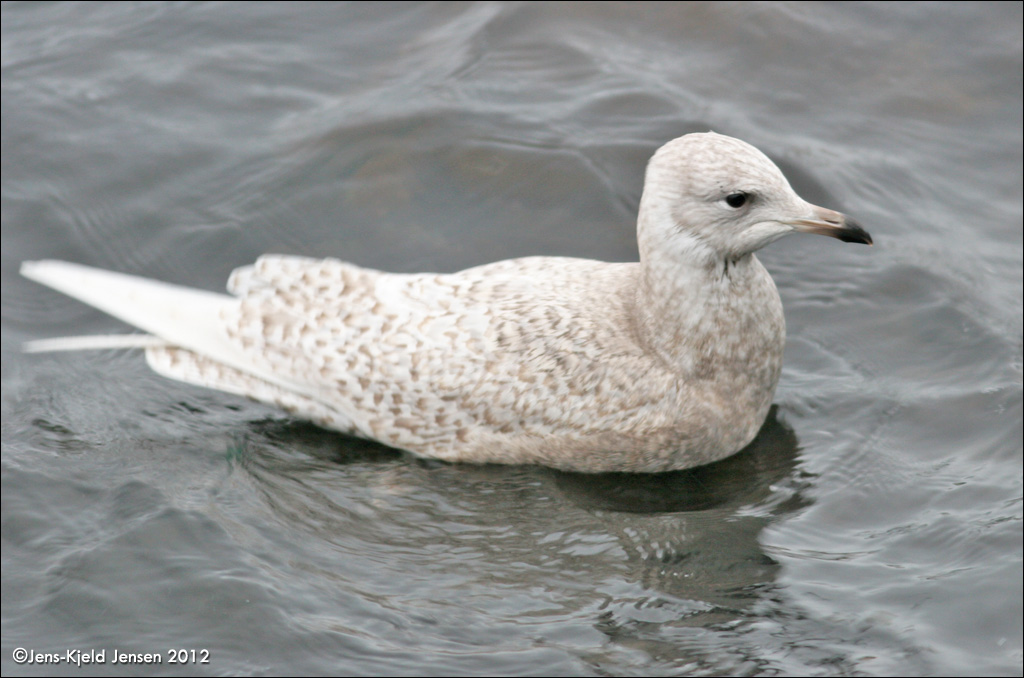
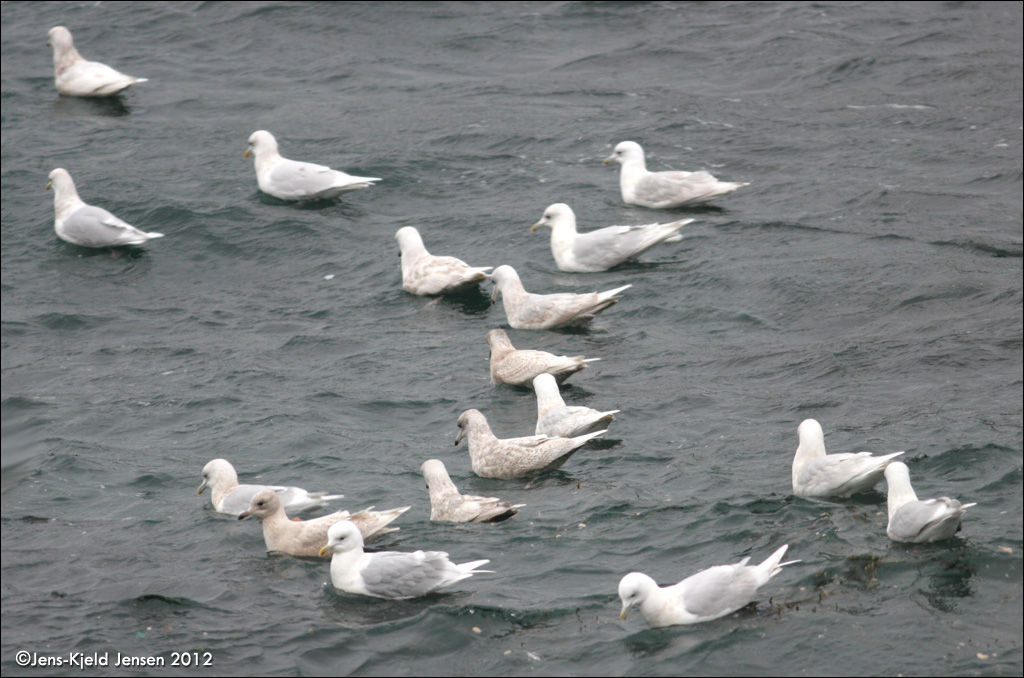
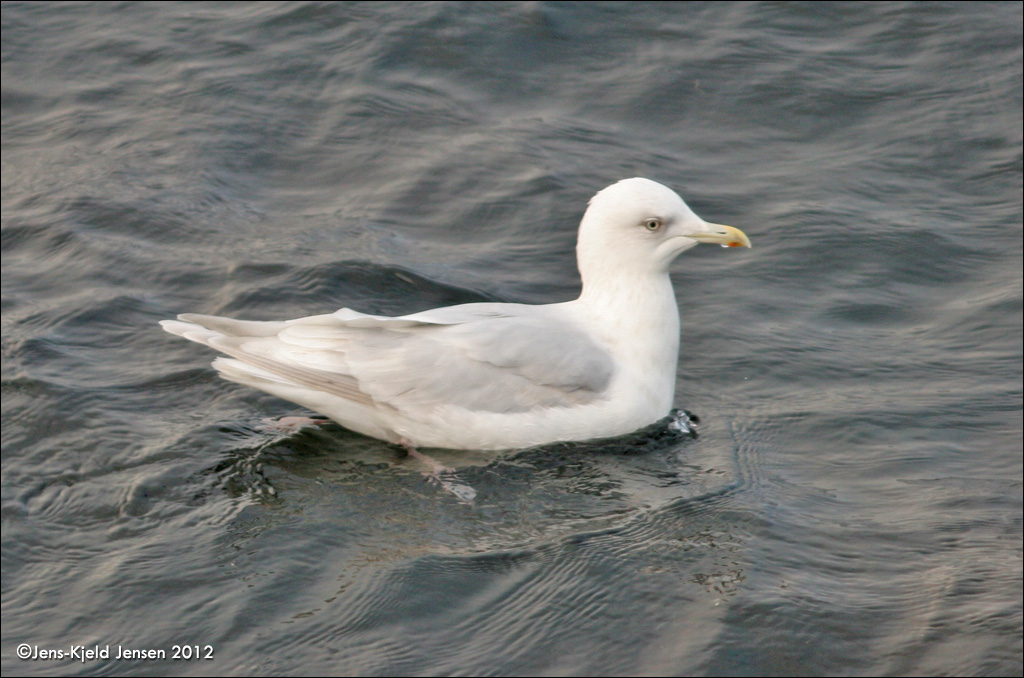
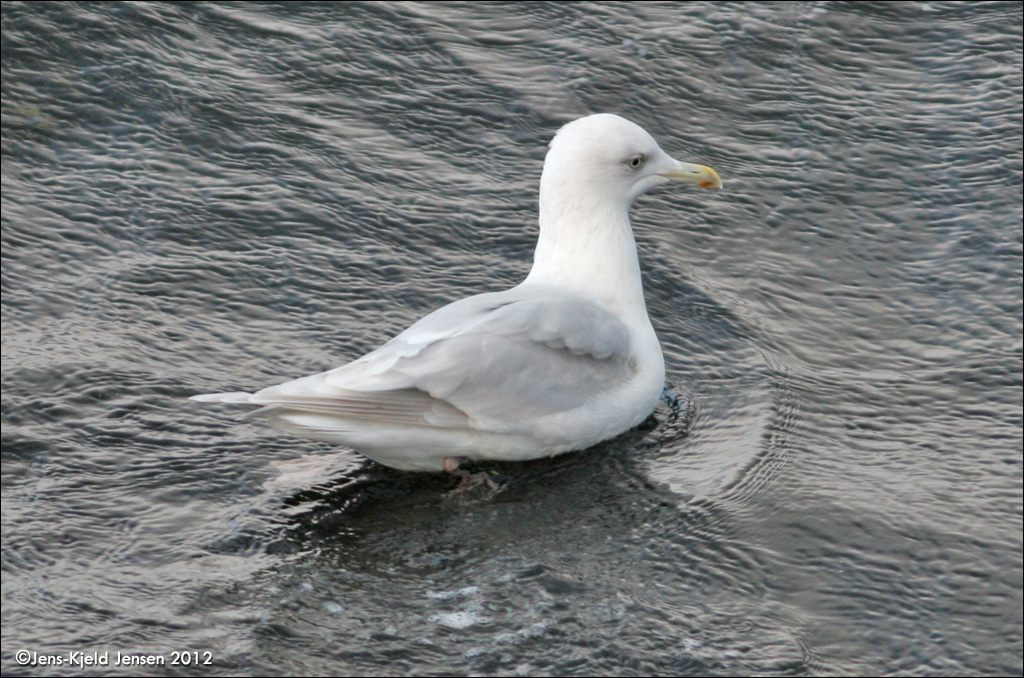
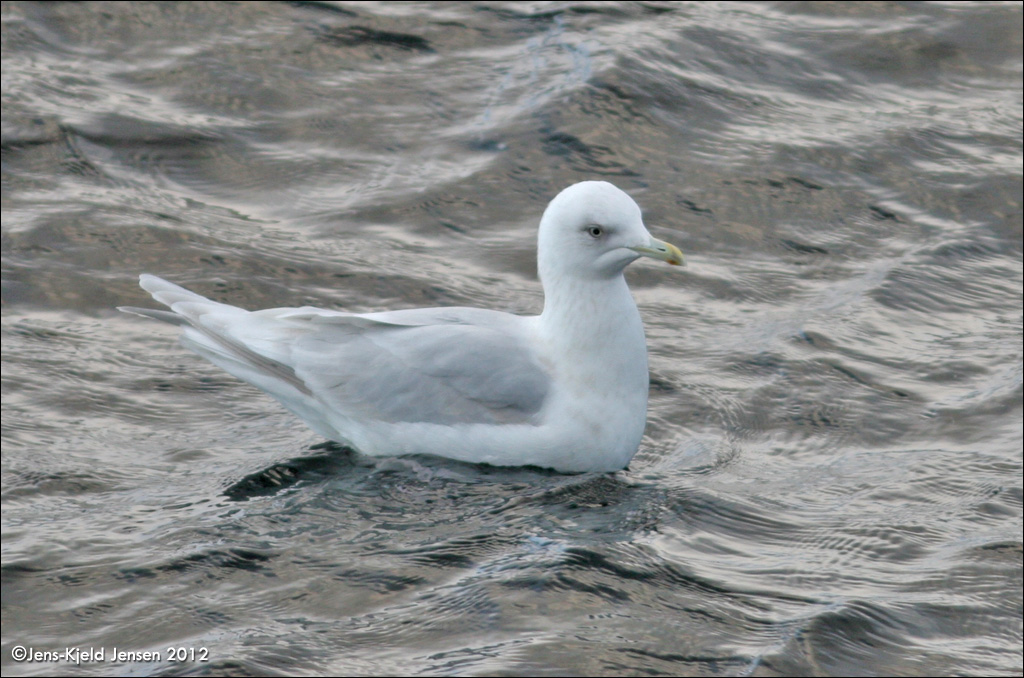
Iceland Gull Larus glaucoides is starving to death |
||||||||||||||||||||
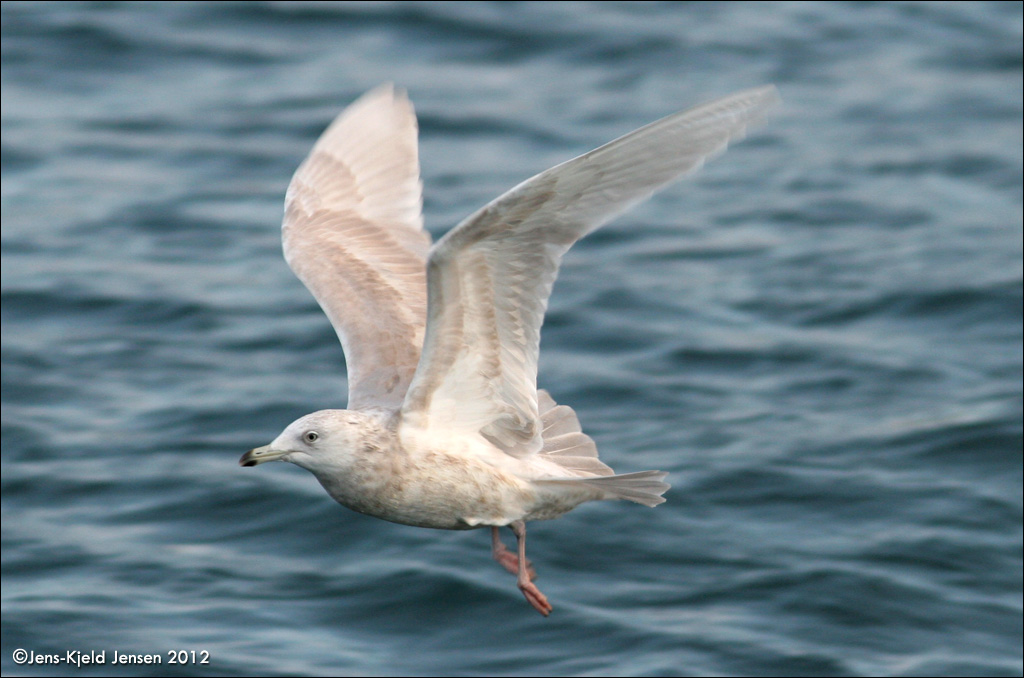 |
||||||||||||||||||||
|
||||||||||||||||||||
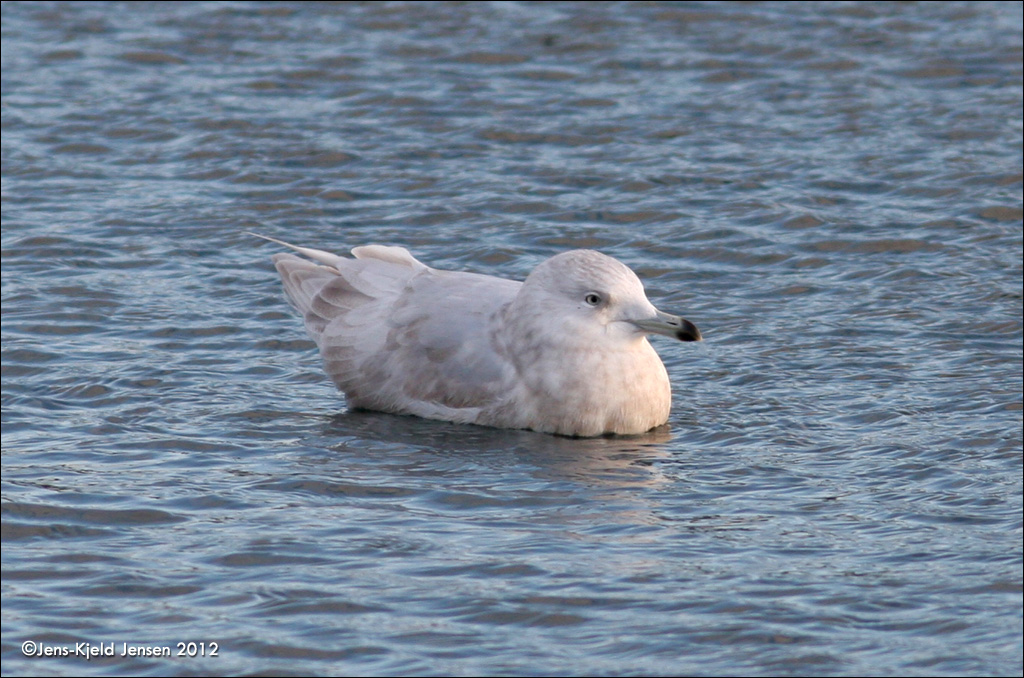
Iceland Gull Larus glaucoides breeds in Greenland and a little further west Larus glaucoides kumlieni - which is a subspecies of Iceland Gull - breeds. |
||||||||||||||||||||
|
||||||||||||||||||||
| Update 09.01.2012 | ||||||||||||||||||||
|
||||||||||||||||||||
On 08.01.2012 this Iceland Gull was sitting on the pier in Nólsoy to weakened to fly. It only had enough energy to stand up for a moment before it had to lie down again. It is a male and weighs 575 g. Normal weight for such a big male should be around 300 g. more. |
||||||||||||||||||||
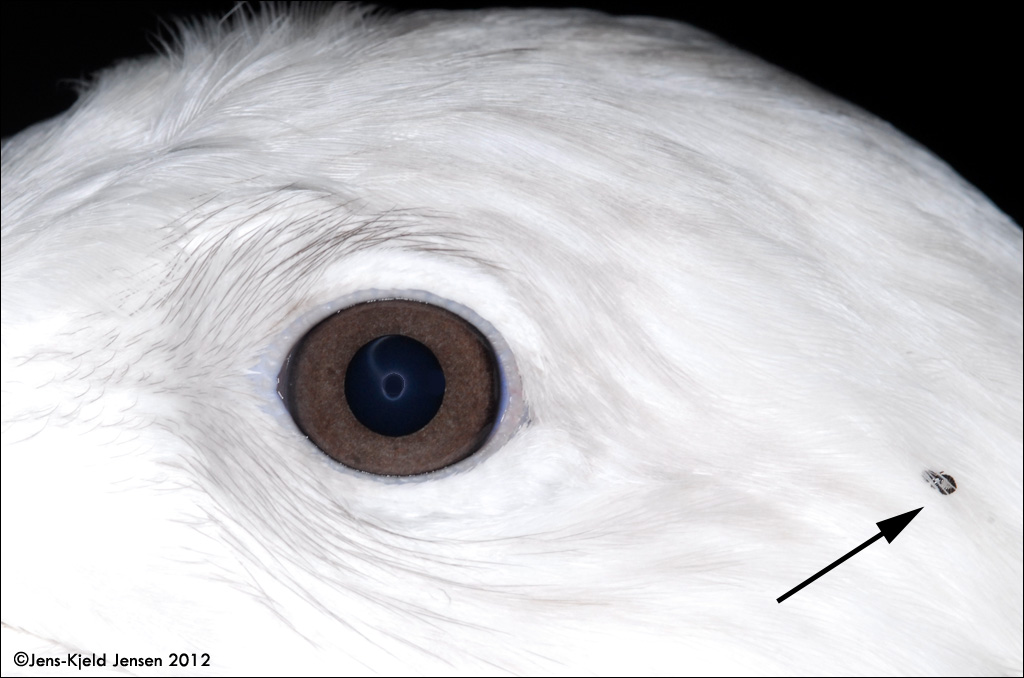 |
||||||||||||||||||||
| Notice the head lice of the genus Saemundssonia (Saemundssonia) lari (O. Fabricius, 1780) | ||||||||||||||||||||
| Update 11.01.2012 | ||||||||||||||||||||
|
||||||||||||||||||||
| 11. January 2012 38 Iceland Gulls were fishing plant plankton in Hálgutoft right south of Klivar, which is the harbor in Nólsoy. One large male was found dead on the quay, his weight was 489 g. No one has ever before seen so many Iceland Gulls at once in Nólsoy. | ||||||||||||||||||||
| Kumlien's Gull Larus glaucoides kumlieni | ||||||||||||||||||||
|
||||||||||||||||||||
| This old male was in Nólsoy 12.01.2012 | ||||||||||||||||||||
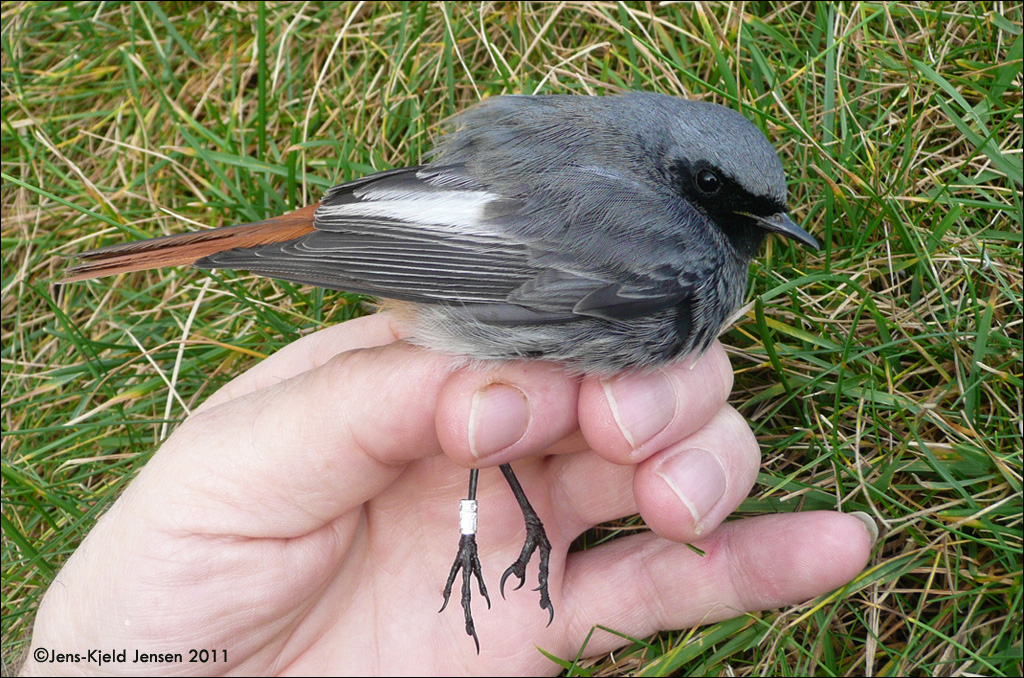
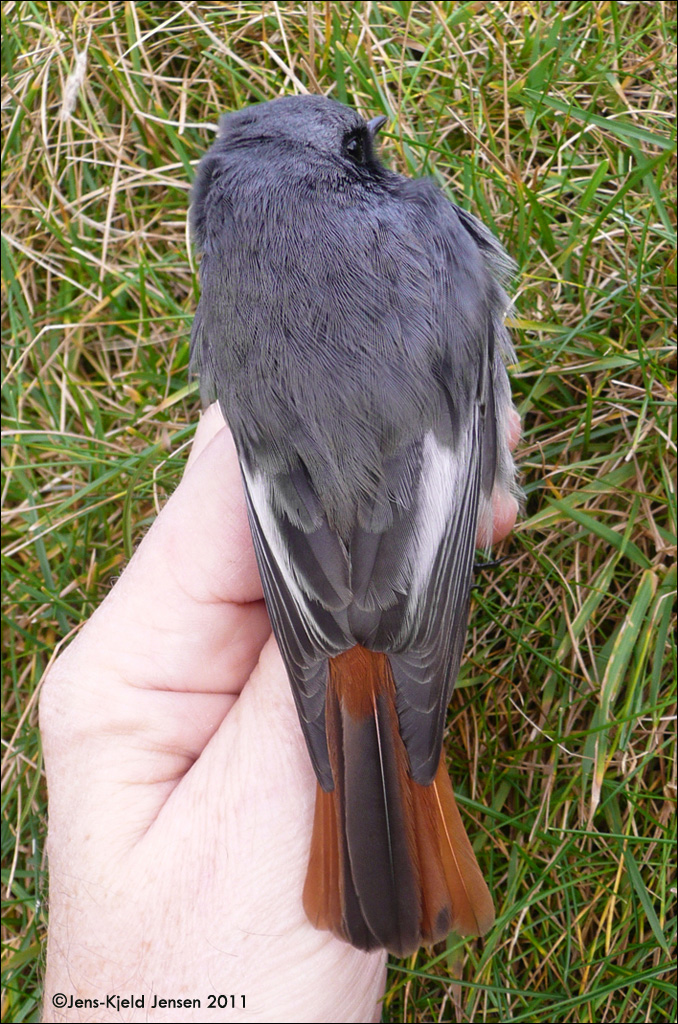
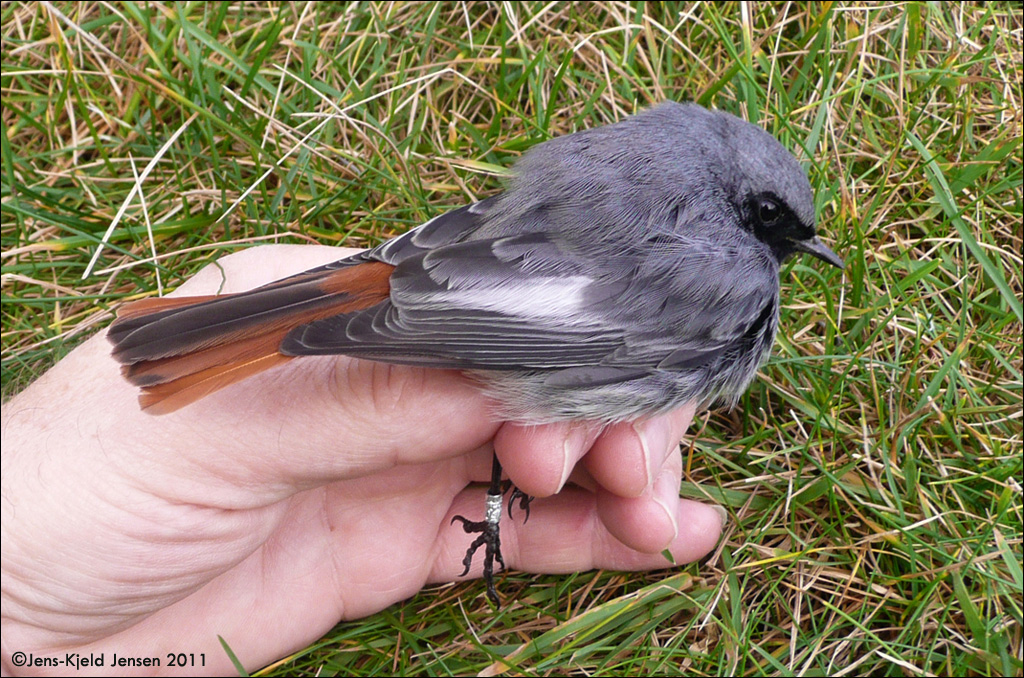
Black Redstart Phoenicurus ochruros |
||||||||||||||||||||
|
||||||||||||||||||||
| This is the tenth Black Redstart for the Faroe Islands and the first, that has ever been ringed here. | ||||||||||||||||||||
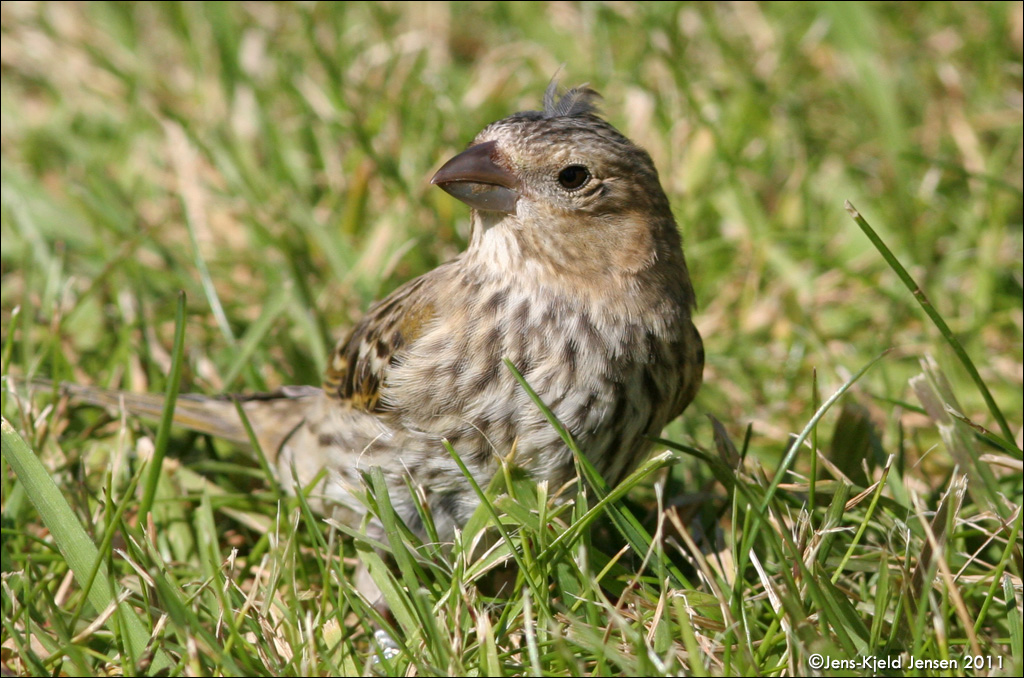
| Scarlet Rosefinch Carpodacus erythrinus | ||||||||||||||||||||
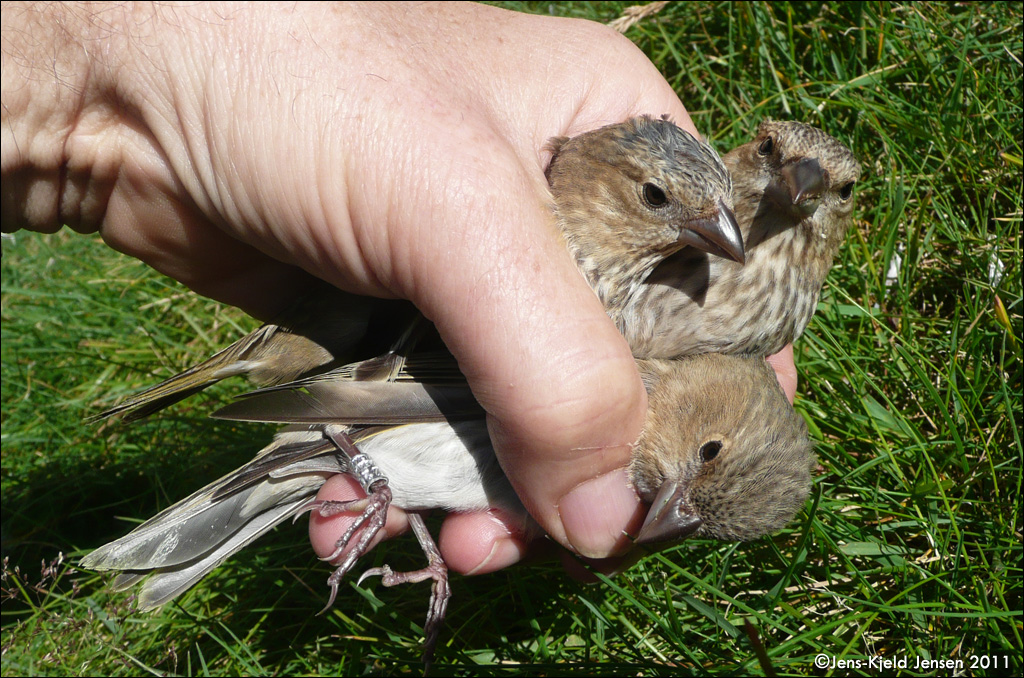 |
||||||||||||||||||||
|
||||||||||||||||||||
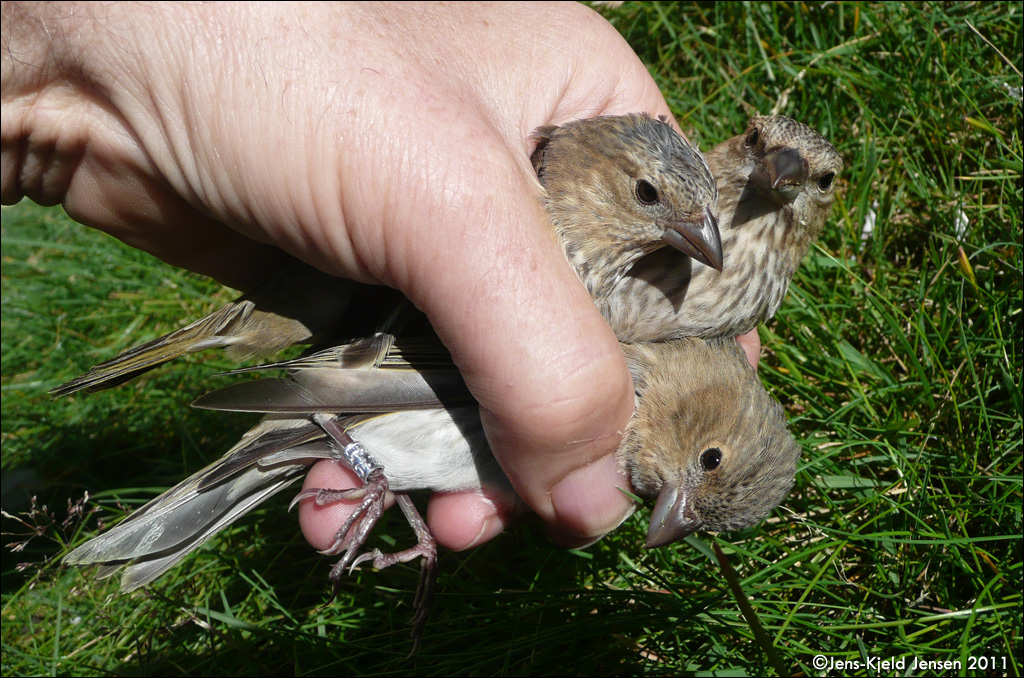
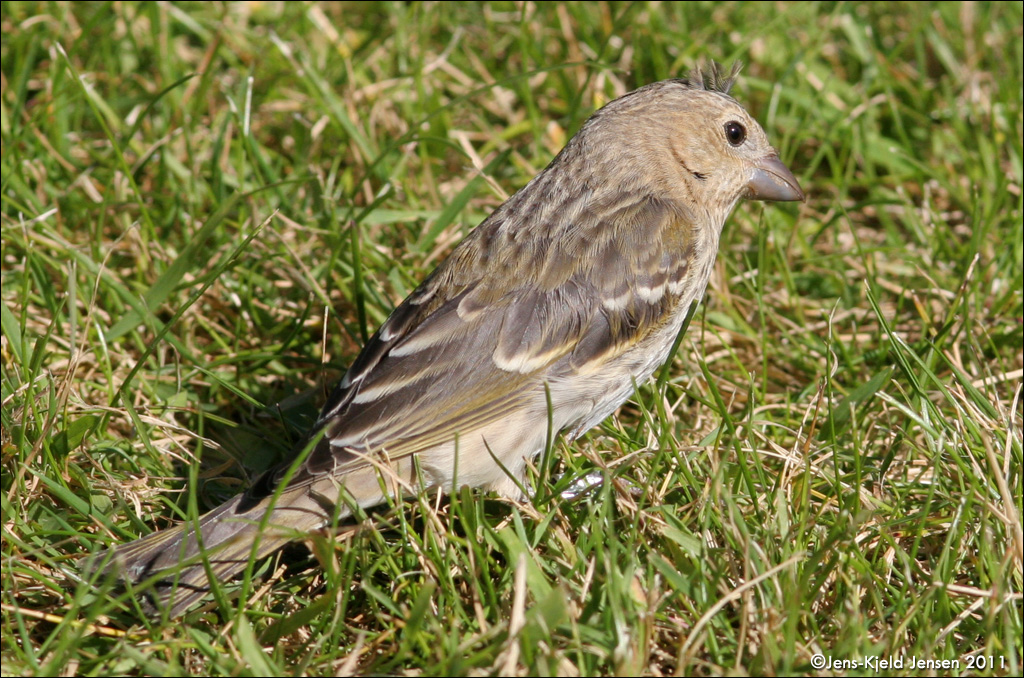
| 29.08.2011 I ringed 3 young Scarlet Rosefinches on Nólsoy. They were caught in the Heligoland trap. | ||||||||||||||||||||
| Cape Shelduck Tadorna cana | ||||||||||||||||||||
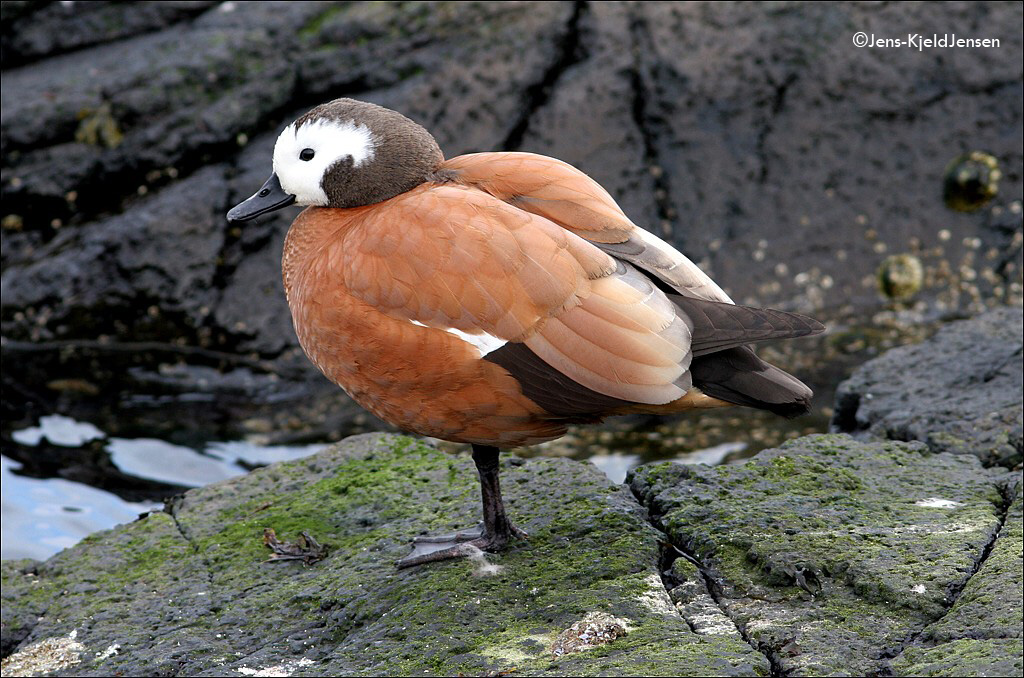 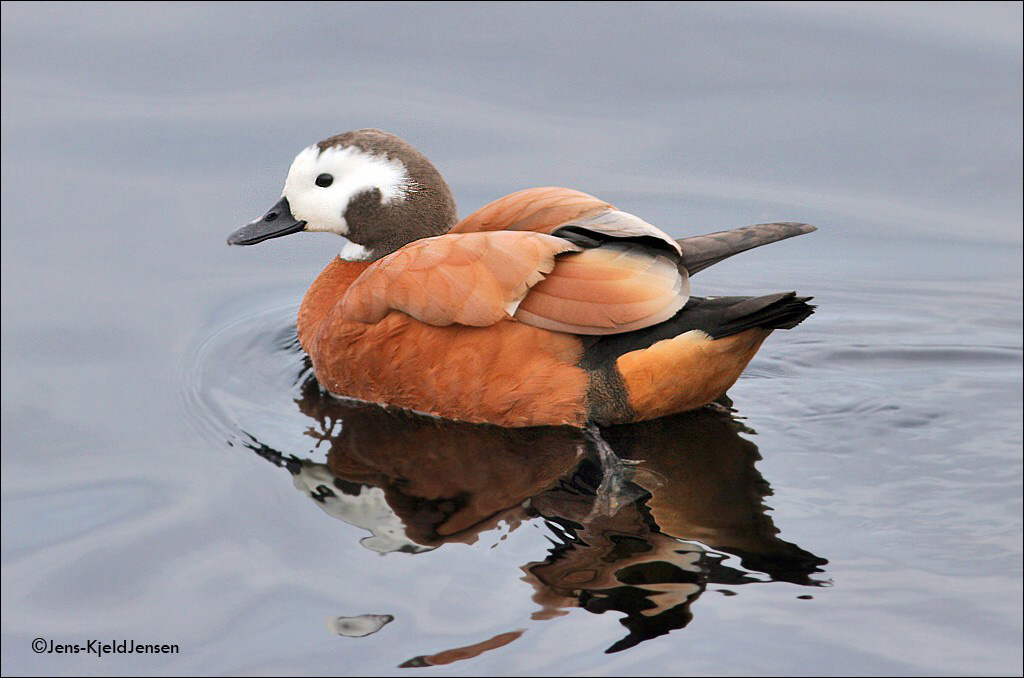 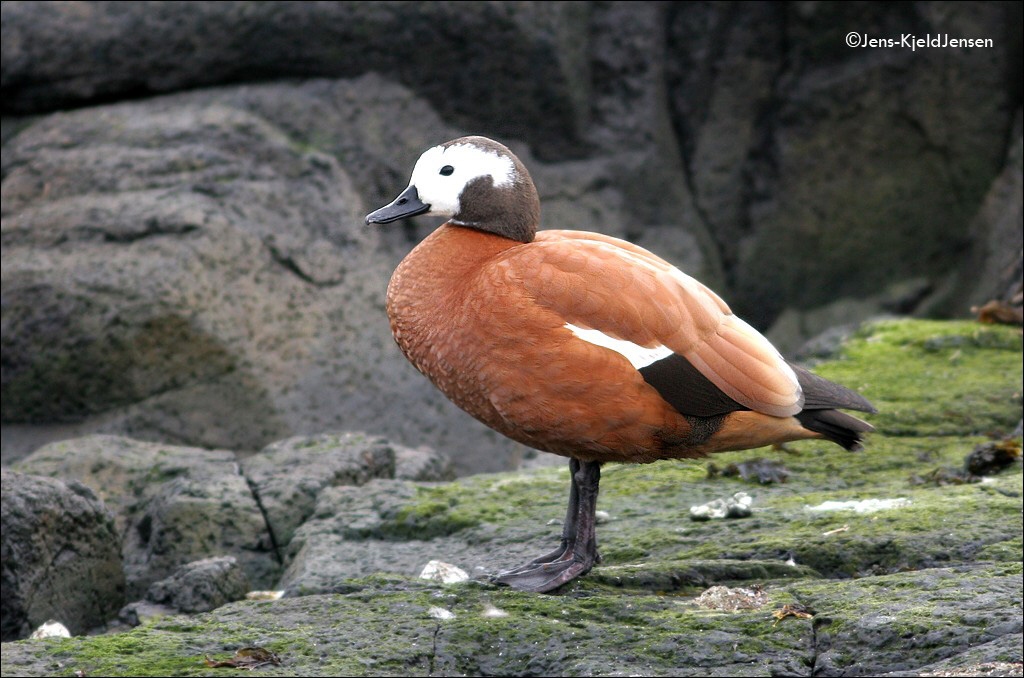 |
||||||||||||||||||||
This Cape Shelduck visited Tórshavn 12. May 2011. Cape Shelduck comes from South Africa, so this must be a duck, who has escaped from captivity in one of our neighbour countries. |
||||||||||||||||||||
| The first Blue Tit Cyanistes caeruleus overwintering in the Faroe Islands in 2010/2011 | ||||||||||||||||||||
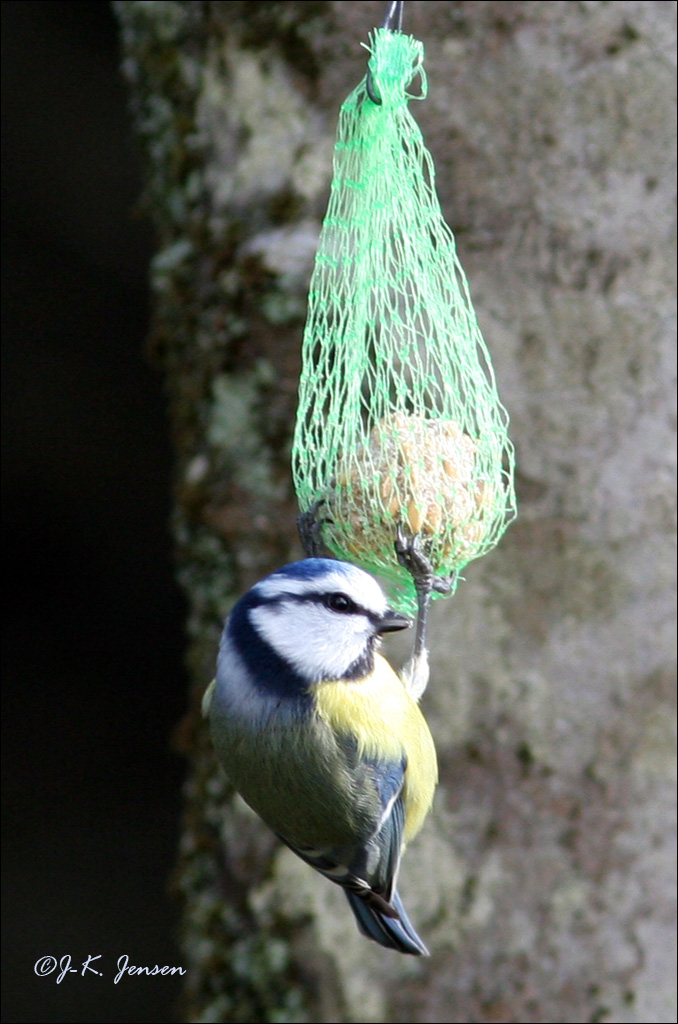
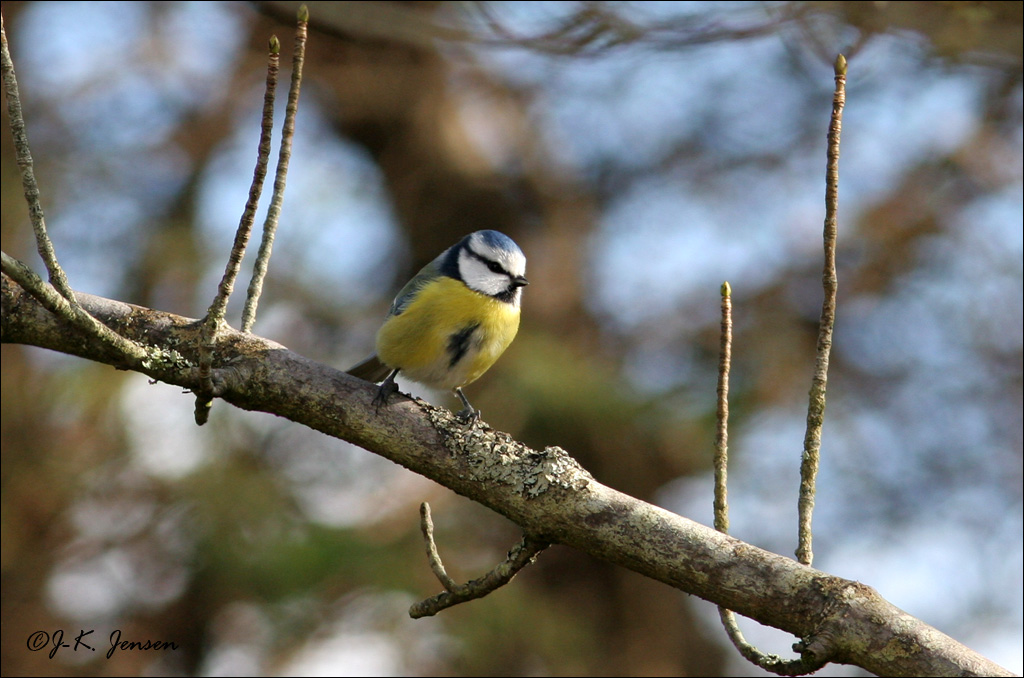
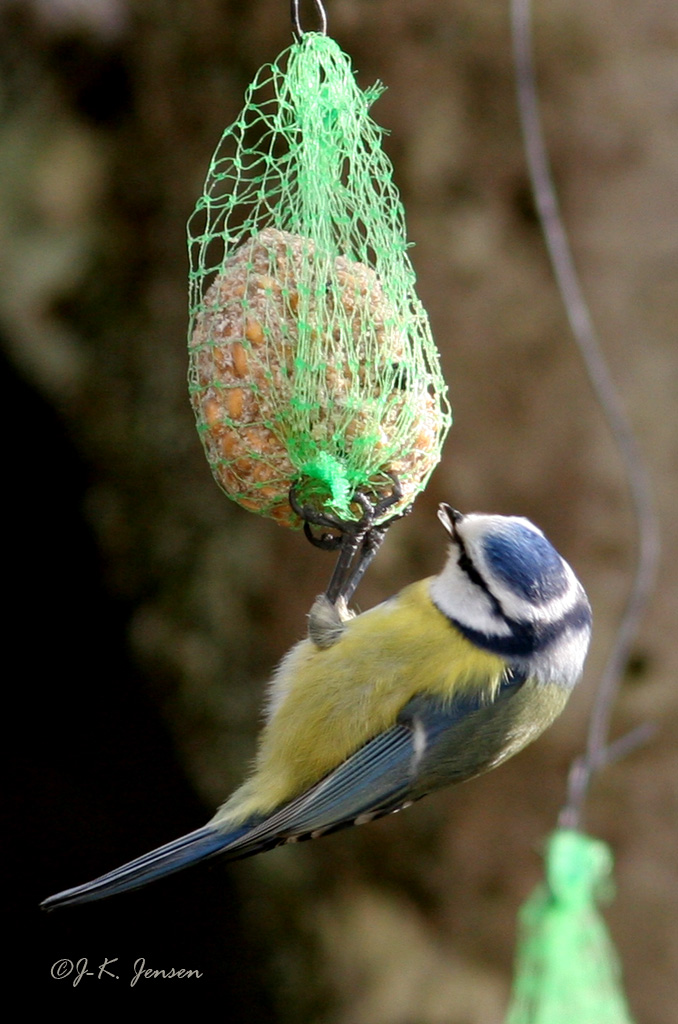
| The first Blue Tit Cyanistes caeruleus for Faroe Islands was registered 06.12.2010. I assume, the Blue Tit came along with the Great Tits in October. This is of course also the first Blue Tit, who has stayed in the the Faroe Islands during a whole winter. | ||||||||||||||||||||
| The first Great Tits Parus major overwintering in the Faroe Islands in 2010/2011 | ||||||||||||||||||||
|
||||||||||||||||||||
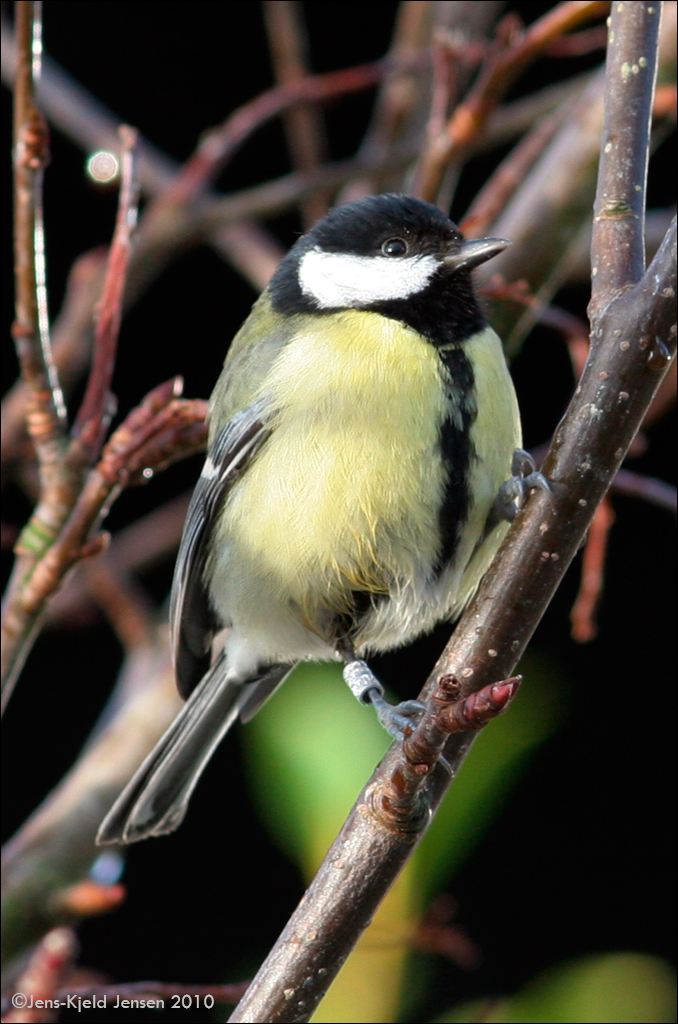
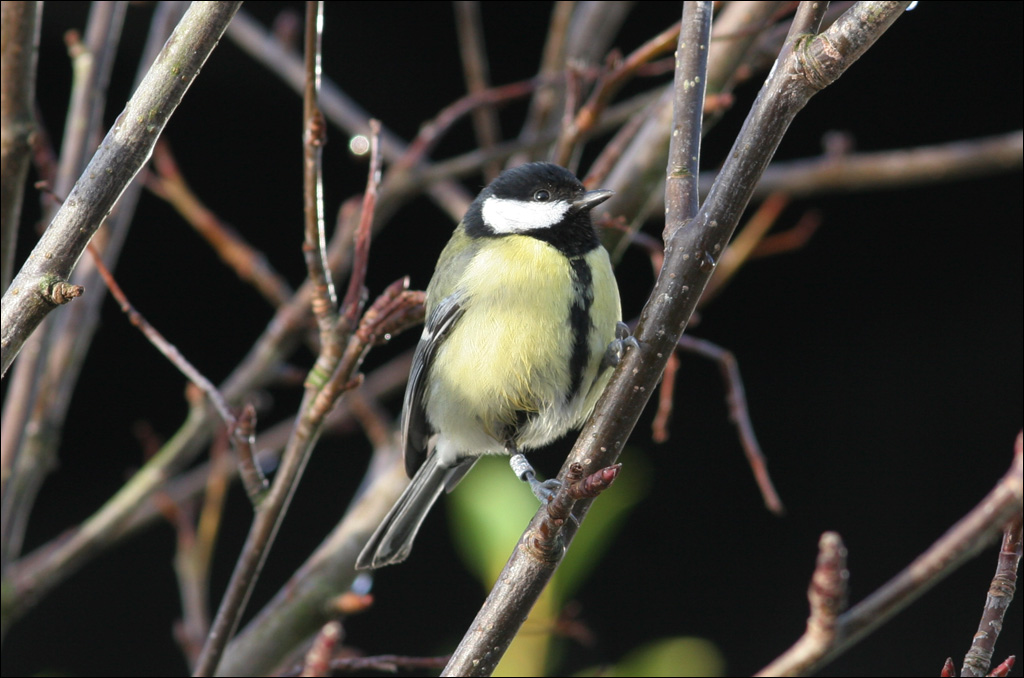
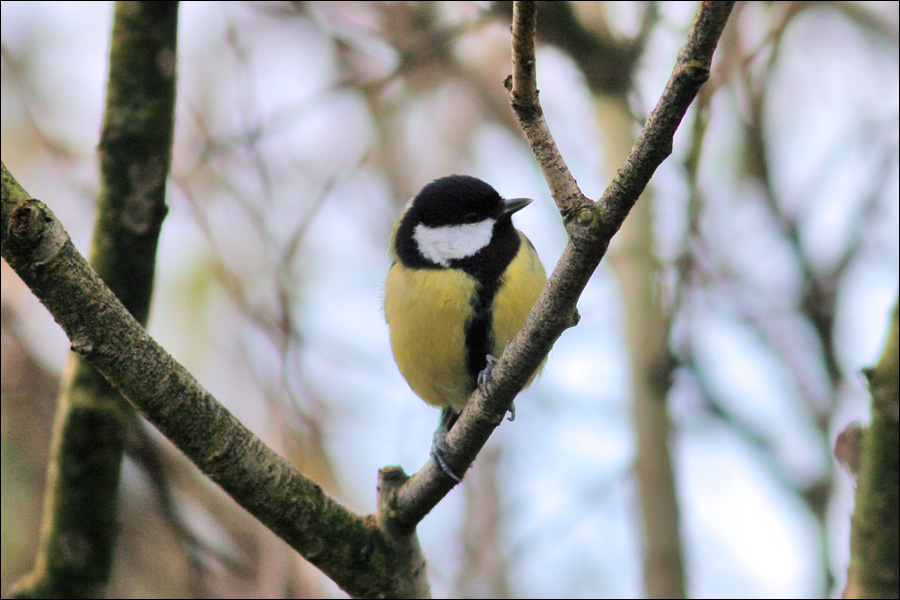
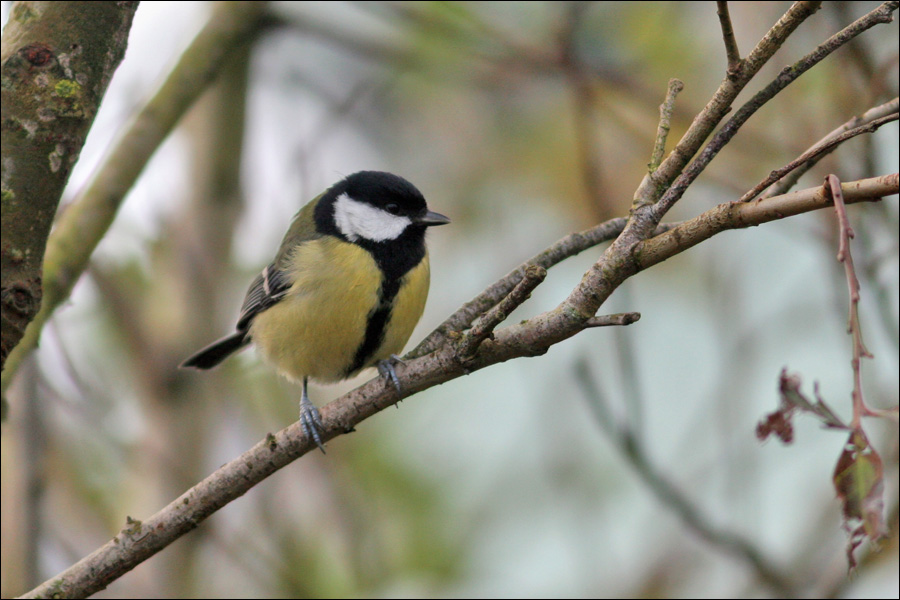
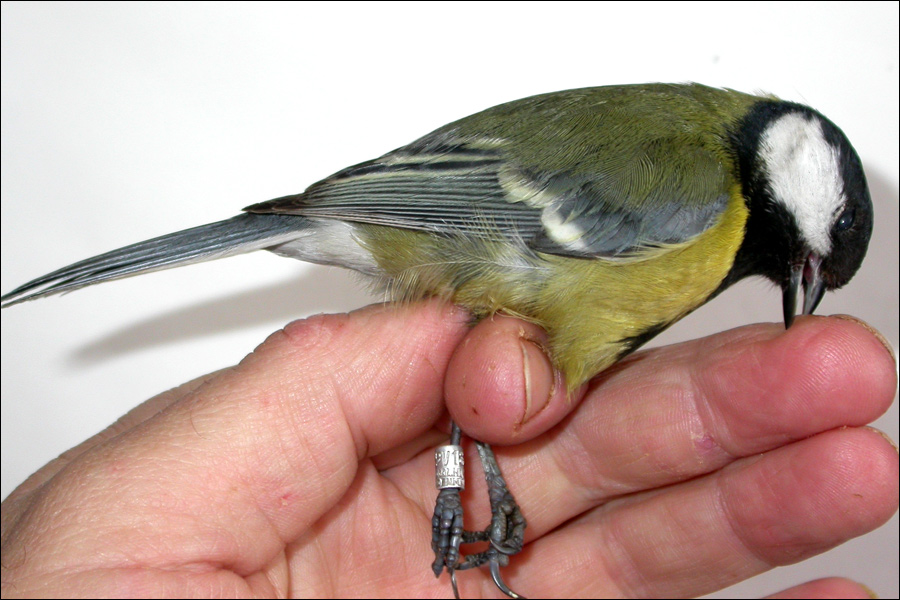
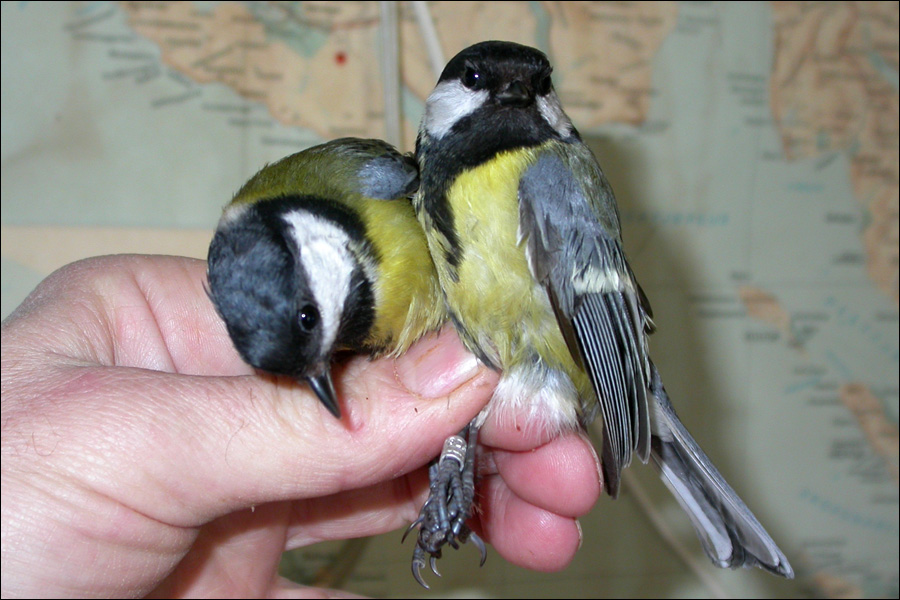
For the first time ever 4 Great Tits have stayed all the winter in the Faroe Islands. I succeeded to ring one of them. |
||||||||||||||||||||
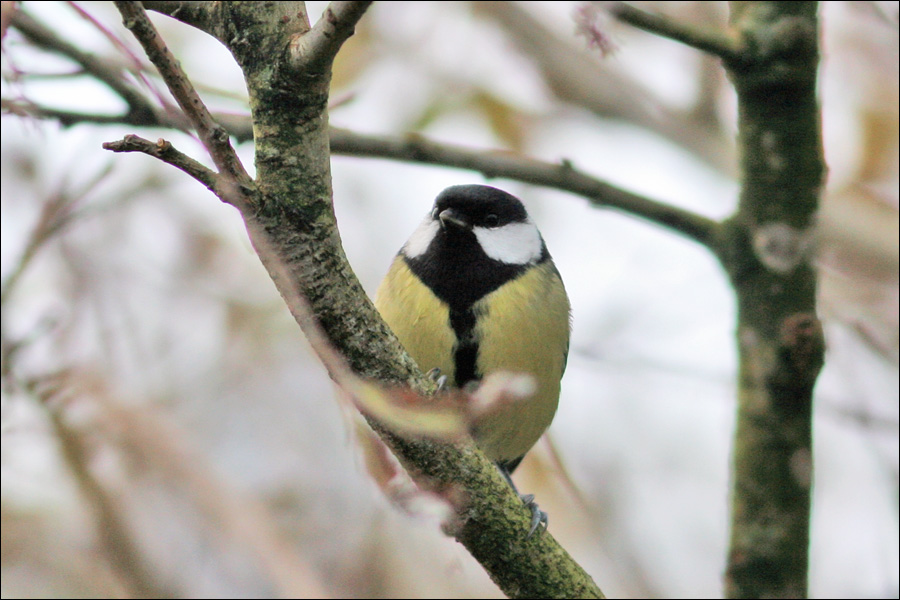
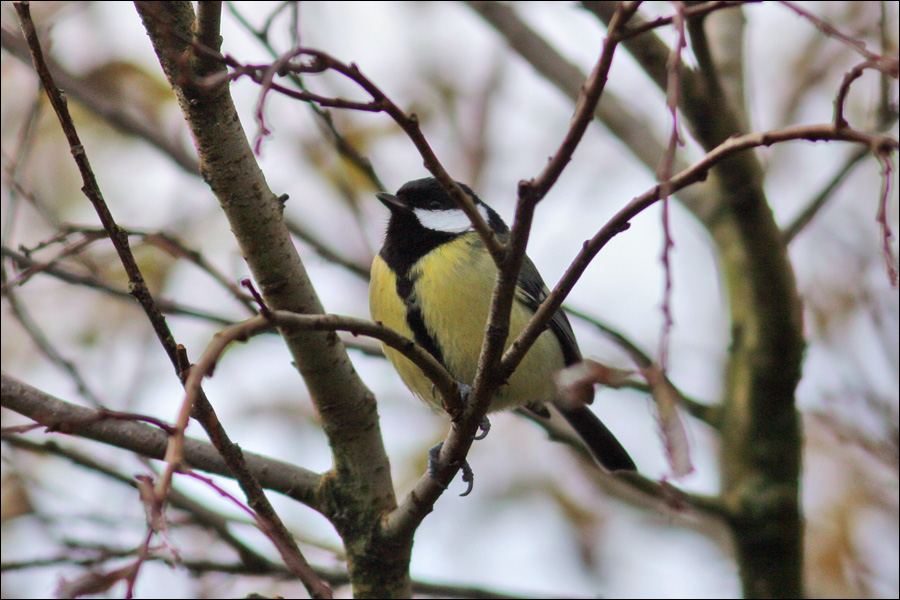
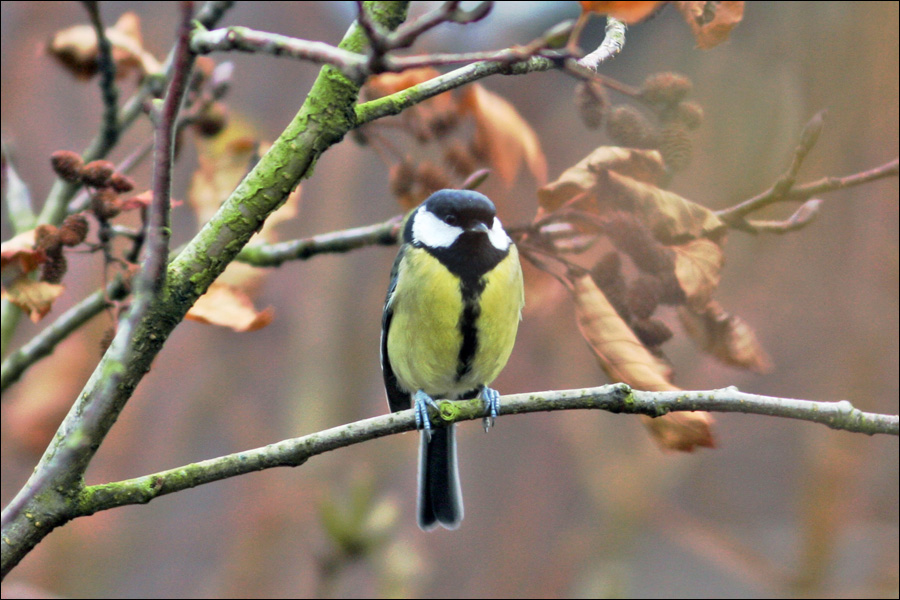
| Great Tit Parus major | ||||||||||||||||||||
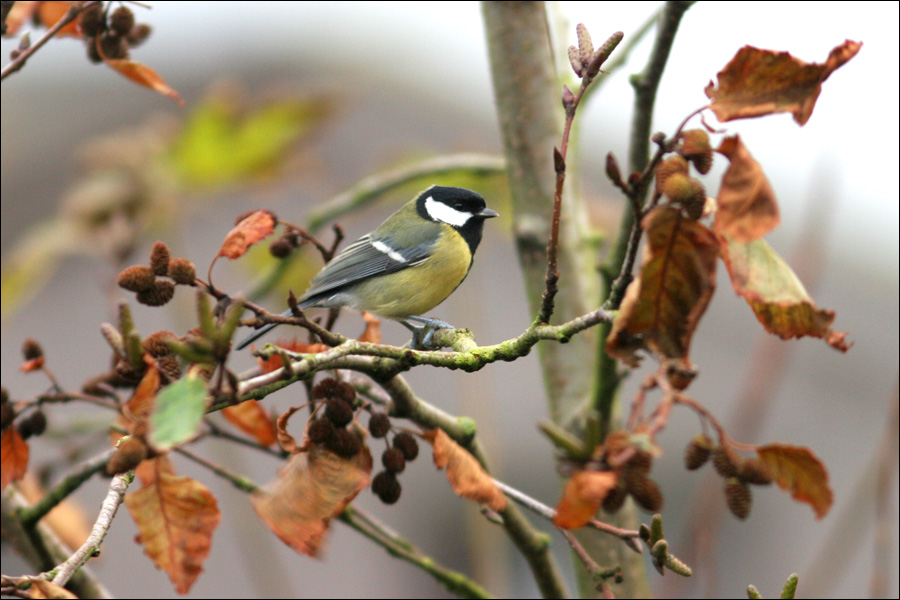 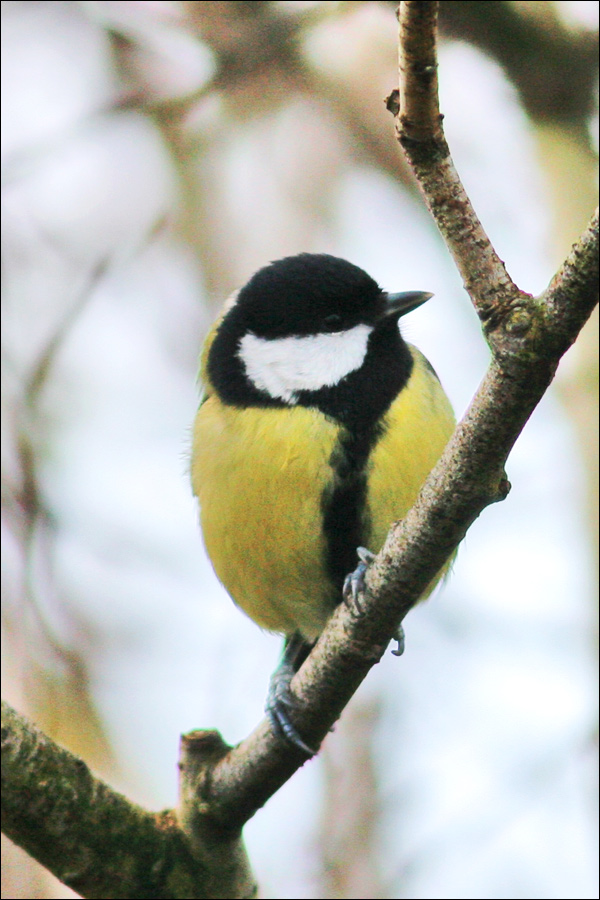  |
||||||||||||||||||||
|
||||||||||||||||||||
| Several Great Tits are observed in the Faroe Islands in October 2010 and the one on these photographs is one of them. | ||||||||||||||||||||
|
||||||||||||||||||||
| Great Tit is only observed once before in the Faroe Islands, namely when 2 were caught in the Helgoland trap on Nólsoy 02. May 2003. Later we found, that these 2 had come by a ship and that the one of them was ringed near Holbæk in Denmark. | ||||||||||||||||||||
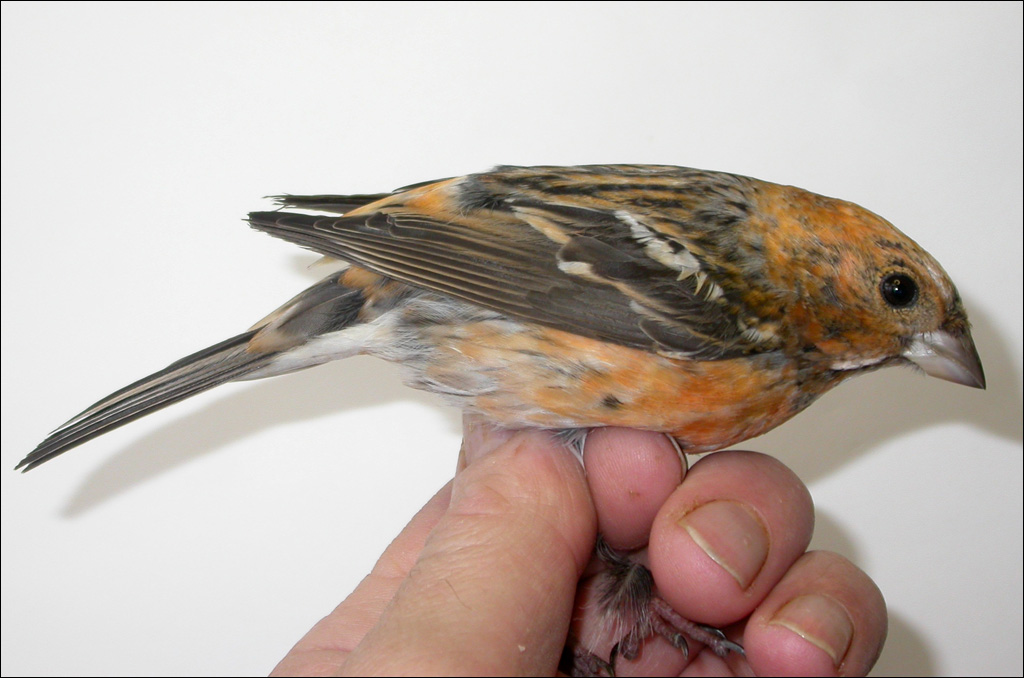
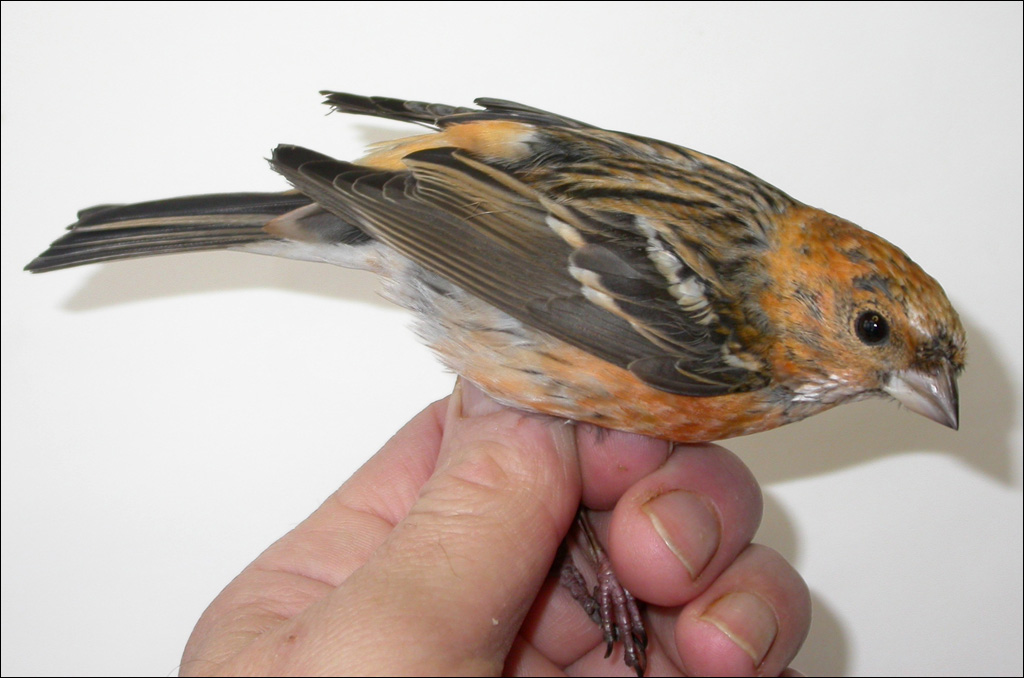
| Pallas' Rosefinch Carpodacus roseus | ||||||||||||||||||||
|
||||||||||||||||||||
I caught this Pallas' Rosefinch on Nólsoy 28.04.2003. It has most probably escaped from a cage and then flown to Faroe Islands. This is the only registration of Pallas' Rosefinch in the Faroe Islands. |
||||||||||||||||||||
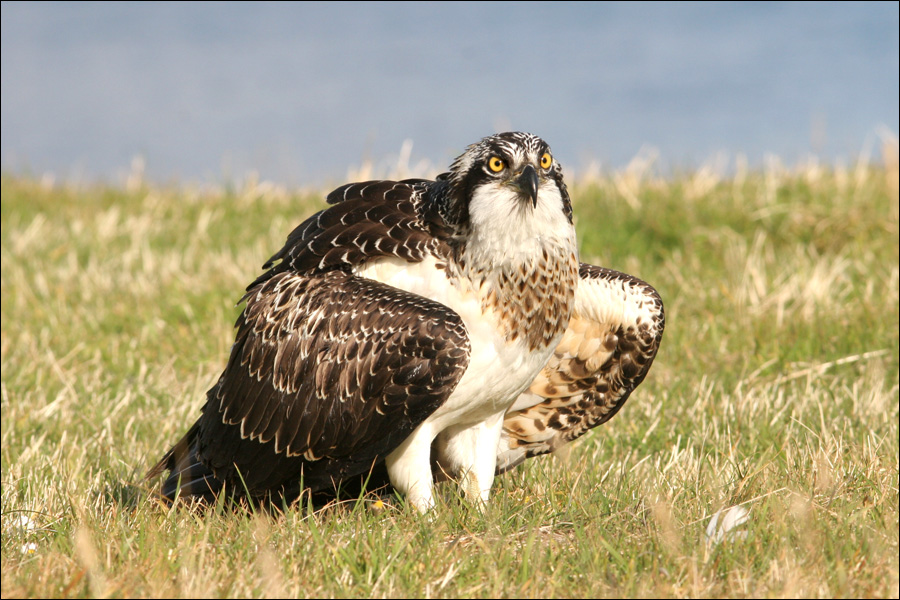
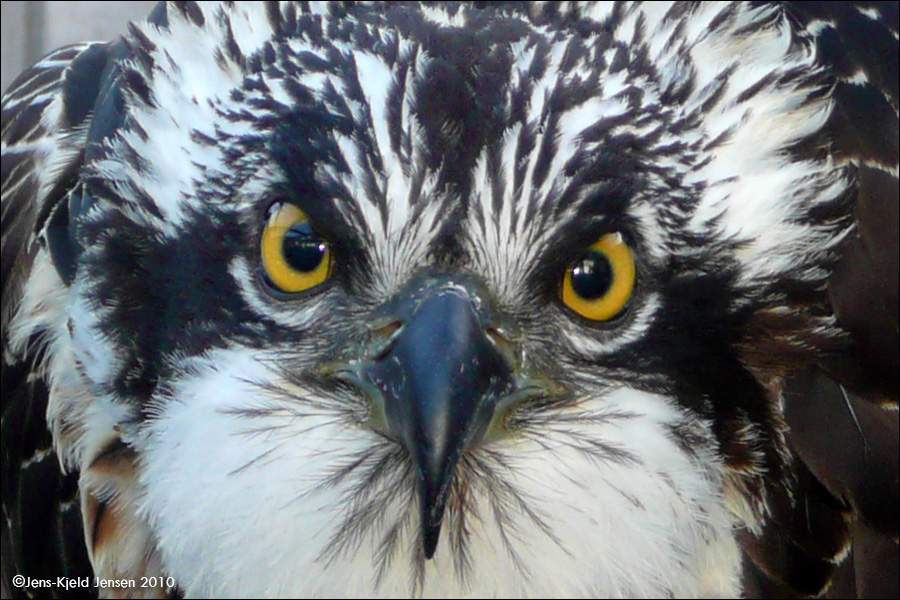
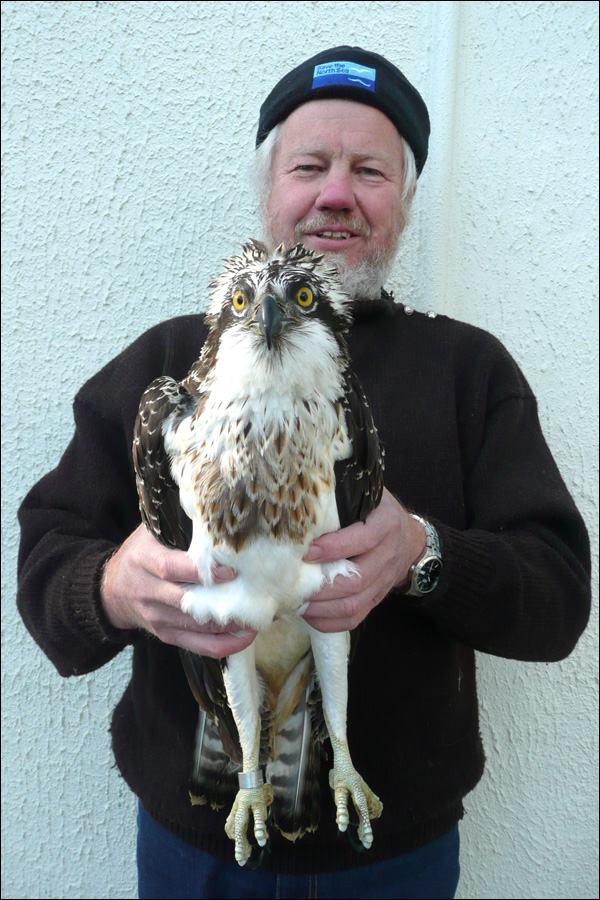
| Osprey Pandion haliaetus | ||||||||||||||||||||
 |
||||||||||||||||||||
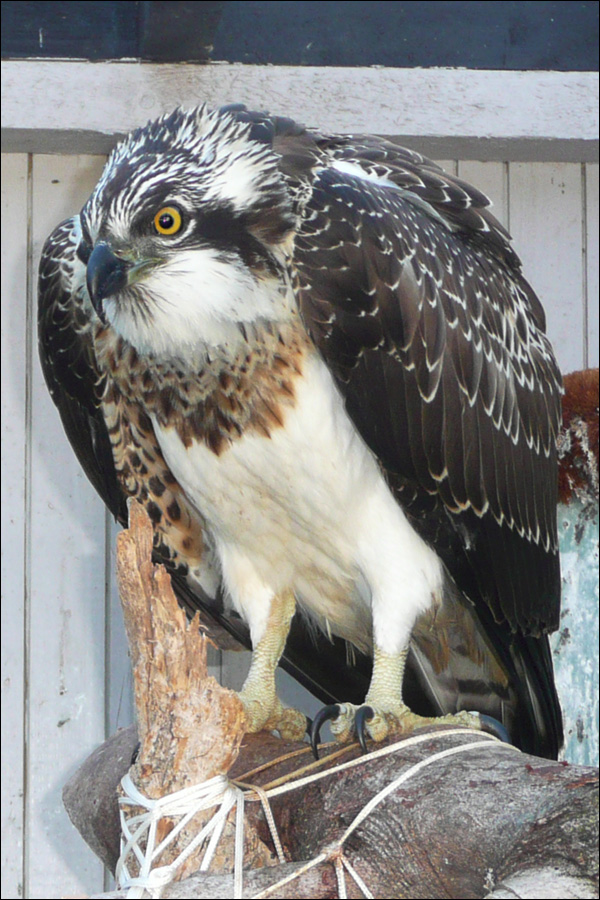 |
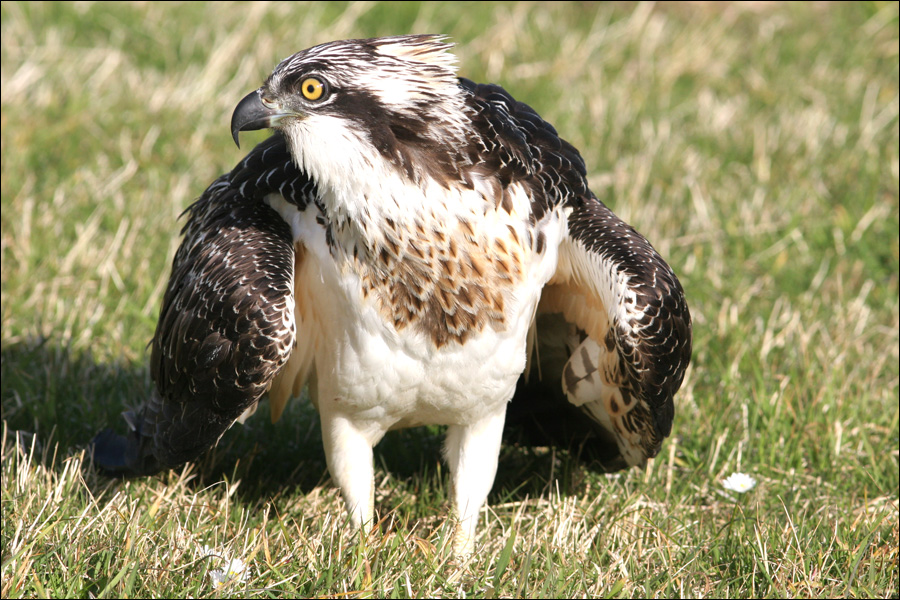
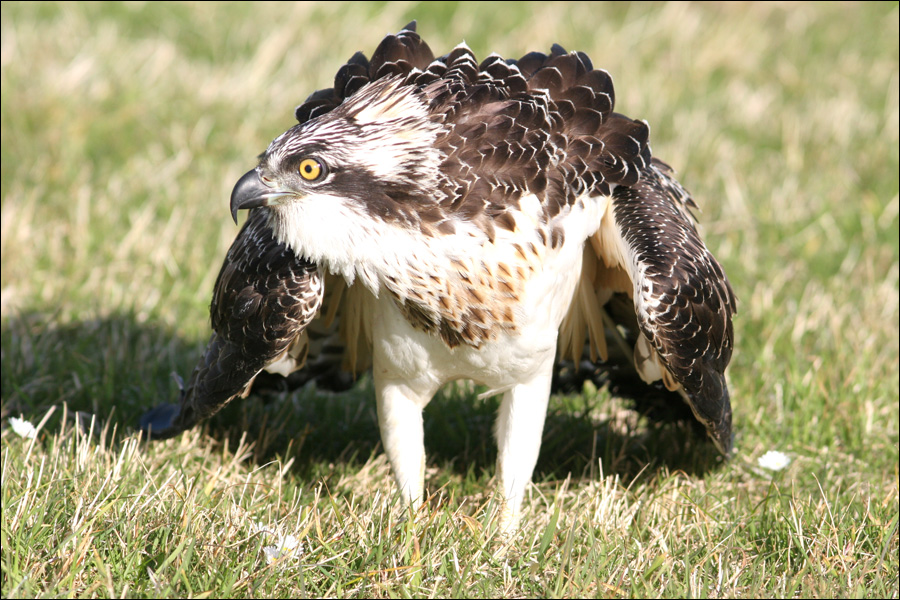
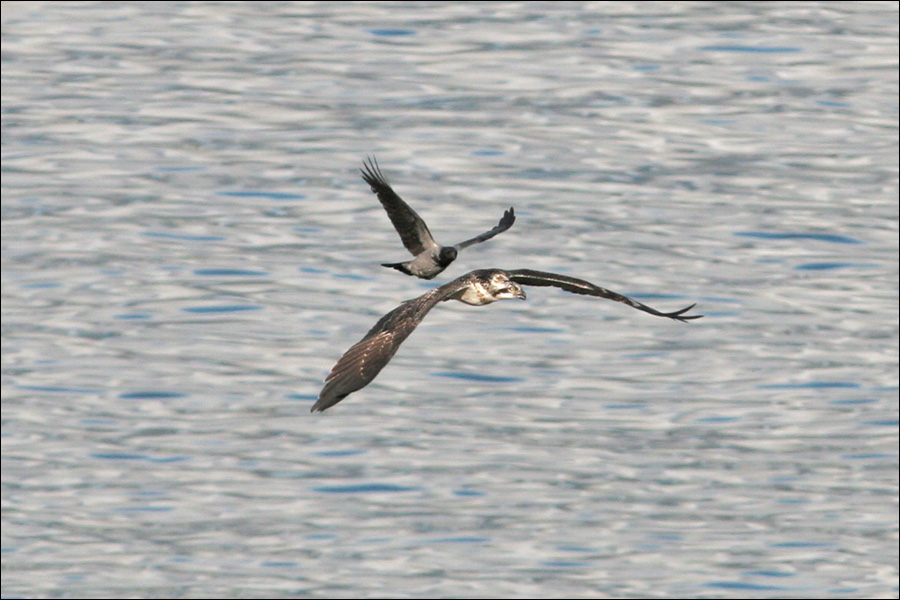
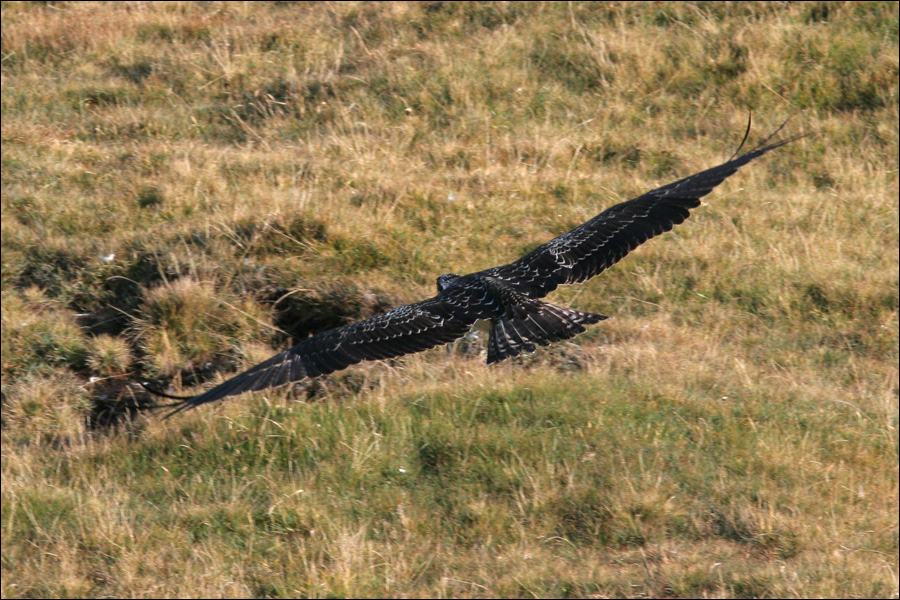
12.09.2010 the ship Viking Lady approached Runavík with this Osprey on board. The bird was a chick from this summer. Hans Eli Sivertsen took care of the bird for approximately 14 days, mainly feeding it with mackerel. 25.09.2010 Jens-Kjeld Jensen ringed the Osprey, where after it was released. |
 |
||||||||||||||||||
|
||||||||||||||||||||
|
||||||||||||||||||||
| Eider Somateria mollissima faeroeensis | ||||||||||||||||||||
 |
||||||||||||||||||||
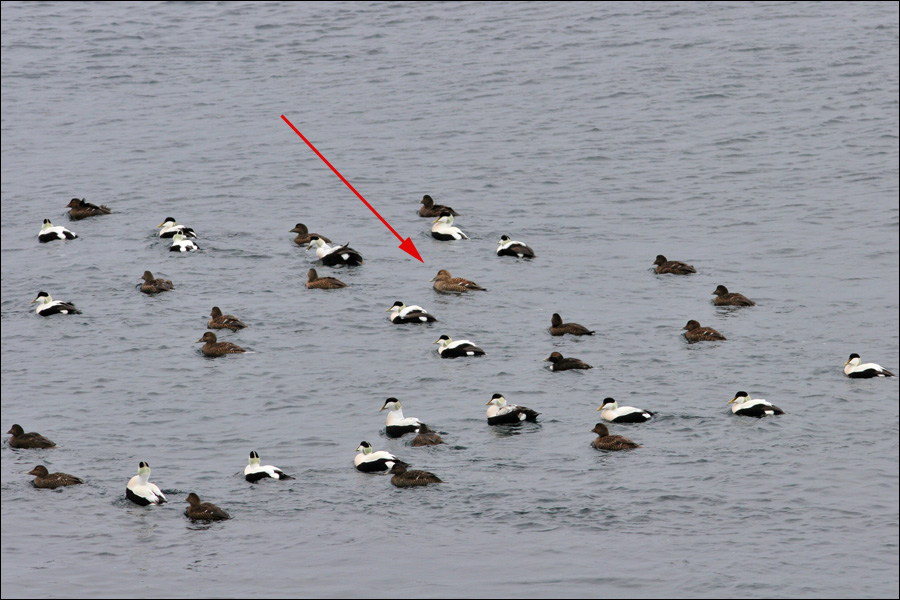 |
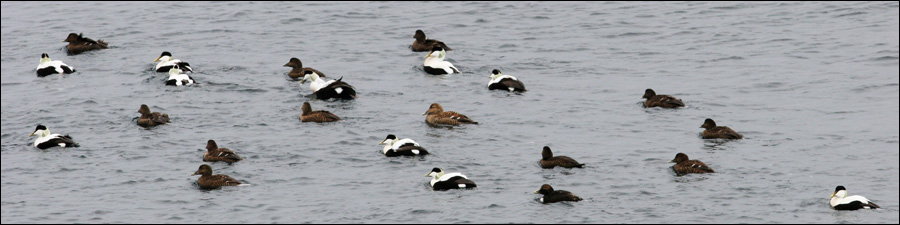
Every year foreign Eiders visit Faroe Islands. The foreign Eiders differs in size, colour and especially head profil as you can see on the photo. The Faroese Eiders are local birds and do not migrate. They belong to the subspecies Somateria mollissima faeroeensis and the population is around 7000 pairs. | 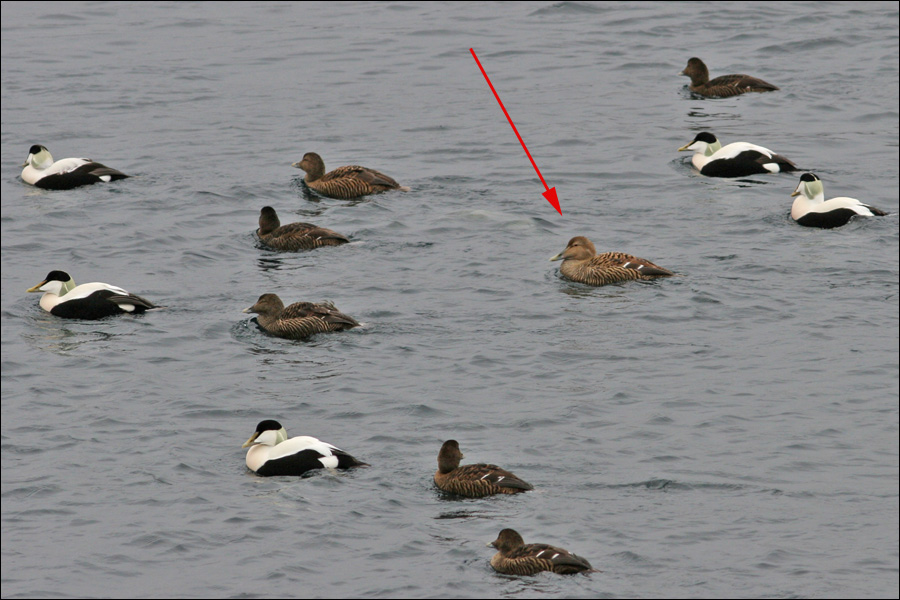 |
||||||||||||||||||
| Little Bunting Emberiza pusilla | ||||||||||||||||||||
|
||||||||||||||||||||
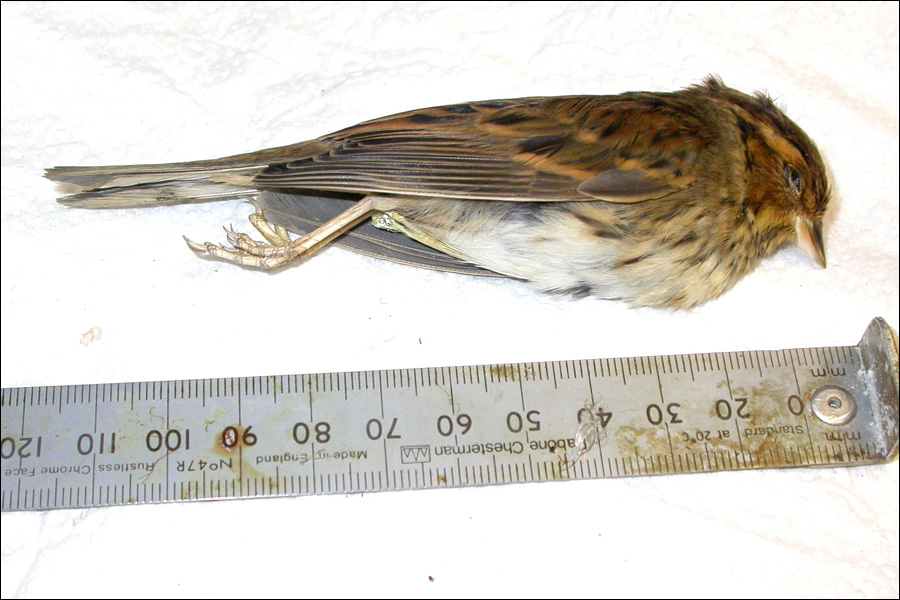
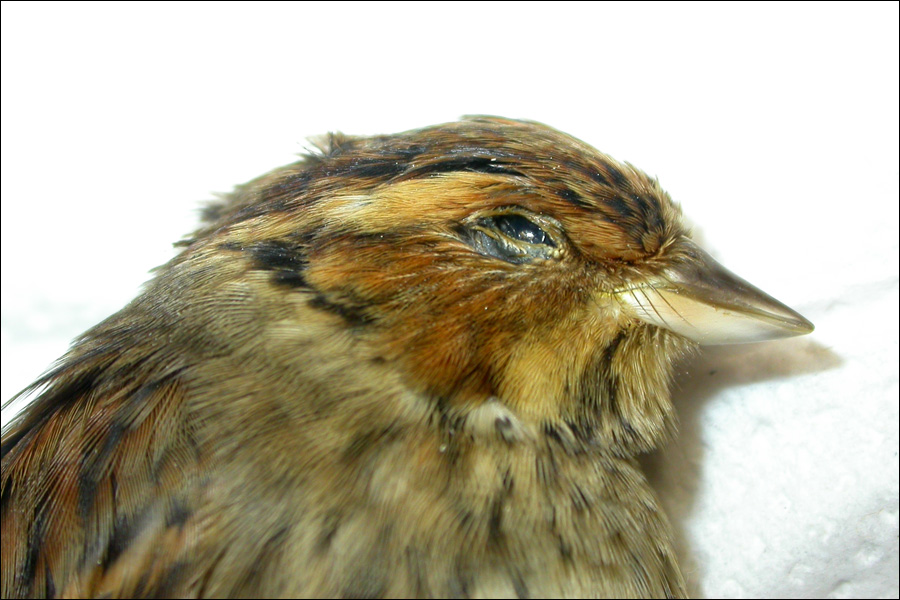
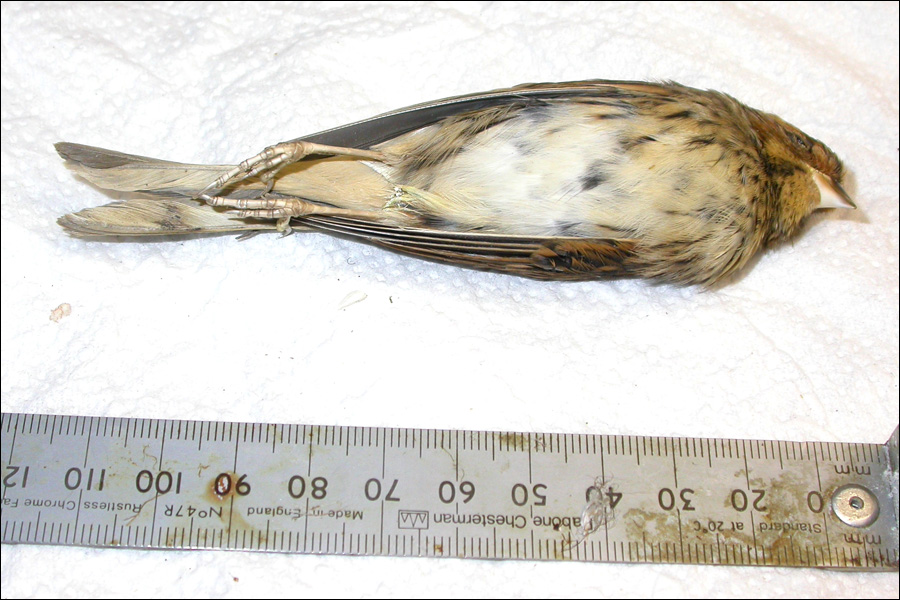
| The first record for Little Bunting was made in the Faroe Islands in March 2010, when this male was sent to me to get stuffed. I will make some further inquires about this bird, since this is the first registrated Little Bunting ever in the Faroe Islands. | ||||||||||||||||||||
| Update: I was told, that the Little Bunting landed on a fishing vessel approximately 10 miles East of Fuglø late in the summer 2006. It was completely exhausted. | ||||||||||||||||||||
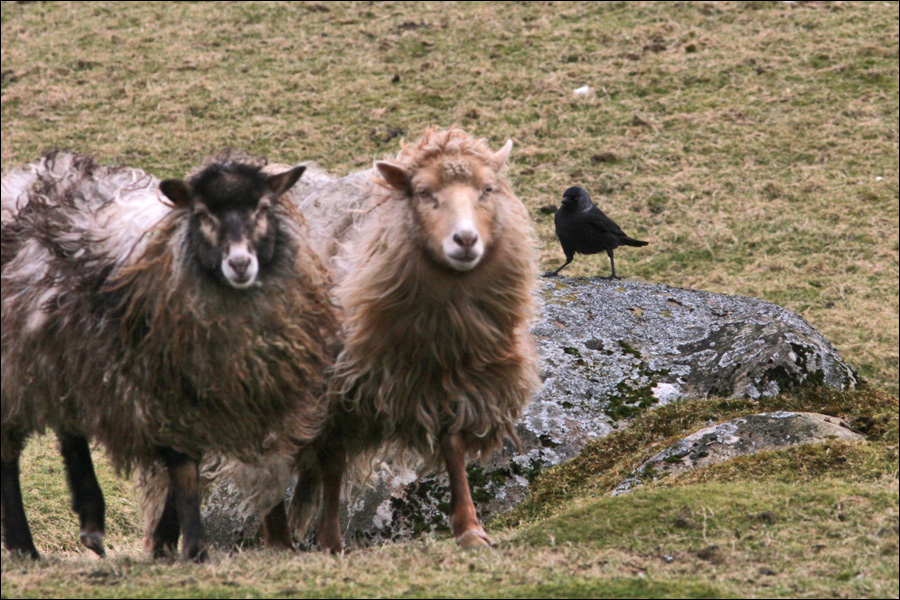
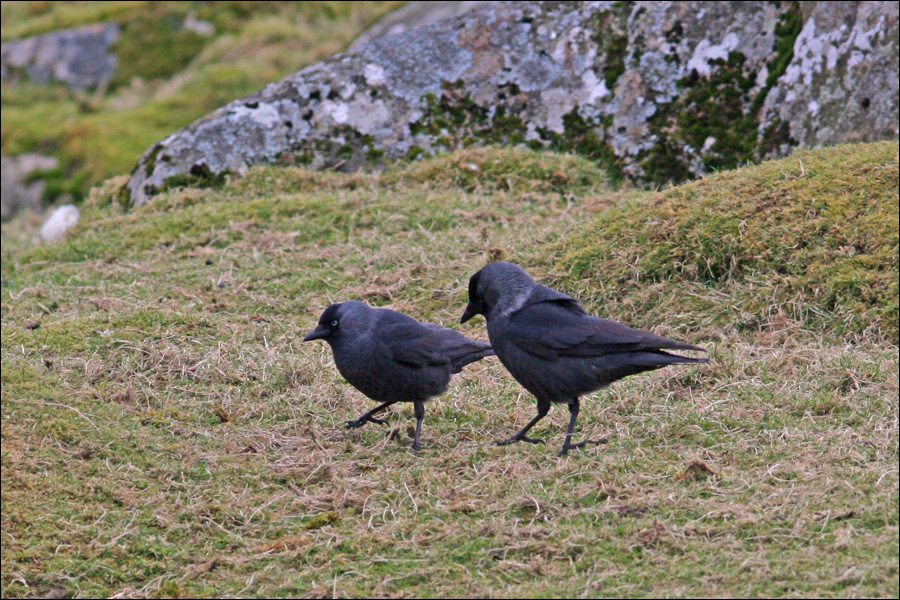
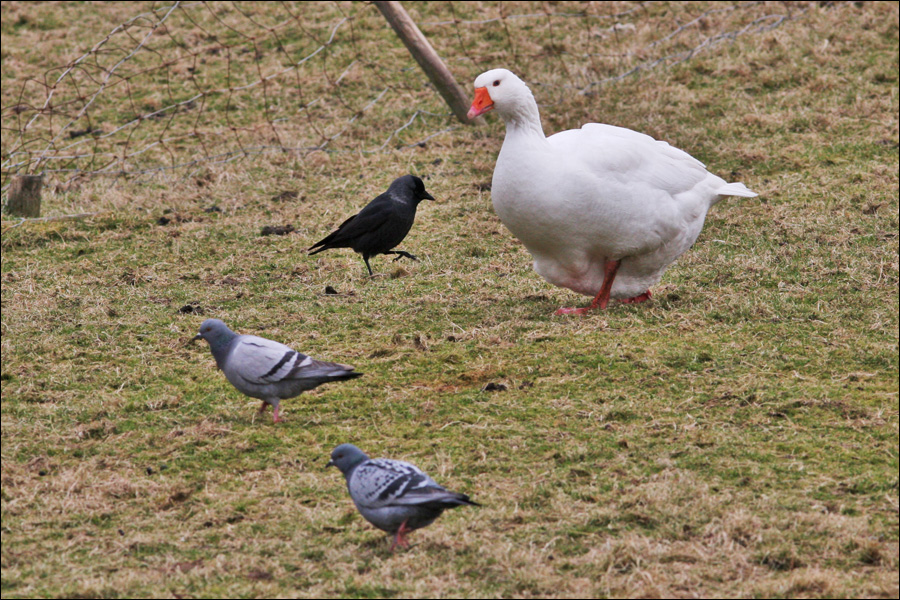
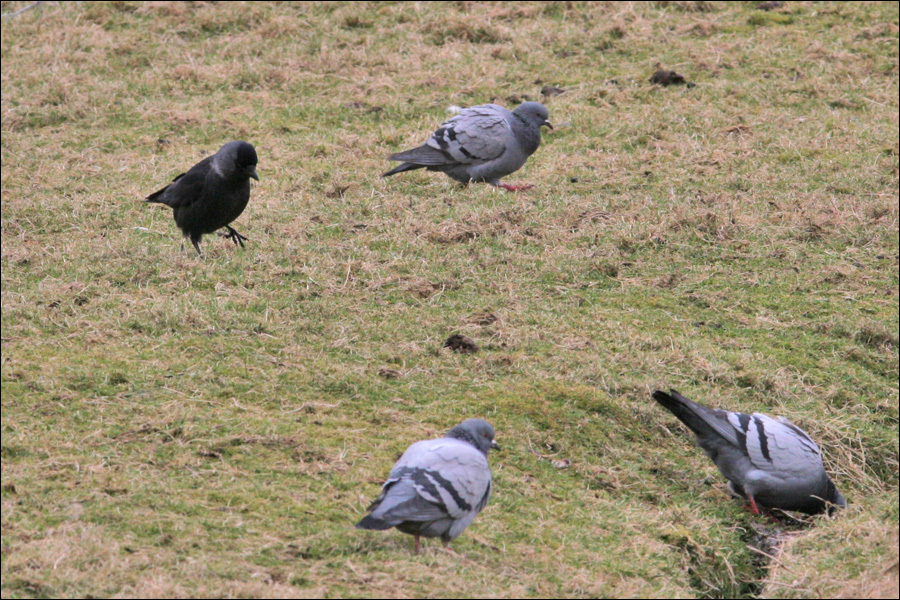
| Jackdaw Corvus monedula | ||||||||||||||||||||
 |
||||||||||||||||||||
    |
||||||||||||||||||||
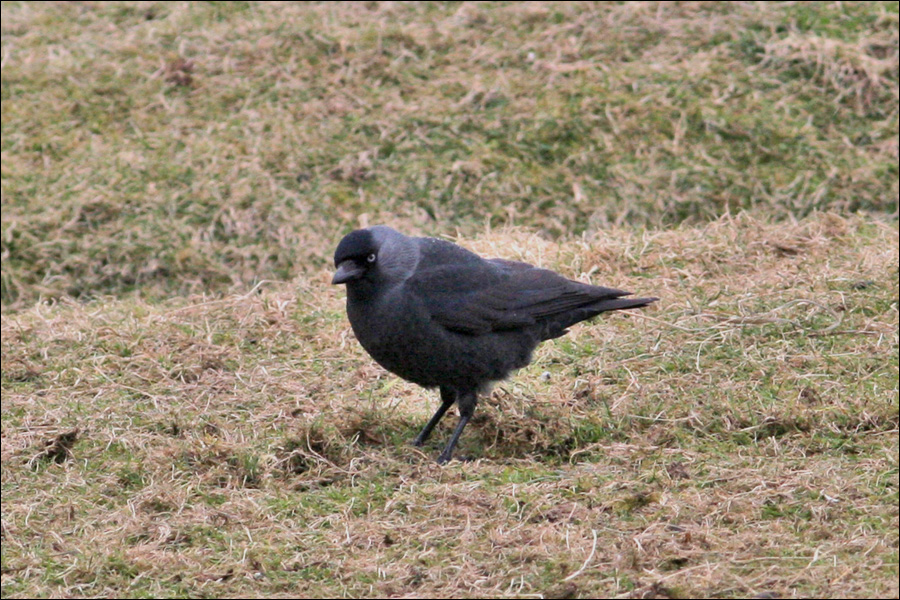
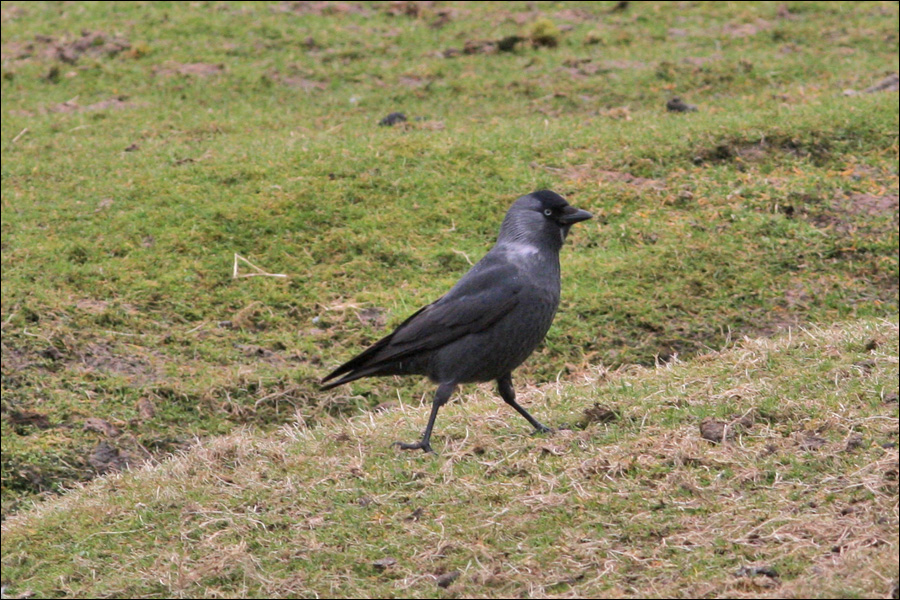
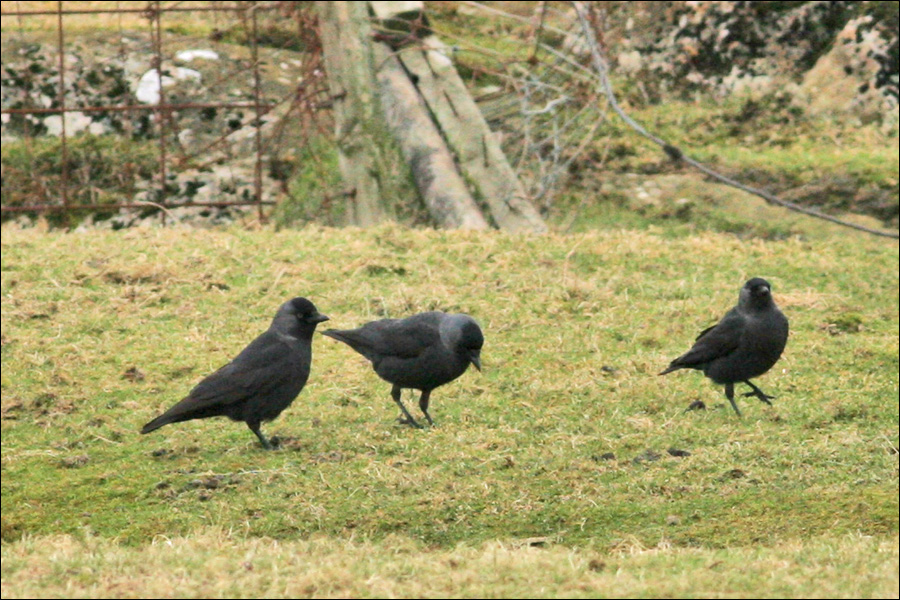
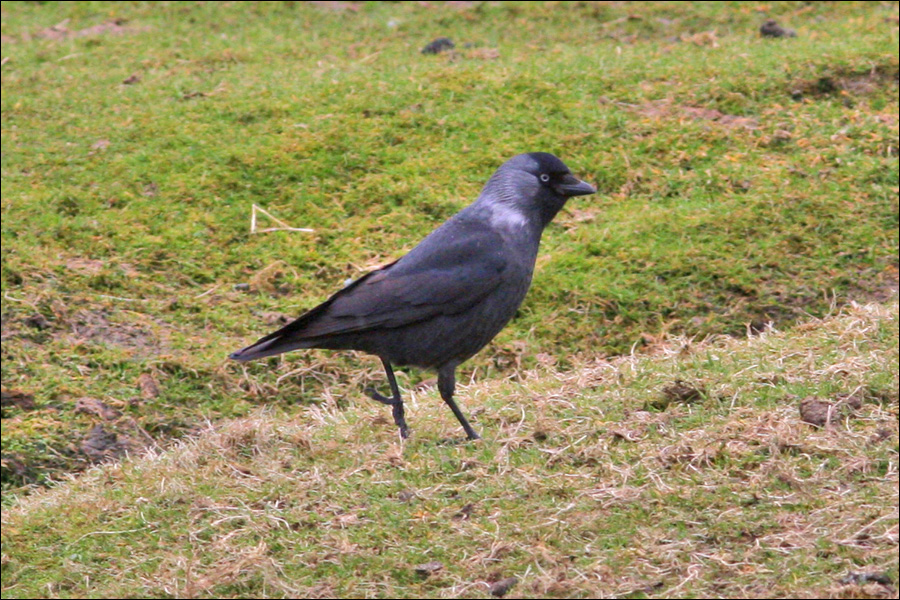
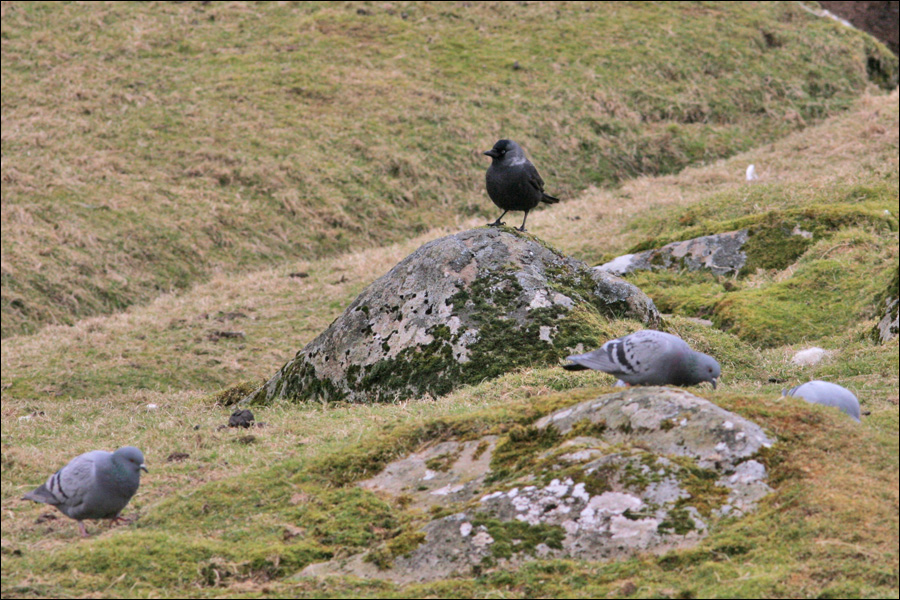
| Jackdaw is a rare guest in the Faroe Islands. According to Eiler Einarsson 9 Jackdaws were observed in Rituvík 07.11.2009 and the day after – 08.11.2009 - 2 Jackdaws were observed in Nólsoy. Since then 11 Jackdaws have been situated in Tórshavn, so it is not unlikely, that they will stay in the Faroes. After all they have already stayed for almost 5 months. 22.03.2010 I saw 6 Jackdaws near the shopping centre SMS in Tórshavn where I managed to shoot these photographs of them. |
||||||||||||||||||||
| Update: 31.05.2010 I saw no Jackdaws, they have all returned home. | ||||||||||||||||||||
    |
||||||||||||||||||||
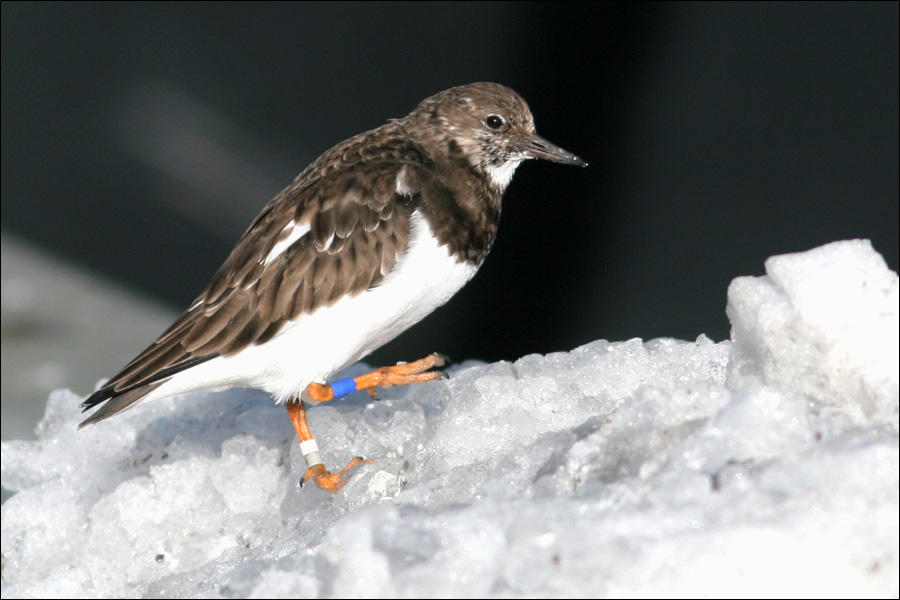
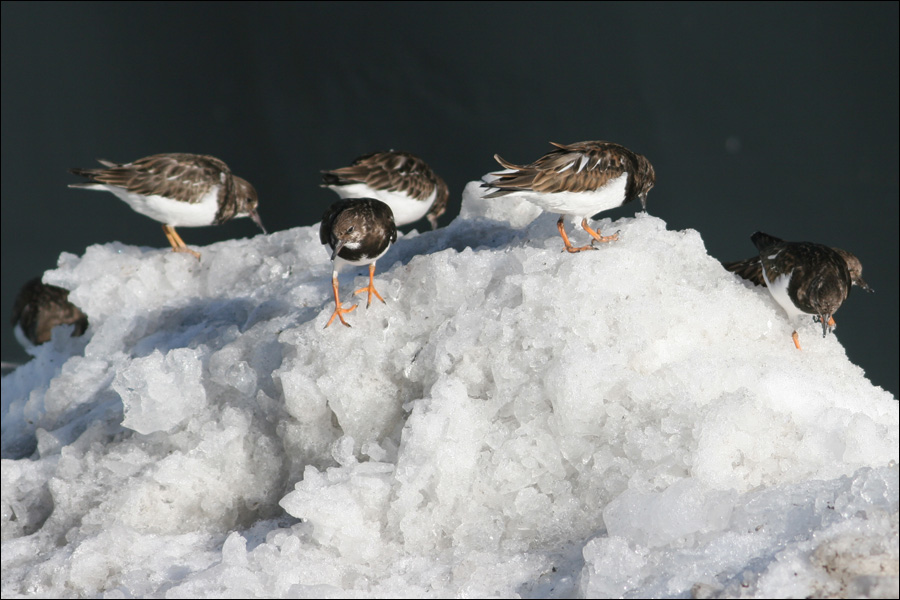
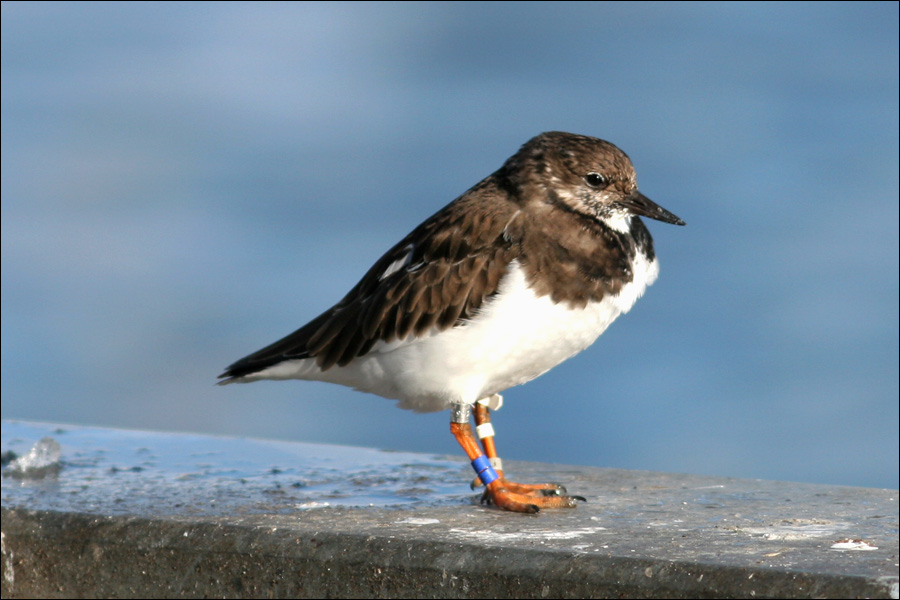
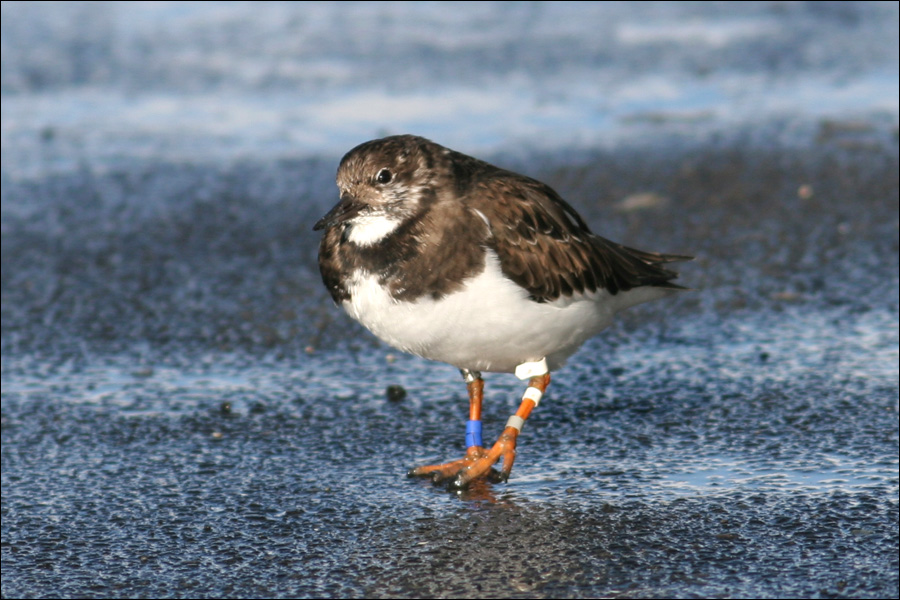
Turnstone Arenaria interpres |
||||||||||||||||||||
  |
||||||||||||||||||||
Turnstone seems to spend the winter in the same place year after year. This old male was ringed by Guy Morrison in Alert on Ellesmere Island in North Canada (82.30N - 62.20W) 1. June 2008. Hans Eli Sivertsen observed the turnstone 28. March 2009 near Bacalao in Tórshavn, and he observed it again this winter in the same place. Jens-Kjeld took these photographs of the turnstone 1. February 2010. |
||||||||||||||||||||
  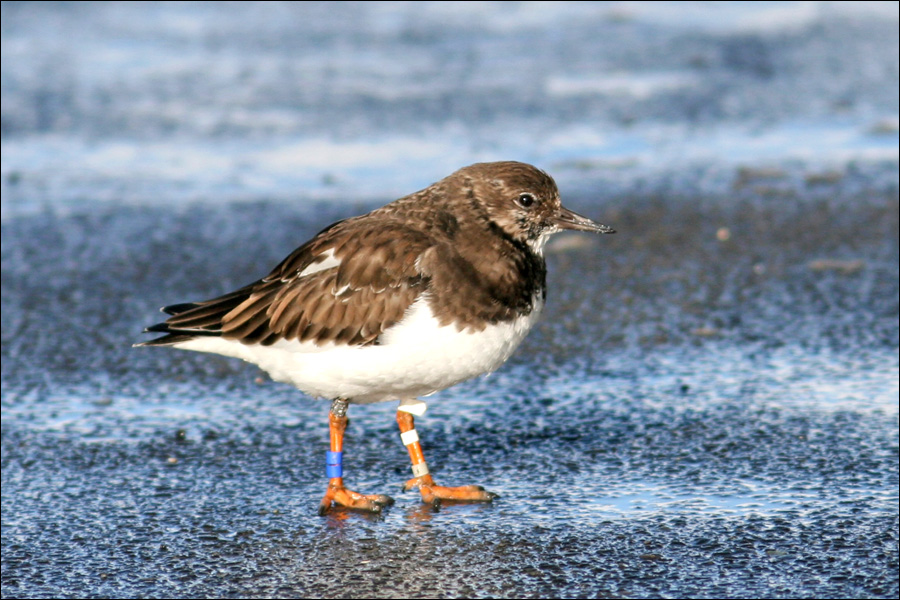 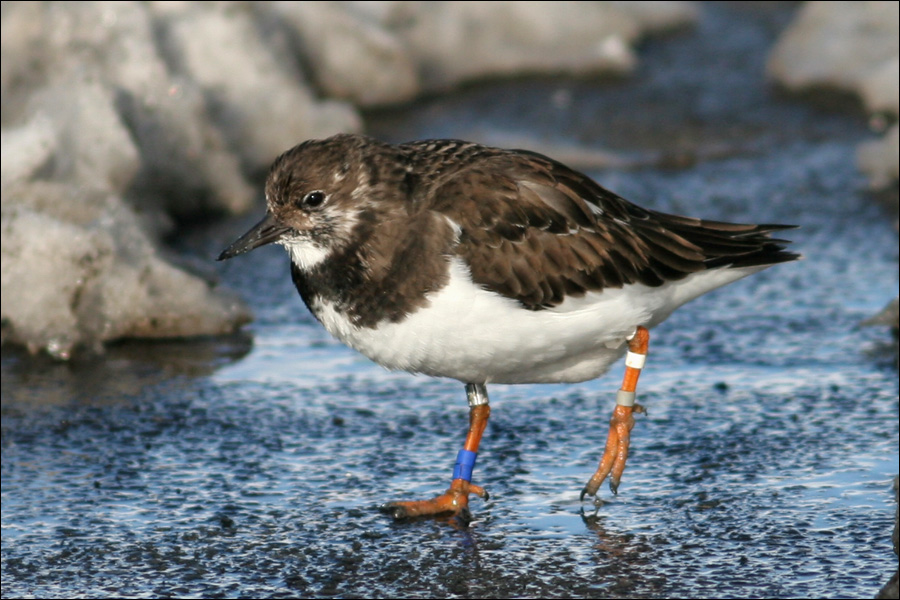 |
||||||||||||||||||||
| Two-Barred Crossbill Loxia leucoptera | ||||||||||||||||||||
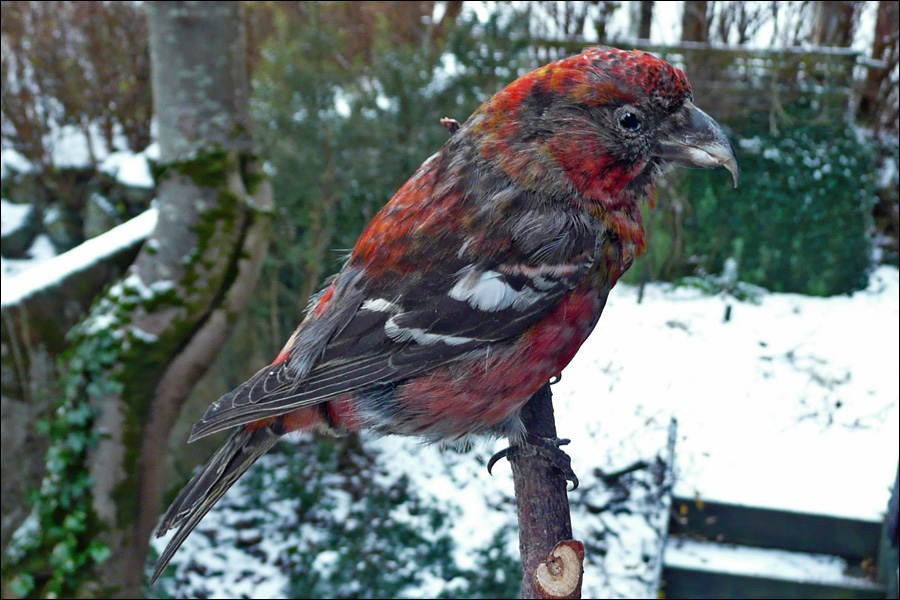 |
||||||||||||||||||||
| Two-Barred Crossbill is a very rare visitor in the Faroe Islands. It is only registered 7 times since 11. August 1898. Number 8, which is this young male that I have stuffed, was found dead in Suðuroy in the summer of 2008. | ||||||||||||||||||||
| Ortolan Bunting Embrezia hortulana | ||||||||||||||||||||
| Esbern í Eyðansstovu took this photograph in Mykines 24. October 2009. The bird was there the day after as well. | ||||||||||||||||||||
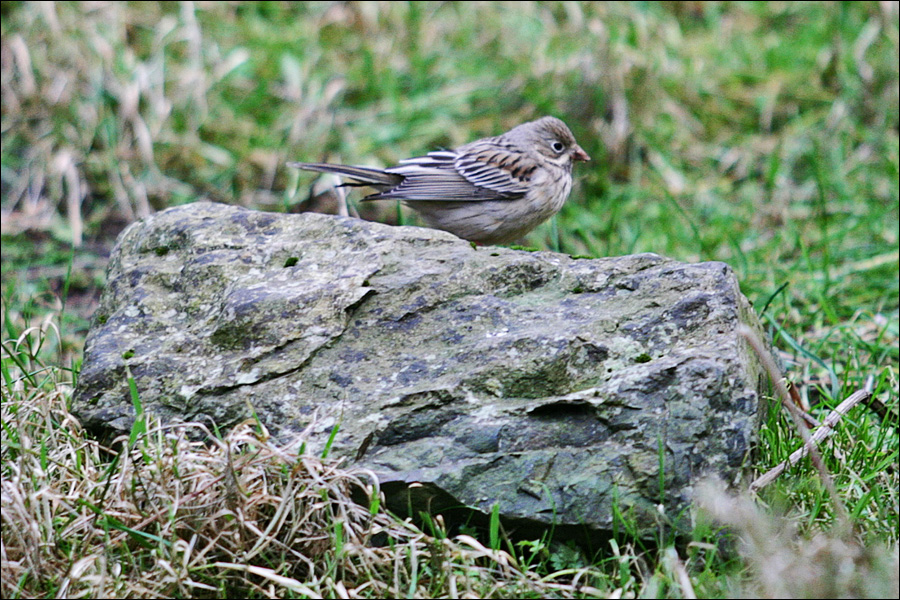 |
||||||||||||||||||||
| Ortolan Bunting is found in Faroe Islands earlier: In 1926 a male was found in Nólsoy | ||||||||||||||||||||
| 3. - 5. November 1945 another male was observed in Nólsoy | ||||||||||||||||||||
| 2. May 1947 a third male was observed in Nólsoy | ||||||||||||||||||||
Red-Flanked Bluetail Tarsiger cyanurus |
||||||||||||||||||||
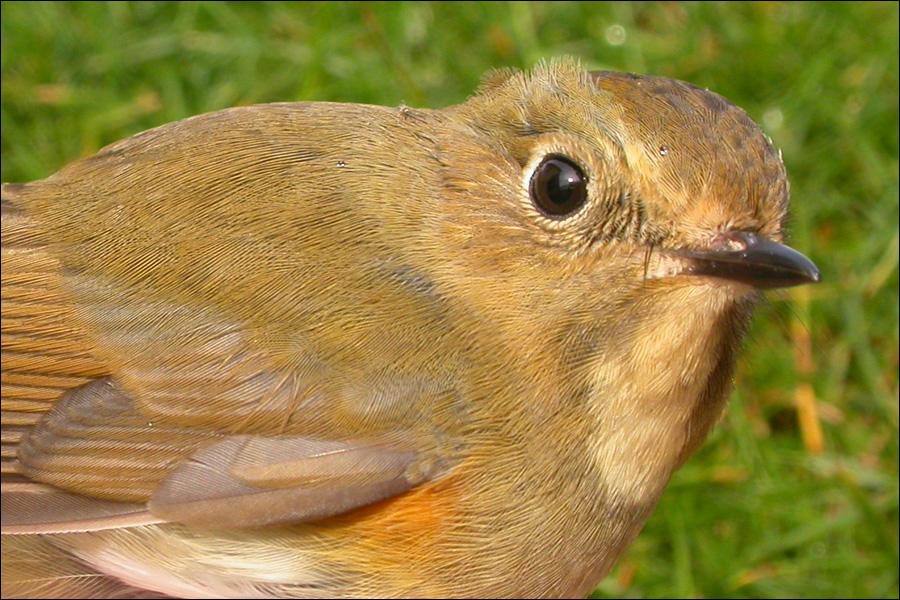 |
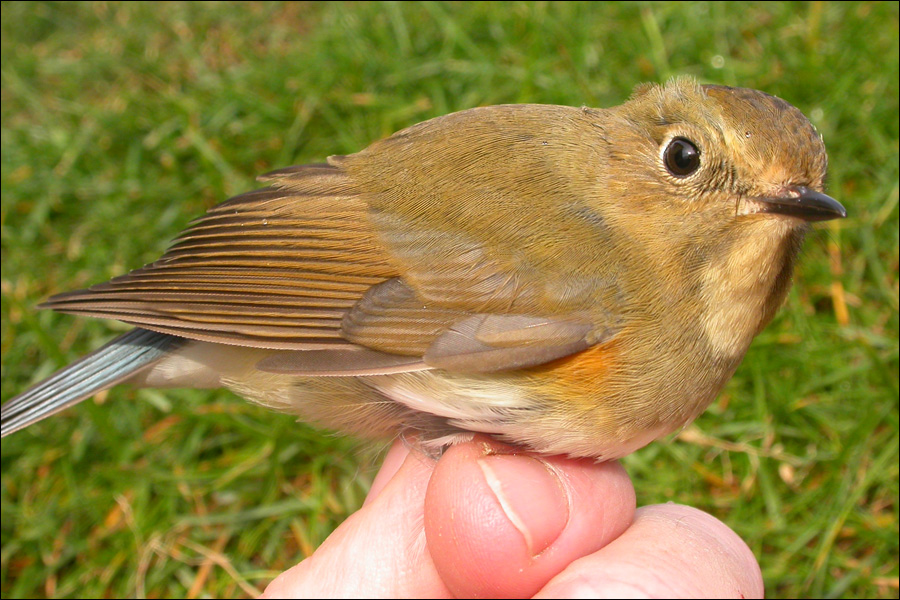
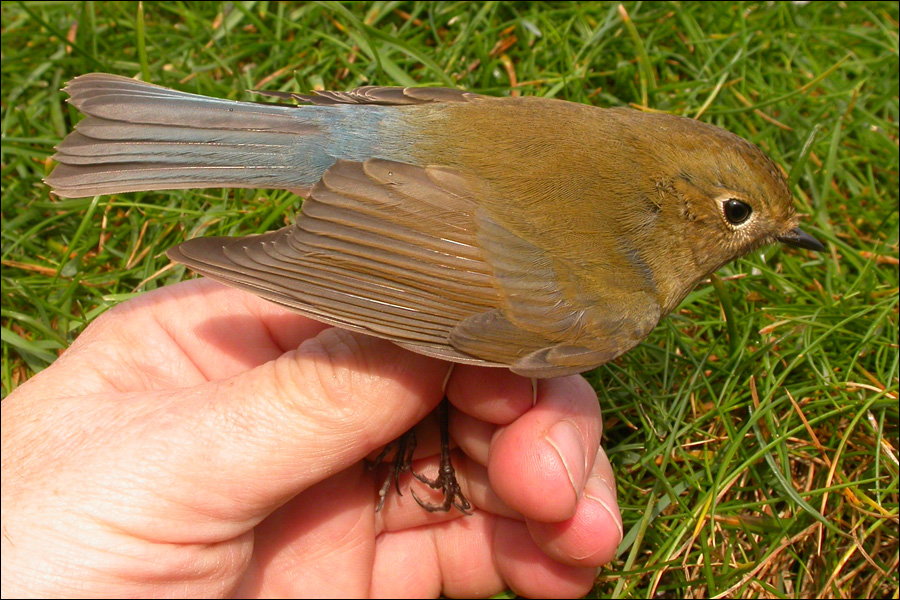
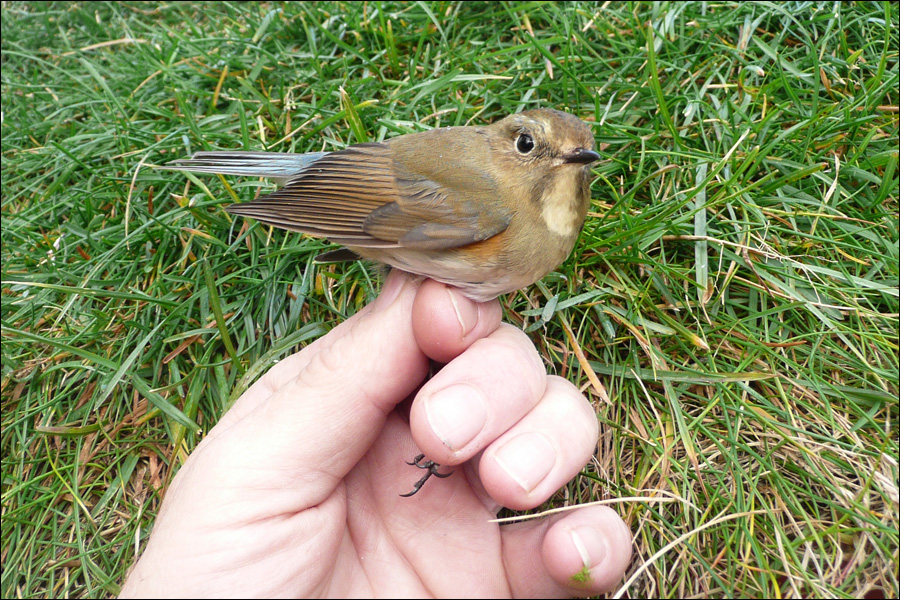
This Red-Flanked Bluetail was caught in the Heligoland-trap on Nólsoy 06.10.2009. This specie is the first recovery for Faroe Islands and it is likely, that this rare guest comes from Russia. |
 |
||||||||||||||||||
  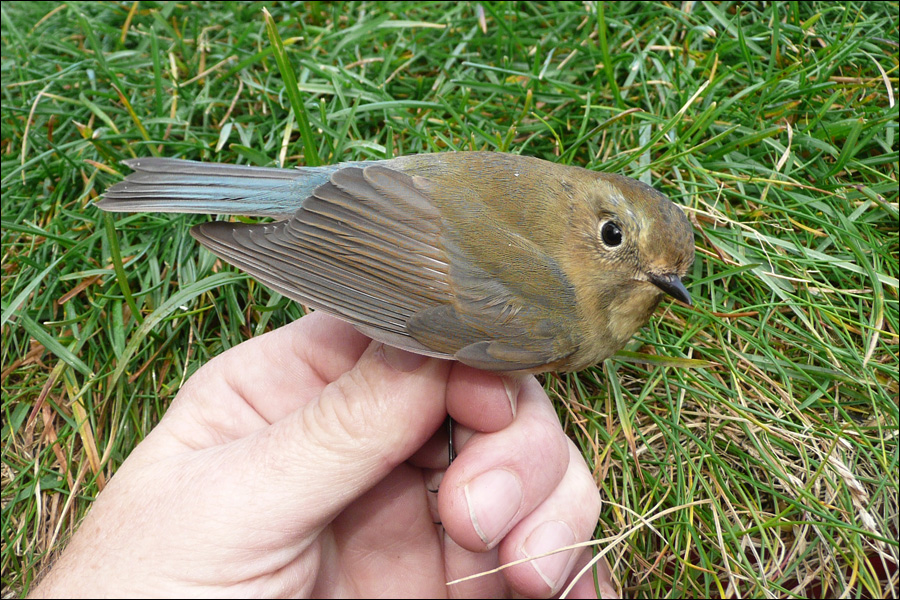 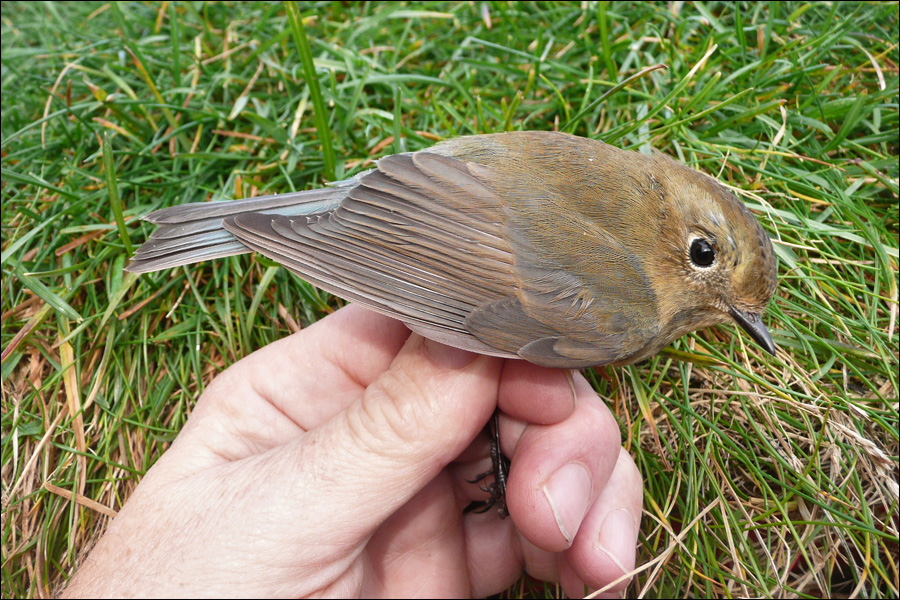 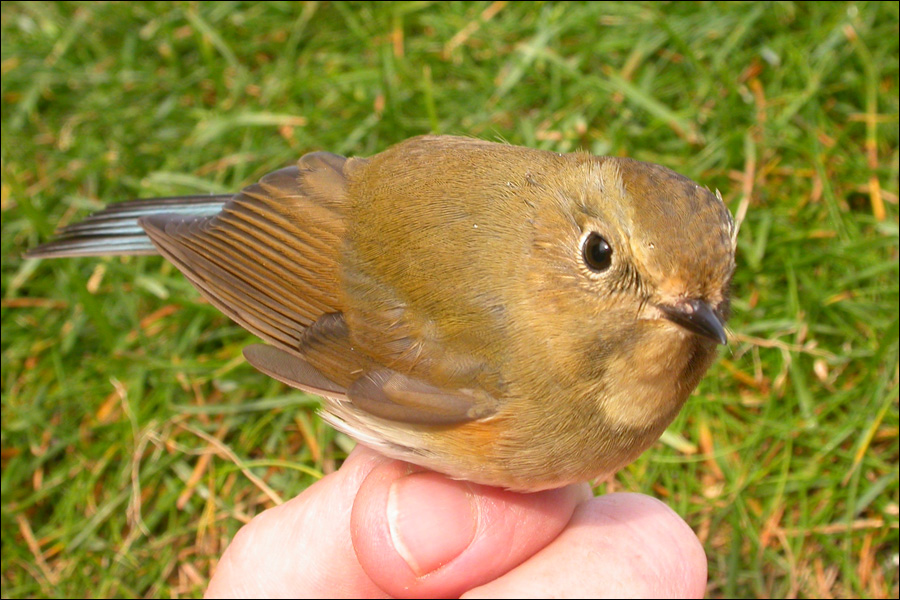 |
||||||||||||||||||||
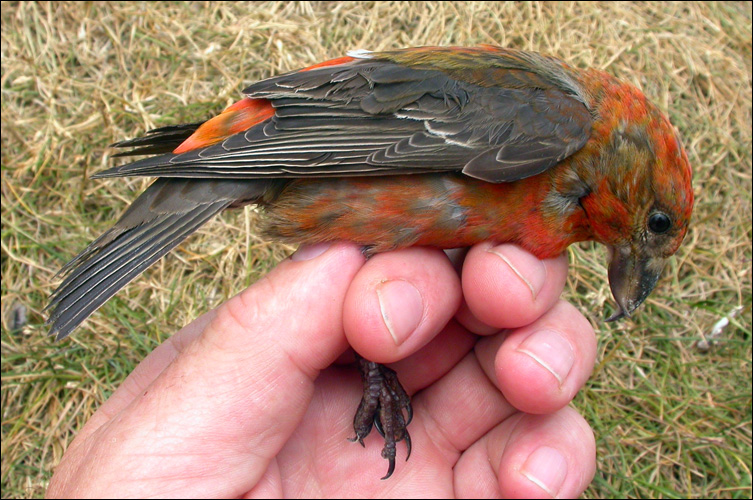
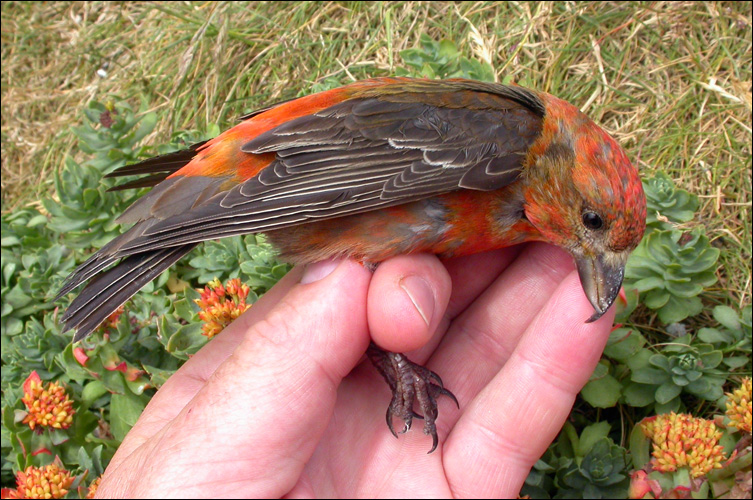
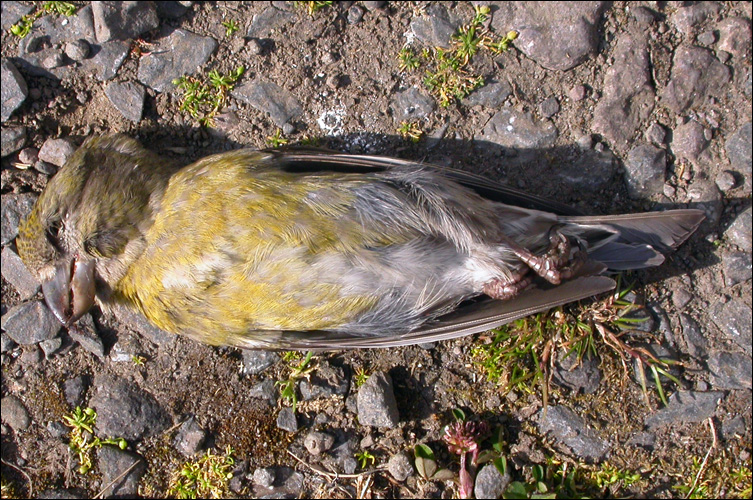
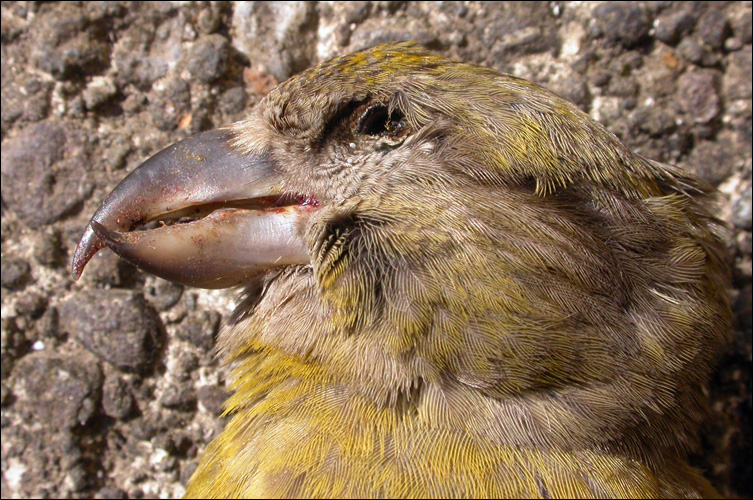
Crossbill Loxia curvirostra |
||||||||||||||||||||
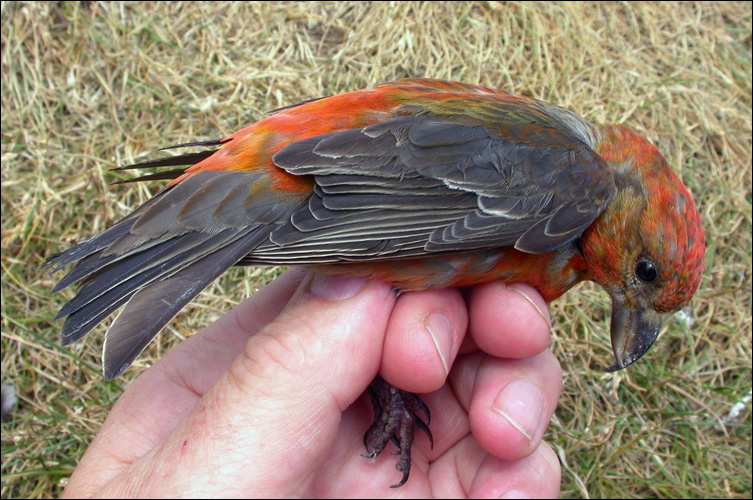     |
||||||||||||||||||||
| 28. June 2009 Turið Vestergaard observed 6-8 Crossbills in Trangisvági, Suðuroy, and since then observations have come in from all over Faroe Islands | ||||||||||||||||||||
The Crossbills come from Scandinavis, mainly because of lack of spruce cone seed in their homeland. They then migrate, hoping to find plenty of spruce cone seed in for example Faroe Islands. |
||||||||||||||||||||
Until now several Crossbills are found dead. The photographed yellow female was caught by a cat in Nólsoy today 02. July 2009. Today Agneta Jacobsen simultaneously caught 3 Crossbills in the kindergarden in Nólsoy, whereof the red photographed male above is one of them. |
||||||||||||||||||||
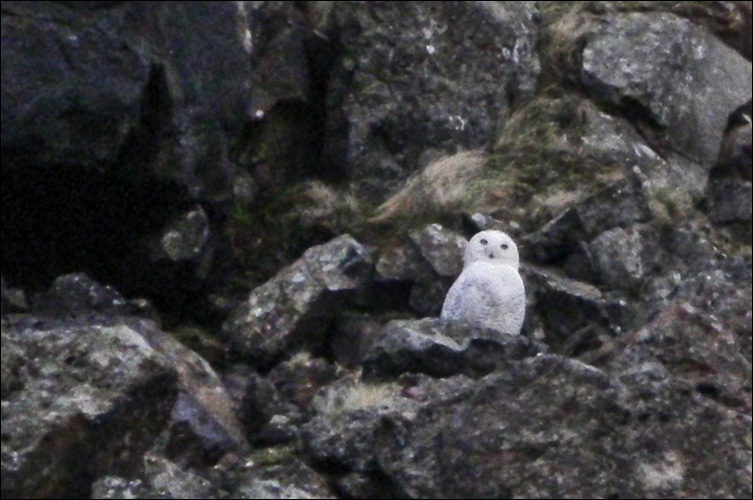
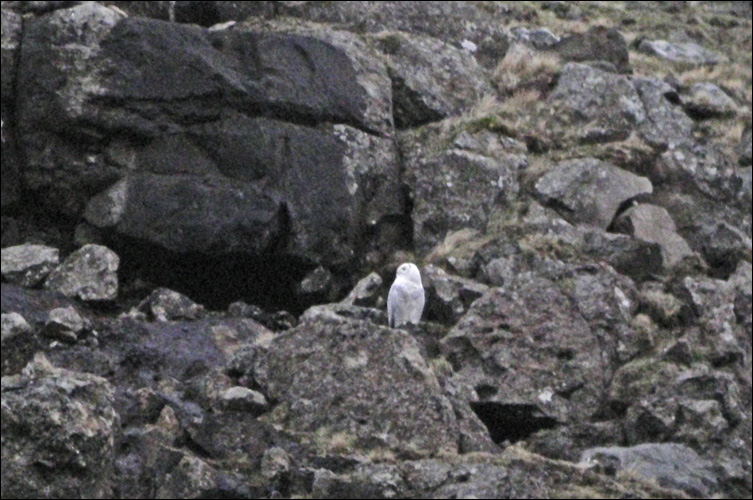
Snowy owl Bubo scandiaca (Nyctea scandiaca) |
||||||||||||||||||||
  |
||||||||||||||||||||
Símun Petersen was lucky to get theese photographs of a Snowy owl 27. April 2009 in "Gilinum á Høgaryggi", situated between Múlahaga and Krossdal on Borðoy. This is the 4 registrated observation of Snowy owl in the Faroe Islands since 1955. The 3 other observations are: |
||||||||||||||||||||
There is no real system in the visits of Snowy owl in the Faroe Islands and it has never been registrated systematically. |
||||||||||||||||||||
Subalpine Warbler Sylvia cantillans (Pallas, 1764) |
||||||||||||||||||||
|
||||||||||||||||||||
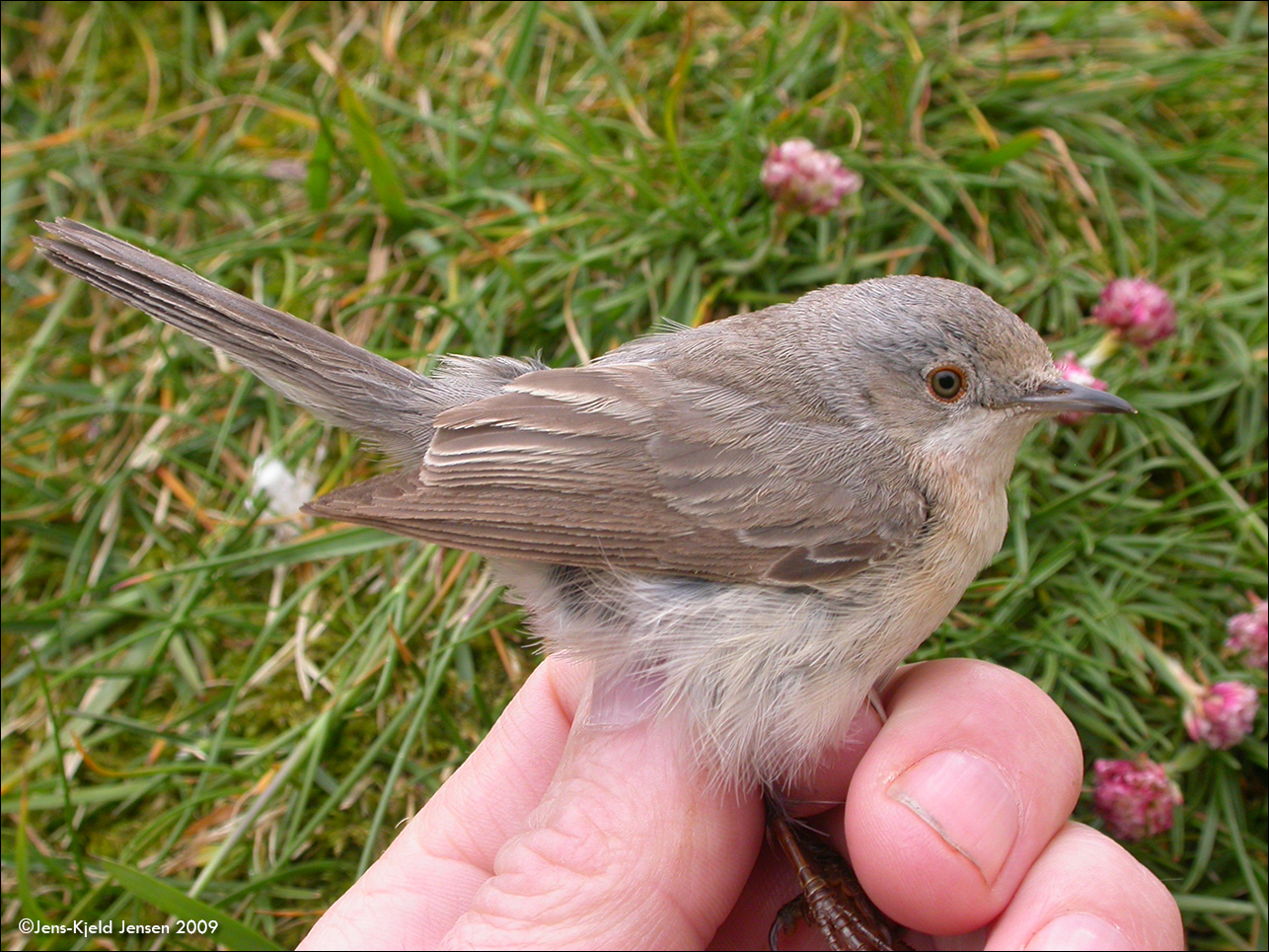
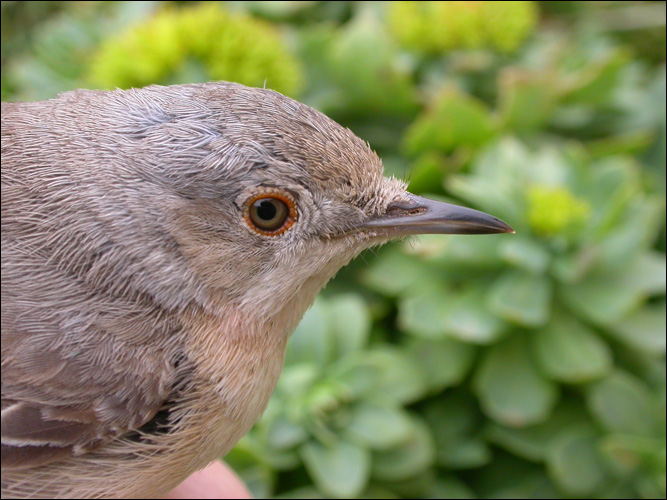
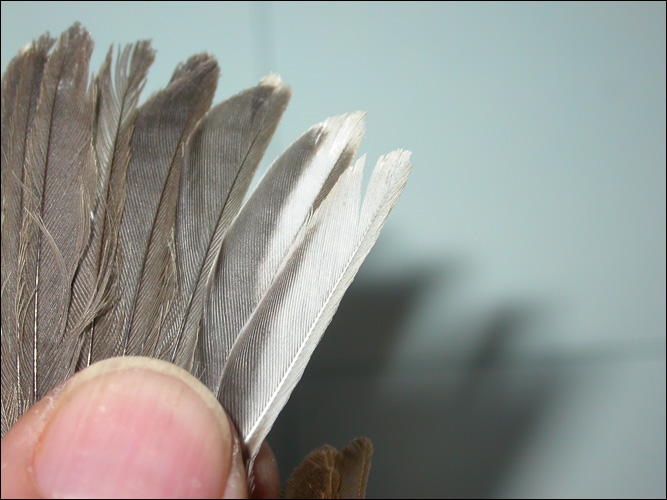
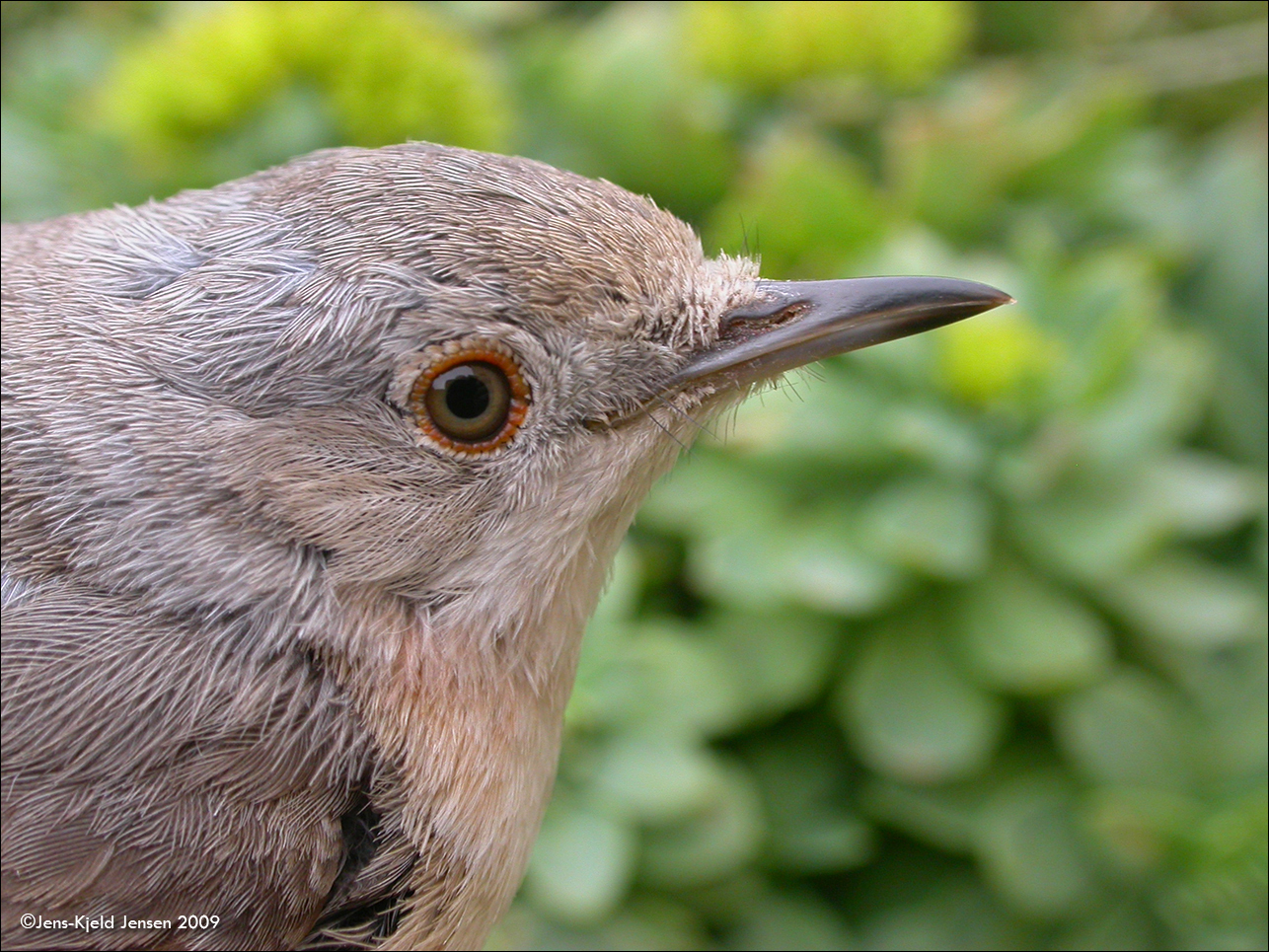
This Subalpine warbler female was ringed in Nólsoy 21. May 2009. This is the second recovery of this bird in the Faroe Islands. The first male was spotted and photographed by Hans Eli Sivertsen in the village of Mykines Friday 15. May 2009. |
||||||||||||||||||||
| Since 08. May 2009 five new bird species are observed in the Faroe Islands: Aythya affinis, Hirundo daurica, Milvus migrans, Milvus milvus og Sylvia cantillans. They are not approved by the Danish Rarity Commitee SU yet. | ||||||||||||||||||||
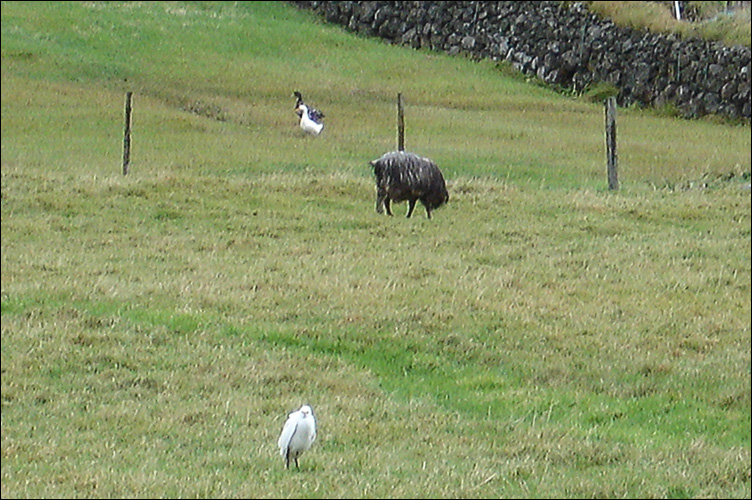
Cattle Egret Ardeola ibis |
||||||||||||||||||||
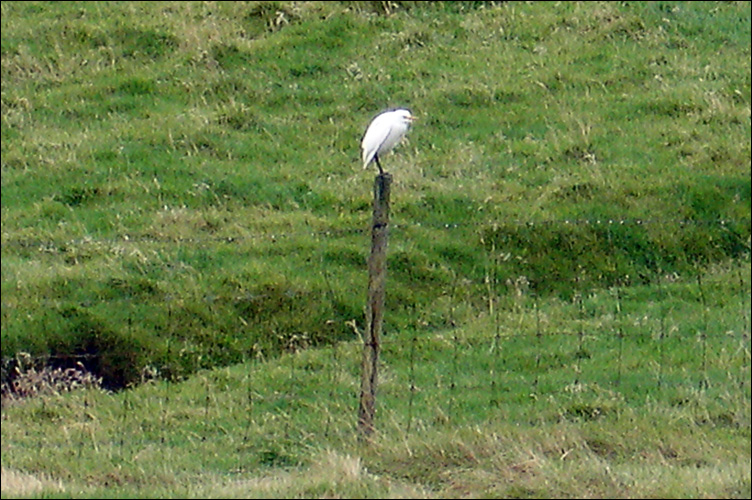 |
The first Cattle Egret visiting Faroes was observed 28. September 2008 in Dalinum, Viðoy. The lucky observer was Tummas Thomasen. He told Olevinus Sørensen, Viðareiði about the Egret, and the day after - around noon, he observed the bird at the same location. In the evening the Egret flew to Viðareiði, where it was seen by Tóri Simonsen and others. 30. September Tóri Simonsen took these two photographs among others. |
 |
||||||||||||||||||
| Jens-Kjeld sent the information to FaroeNature, and since then, several have been on the location to see the rare guest. | ||||||||||||||||||||
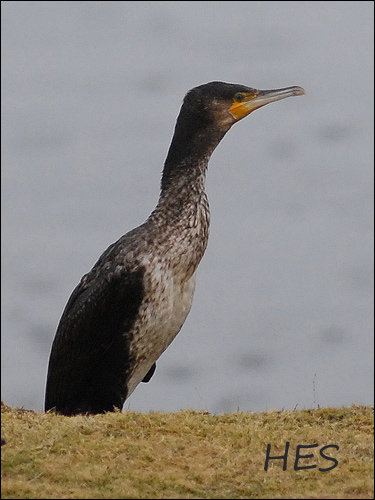
Continental Comorant Phalacrocorax carbo simensis |
||||||||||||||||||||
25. March Karl Thomsen spotted this Continental Comorant on the location Drotningarsteinur, Skálafjørður, Eysturoy. 29. March Hans Eli Sivertsen shot this excellent photograph of the bird. This is the first observation of Continental Comorant in Faroe Islands. |
 |
|||||||||||||||||||
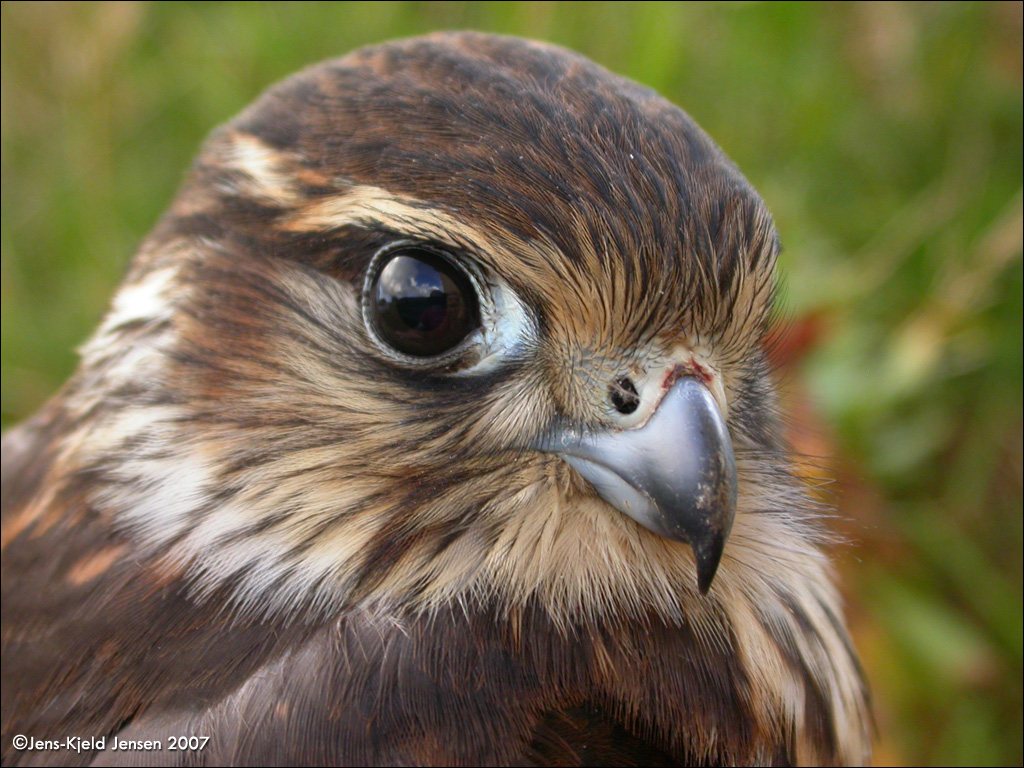
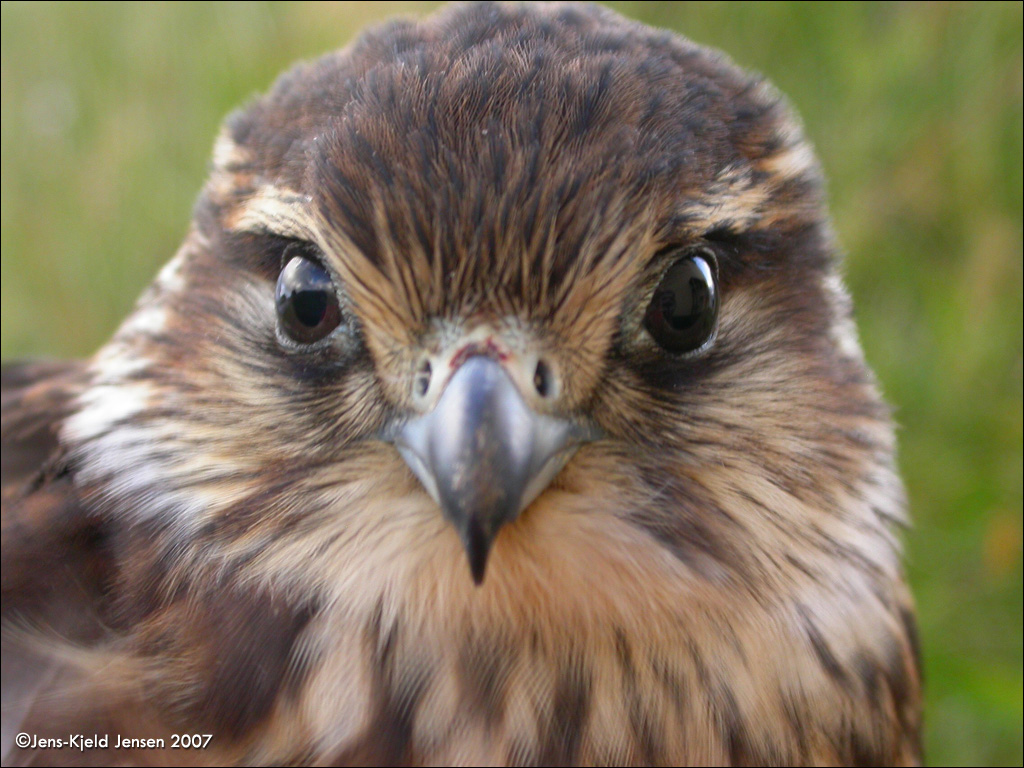
Merlin Falco columbarius on visit Sep. 2007 |
||||||||||||||||||||
|
The Faroese and Icelandic Merlin belong to the subspecie F. c. subaesalon. They are bigger are darker then the other Merlins. |
|
||||||||||||||||||
| Faroe Islands host 25 breeding pairs of Merlins, but we have regular visits from the Icelandis stock, when they migrate in the spring and autumn. | ||||||||||||||||||||
| Young female | Young female | |||||||||||||||||||
View
the list of rare birds seen in the Faroe Islands in 2005 and 2006  |
||||||||||||||||||||
| List of rare birds seen in Faroe Islands until May 2003 |
||||||||||||||||||||
| Rare duck seen in Sandágerði, Tórshavn | ||||||||||||||||||||
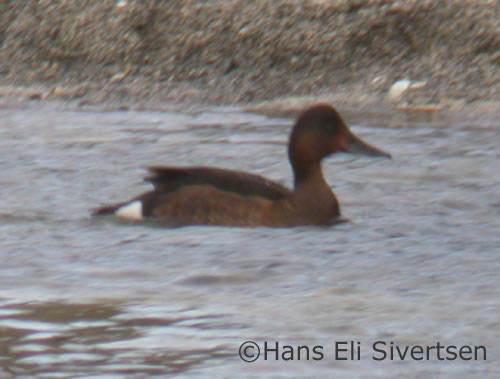 |
11. May 2005 Hans Eli Sivertsen observed a female Ferruginous Duck in Sandágerði, Tórshavn. Now we are in the end of May, it is still here. This is the first observation of Ferruginous Duck in the Faroe Islands. | 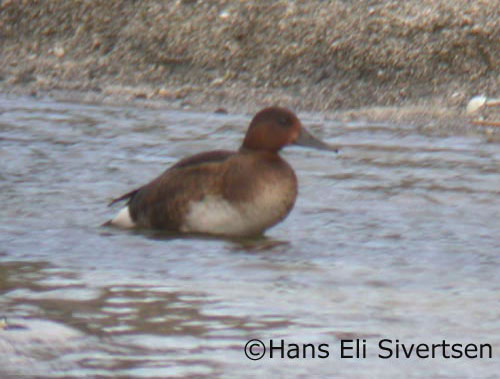 |
||||||||||||||||||
| Little Gull Larus minutes seen again on Nólsoy | ||||||||||||||||||||
| This Little Gull was photographed on Nólsoy 24. May, while he was flying around with the Kittiwakes. This is the 11'th Little Gull observed in the Faroes | 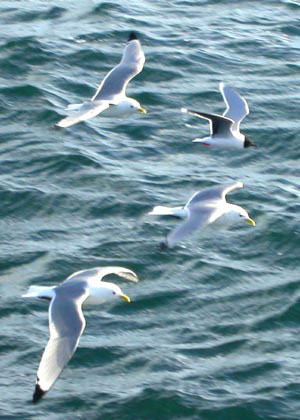 |
|||||||||||||||||||
| The Little Gull was spotted in Nólsoy 10. April 2004, while he was flying around together with other common gulls. Little Gull is only observed 9 times before in Faroe Islands. | 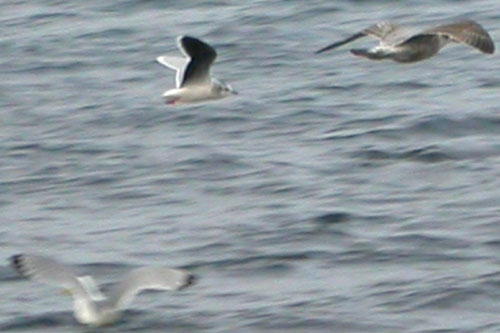 |
|||||||||||||||||||
| Rare ringed-bill gull seen in Sandágerði, Tórshavn and in Vágar | ||||||||||||||||||||
| Late in March 2005 Hans Eli
Sivertsen observed a 2y Ring-billed Gull in Sandágerði, Tórshavn.
The Gull has been observed regularly since then. In May 2005 similarly at least two 2y Ring-billed Gulls has been observed in Miðvági. One of them has stayed the whole summer in Vatnsoyrum. Ring-billed Gull is only observed two times earlier in the Faroe Islands, and in both cases it was 2y birds. |
|
|||||||||||||||||||
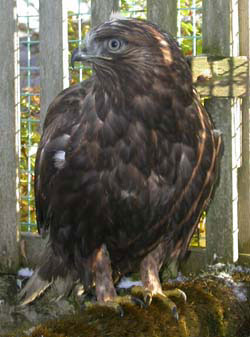
| Rough-legged Hawk in the Faroes | ||||||||||||||||||||
 |
||||||||||||||||||||
| Read the article |
||||||||||||||||||||
| Read the PDF article from Birding World |
||||||||||||||||||||
| Read the PDF article from Birding World: Are dark morph Rough-legged Hawks overlooked in Europe? |
||||||||||||||||||||
| This Little Bittern Ixobrychus minutus, also found the way to the Faroe Islands.. | 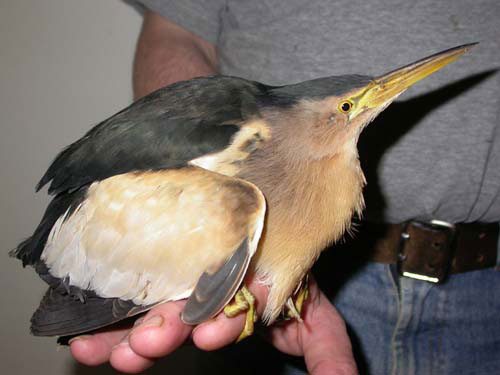 |
|||||||||||||||||||
|
||||||||||||||||||||