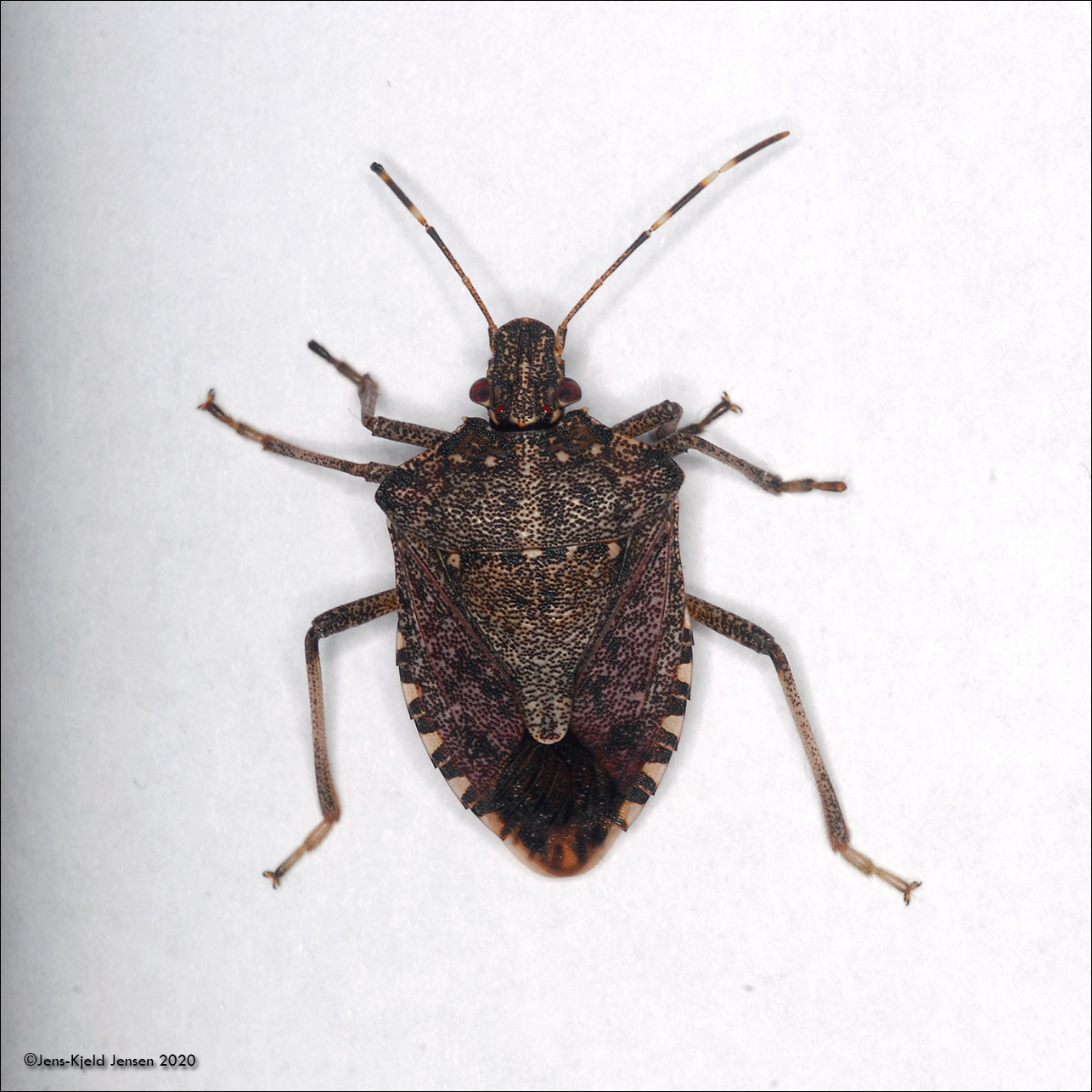
|
||||||||||||||||||||||||||||
|
||||||||||||||||||||||||||||
| Puffin thick Ixodes uriae | ||||||||||||||||||||||||||||
|
||||||||||||||||||||||||||||
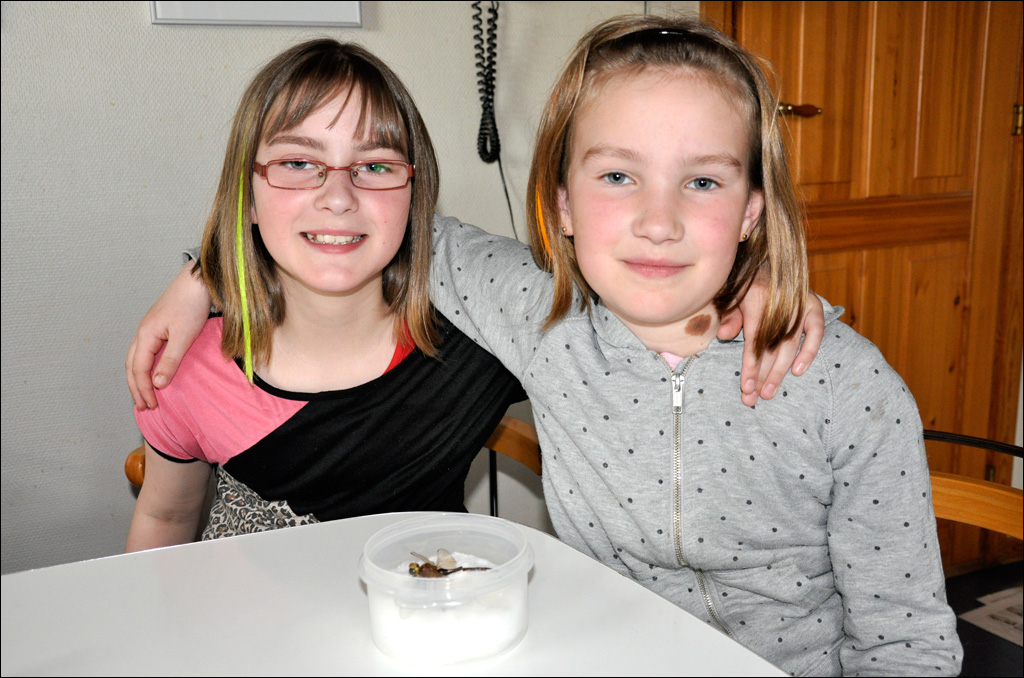
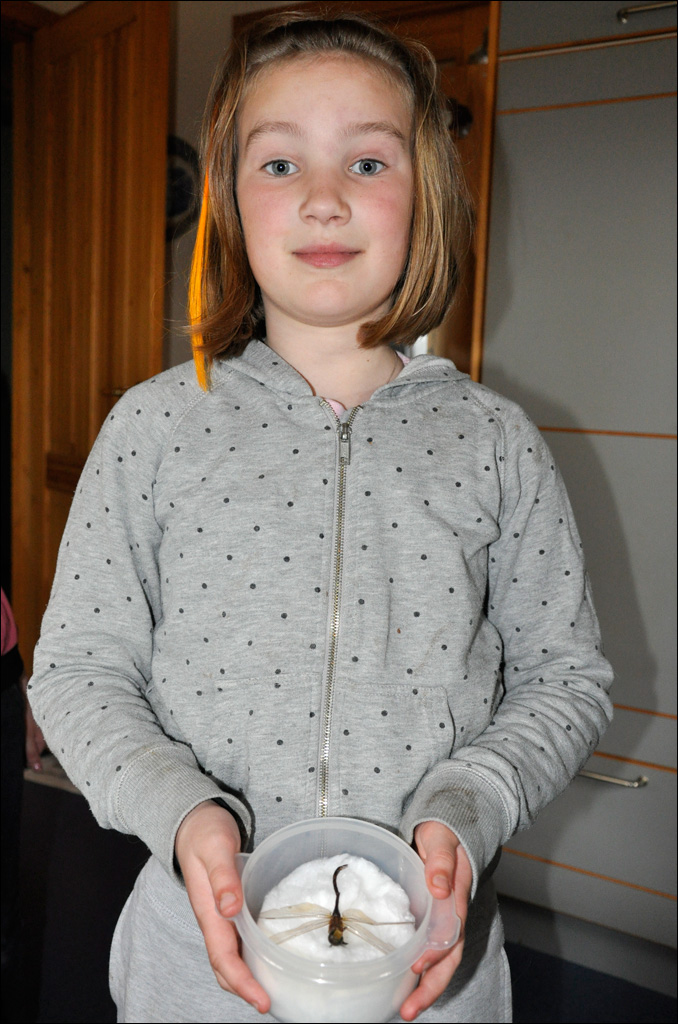
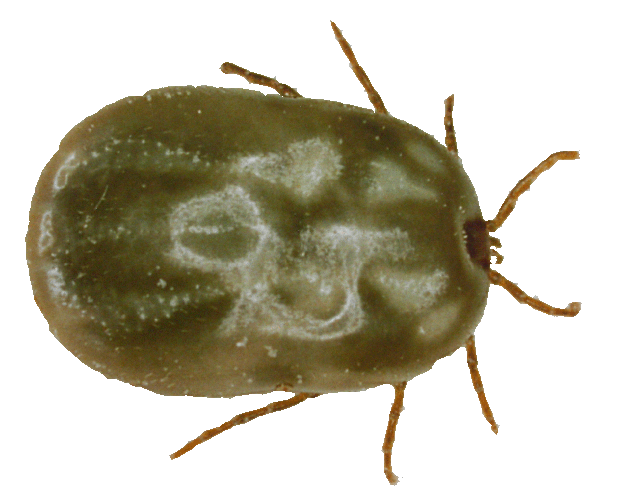
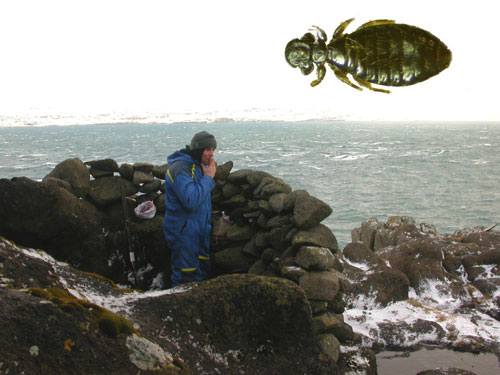
The day before yesterday – 27.06.2024, Jens-Kjeld made a search for Puffin thicks (Ixodes uriae) for a new DNA project and 24 hours later he had 2 snuff boxes with a total of 134 thicks from Puffins, which Samson R. Samson had collected. It must be a record and an extraordinarily good example of how important a good network is and how effective Citizen science is. |
||||||||||||||||||||||||||||
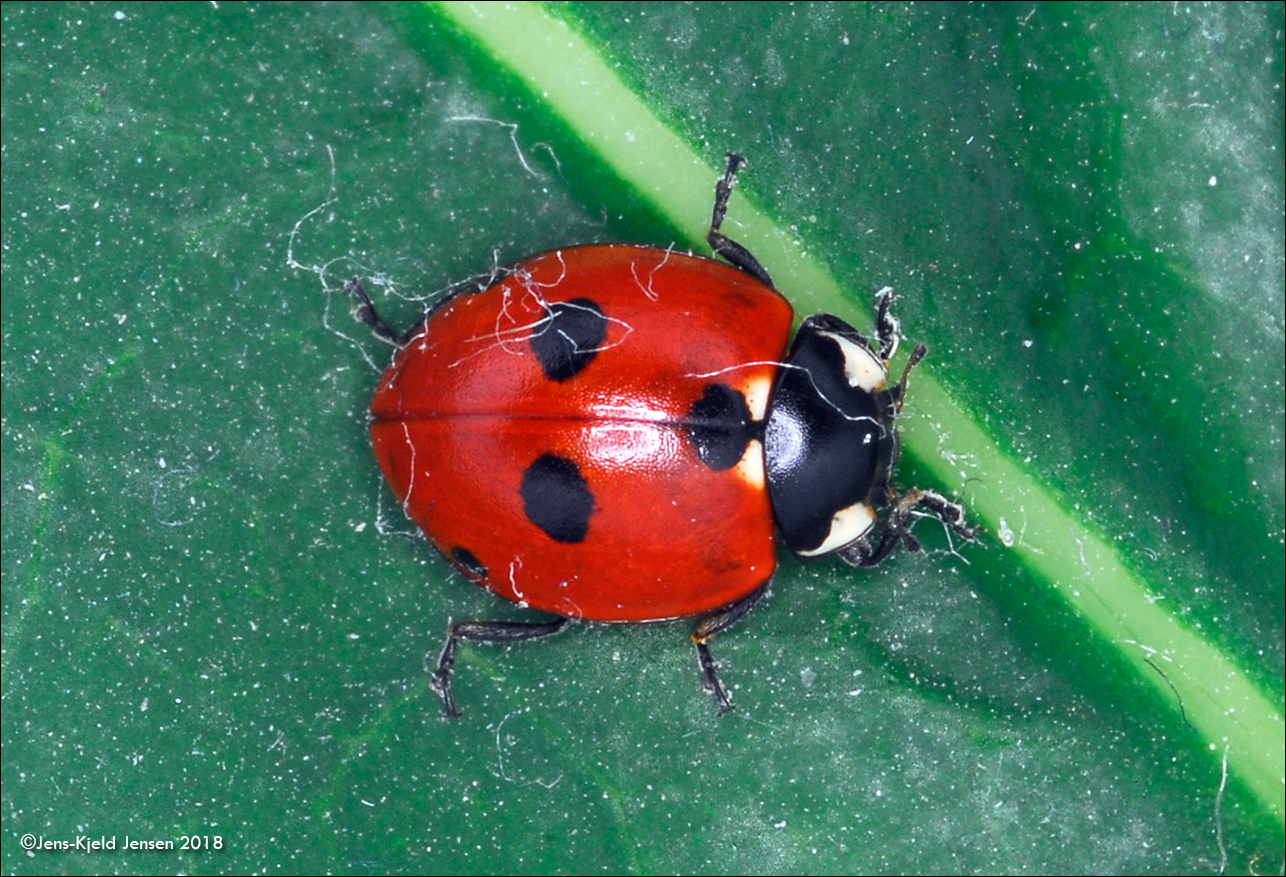
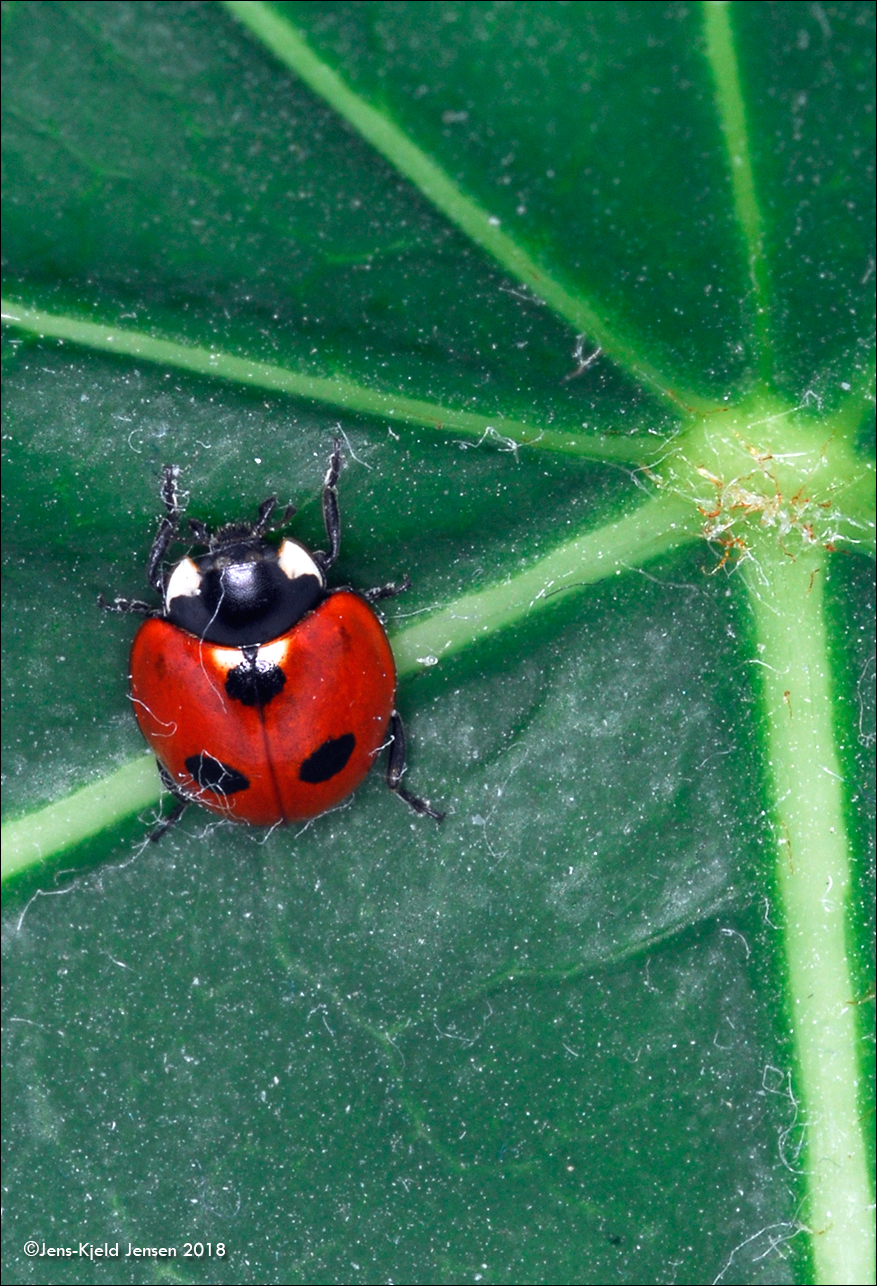
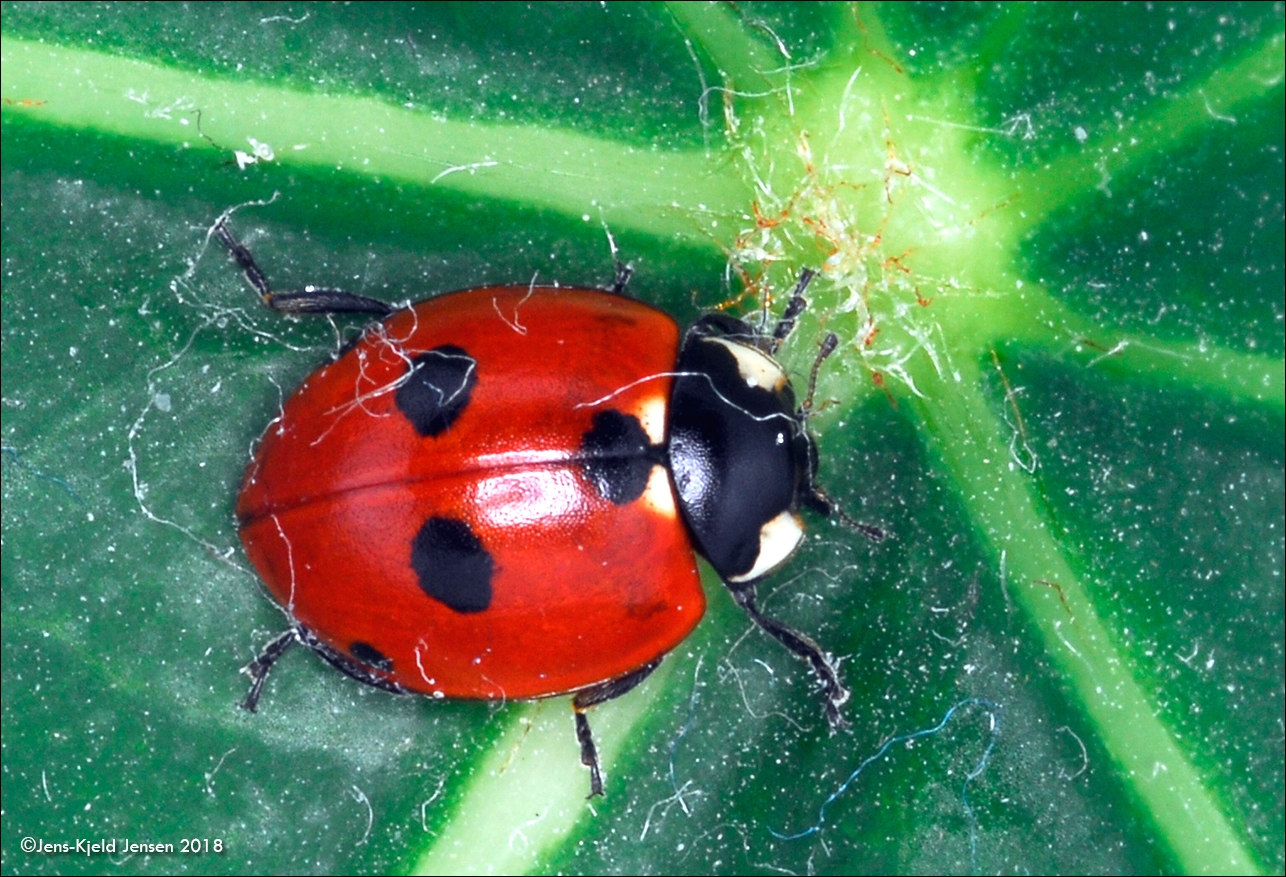
Ten Spot Ladybird Adalia decempunctata |
||||||||||||||||||||||||||||
|
||||||||||||||||||||||||||||
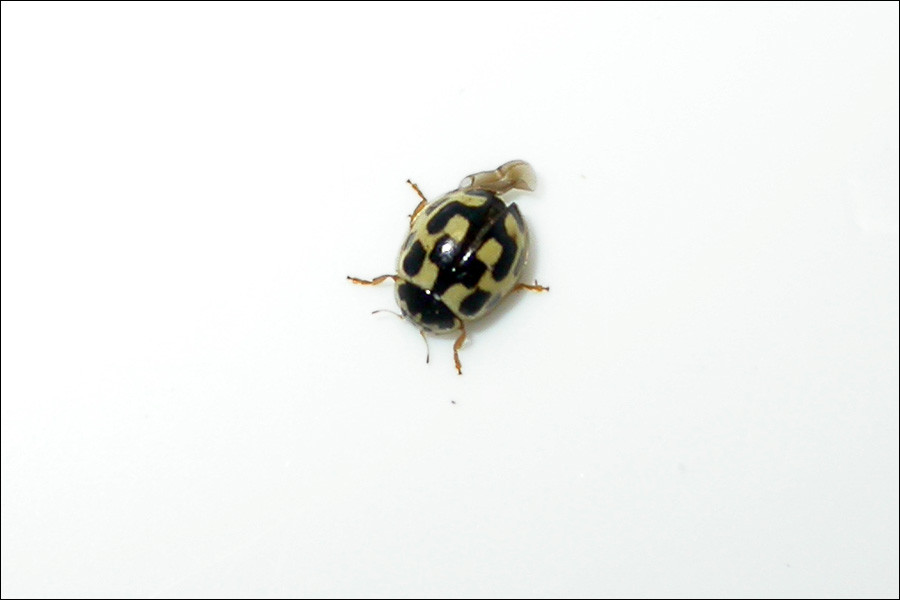
| On 01.05.2024 Turið Magnussen found this Ladybird on a laurel plant at her home. 5- 7- and 14-spotted Ladybirds have been recorded in the Faroe Islands before, but this is the first time that a 10-spot is recorded. This Ladybird is common in, for example, England. |
||||||||||||||||||||||||||||
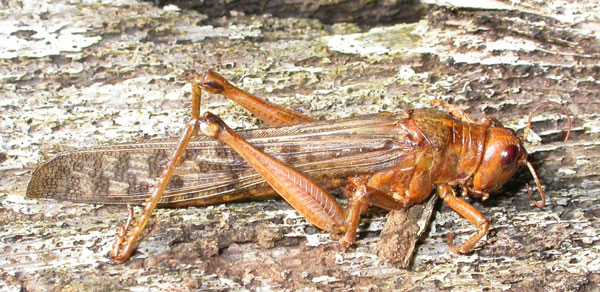
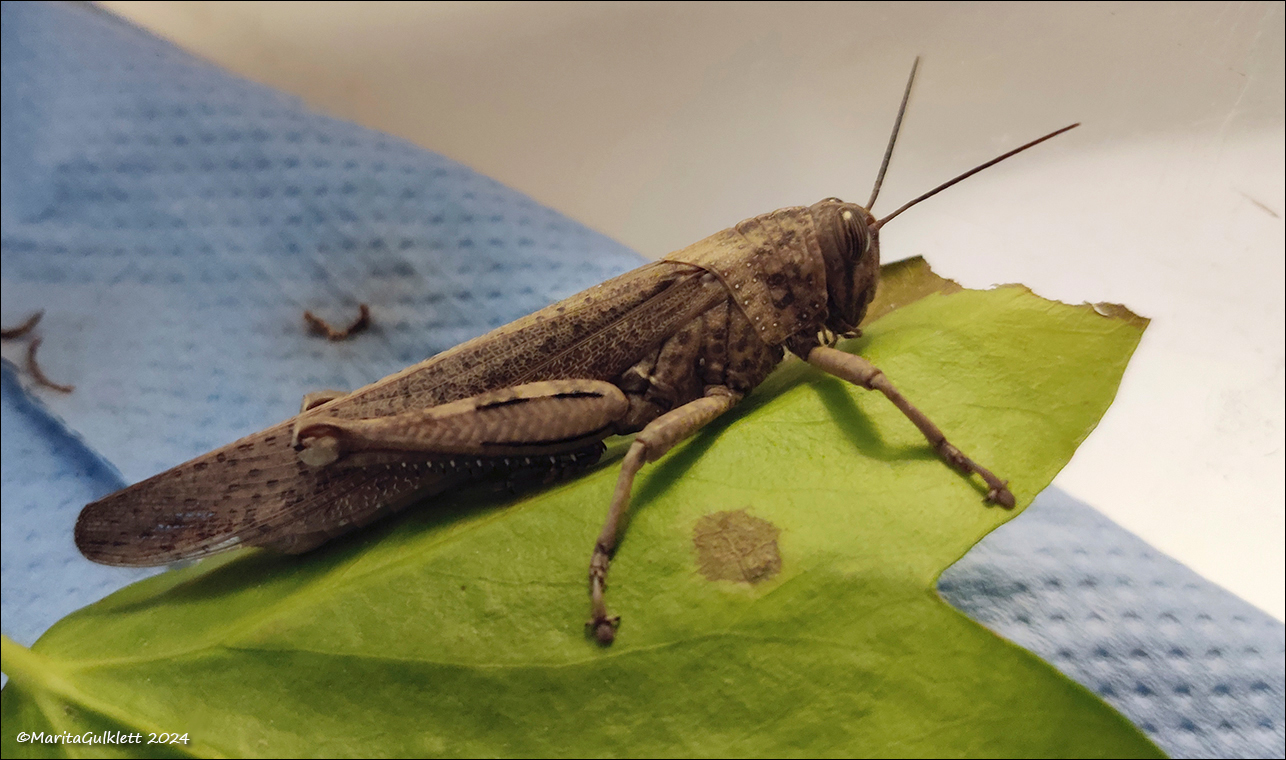
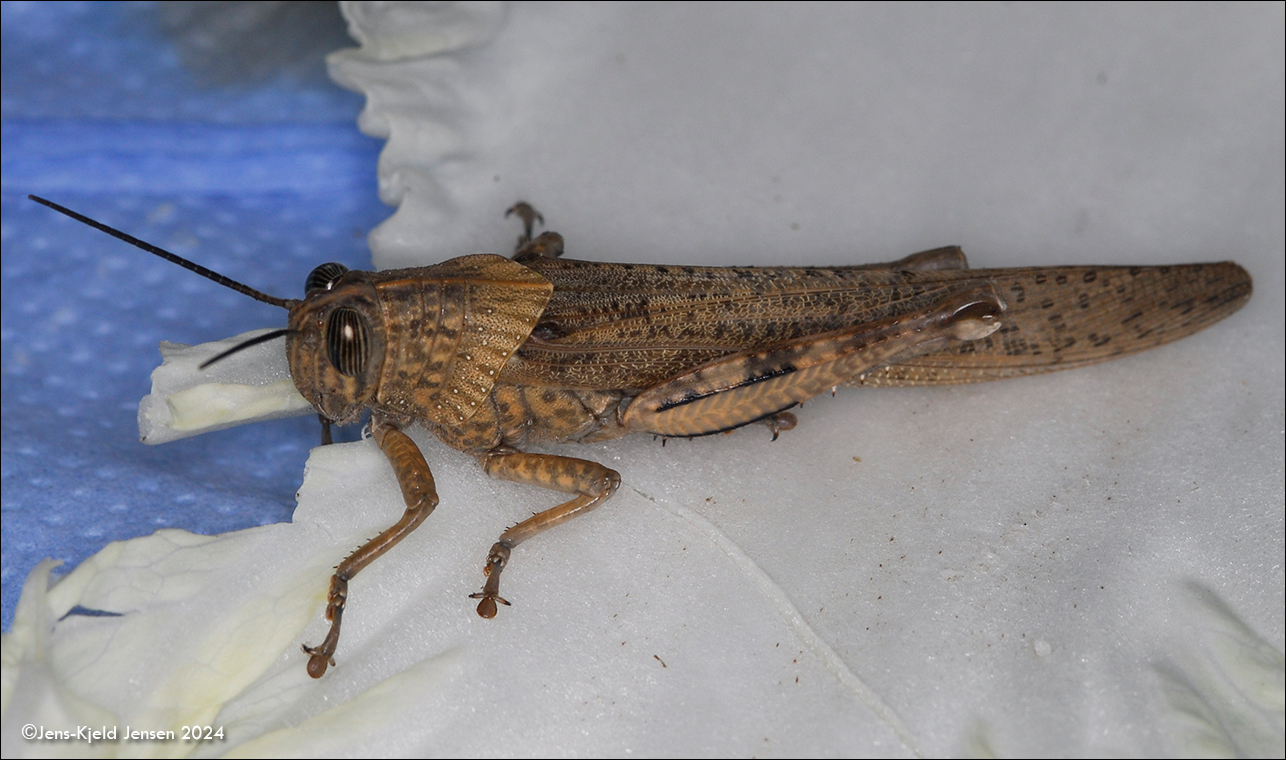
Egyptian grasshopper Anacridium aegyptium |
||||||||||||||||||||||||||||
 |
||||||||||||||||||||||||||||
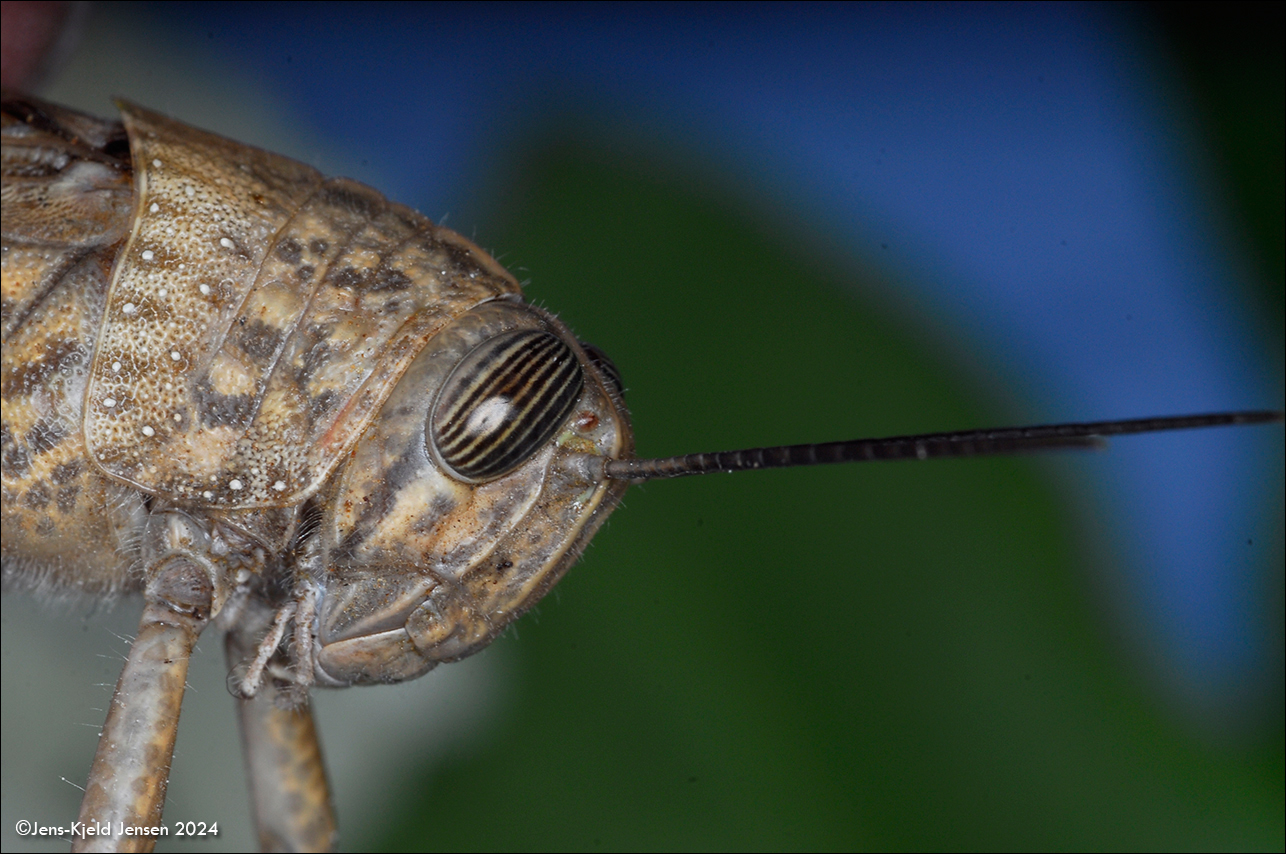
The Egyptian grasshopper in the picture was found by Gorm Niclassen and Poul Fannar Mittelstein 07.01.2024 on the gearbox of a car that came from Turkey last summer. Another Egyptian grasshopper was found in Fuglafjørður on 10.03.2023, and on 06.02.2024 a third Egyptian grasshopper was found in Tórshavn. All were found alive. |
||||||||||||||||||||||||||||
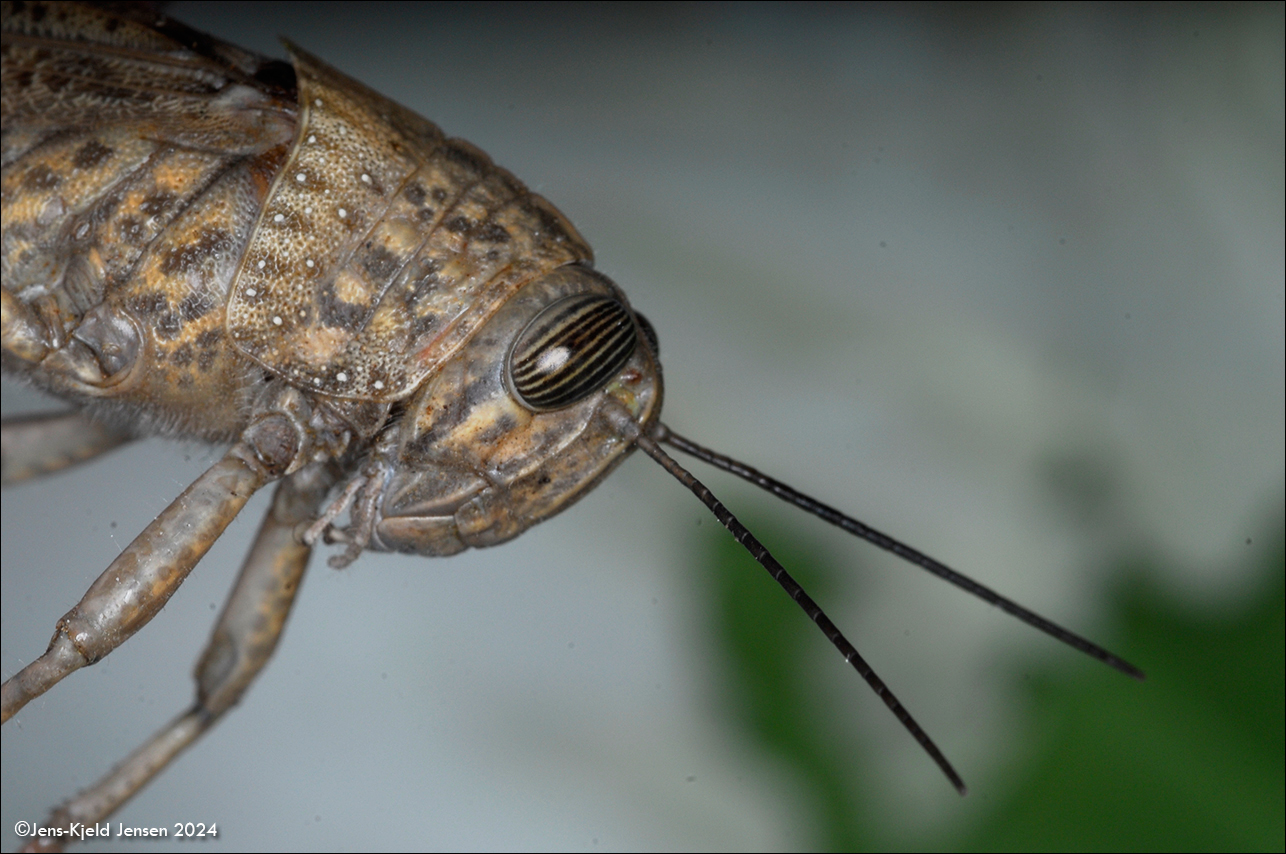
Egyptian grasshopper has striped eyes. |
||||||||||||||||||||||||||||
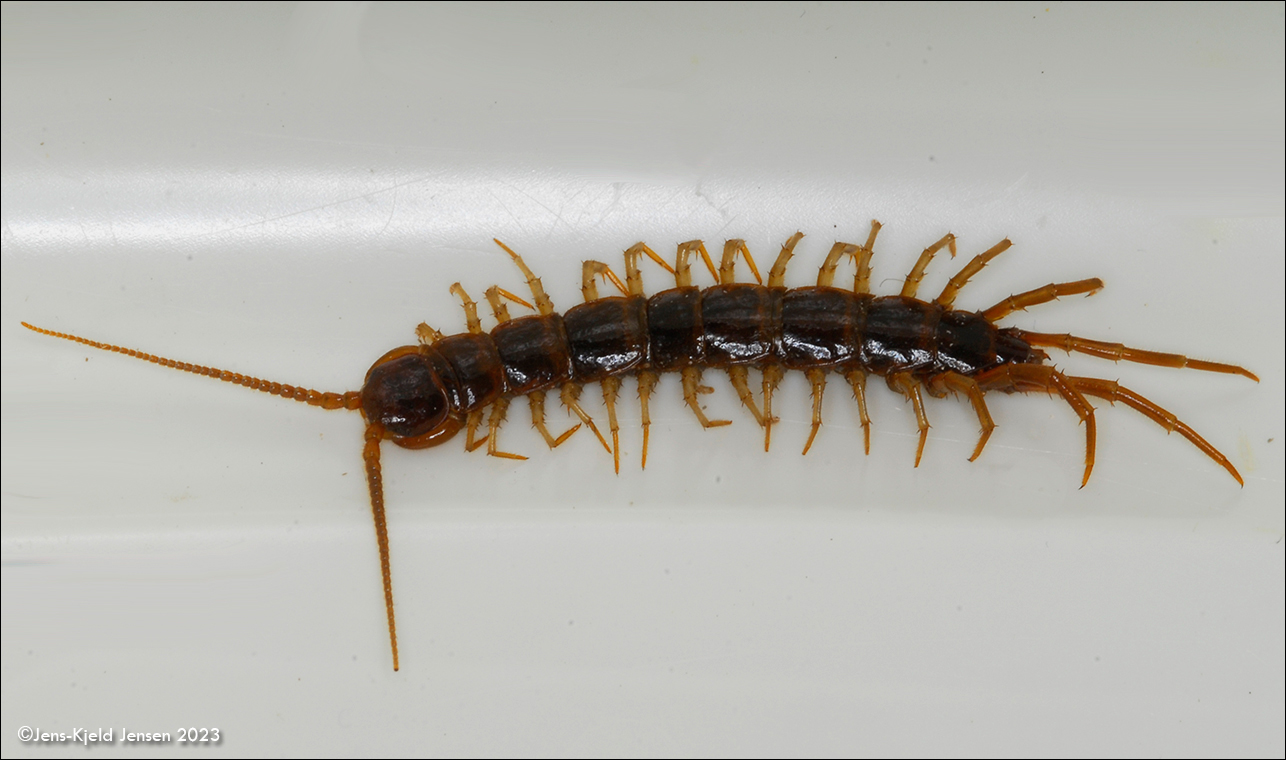
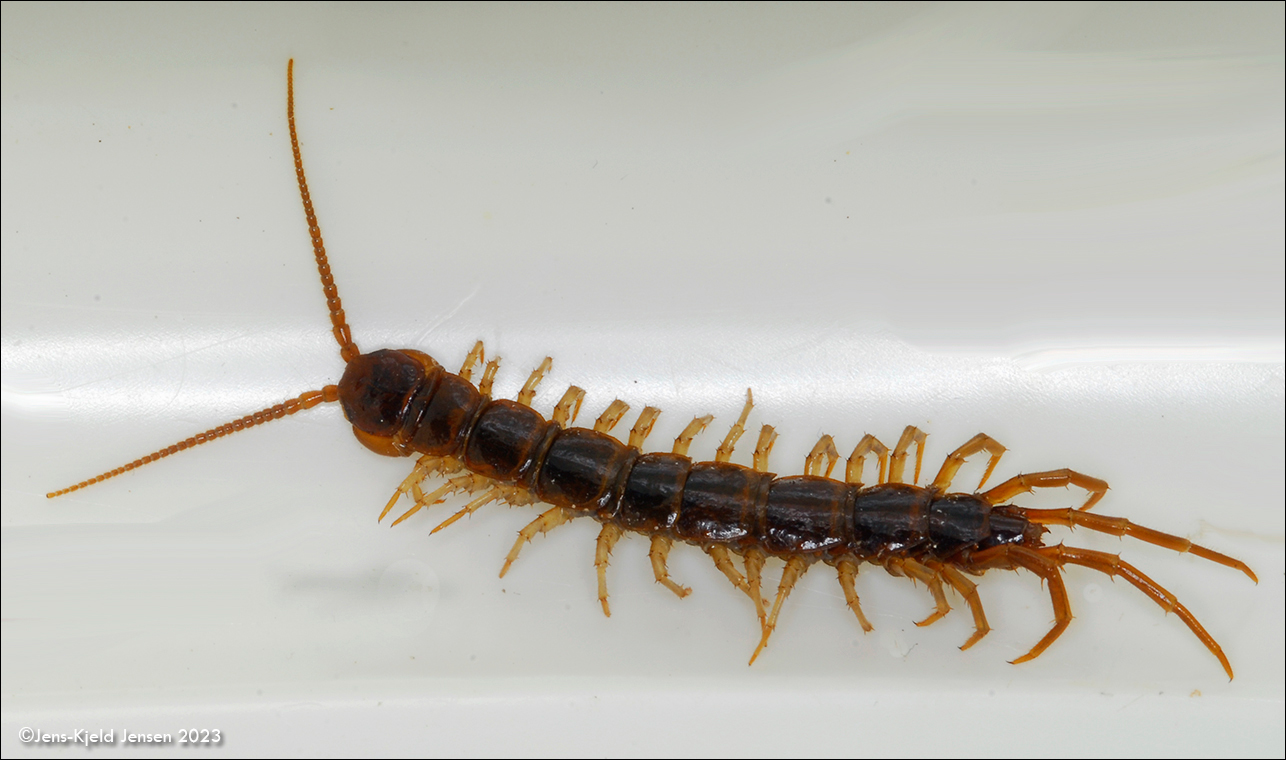
| Skolopendra Chilopoda | ||||||||||||||||||||||||||||
|
||||||||||||||||||||||||||||
| "This walked on the wall at my house" - yes, that was the message on the glass that I found on our stairs in Torshavn in mid-December 2023. | ||||||||||||||||||||||||||||
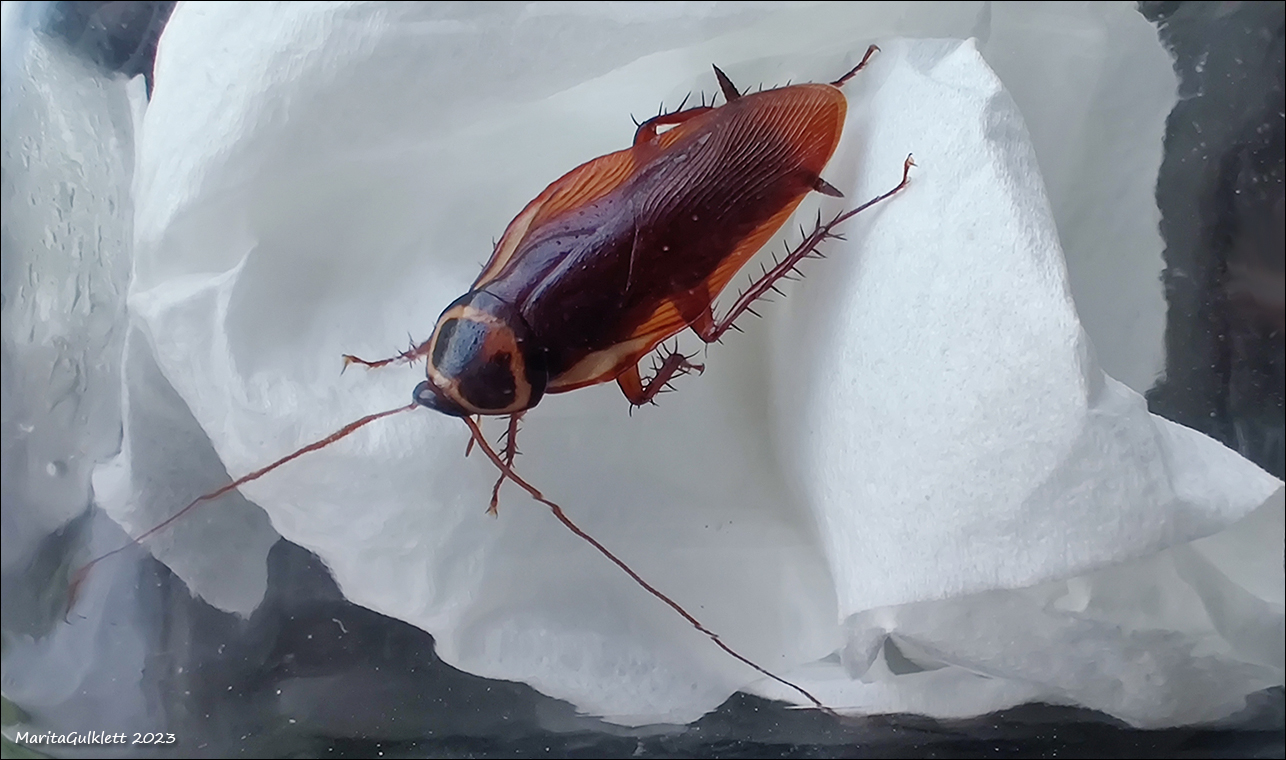
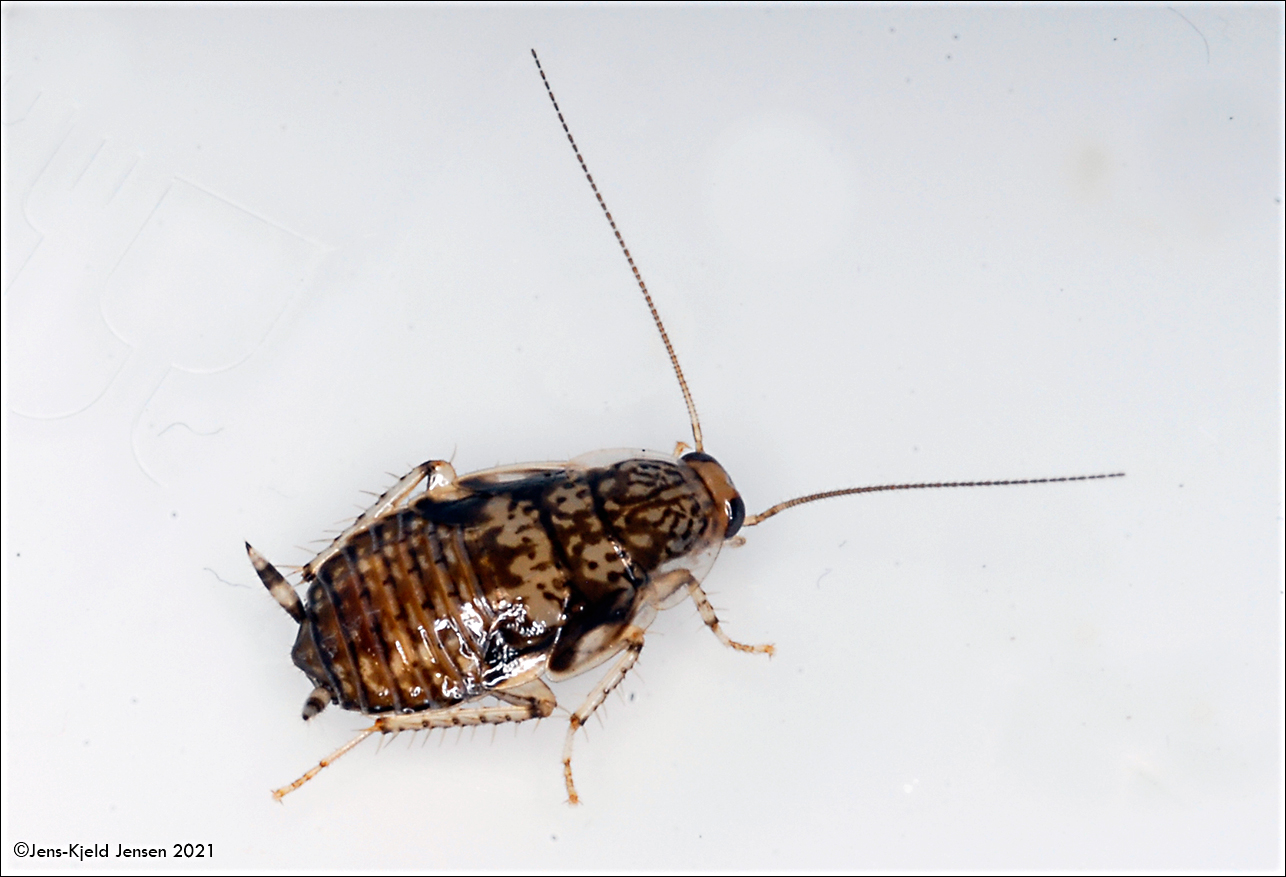
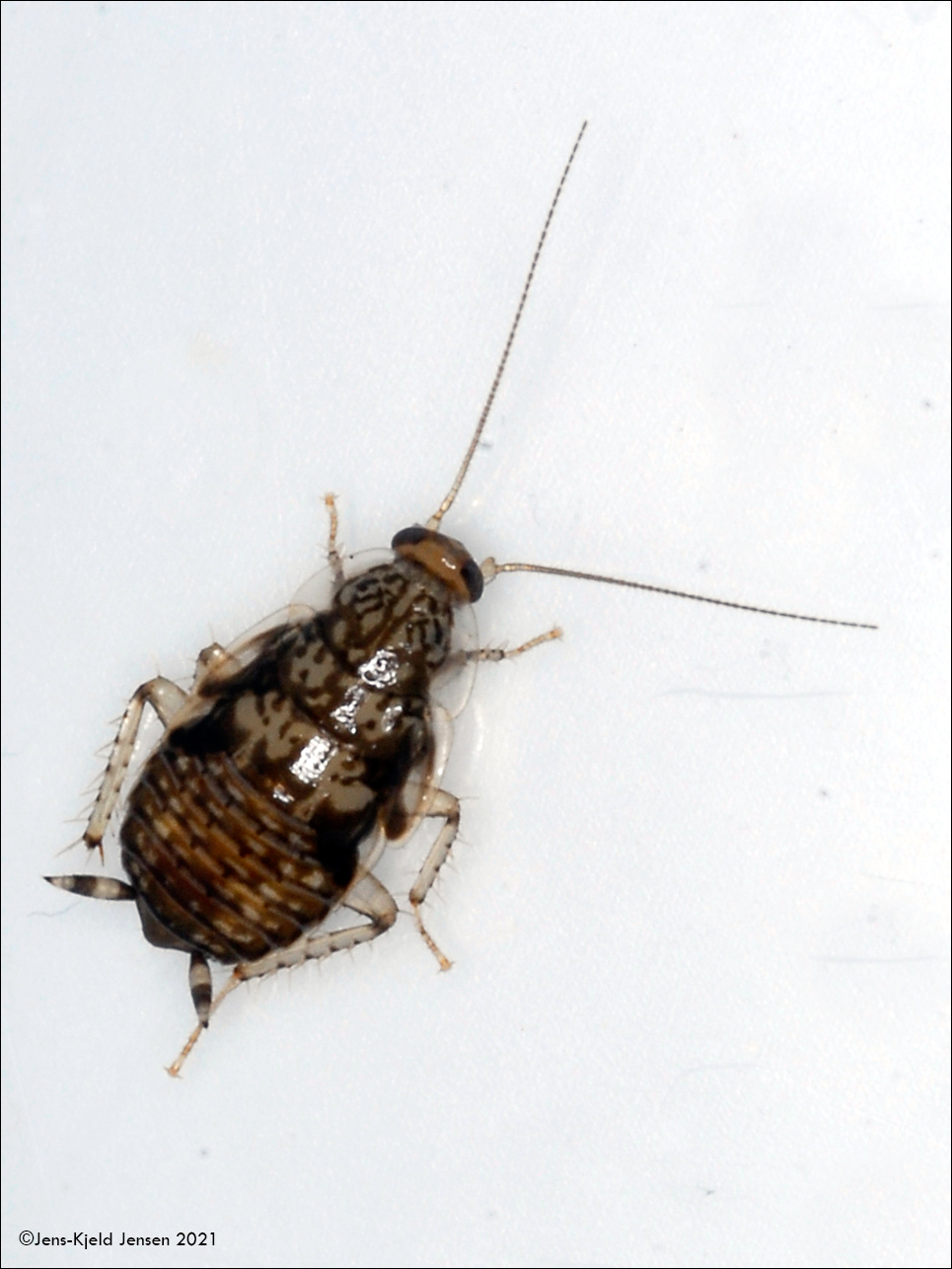
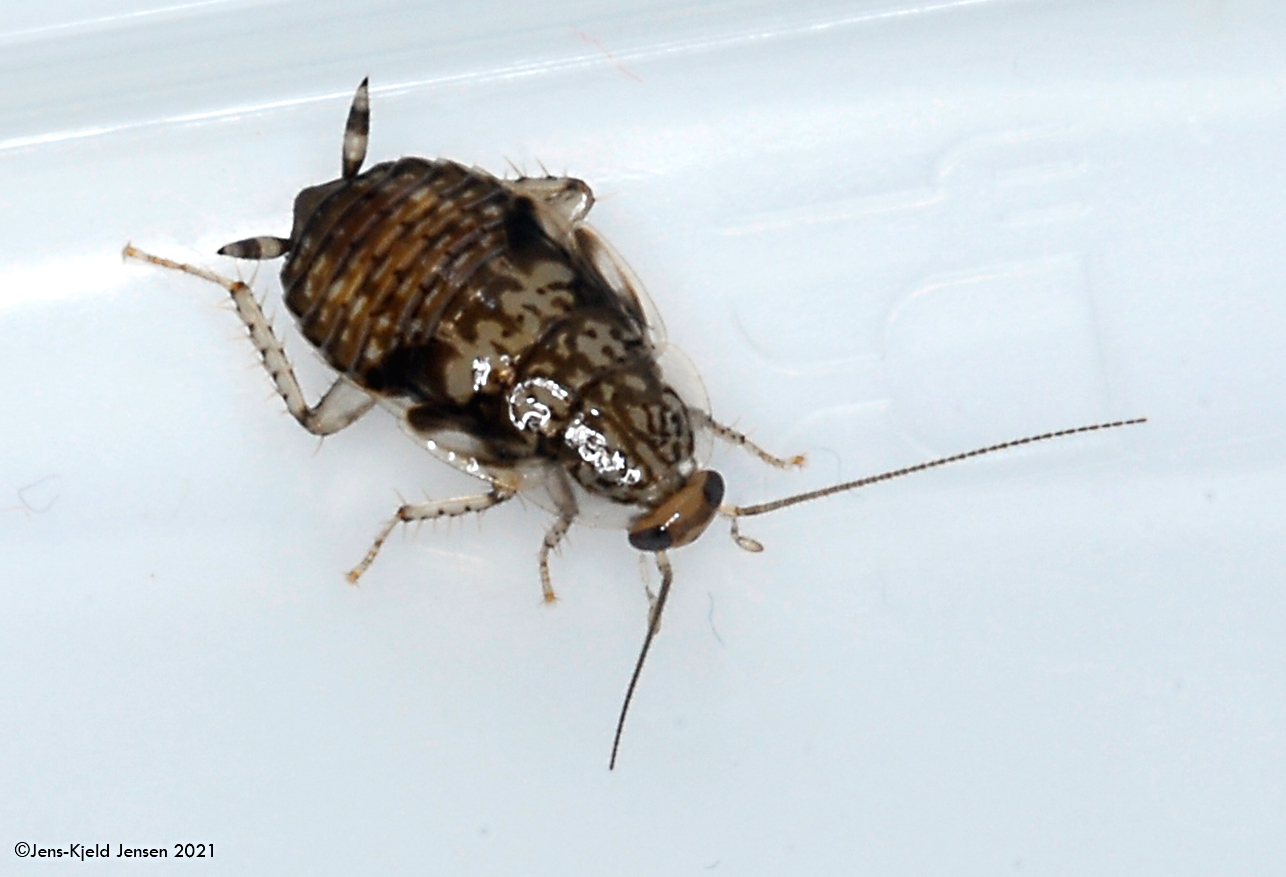
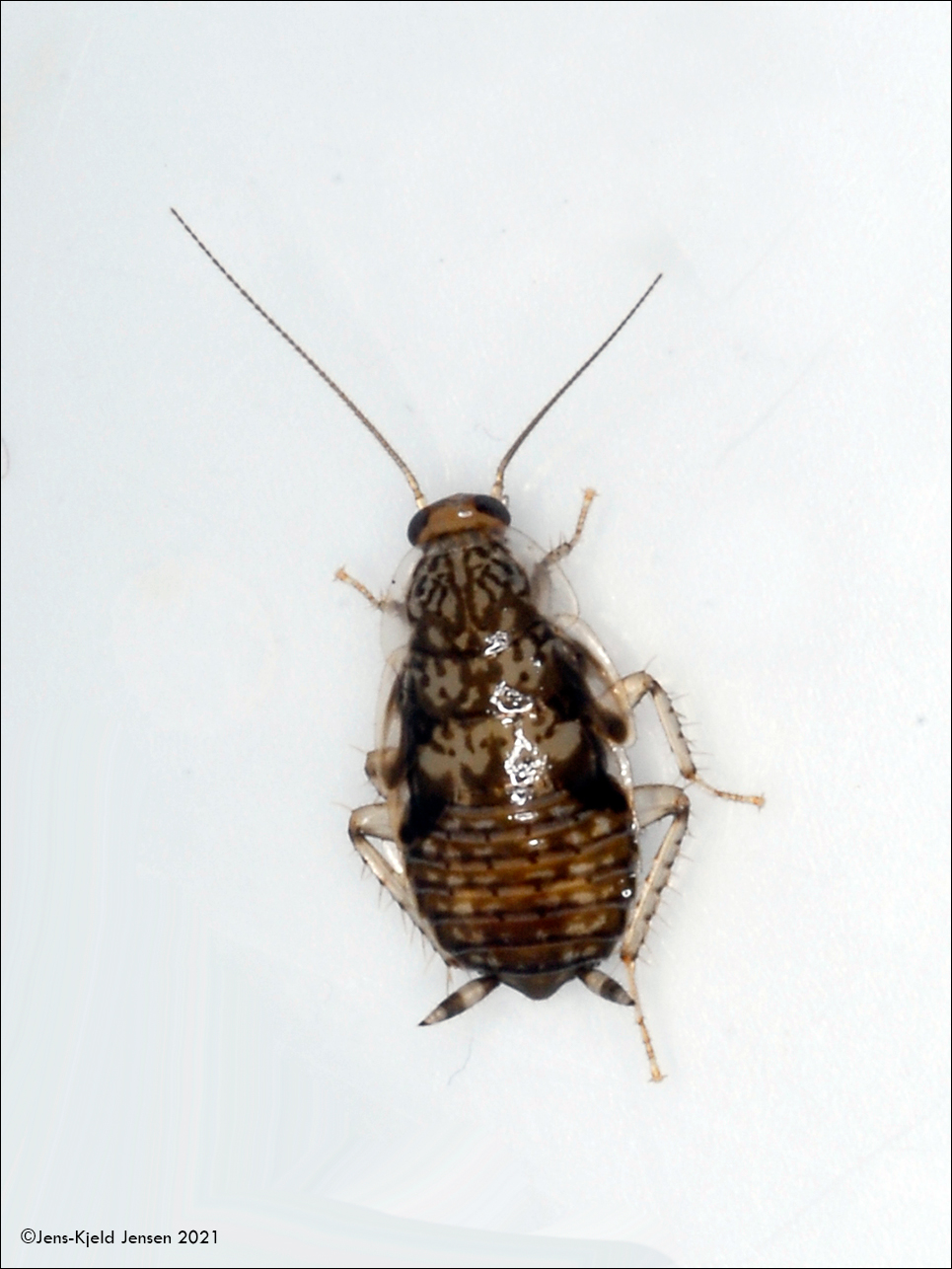
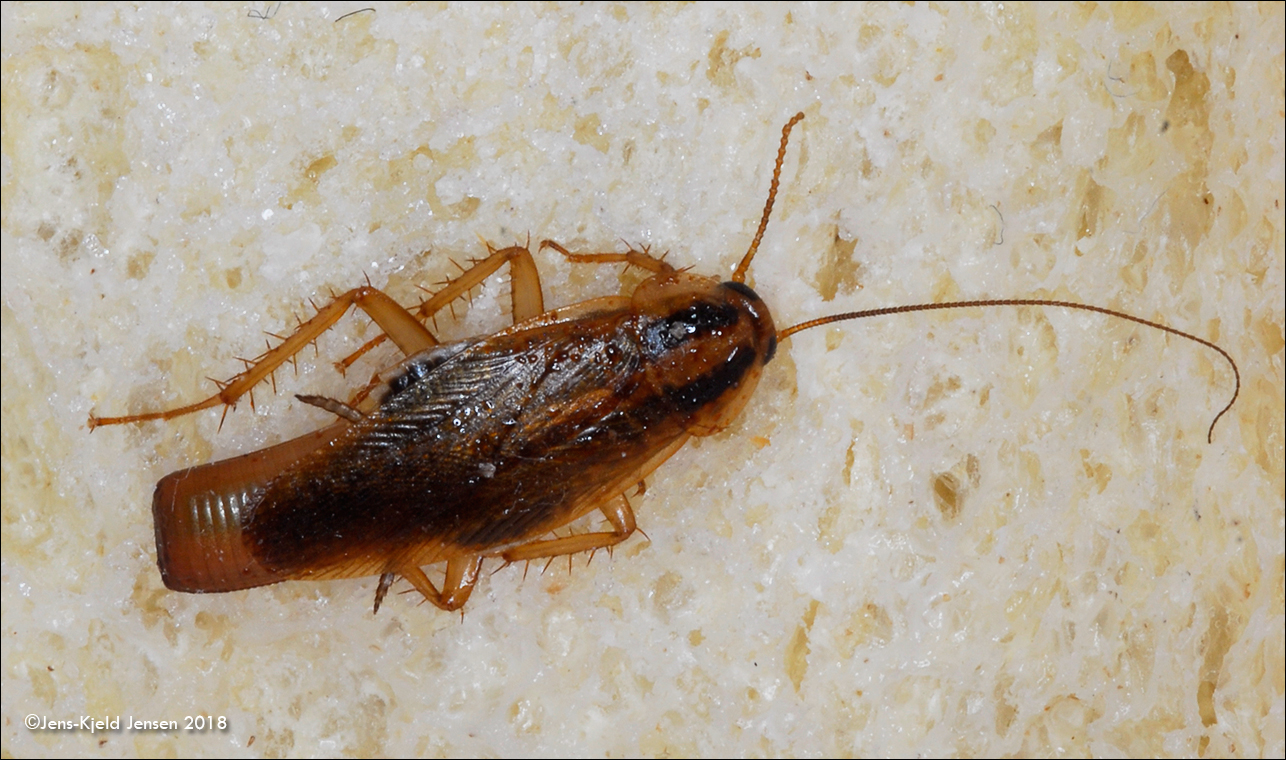
Australian cockroach Periplaneta australasiae |
||||||||||||||||||||||||||||
   |
||||||||||||||||||||||||||||
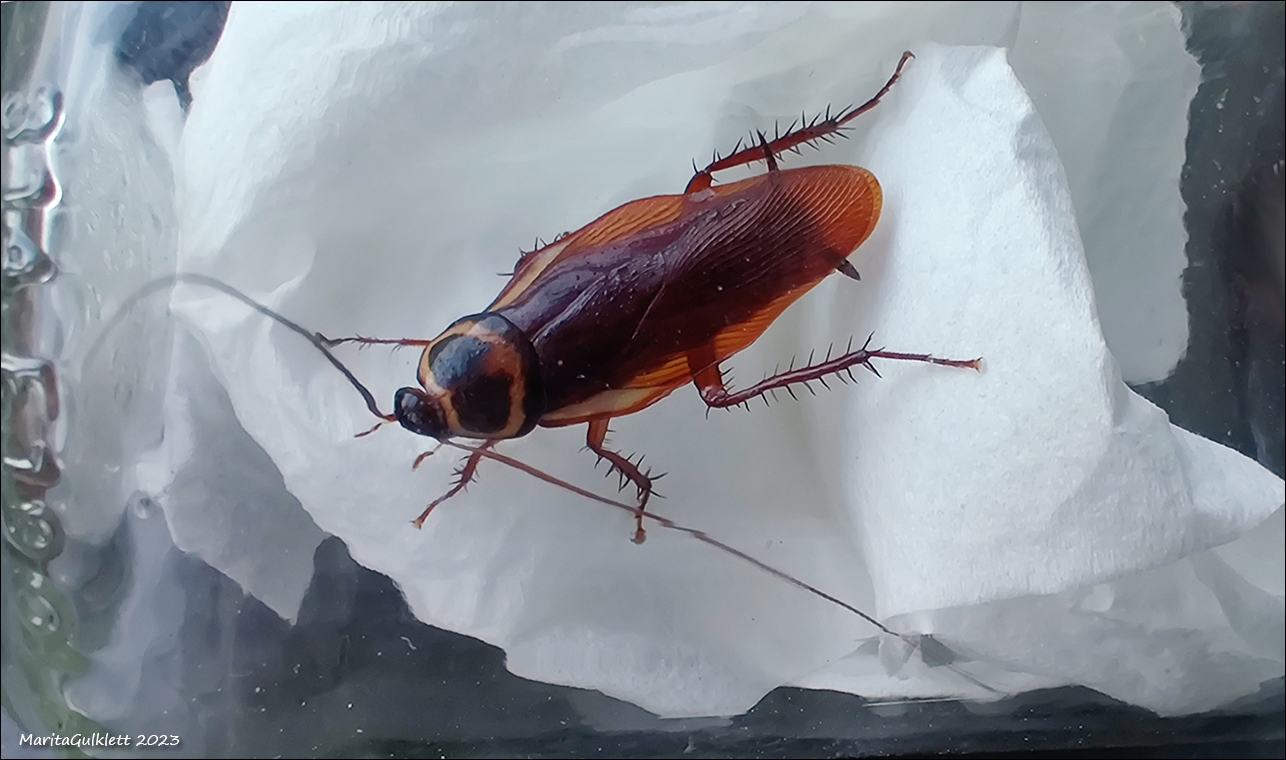
| Found in Tórshavn 11.03.2023. As far as we know, this is the first time that an Australian cockroach has been found in the Faroe Islands. It is most likely imported into the country with food. | ||||||||||||||||||||||||||||
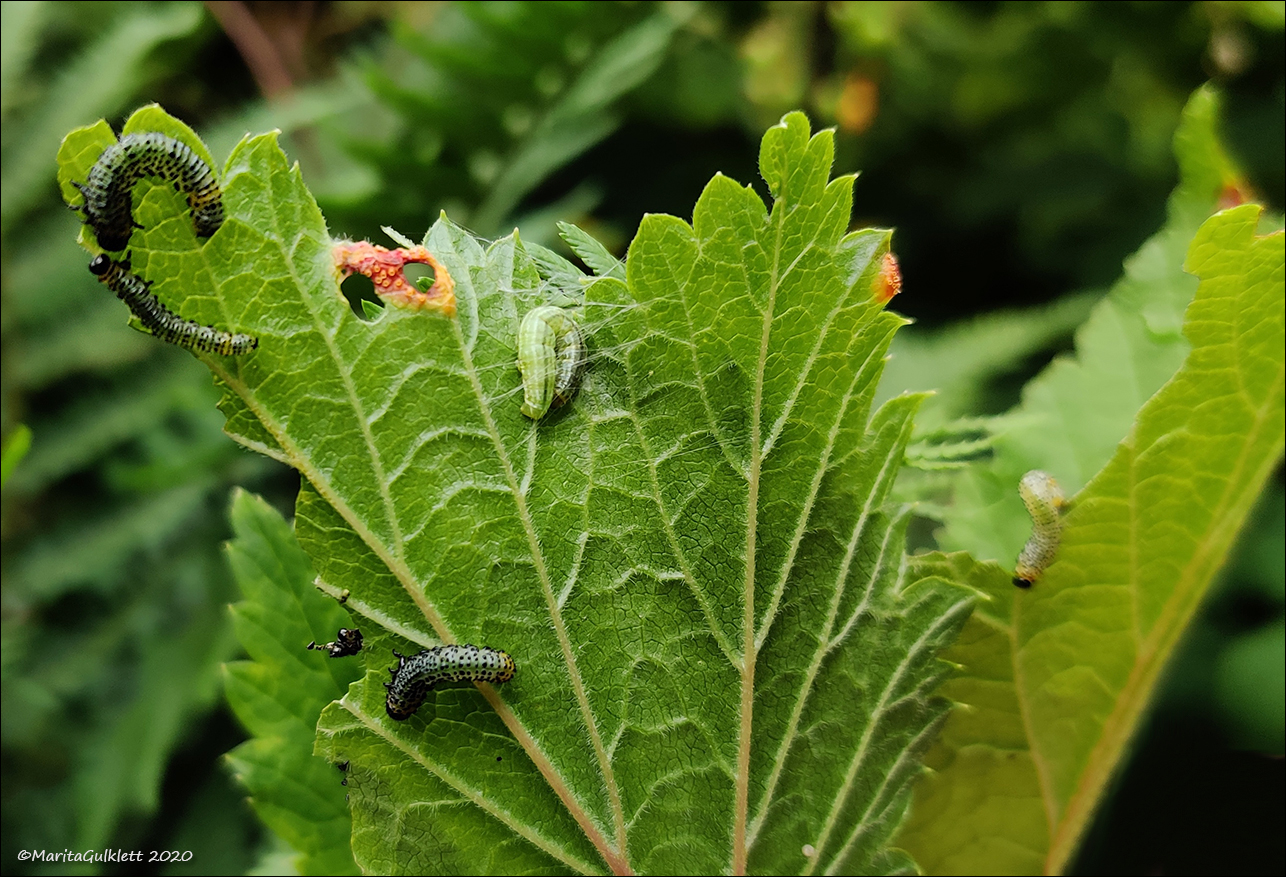
| Gooseberry sawfly Nematus ribesii | ||||||||||||||||||||||||||||
|
||||||||||||||||||||||||||||
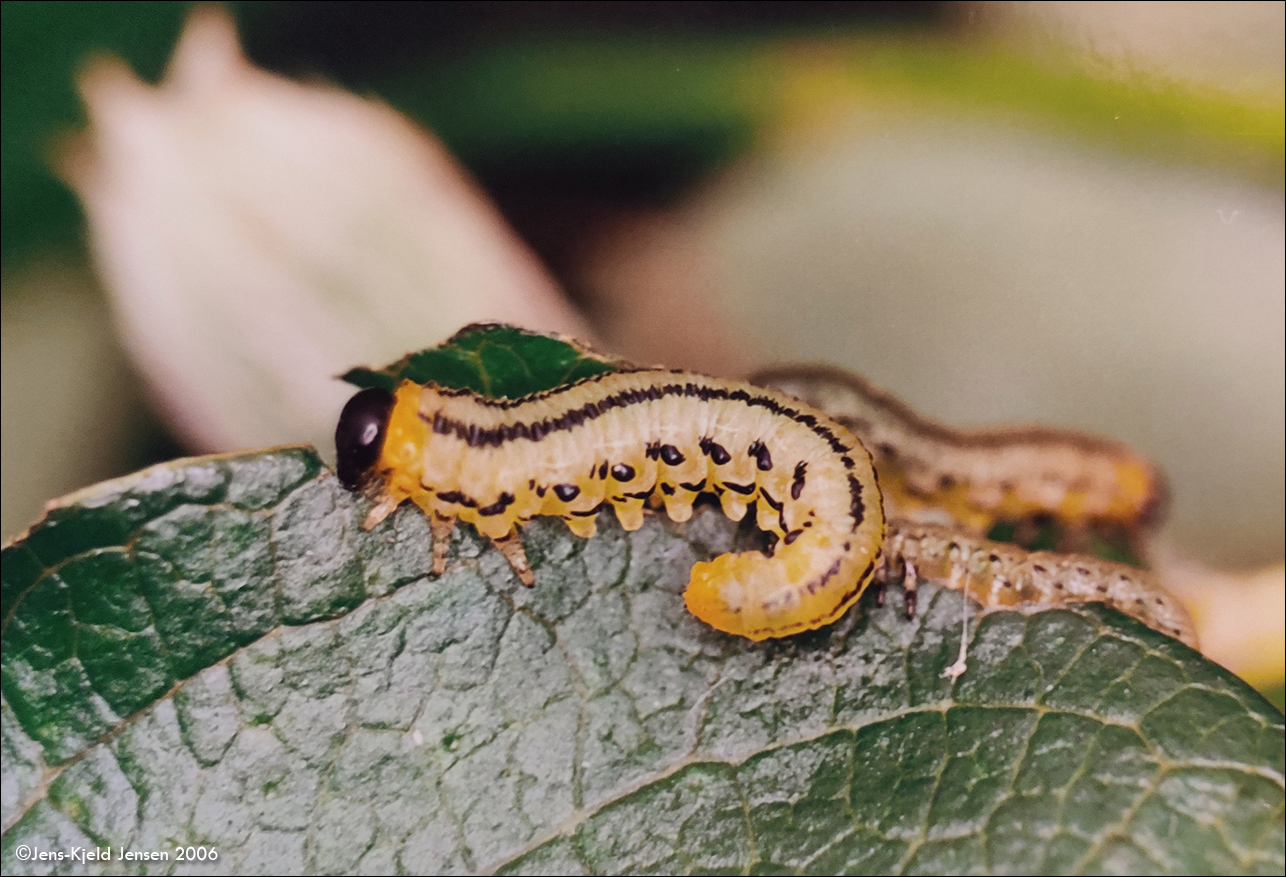
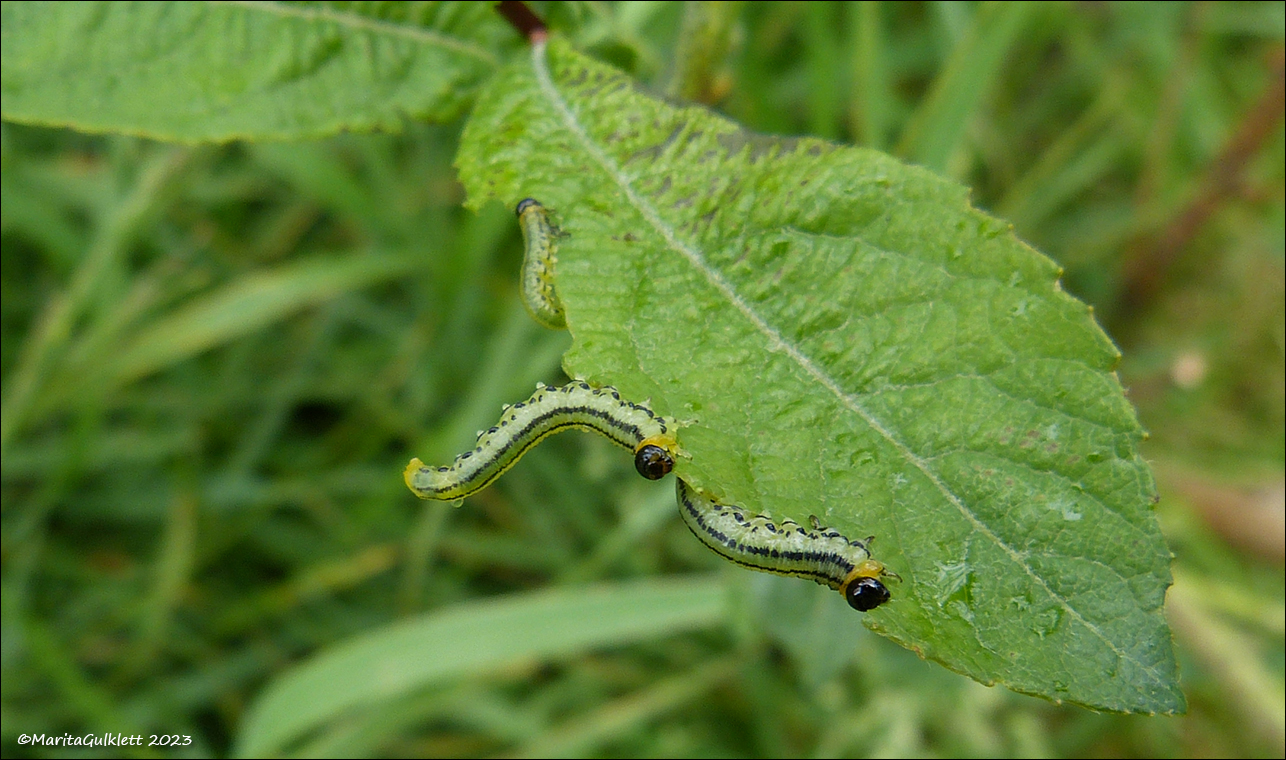
The larva in the middle of the first photo is probably a Winter moth Operophtera brumata |
||||||||||||||||||||||||||||
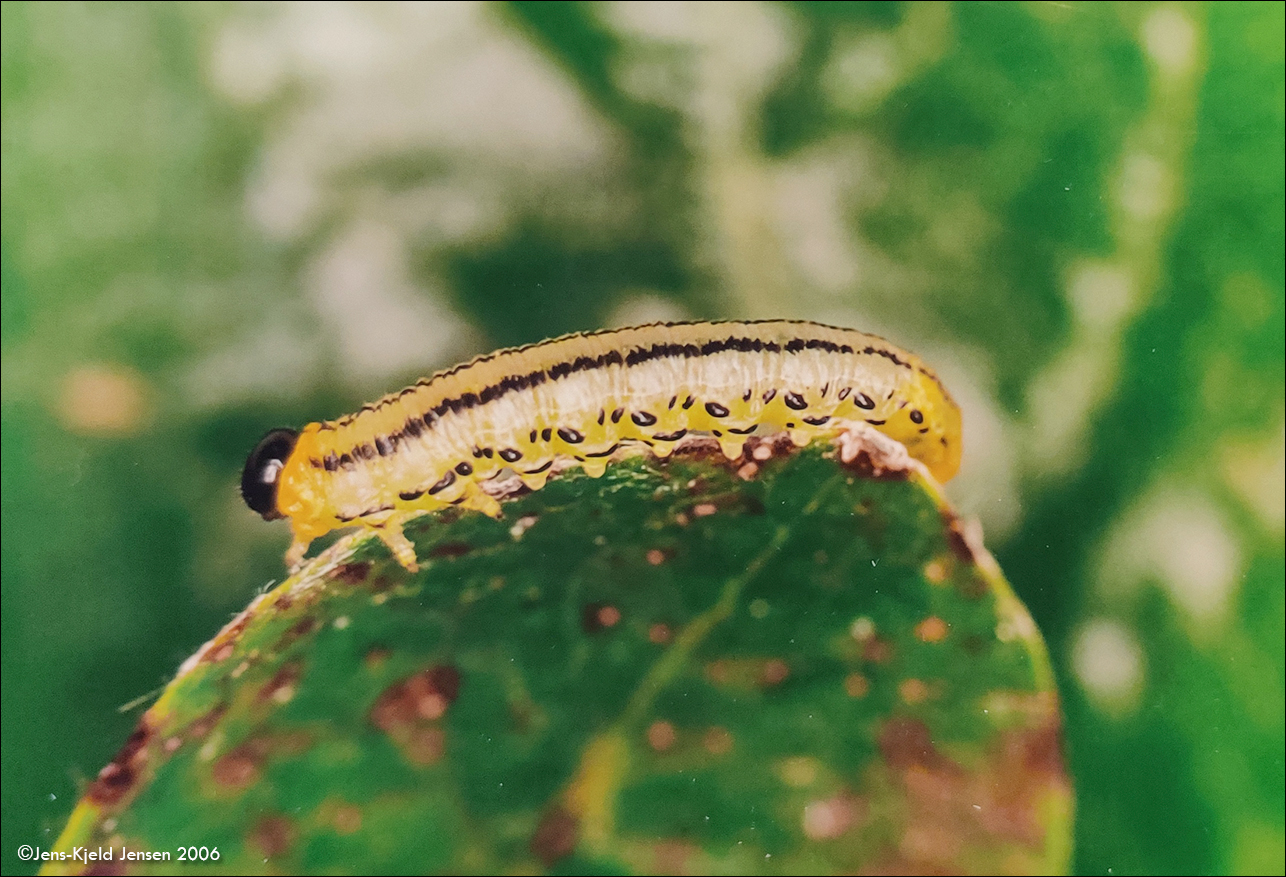
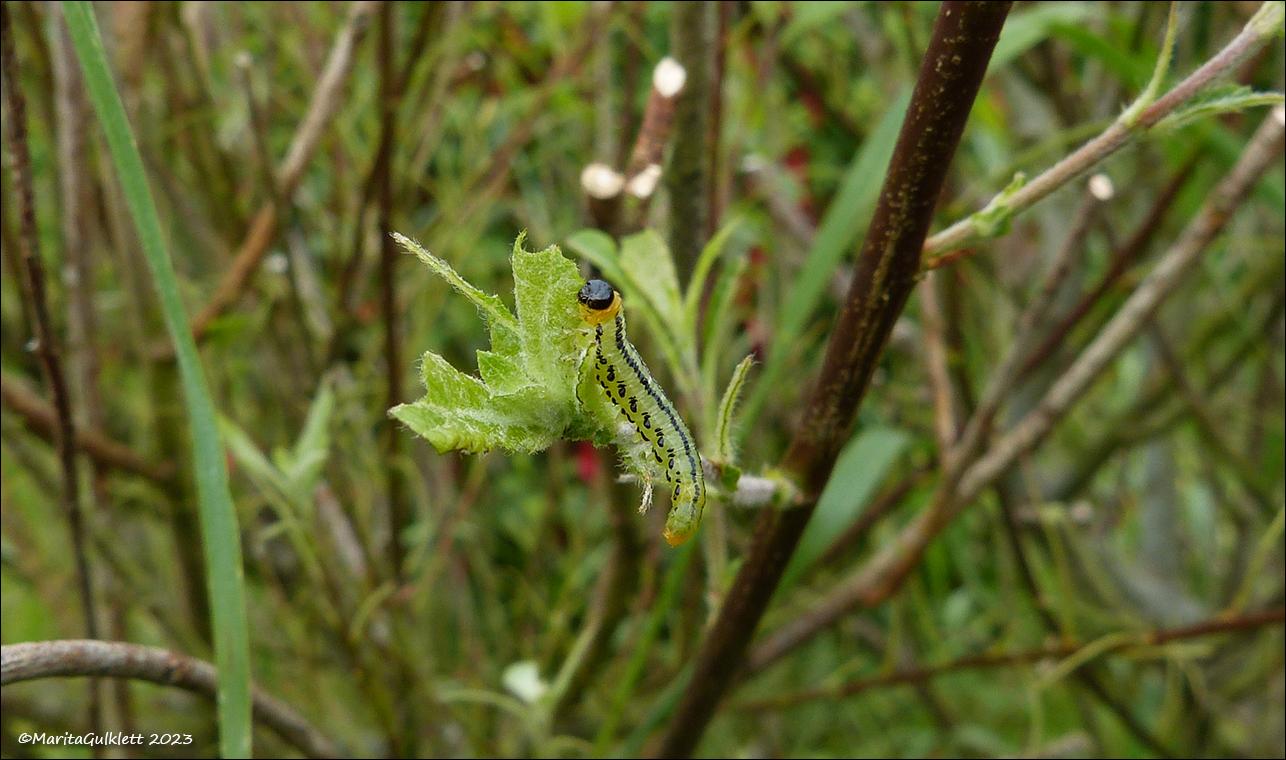
Gooseberry sawfly Nematus ribesii attacks currant and gooseberry bushes, and it has been a major nuisance since it arrived in the Faroe Islands in about 2003. It has spread over most of the Faroe Islands in the recent years. |
||||||||||||||||||||||||||||
| Lesser Willow sawfly Nematus pavidus | ||||||||||||||||||||||||||||
|
||||||||||||||||||||||||||||
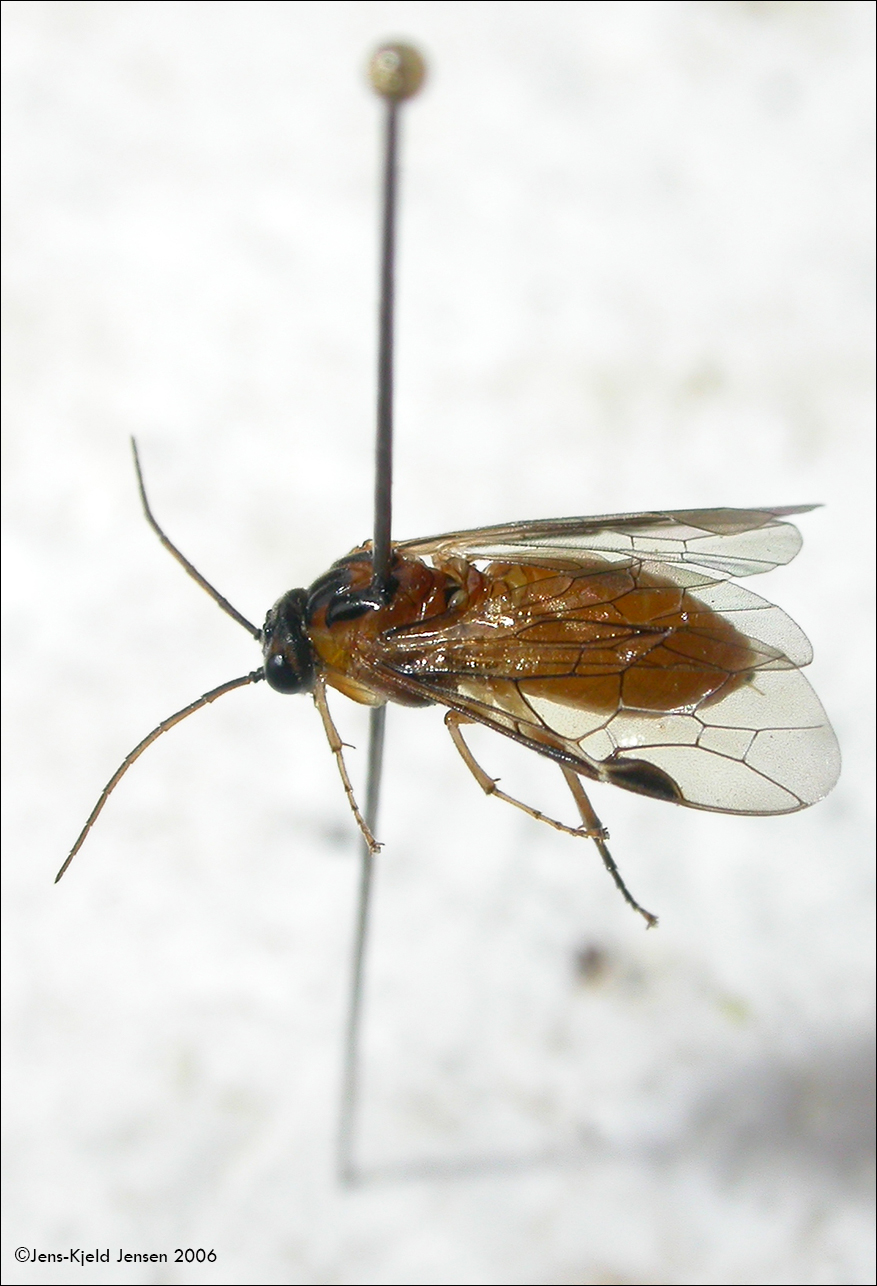
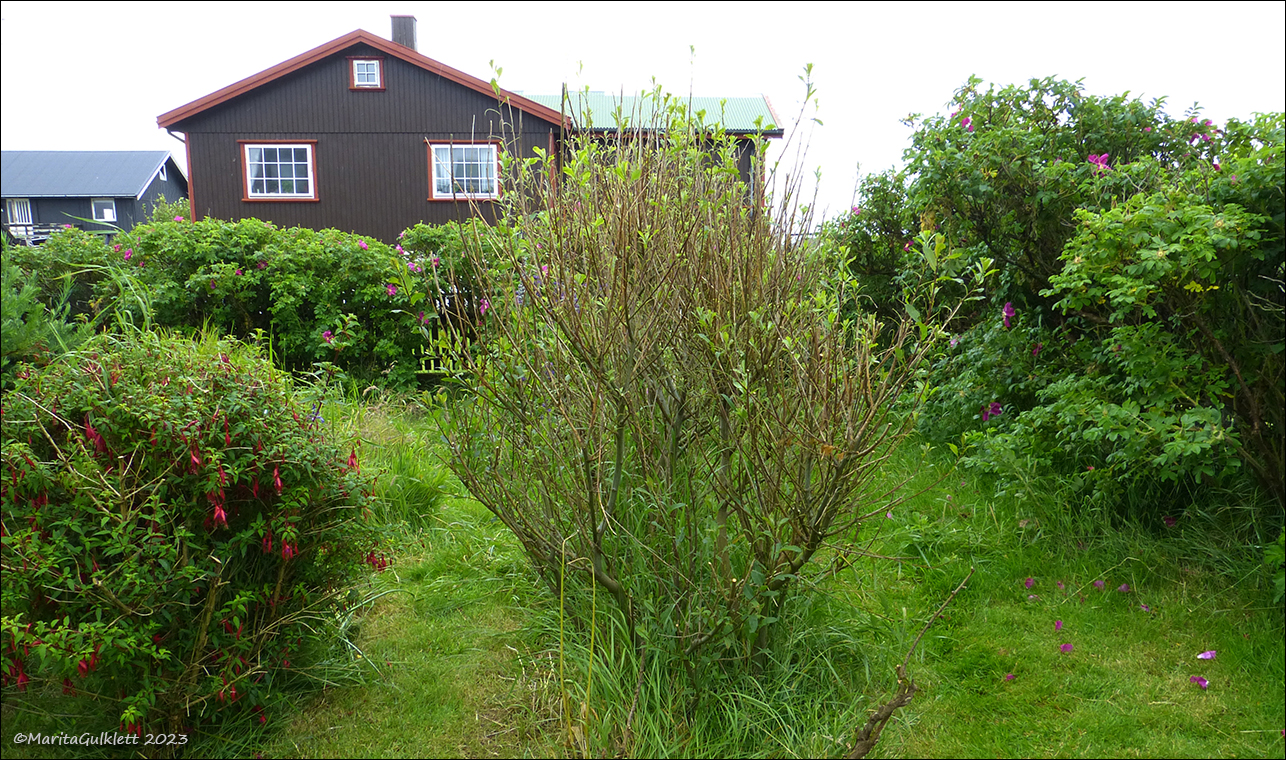
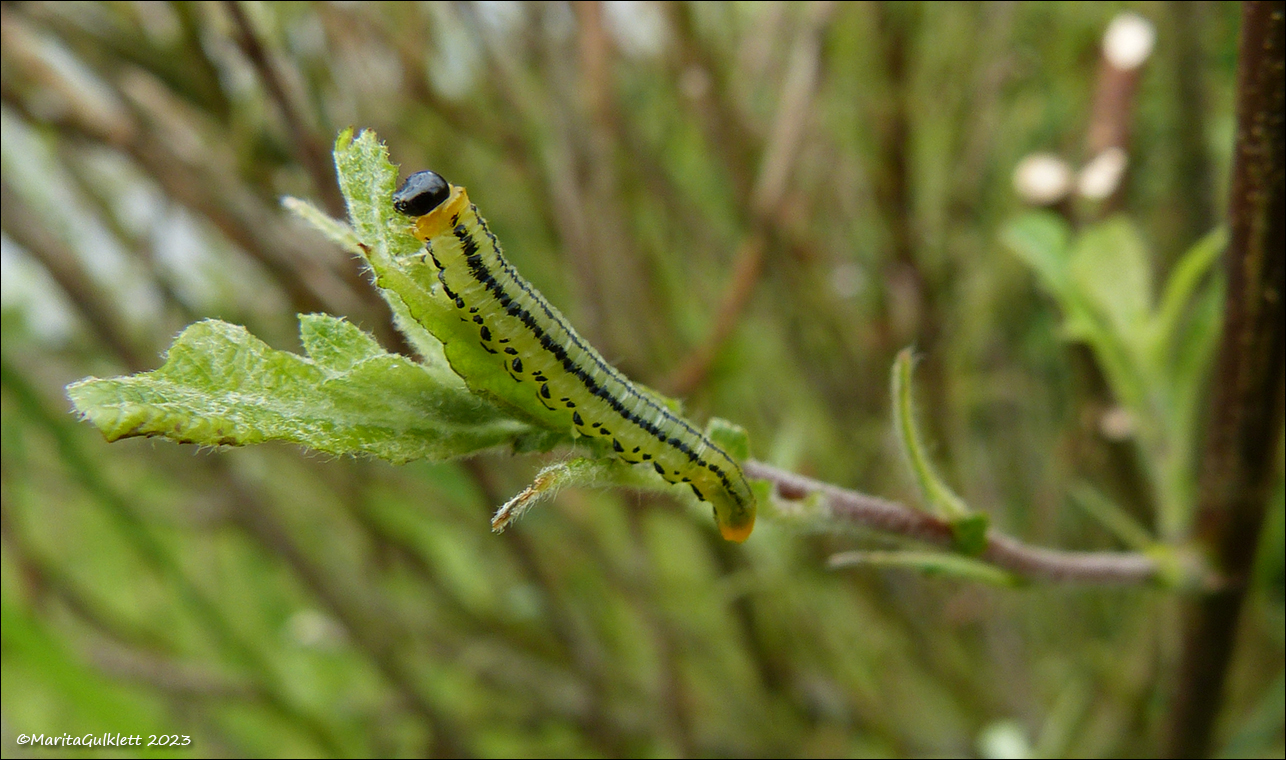
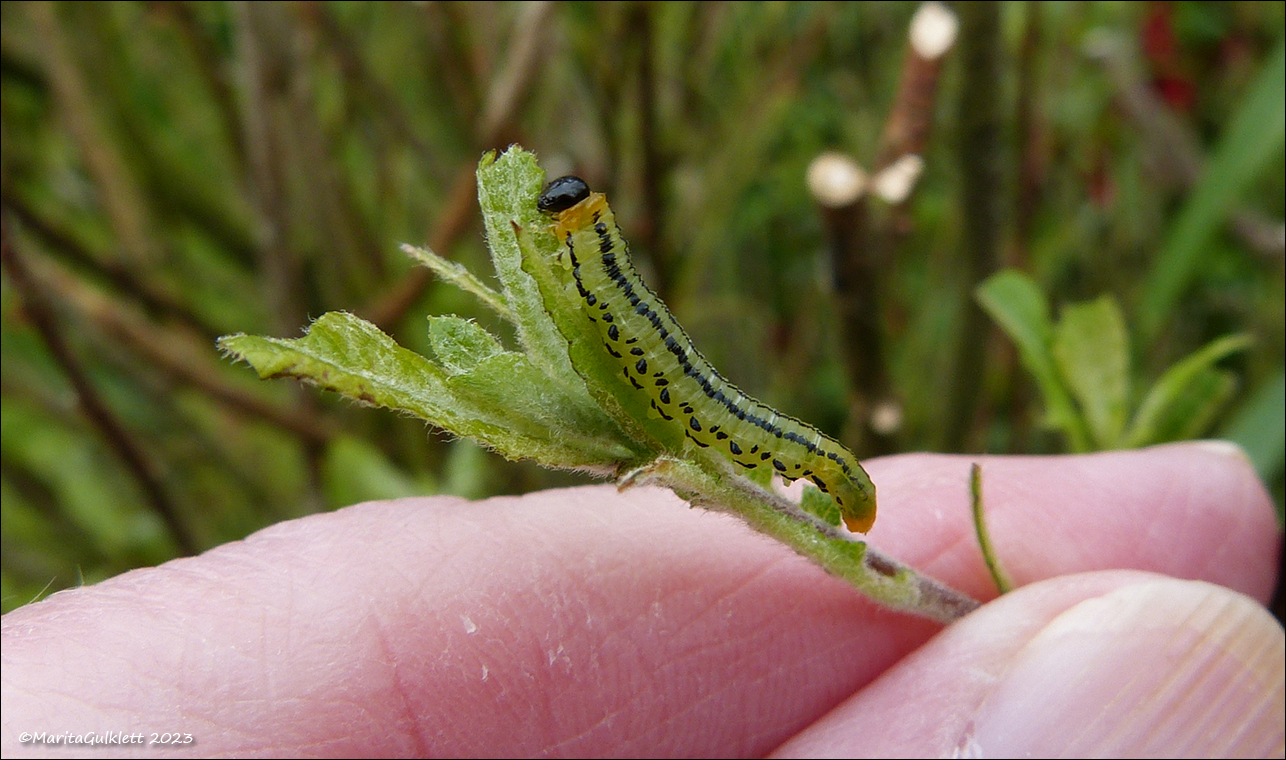
Lesser Willow sawfly Nematus pavidus has been present in the Faroe Islands since about 2003. It mostly attacks willows. |
||||||||||||||||||||||||||||
|
||||||||||||||||||||||||||||
|
||||||||||||||||||||||||||||
| Sandur, Sandoy 22.07.2023 | ||||||||||||||||||||||||||||
Birch shieldbug Elasmostethus interstinctus |
||||||||||||||||||||||||||||
|
||||||||||||||||||||||||||||
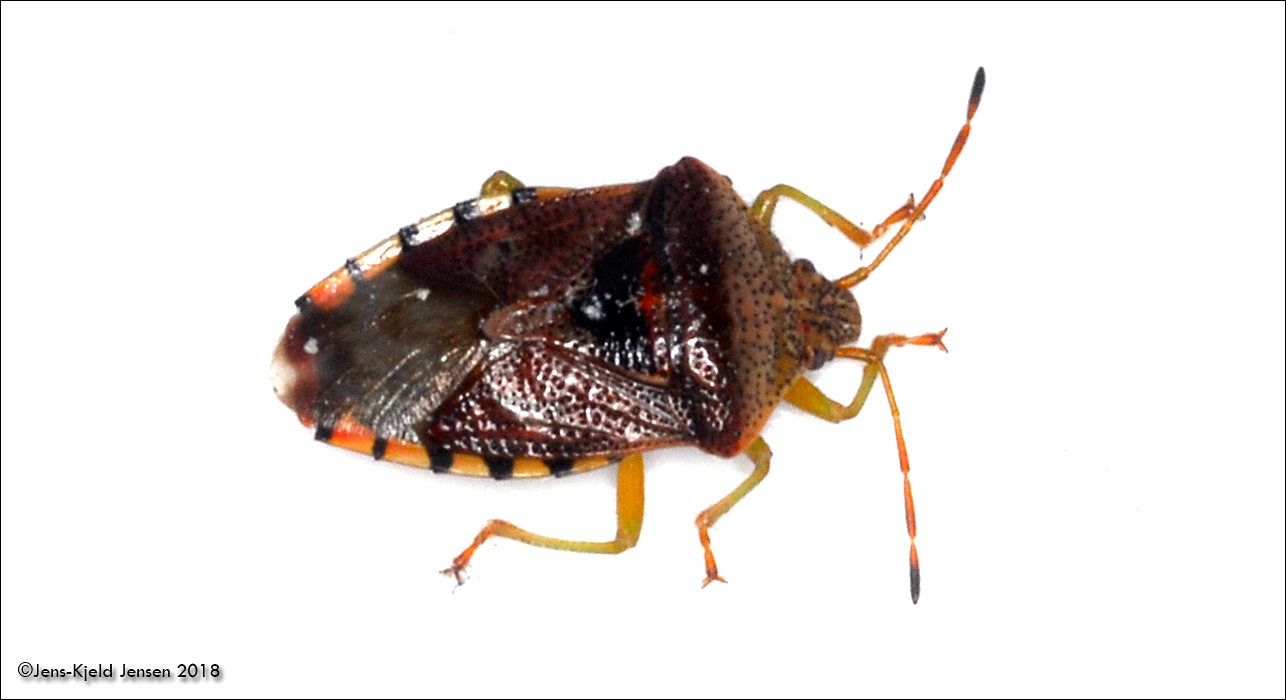
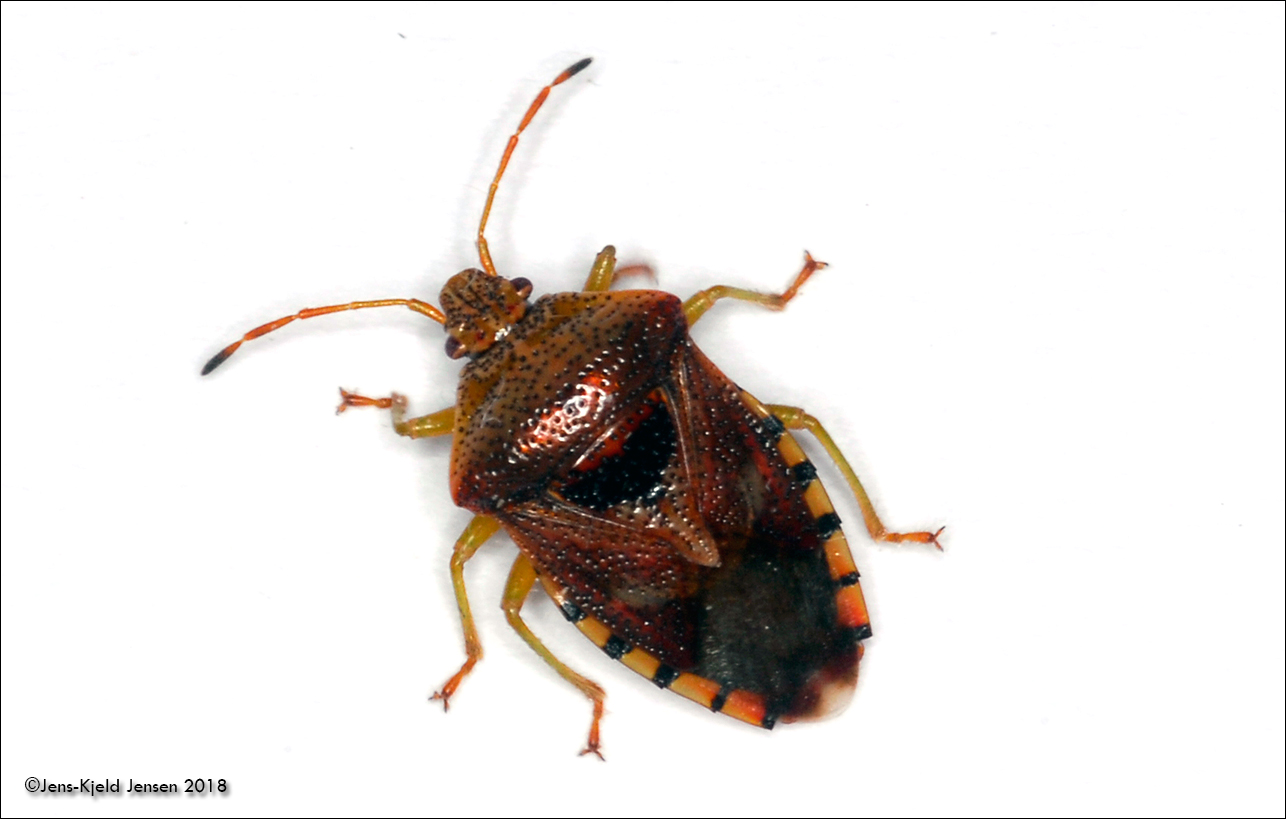
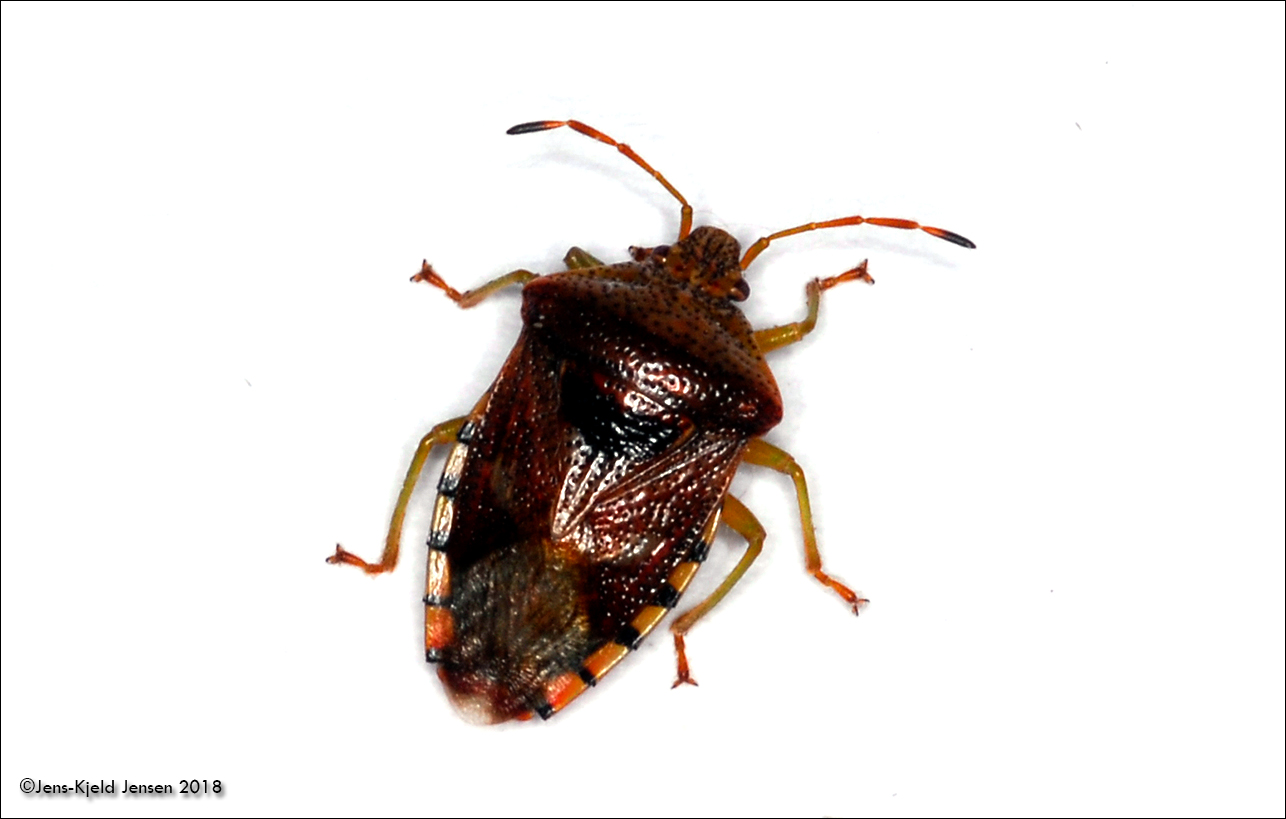
| On 12.09.2022, Dánial Jespersen found this common birch shieldbug outdoors in Tórshavn. | ||||||||||||||||||||||||||||
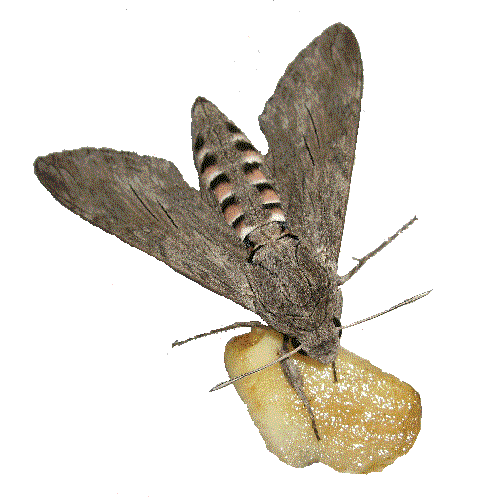
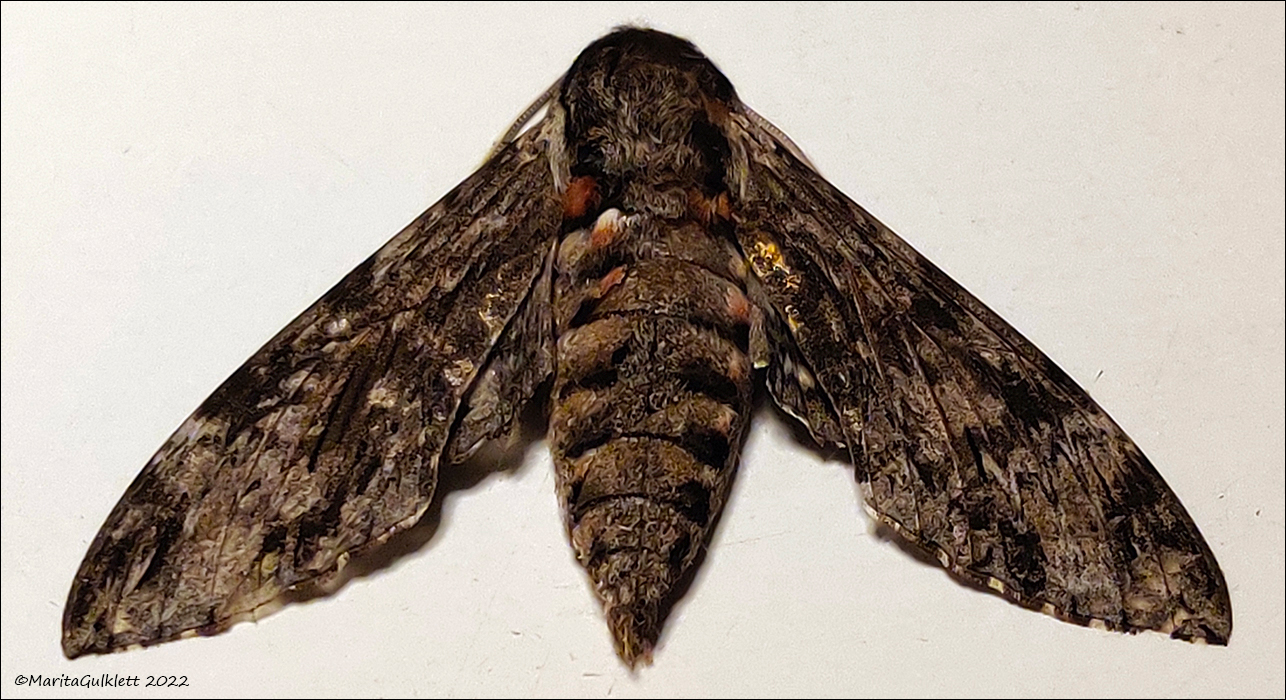
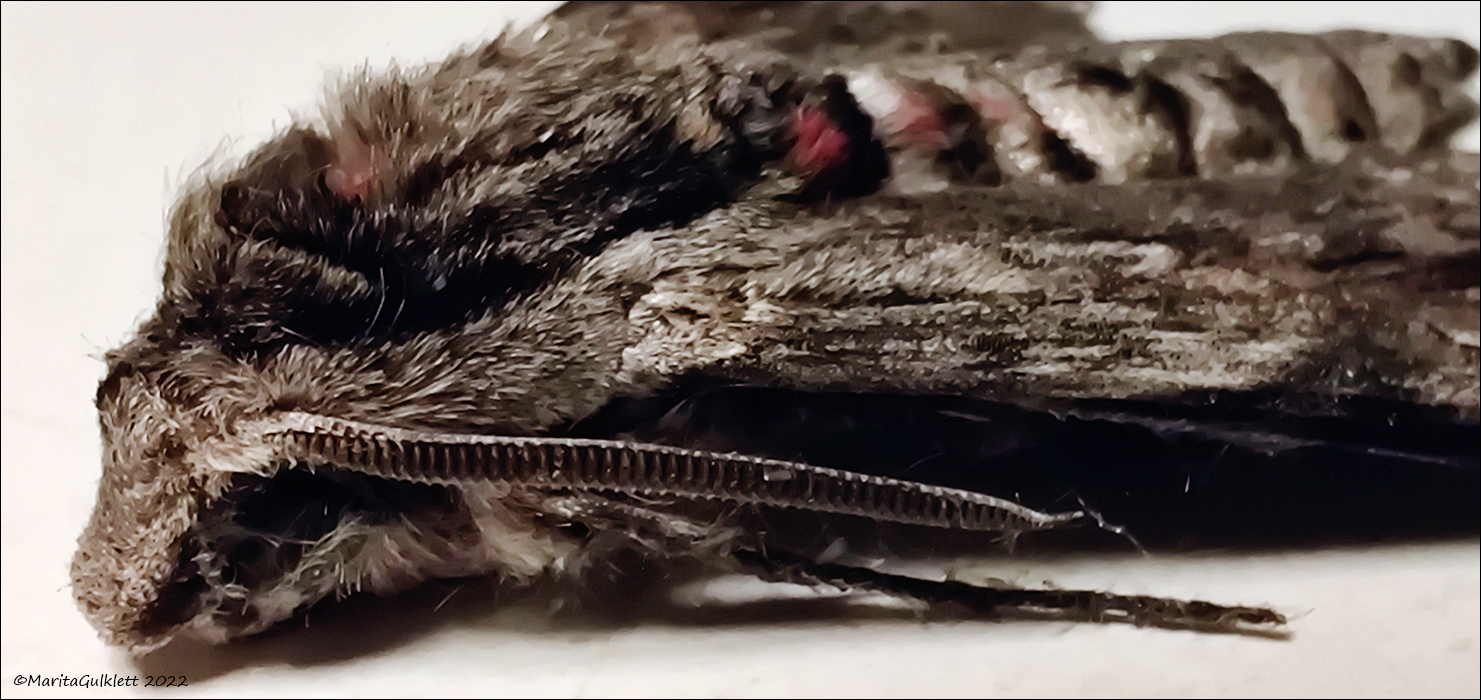
| Convolvulus hawk-moth Agrius convolvuli (Linnaeus, 1758) (No 6828) | ||||||||||||||||||||||||||||
| Kinna Úr Dímun found this beautiful Convolvulus hawk-moth Agrius convolvuli in Tórshavn 07.09.2022. It was alive when she found it, but died shortly after. | ||||||||||||||||||||||||||||
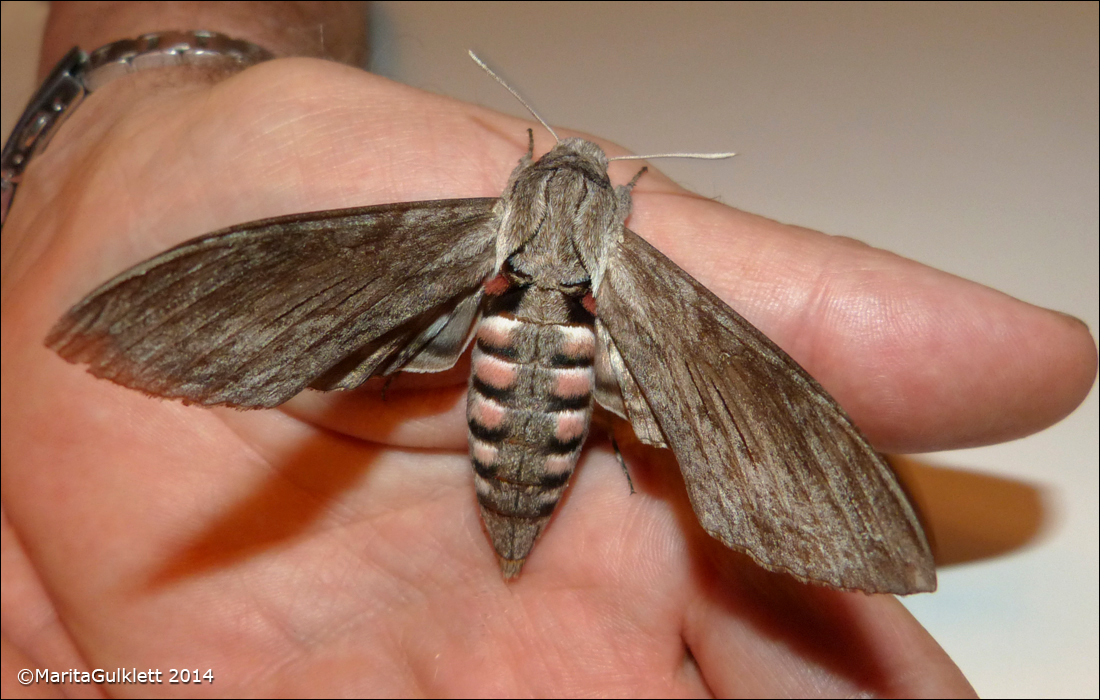
| The wingspan of a Convolvulus hawk-moth is between 80–105 mm. In the past, they came to the Faroe Islands from areas south of the Sahara, and then their wings were very worn, but this is unlikely to happen today, as the Sahara grows every year. The Convolvulus hawk-moths that come to the Faroe Islands today, come from countries in Central Europe. | ||||||||||||||||||||||||||||
| Convolvulus hawk-moth is seen in the Faroe Islands a few times every year. | ||||||||||||||||||||||||||||
| Convolvulus hawk-moth Agrius convolvuli (Linnaeus, 1758) (No 6828) | ||||||||||||||||||||||||||||
 |
||||||||||||||||||||||||||||
| The usual look of the Convolvulus hawk-moth | ||||||||||||||||||||||||||||
|
||||||||||||||||||||||||||||
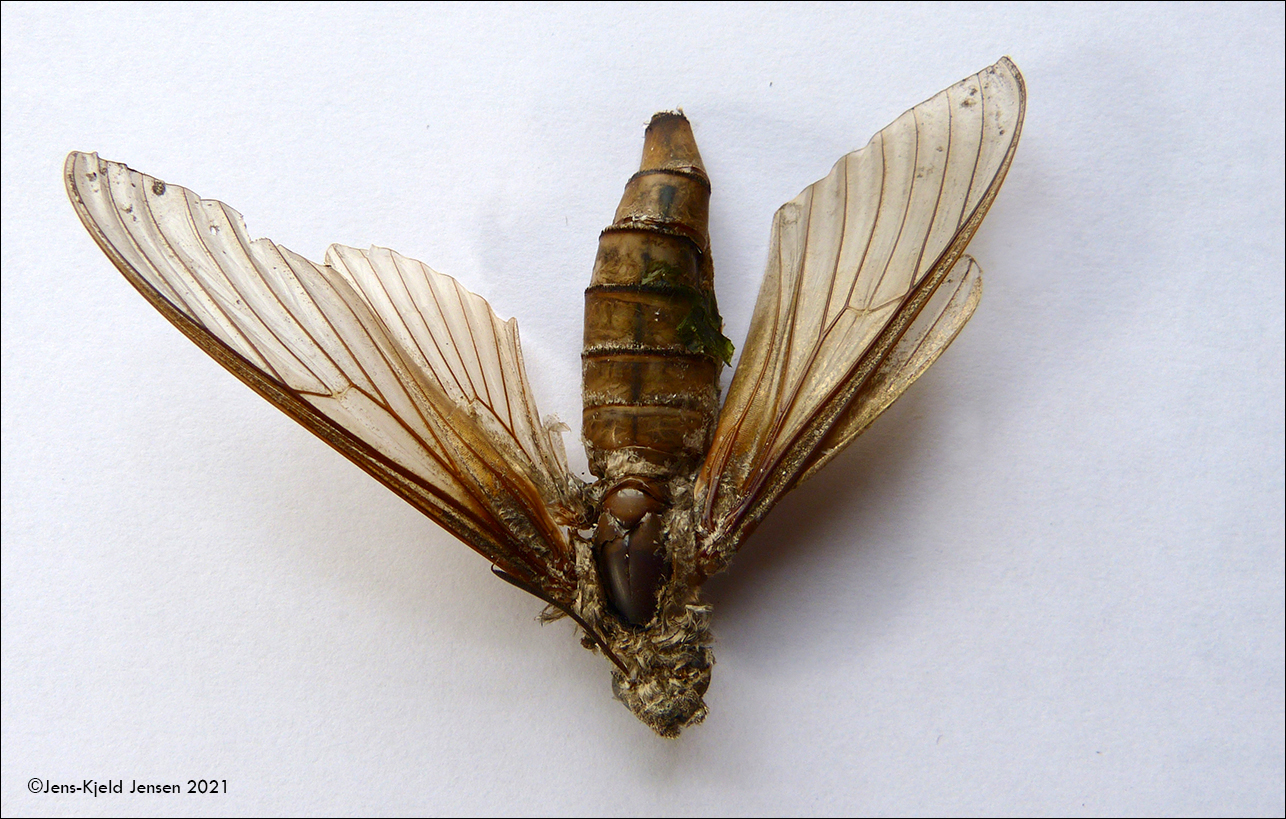
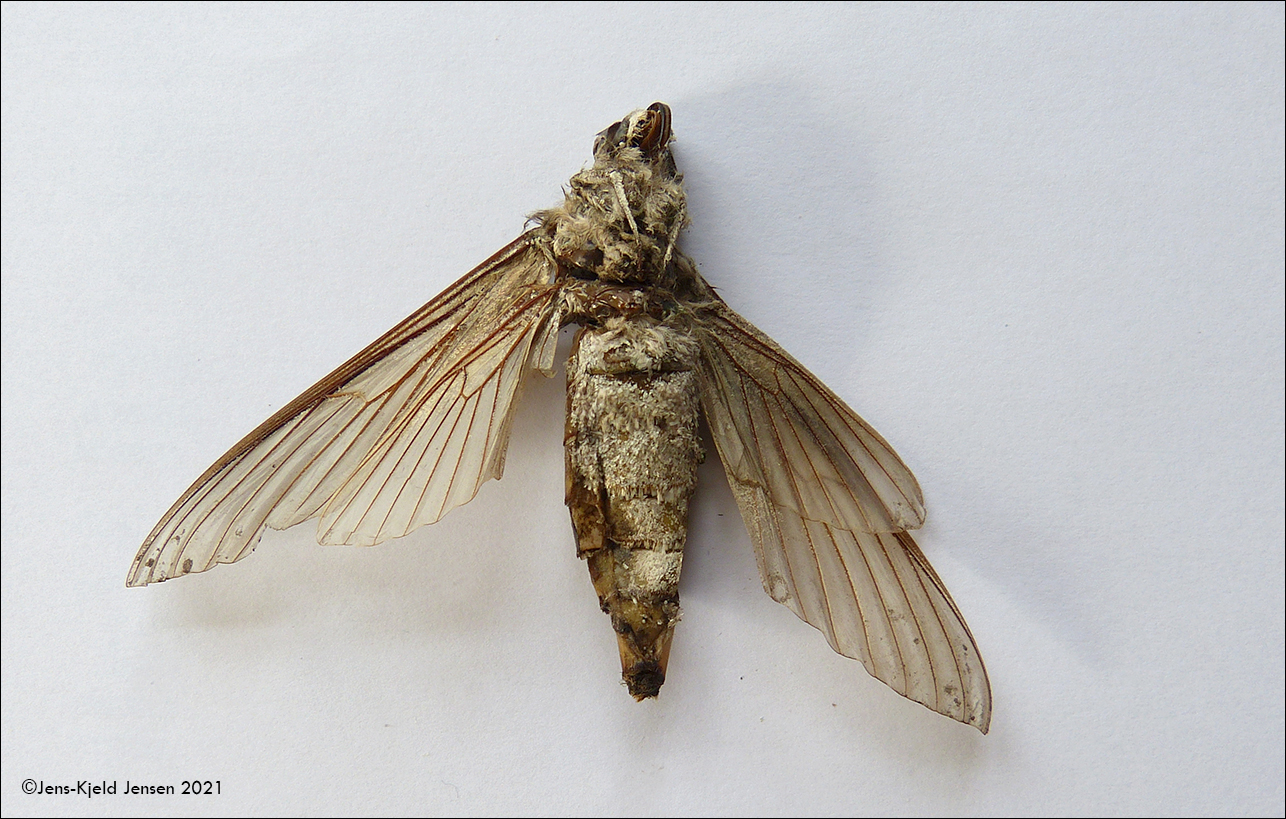
| A very worn Convolvulus hawk-moth | ||||||||||||||||||||||||||||
| This very worn Convolvulus hawk-moth Agrius convolvuli was found by Lív Jacobsen from Glyvrum in Sandvík on Suðuroy 15.08.2021. It must have made an emergency landing at sea, since it had no scales left on its wings. It has since been washed ashore. A Danish entomologist who was in Nólsoy when the pictures were taken said, that he had never seen such a worn Convolvulus hawk-moth before. Convolvulus hawk-moth is seen in the Faroe Islands a few times every year. |
||||||||||||||||||||||||||||
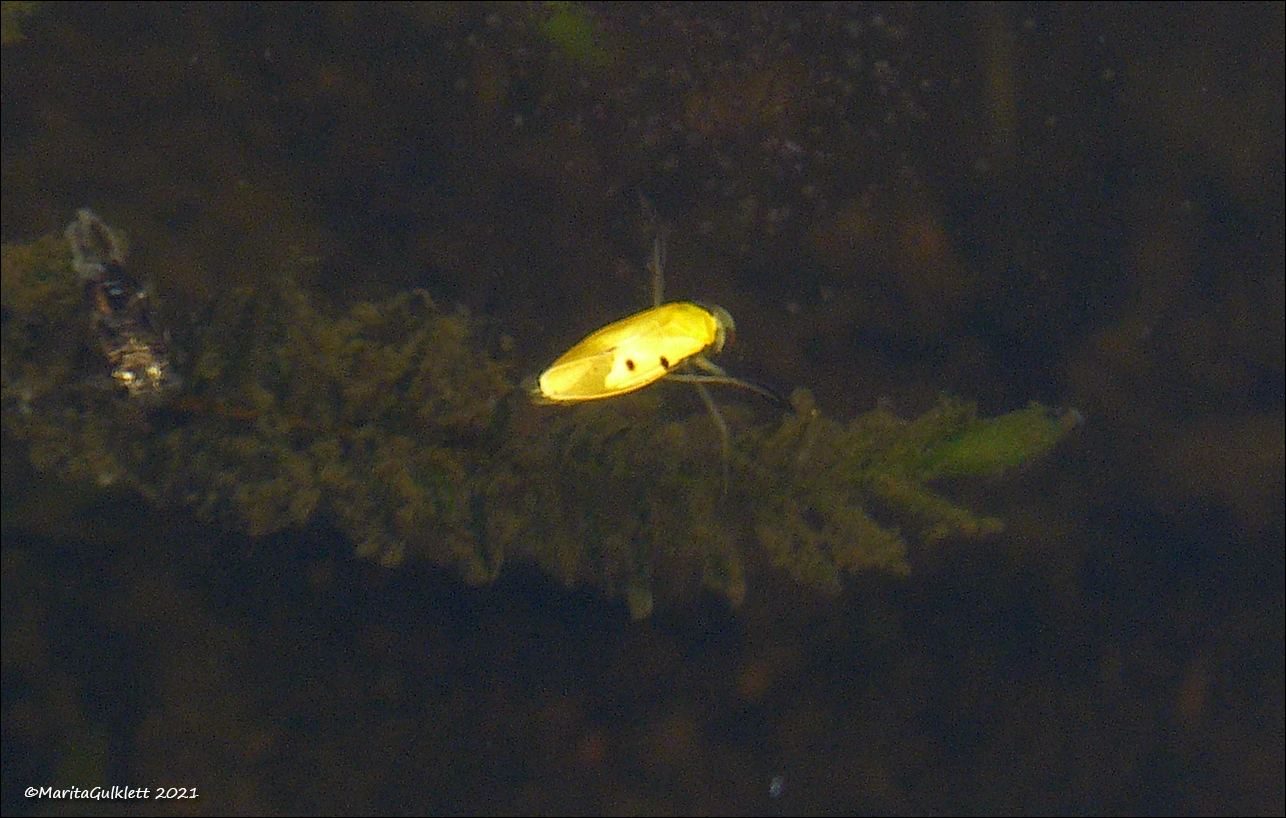
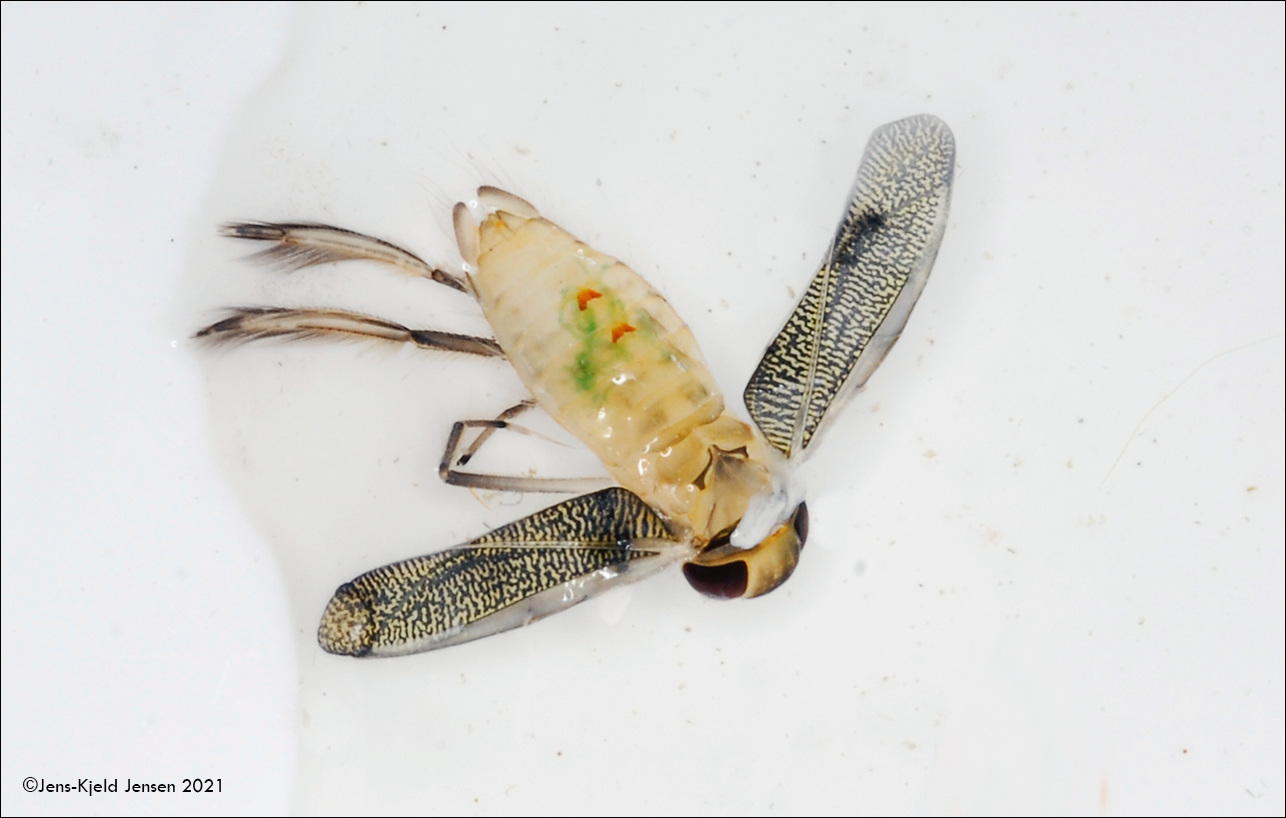
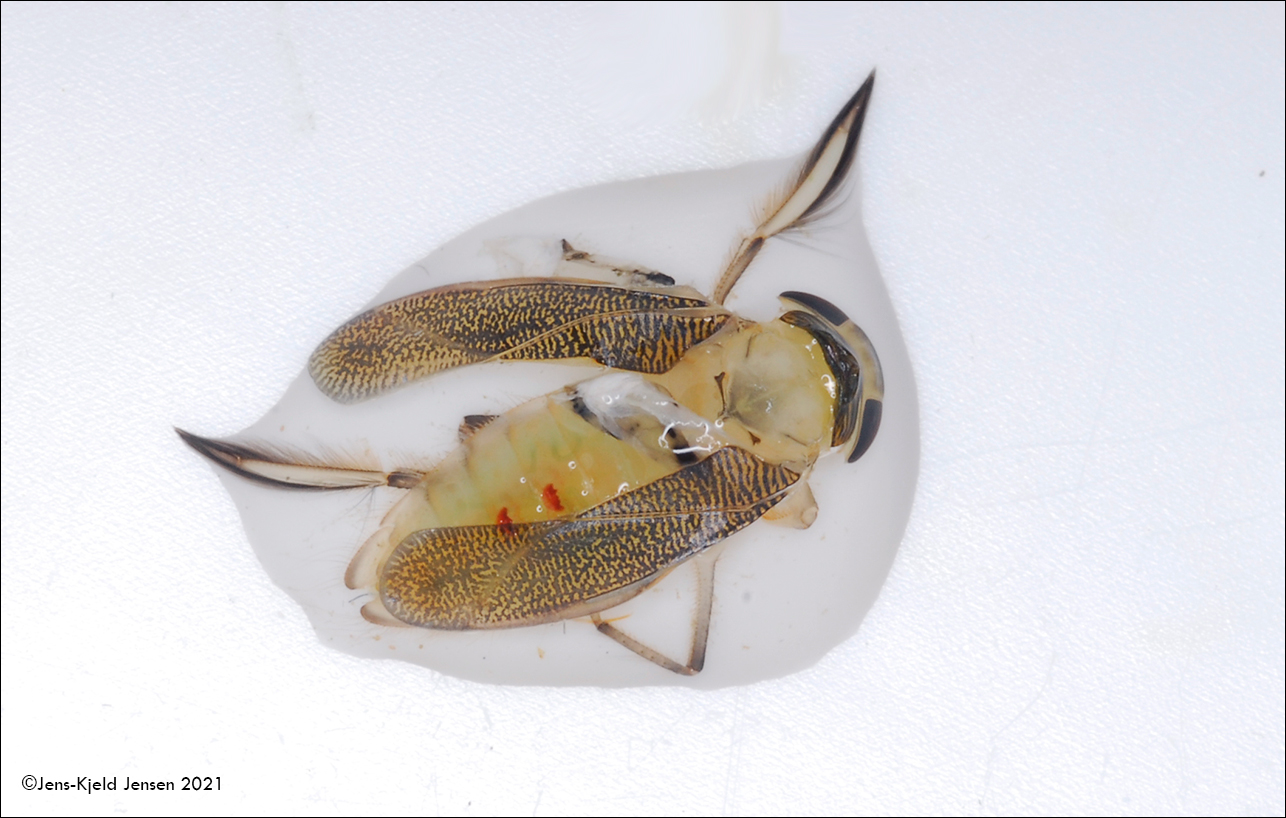
| Arctocorisa carinata (C.R. Sahlberg, 1819). | ||||||||||||||||||||||||||||
|
||||||||||||||||||||||||||||
|
||||||||||||||||||||||||||||
|
||||||||||||||||||||||||||||
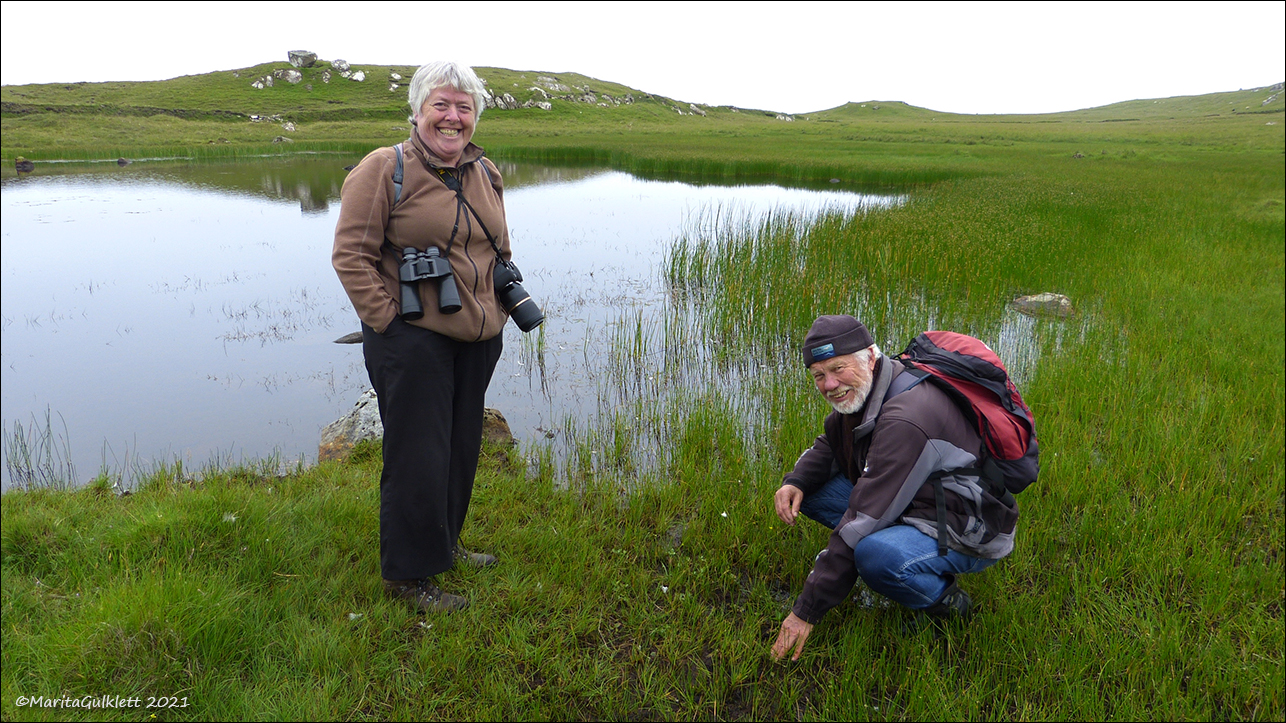
| Hanna Joensen & Jens-Kjeld Jensen | ||||||||||||||||||||||||||||
When we were in Søltuvík on Sandoy 09.08.2021 we saw a yellow tick swimming in a small lake. Hanna Joensen caught the tick, which Jens-Kjeld put up in a glass of water from the lake. Then Jens-Kjeld carried the tick all the way to Nólsoy; but sadly it was dead the next day. Since we have never seen such a tick before, we asked Leivur Janus Hansen if he might know the species, and he determined it for us. |
||||||||||||||||||||||||||||
| Cariblatta cf lutea cockroach from an imported orchid | ||||||||||||||||||||||||||||
|
||||||||||||||||||||||||||||
|
||||||||||||||||||||||||||||
| Buy a "bouncy" orchid | ||||||||||||||||||||||||||||
| For the past 14 days we have had live Cariblatta cf lutea cockroaches from 2 different orchids. The first was sent by Hanna Joensen, Sandur, and the second was delivered at our house by Niels Th. Pedersen, Vestmanna, the day before yesterday. | ||||||||||||||||||||||||||||
| Tórshavn 14.06.2021: How beautiful it is, though. | ||||||||||||||||||||||||||||
| Cream-spot ladybird Calvia quatuordecimguttata | ||||||||||||||||||||||||||||
|
||||||||||||||||||||||||||||
| The insects thrive well in the Christmas decorations | ||||||||||||||||||||||||||||
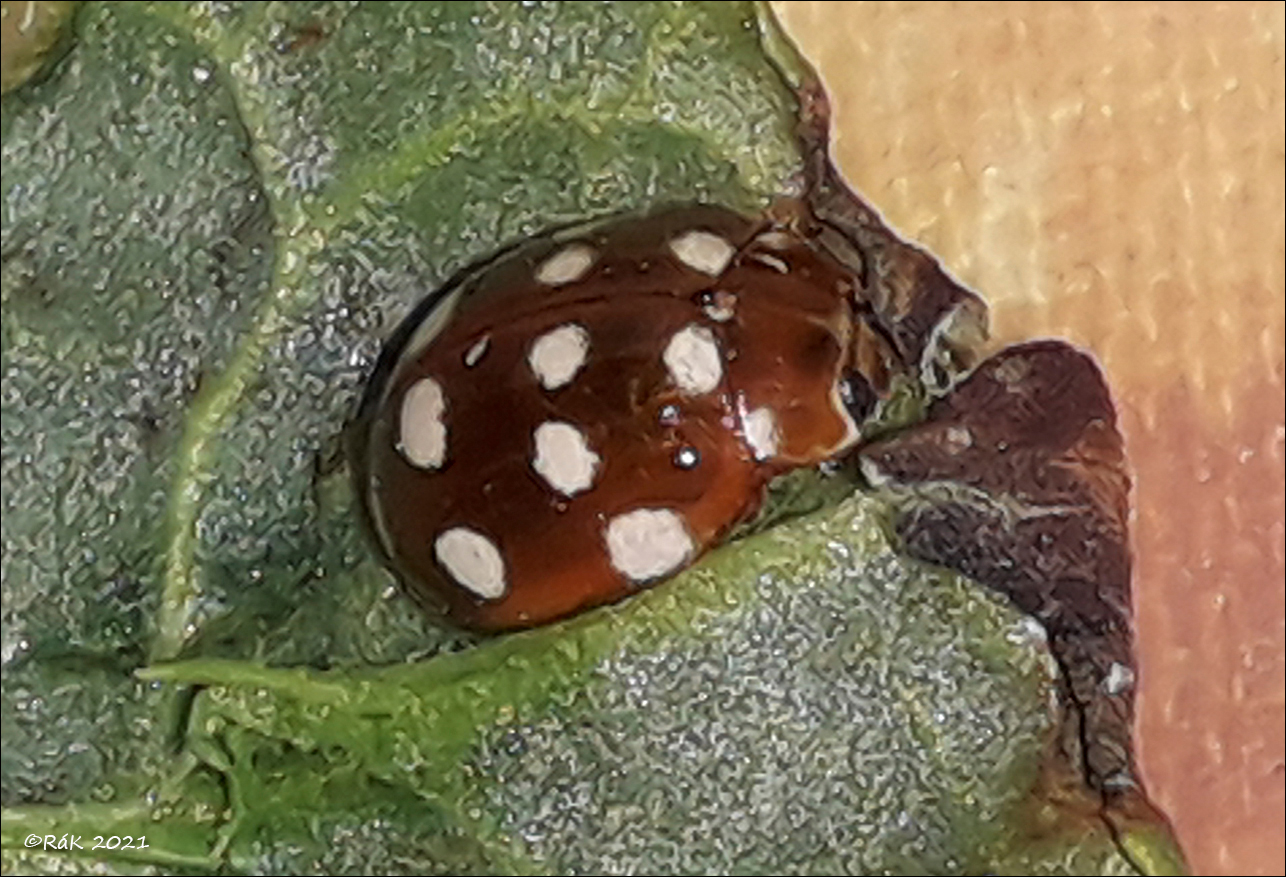
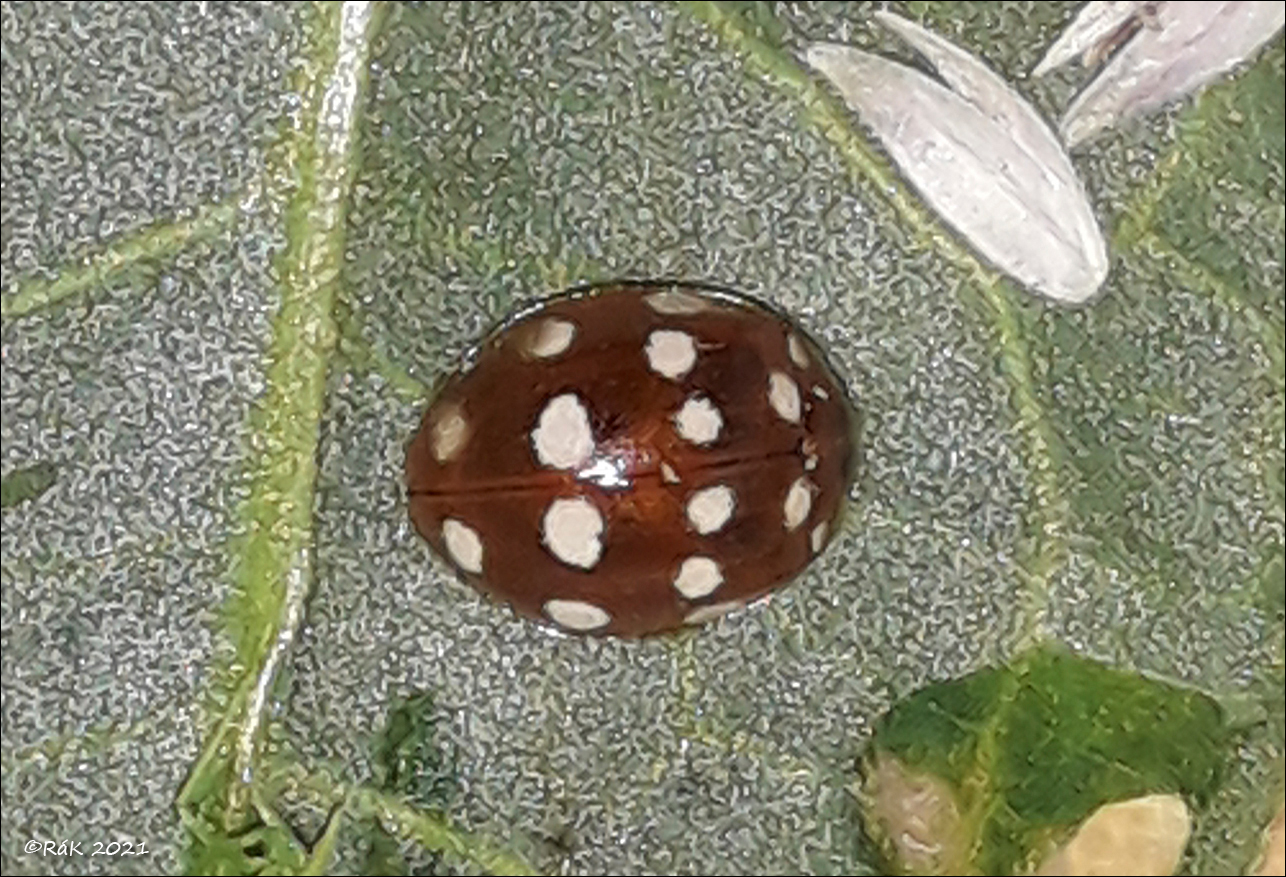
| On 24 April 2021, Rodmund á Kelduni found a brown Cream-spot ladybird Calvia quatuordecimguttata in a Christmas decoration, which was placed in the cemetery in Sørvágur in December 2020. This species is only 4-5 mm long and is found throughout Europe to Japan, and is imported to USA. Besides the ladybug, he also found 2 beetles in the same decoration. | ||||||||||||||||||||||||||||
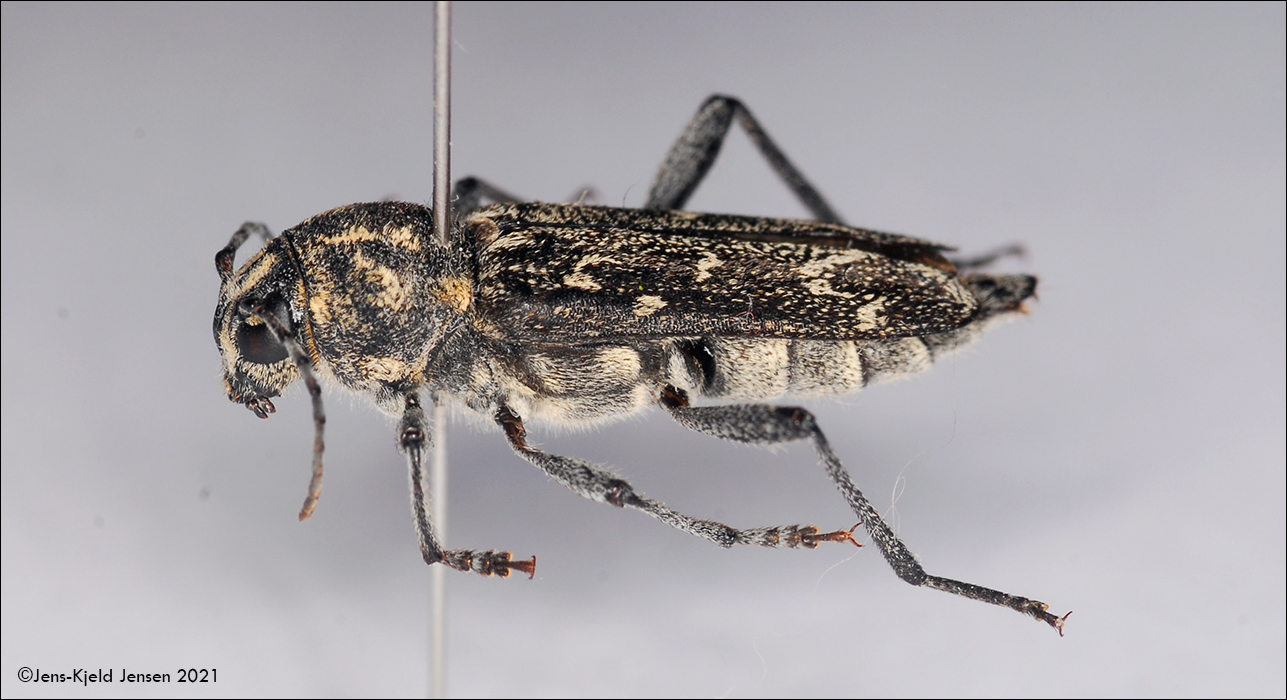
Xylotrechus rusticus (Linnaeus, 1758) |
||||||||||||||||||||||||||||
|
||||||||||||||||||||||||||||
|
||||||||||||||||||||||||||||
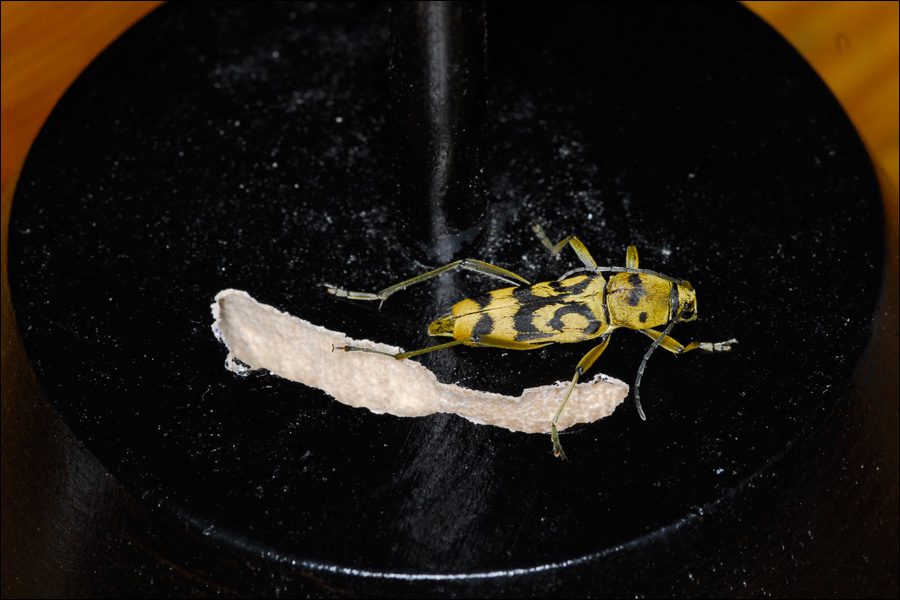
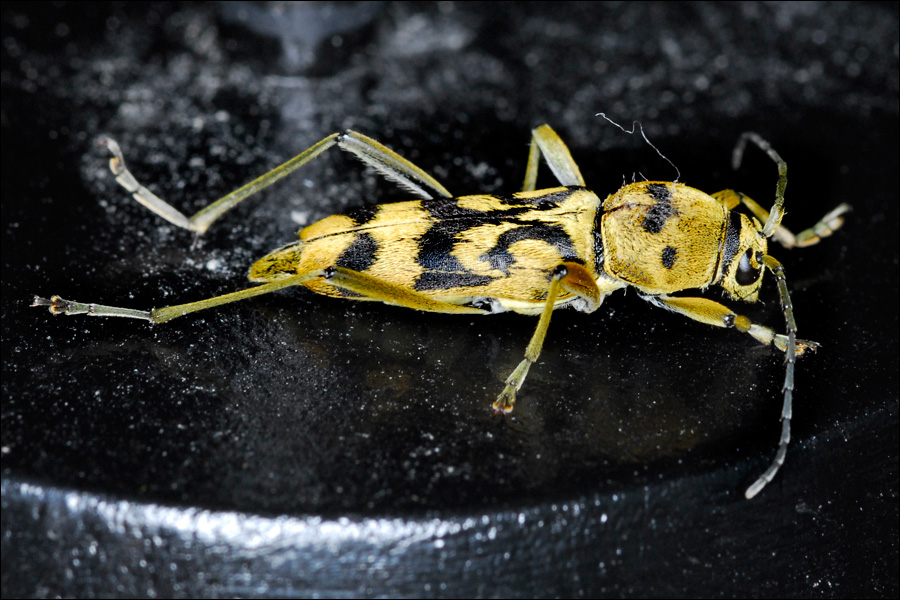
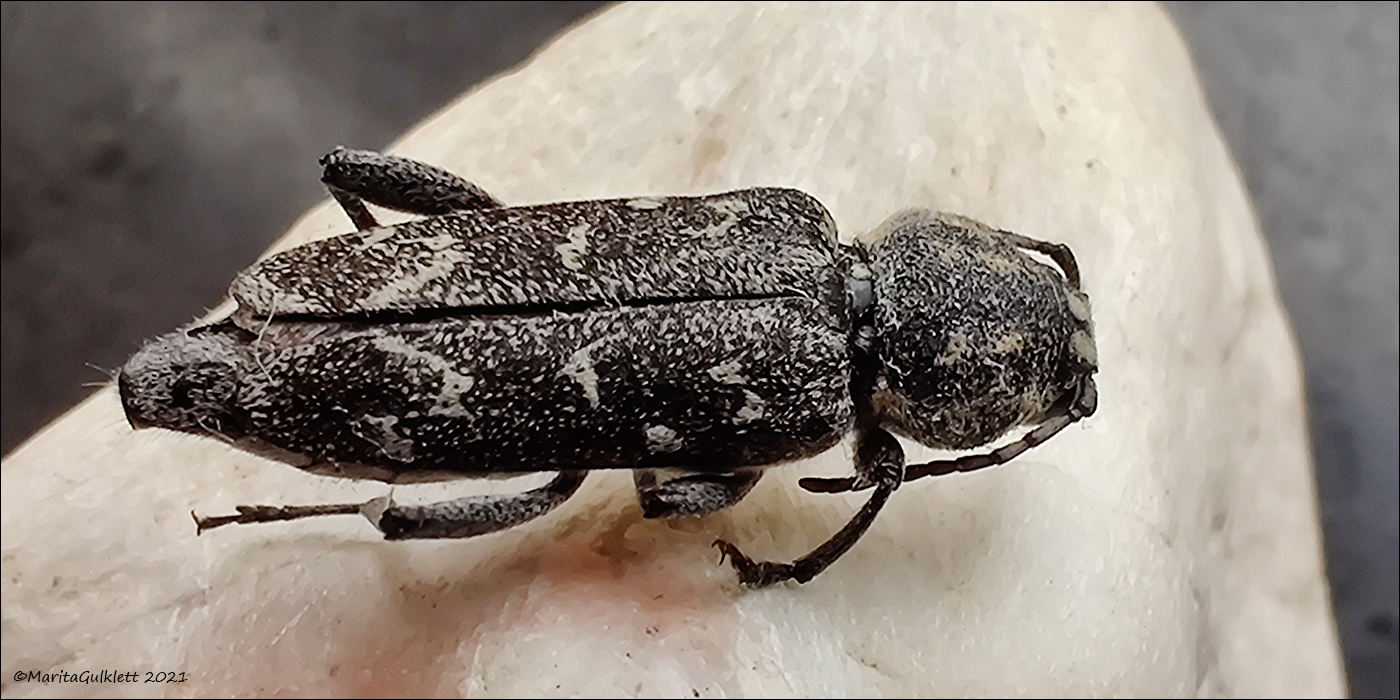
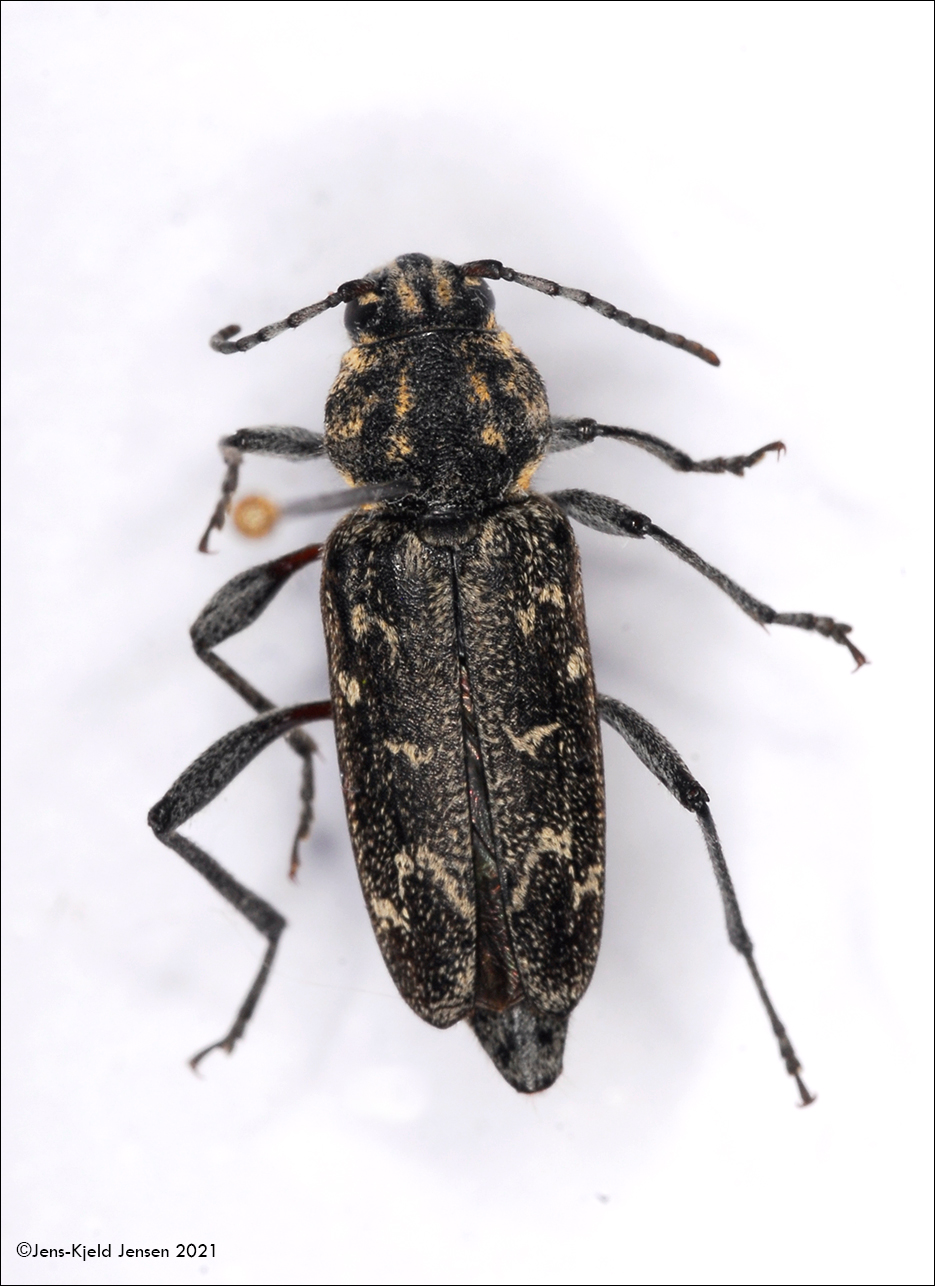
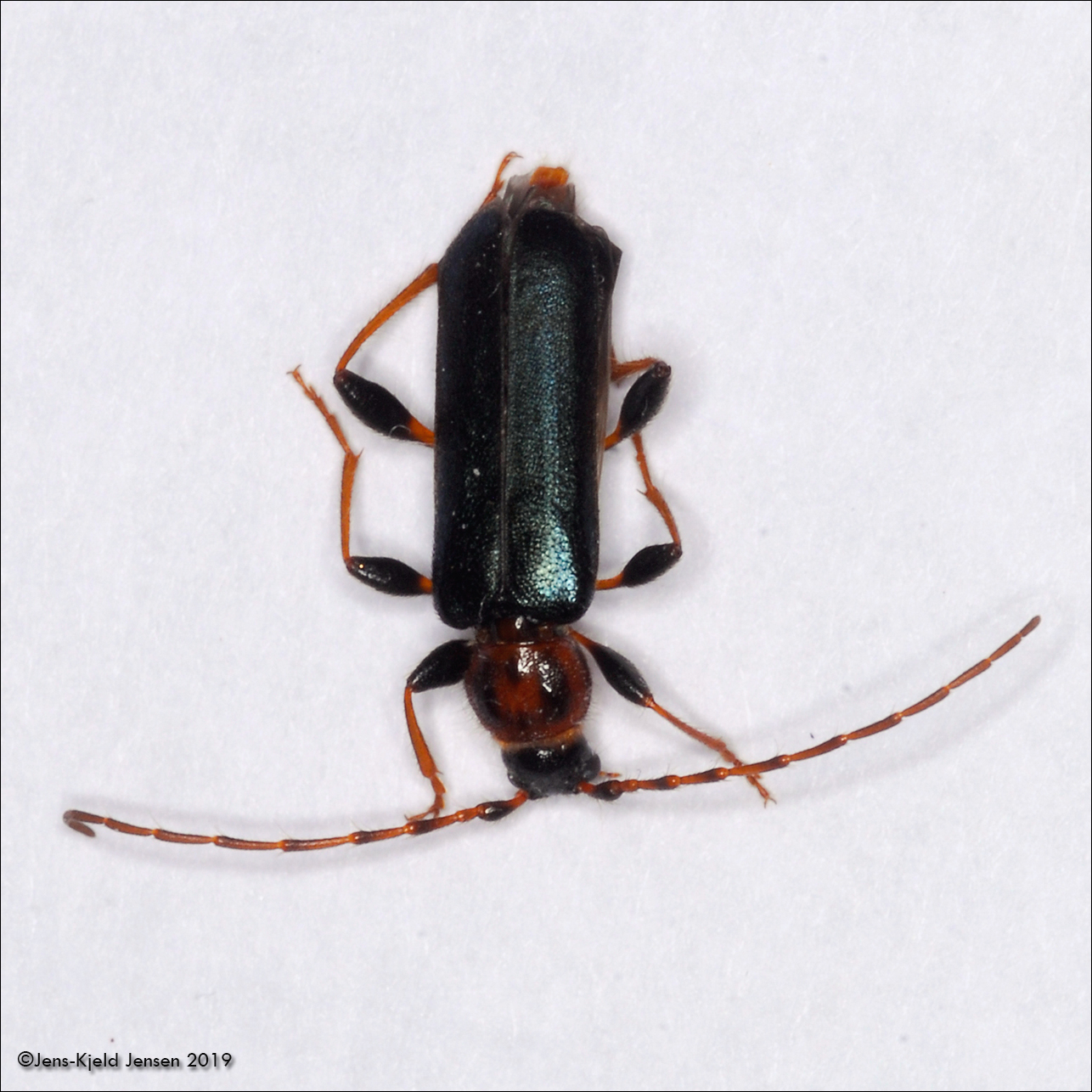
This beautiful female beetle was found indoors in Sandavágur on 19 April 2021. It was imported with goods to the Faroe Islands. |
||||||||||||||||||||||||||||
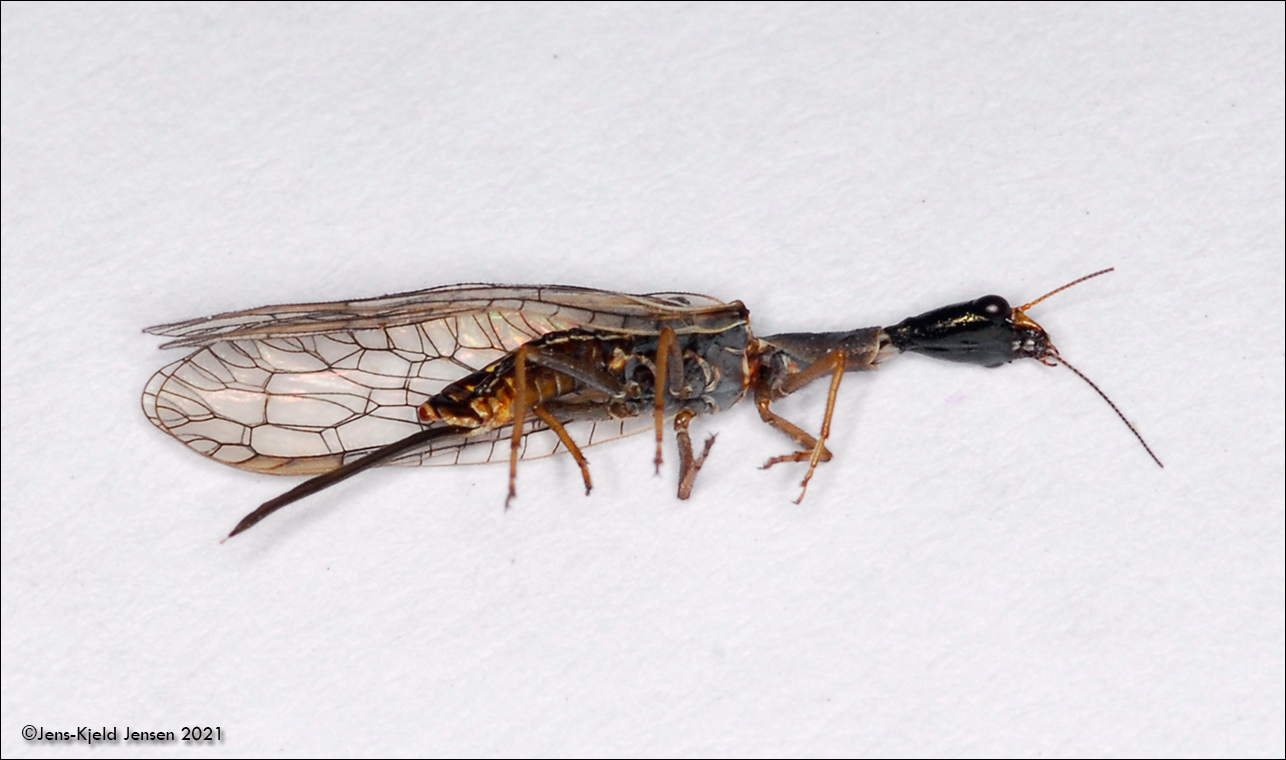
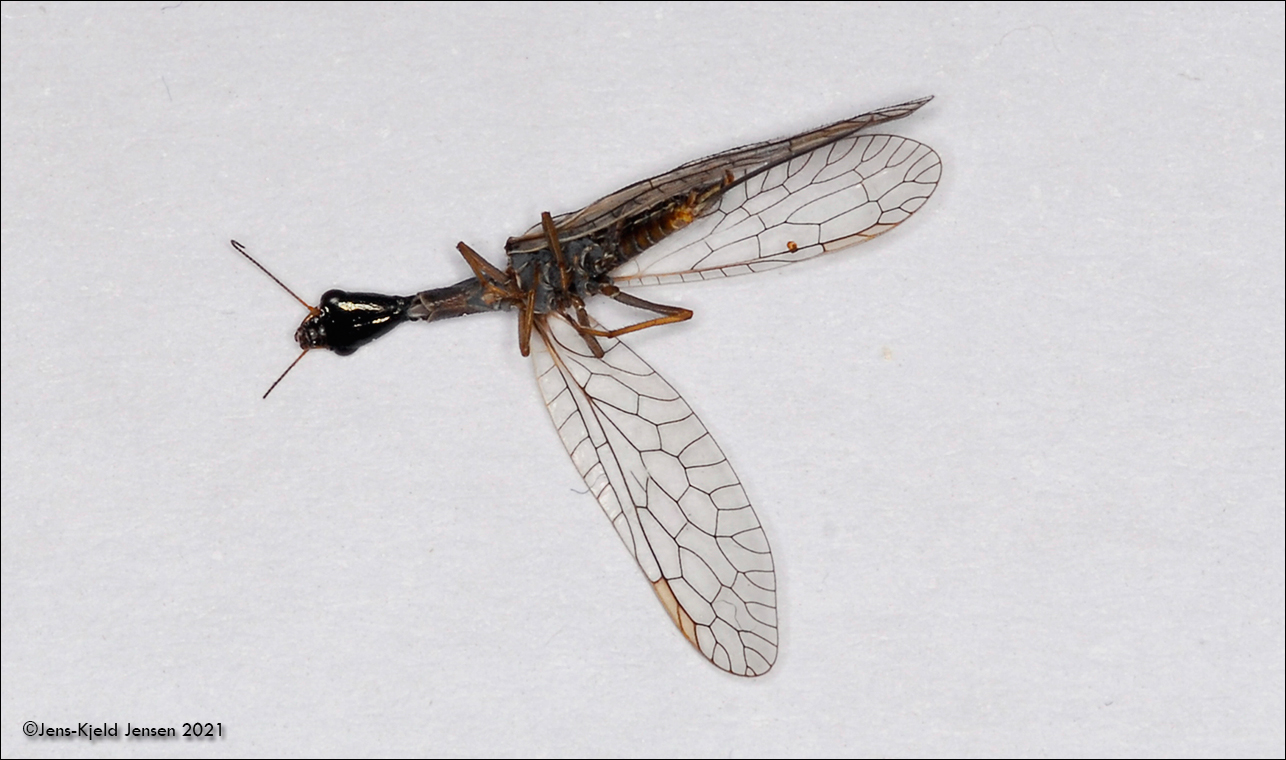
| Snakefly (order) Raphidioptera | ||||||||||||||||||||||||||||
|
||||||||||||||||||||||||||||
Found indoor in Velbastaður by Hansina Brekkstein 29.01.2021 |
||||||||||||||||||||||||||||
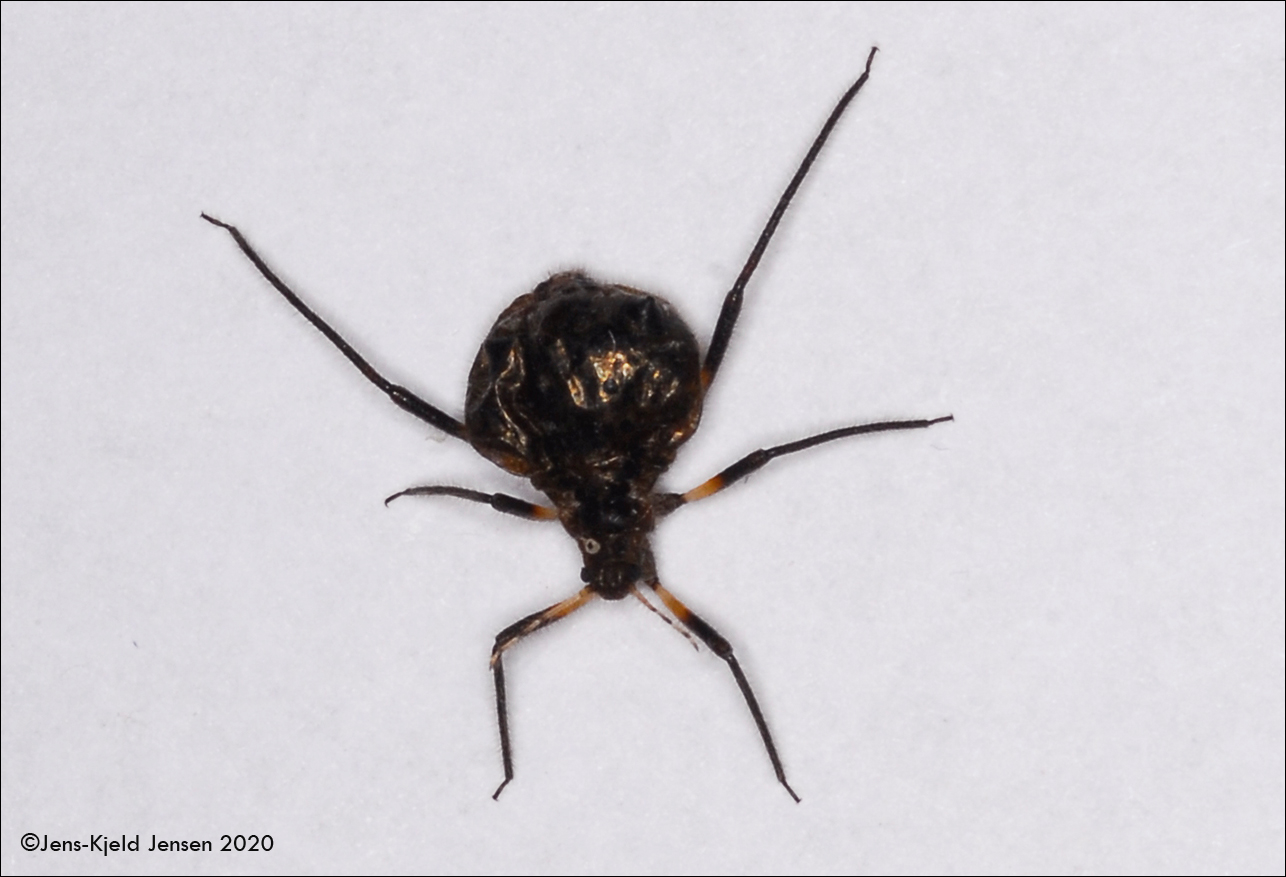
| Black-stem aphid Cinara confinis | ||||||||||||||||||||||||||||
|
||||||||||||||||||||||||||||
| These Black-stem aphids were found in Vestmanna 06.01.2021. They were all over the place and they most likely came from the Christmas tree, which was thrown out right away. This is the first time that Black-stem aphid is registered in the Faroe Islands, but most likely it has been here for many years. It lives on conifers such as Christmas trees and junipers. | ||||||||||||||||||||||||||||
Rusty tussock moth Orgyia antiqua |
||||||||||||||||||||||||||||
|
||||||||||||||||||||||||||||
|
||||||||||||||||||||||||||||
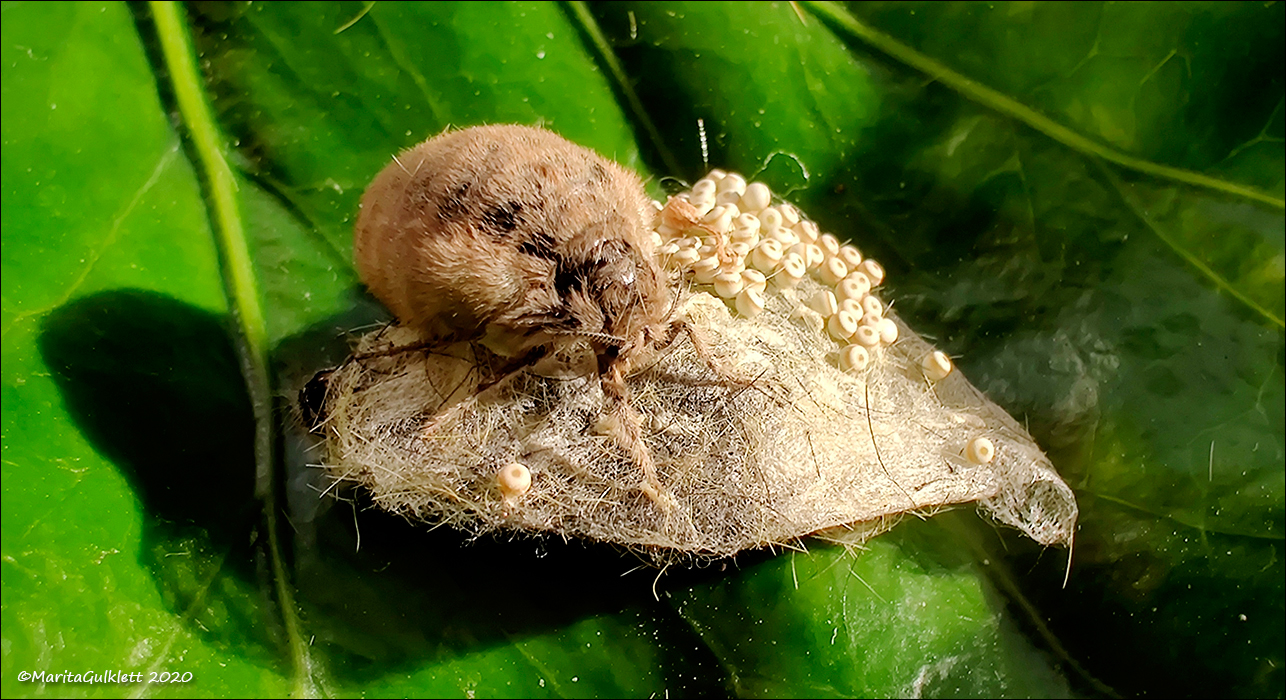
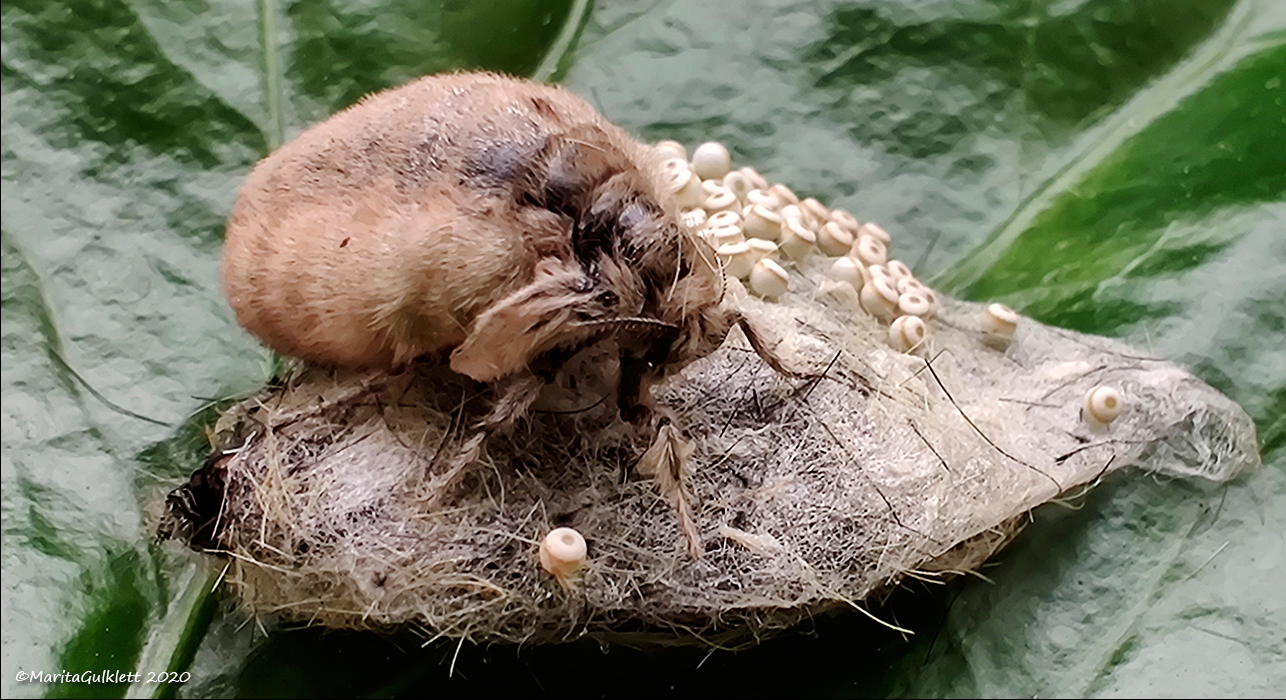
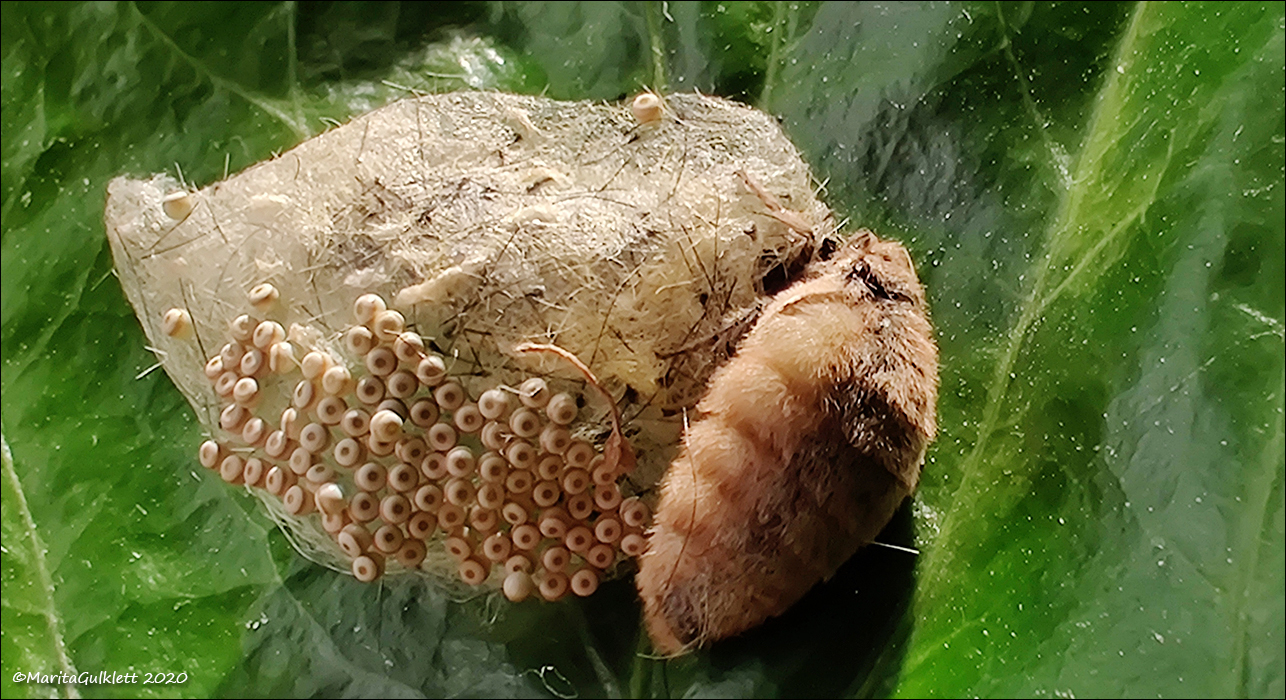
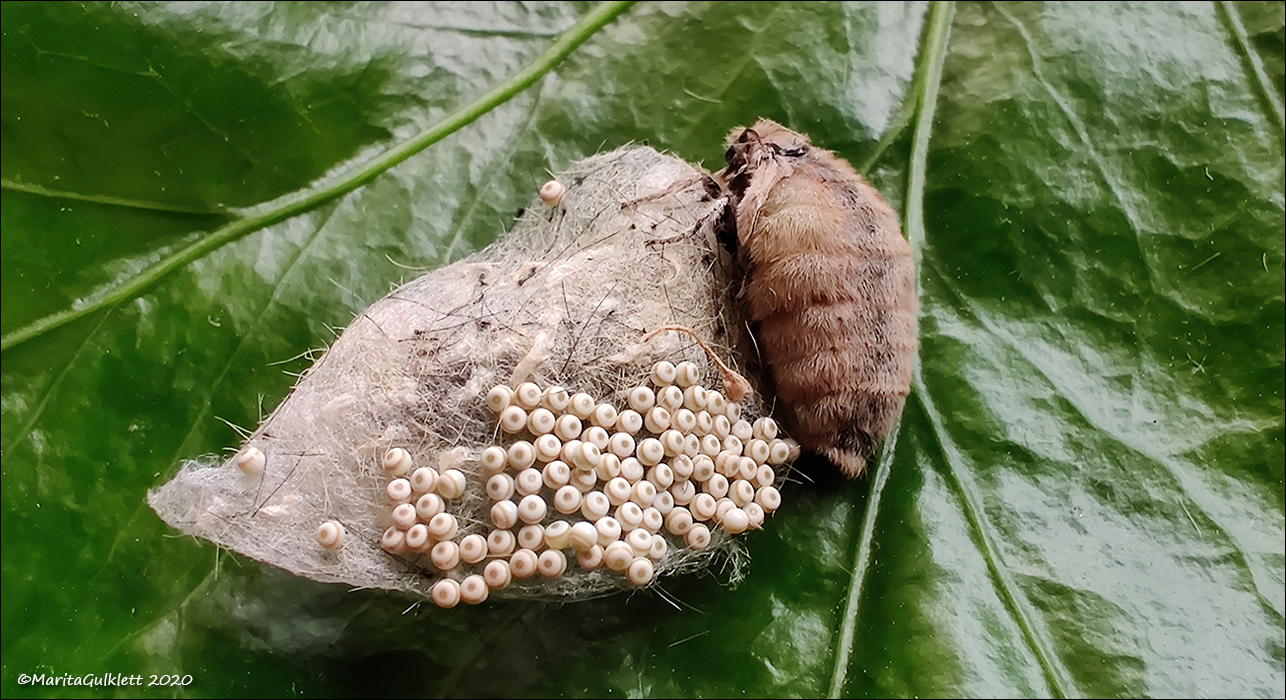
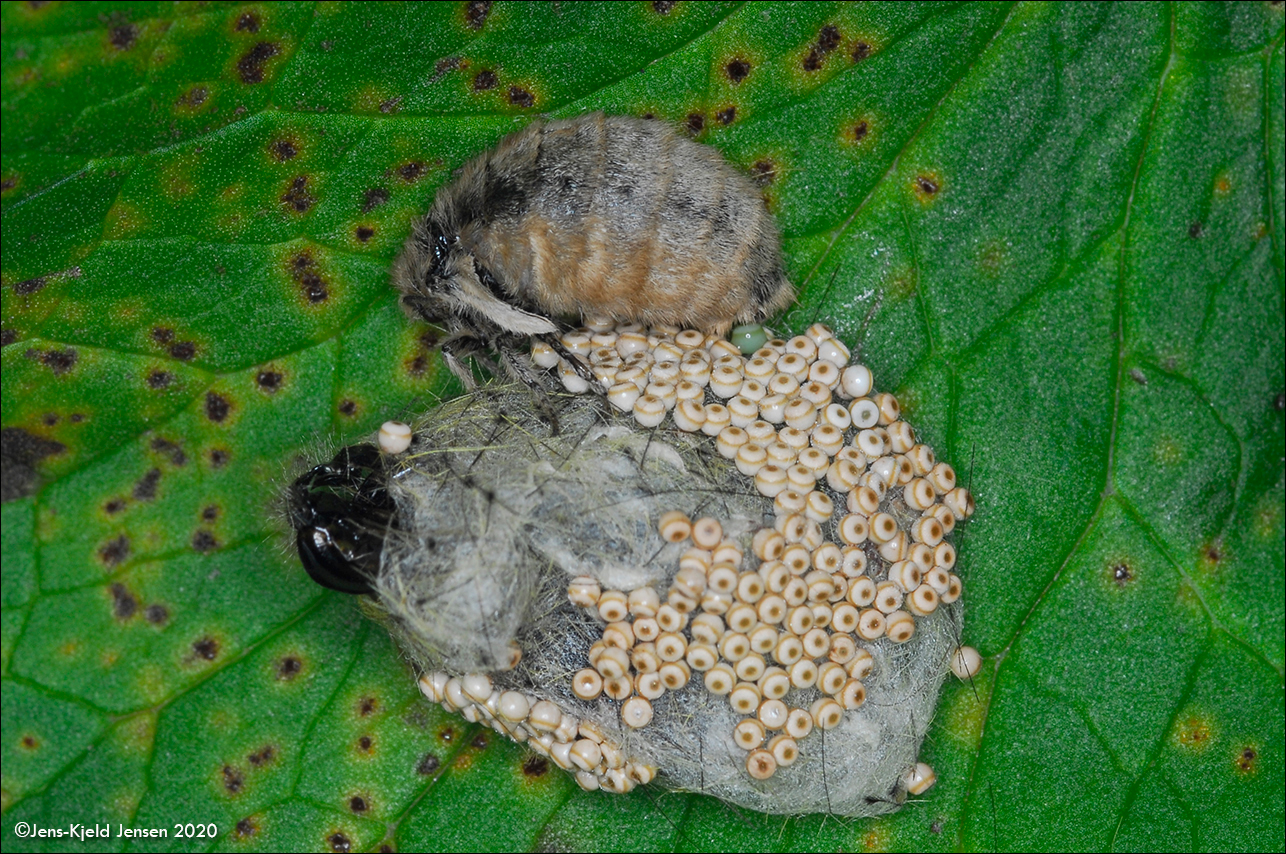
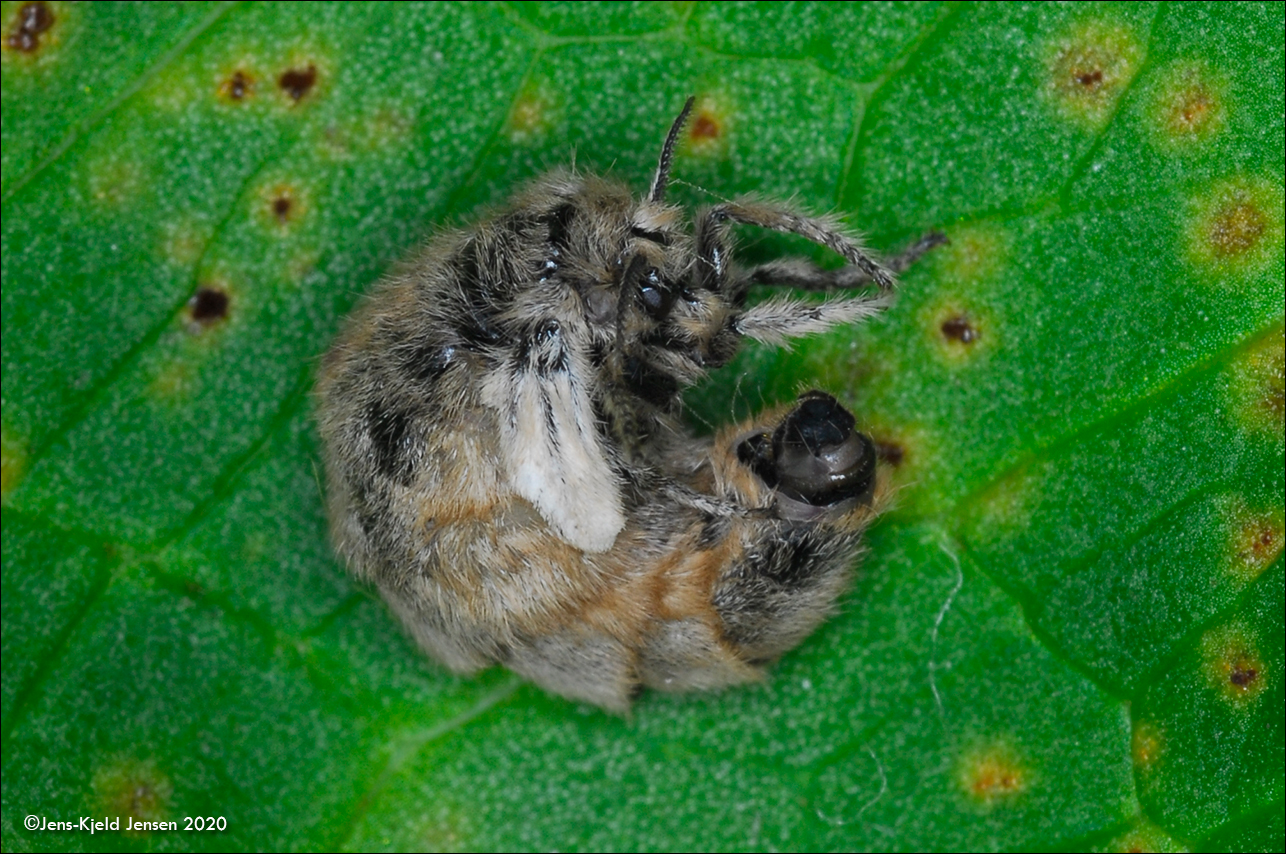
This butterfly female of the species Orgyia antiqua came in our door 12.09.2020. It was found outdoors in Tórshavn. It is a beautiful butterfly that has not been registered in the Faroe Islands before. The female has some very small wings, so it cannot fly. Its life has only one purpose - to get as much offspring as possible, while the male flutters around. When the nest is full, the female dies. |
||||||||||||||||||||||||||||
|
||||||||||||||||||||||||||||
| Nólsoy 14.09.2020 | ||||||||||||||||||||||||||||
| Pyrrhidium sanguineum (Linnaeus, 1758) | ||||||||||||||||||||||||||||
|
||||||||||||||||||||||||||||
| 01.06.2020 Nicolaj Falck found this beautiful Pyrrhidium sanguineum in his home on Nólsoy. This is the first observation of Pyrrhidium sanguineum in the Faroe Islands. It is most likely imported to the Faroe Islands with some goods. | ||||||||||||||||||||||||||||
| Leaf beetle Chrysolina staphylaea | ||||||||||||||||||||||||||||
|
||||||||||||||||||||||||||||
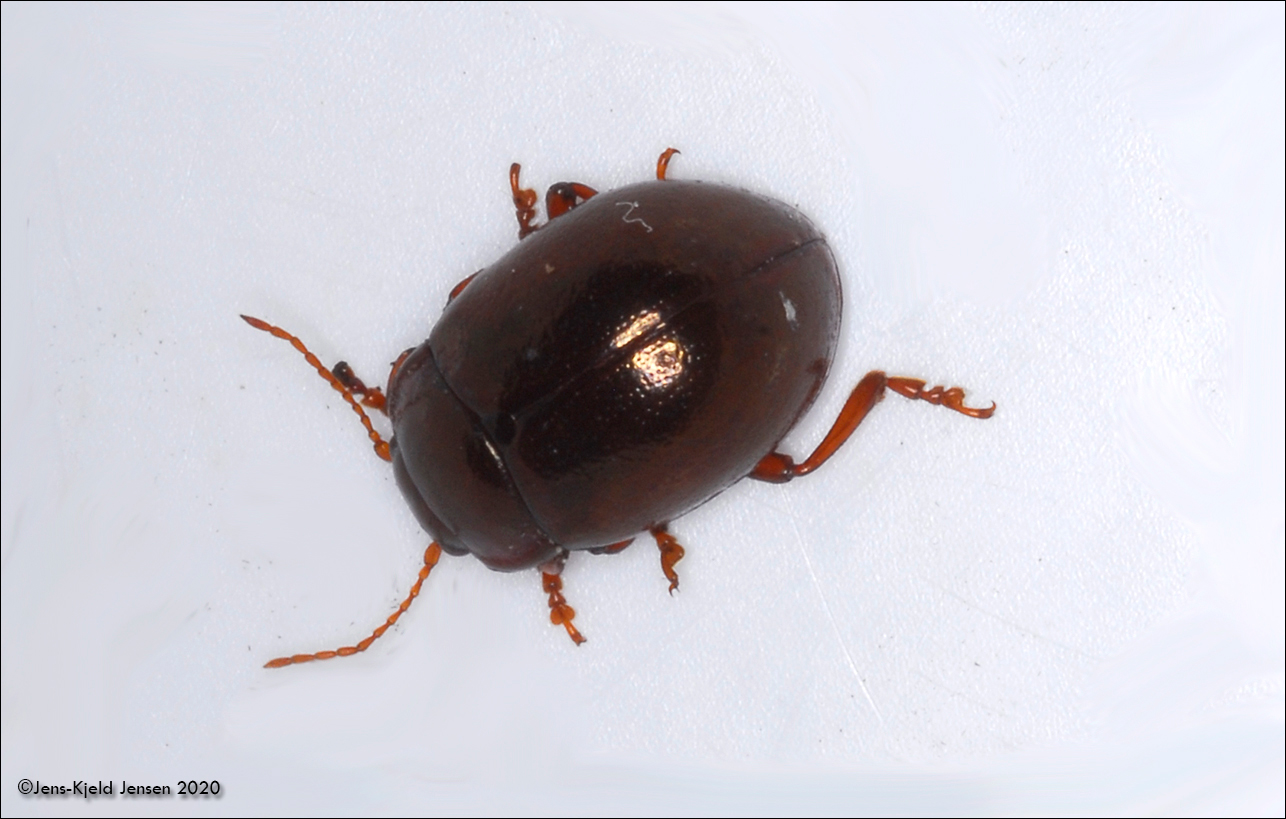
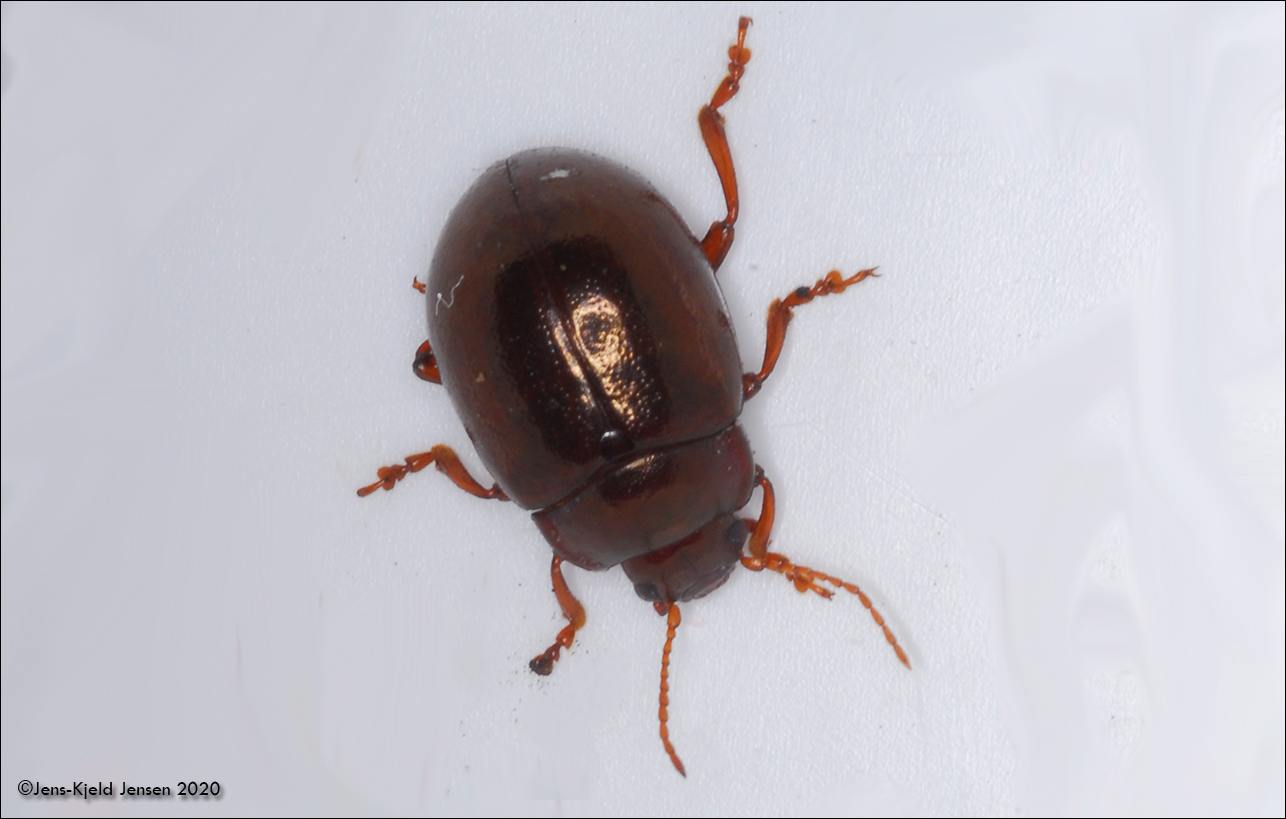
| Andrea Klemmentsen, Tórshavn, found this dead leaf beetle on her sweather in February 2020 | ||||||||||||||||||||||||||||
|
||||||||||||||||||||||||||||
|
||||||||||||||||||||||||||||
| 30.10.2020 Valborg Gulklett and the children in the room Innara Vættralund in the kindergarten Lítliskógur in Tórshavn found this beautiful leaf beetle Chrysolina staphylaea. Chrysolina staphylaea is a Faroese leaf beetle that most people have never seen. | ||||||||||||||||||||||||||||
| Long-tailed silverfish Ctenolepisma longicaudata (Escherich, 1905) | ||||||||||||||||||||||||||||
|
||||||||||||||||||||||||||||
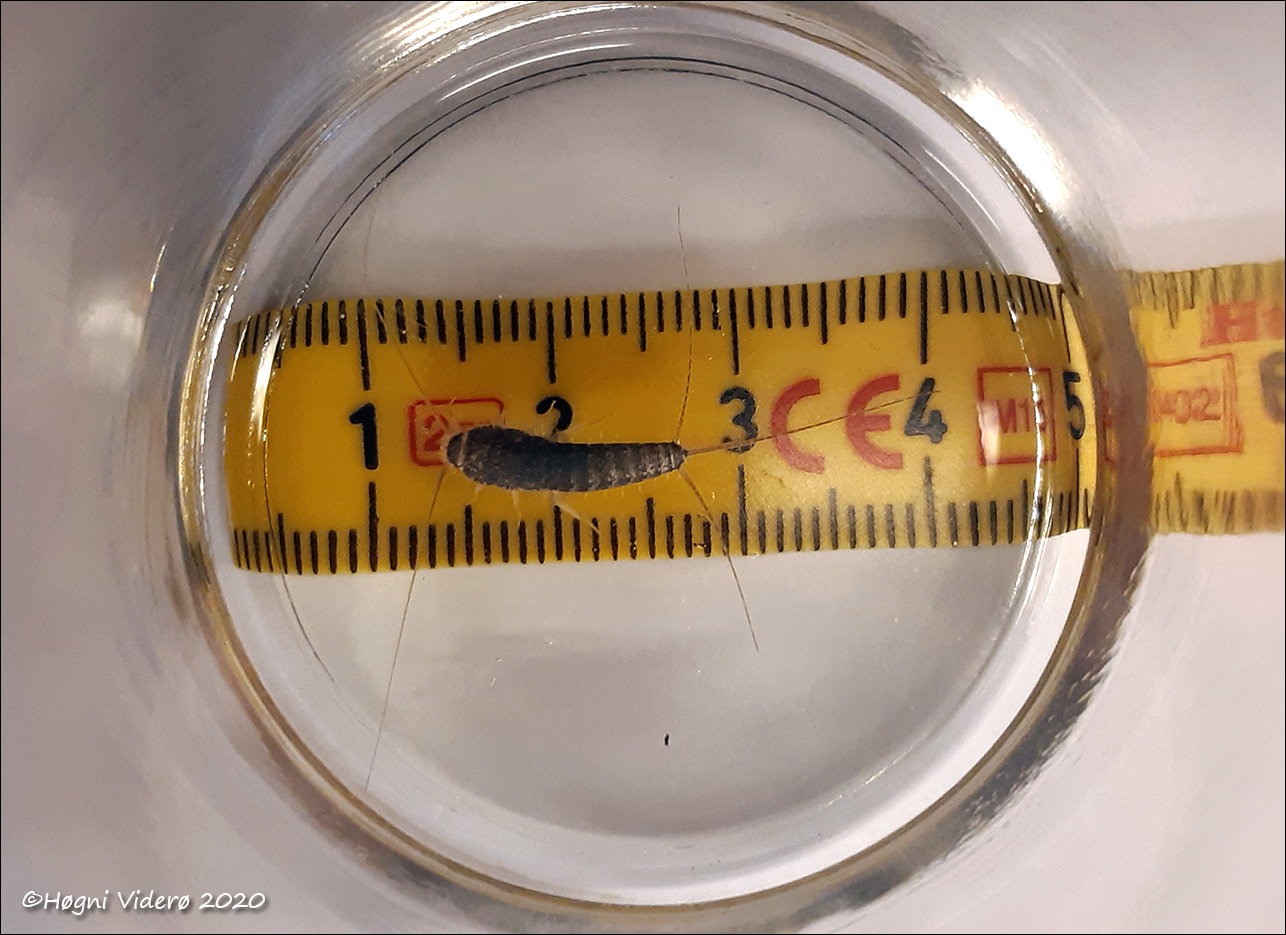
In 2019 Elisabet Thomsen, Sunnvør í Kongsstovu, Hans Atli Dahl & Svein-Ole Mikalsen wrote the article "Ctenolepisma longicaudata (Escherich, 1905): a common, but previously unregistered, species of silverfish in the Faroe Islands". The article shows that Long-tailed silverfish is widespread in the Faroe Islands, which is brand new knowledge for all of us. |
||||||||||||||||||||||||||||
Tanbark borer Phymatodes testaceus |
||||||||||||||||||||||||||||
|
||||||||||||||||||||||||||||
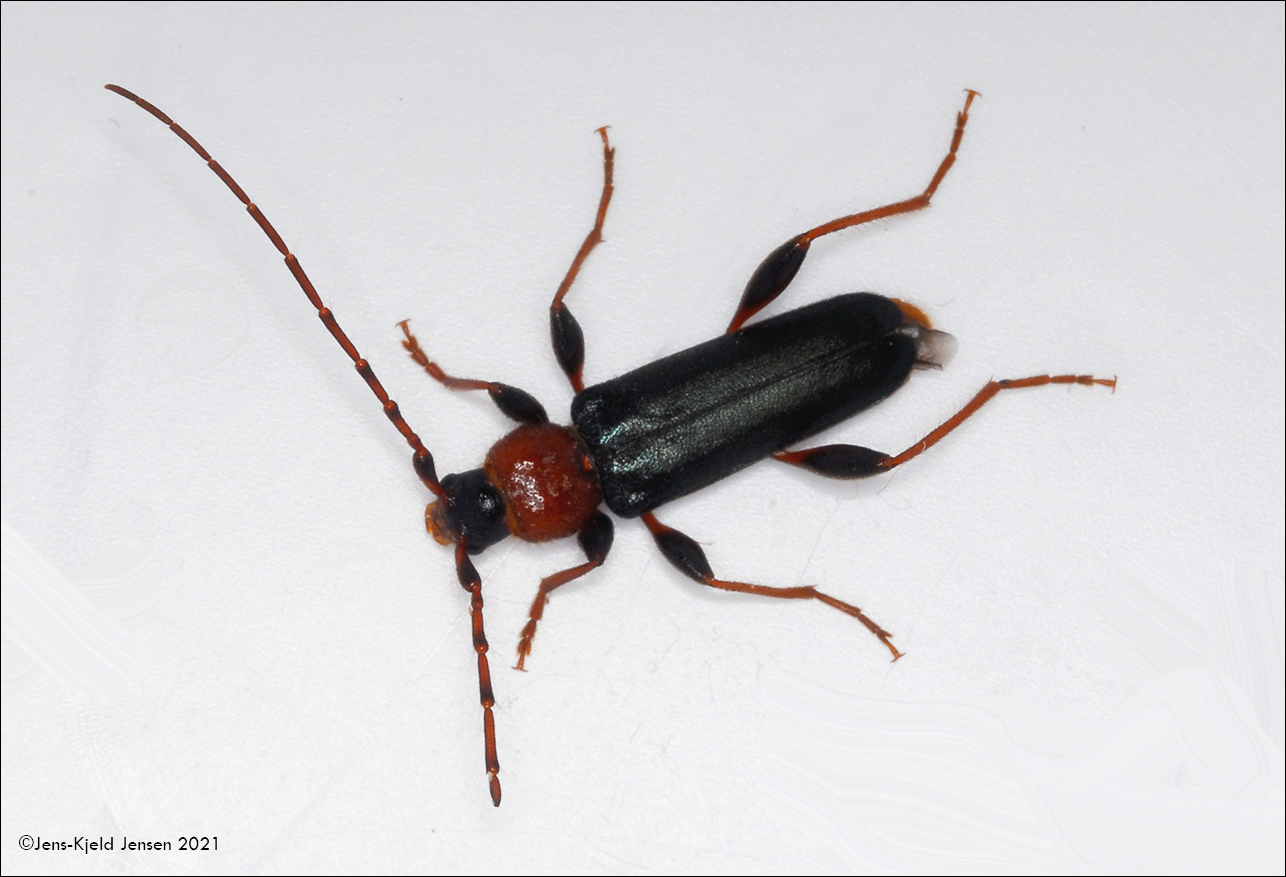
| 06.05.2021 Heðin D. Poulsen caught this beautiful Tanbark borer Phymatodes testaceus in a window sill in his house in Tórshavn. It may have entered his house either in a bouquet of flowers or in firewood. This is the 9 time, that this species has been registered in the Faroe Islands. | ||||||||||||||||||||||||||||
|
||||||||||||||||||||||||||||
| A woman found this pretty borer indoors in Tórshavn 06. November 2019. Dánial Jespersen brought it to our house. | ||||||||||||||||||||||||||||
| Dragonfly Anax (Hemianax) ephippiger | ||||||||||||||||||||||||||||
|
||||||||||||||||||||||||||||
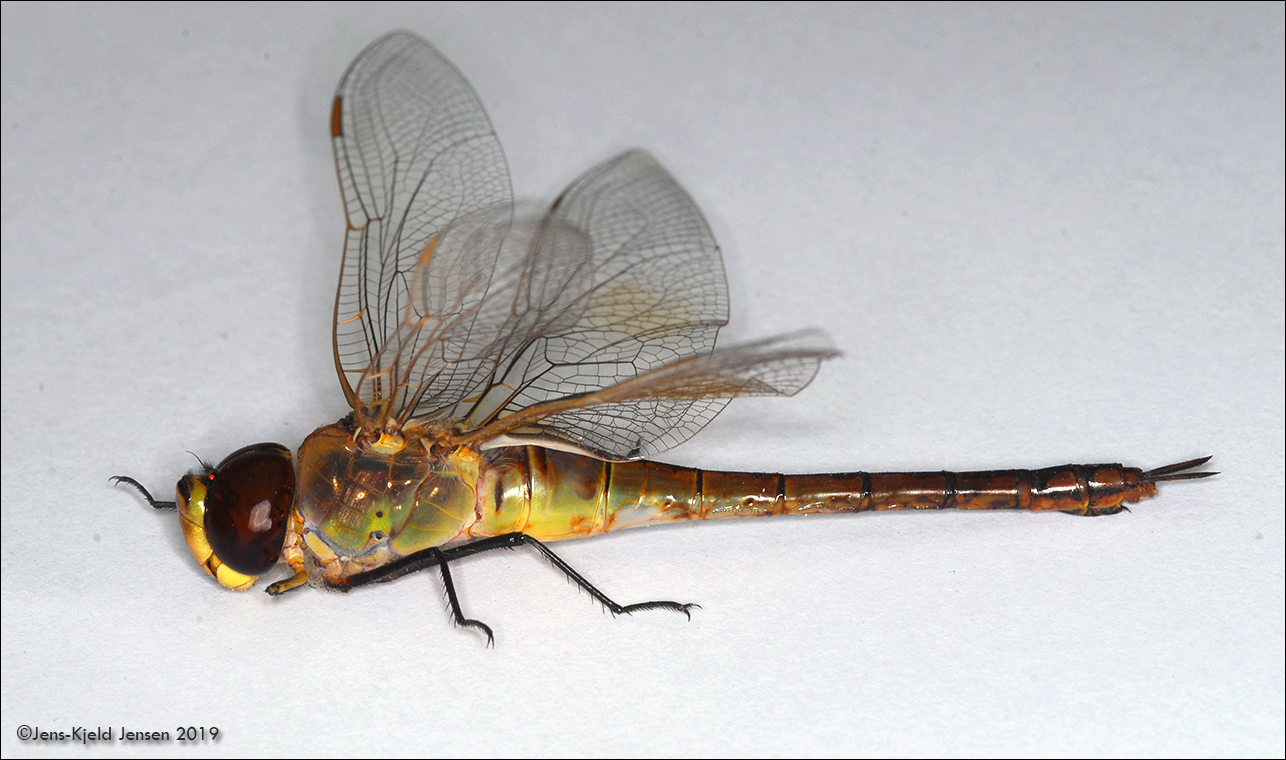
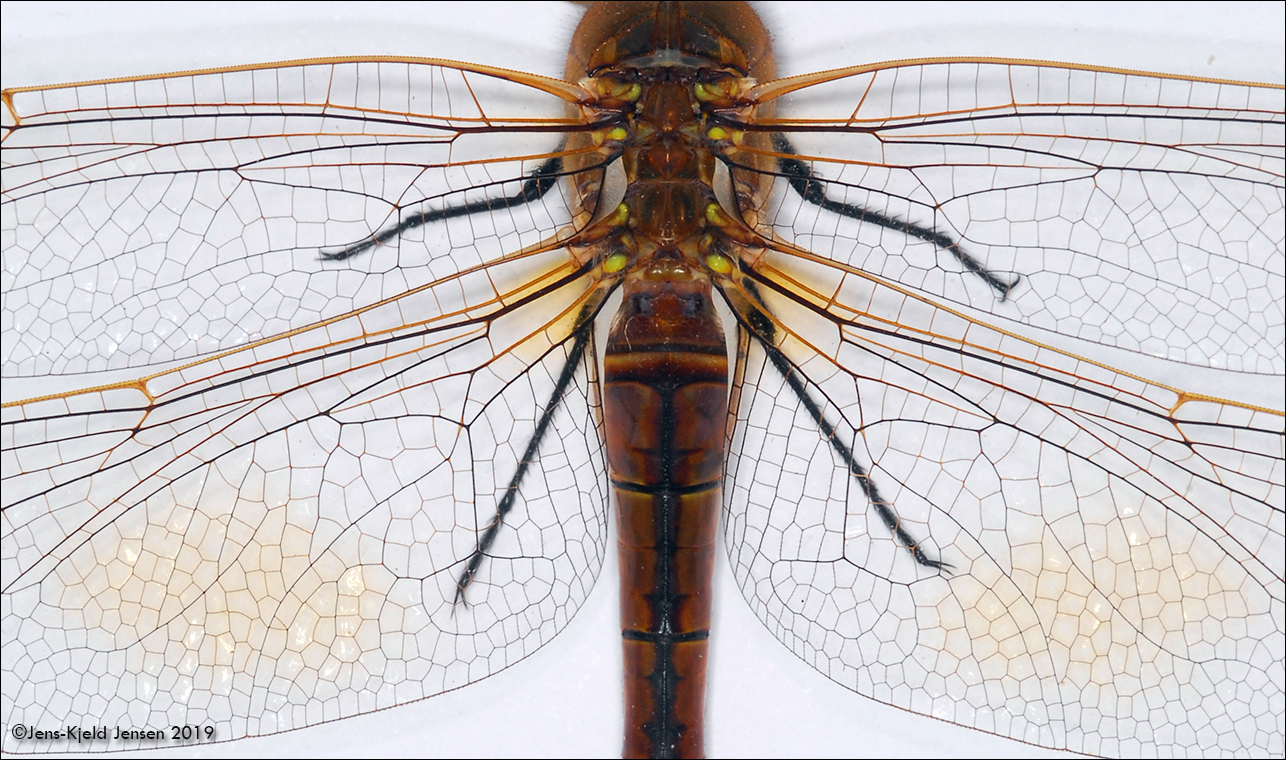
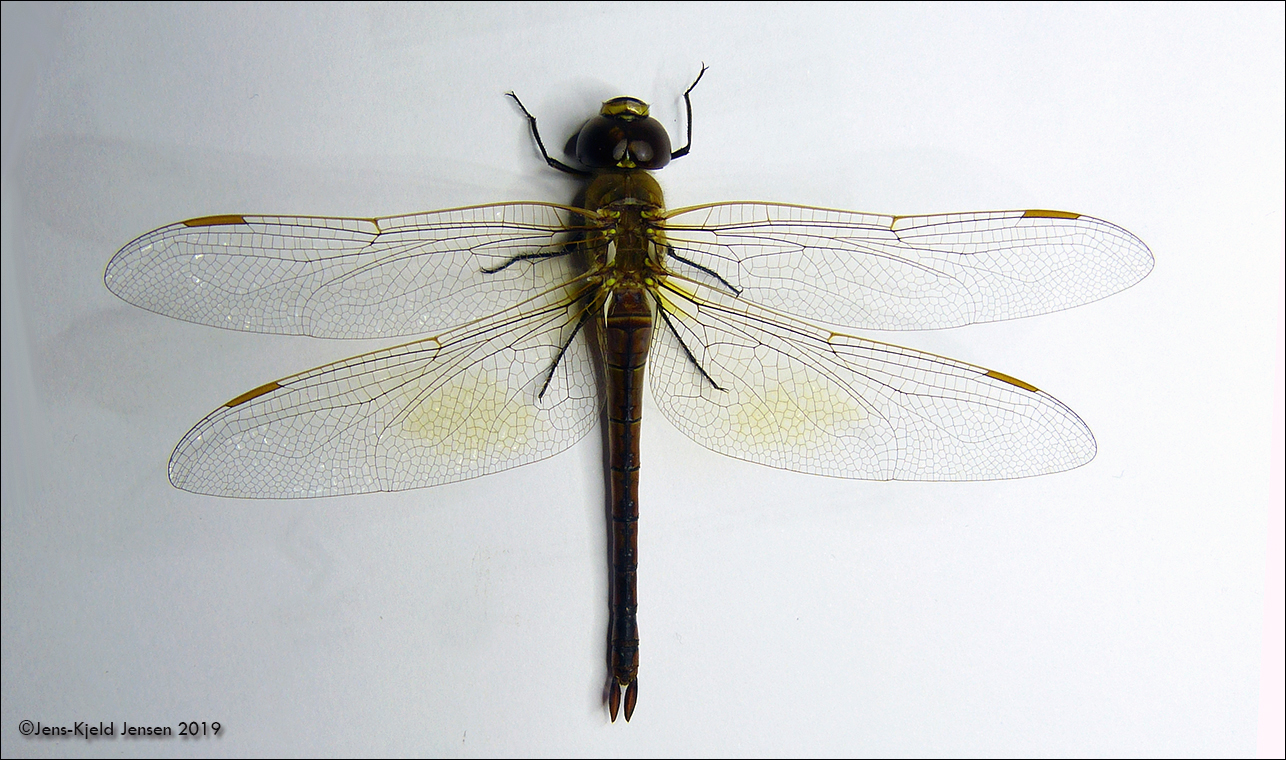
| Late September 2019 Gunnar Andreasen captured this beautiful female dragonfly Anax (Hemianax) ephippiger in Vágur on Suðuroy. This is the fourth observation of this species in the Faroe Islands. There is additional information on 1 death and 2 living dragonflies of the same species from 2019; but unfortunately there is no evidence. | ||||||||||||||||||||||||||||
| On January 11, 2019, a female dragonfly Orthetrum cancellatum was caught in a car workshop in Tórshavn, but as this species does not usually migrate and it was in the middle of winter, it must have been brought to the Faroe Islands with a car. | ||||||||||||||||||||||||||||
| Painted Lady Vanessa cardui (Linnaeus, 1758) (No 7245) | ||||||||||||||||||||||||||||
|
||||||||||||||||||||||||||||
|
||||||||||||||||||||||||||||
|
||||||||||||||||||||||||||||
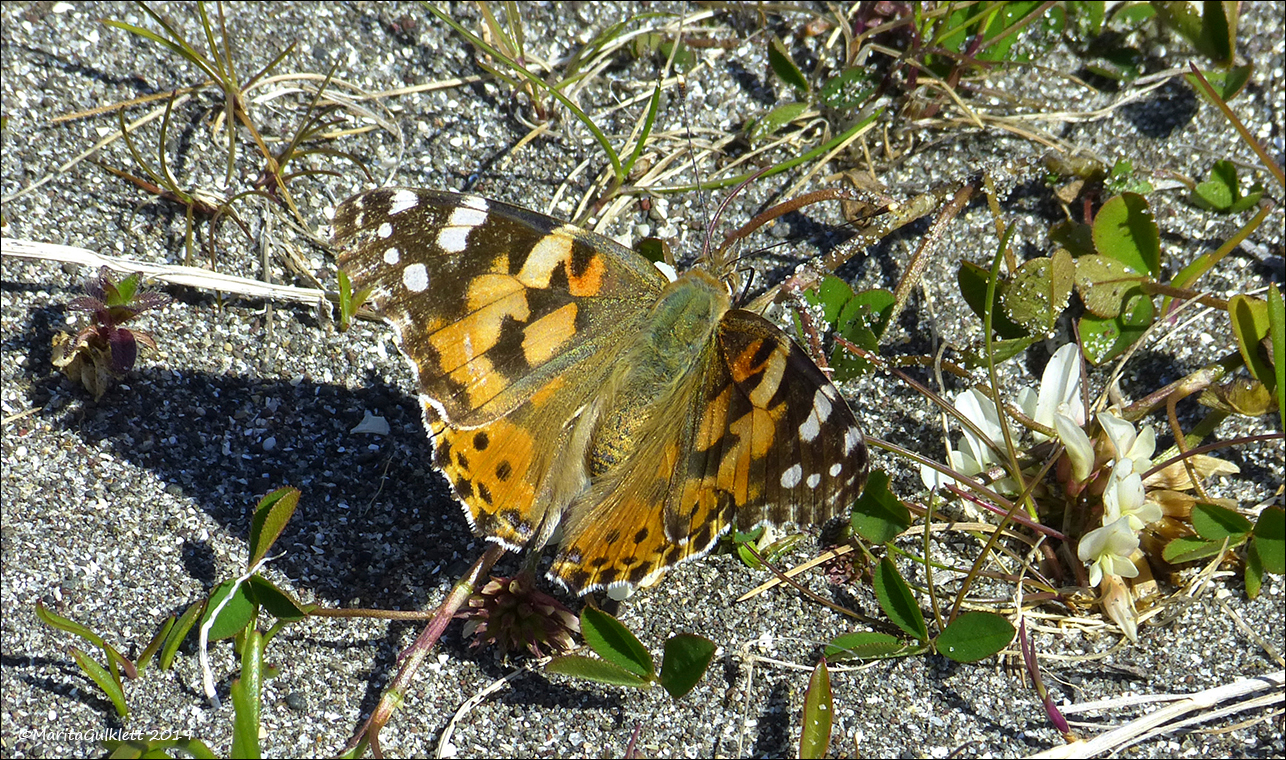
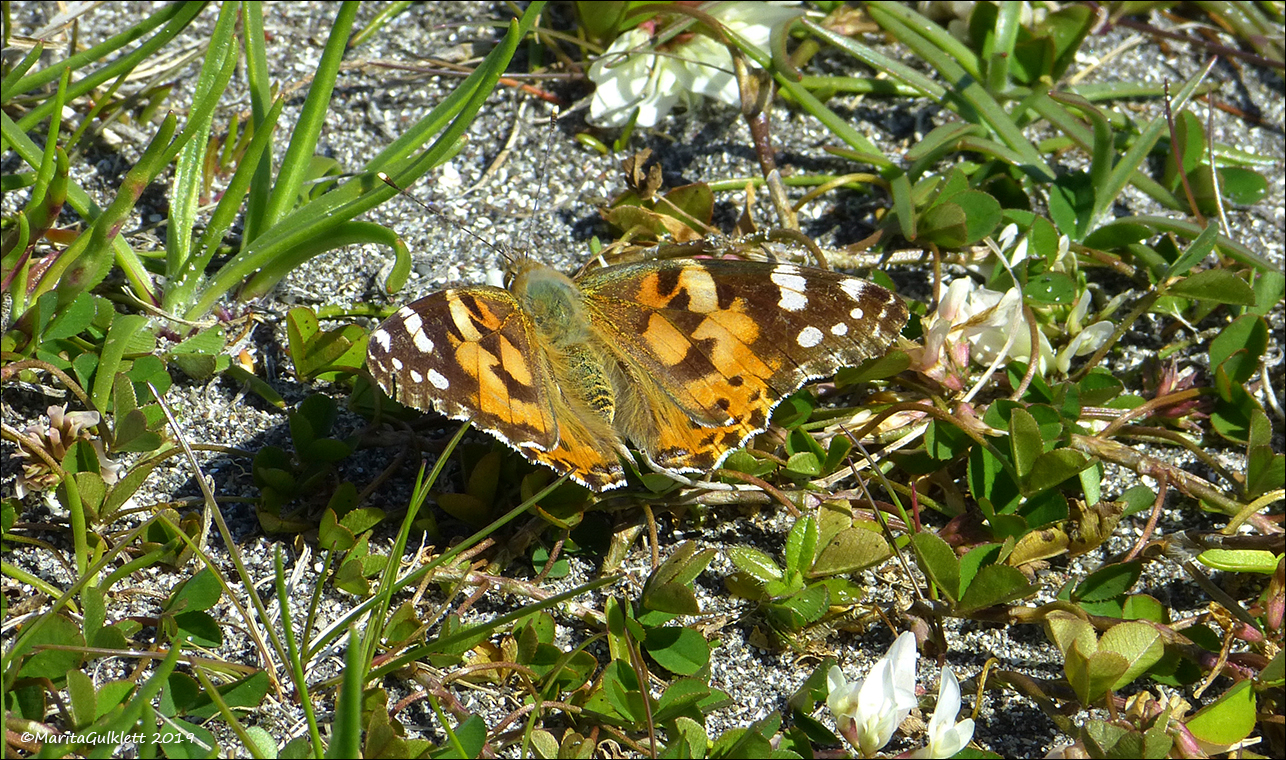
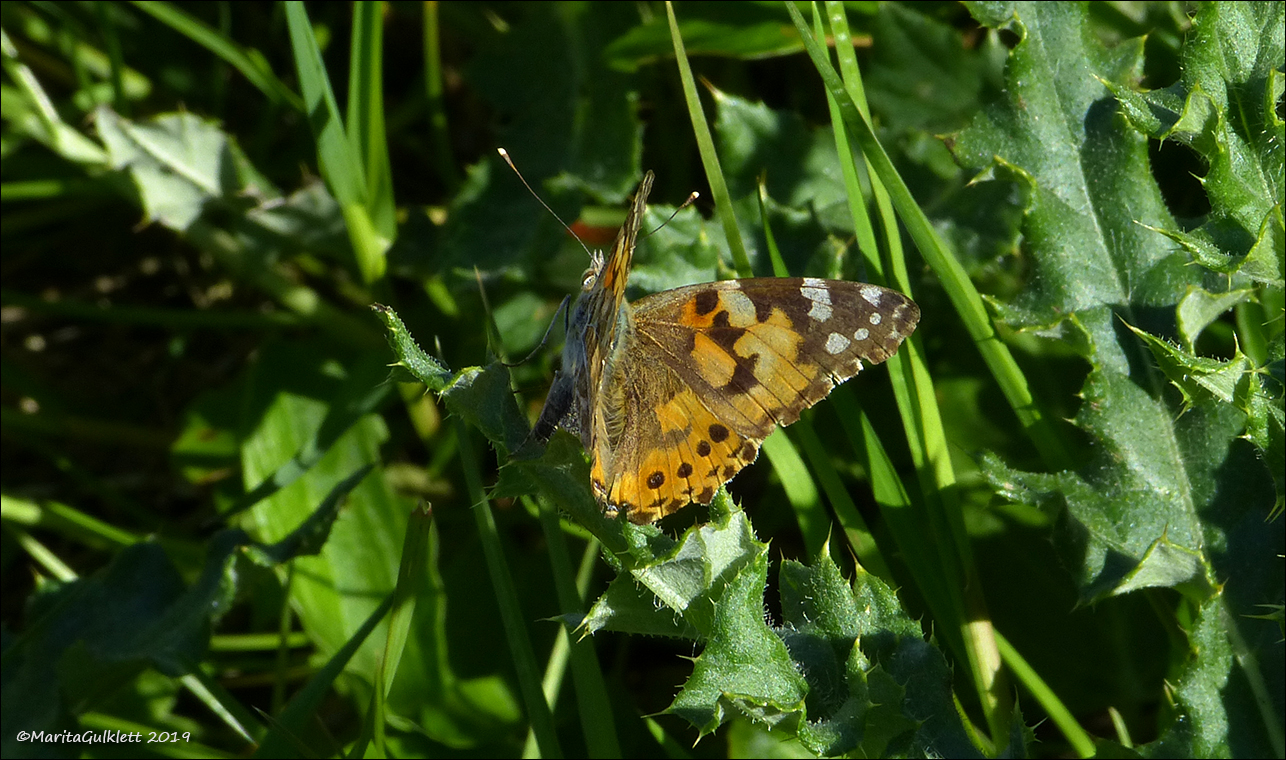
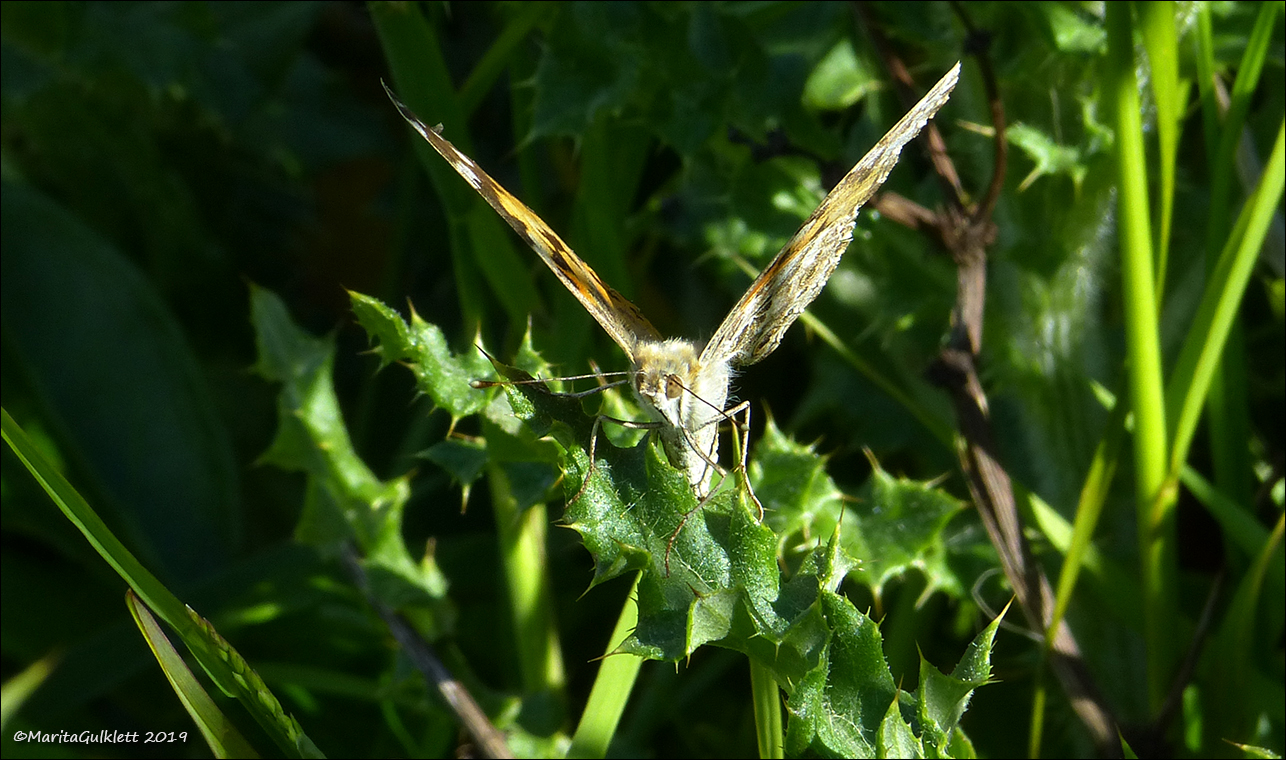
| Sandur & Mølheyggjarnir 17.06.2019 | ||||||||||||||||||||||||||||
| A large invasion of Painted Ladies Vanessa cardui hit many places in the Faroe Islands on 17.06.2019. Some Red admirals were among them. We witnessed the great invasion of Sandoy, where there were especially many on Mølheyggjarnir. | ||||||||||||||||||||||||||||
The last time we saw a large invasion of Painted Lady butterflies was May 30, 2009, or 10 years ago. |
||||||||||||||||||||||||||||
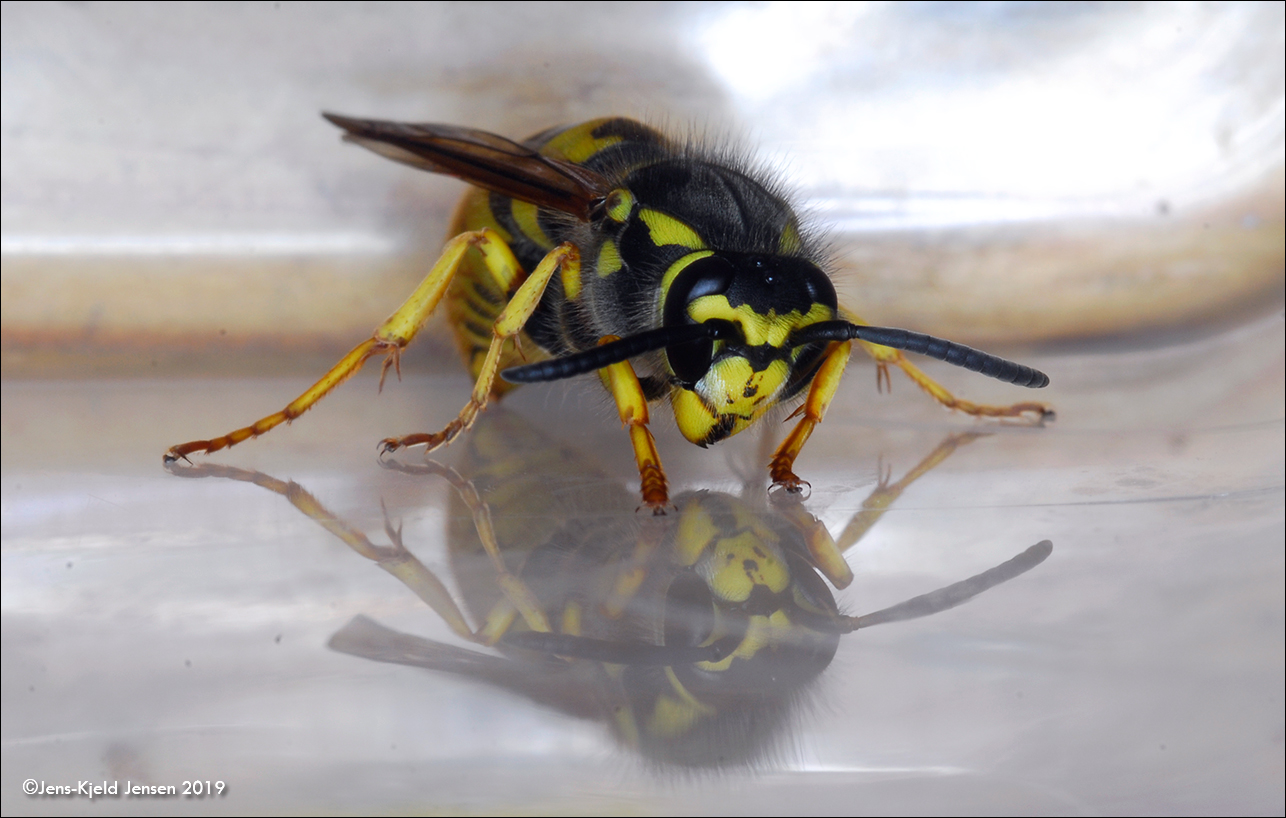
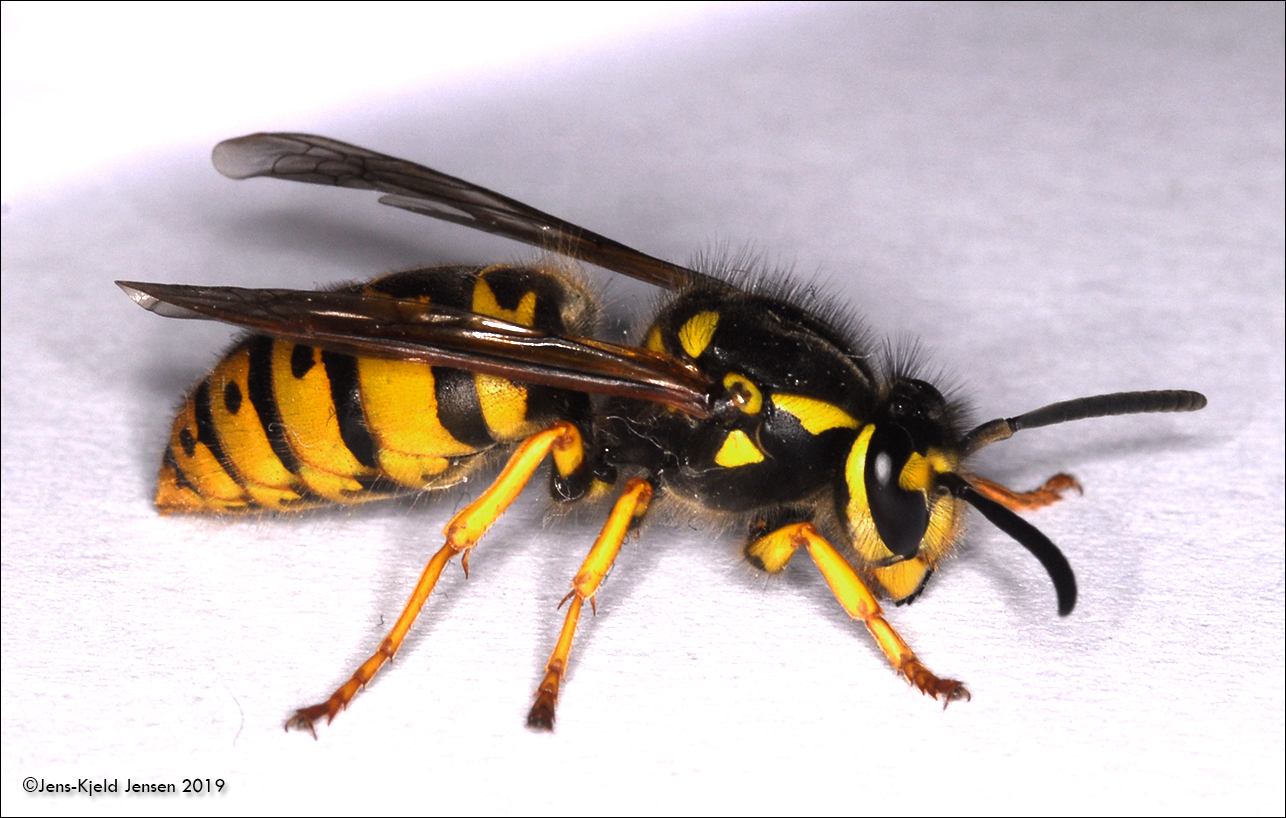
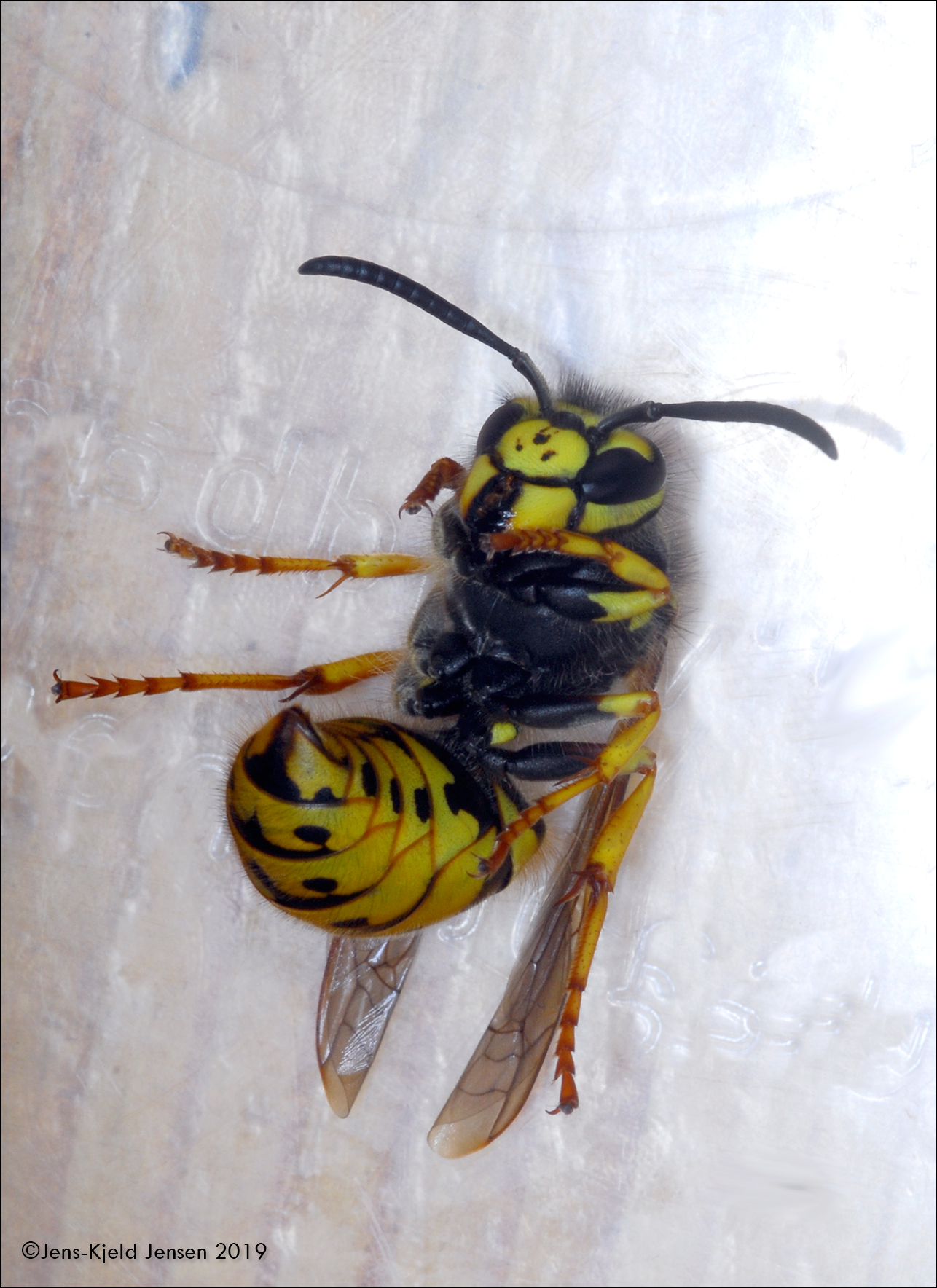
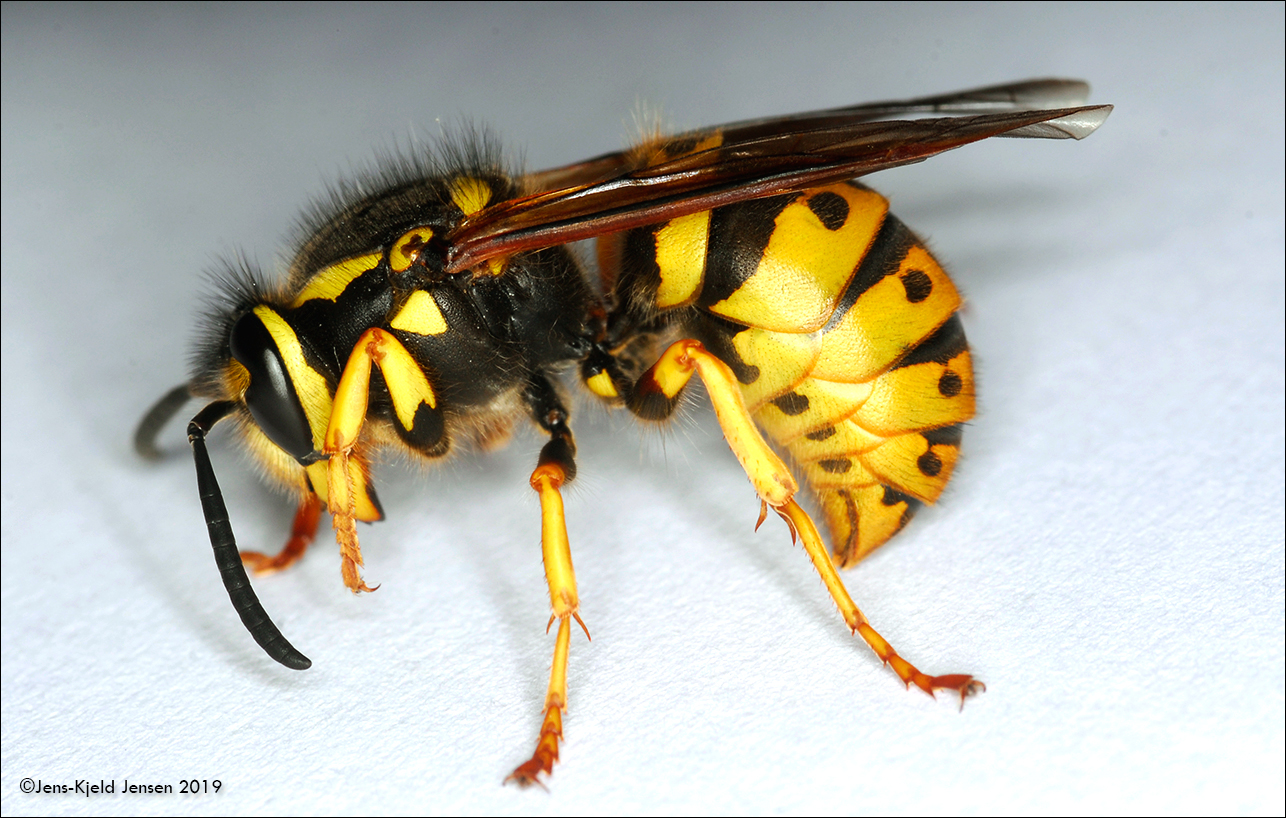
| German wasp Vespula germanica | ||||||||||||||||||||||||||||
|
||||||||||||||||||||||||||||
|
||||||||||||||||||||||||||||
| On February 14, 2019, some children captured this German wasp Vespula germanica outside the school in Viðareiði. | ||||||||||||||||||||||||||||
| It is the first find of this species on Viðoy, and it is unusually early for this species. We only know about a place in the Faroe Islands, where it was breeding in 2018, and it was in Klaksvík. | ||||||||||||||||||||||||||||
| Western Conifer Seed Bug Leptoglossus occidentalis | ||||||||||||||||||||||||||||
|
||||||||||||||||||||||||||||
|
||||||||||||||||||||||||||||
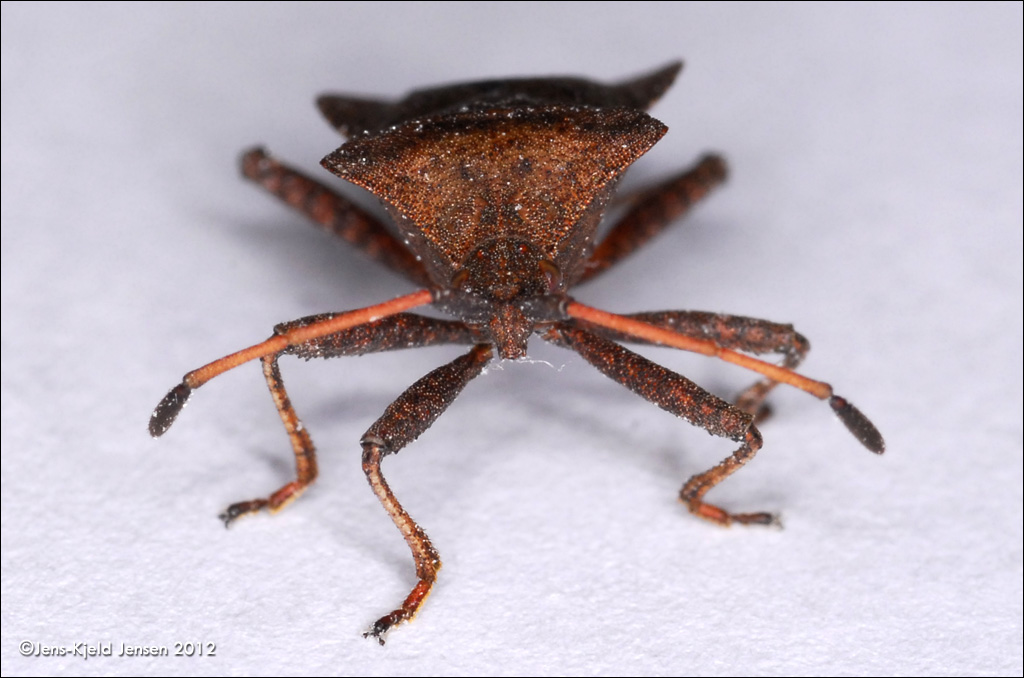
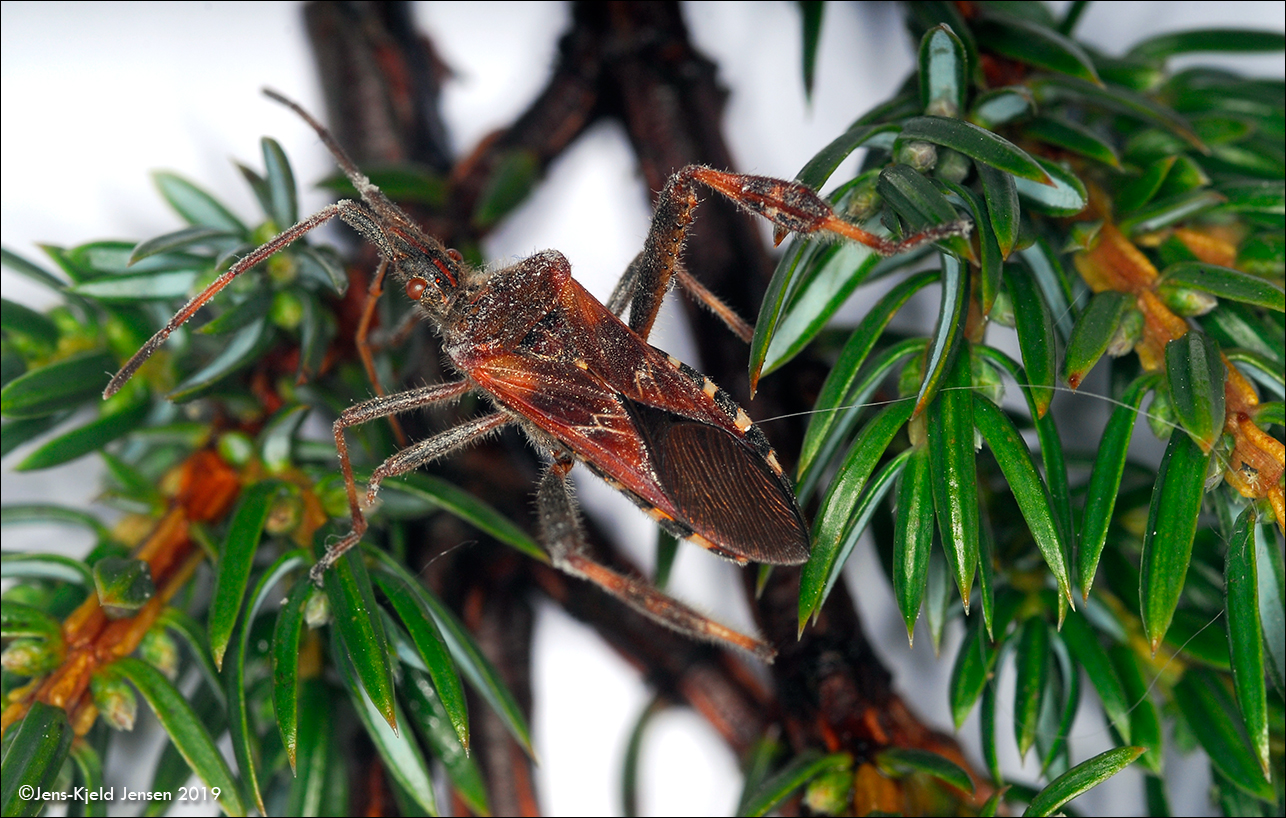
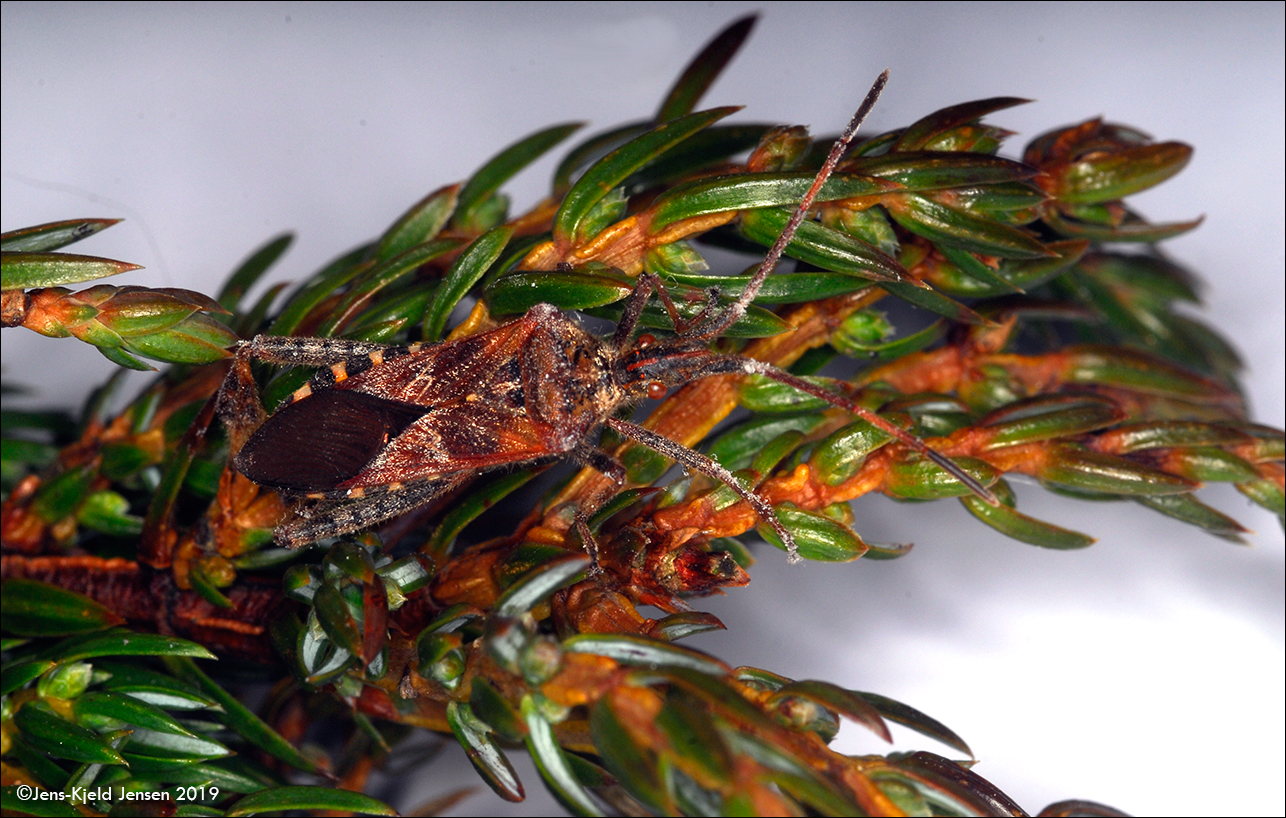
The first Western Conifer Seed Bug Leptoglossus occidentalis was found in Tórshavn December 17, 2016, by Pætur M. Dahl. Since then Janus Hansen found one in Tórshavn in 2018. I got this photographed from Snæbjørn Hansen on February 4, 2019 - and it was also found in Tórshavn. |
||||||||||||||||||||||||||||
| Leptoglossus occidentalis comes from America and it has spread to the most of Europe in the last 30 years, so among others it is on the Norwegian blacklist. Leptoglossus occidentalis can do great damage to conifers trees. Indoors it can damage PEX water pipes. | ||||||||||||||||||||||||||||
Parent Bug Elasmucha grisea |
||||||||||||||||||||||||||||
|
||||||||||||||||||||||||||||
On December 29, 2018, we got a 5 and a 7 spotted Ladybug from Gudrið Hentze, Hvitanes. Furthermore she gave us a Parent Bug Elasmucha grisea, which is not registered before in the Faroe Islands. All three were found on the imported Christmas tree in the home of Guðrið. |
||||||||||||||||||||||||||||
| German cockroach Blattella germanica (Linnaeus). | ||||||||||||||||||||||||||||
| Tórshavn 29.10.2018 | ||||||||||||||||||||||||||||
|
||||||||||||||||||||||||||||
|
||||||||||||||||||||||||||||
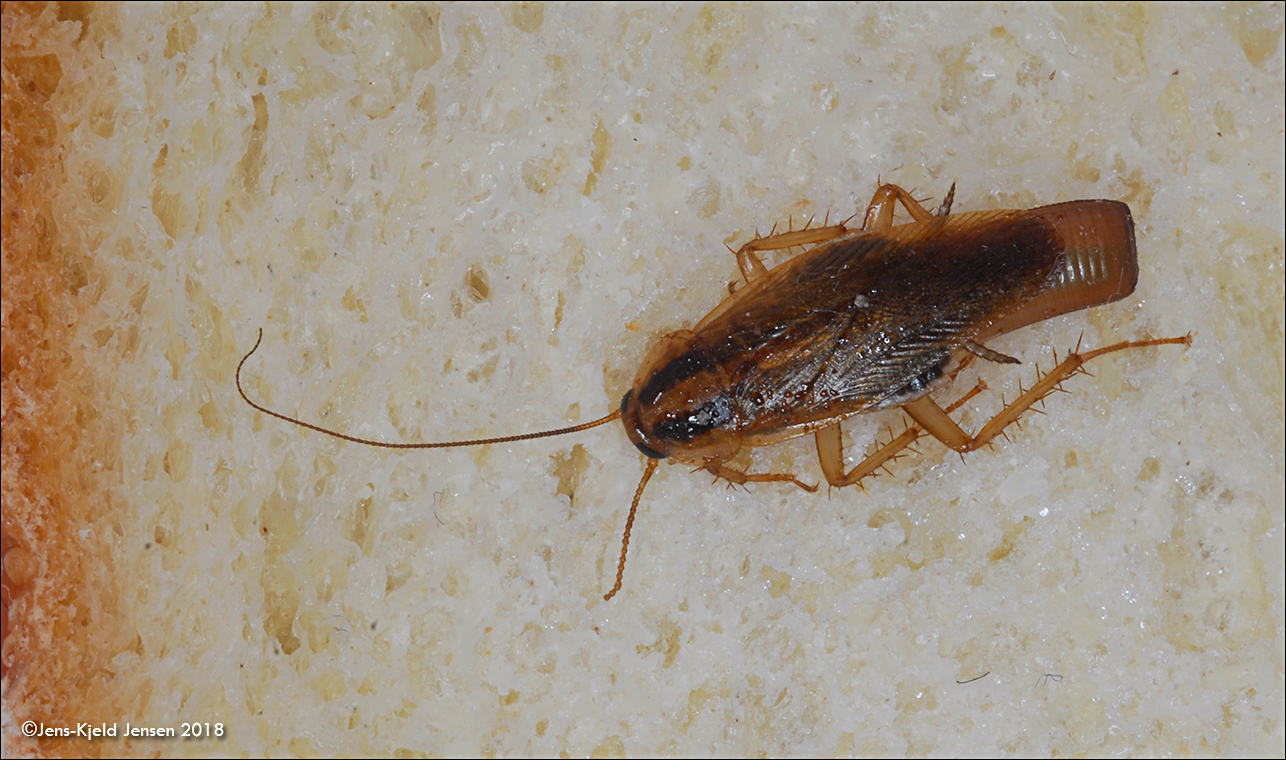
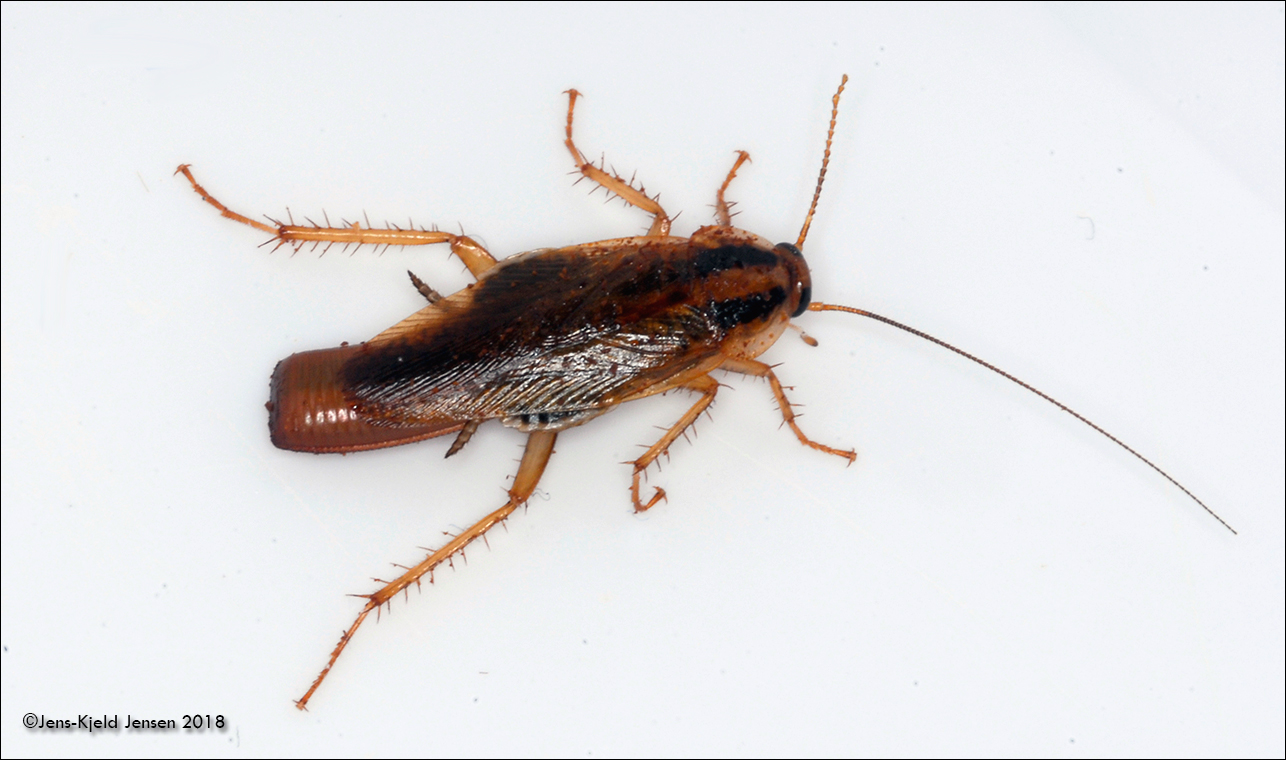
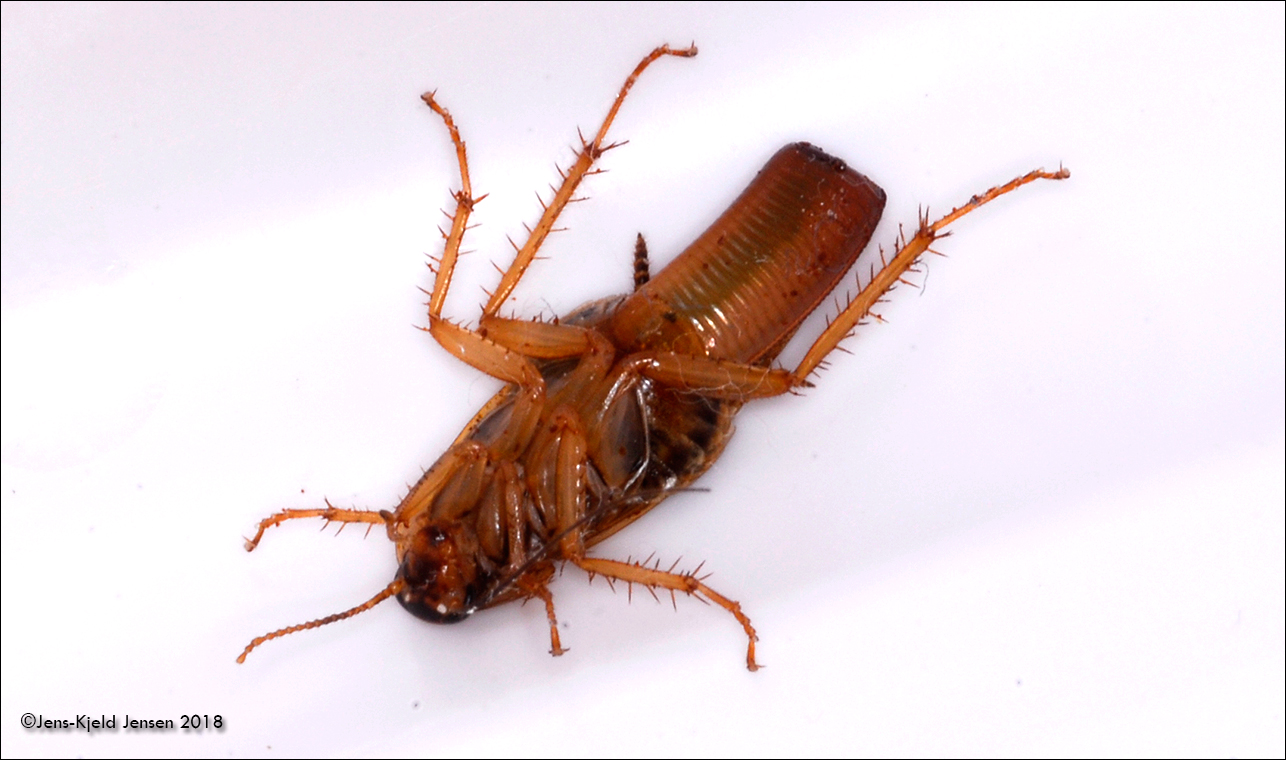
| German cockroach with egg capsule hanging out of the gender's opening. German cockroaches occur regularly in the Faroe Islands. | ||||||||||||||||||||||||||||
Five-spot ladybird Coccinella quinquepunctata (Linnaeus, 1758) |
||||||||||||||||||||||||||||
|
||||||||||||||||||||||||||||
| 27.10.2018 this Five-spot ladybird walked around in the kitchen of Shaila Engskær in Hoyvík, Streymoy. | ||||||||||||||||||||||||||||
| This is the first registration of Five-spot ladybird in the Faroe Islands. | ||||||||||||||||||||||||||||
| The species is most likely imported to the Faroe Islands with vegetables from southern Europe. | ||||||||||||||||||||||||||||
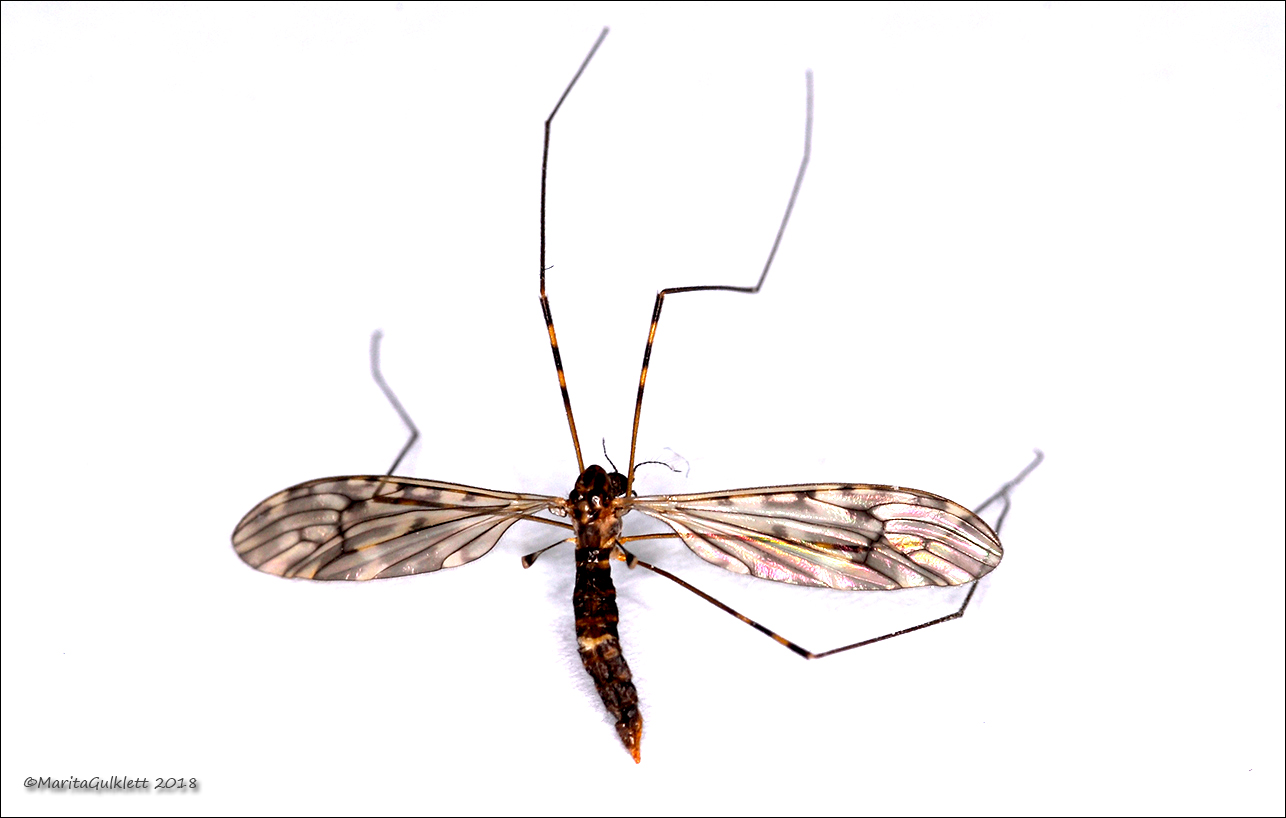
Crane fly Tipulidae |
||||||||||||||||||||||||||||
|
||||||||||||||||||||||||||||
| 13.10.2018 a whole swarm of these Daddy Longlegs flew around our outdoor lamp in Tórshavn. We do not know the species and we have not seen it before. | ||||||||||||||||||||||||||||
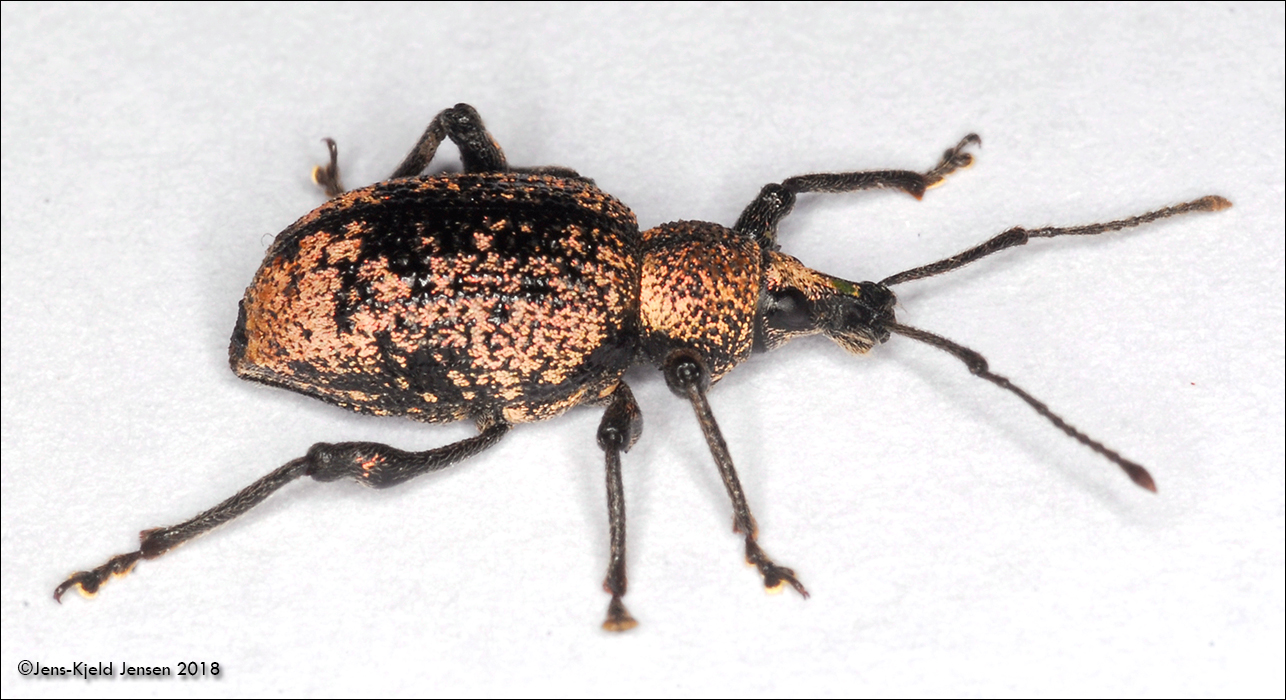
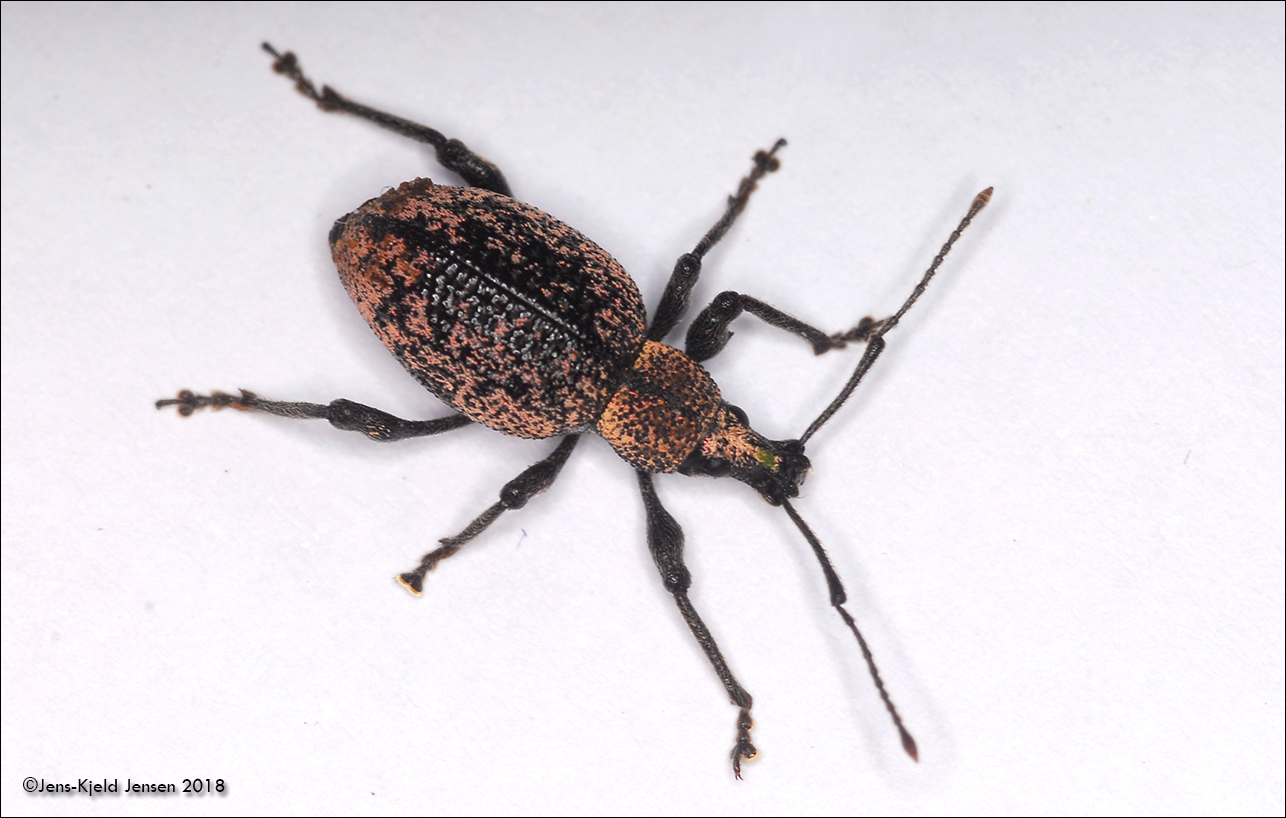
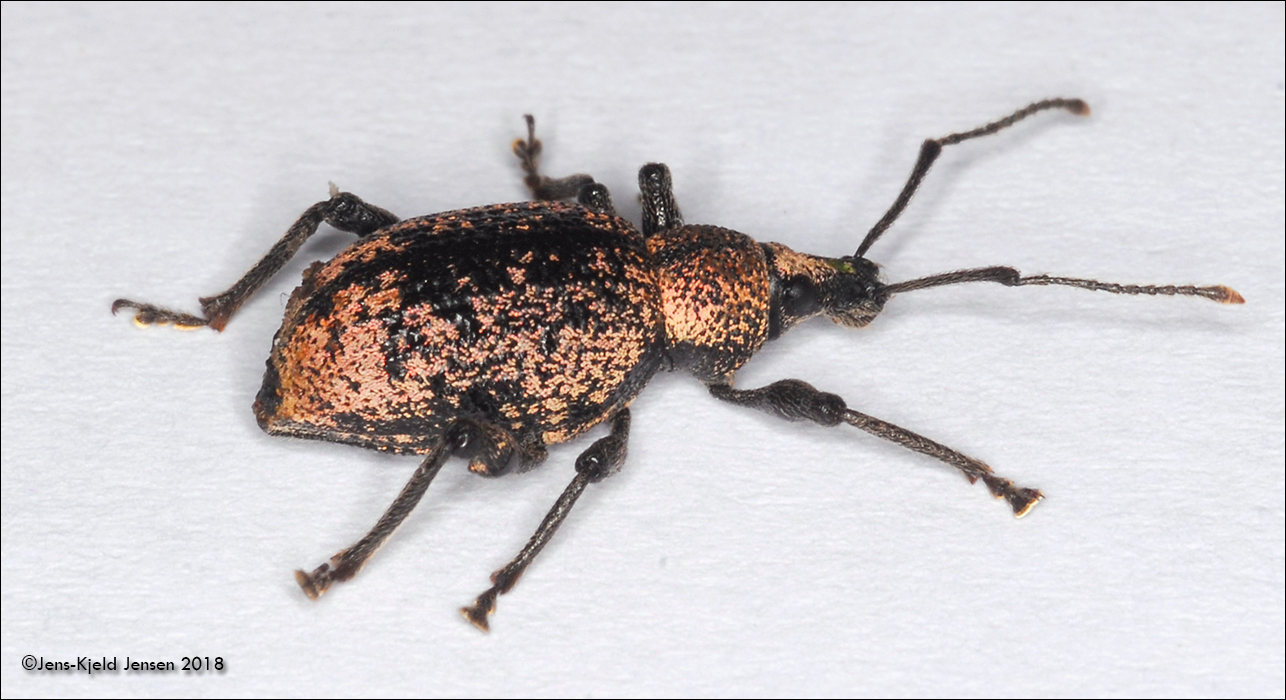
| Weewil Curculionidae | ||||||||||||||||||||||||||||
|
||||||||||||||||||||||||||||
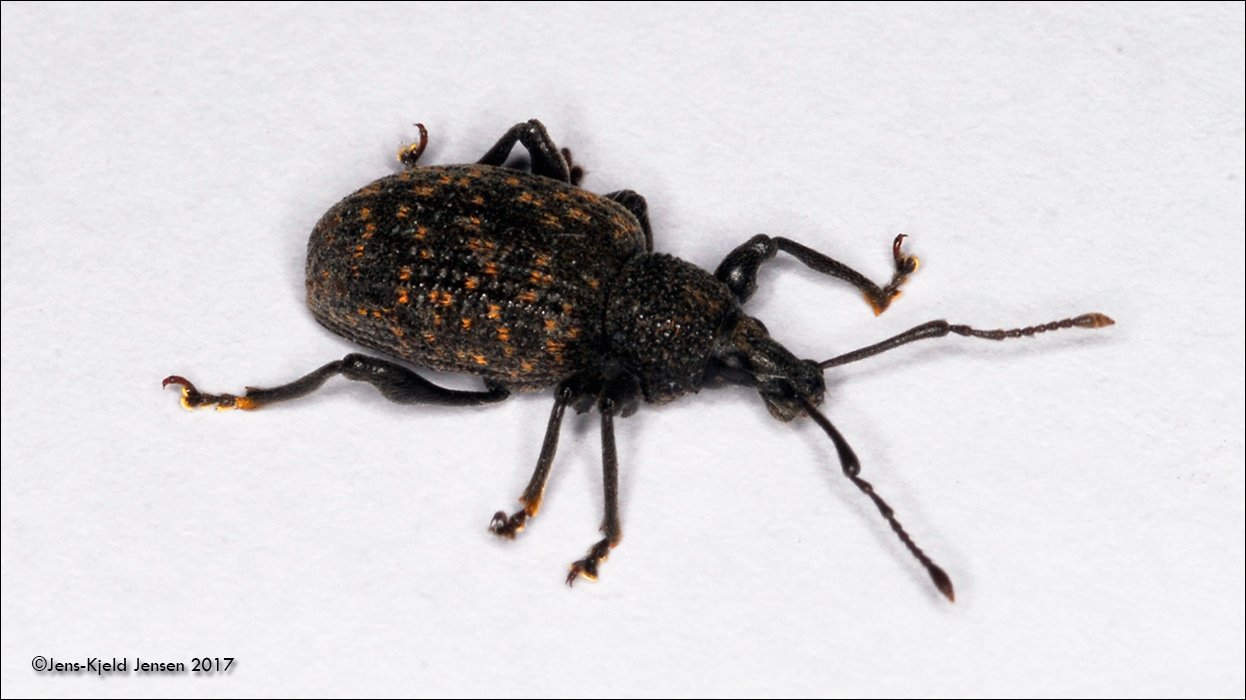
| 12.10.2018 Markus Carlsson found this beautiful weewil in a box of grapes, imported from Italy. | ||||||||||||||||||||||||||||
| Many unknown weewils for the Faroe Islands have been observed in the recent years. Some of them - and this one - are not determined yet. | ||||||||||||||||||||||||||||
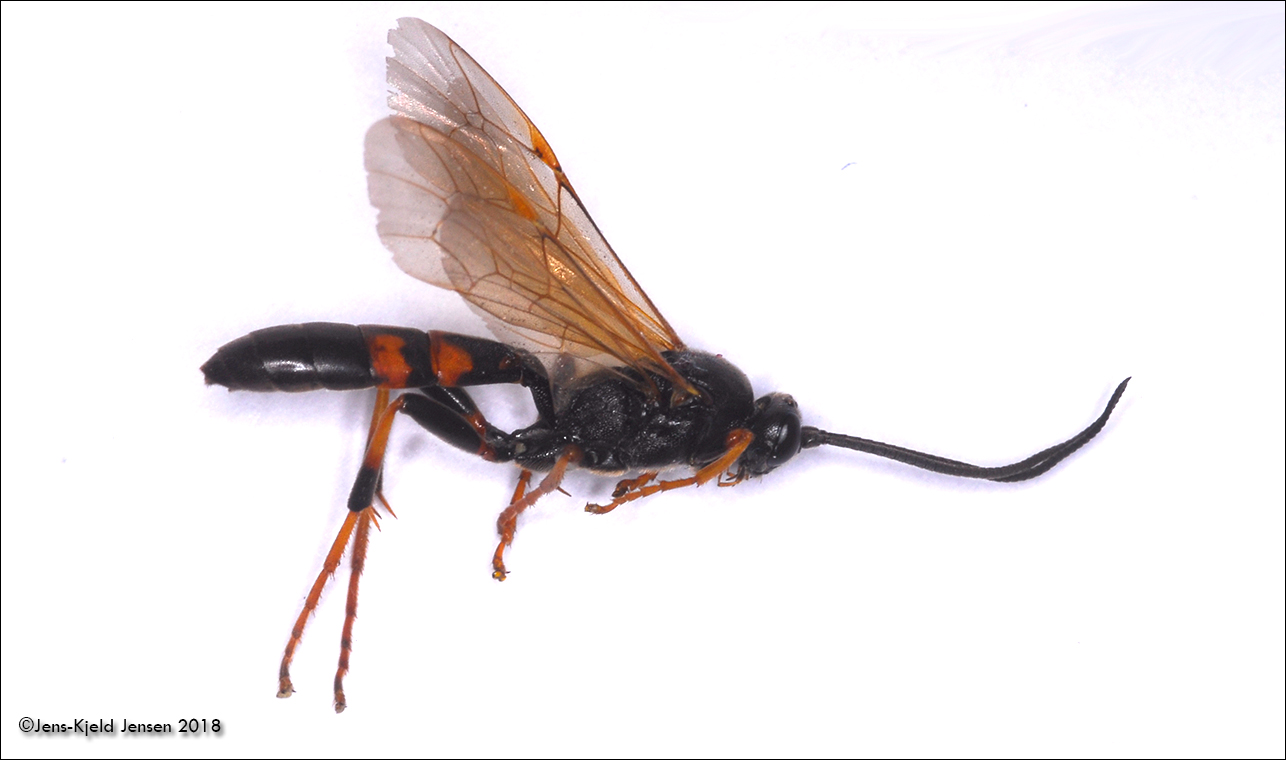
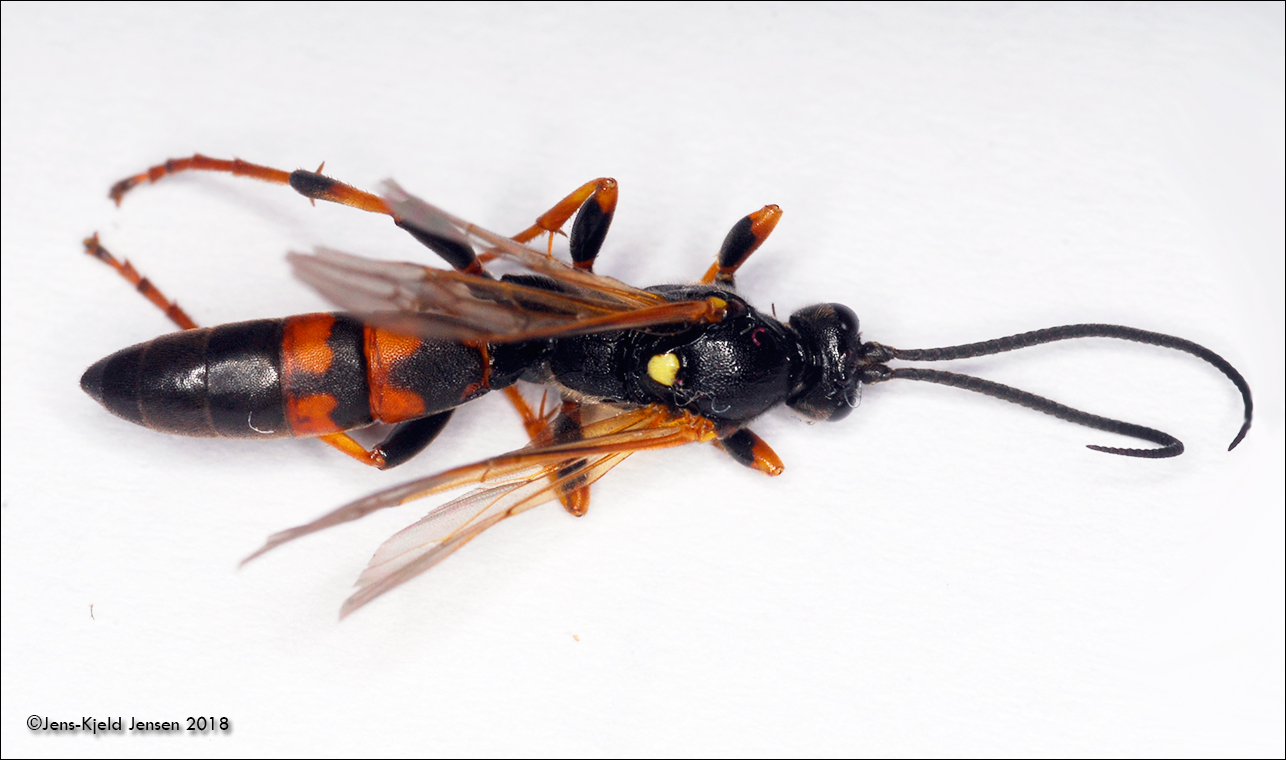
| Ichneumon ligatorius | ||||||||||||||||||||||||||||
| Tórshavn 05.10.2018 | ||||||||||||||||||||||||||||
|
||||||||||||||||||||||||||||
| Ichneumon ligatorius is a parasitic wasp who lays her eggs in different larvae. The species seems to be quite common in the Faroe Islands. The female has a long brod. | ||||||||||||||||||||||||||||
| Grashopper Orthoptera | ||||||||||||||||||||||||||||
|
||||||||||||||||||||||||||||
| This Grashopper was found in a greenhouse in Tórshavn September 2018 | ||||||||||||||||||||||||||||
| Bibio pomonae (Fabricius, 1775) | ||||||||||||||||||||||||||||
|
||||||||||||||||||||||||||||
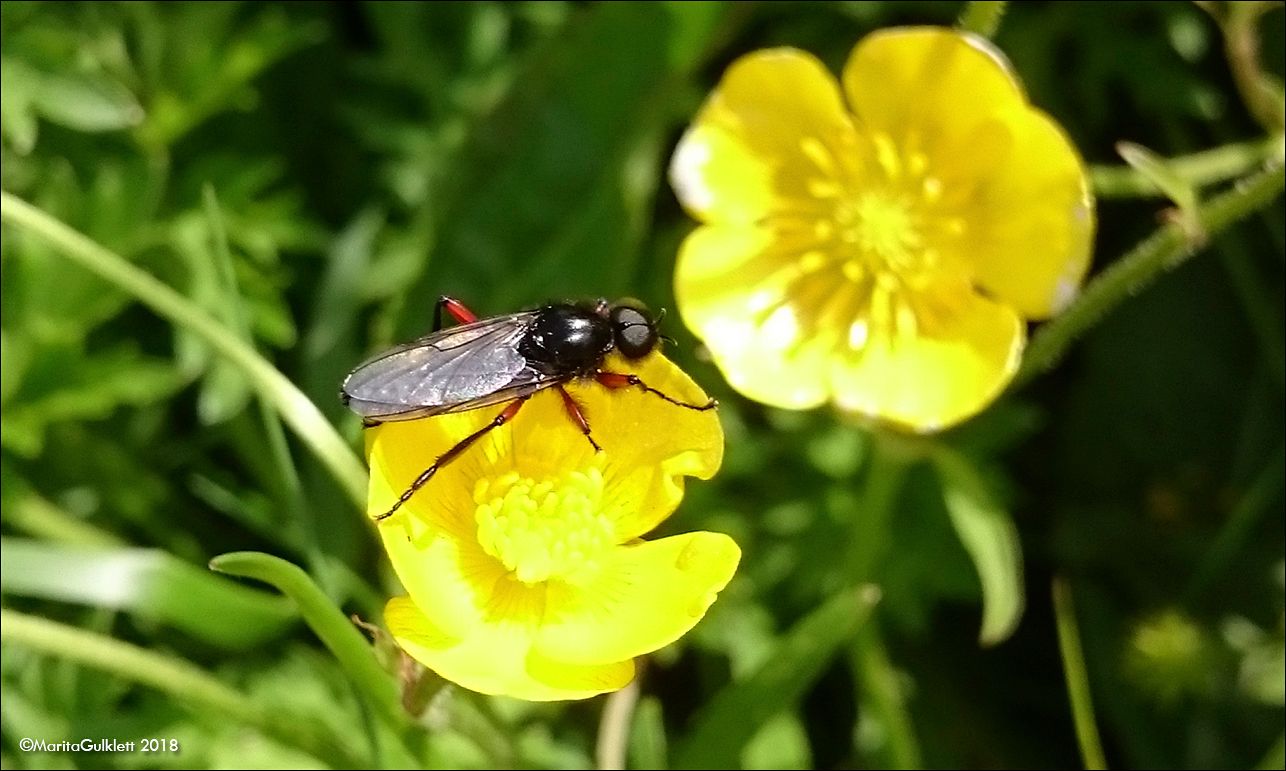
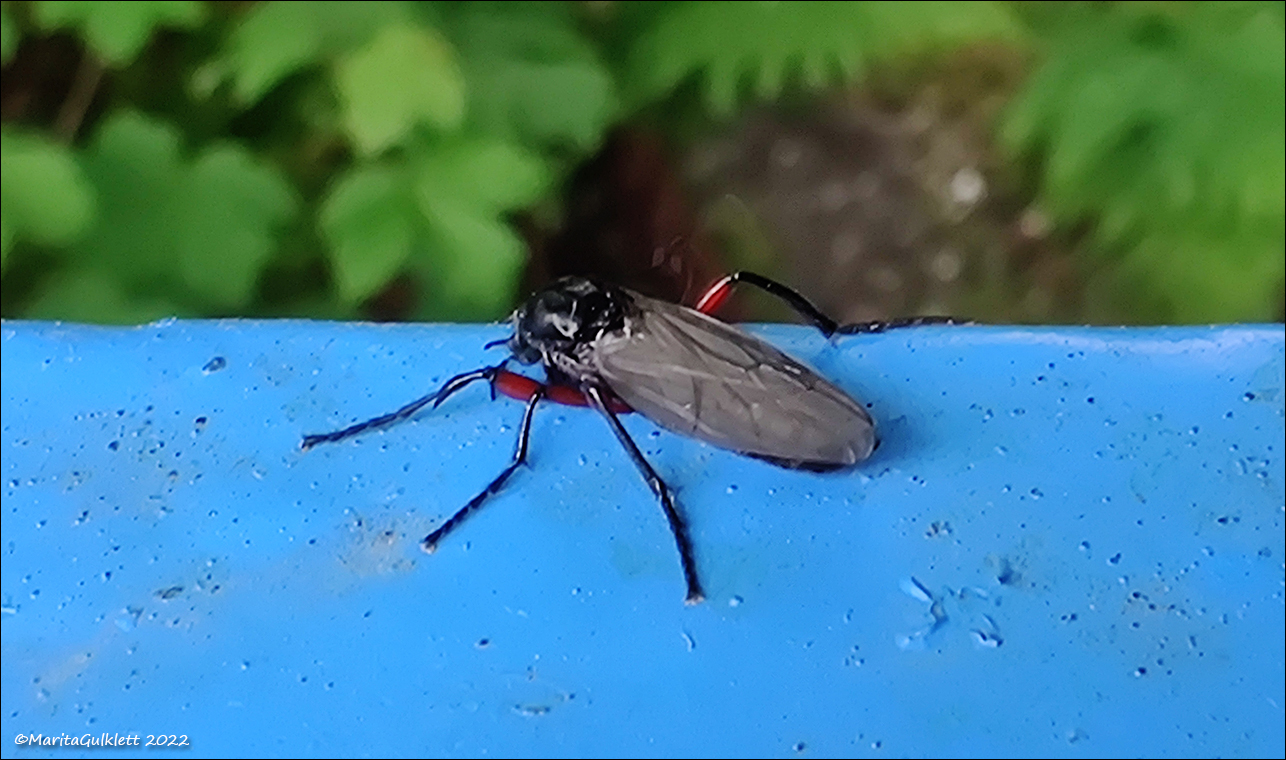
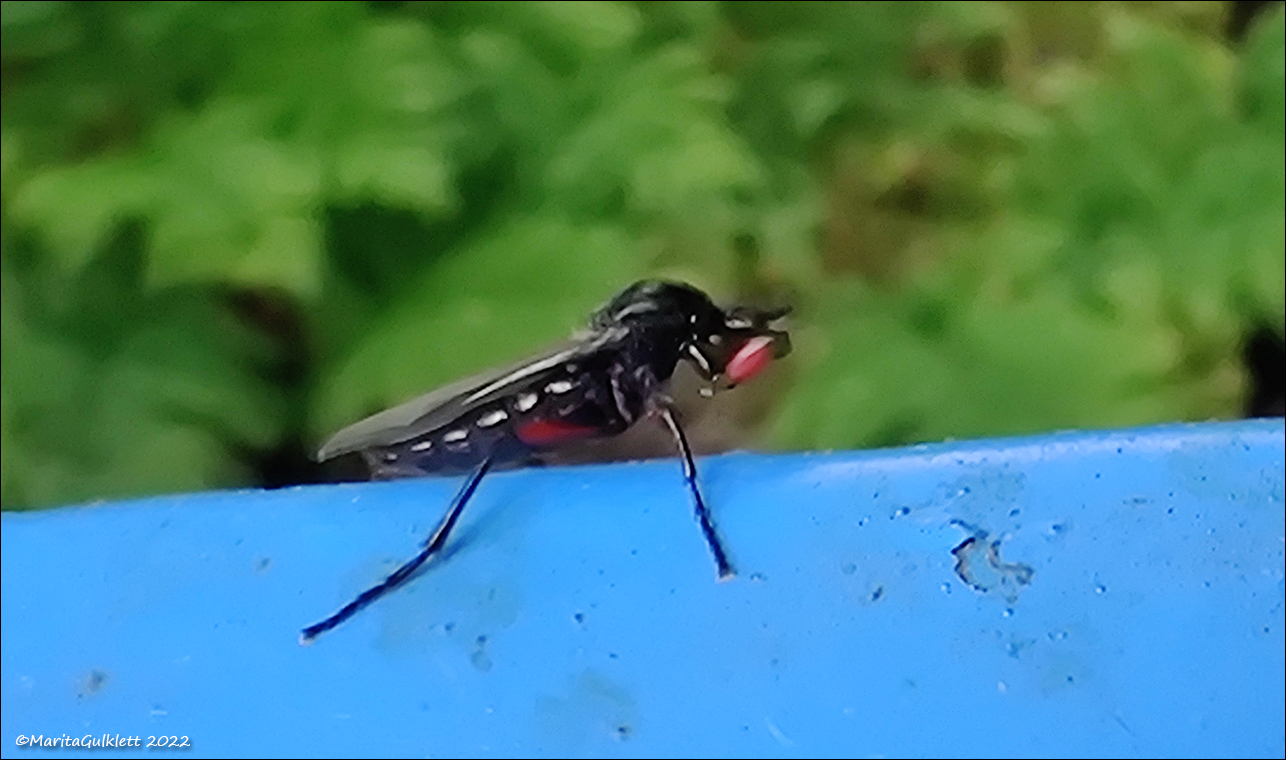
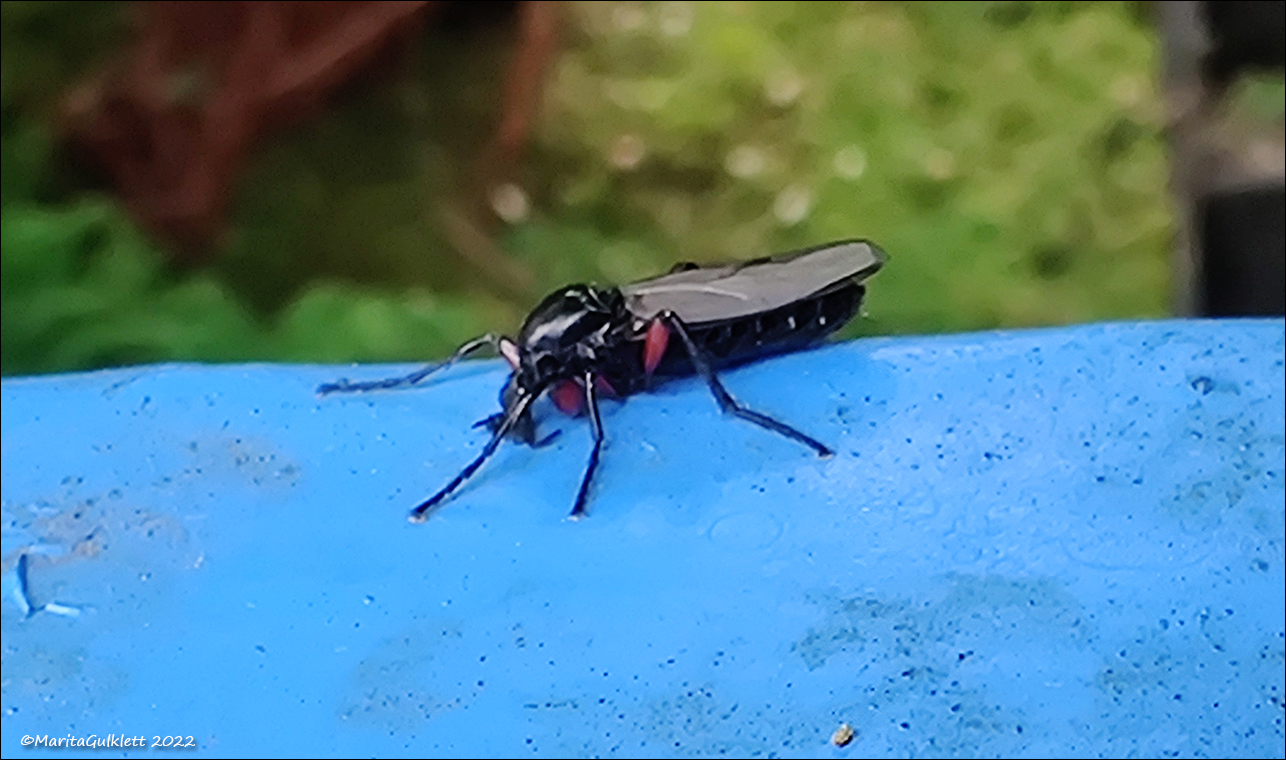
| Tórshavn 12.06.2024: Bibio pomonae flies everywhere in the city center and large parts of the country. | ||||||||||||||||||||||||||||
|
||||||||||||||||||||||||||||
| Tórshavn 19.06.2022 | ||||||||||||||||||||||||||||
|
||||||||||||||||||||||||||||
| Tórshavn 12.06.2022 | ||||||||||||||||||||||||||||
 |
||||||||||||||||||||||||||||
| Tórshavn 25.06.2018 | ||||||||||||||||||||||||||||
Bibio pomonae in flight over Tórshavn 27.06.2018 - video  |
||||||||||||||||||||||||||||
|
||||||||||||||||||||||||||||
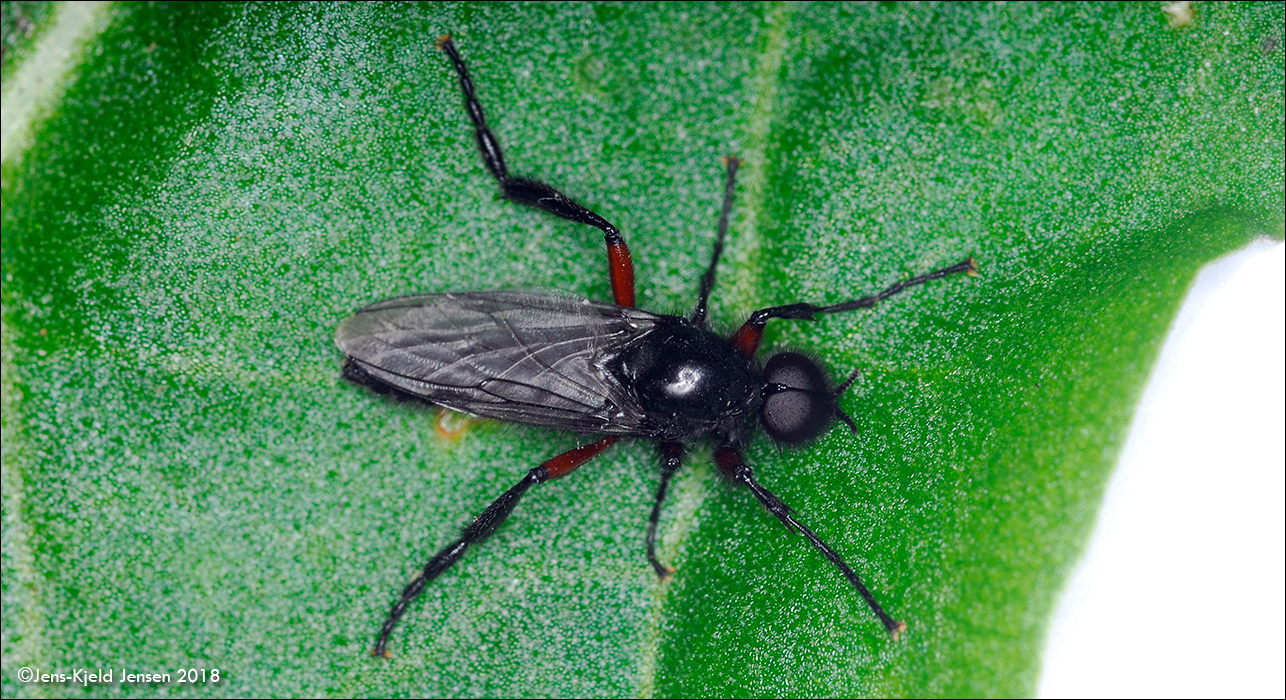
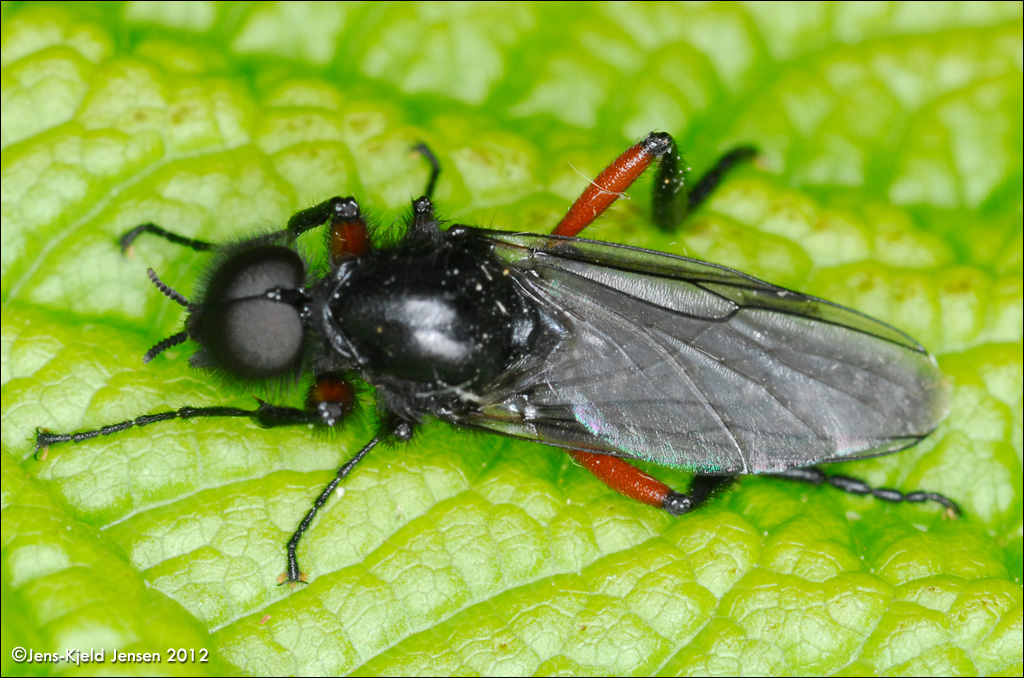
| Male - the head of the male is larger then on the female | ||||||||||||||||||||||||||||
  |
||||||||||||||||||||||||||||
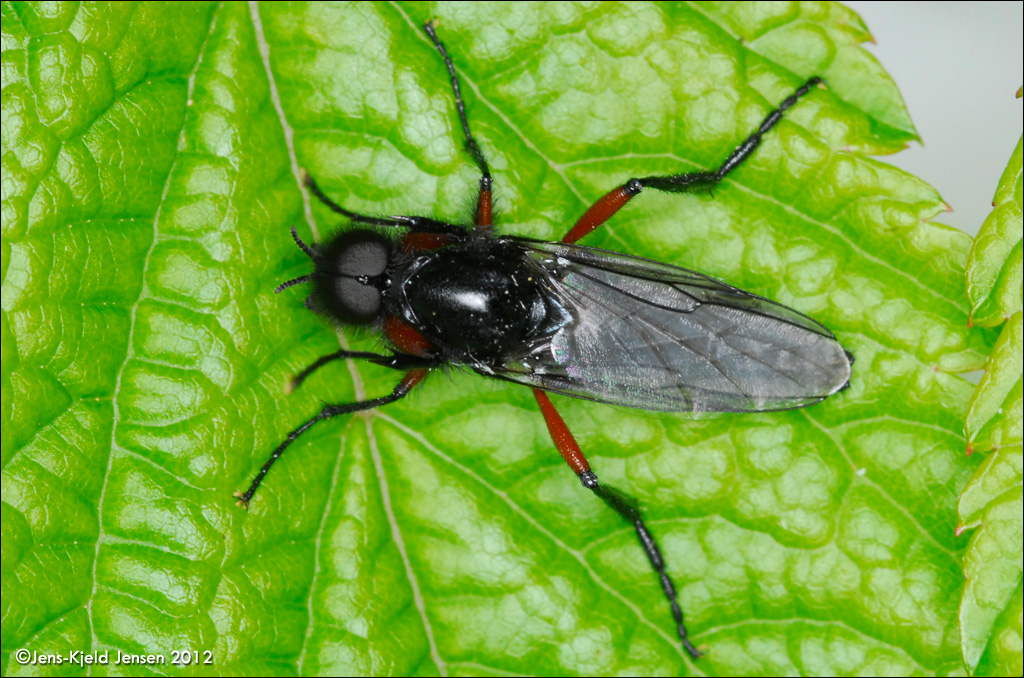
| Female - the head of the female is smaller then on the male | ||||||||||||||||||||||||||||
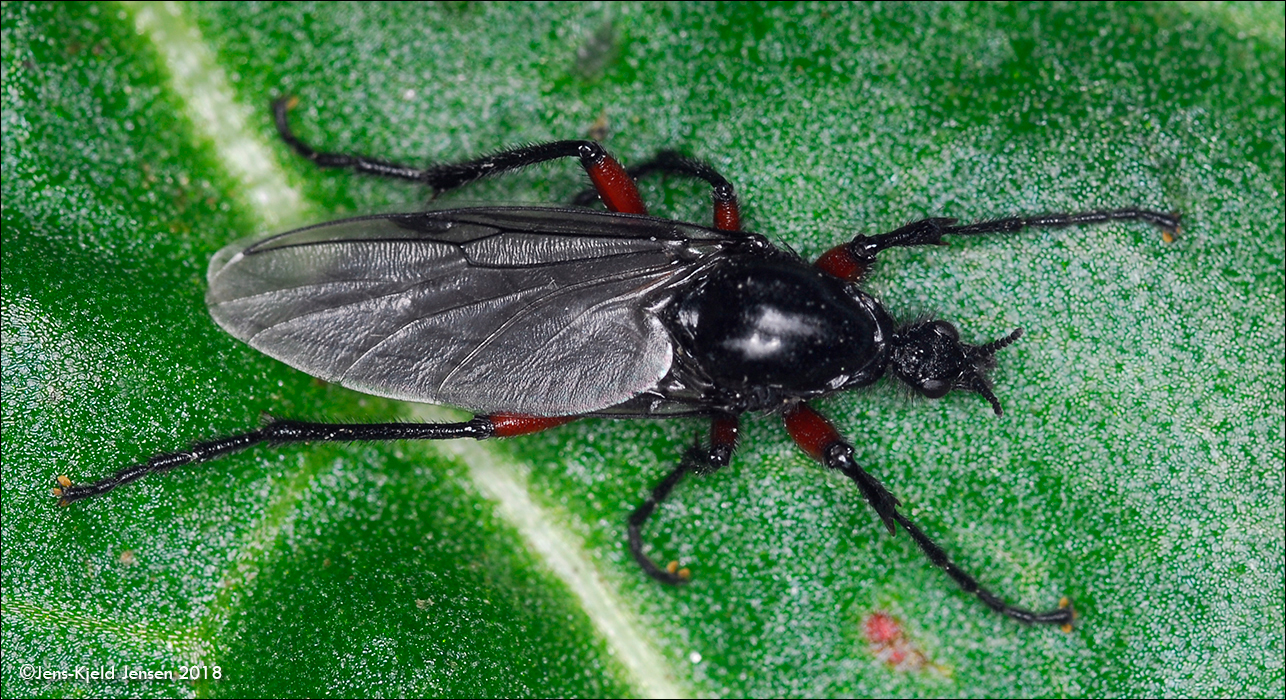 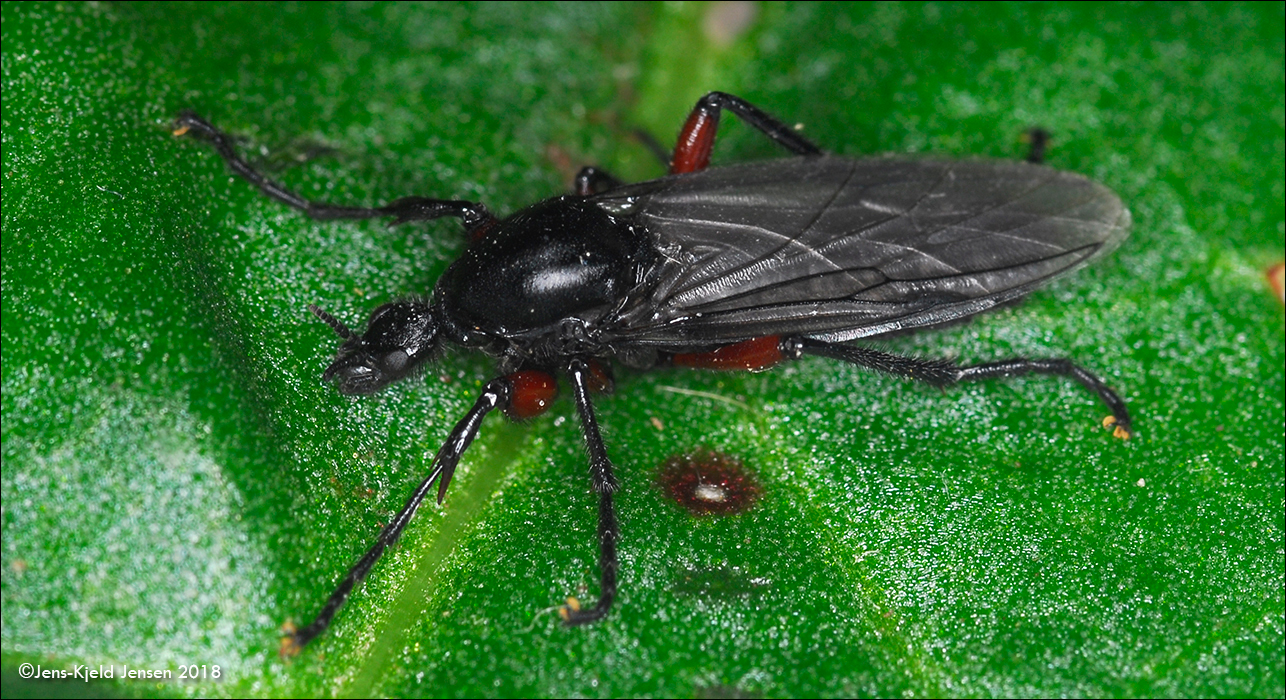 |
||||||||||||||||||||||||||||
Millions of Bibio pomonae flew around Tórshavn 23.06.2018. And that's something new. |
||||||||||||||||||||||||||||
Bibio pomonae is common on Suðuroy. The oldest record we know about is this: Doctor A. Bergh found a male in Suðuroy in the years 1863-68, when he practiced as a doctor in the Faroe Islands. This male was not registered until 1881 (Hansen 1881). |
||||||||||||||||||||||||||||
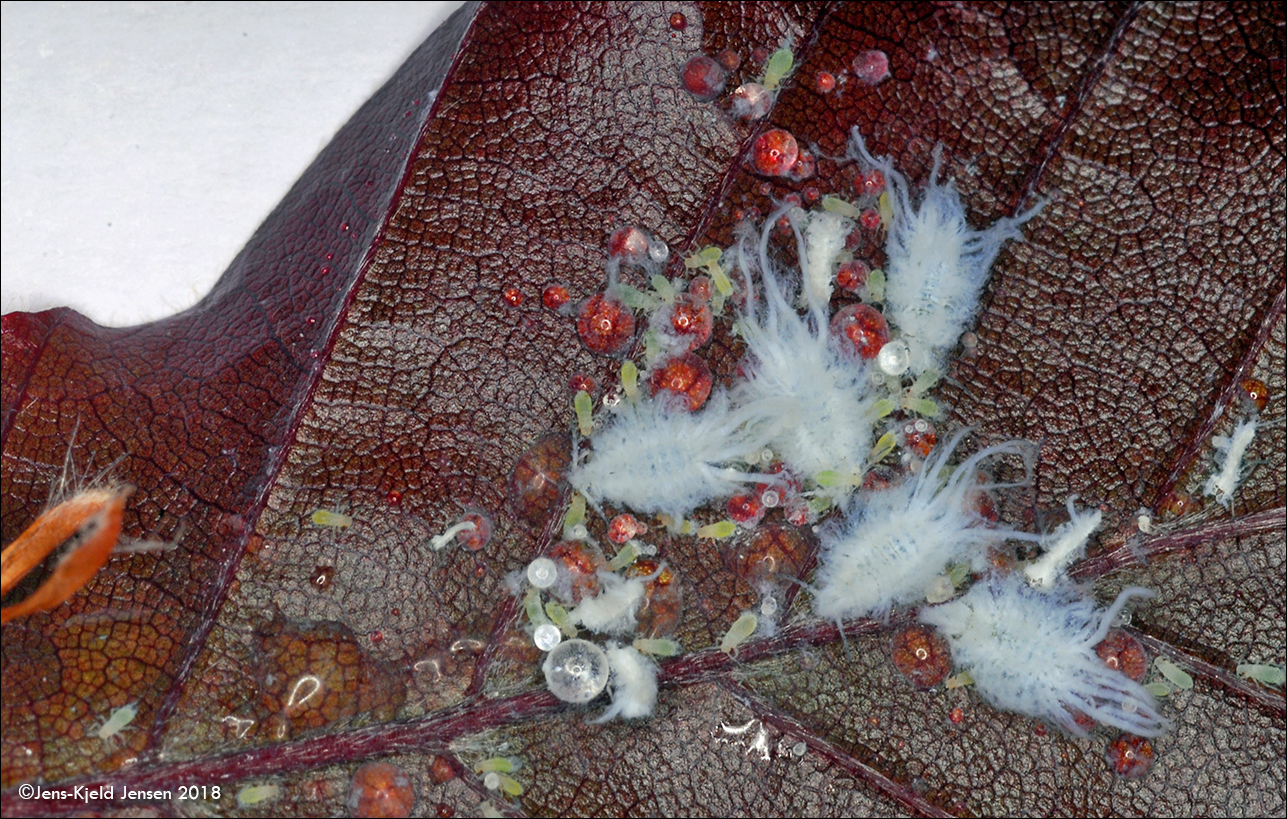
| Woolly beech aphid Phyllaphis fagi | ||||||||||||||||||||||||||||
|
||||||||||||||||||||||||||||
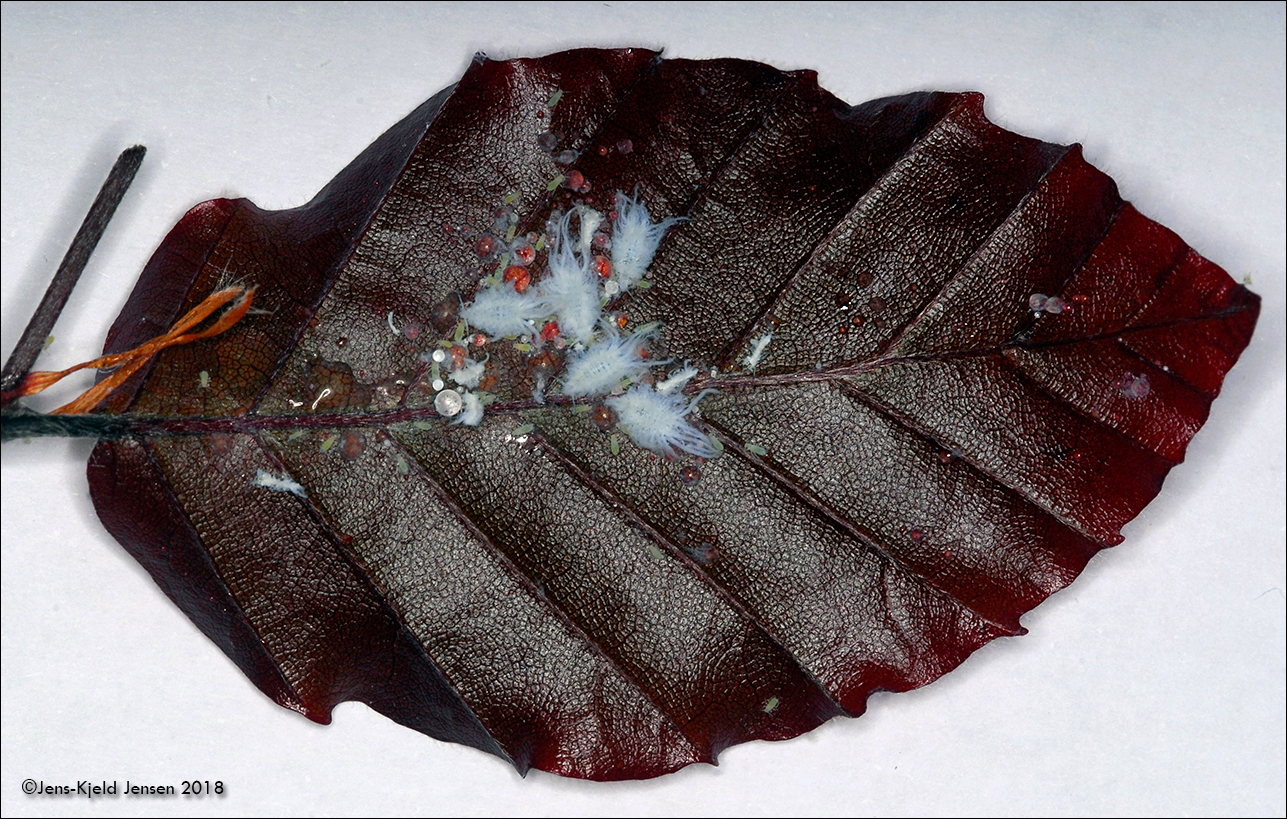
| Tórshavn 11.06.2018. | ||||||||||||||||||||||||||||
The first time I saw the Woolly beech aphid was in Tórshavn in 2012. Now in 2018 we see plenty of them, but I don't know if they are survivors from the previous observation or some new invadors. |
||||||||||||||||||||||||||||
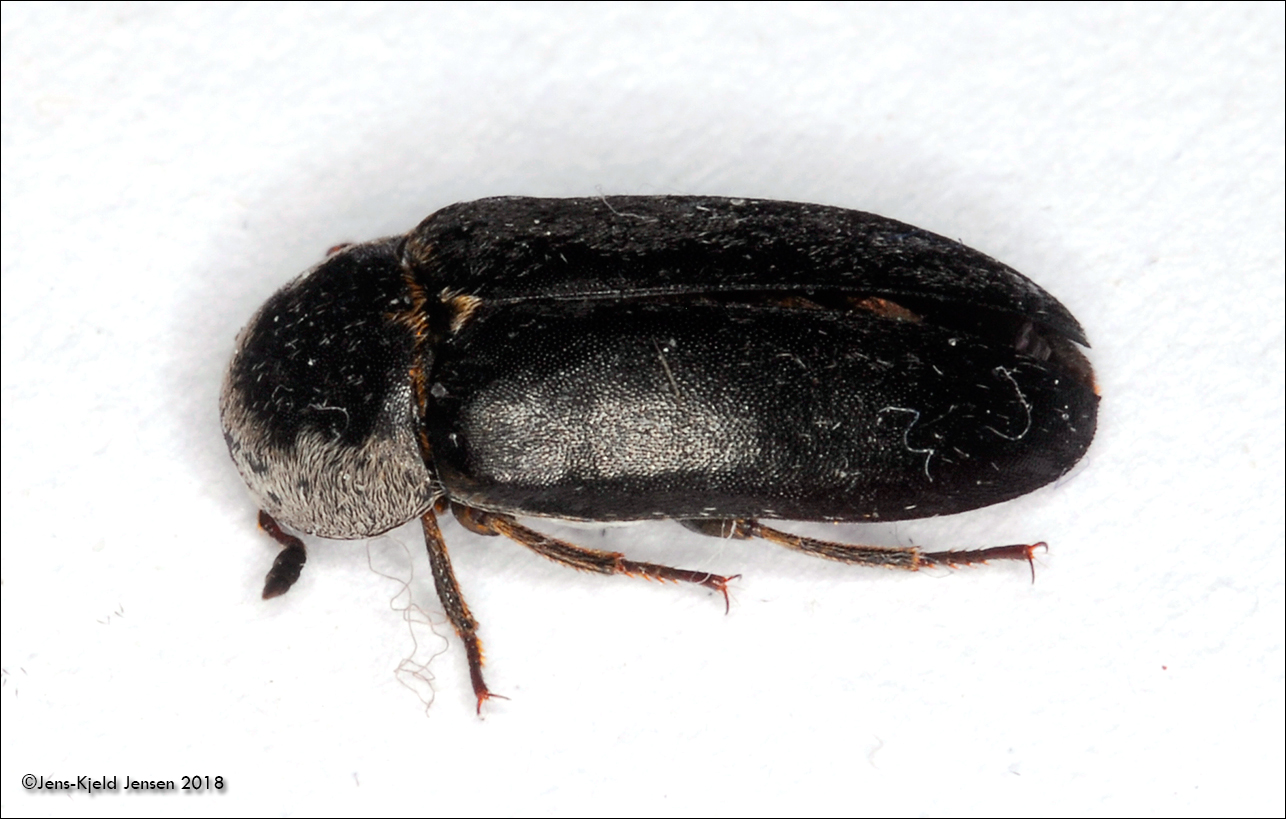
Hide Beetle Dermestes maculatus |
||||||||||||||||||||||||||||
|
||||||||||||||||||||||||||||
Several Hide Beetles were found indoors in Klaksvík 02.05.2018. This is the first time that this species is registered in the Faroe Islands. It was determined by Janus Hansen, Natural History Museum, Tórshavn. |
||||||||||||||||||||||||||||
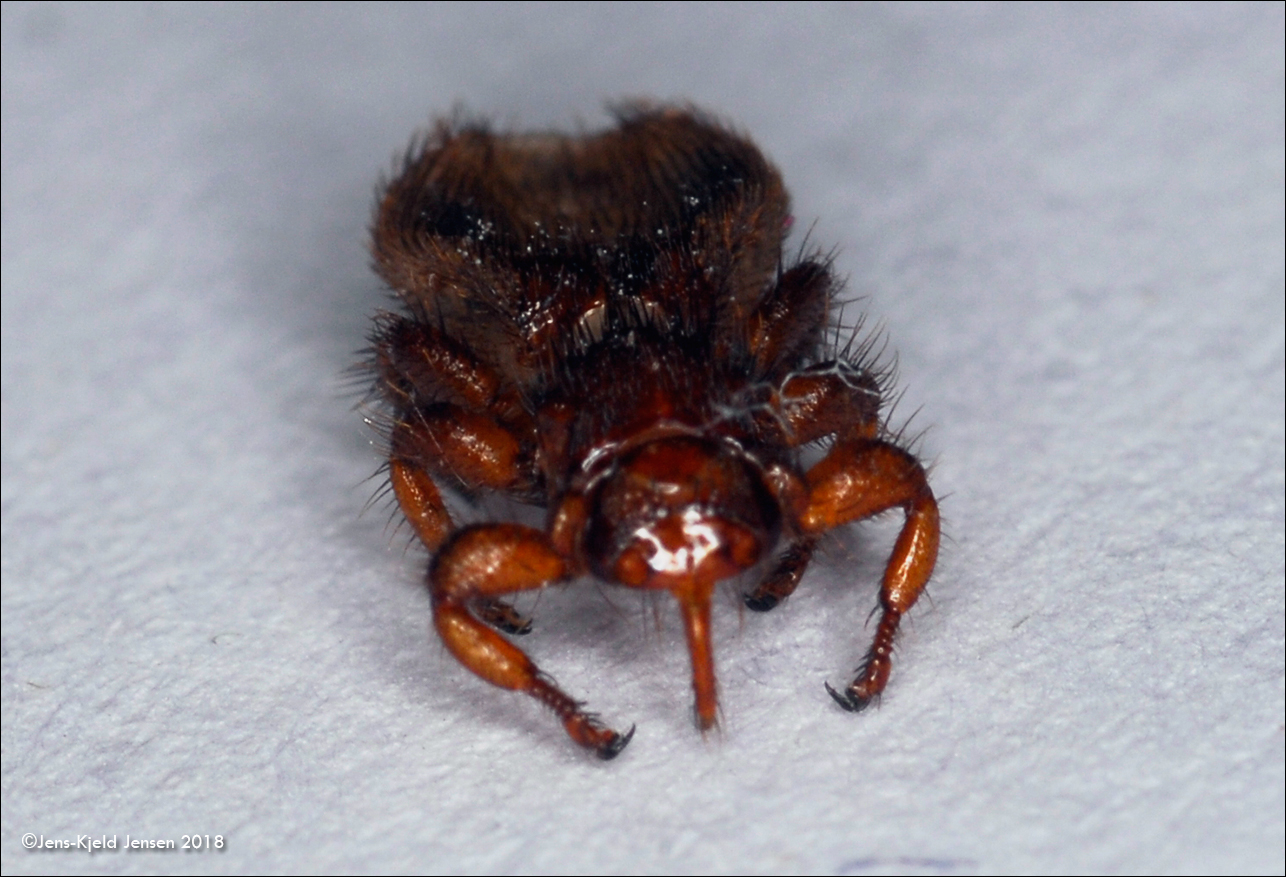
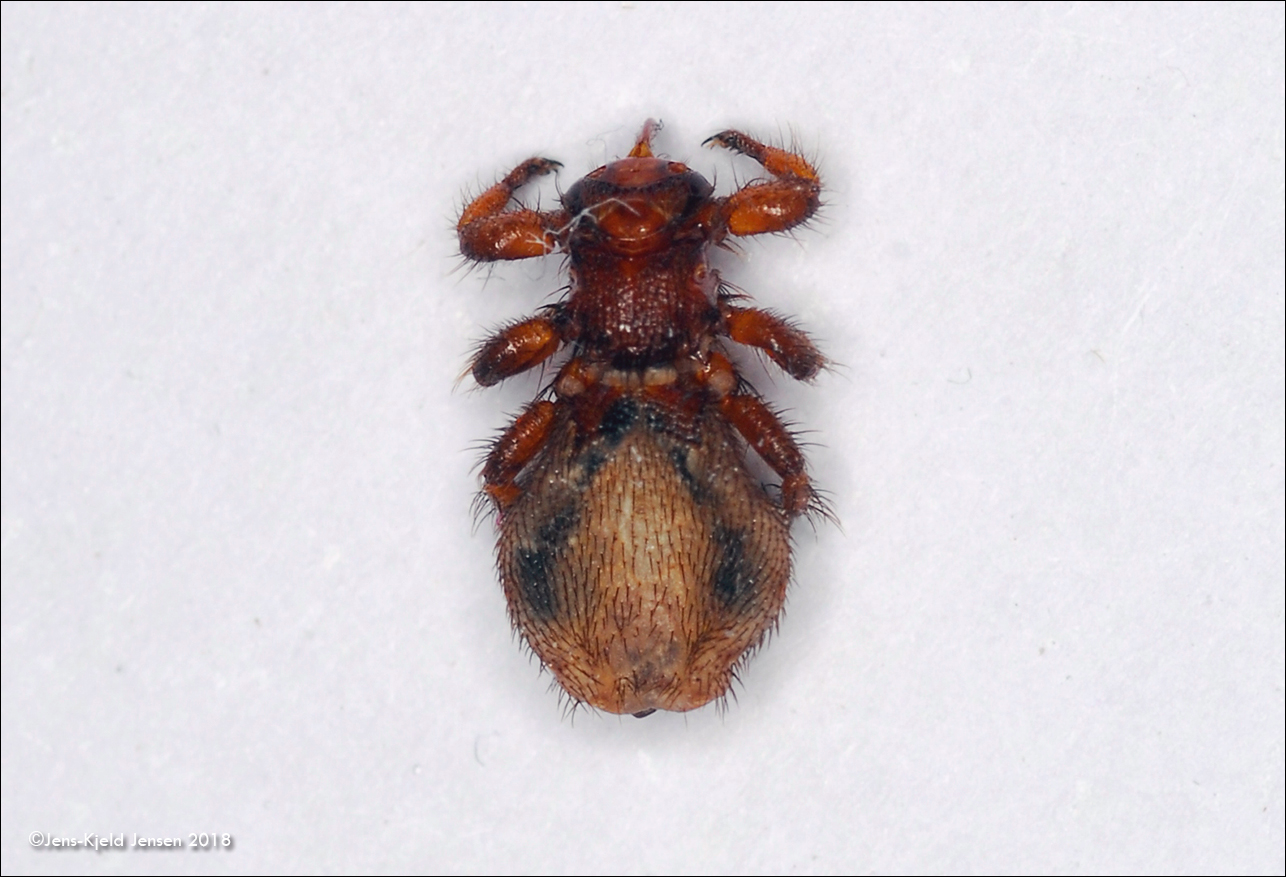
| Sheep ked Melophagus ovinus | ||||||||||||||||||||||||||||
|
||||||||||||||||||||||||||||
| Agnetha Sofía Solmunde found this Sheep ked in Nólsoy 29.01.2018. | ||||||||||||||||||||||||||||
| Black and Red Squash Bug Corizus hyoscyami (Linnaeus, 1758) | ||||||||||||||||||||||||||||
|
||||||||||||||||||||||||||||
| This beautiful Black and Red Squash Bug Corizus hyoscyami was found indoors in Miðvágur 26.10.2017. This is the third registration of the species in the Faroe Islands. | ||||||||||||||||||||||||||||
| Cikada Cicadidae | ||||||||||||||||||||||||||||
|
||||||||||||||||||||||||||||
| Leynar 03.07.2011 | ||||||||||||||||||||||||||||
| Longhorn Beetle Cerambycidae | ||||||||||||||||||||||||||||
|
||||||||||||||||||||||||||||
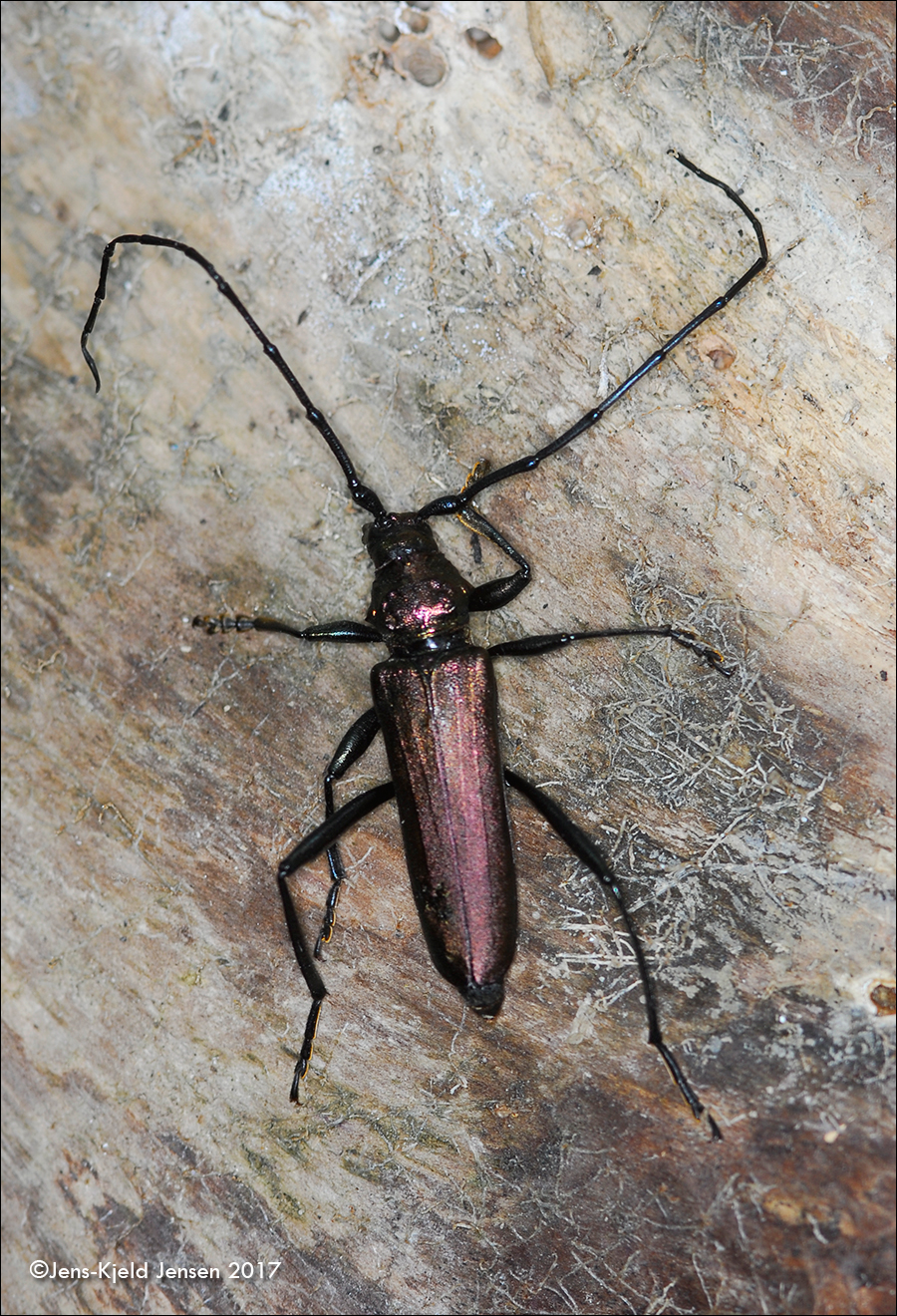
| 22.06.2017: This beautiful Longhorn Beetle Cerambycidae was inported with some timber from Polen | ||||||||||||||||||||||||||||
| Wasp beetle Clytus arietis | ||||||||||||||||||||||||||||
|
||||||||||||||||||||||||||||
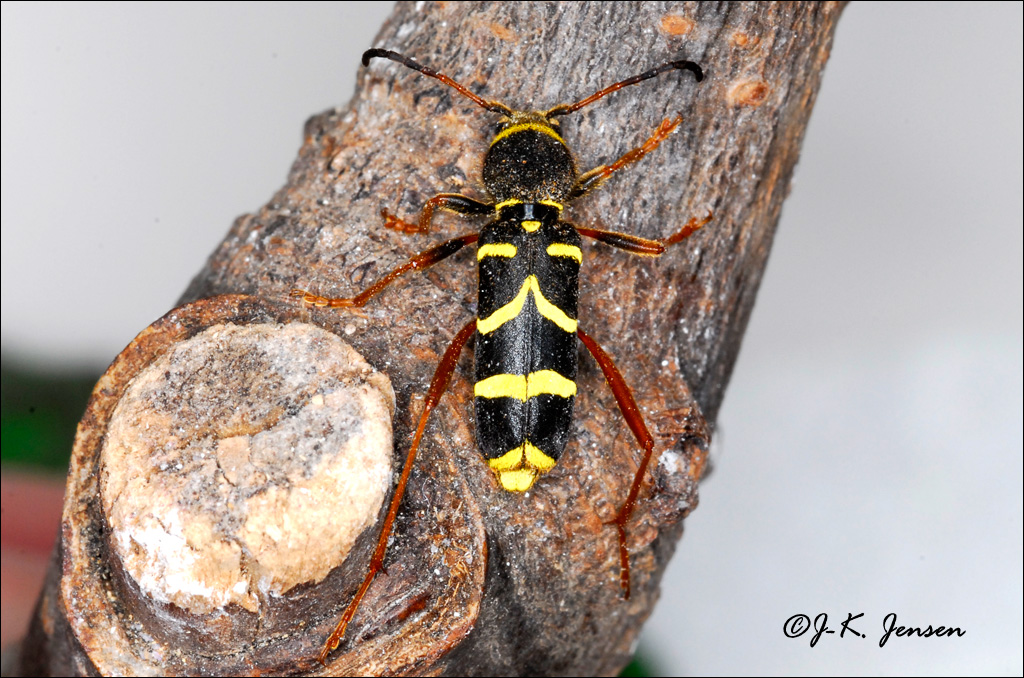
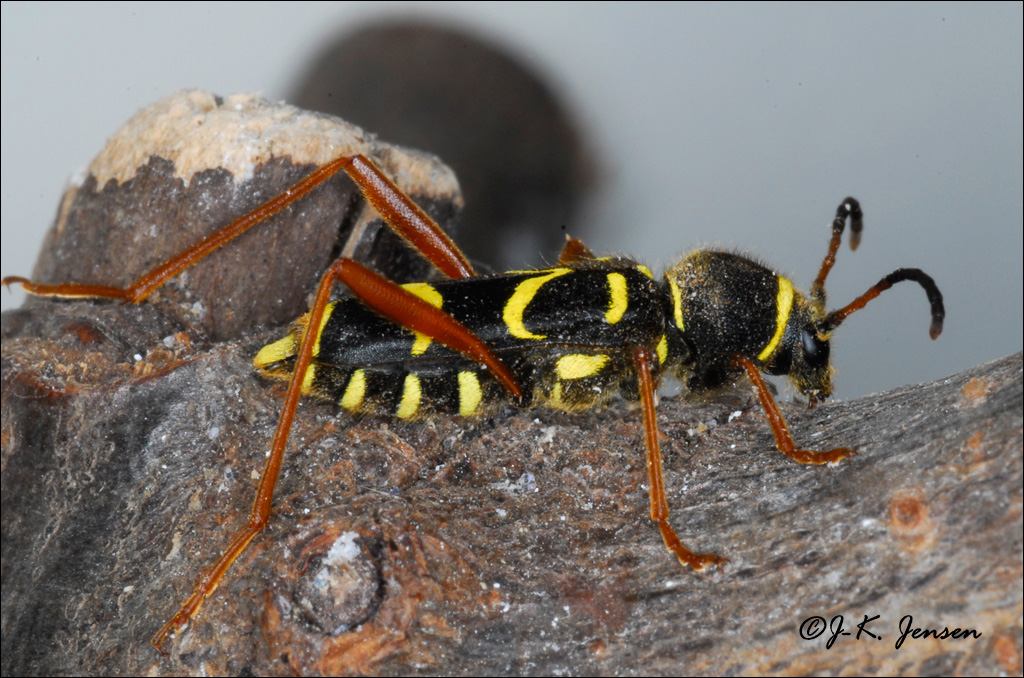
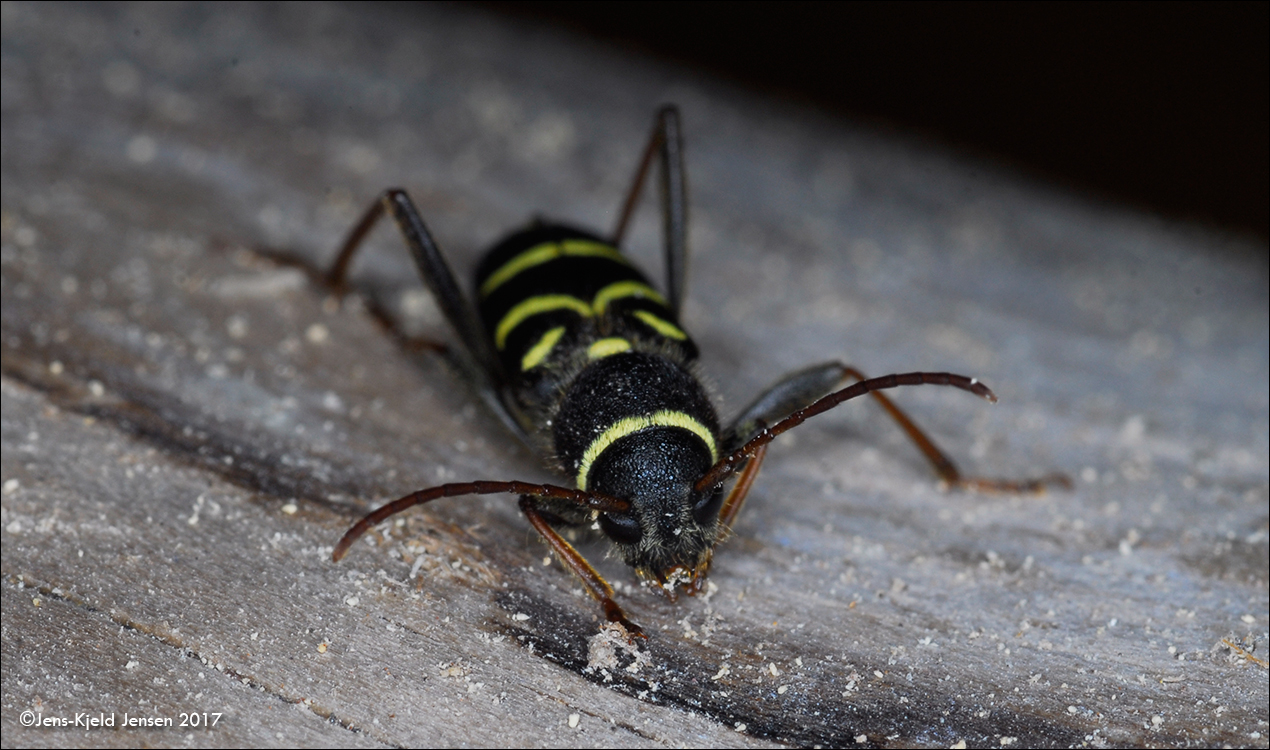
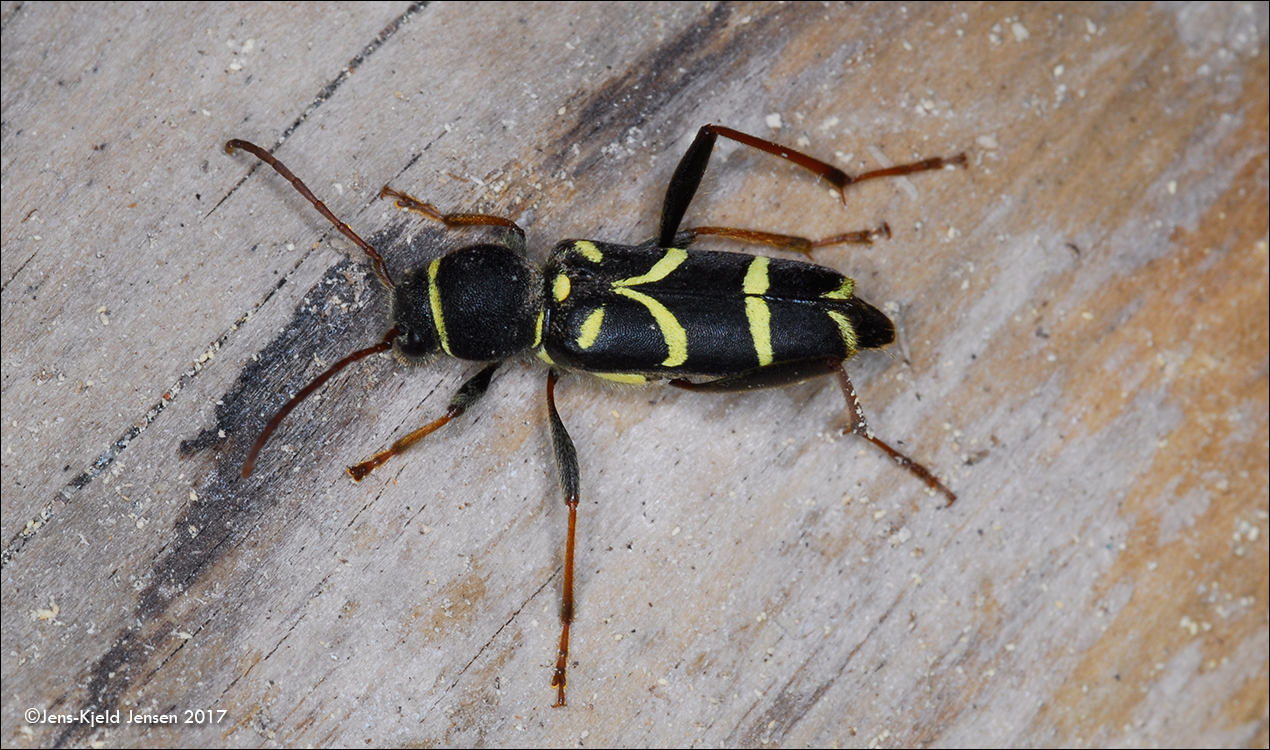
27. April 2017 Emily á Reynatrøð found this very beautiful Wasp beetle Clytus arietis in Leirvík. |
||||||||||||||||||||||||||||
| Weewil Curculionidae | ||||||||||||||||||||||||||||
|
||||||||||||||||||||||||||||
|
||||||||||||||||||||||||||||
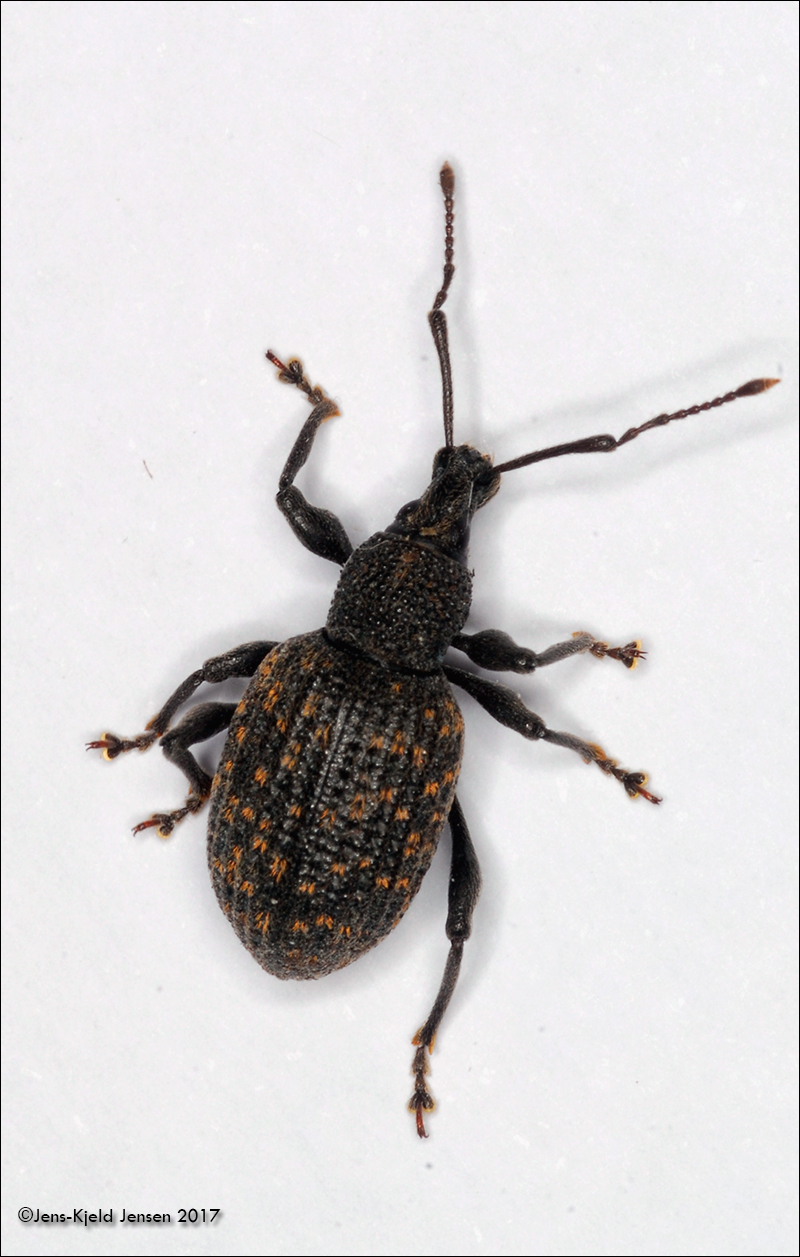
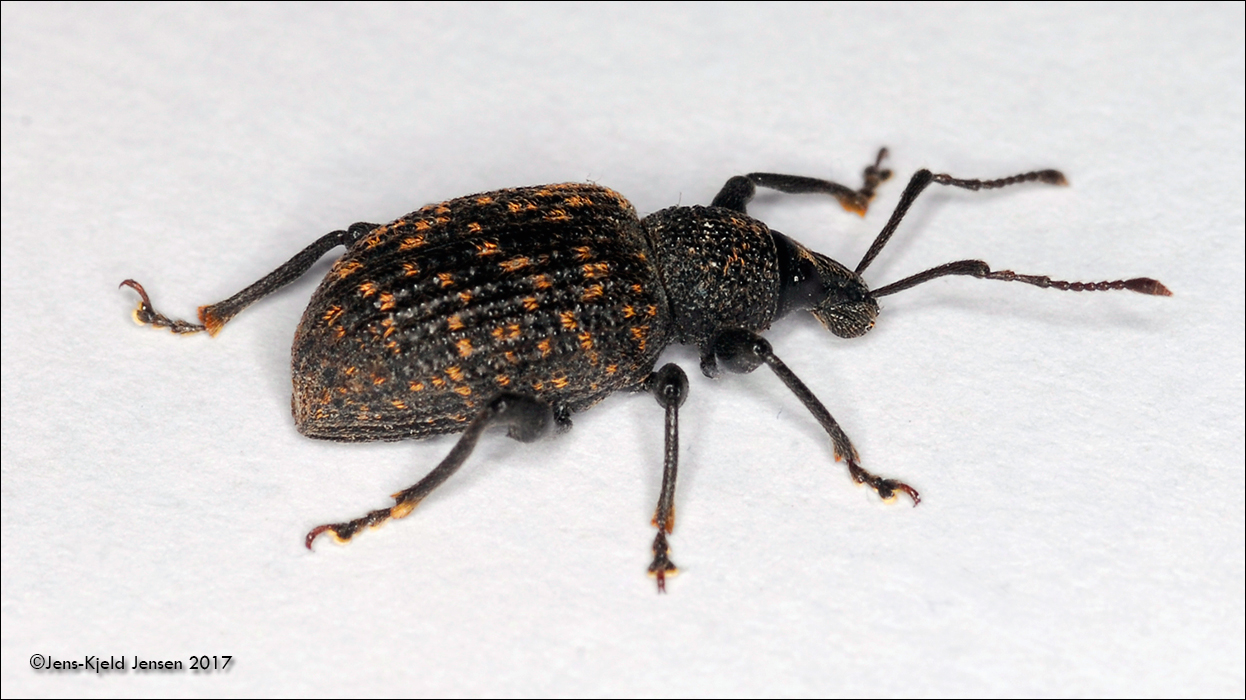
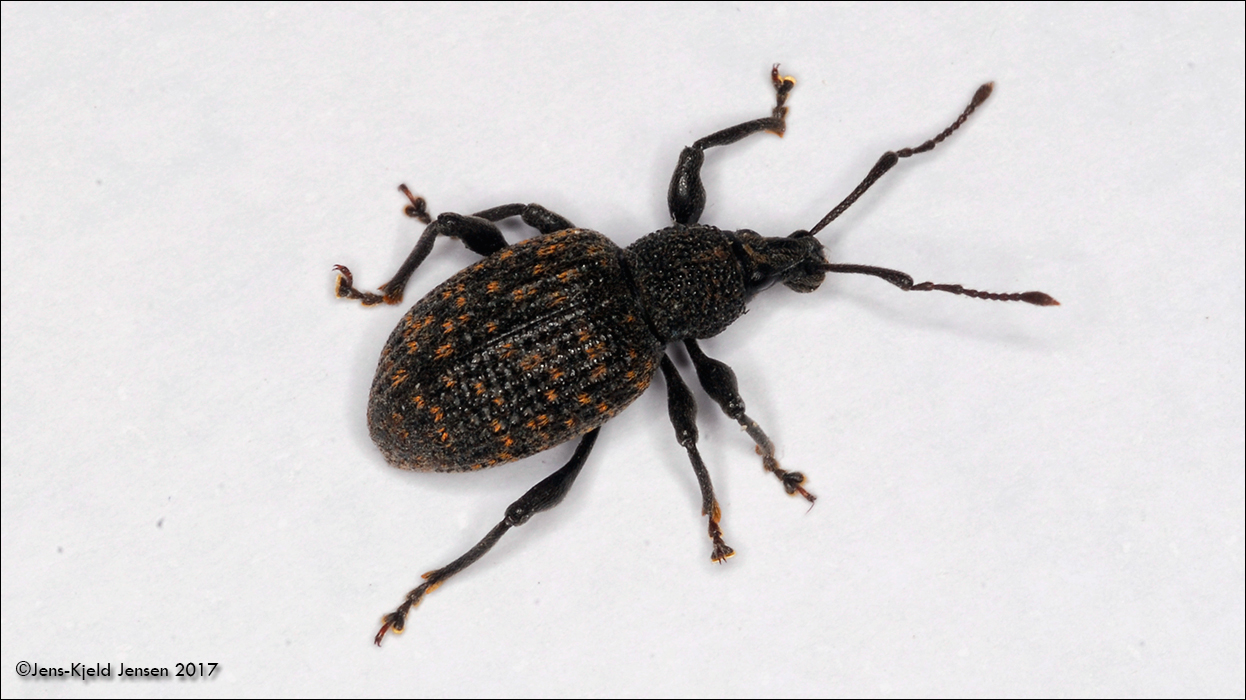
This beautiful weewil walked around in our hallway in Tórshavn 12.04.2017. |
||||||||||||||||||||||||||||
| Eurydema oleracea | ||||||||||||||||||||||||||||
|
||||||||||||||||||||||||||||
|
||||||||||||||||||||||||||||
|
||||||||||||||||||||||||||||
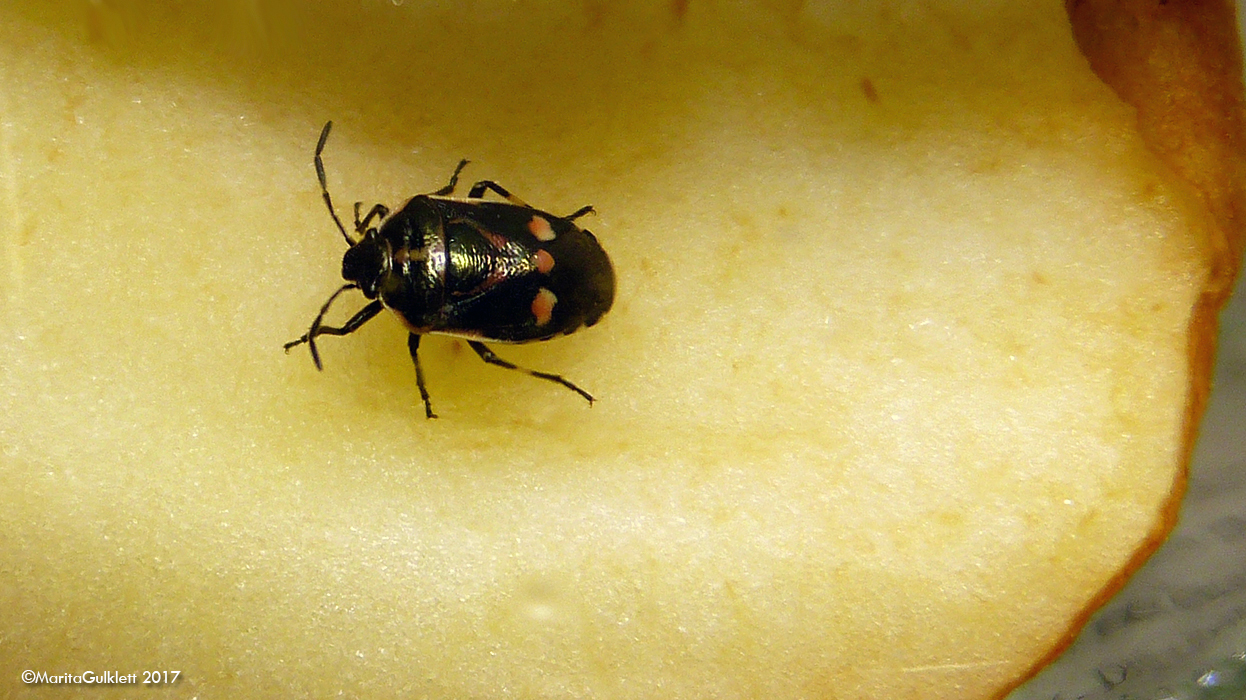
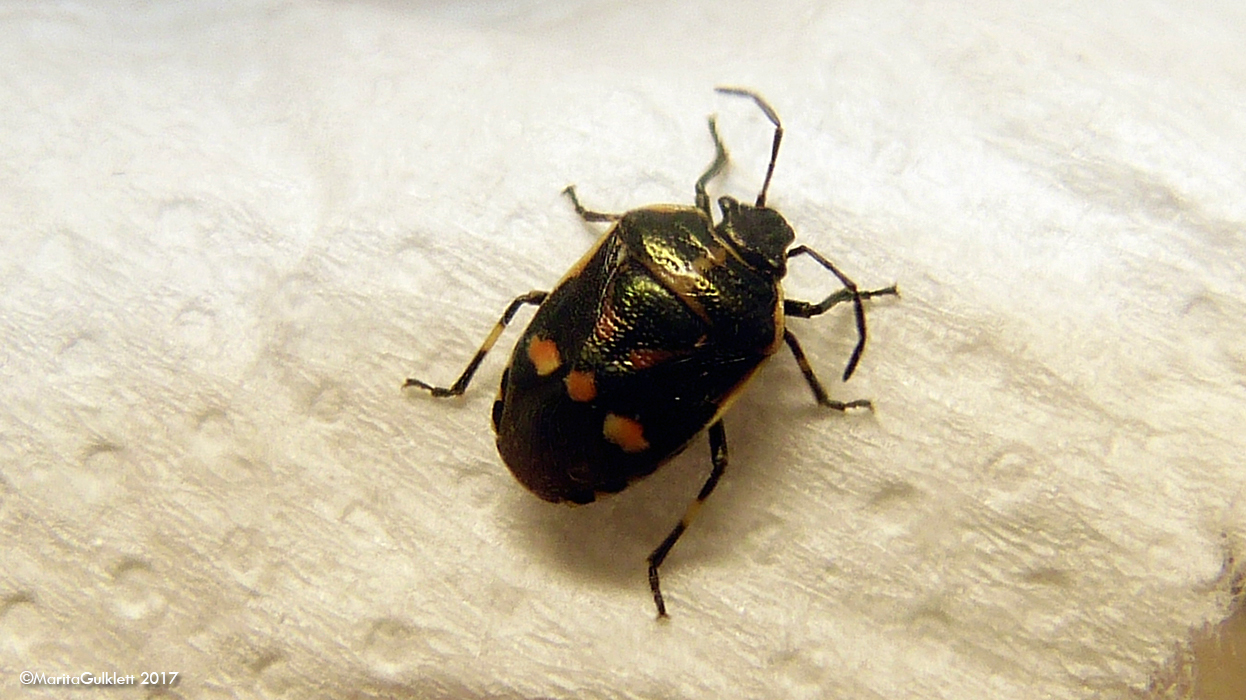
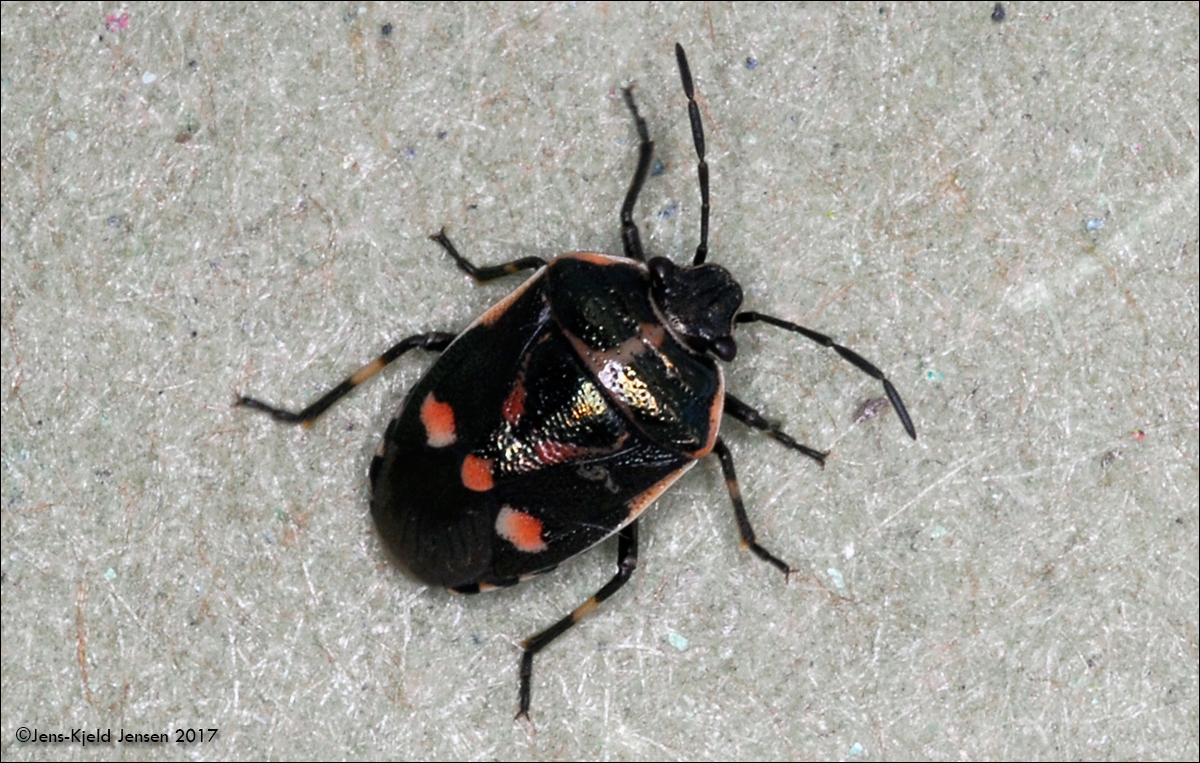
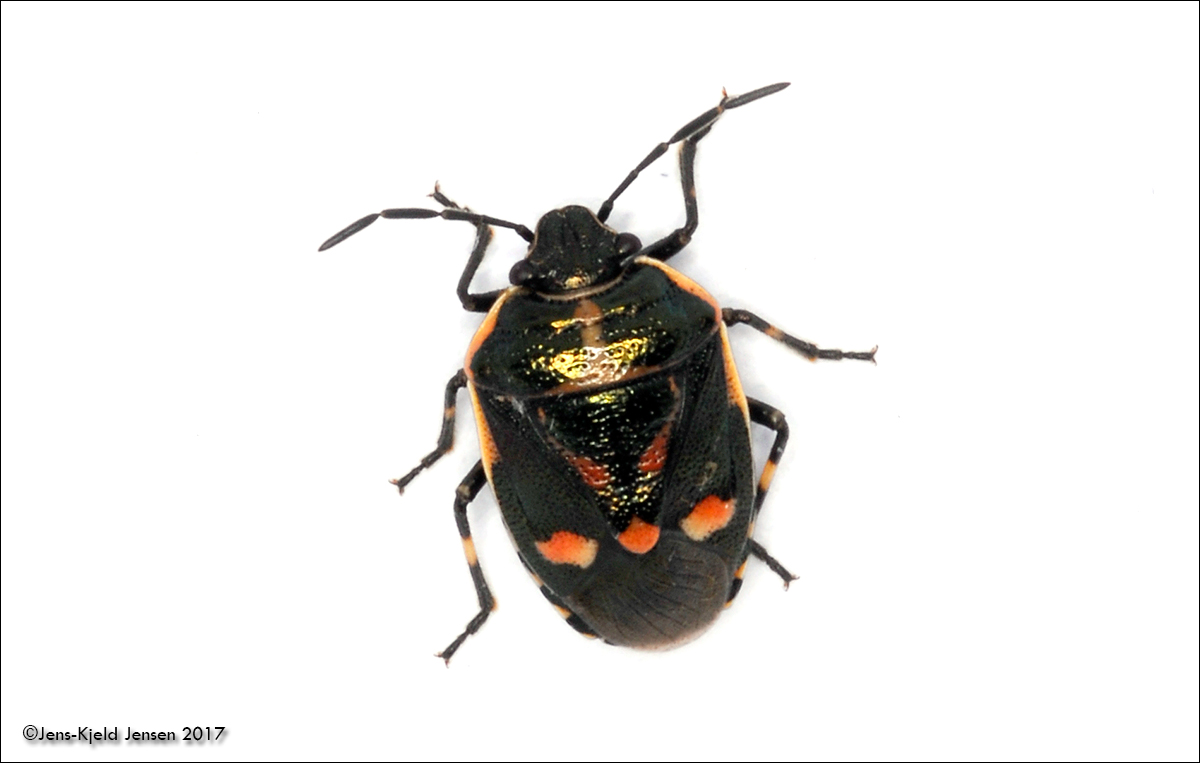
On January 11, 2017 we got this beautiful 7 mm large Eurydema oleracea which Arnhold Olsen had caught a few days earlier. This is the first registration of this species in the Faroe Islands. Eurydema oleracea is found in most of Europe, Asia and China, where it can do great harm to cabbage plants (Brassicaceae). |
||||||||||||||||||||||||||||
| Eurydema ornata | ||||||||||||||||||||||||||||
|
||||||||||||||||||||||||||||
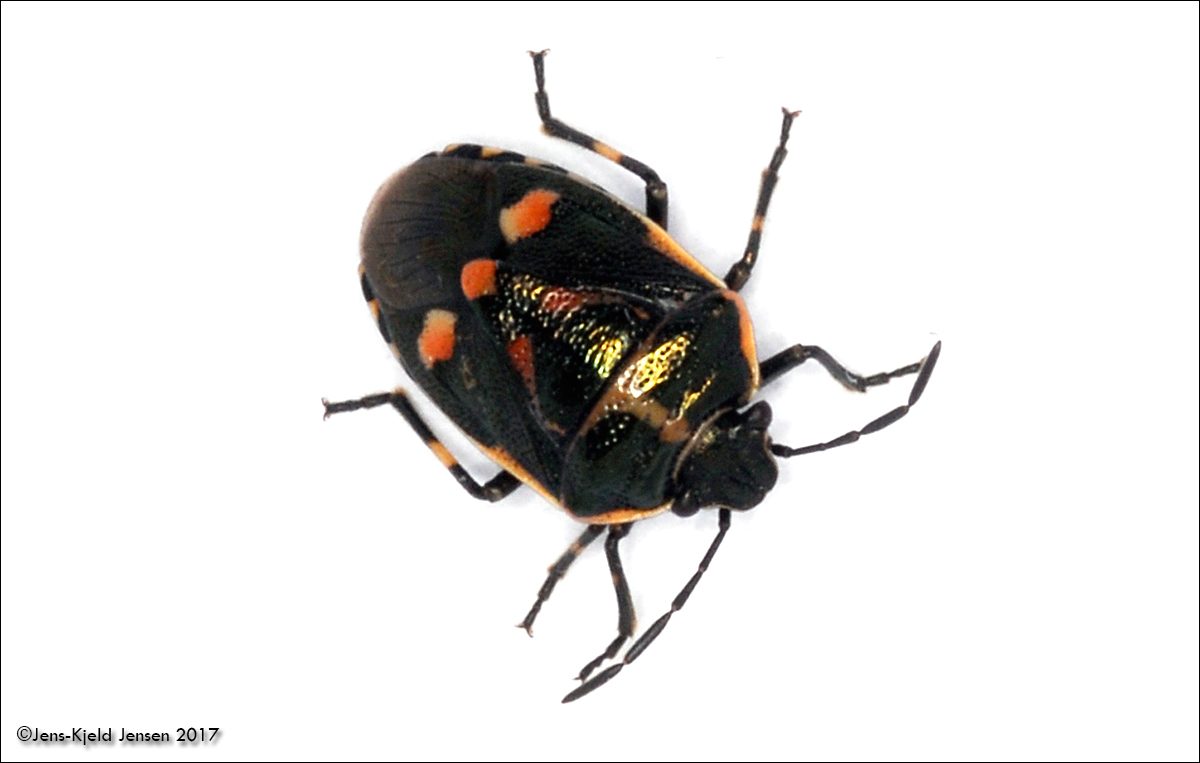
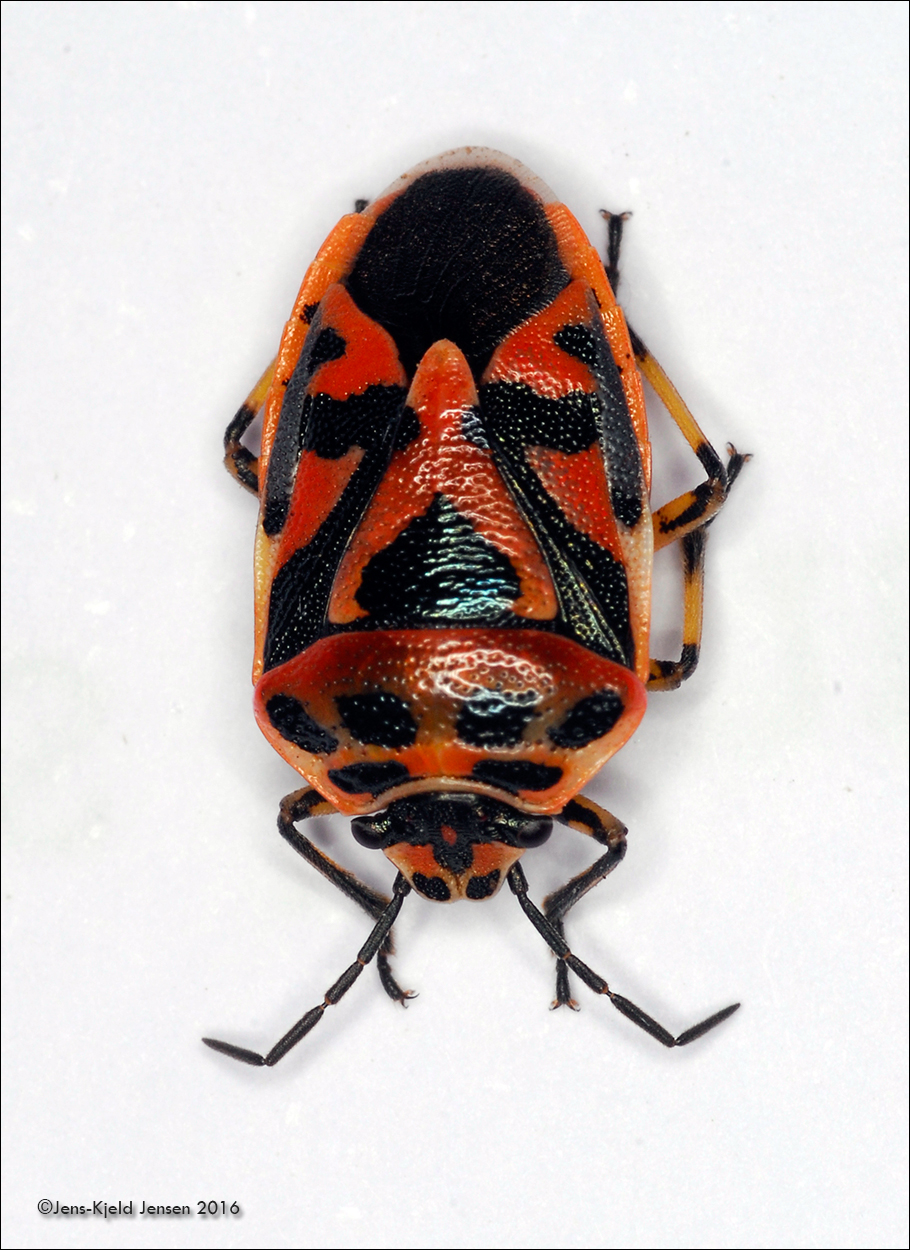
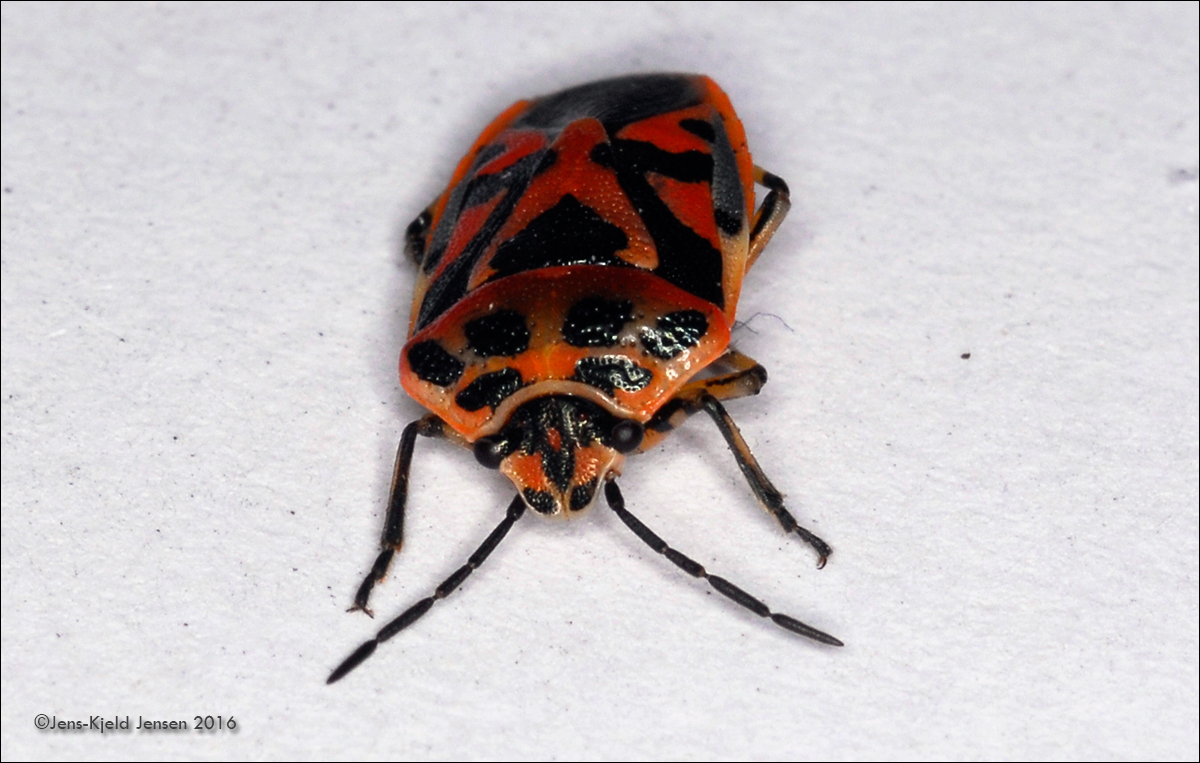
| Helga Bára Mohr Wang found this beautiful Eurydema ornata 18.10.2016 after she had been out shopping. This is the first time that Euryderma ornata is registered in the Faroe Islands. | ||||||||||||||||||||||||||||
| Sericomyia lappona (Linnaeus, 1758) | ||||||||||||||||||||||||||||
|
||||||||||||||||||||||||||||
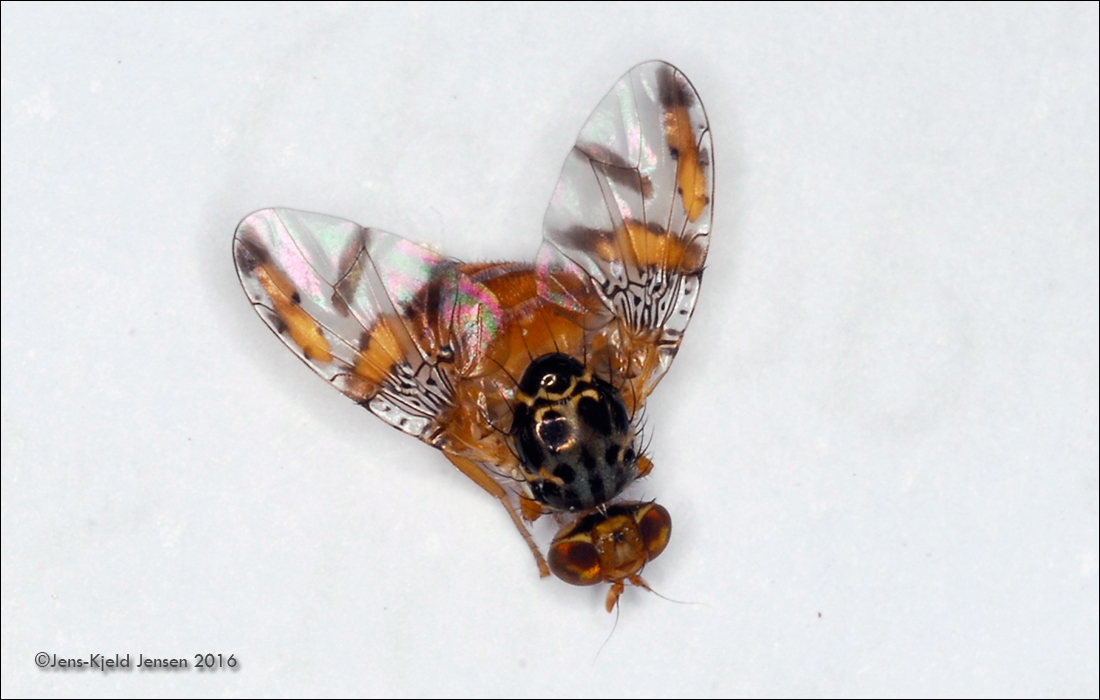
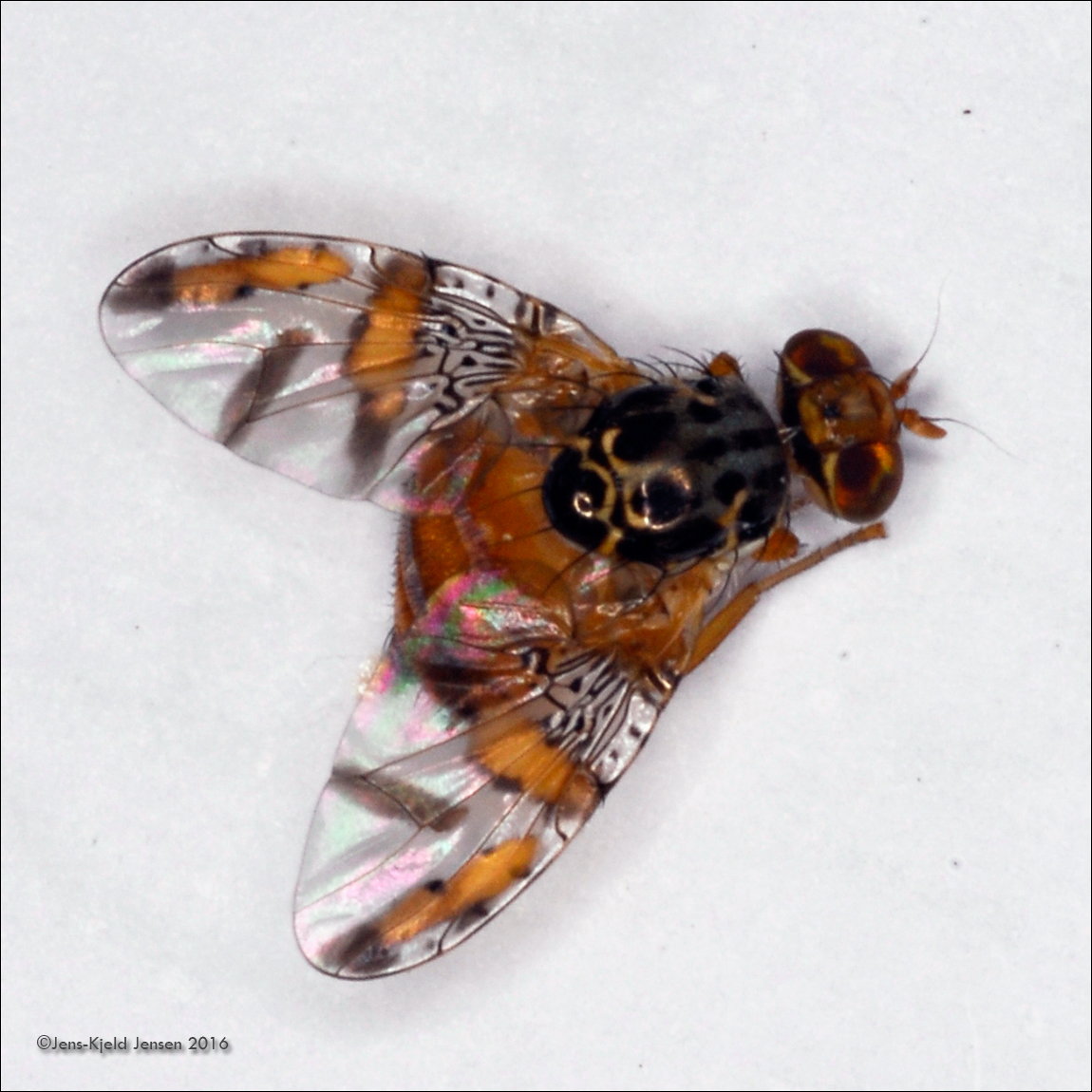
| Mediterranean fruit fly Ceratitis capitata (Wiedemann, 1824) | ||||||||||||||||||||||||||||
 |
||||||||||||||||||||||||||||
 |
||||||||||||||||||||||||||||
| Viðareiði 24.01.2016 | ||||||||||||||||||||||||||||
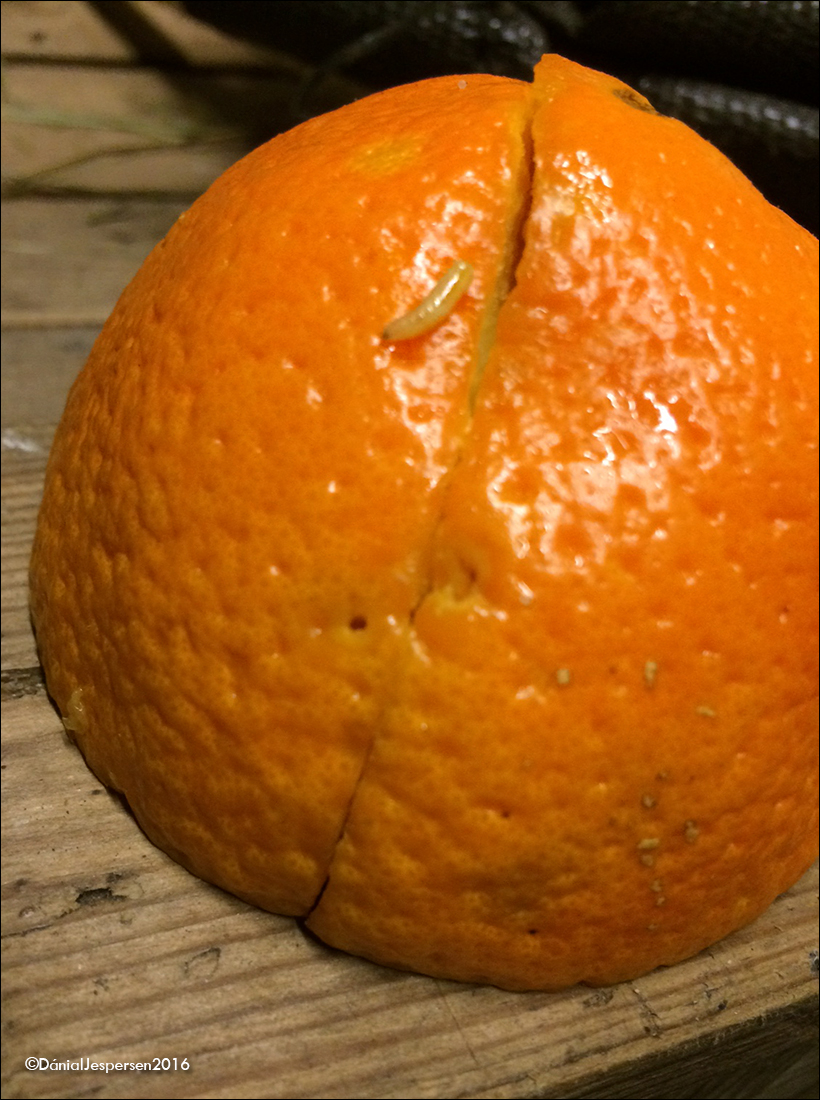
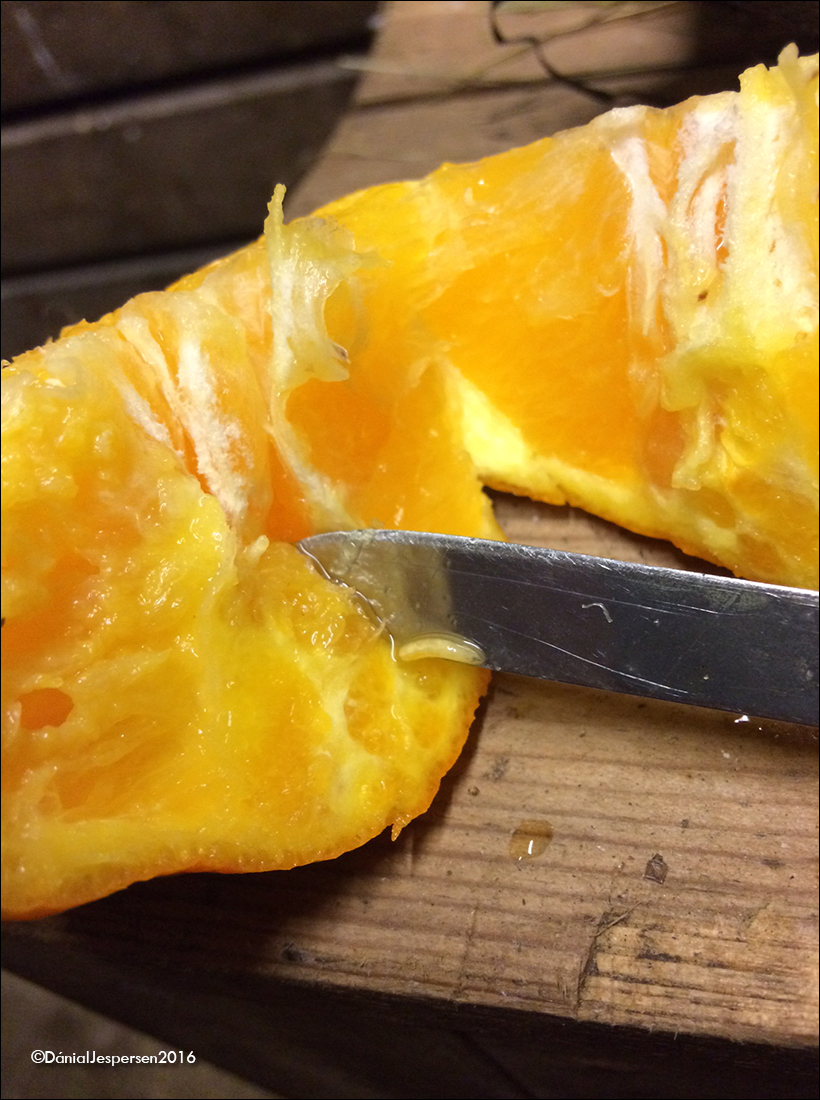
| It is not unusual that for example oranges are infested with white worms. These worms are the larvae of the Mediterranean Fruit Fly Ceratitis capitata (Wiedemann, 1824). If you fail to eat the orange in time, the larvae will crawl out of it and pupate. After a short time you will find this little and very beautiful fly sitting in the windowsill - or as in this case - under the ceiling in a house on Viðareiði, where a bounch of 8-9 were having a good time. | ||||||||||||||||||||||||||||
Ceratitis capitata feeds mainly on citrus, but is not unusual in peach, pears and apples. |
||||||||||||||||||||||||||||
|
||||||||||||||||||||||||||||
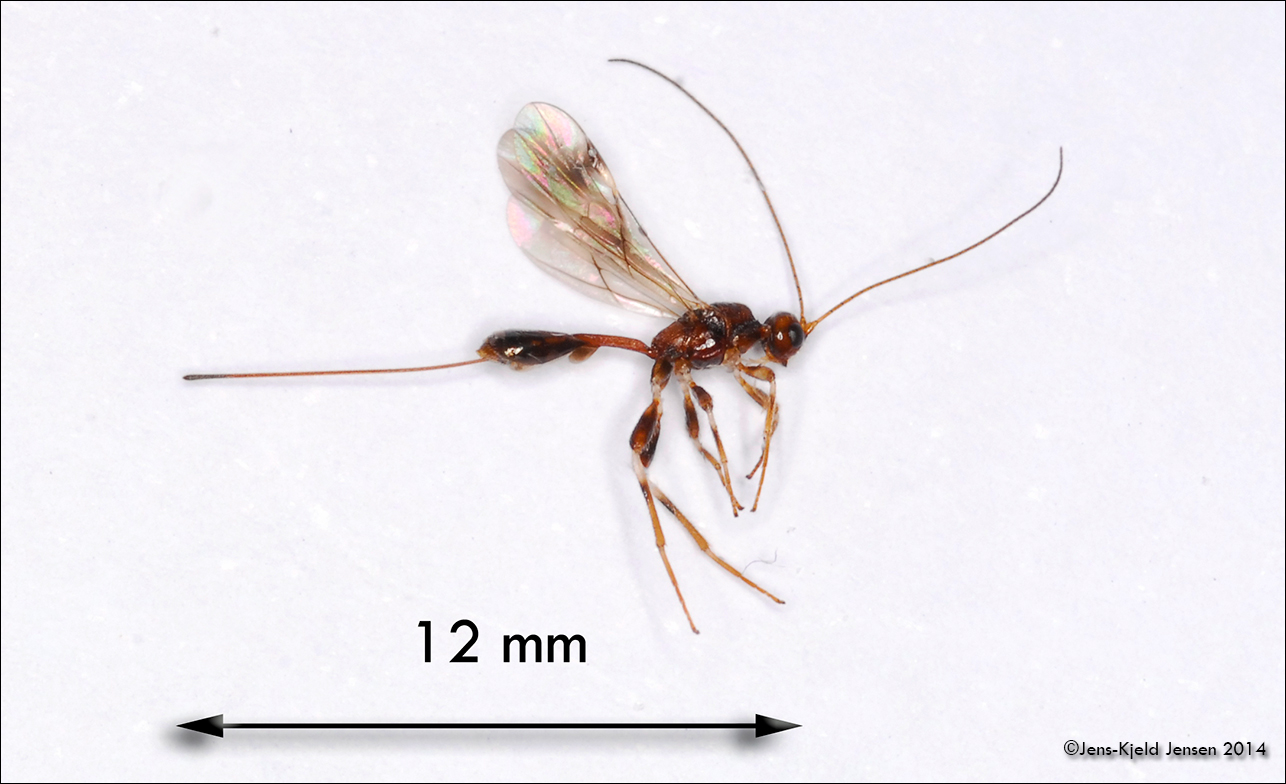
| Spathius exarator | ||||||||||||||||||||||||||||
|
||||||||||||||||||||||||||||
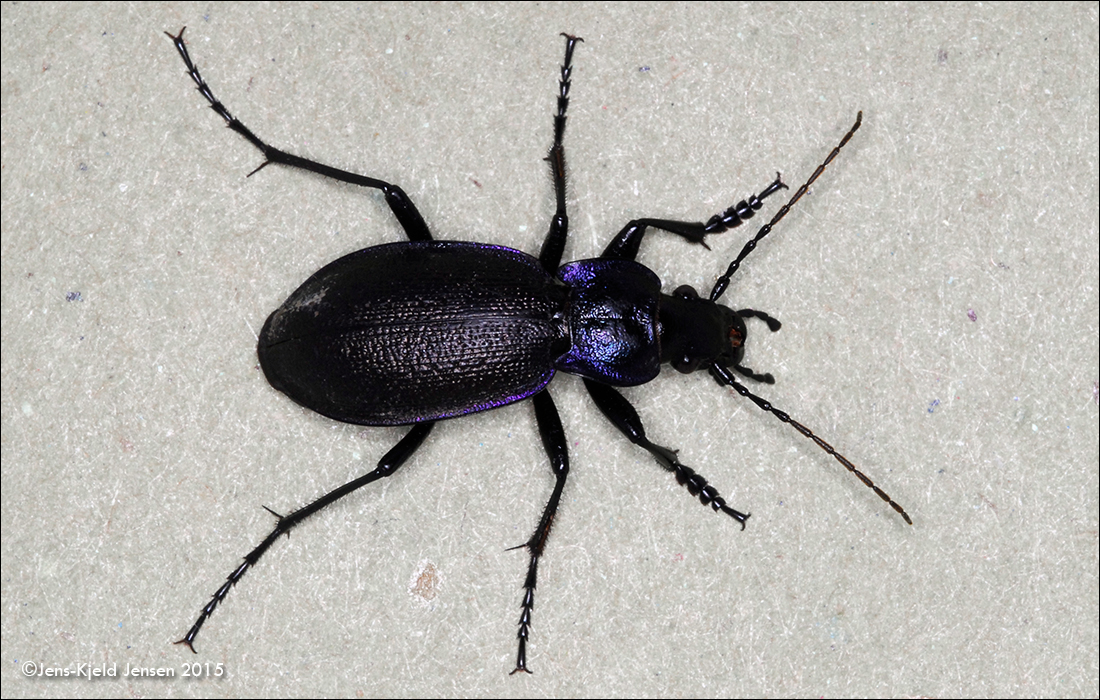
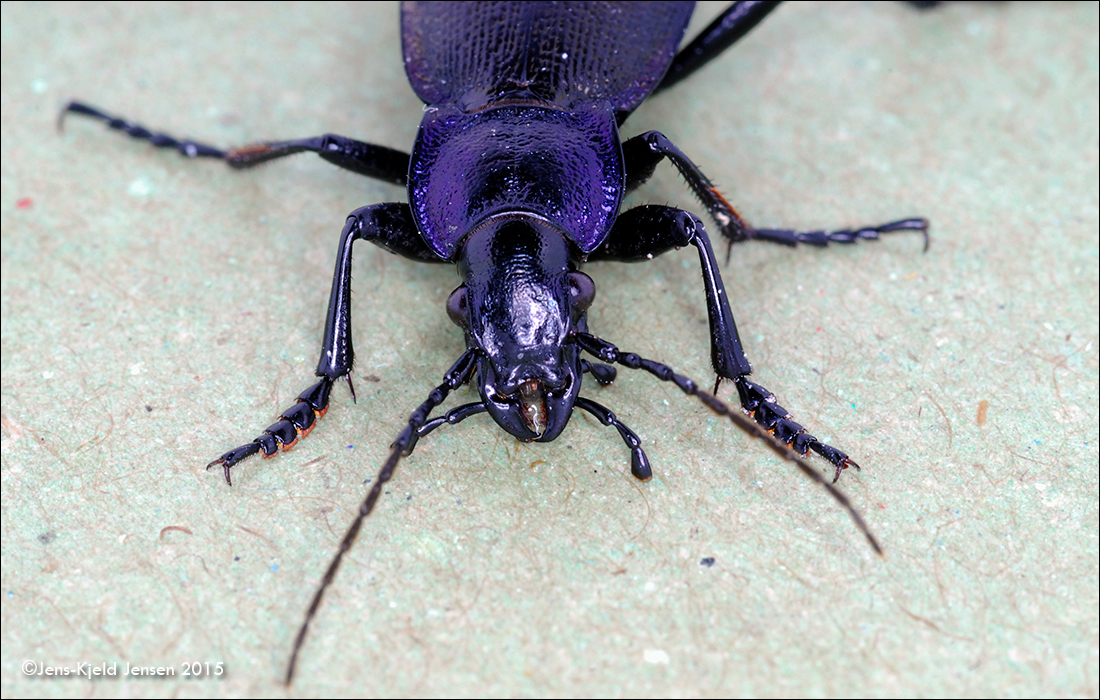
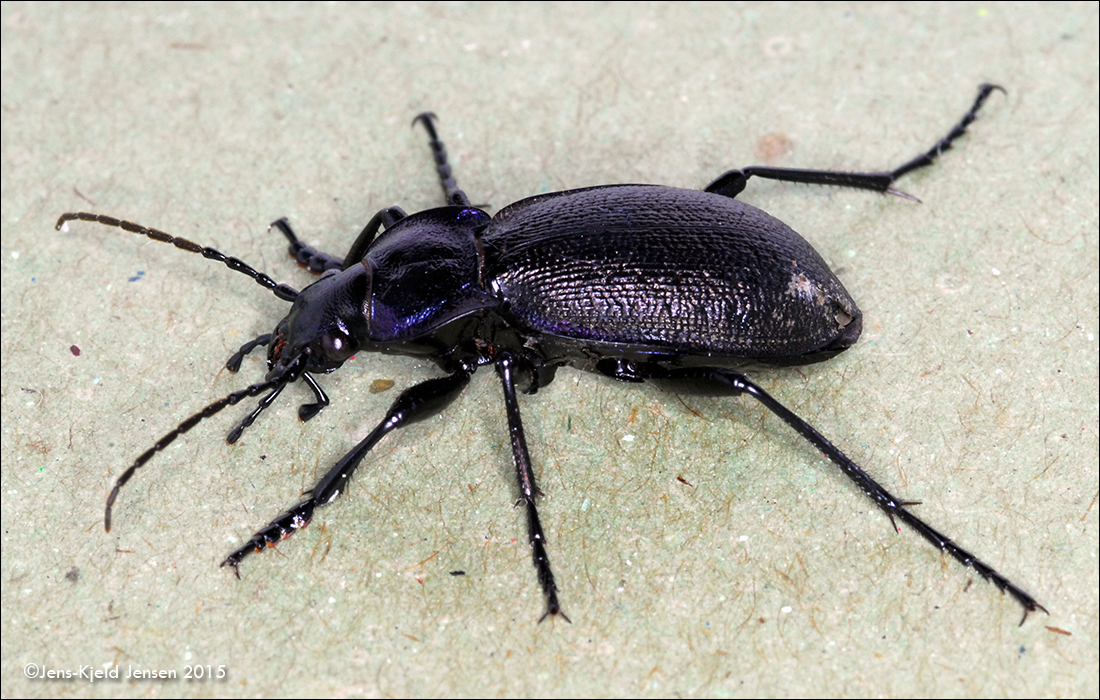
| Carabus problematicus | ||||||||||||||||||||||||||||
|
||||||||||||||||||||||||||||
| Carabus problematicus is the biggest beetle in the Faroe Islands and it is common | ||||||||||||||||||||||||||||
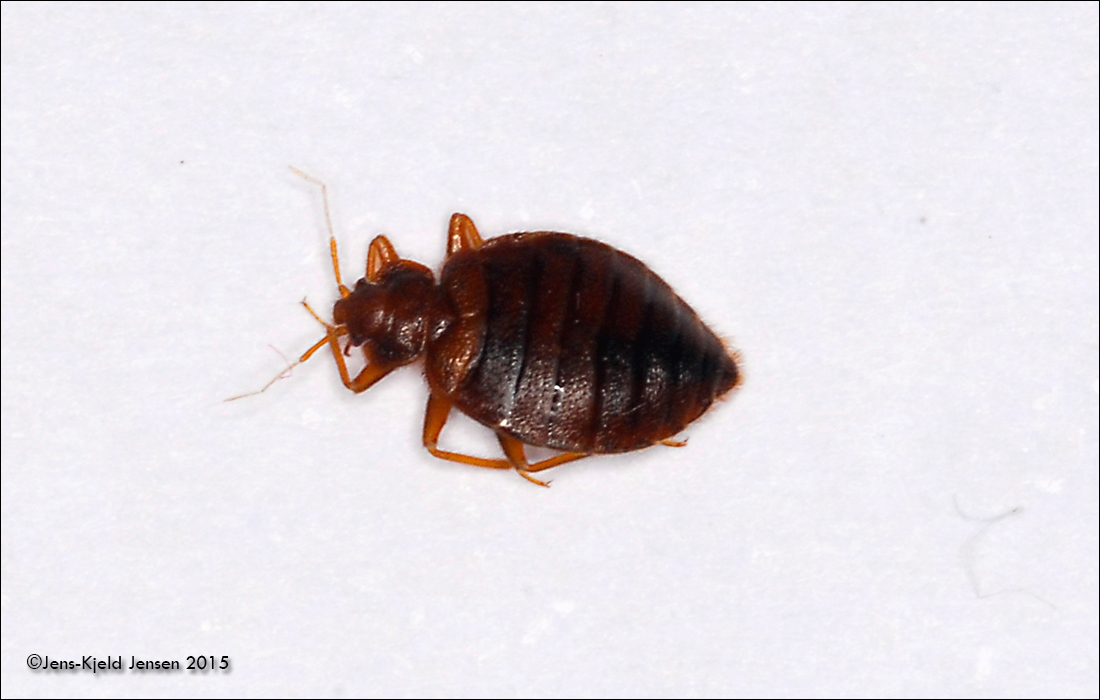
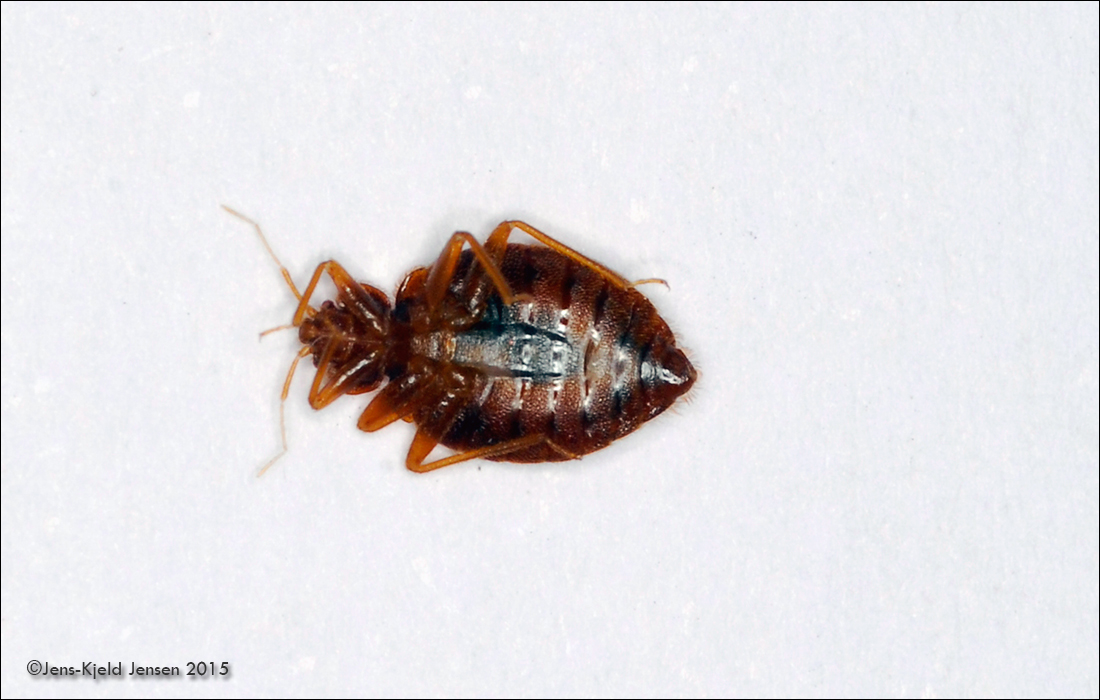
| Bed bug Cimex lectularius | ||||||||||||||||||||||||||||
|
||||||||||||||||||||||||||||
| One can still find bed bugs in the Faroe Islands | ||||||||||||||||||||||||||||
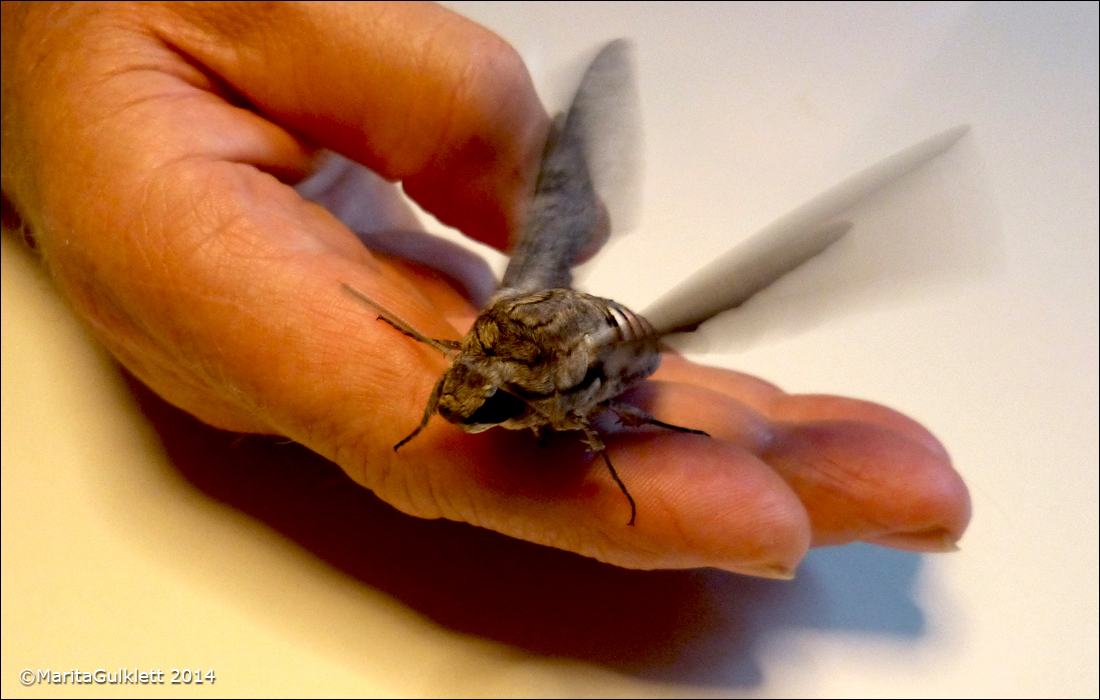
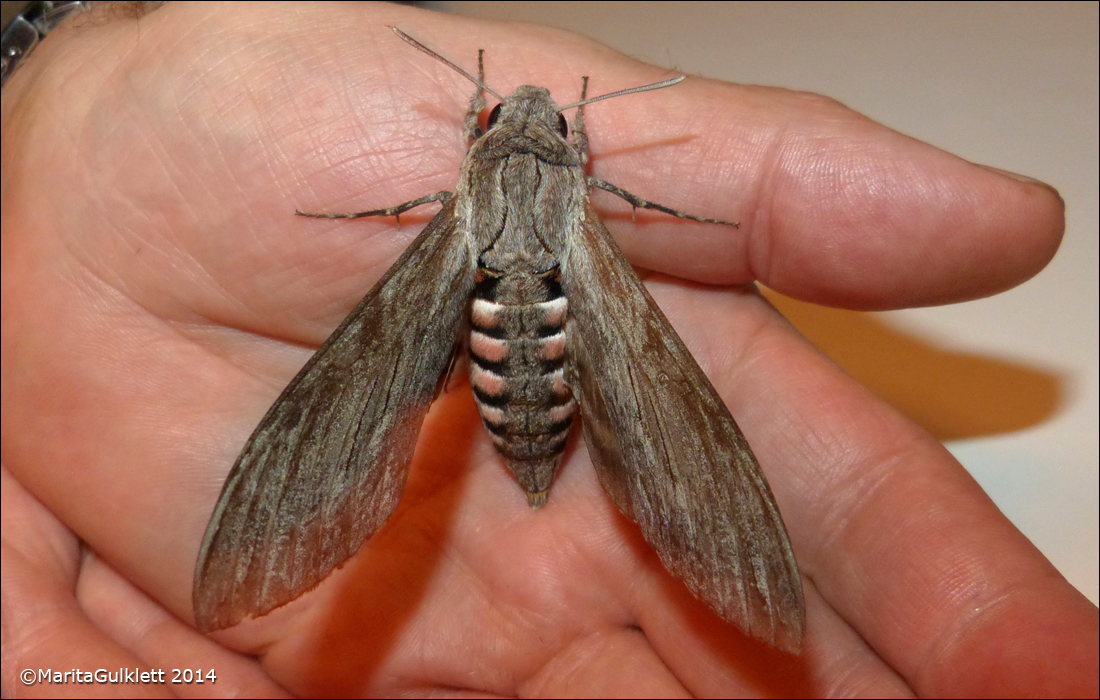
| Convolvulus Hawk-moth Agrius convolvuli (Linnaeus, 1758) | ||||||||||||||||||||||||||||
|
||||||||||||||||||||||||||||
| Hoyvík 13.09.2014 | ||||||||||||||||||||||||||||
| This rare guest flew right up in front of Símun Dalsgaard, when he went out to mow the lawn in front of his house in Hoyvík. He caught it and gave it to me. This Convolvulus Hawk-moth does most likely come from France. | ||||||||||||||||||||||||||||
| Plume Moth Platyptilia gonodactyla Den The. & Schiff | ||||||||||||||||||||||||||||
|
||||||||||||||||||||||||||||
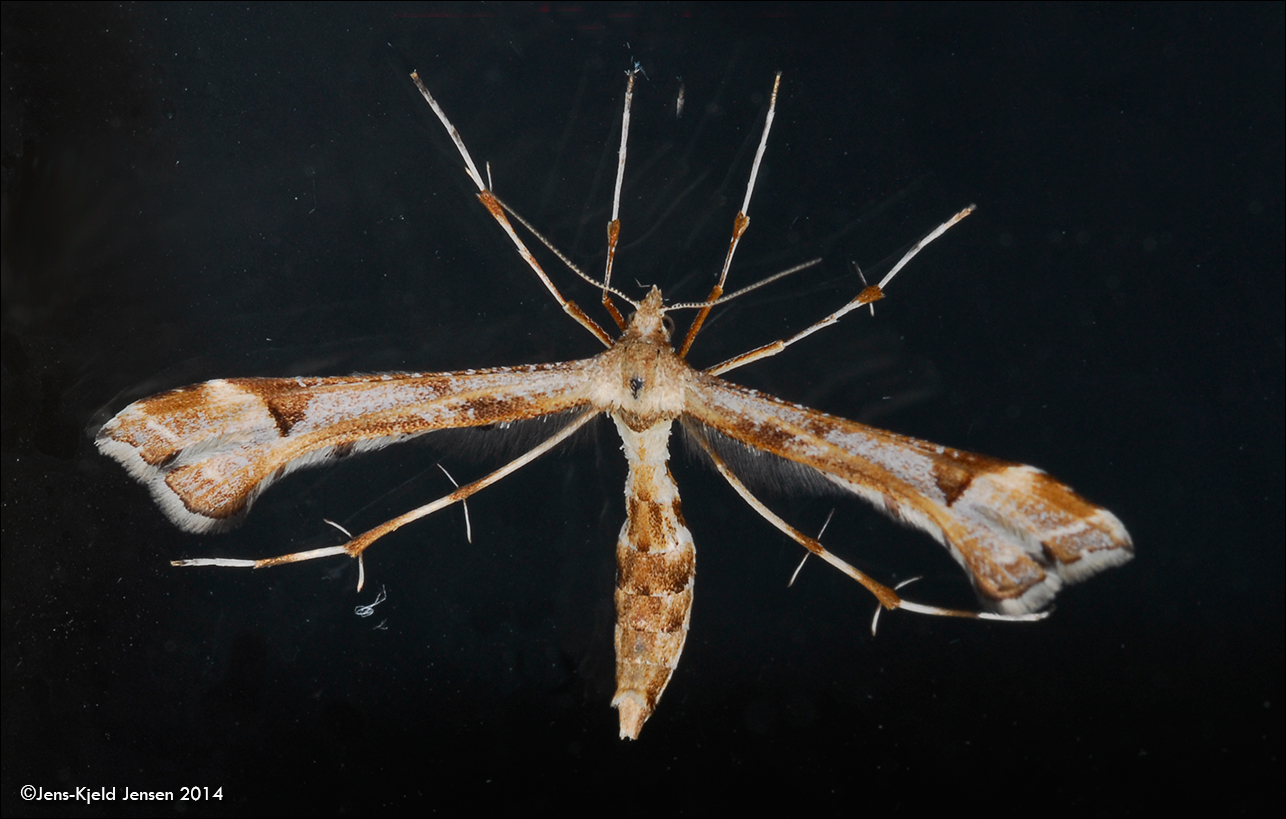
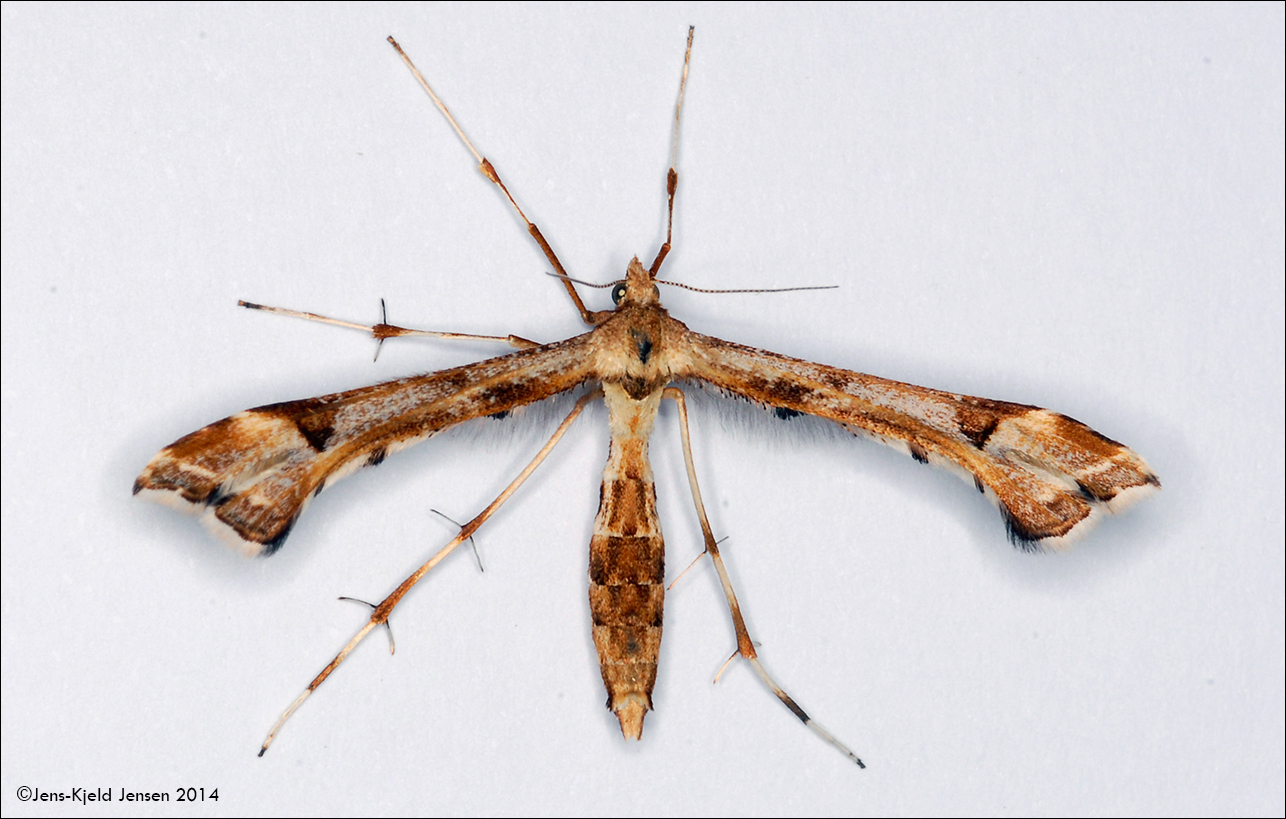
On July 25, 2014 Gert Norðoy, Viðareiði caught a new Plume moth for Faroe Islands in Viðareiði. Since there are many Plume moth species I immediately sent some photographs to the Danish butterfly specialist Ole Karsholt, who determet, that it was a Platyptilia gonodactyla Den The. & Schiff. |
||||||||||||||||||||||||||||
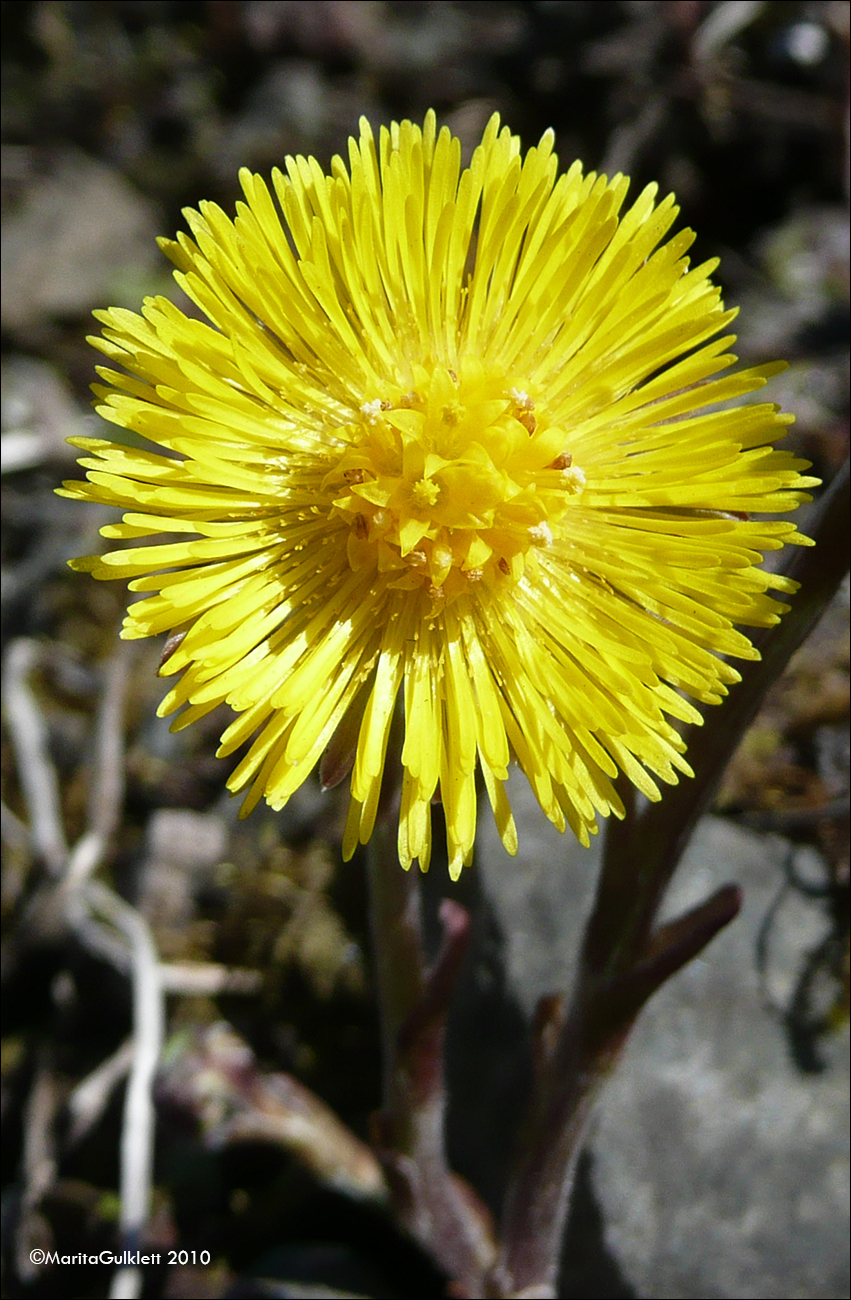
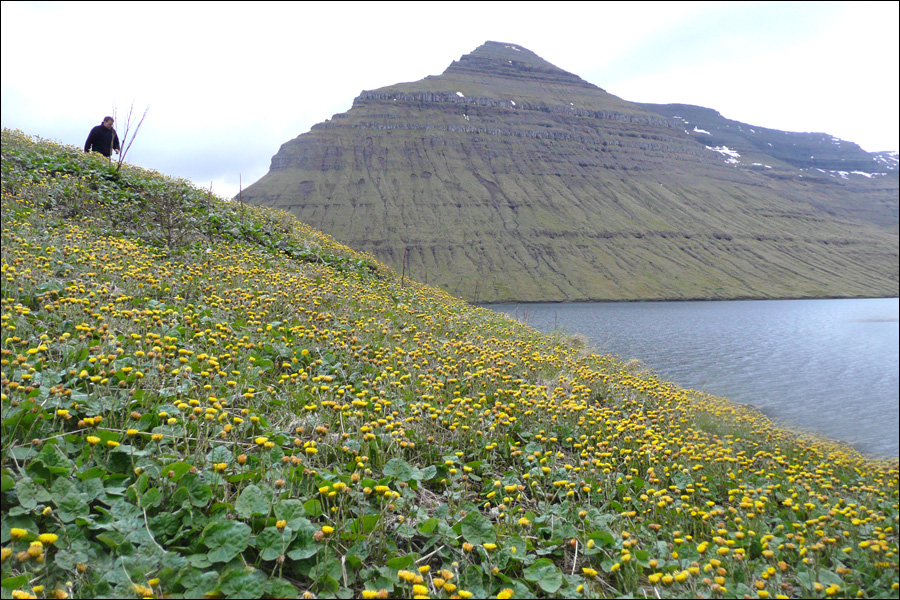
| The larva feeds on Coltsfoot Tussilago farfara. From this first and only catch it can not be said for certain, that it breeds in the Faroe Islands, but as Coltsfoot is spreading across the country as an invasive species like the Hairy lady's mantle Alchemilla mollis, this new Plume moth can easily have been breed here - we just can not prove it yet. The larvae lives inside the stem of Coltsfoot. | ||||||||||||||||||||||||||||
| Coltsfoot Tussilago farfara | ||||||||||||||||||||||||||||
|
||||||||||||||||||||||||||||
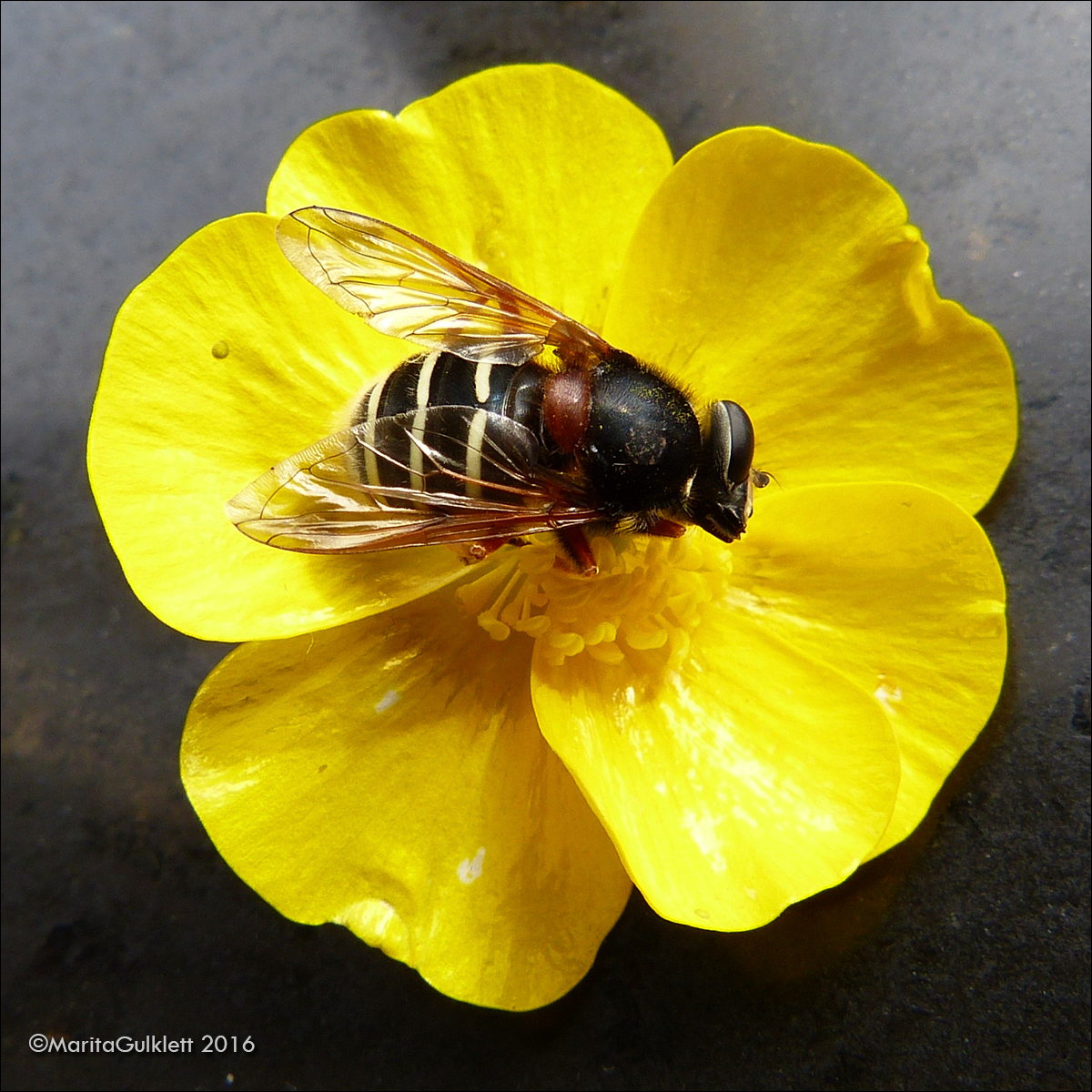
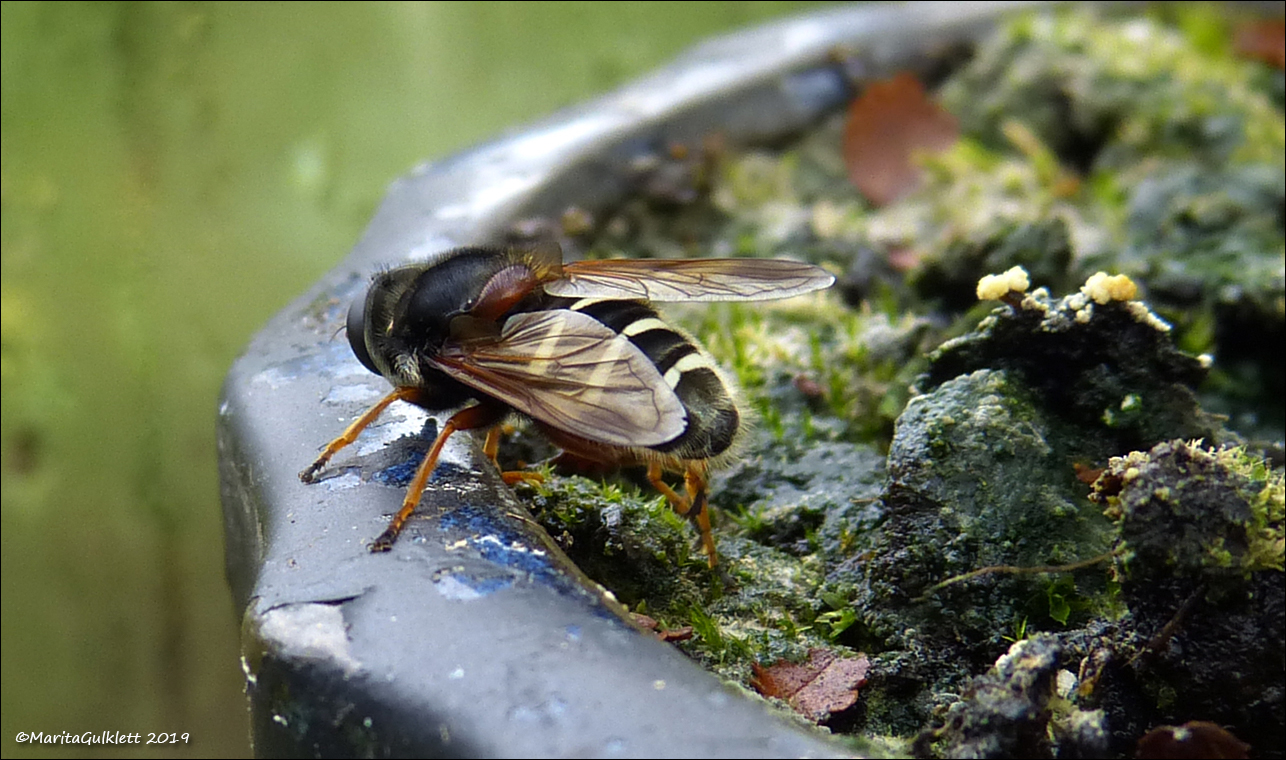
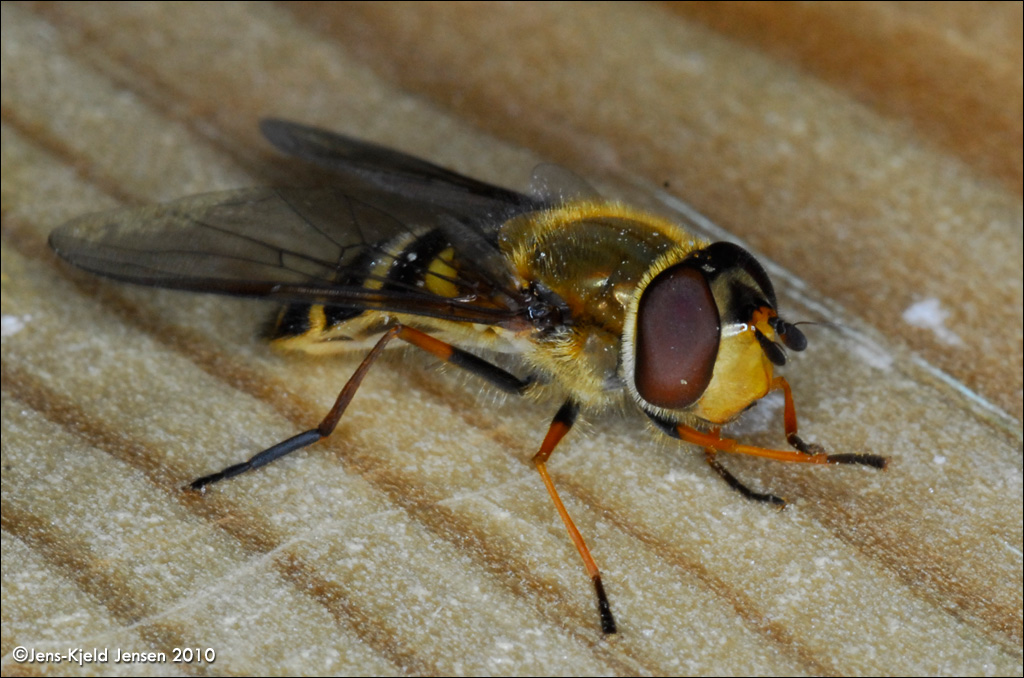
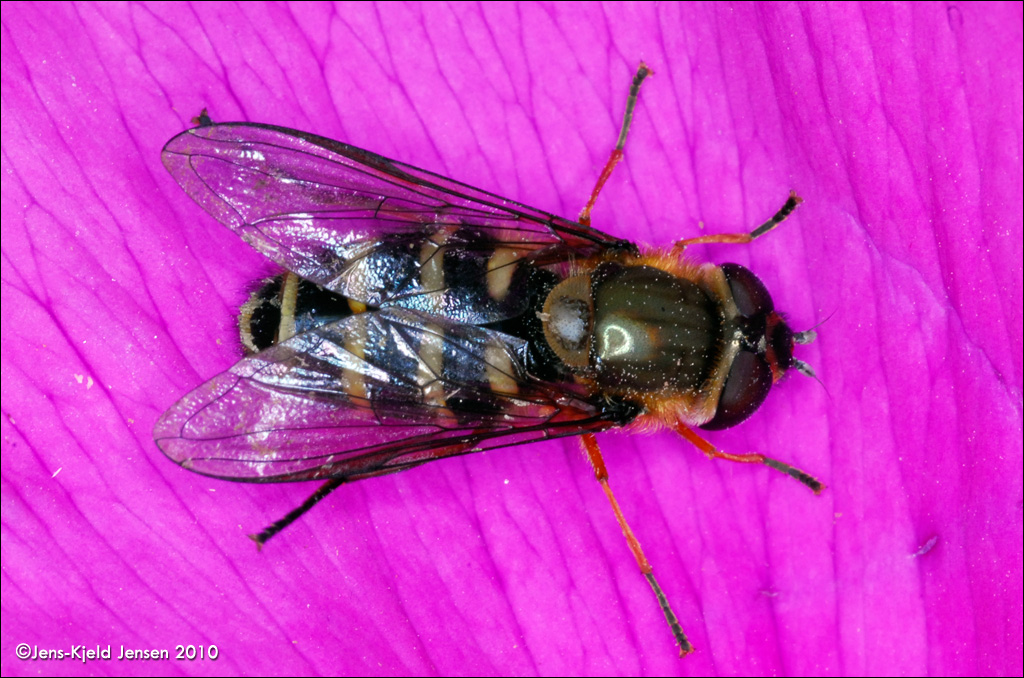
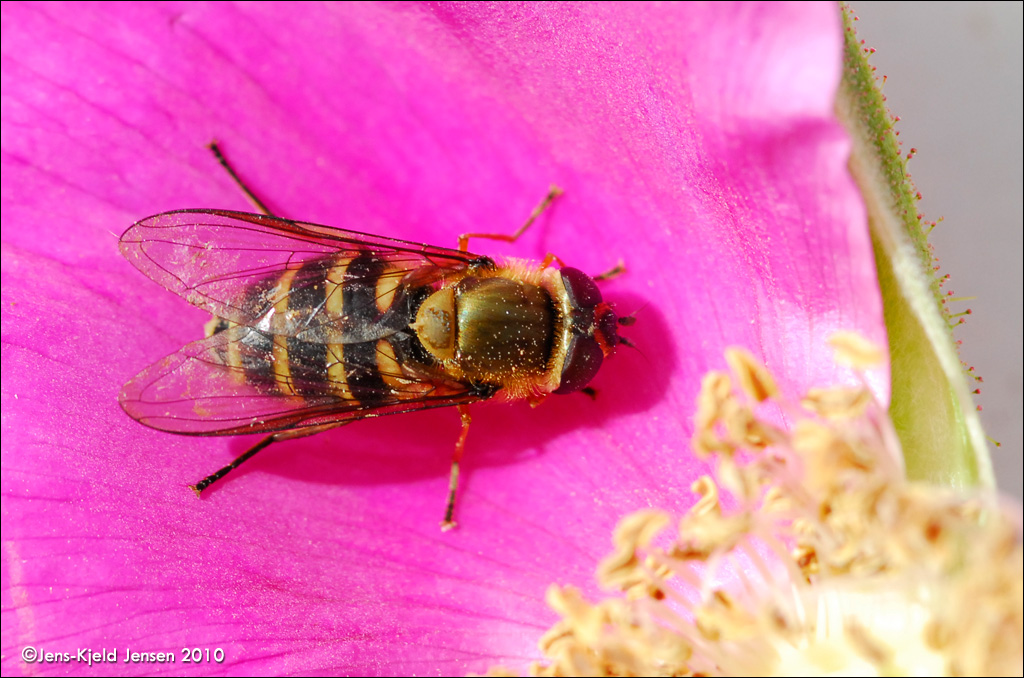
| Hoverfly ♀ Syrphus torvus Osten Sacken, 1875. | ||||||||||||||||||||||||||||
|
||||||||||||||||||||||||||||
|
||||||||||||||||||||||||||||
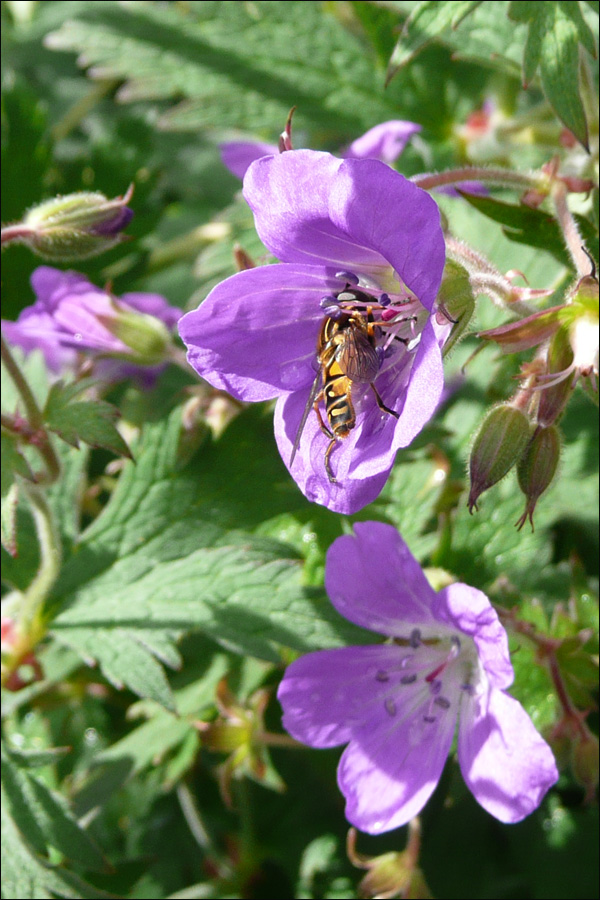
| Very common in the Faroe Islands | ||||||||||||||||||||||||||||
| "Live" Christmas story from Klaksvík | ||||||||||||||||||||||||||||
| Seven-spot ladybird Coccinella septempunctata | ||||||||||||||||||||||||||||
 |
||||||||||||||||||||||||||||
|
||||||||||||||||||||||||||||
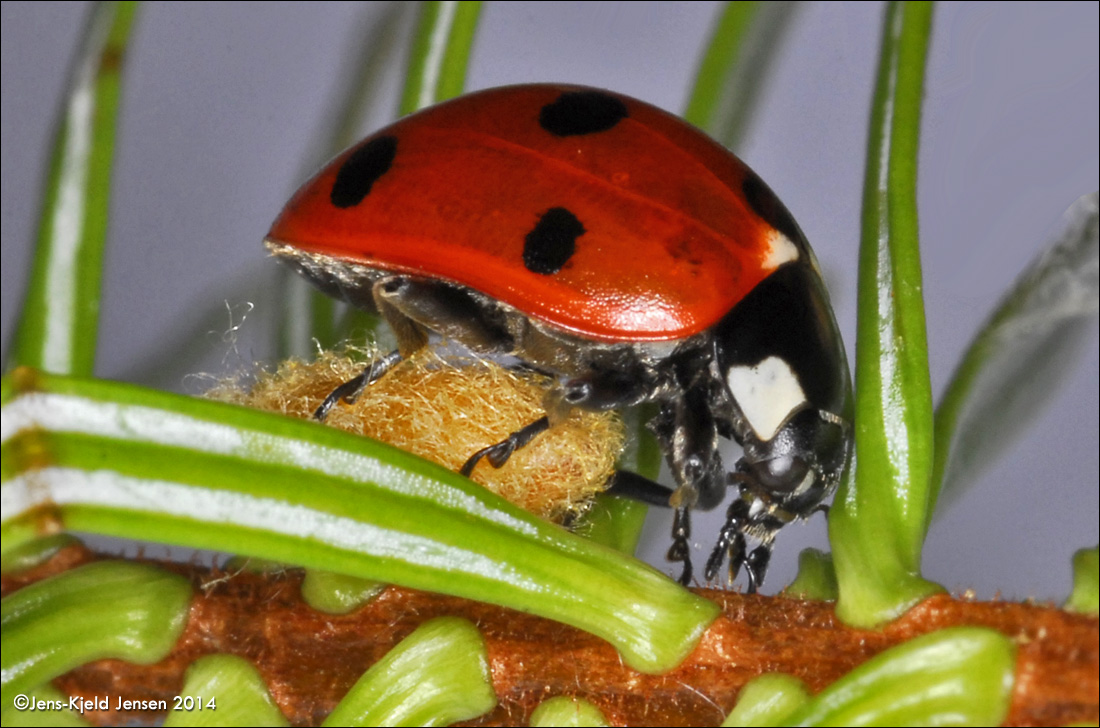
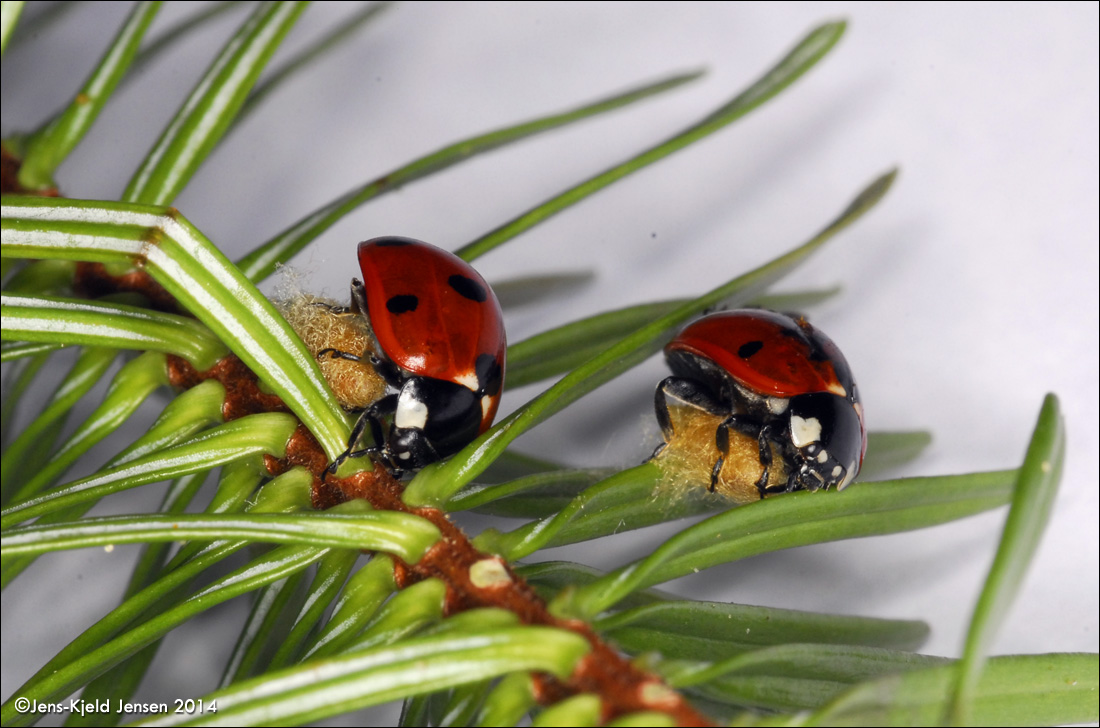
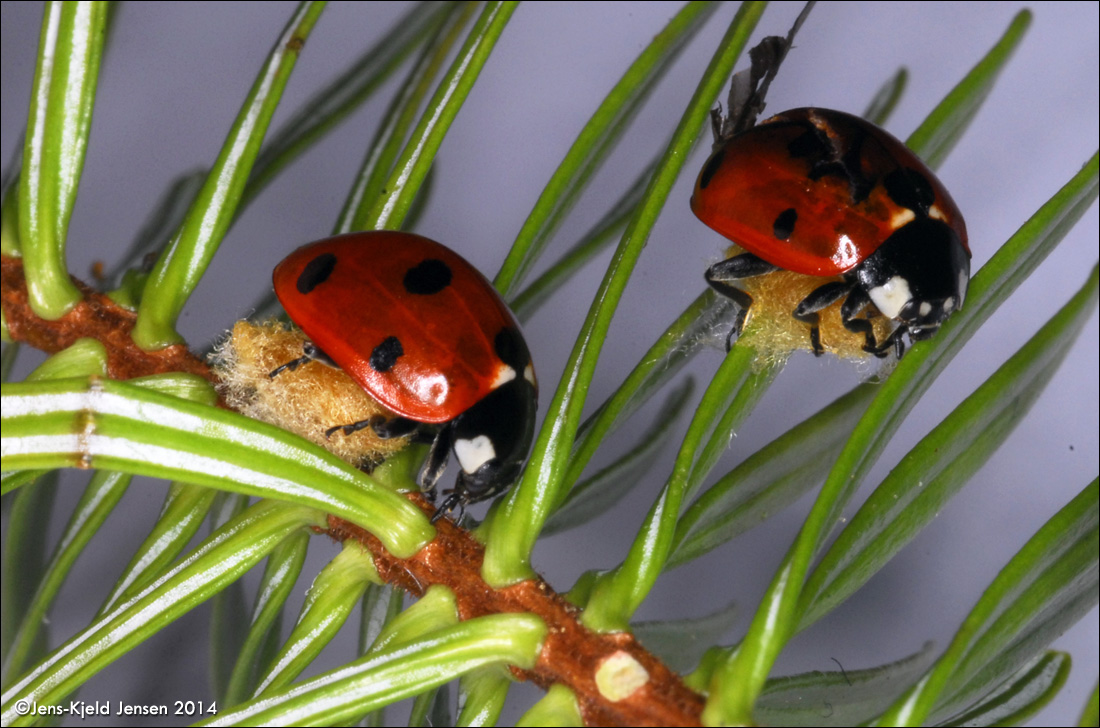
| The family of Ragnhild Ellingsgaard placed their newly acquired Christmas tree up in the living room two days before Christmas 2013, but after just 20 minutes everything under the tree was alive: ladybugs, spiders and other creepy crawlers enjoyed themselves, apparently planning to take over the entire living room. The family acted quickly - they threw the tree outside and vacuumed the whole house. 12 ladybirds were captured and put in a large glass with spruce and fruit, where they have enjoyed themselves until recently. | ||||||||||||||||||||||||||||
| 08. January 2014 Ragnhild discovered, that 2 of the ladybirds laid completely still, each with a cocoon between the legs. Ragnhild went on the internet to search for information and found, that the 2 ladybirds had contained a parasitoid larva. | ||||||||||||||||||||||||||||
| Ragnhild sent the glass with the 12 Seven-spot ladybirds to me. 2 of them had a cocon with a parasitoid larva of the species Dinocampus coccinellae (Dinocampus terminatus) between the legs, and these are the first rigistered observations for the Faroe Islands. | ||||||||||||||||||||||||||||
Dinocampus coccinellae (Dinocampus terminatus) uses the ladybird as incubator: The parasitic vasp lay's her egg into the soft belly of the ladybird where it hatches into a larva. After 18-27 days the larva bites a small hole in the abdomen of the ladybird. Then the larva spins a cocoon between the legs of the ladybird, whose body is lying on top of the cocoon, while the larva undergoes its transformation. The wasp comes out of the cocoon after 6-9 days. |
||||||||||||||||||||||||||||
N.B. Ragnhild's family has switched to plastic Christmas tree for the future, but I (Jens-Kjeld) clearly believe, that the "alive" Christmas trees is much more interesting, as there is always far more interesting surprises in the Christmas tree than under the tree! |
||||||||||||||||||||||||||||
Update: The first parasitoid vasp of the ladybirds was hatched 22. January 2014. The sting is clearly seen in the pictures where the wasp is on the back. The wasp is very quick in the movements, so it is not easy to photograph. |
||||||||||||||||||||||||||||
| Dinocampus coccinellae (Dinocampus terminatus) | ||||||||||||||||||||||||||||
6.jpg) |
||||||||||||||||||||||||||||
|
||||||||||||||||||||||||||||
| Euscorpius flavicaudis | ||||||||||||||||||||||||||||
|
||||||||||||||||||||||||||||
|
||||||||||||||||||||||||||||
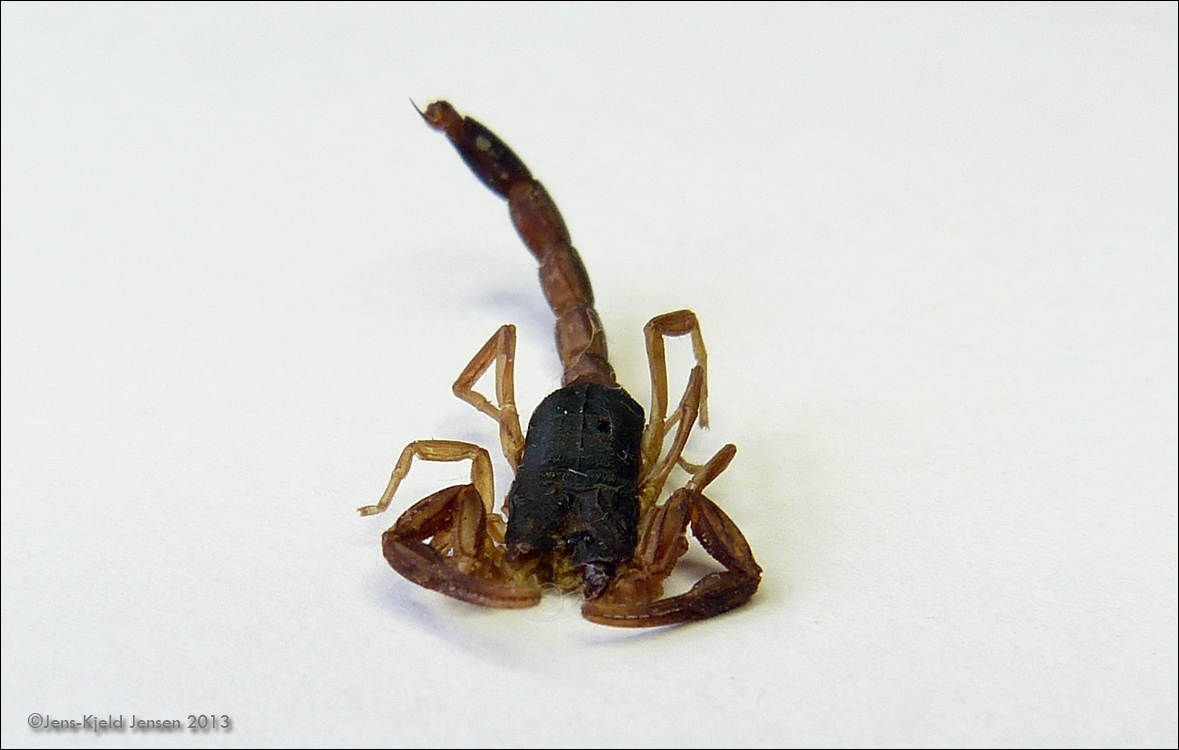
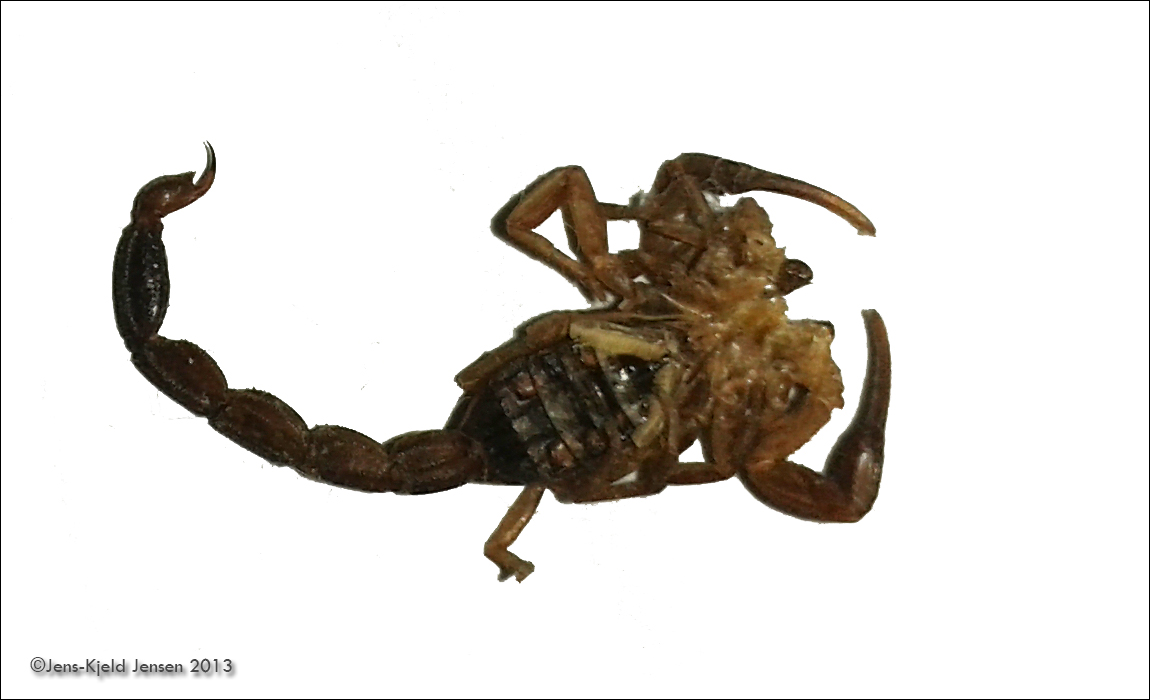
| Scorpions are rare in the Faroe Islands, but they come in between with fruit. The northern boundary of Euscorpius flavicaudis is in the south of France and southern England as well as a small population in Denmark, that live indoors. This was found in Klaksvík 16.08.2013 and this species is not dangerous for humans. | ||||||||||||||||||||||||||||
| Thick-legged hoverfly Syritta pipiens (Linnaeus, 1758) | ||||||||||||||||||||||||||||
|
||||||||||||||||||||||||||||
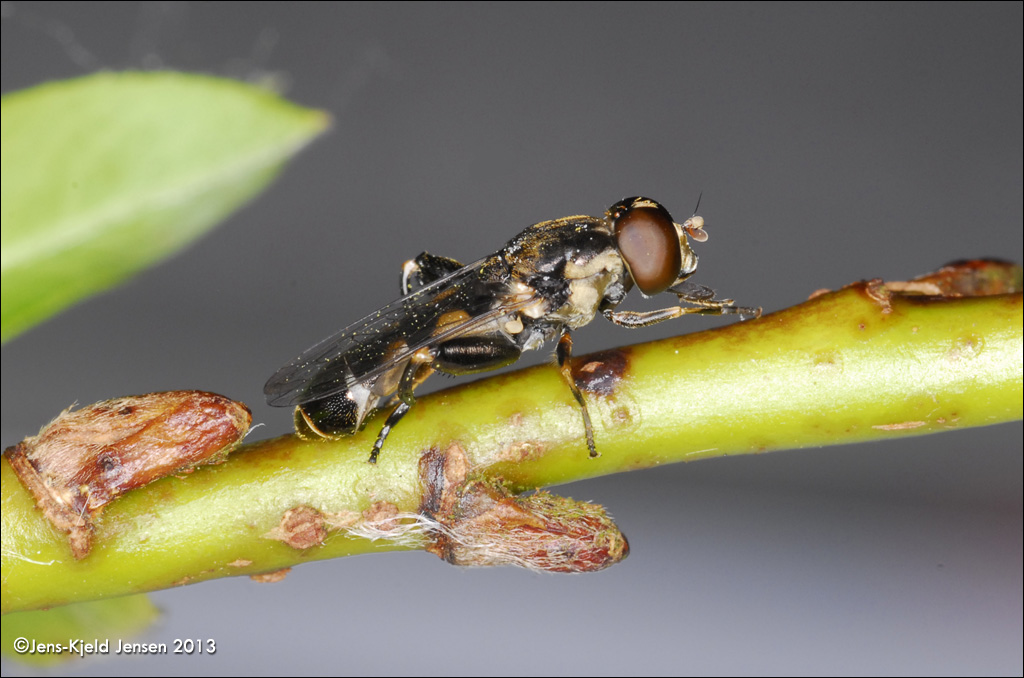
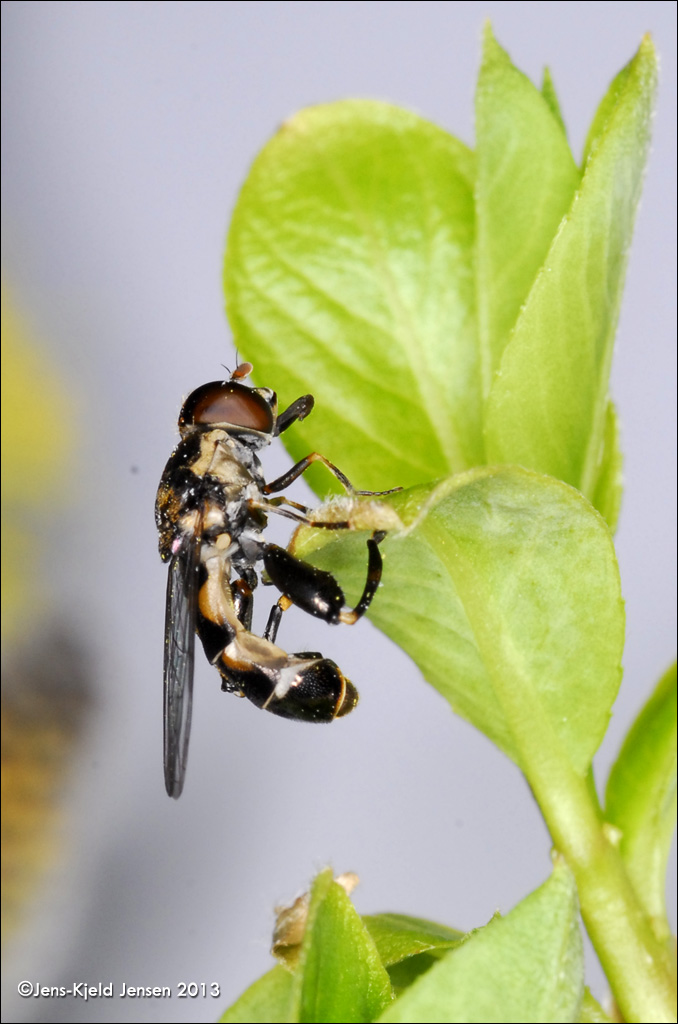
Breeds in very few number in the Faroe Islands |
||||||||||||||||||||||||||||
| The unexpected Christmas guest in 2012 was a male Huebneria affinis (Fallén, 1810) | ||||||||||||||||||||||||||||
 |
||||||||||||||||||||||||||||
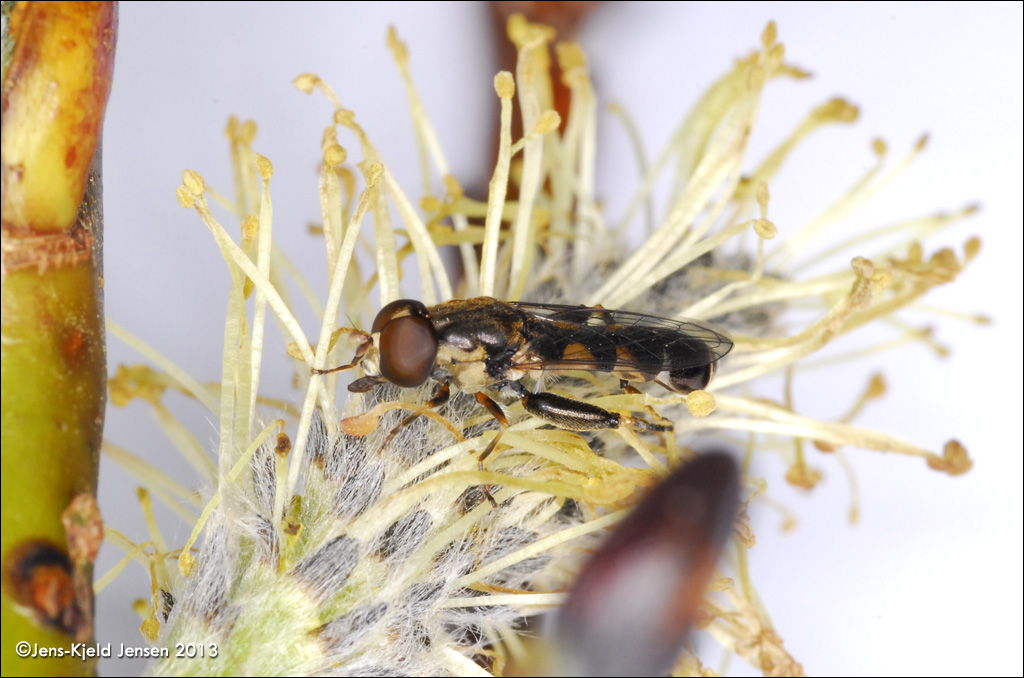
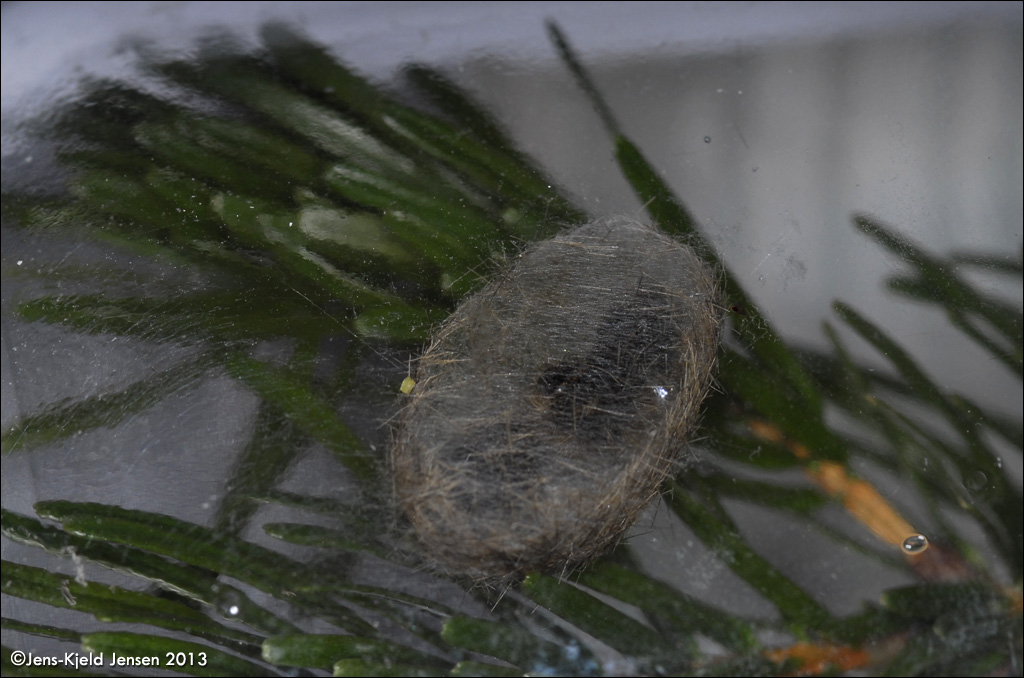
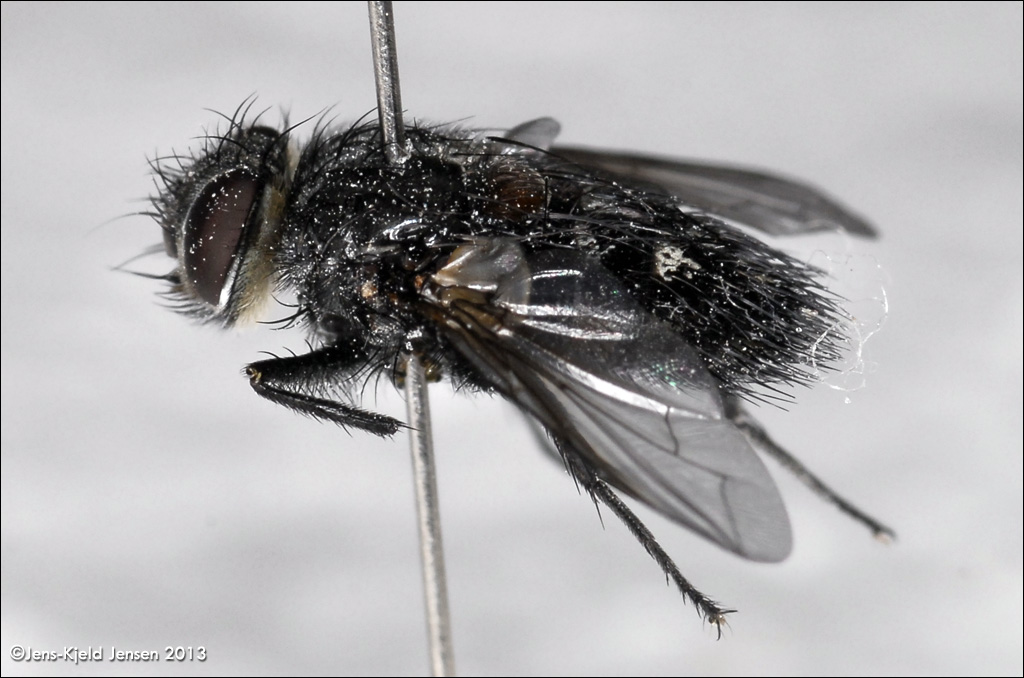
Christmas Eve 2012 Jórun Biskopstø Simonsen from Klaksvík caught a nice hairy caterpillar on their Christmas tree. 26th December the larvae pupated, and Jórun came to Torshavn and gave me the glass with the cocoon. 10th January 2013 a fly came out of the cocoon, so the larva has apparently been infested with this parasite fly, which is a new species to the Faroe Islands. |
||||||||||||||||||||||||||||
| Update: Walther Gritsch has been so kind to determine the species. It's a male Huebneria affinis (Fallén, 1810). The flies from Tórshavn are of the same species. | ||||||||||||||||||||||||||||
Christmas trees are a paradise for people interested in insects (entomology), but they are definitely not good for the Faroese nature. |
||||||||||||||||||||||||||||
|
||||||||||||||||||||||||||||
| Photo 1: The caterpillar, photo Jórun Biskopstø Simonsen. Photo 2: The cocoon. Photo 3: Unknown fly | ||||||||||||||||||||||||||||
Ruby Tiger moth Phragmatobia fuliginosa caterpillar (Linnaeus, 1758) |
||||||||||||||||||||||||||||
|
||||||||||||||||||||||||||||
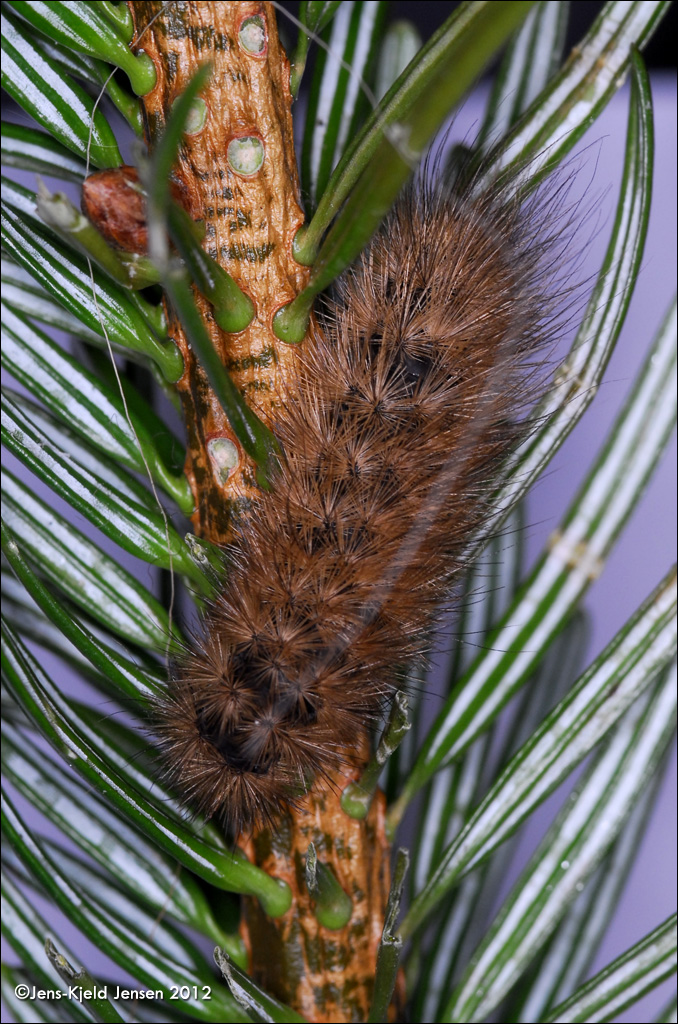
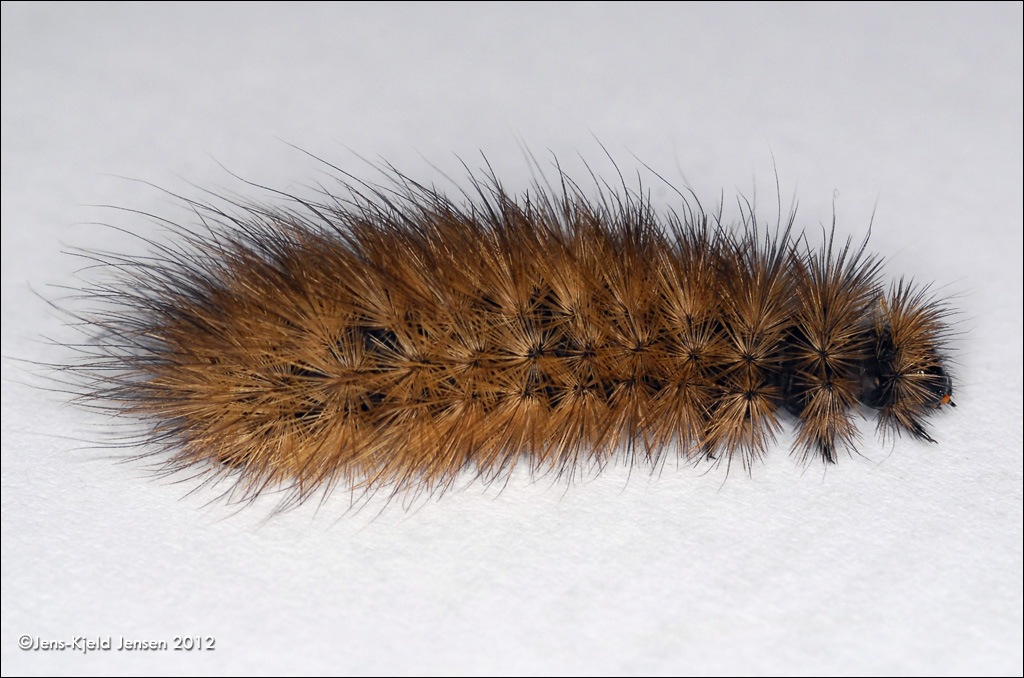
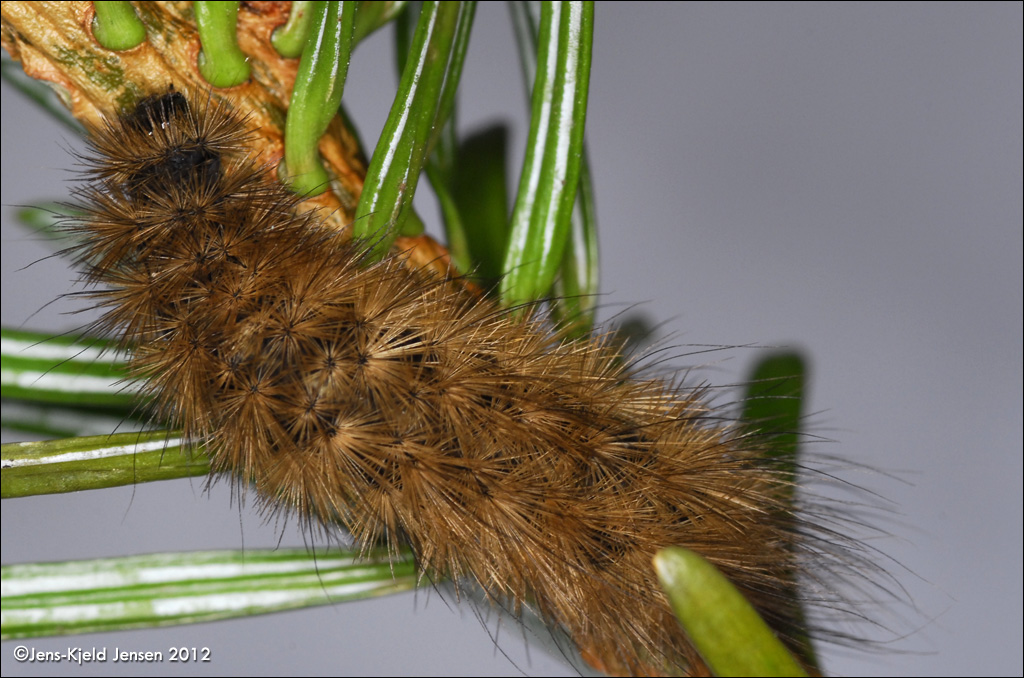
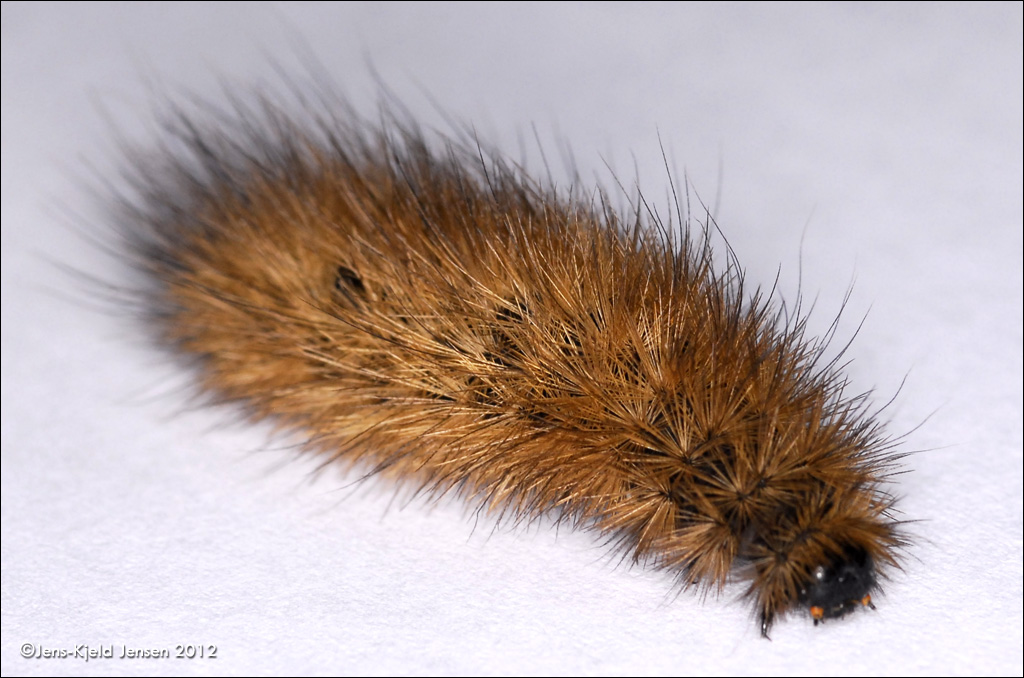
| Rúni Poulsen found this Phragmatobia fuliginosa caterpillar on his Christmas tree in Torshavn 20.12.2012. | ||||||||||||||||||||||||||||
Update: 15. January 2013 four parasite flies hatched from this larva, presumably they are of the same type as the above mentioned from Klaksvík. |
||||||||||||||||||||||||||||
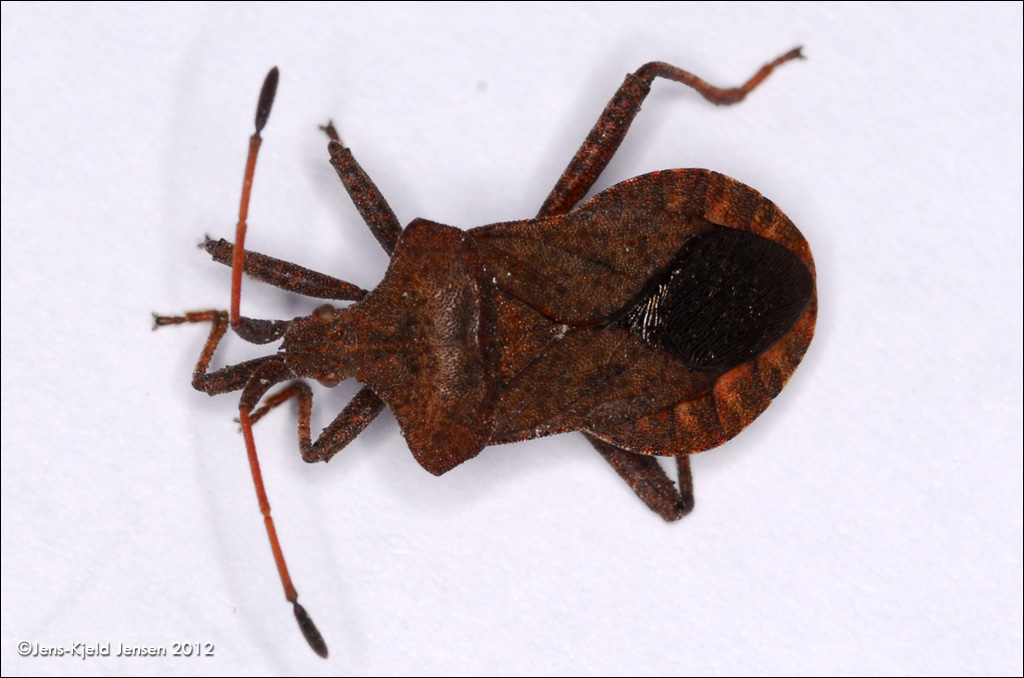
| Coreus marginatus (Linnaeus 1758) | ||||||||||||||||||||||||||||
|
||||||||||||||||||||||||||||
| Coreus marginatus (Linnaeus 1758) is not observed in the Faroe Islands before, so Jacoba Thomsen on Nólsoy did a coup, when she found this one on her Christmas tree 20.12.2012. | ||||||||||||||||||||||||||||
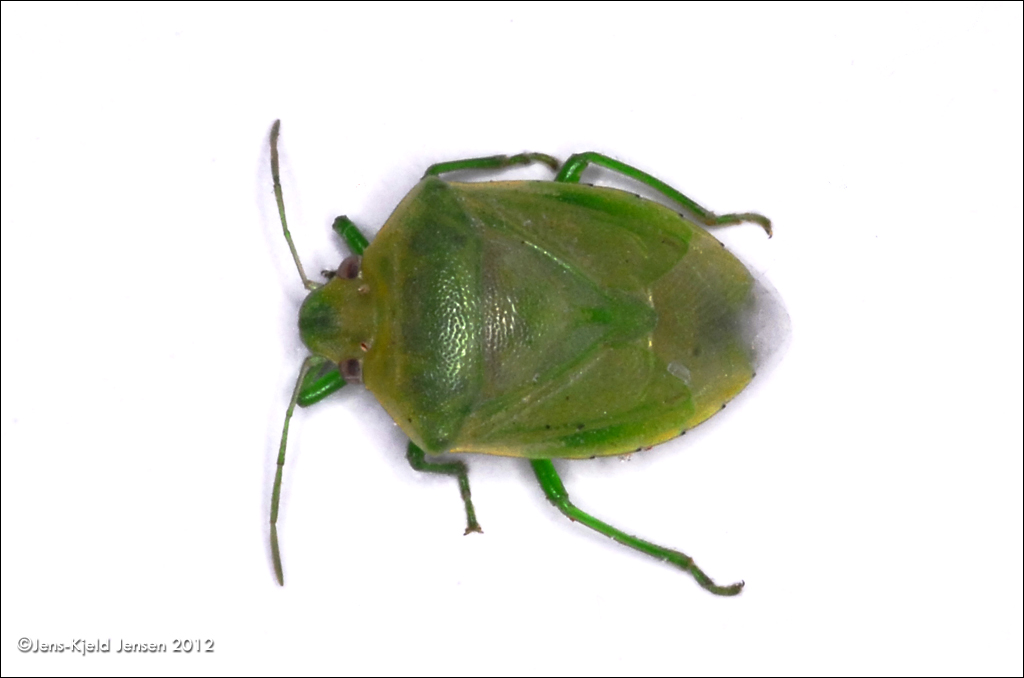
Southern Green Shieldbug Nezara viridula (Linnaeus, 1758) found in Faroe Islands |
||||||||||||||||||||||||||||
|
||||||||||||||||||||||||||||
| 12. November 2012 Kristina Eldevig caught a rare guest in a window in the nursery at Stella Maris in Torshavn. This is the first record of Southern Green Shieldbug Nezara viridula in the Faroe Islands. | ||||||||||||||||||||||||||||
| Nezara viridula is a cosmopolitan species, found in a belt around the globe between 45 degrees north and 45 degrees south, and it can be a plague in for example bean and soybean fields. It is rare in for example Scandinavia, Germany and England. | ||||||||||||||||||||||||||||
| How it has ended up in the Faroe Islands is impossible to say, but it has presumably arrived with a consignment of fruit or vegetables from southern Europe. | ||||||||||||||||||||||||||||
Article about new records of true bugs Heteroptera, found in Faroe Islands |
||||||||||||||||||||||||||||
Halyomorpha halys |
||||||||||||||||||||||||||||
05.02.2020 Vilhelm Matras found this Halyomorpha halys bug in a box with computers. This is the first observation of Halyomorpha halys in the Faroe Islands. |
||||||||||||||||||||||||||||
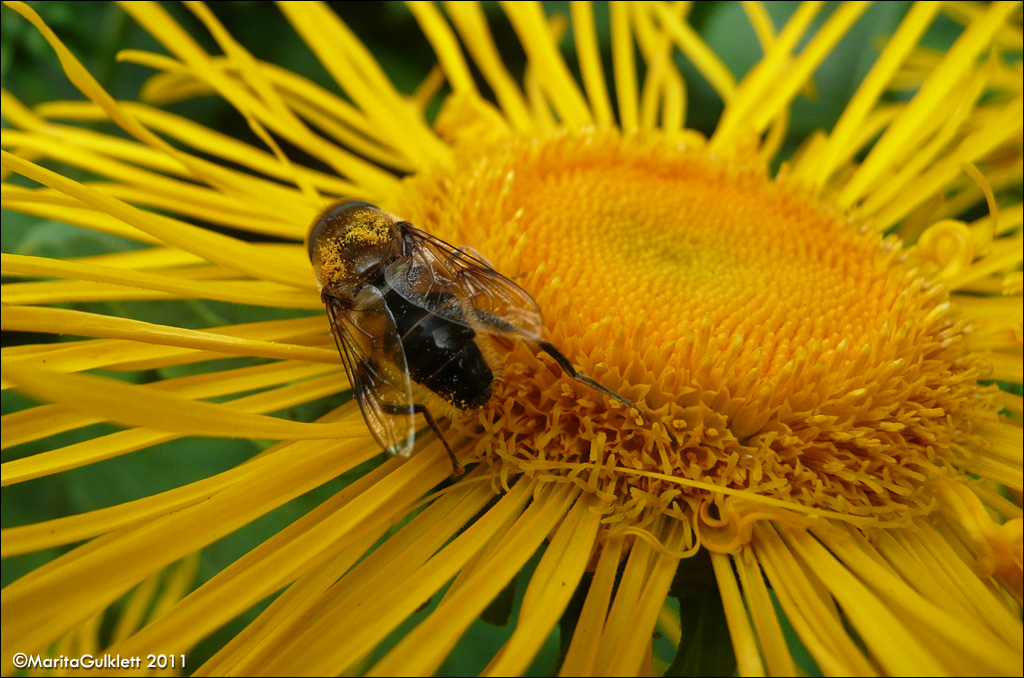
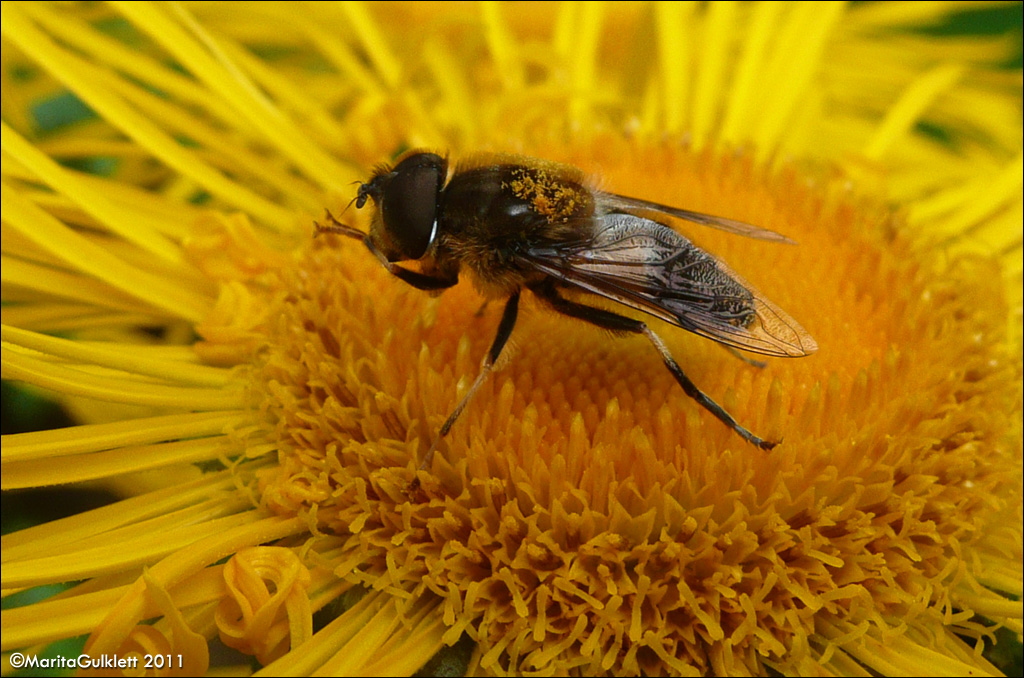
| Eristalis pertinax (Scopoli, 1763) | ||||||||||||||||||||||||||||
|
||||||||||||||||||||||||||||
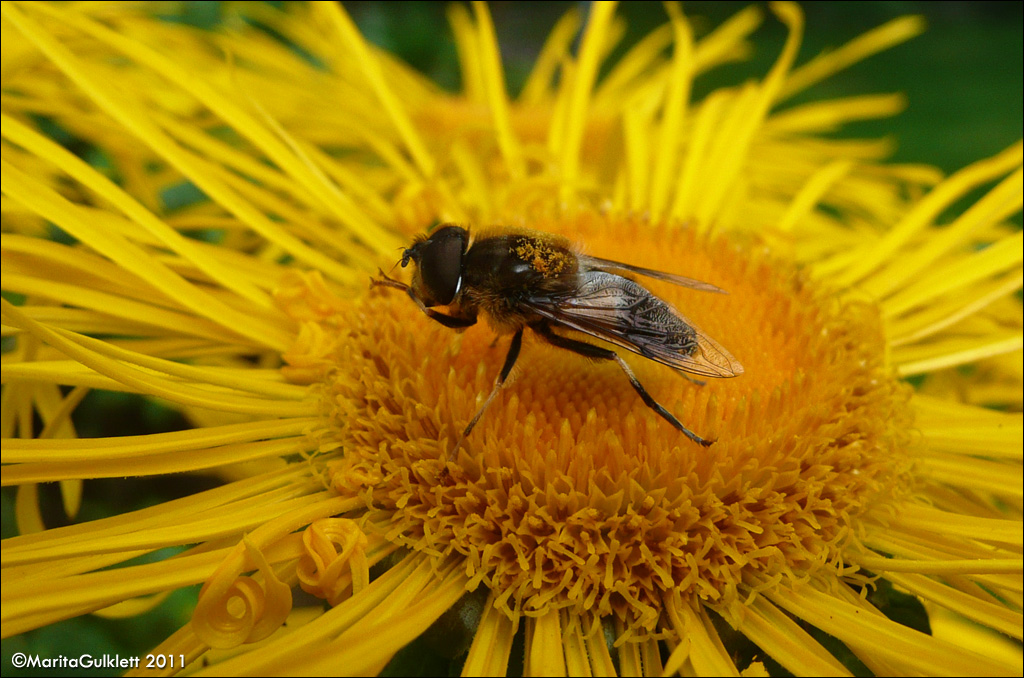
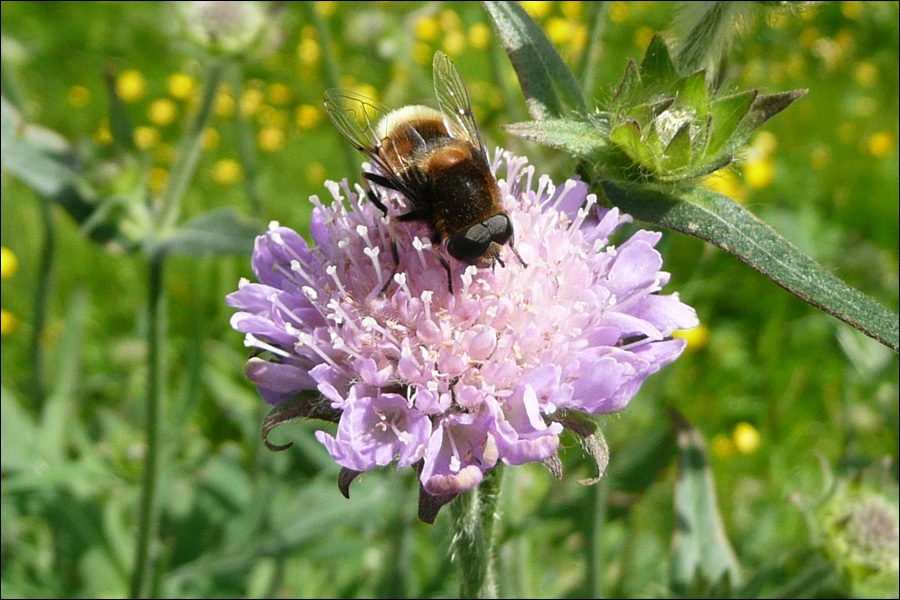
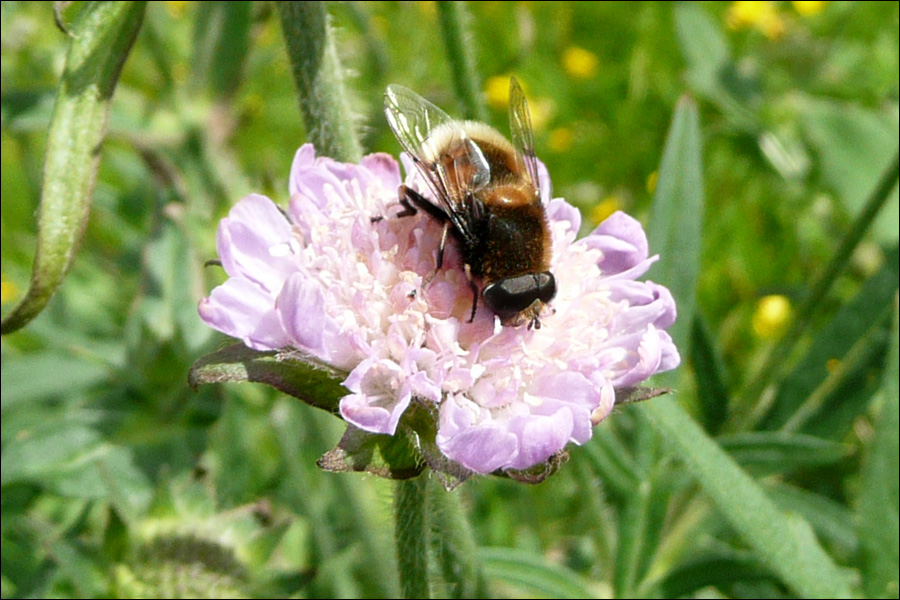
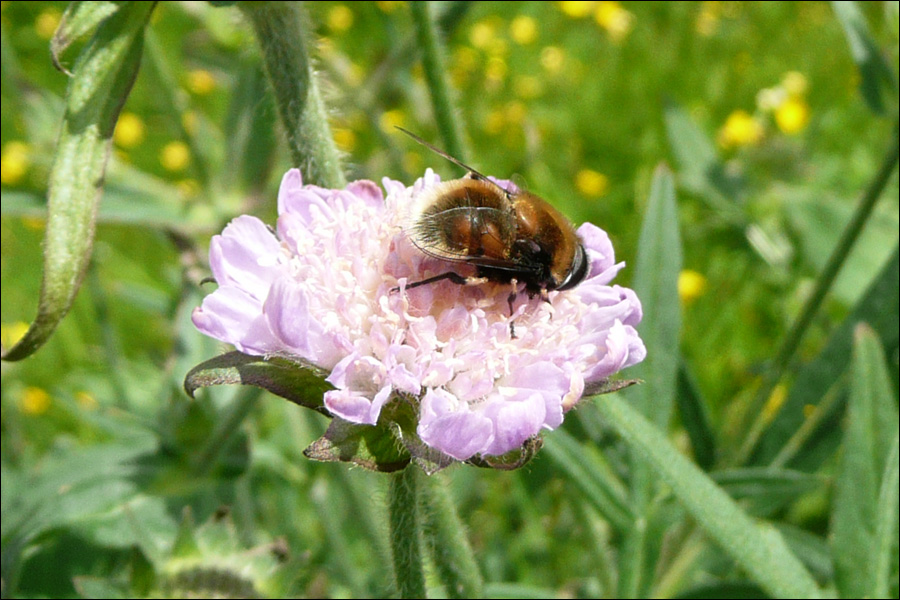
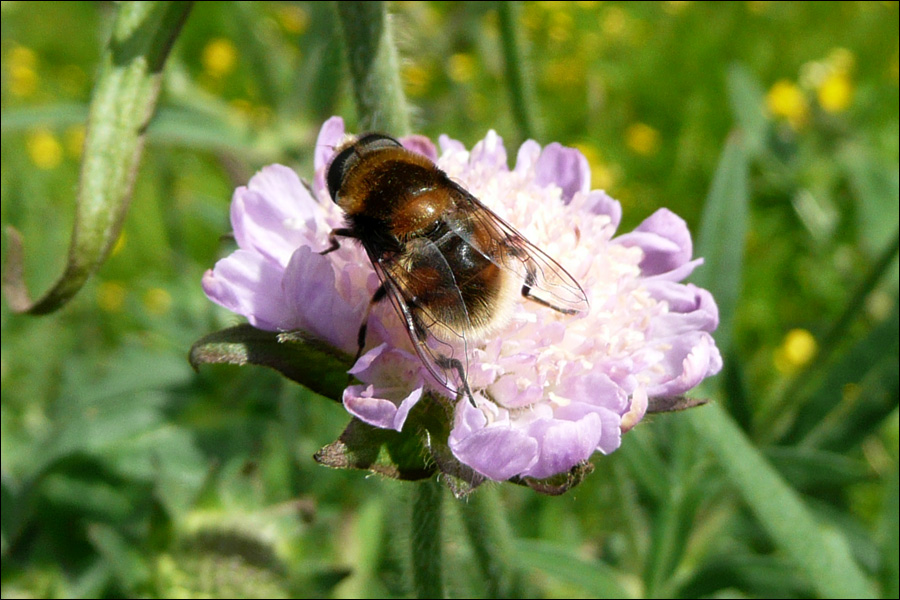
| By seing these photographs it is easy to understand, how the hooverflies operate as transporters of the seed between the flowers. | ||||||||||||||||||||||||||||
| Eristalis intricarius (Linnaeus, 1758) | ||||||||||||||||||||||||||||
    |
||||||||||||||||||||||||||||
| Wasp beetle Clytus arietis | ||||||||||||||||||||||||||||
I caught this beautiful Longhorn Beetle Clytus arietis in my own basement in Nólsoy 20. April 2011. It's name Wasp Beetle comes from the look. |
||||||||||||||||||||||||||||
| New Zealand flatworm Artioposthia triangulata | ||||||||||||||||||||||||||||
|
||||||||||||||||||||||||||||
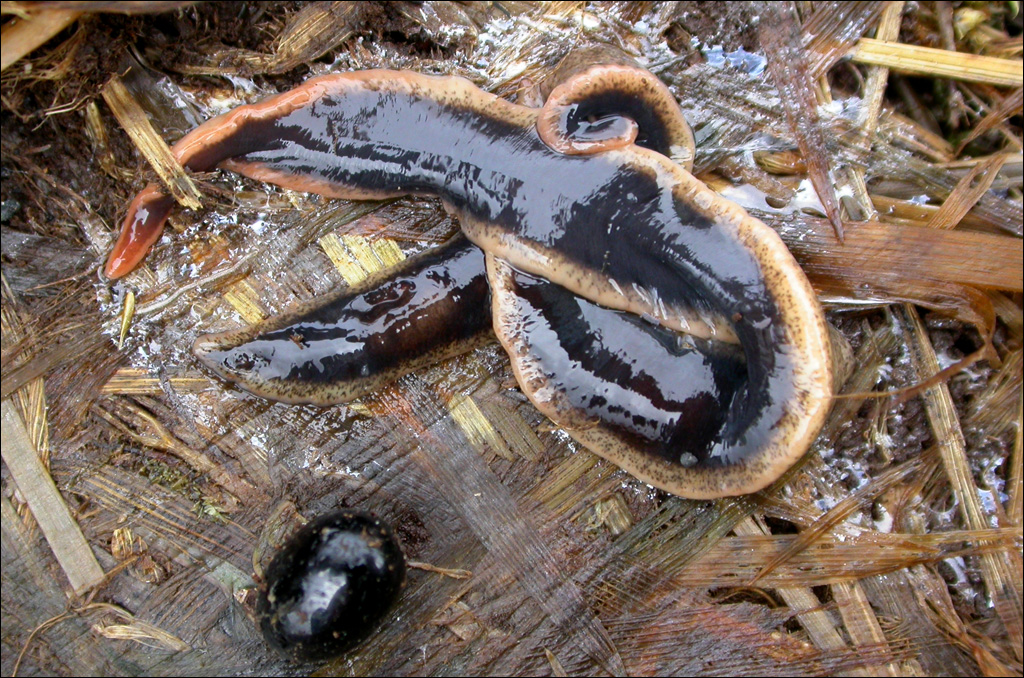
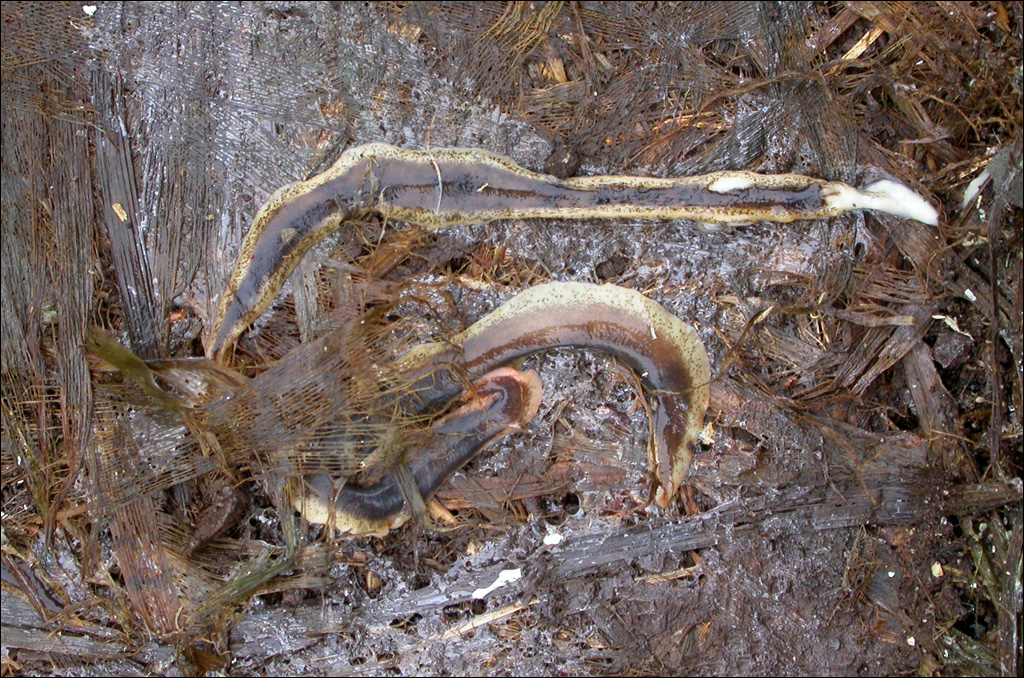
| The first record of flatworms in the Faroe Islands is from 1982; but there is much evidence, that it came to the country some years before that. | ||||||||||||||||||||||||||||
| The first dragonfly is observed in Faroe Islands | ||||||||||||||||||||||||||||
|
||||||||||||||||||||||||||||
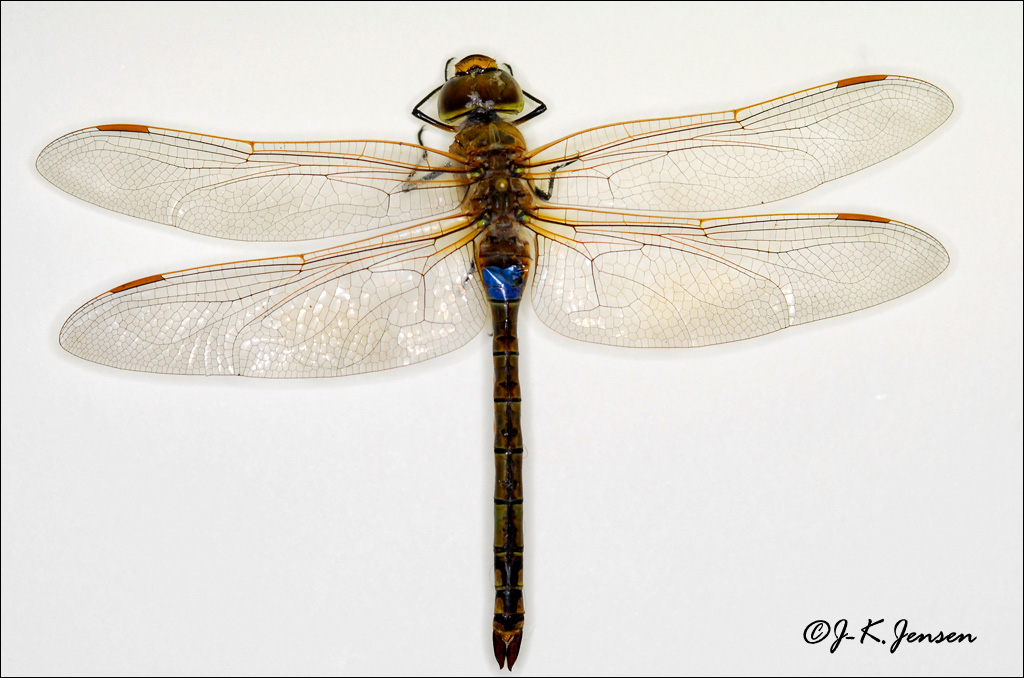
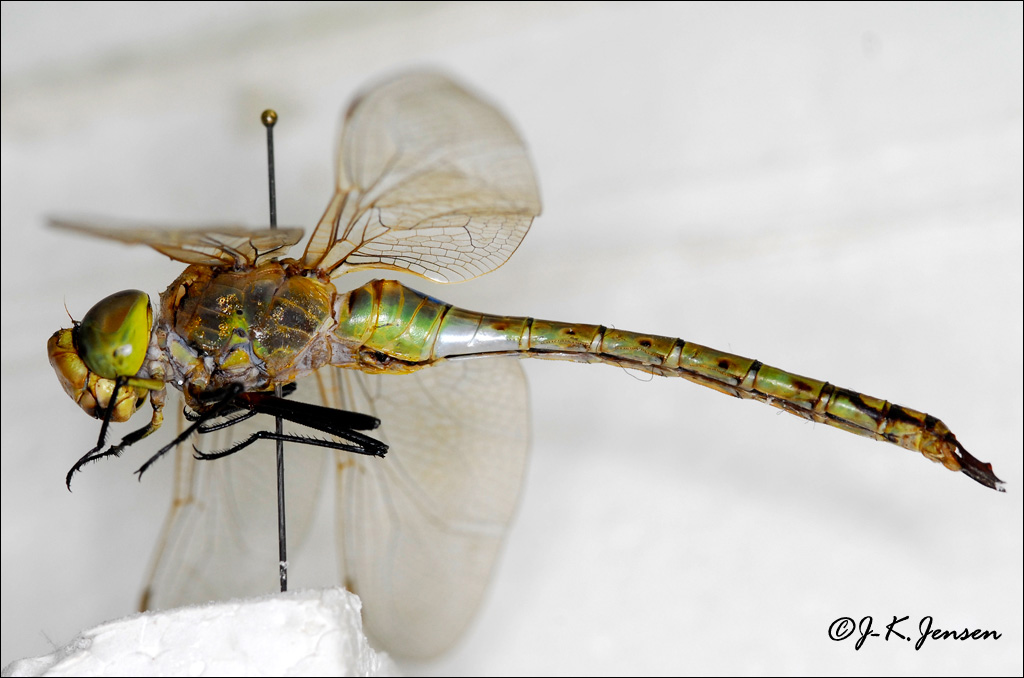
On 13. April 2011 this Vagrant Emperor Anax ephippiger landed on Lúkka and Bjørn Patursson boat, as they were sailing from Koltur to Kirkjubøur. Adrian Parr determined the specie. Vagrant Emperor lives in Africa and Asia and is known for migranting to South- and mideurope. It has breed as North as in Denmark. |
||||||||||||||||||||||||||||
|
||||||||||||||||||||||||||||
| Hjørdis & Tekla Atladóttir, Sandoy | ||||||||||||||||||||||||||||
15.04.2011 Tekla Atladóttir found a Dragonfly in Hornsbønum on Sandoy. Two days later she and her sister came on a visit together with their father where they handed me the Dragonfly. It appeared to be the second Vagrant Emperor, found in the Faroe Islands in 2011. |
||||||||||||||||||||||||||||
|
||||||||||||||||||||||||||||
| Hertha Ravnsfjall from Sandavágur put the washing out to dry Tuesday 13. April 2011. Later, when she wanted to fold it, a Dragonfly flew out of the laundry. Hans Ravnsfjall took this very fine photo of the Dragonfly, which made it possible for me to determine the species. Also it will be used to proof the third visit of a Anax ephippiger in Faroe Islands in 2011. | 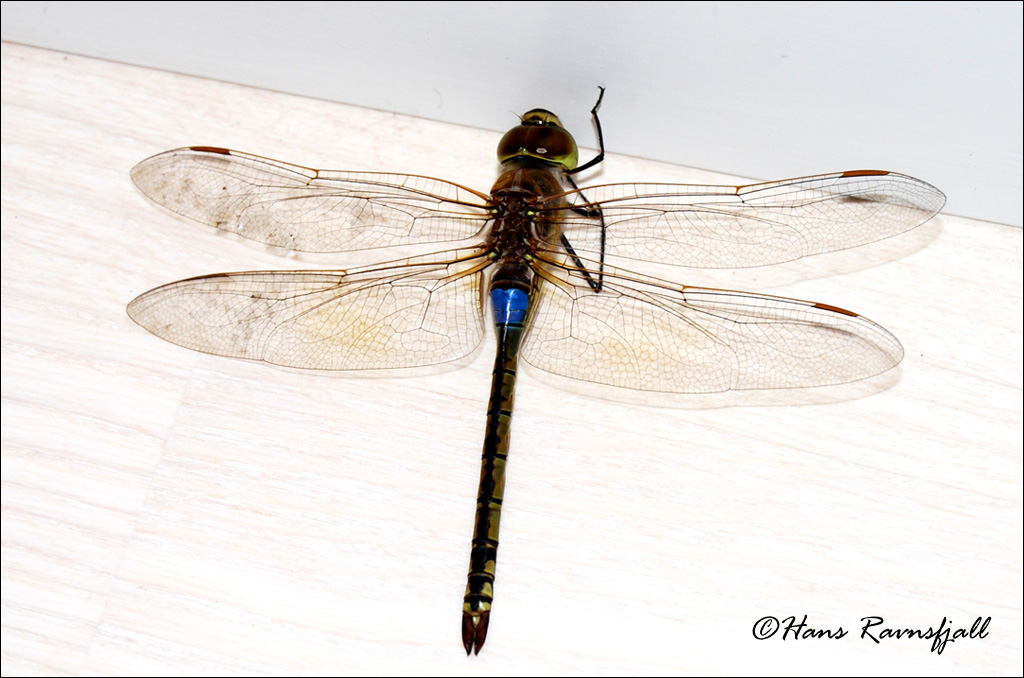 |
|||||||||||||||||||||||||||
| Lavewing Wesmalius nervosus | ||||||||||||||||||||||||||||
 |
||||||||||||||||||||||||||||
| Only one species of Lacewing breeds in Faroe Islands and that is Wesmalius nervosus. This on the photo was caught by Dánial Jespersen in Tórshavn 06. October 2010. | ||||||||||||||||||||||||||||
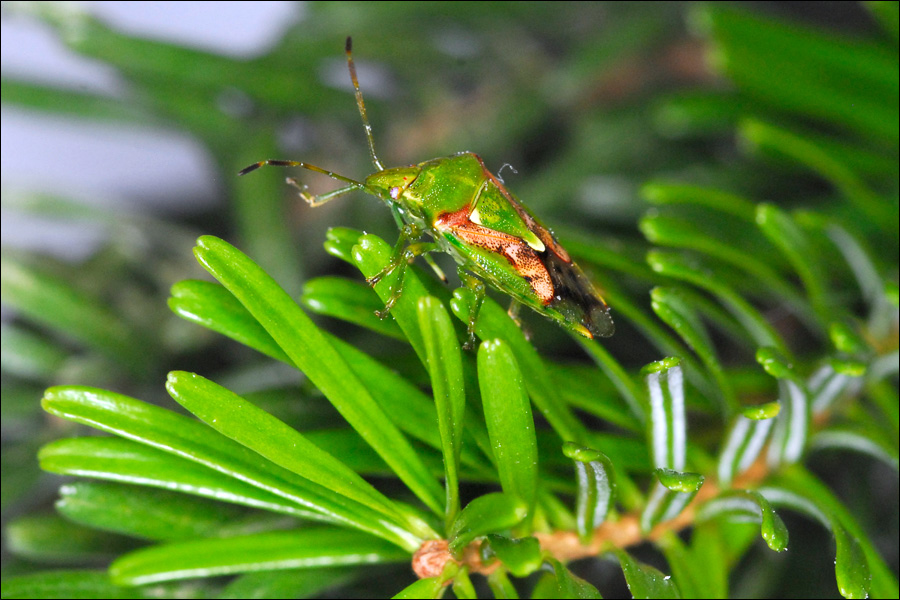
| Cyphostethus tristriatus (Fabricius, 1787) | ||||||||||||||||||||||||||||
  |
||||||||||||||||||||||||||||
| Cyphostethus tristriatus (Fabricius, 1787) is often imported on Christmas trees and other branches, used for Christmas decorations. I - Jens-Kjeld - am very interested in any kind of information about Shieldbugs, found in Faroe Islands, so kindly contact me in case you find any. | ||||||||||||||||||||||||||||
Link to relevant article about the subject by Jens-Kjeld and S. Tolsgaard |
||||||||||||||||||||||||||||
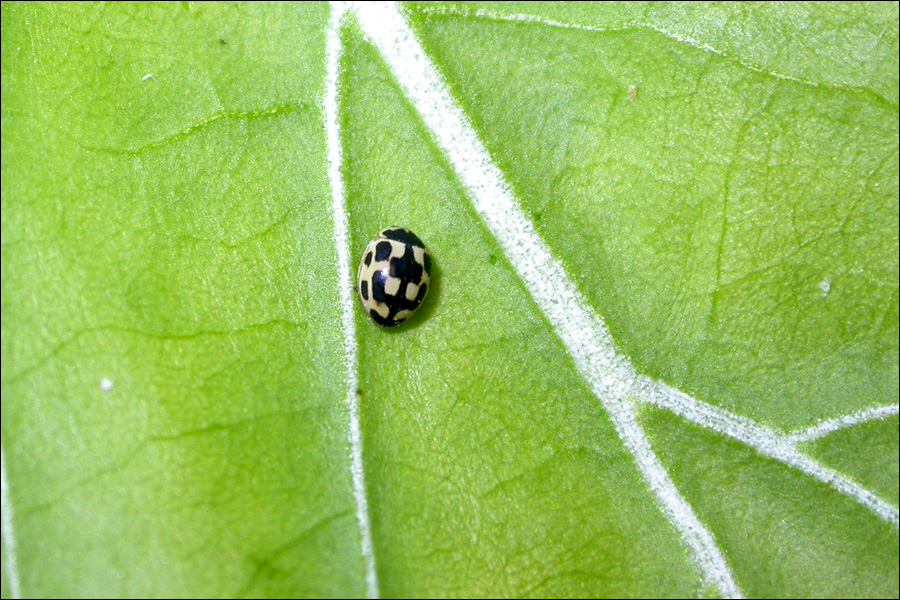
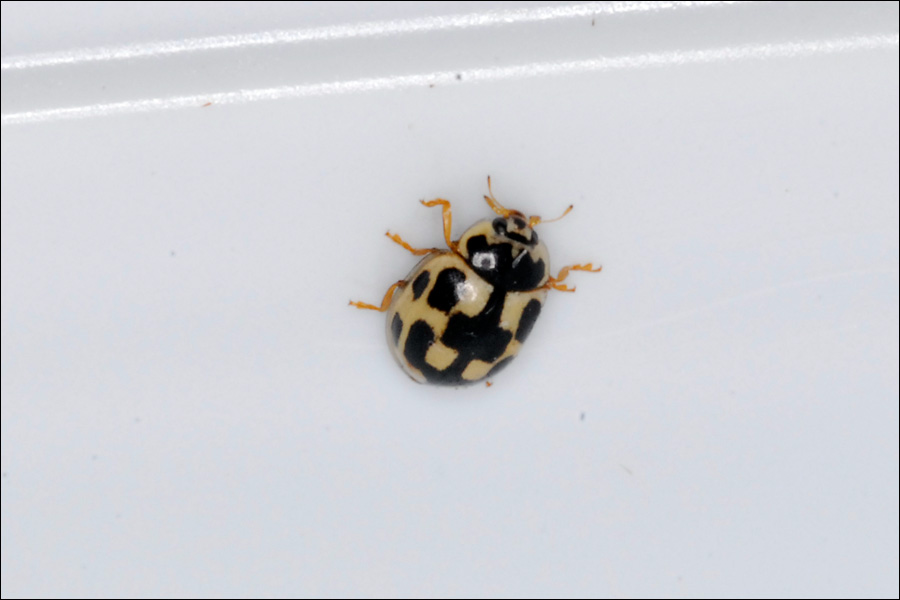
14-spotted Ladybug Propylea quattuordecimpunctata |
||||||||||||||||||||||||||||
| Gunnar Bjarnason found this 14-spotted Ladybug Propylea quattuordecimpunctata indoor in Tórshavn in the beginning of November 2010. | ||||||||||||||||||||||||||||
| _______________________________________________________________________ | ||||||||||||||||||||||||||||
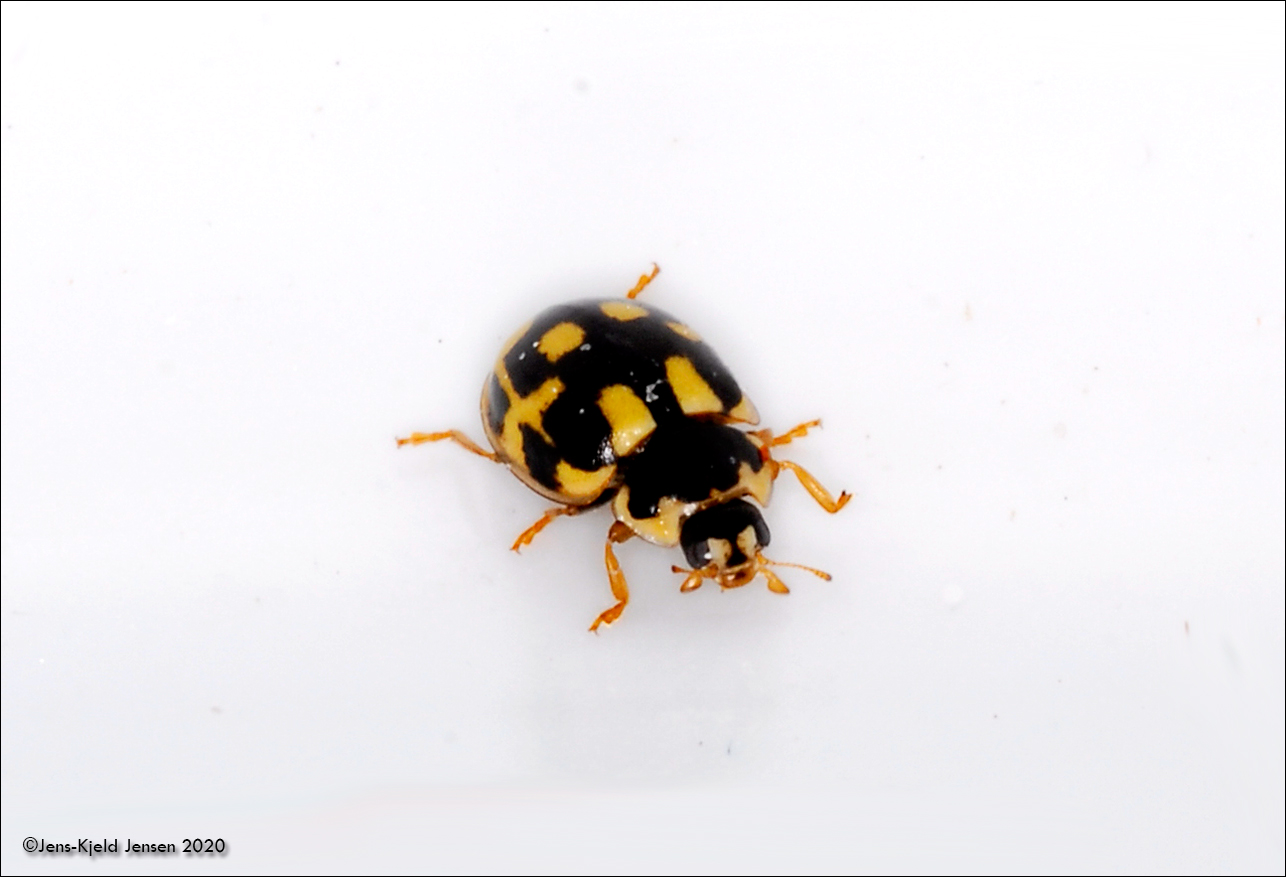
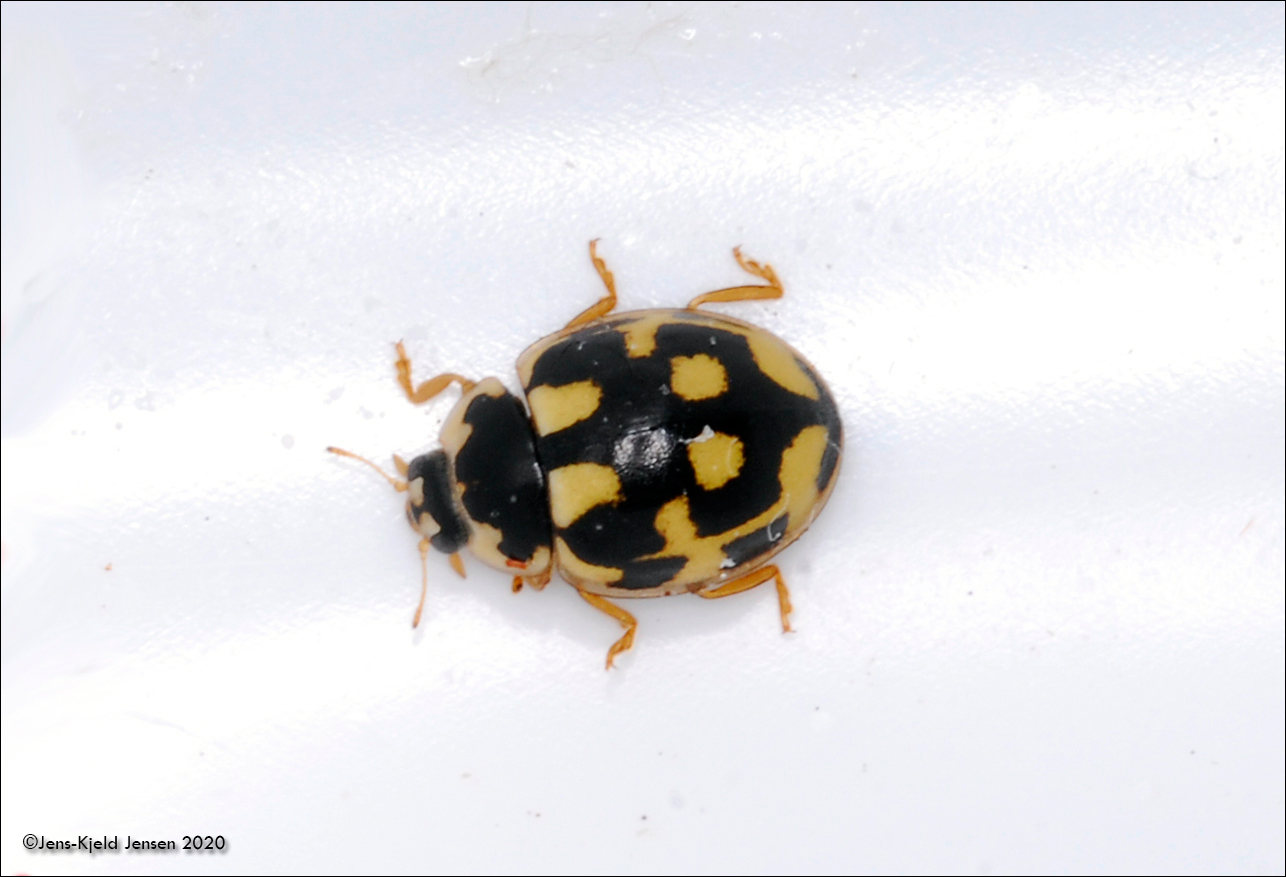
| 14-spotted Ladybug Propylea quattuordecimpunctata | ||||||||||||||||||||||||||||
|
||||||||||||||||||||||||||||
| Found indoor by Bodil Joensen, Klaksvík 29.09.2020 | ||||||||||||||||||||||||||||
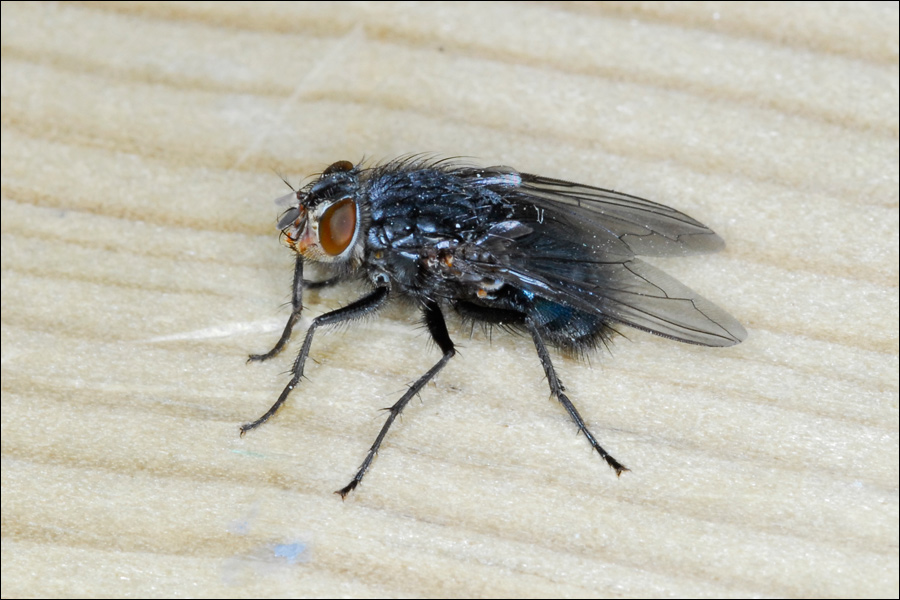
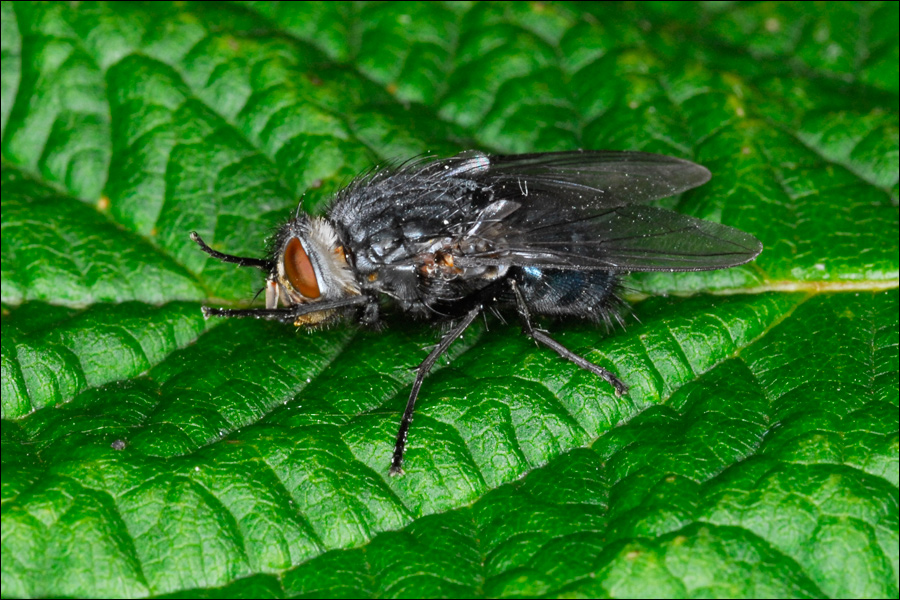
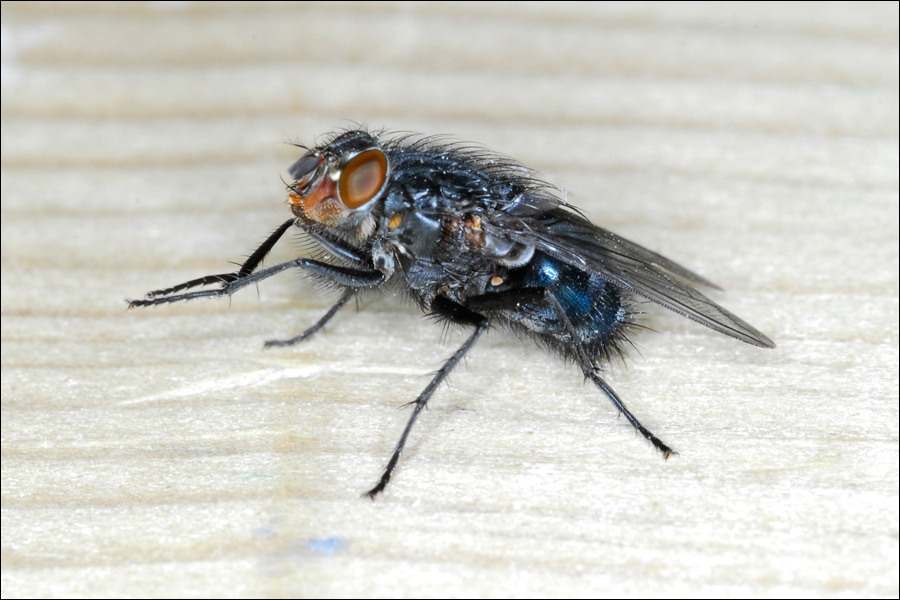
| Bluebottle ♀ Calliphora vicina | ||||||||||||||||||||||||||||
| Calliphora vicina is the most common Bluebottle in the Faroe Islands, and it is caught on every island except Lítla Dímun. | ||||||||||||||||||||||||||||
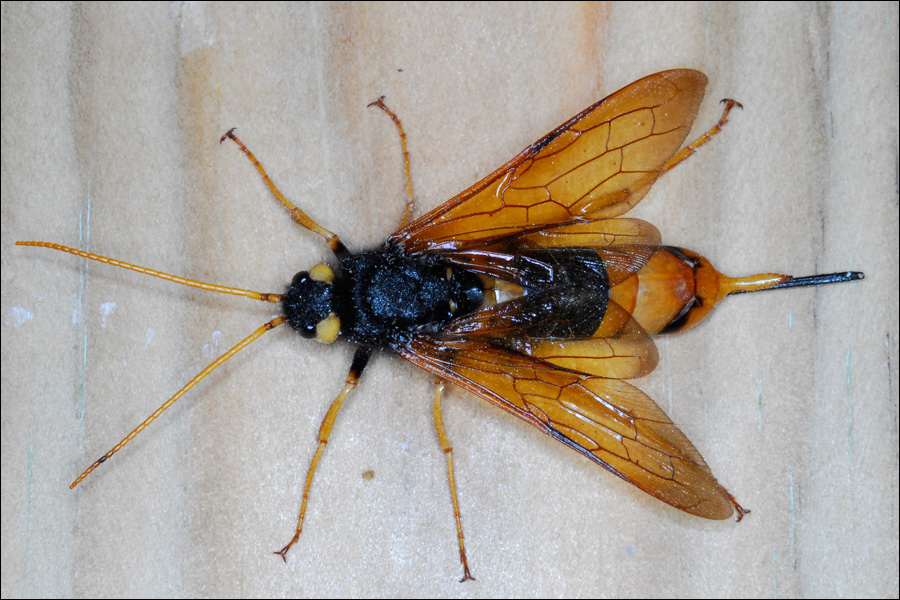
| Horntail Urocerus gigas | ||||||||||||||||||||||||||||
|
||||||||||||||||||||||||||||
| This female Horntail was caught outside a timber yard in Tórshavn 01. September 2010. Horntails are imported to the Faroe Islands for example as pupaes inside the imported timber. | ||||||||||||||||||||||||||||
Longhorn beetle Cerambycidae |
||||||||||||||||||||||||||||
|
||||||||||||||||||||||||||||
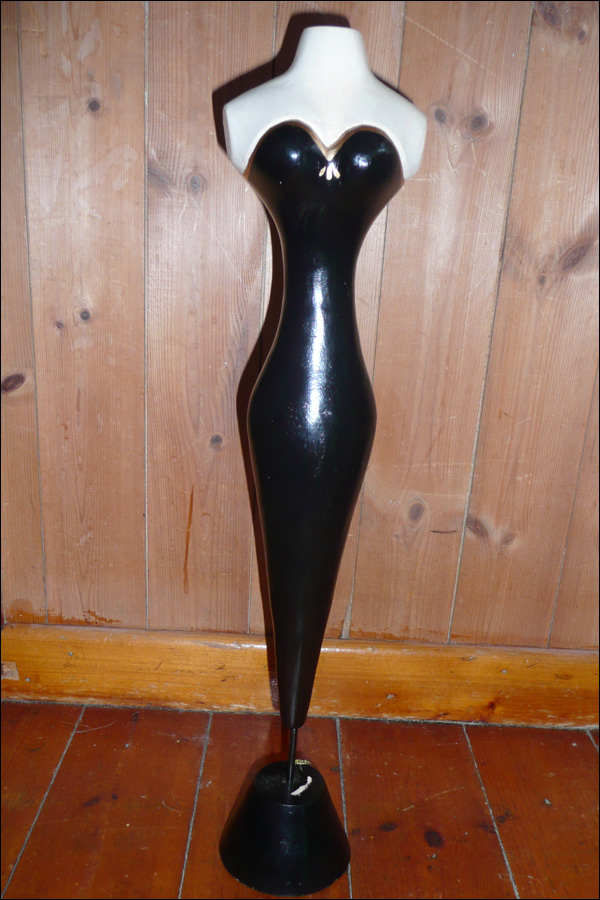
This amazing alive Longhorn beetle entered Faroe Islands in the foot of this wood miniature sculpture - produced in China, which Fríðgerð Stakkslíð bought in Tórshavn. |
 |
|||||||||||||||||||||||||||
| Helophilus pendulus (Linnaeus, 1758) | ||||||||||||||||||||||||||||
|
||||||||||||||||||||||||||||
Death's-Head Hawk-Moth Acherontia atropos (Linnaeus, 1758) |
||||||||||||||||||||||||||||
| On 10.09.2009 this photographed Death's-Head Hawk moth was caught in Miðvágur. Seven years old Tóra Mouritsen sent it to me for closer examination. The first Death's-Head Hawk moth was caught 20. October 1933 and this is the ninth observation for the Faroe Islands. | 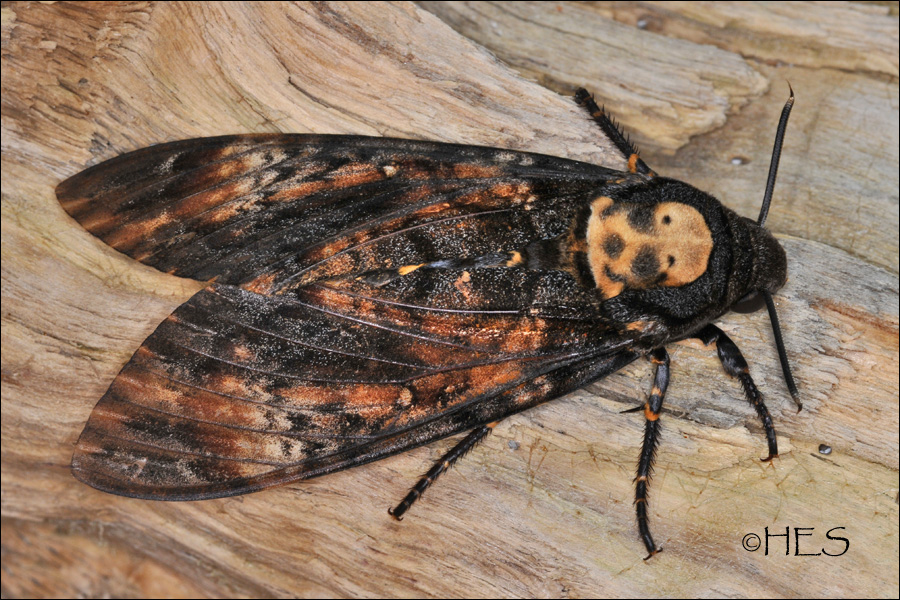 |
|||||||||||||||||||||||||||
Weevil |
||||||||||||||||||||||||||||
| A lot of plants, trees, fruits and vegetables are imported to the Faroe Islands almost without any restriction. As a side effect a lot of creepy crawlers are imported such as this not yet determined weevil, found in a supermarket at christmas 2008. | 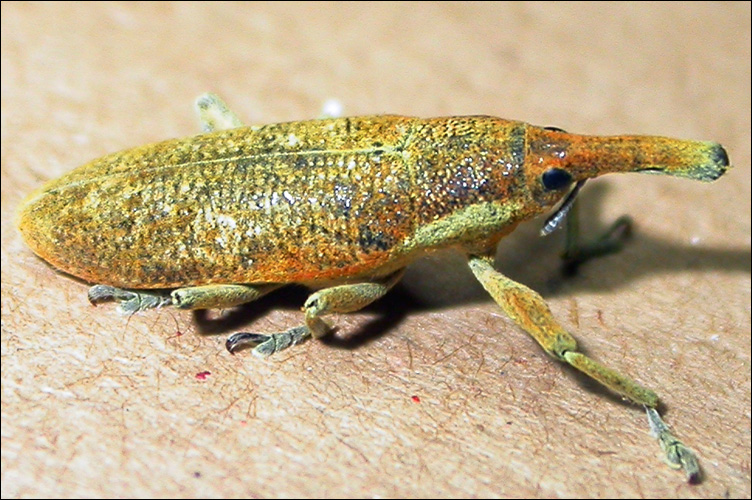 |
|||||||||||||||||||||||||||
Ligia Oceanica |
||||||||||||||||||||||||||||
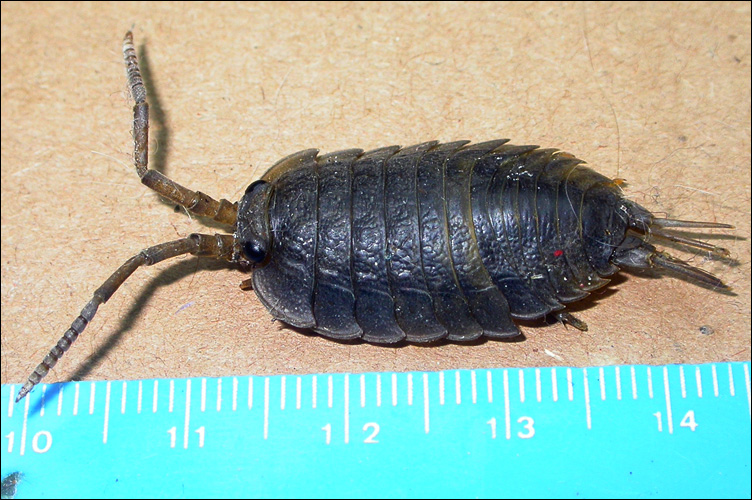
Høgni Thomsen found this woodlouse in Nólsoy 31.12.2008. |
 |
|||||||||||||||||||||||||||
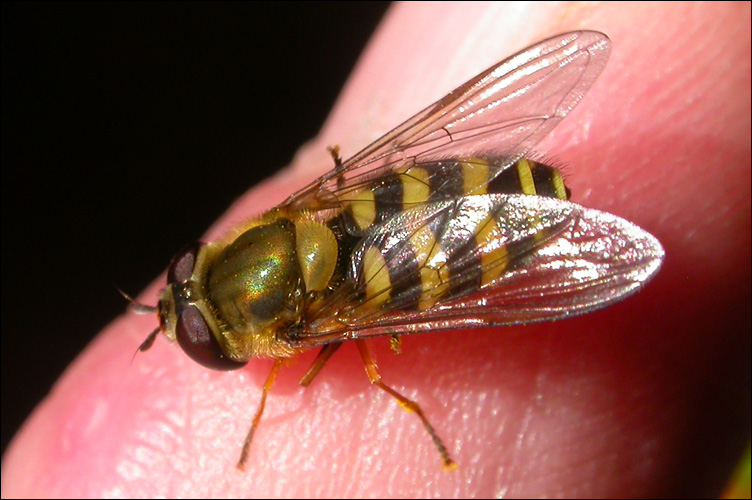
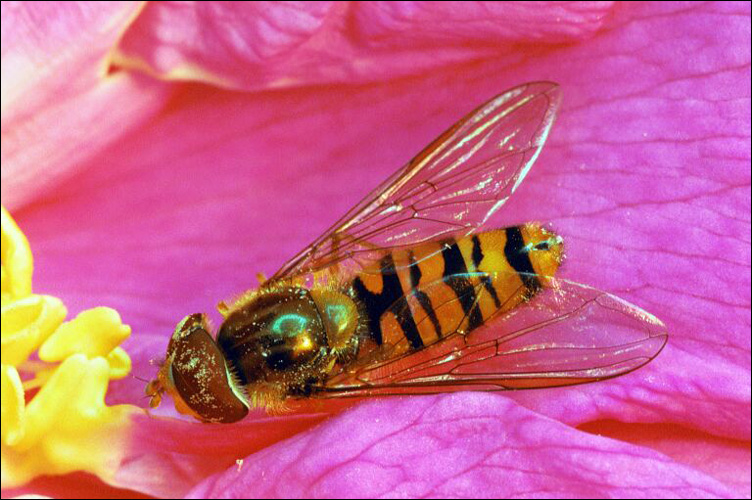
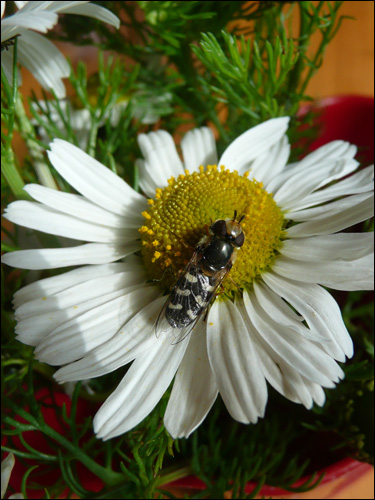
Invasion of Hoverflies |
||||||||||||||||||||||||||||
 |
 |
 |
 |
 |
||||||||||||||||||||||||
Neistabressa |
Reðurbressa |
Sunnanbressa |
Tvírandabressa |
|||||||||||||||||||||||||
| Nólsoy 5. juli 2008 | ||||||||||||||||||||||||||||
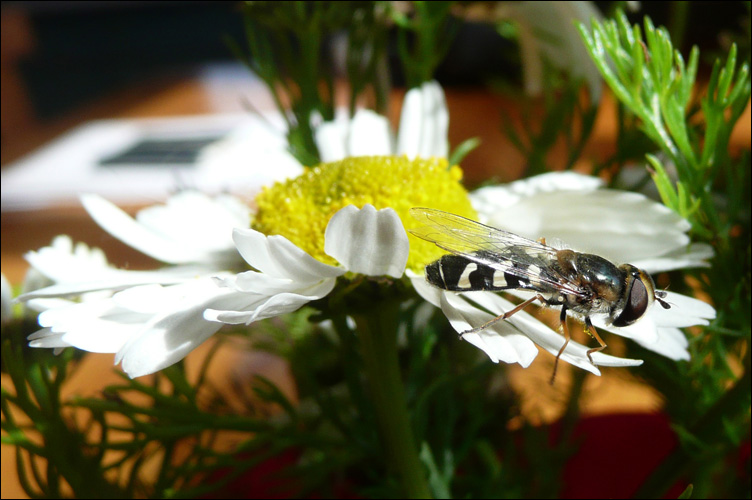
After a week with Eastern winds, the biggest invasion - as far as I know, of migrating hoverflies arrived in the Faroes. |
||||||||||||||||||||||||||||
| I counted 23 Metasyrphus corollae in 4 square metres, and that is a lot in Faroe Islands. | ||||||||||||||||||||||||||||
| Annleyg Patursson and Jens-Kjeld Jensen have spent a lot of time and effort finding the right names for the Faroese moths and butterflies. They are still busy finding new names for the new "Faroese" butterflies, so even though they finished the updating of this list already in in 2002, it will be updated regularly. |  |
|||||||||||||||||||||||||||
| Yet again Jens-Kjeld Jensen has made an effort for the Faroese nature by registrating and naming the Faroese hoverflies. |  |
|||||||||||||||||||||||||||
Bumble Bee
|
||||||||||||||||||||||||||||
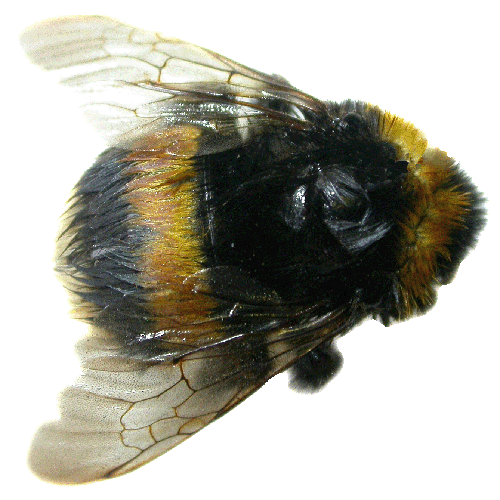
This bumble bee was caught in Skálabotnur in August 2007. Bumble bee is not registered in Faroe Islands since 1887. UK version of the article "Exotic Faroe Islands" from Dimmalætting 11. Sep. 2007 |
||||||||||||||||||||||||||||
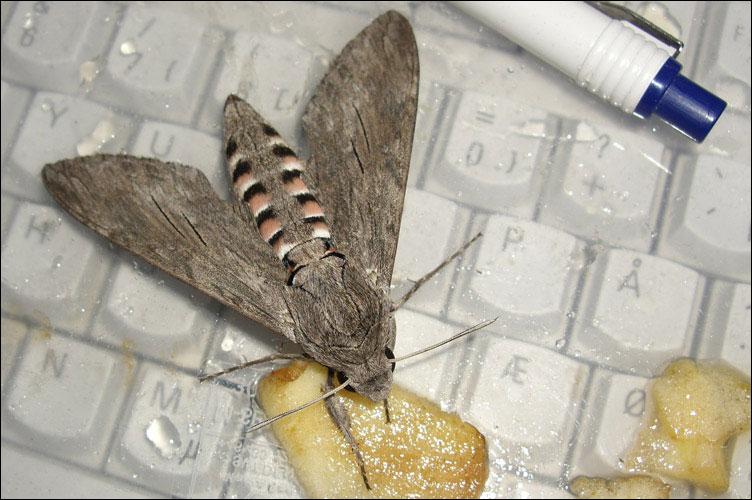
Convolvulvus Hawk Moth Agrius convolvuli |
||||||||||||||||||||||||||||
Eydna Jacobsen found this Convolvulus Hawk Moth in the institution Fjálgalon in Klaksvík 17. August 2007. This is the first report for 2007. Notice, how big the hawk Moth is on the keyboard. Photo: Eydna Jacobsen. |
 |
|||||||||||||||||||||||||||
Ticks Ixodes |
||||||||||||||||||||||||||||
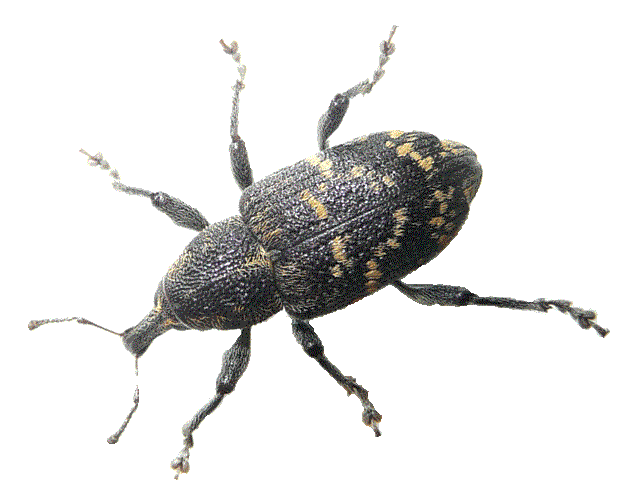
Pine Weevil Hylobius abietis |
||||||||||||||||||||||||||||
Líggjas Hansen found this Pine Weevil Hylobius abietis in Kollafjørður 1. august 2007. |
 |
|||||||||||||||||||||||||||
Sirex juvencus |
||||||||||||||||||||||||||||
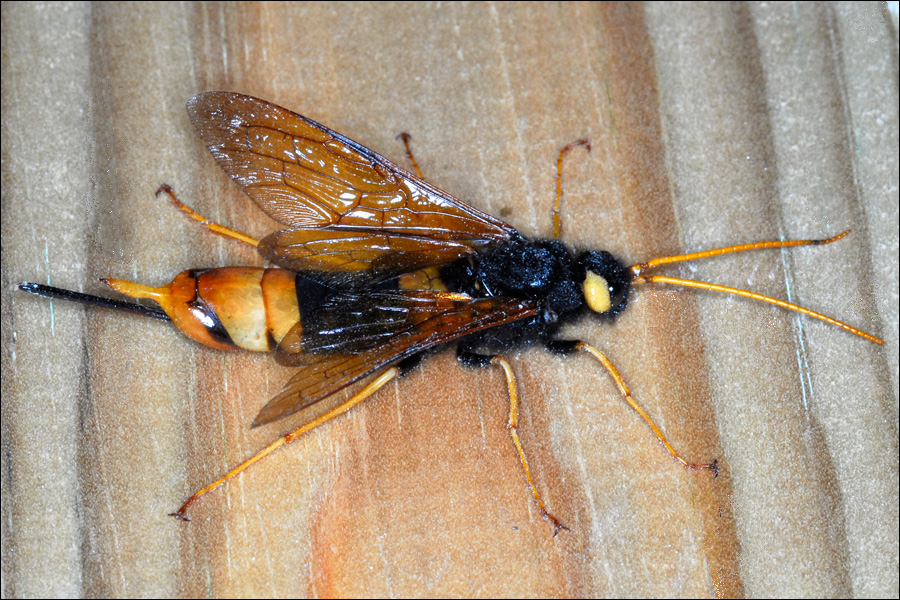
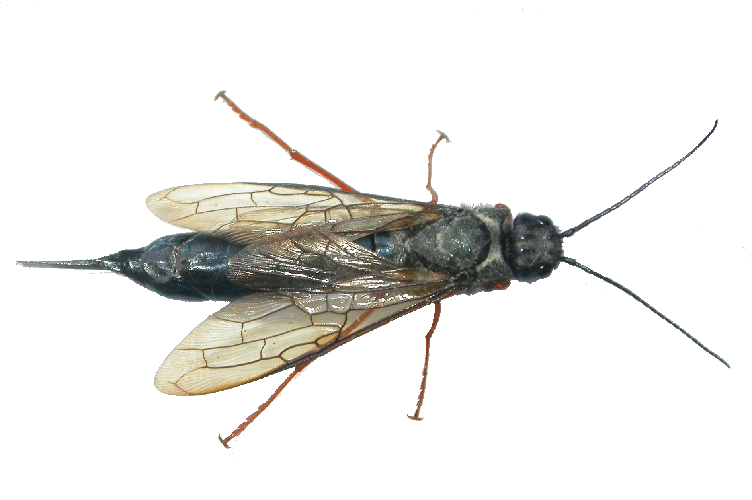
Robert Thomsen caught this beautiful Sirex juvencus in Tórshavn 9. July 2007. |
||||||||||||||||||||||||||||
Ichneum Wasp Rhyssa persuasoria |
||||||||||||||||||||||||||||
| Rúni Andersen gave me this beautiful wasp May 16. 2007. The wasp is probably imported with some timber. Rhyssa persuasoria occurs in coniferous forest in the summer where it drills into the timber to lay its eggs on the larvae of Sawflies, that live in the timber. | 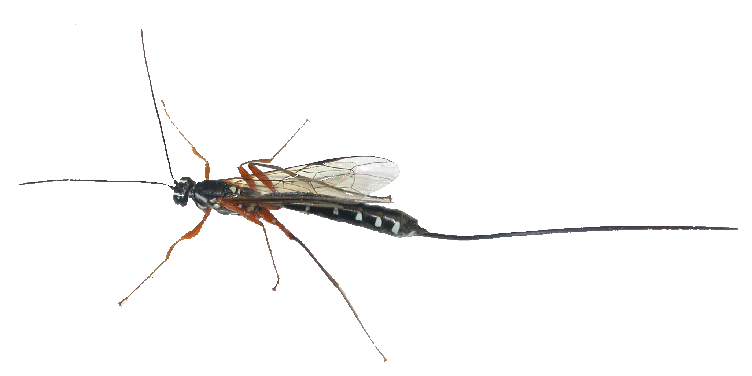 |
|||||||||||||||||||||||||||
Blowflies (Diptera, Calliphoridae) of the Faroe Islands. |
||||||||||||||||||||||||||||
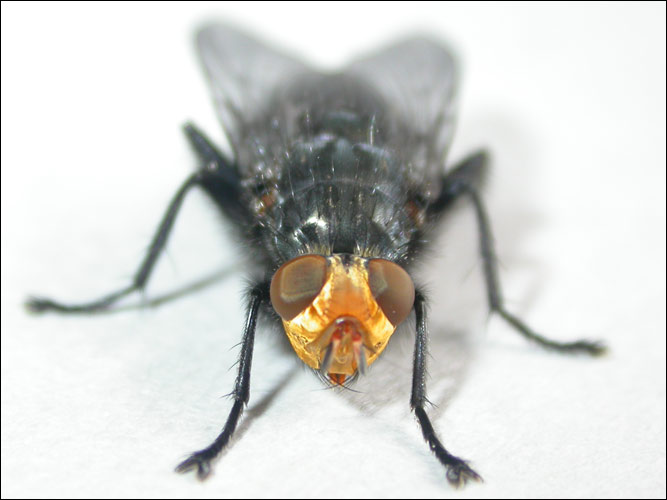
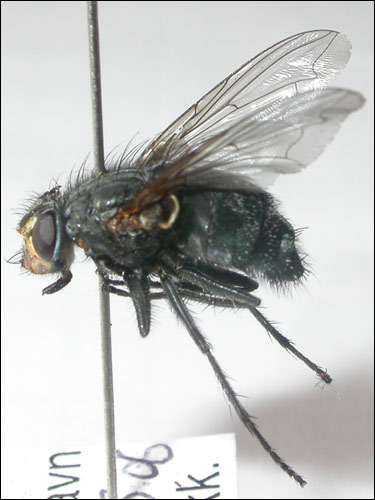
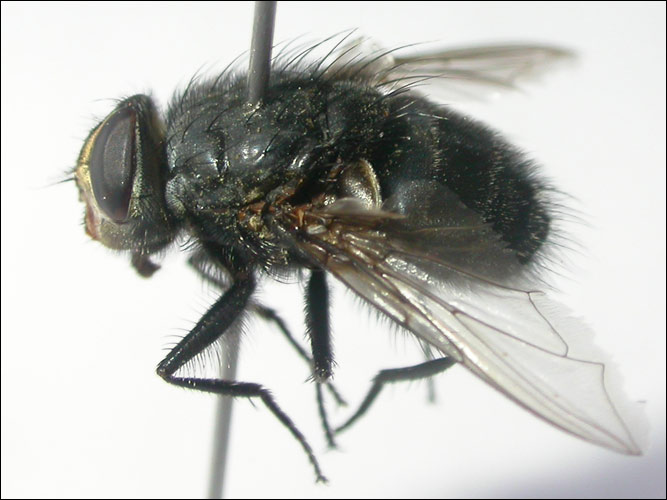
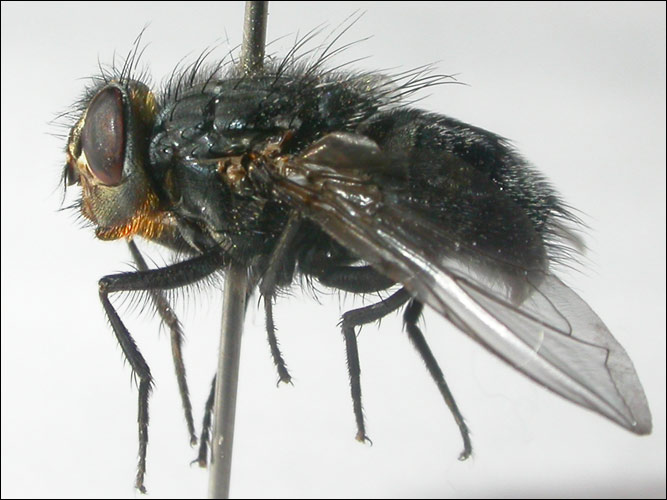
Some 20 people have collected blowflies around the Faroes in 2005 and 2006. The total catch was app. 1300 blowflies, and the idea is to continue the catching in 2007. There seems to be a big variety in the species from island to island, but when I determined the 1300 species the variety was as follows: |
 |
|||||||||||||||||||||||||||
 |
 |
 |
 |
 |
||||||||||||||||||||||||
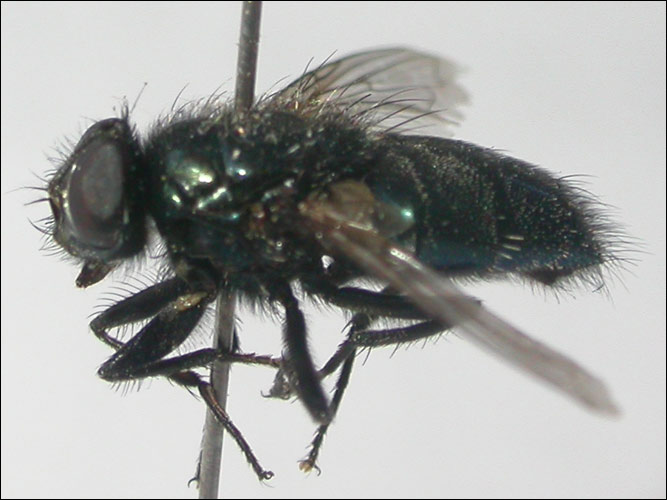
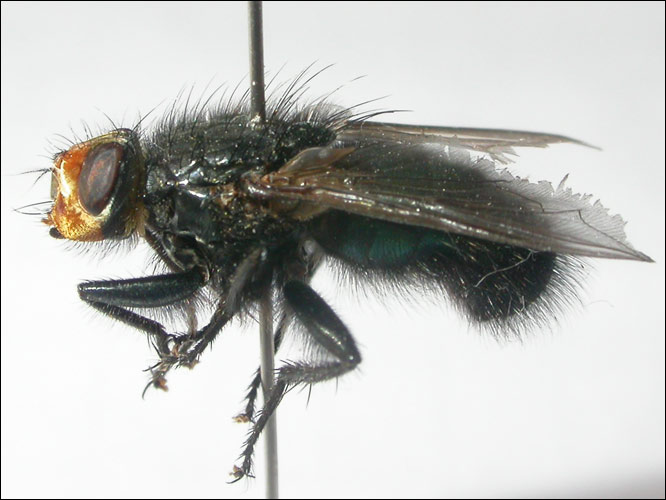
Calliphora vicina Rob. ♀ |
Calliphora uralensis Vill. ♂ |
Calliphora vomitoria L. ♀ |
Protophormia terraenovae Rob. ♂ |
Cynomya mortuorum Linn. ♂ |
||||||||||||||||||||||||
|
|
||||||||||||||||||||||||||||
















 '
' 
















4.jpg)
1.jpg)
2.jpg)
3.jpg)
5.jpg)